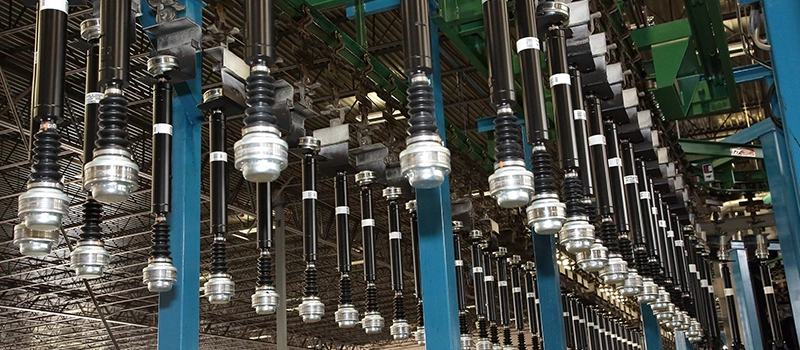
What Is Stamped Automotive Component Durability? Stamped automotive component durability refers to the ability of metal parts formed through stamping to withstand repeated mechanical, thermal, and environmental loads over the vehicle’s intend...
VIEW MORE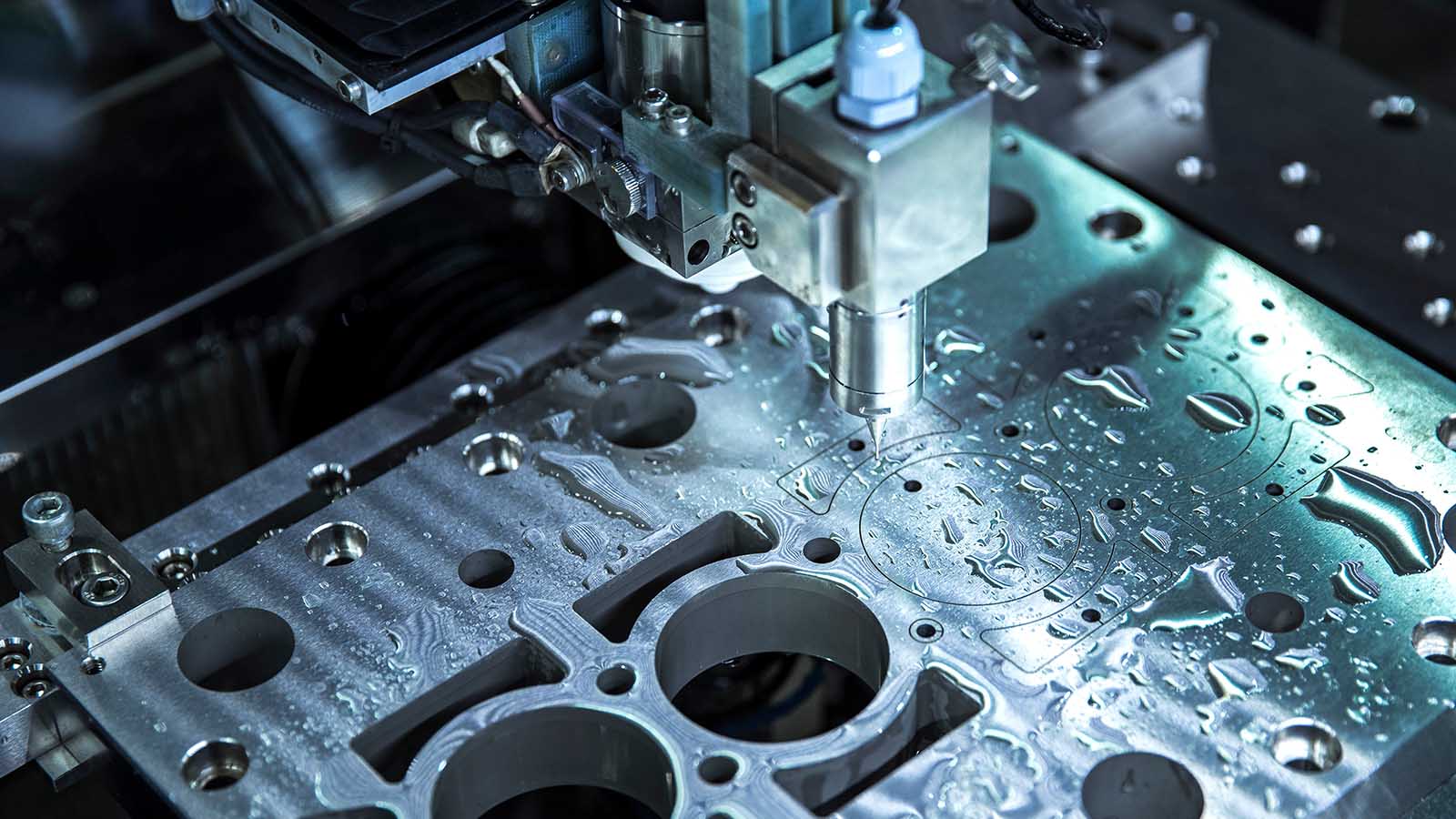
Safety-Critical Consequences of Dimensional Deviations How sub-millimeter errors compromise braking, steering, and restraint system reliability Automotive parts dimensional control directly determines whether safety-critical systems perform as desi...
VIEW MORE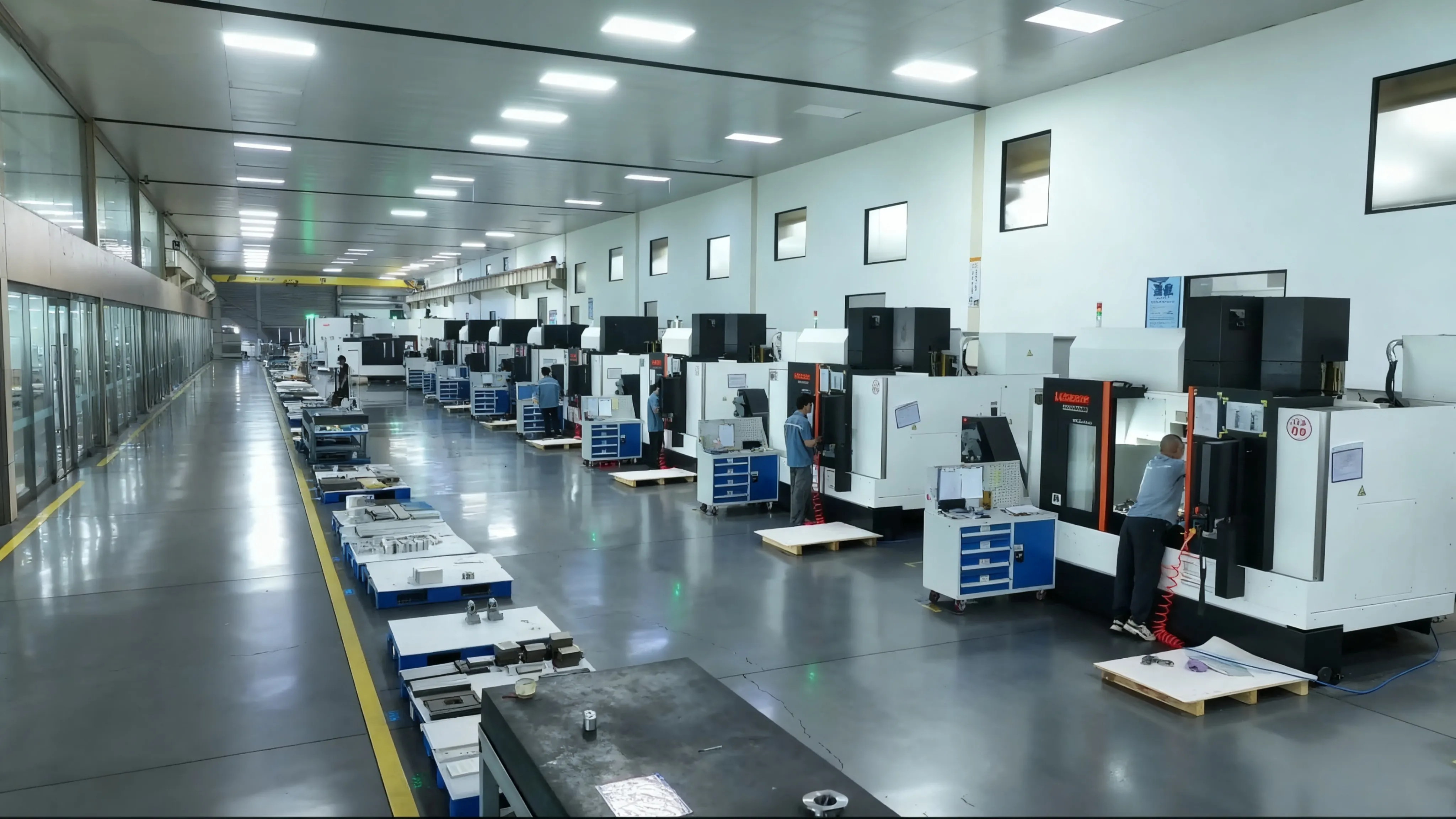
Understanding the Core Cost–Precision Trade-Off In automotive manufacturing, cost and precision exist in constant tension. Tighter tolerances drive costs upward—not linearly, but exponentially—due to demands for advanced machinery...
VIEW MORE
Map the Full Fabrication Workflow to Visualize Systemic Dependencies Apply Value Stream Mapping to Trace Material and Information Flow Value stream mapping (VSM) provides an end-to-end visual narrative of the fabrication workflow—documenting ...
VIEW MORE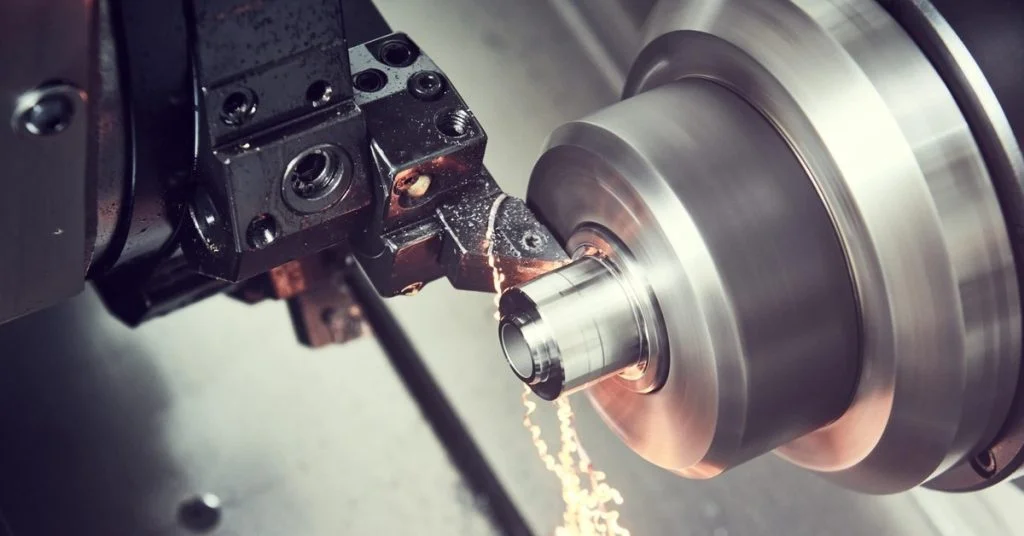
Metallurgical Challenges in Difficult-to-Weld Materials The inherent properties of difficult-to-weld materials often trigger metallurgical defects that compromise weld cleanliness and structural integrity. Two of the most pervasive issues are crack...
VIEW MORE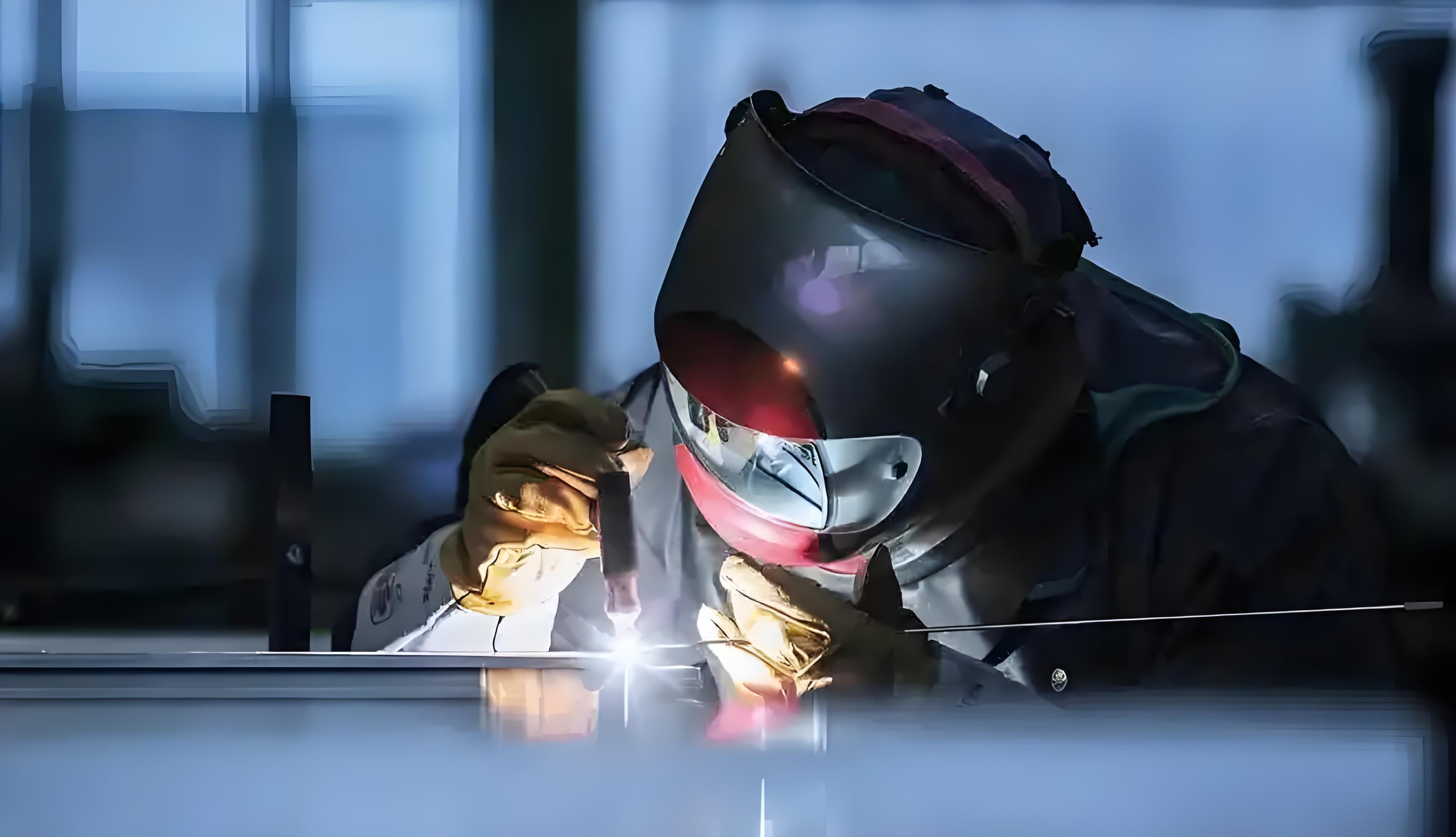
Material Thickness Determines Optimal Manufacturing Process Sheet metal fabrication: bending radius, springback, and weld penetration thresholds Material thickness directly governs key process parameters in sheet metal fabrication—including m...
VIEW MORE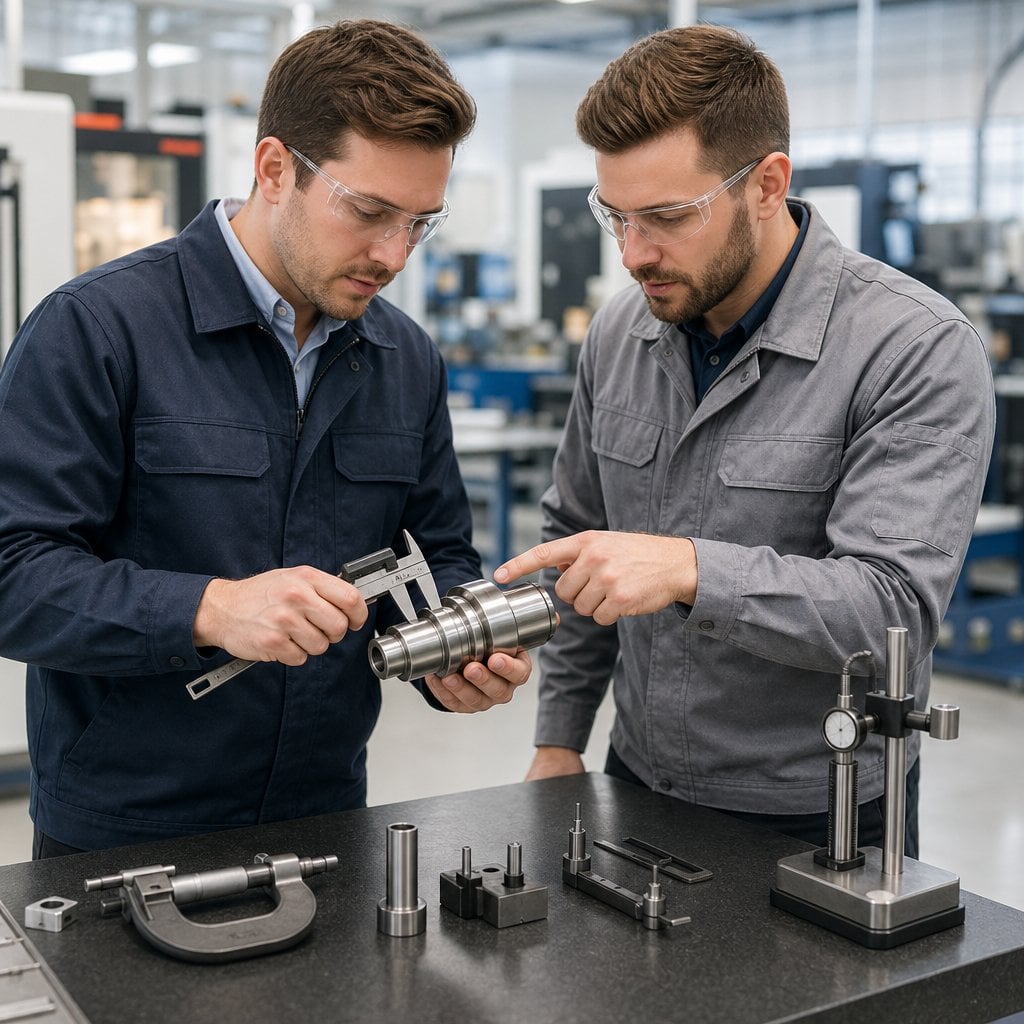
Why Burrs Form During Metal Cutting and Drilling Shear Deformation and Plastic Flow at the Cutting Edge Metal cutting burrs form primarily when material deforms plastically rather than shearing cleanly. As the tool engages, ductile metals—suc...
VIEW MORE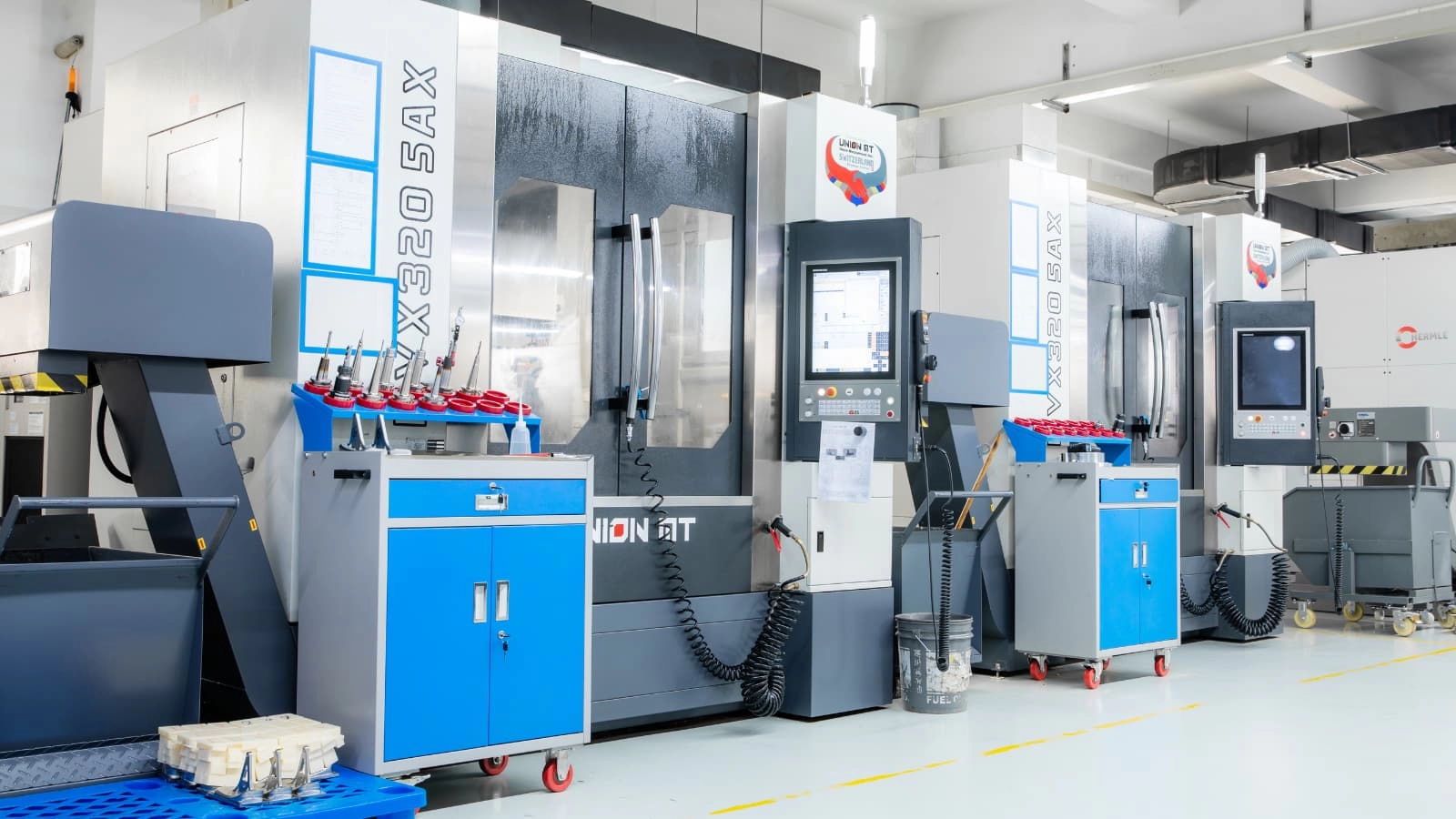
Key Technical Drivers of CNC Hole Precision Achieving reliable CNC hole precision requires control over a triad of machine-, process-, and material-dependent variables. Three pillars—mechanical stability, thermal control, and workpiece hardne...
VIEW MORE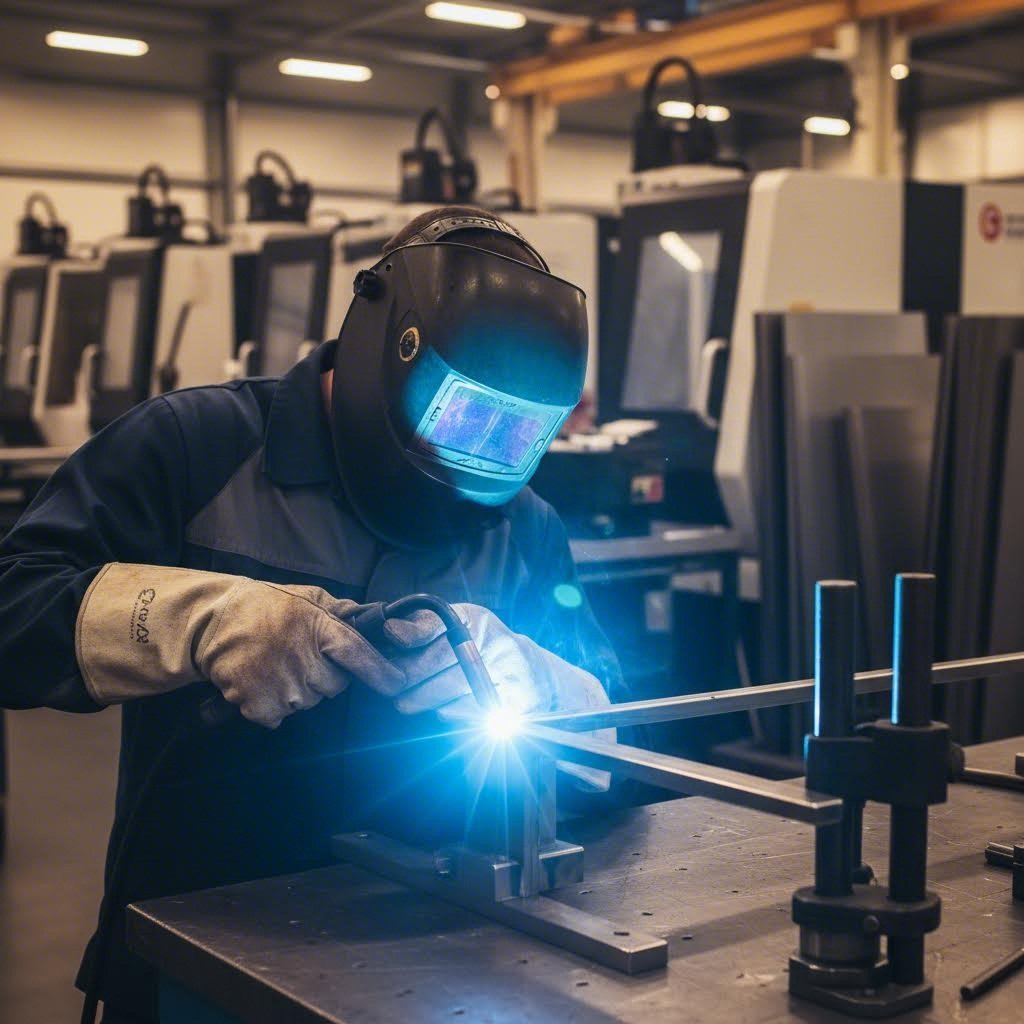
Core Mechanical Properties Driving Durable Metal Selection Tensile Strength and Fatigue Resistance for Long-Term Structural Integrity Tensile strength measures a metal’s resistance to pulling stress before fracture, while fatigue resistance r...
VIEW MORE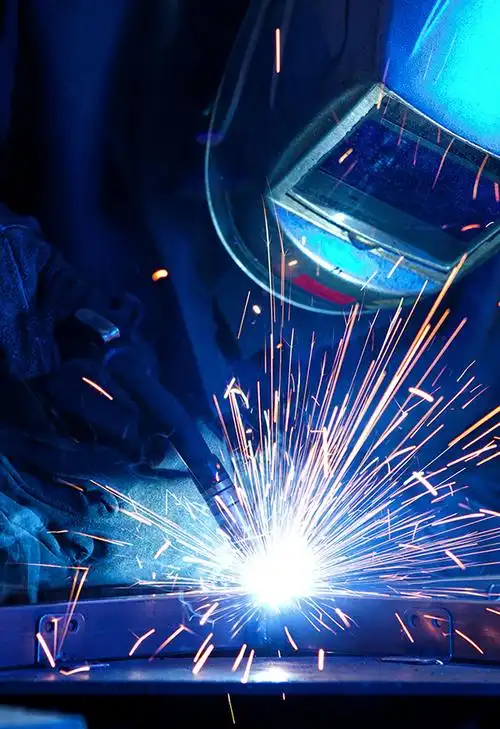
Root Causes of Weld Spatter: Arc Dynamics, Parameters, and Material Factors Unstable Electric Arc Behavior Across GMAW Transfer Modes Unstable electric arcs in GMAW manifest across globular, short-circuit, and spray transfer modes when electromagne...
VIEW MORE
Root Causes of Metal Surface Defects by Manufacturing Process Understanding why metal surface defects occur requires examining each stage of fabrication. Different processes introduce distinct imperfections that compromise both appearance and struc...
VIEW MORE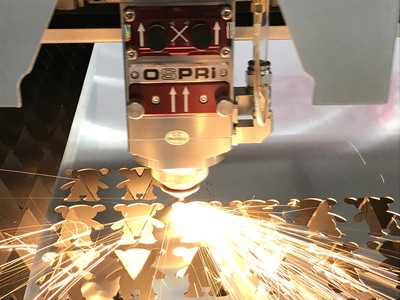
Dimensional Accuracy and Tolerance Compliance Accurately defining dimensions and tolerances is non-negotiable in machining drawing review. Missing or unclear specifications lead to increased scrap rates (>15%, SME Report 2023) and functional failur...
VIEW MORE Small batches, high standards. Our rapid prototyping service makes validation faster and easier —
  EN
EN
