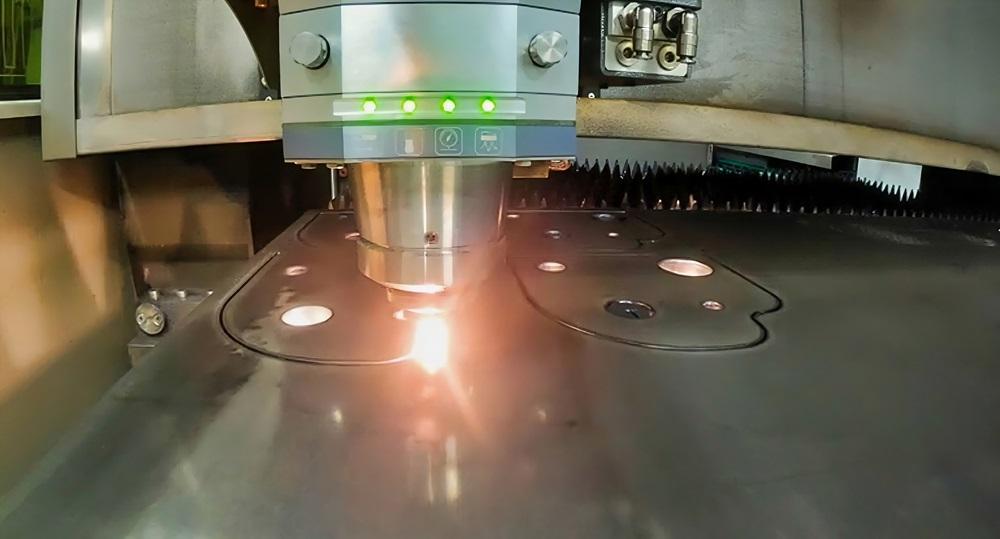
How Cutting Method Quality Drives Final Part Integrity A CAD file represents an ideal geometry, but a part’s real-world fitness for purpose is determined by the execution — specifically, the cutting method quality. Identical blueprints ...
VIEW MORE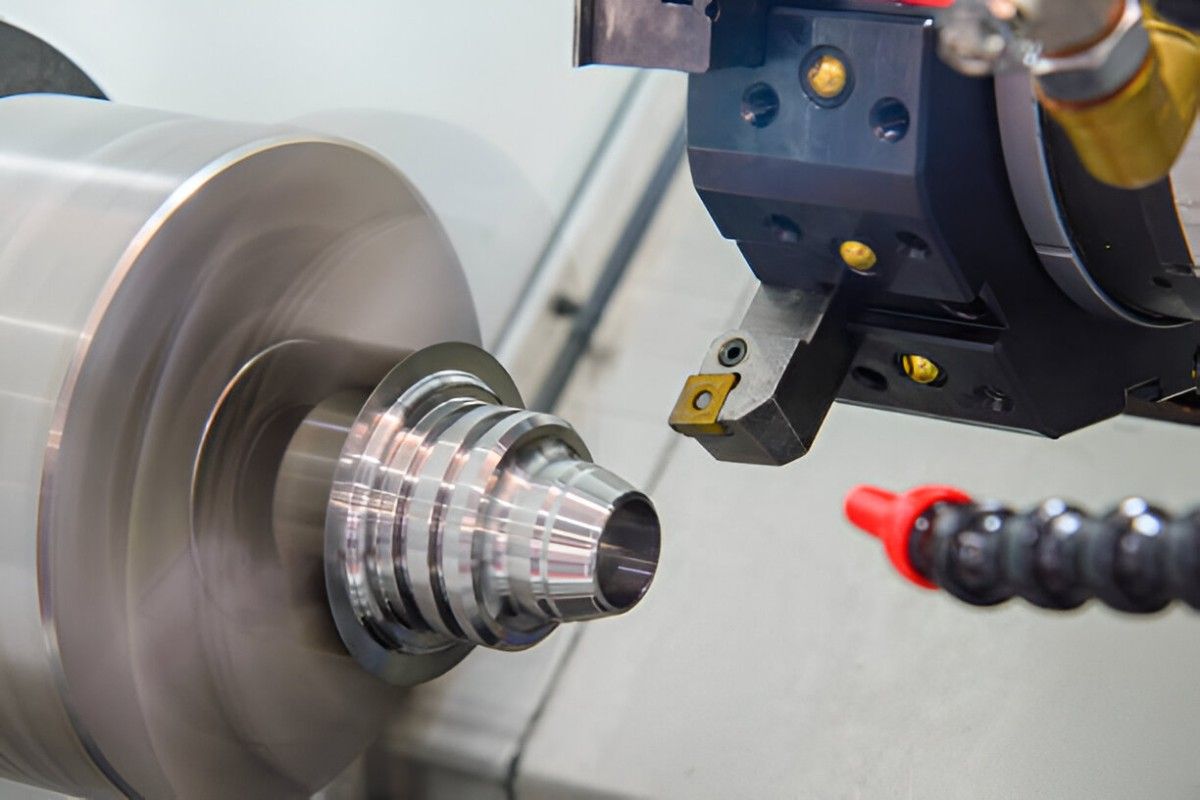
Identify the Top Root Causes of Metal Part Rework Understanding the key factors driving metal part rework significantly reduces costs and delays. Unaddressed root causes force manufacturers into corrective cycles that disrupt schedules and damage p...
VIEW MORE
Sub-Micron Accuracy and Tight Tolerances in Precision CNC Machining How Closed-Loop Control and Real-Time Feedback Enable ±0.002 mm Consistency Achieving sub-micron accuracy in precision CNC machining hinges on closed-loop control systems th...
VIEW MORE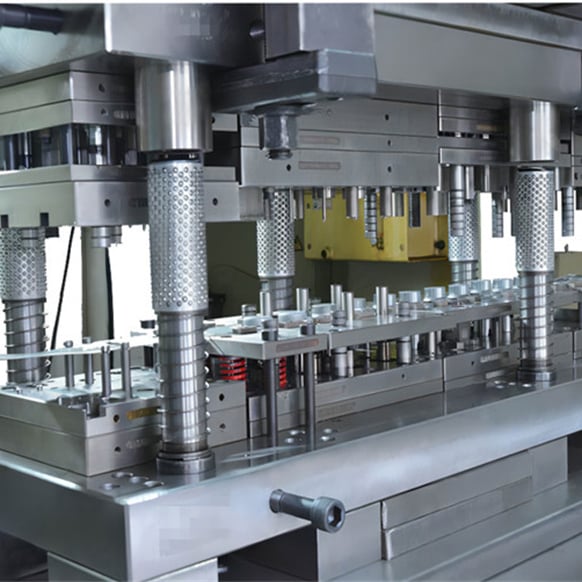
Assess Environmental and Application Requirements Selecting finishes for metal component finishing demands careful evaluation of where and how the part will operate. This fundamental step ensures optimal service life and prevents premature failure....
VIEW MORE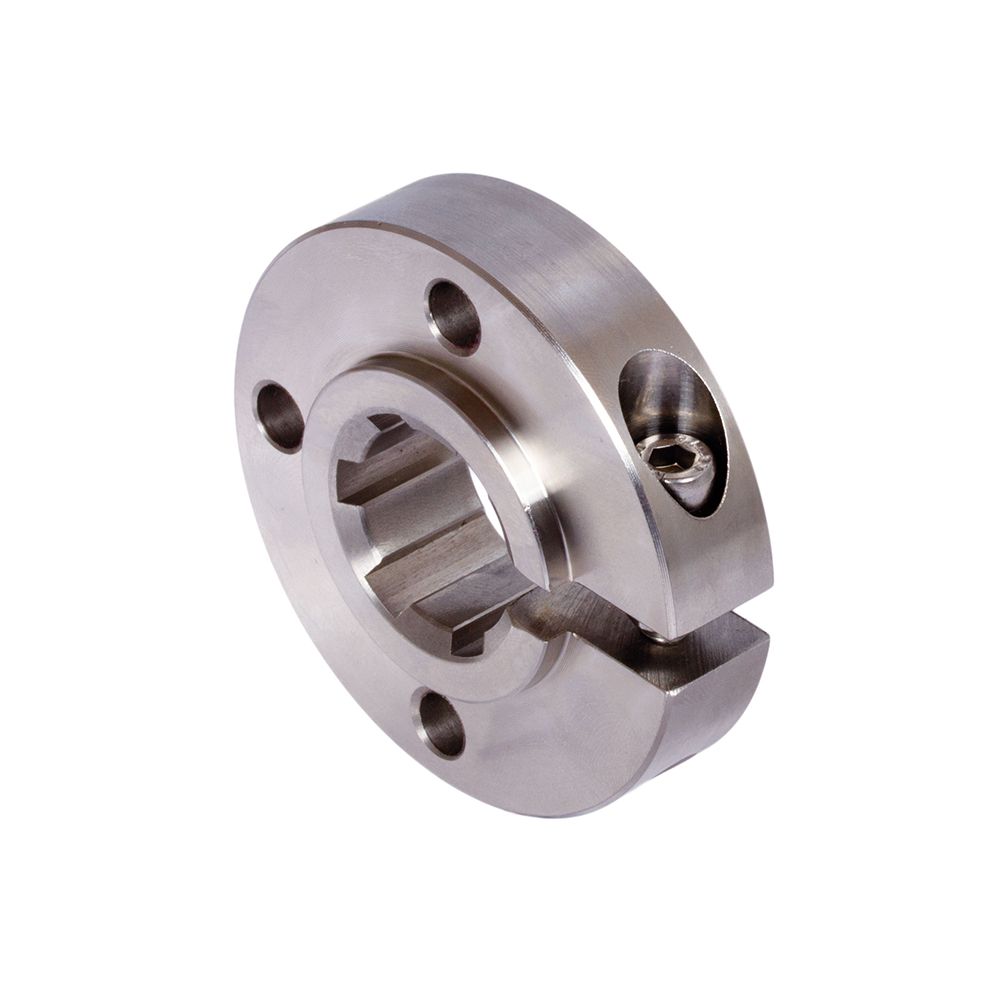
Core Sheet Metal Forming Processes and How They Work Bending, Punching, and Stamping Explained Bending, punching, and stamping are foundational sheet metal forming techniques used to create precise, repeatable components. Bending deforms metal alon...
VIEW MORE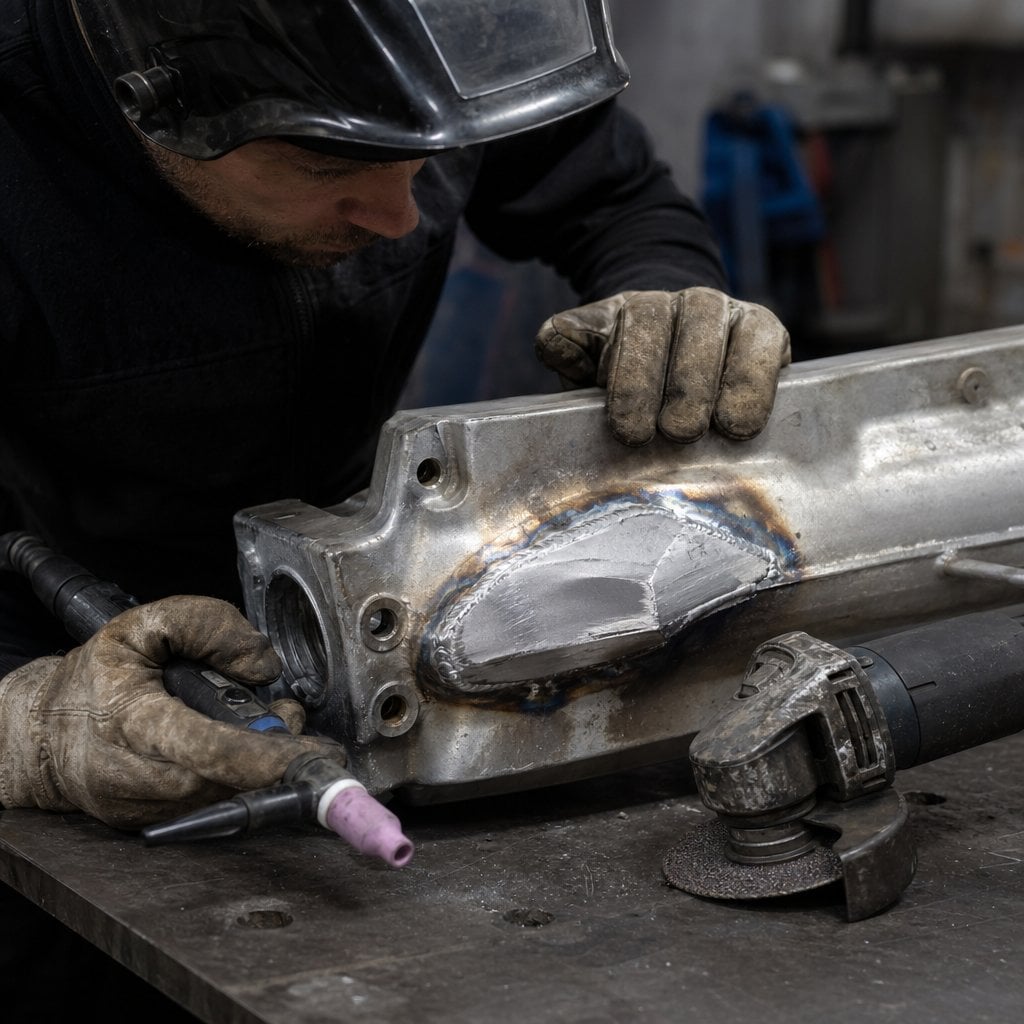
Visual Indicators of Weld Durability Surface uniformity, consistent bead profile, and absence of stress-concentrating defects A weld’s surface offers immediate insight into its internal integrity. Inspectors assess uniformity in bead width an...
VIEW MORE
Core Applications of Automotive Factory Automation Across the Production Line Automotive factory automation delivers significant precision and speed improvements in high-volume, repetitive tasks. Robotic systems dominate stamping, welding, and pain...
VIEW MORE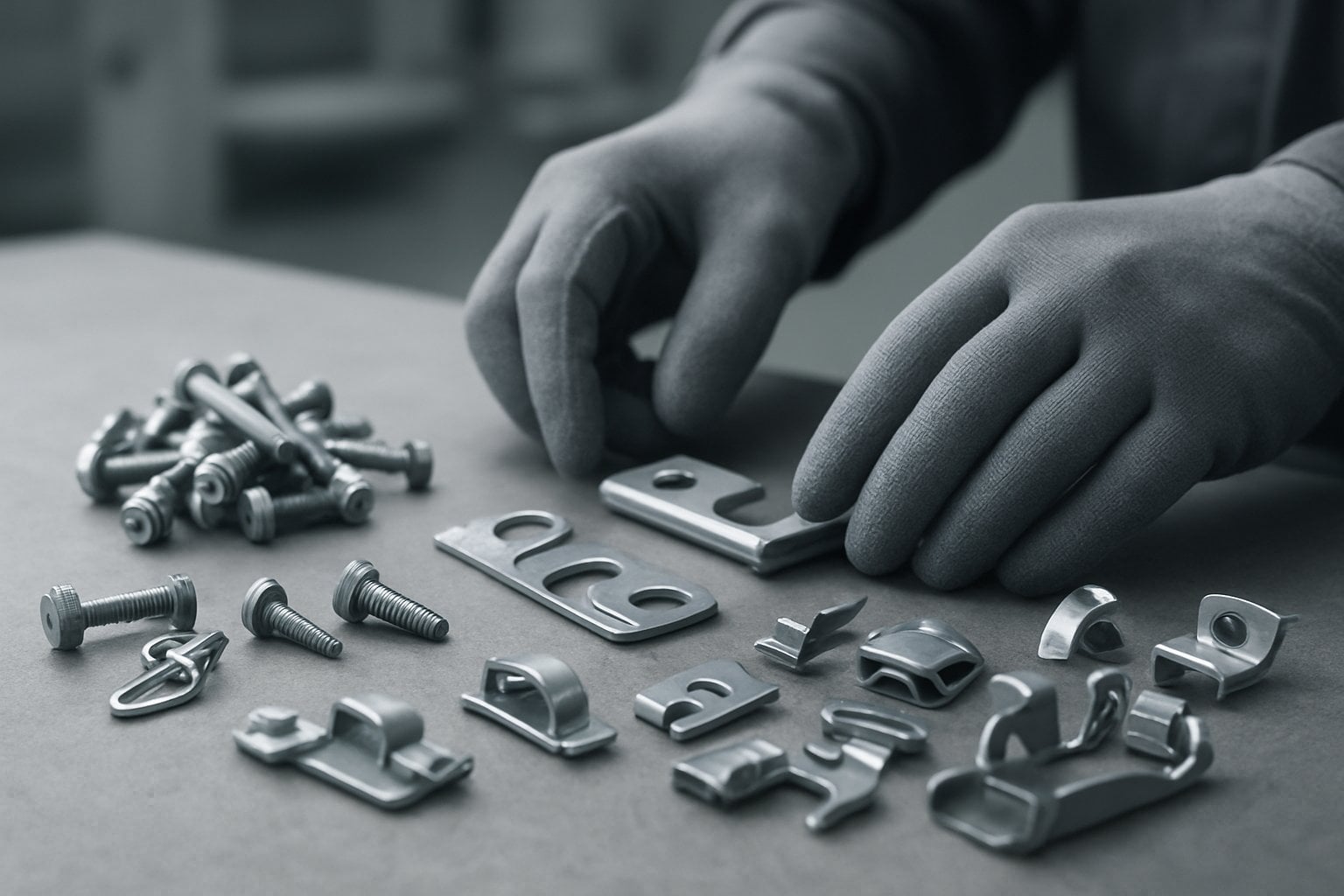
The Science Behind Weight Reduction and Fuel Economy Newtonian Physics: How Lower Mass Reduces Energy Demand for Acceleration and Deceleration Newton’s second law (F = ma) and the kinetic energy equation (½mv²) explain why vehicle...
VIEW MORE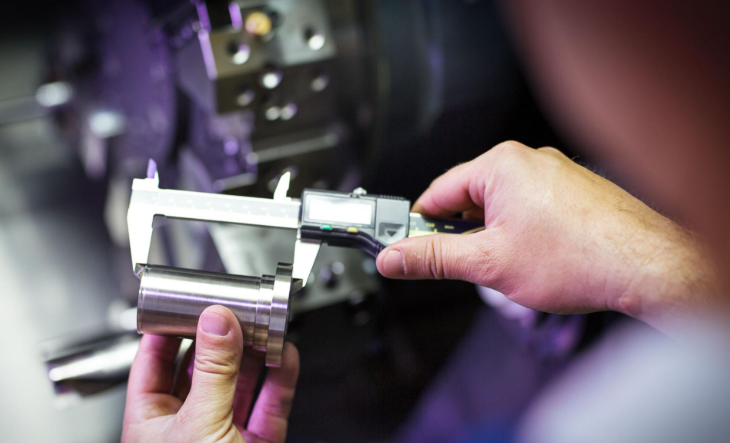
How Surface Treatment Prevents Corrosion in Automotive Components Galvanizing, anodizing, and electroplating: Mechanisms and material-specific applications Corrosion begins when oxygen, moisture, or road salts reach bare metal. Surface treatments p...
VIEW MORE
Evaluate Part Complexity: Geometry, Tolerances, and Functional Integration Geometric complexity and tight tolerances as primary drivers in automotive manufacturing process selection Part geometry and tolerance requirements serve as the first and mo...
VIEW MORE
Why Tolerance Control Is Fundamental to Automotive Metal Processing From CAD model to physical part: How dimensional accuracy bridges design intent and real-world function Precision in automotive metal processing begins with translating digital CAD...
VIEW MORE
Unmatched Precision and Tight Tolerance Control for Safety-Critical Custom Automotive Components For custom automotive CNC machining, achieving micron-level precision isn’t just desirable—it’s non-negotiable for safety-critical co...
VIEW MORE Small batches, high standards. Our rapid prototyping service makes validation faster and easier —
  EN
EN
