 Small batches, high standards. Our rapid prototyping service makes validation faster and easier —
  EN
EN

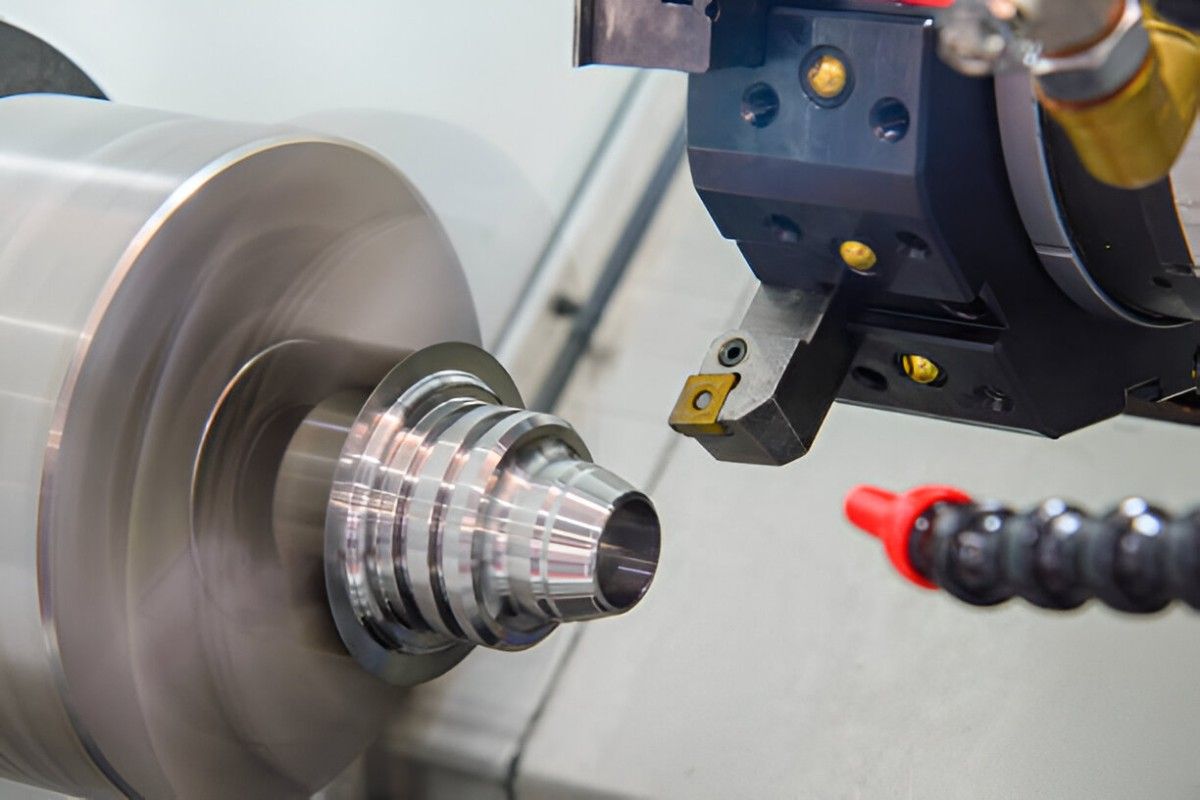
Identify the Top Root Causes of Metal Part Rework
Understanding the key factors driving metal part rework significantly reduces costs and delays. Unaddressed root causes force manufacturers into corrective cycles that disrupt schedules and damage profitability.
Machine calibration drift, operator misinterpretation, and design-to-manufacturing handoff gaps
Machines drifting from calibration specifications introduce dimensional inaccuracies undetected until downstream steps. Operator misinterpretation of complex instructions—including CAD drawings—leads to machining or forming errors when training lacks practical application. Gaps at the design-to-manufacturing handoff often involve ambiguous requirements that shop floor personnel attempt to interpret without clear guidance. When project specifications change and communication breaks down between departments, fabricators proceed on outdated assumptions.
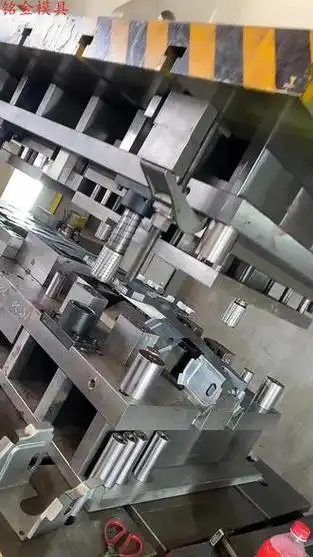
Late-stage engineering changes, omitted features, and tolerance stack-up errors in fabrication
Unexpected engineering alterations disrupt planned sequences, introducing incompatible features or requiring expedited adjustments that bypass verification. Omission of critical features during programming results in partially fabricated components requiring costly re-machining. Cumulative dimensional deviations—tolerance stack-up errors—emerge only during assembly when sub-components fail to align or integrate properly, mandating disassembly and rework.
Implement Process Controls That Prevent Metal Part Rework at Source
Targeted process controls provide the certainty and precision needed to prevent metal part rework at its source—before resources are wasted.
Value stream mapping to isolate high-rework operations (e.g., CNC setup, welding, deburring)
Analyzing process flows highlights inefficiencies hiding in manufacturing systems. Machining setups and welding defects drive 24% of metal part non-conformances, according to industry research centers. Value stream mapping:
- Exposes delays between sequential machining operations
- Quantifies idle times during fixture changes
- Tracks defect rates by production cell
Its visual clarity helps set baseline improvement targets. Operators benefit from focused interventions in high-impact zones where repair rates exceed 3%.
Statistical process control (SPC) with real-time SPC charts for critical dimensions
Quantifying part dimension stability is key to reducing dimensional deviations. Integrated Statistical Process Control (SPC) systems reduce machining errors by 65%, per a sector-wide study. Real-time SPC charts:
- Compare live data against control limits
- Flag shifts in tool wear patterns
- Alert to material inconsistencies during runs
Avoiding manual measurements prevents transcription errors—one study found 18% of paper-based records contain inaccuracies.
Deploy Digital Tools to Detect and Stop Metal Part Rework Before It Occurs
Proactive detection halts metal part rework at its inception. Waiting until post-production inspection guarantees material waste and labor costs. Integrated digital systems create immediate intervention opportunities when deviations arise—transforming passive quality control into active prevention. Real-time data streams embed quality directly into the workflow.
IoT-Enabled Machine Monitoring and Cloud-Based QMS Alerts for Deviation Thresholds
Operating deviations—often precursors to rework—are captured at the machine level via sensor networks monitoring vibration, temperature, and power consumption. Drift beyond established thresholds triggers cloud-based QMS notifications. For example, spindle runout exceeding ±0.0005" generates tiered alerts: operators receive in-process notifications, while supervisors access aggregated reports highlighting calibration needs. One aerospace supplier used vibration analysis to detect tool wear in real time, reducing milling tolerance violations by 62% and avoiding over $213,000 in annual rework expenses. These systems enforce closed-loop feedback—halting operations until resolution and preventing inconsistent outputs.
Digital SOPs with Embedded Checkpoints and MES-Integrated First-Article Verification
Standardizing work instructions eliminates ambiguity that drives rework. Digital SOPs include mandatory force-confirmation checkpoints before proceeding—for instance, verifying threading depth or dimensional tolerances against MES-integrated specifications. For critical initial production runs, first-article inspection integrates with smart fixture verification protocols; torque tools with embedded sensors validate fastener tension electronically against design files. A Midwest job shop paired digital assembly guides with optical coordinate verification, eliminating weld placement errors and reducing first-article rejection rates by 80% on complex fabrications. Digitizing verification embeds failsafes directly into production sequences.
Embed Prevention into Culture: Training, Design for Manufacturability, and Feedback Loops
A prevention-first culture is one of the most effective long-term strategies to minimize metal part rework. It begins with comprehensive, hands-on training—not just at onboarding, but regularly updated for new tooling, specifications, and measurement techniques. When operators, inspectors, and engineers understand how each step impacts final quality, they intervene early rather than deferring to final inspection.
Design for manufacturability (DFM) bridges the gap between design intent and production reality. Involving manufacturing engineers early avoids overly tight tolerances, inaccessible weld joints, or unmachinable features—ensuring parts can be produced consistently within specification the first time.
Structured feedback loops turn every quality incident into a learning opportunity. Systematically sharing root-cause findings from rework events with design, engineering, and production teams enables continuous adaptation of standards and training content. This cycle reinforces a culture where prevention is built into every role—steadily lowering both the frequency and severity of metal part rework.
FAQ
What are the main causes of metal part rework?
Metal part rework is often caused by machine calibration drift, operator misinterpretation, gaps in design-to-manufacturing communication, late-stage engineering changes, omitted features, and tolerance stack-up errors.
How can process controls help reduce rework?
Process controls like value stream mapping and statistical process control (SPC) systems target inefficiencies, identify dimensional deviations, and isolate high-rework areas, significantly reducing rework rates.
What role do digital tools play in minimizing metal part rework?
Digital tools such as IoT-enabled machine monitoring, cloud-based QMS alerts, and MES-integrated first-article verification proactively identify and prevent deviations, embedding quality directly into production workflows.
How does training affect the prevention of rework?
Regular, hands-on training ensures that operators, inspectors, and engineers understand the impact of each production step on final quality, encouraging early intervention rather than reliance on inspections.
What is Design for Manufacturability (DFM)?
DFM involves involving manufacturing engineers early in the design phase to ensure parts can be produced within specifications, avoiding tight tolerances or unmachinable features that lead to rework.