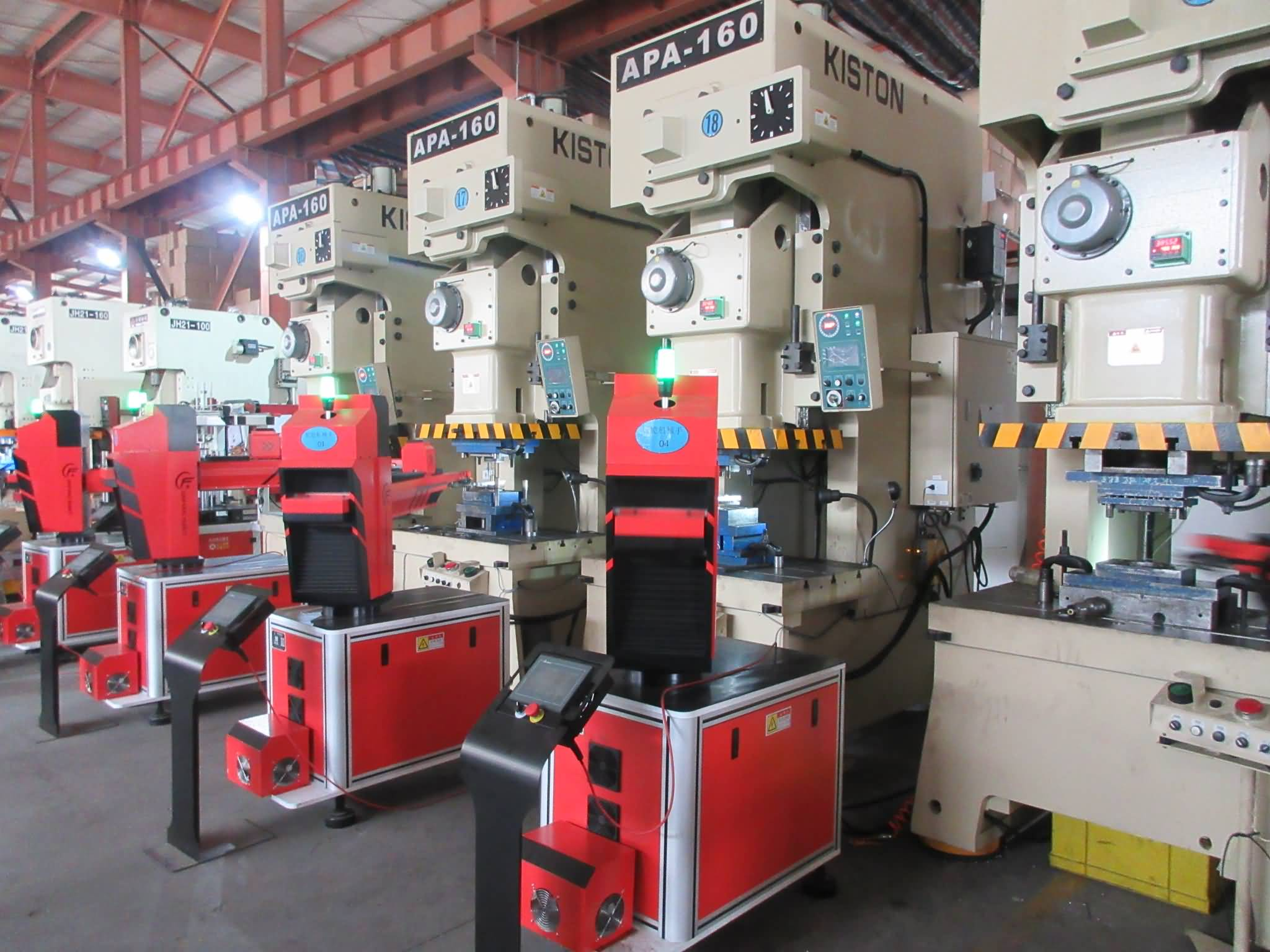
Switching partners between prototype and high-volume metal stamping isn't just inconvenient. It creates expensive delays, quality inconsistencies, and engineering rework that could derail your project timeline. And the bills that arrive after the sw...
VIEW MORE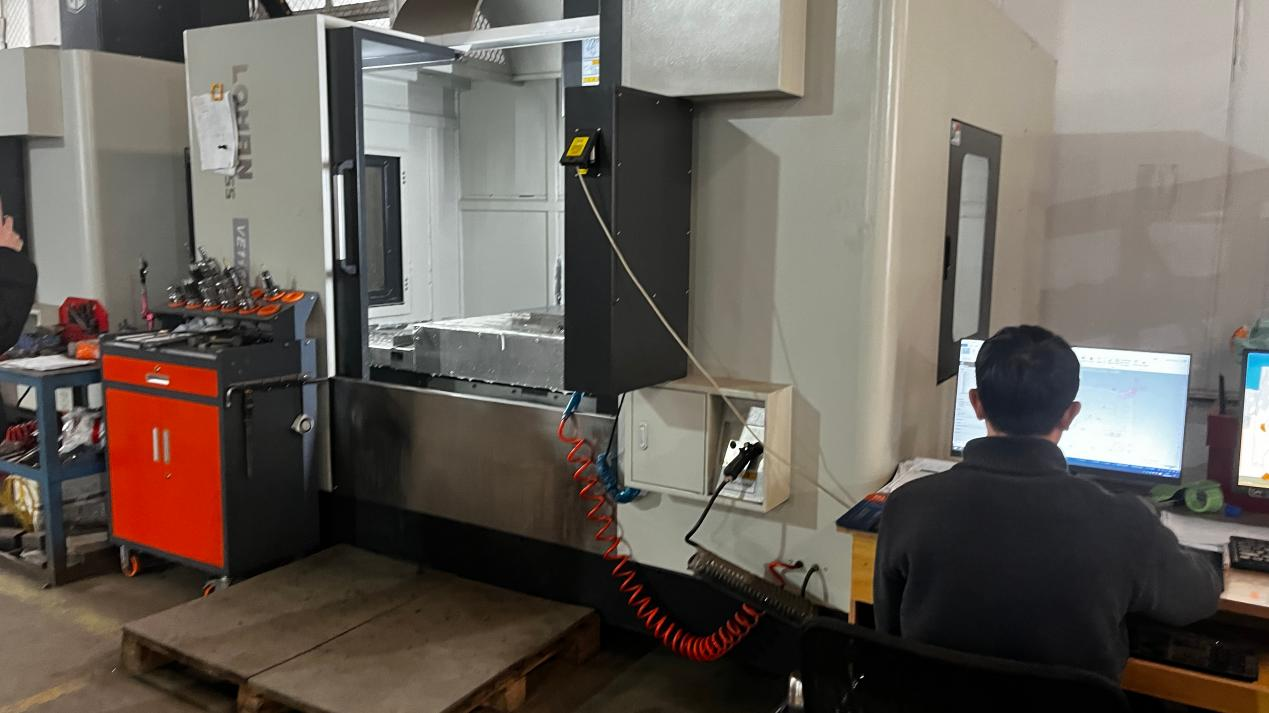
Nearly 40% of premature cooling system failures in modern vehicles begin with fatigued mounting hardware. For Tier-1 engineers, maintaining structural integrity during extreme engine vibration remains a major challenge. At Shaoyi Metal Technology, we...
VIEW MORE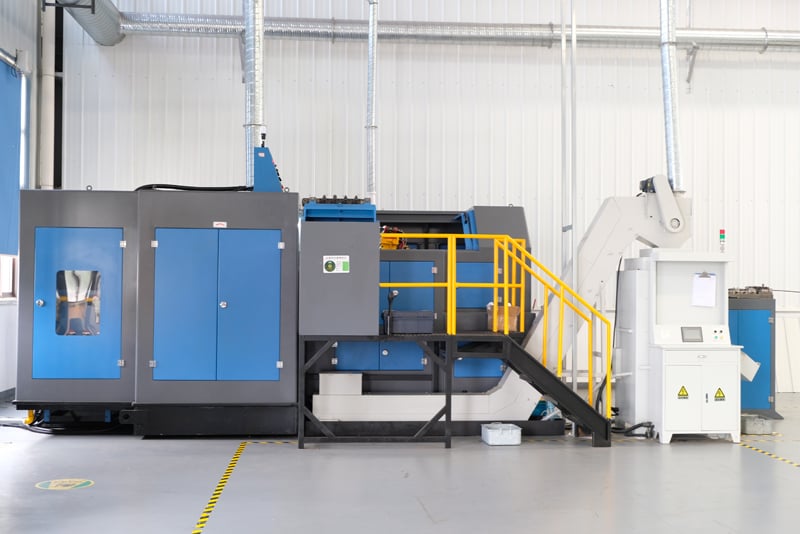
How Cold Heading Beats CNC Machining for Automotive Pin and Stud Parts — And When It Doesn't Cold heading and CNC machining can produce the same finished shaft from two opposite directions: cold heading forms it from wire under compressive forc...
VIEW MORE
Understanding Core Part Requirements: Tolerance, Geometry, and Function Why dimensional tolerance drives process selection more than material or size Dimensional tolerance—the permissible variation in a part’s physical measurements&mdas...
VIEW MORE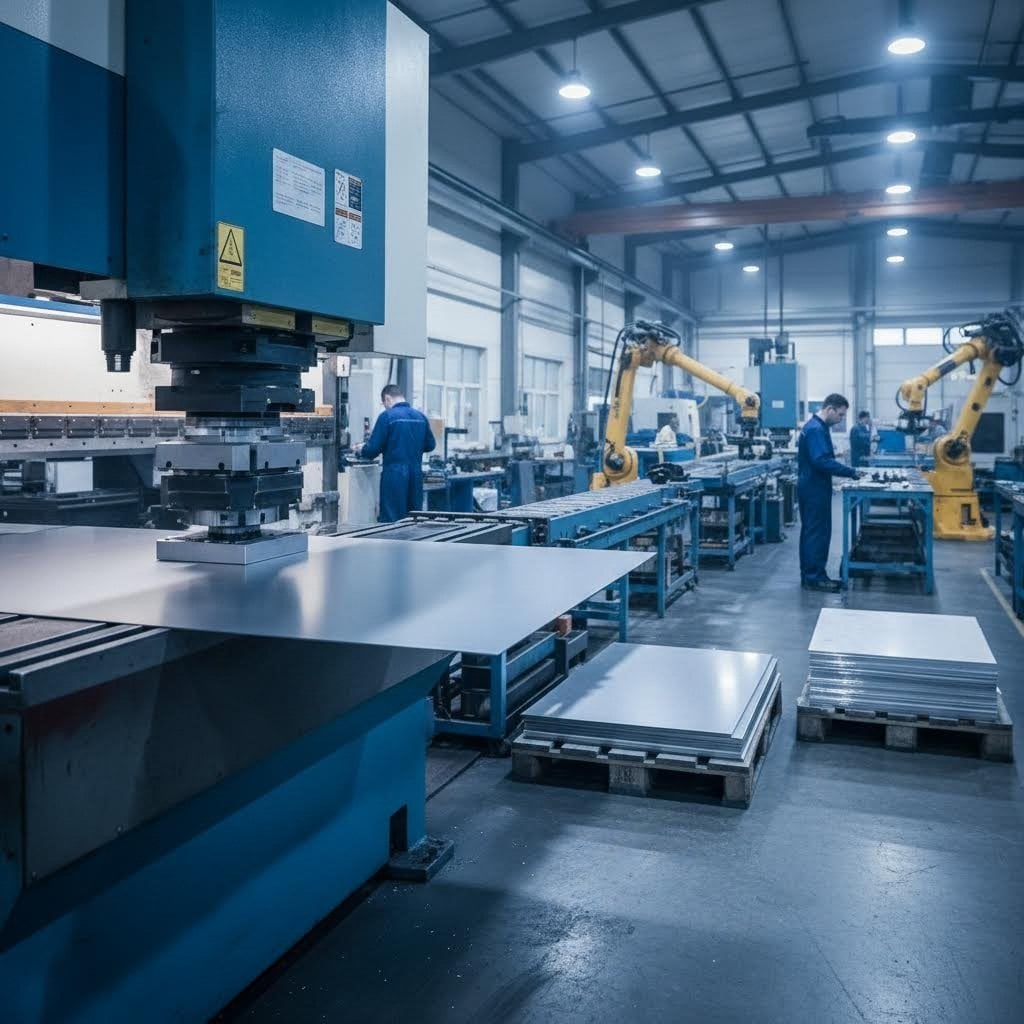
Strategic Cost Estimation and Dynamic Budgeting Integrating Early-Stage Cost Estimating with Feasibility Studies Embedding cost estimation into feasibility studies transforms cost-effective fabrication from a target into a measurable outcome. Forwa...
VIEW MORE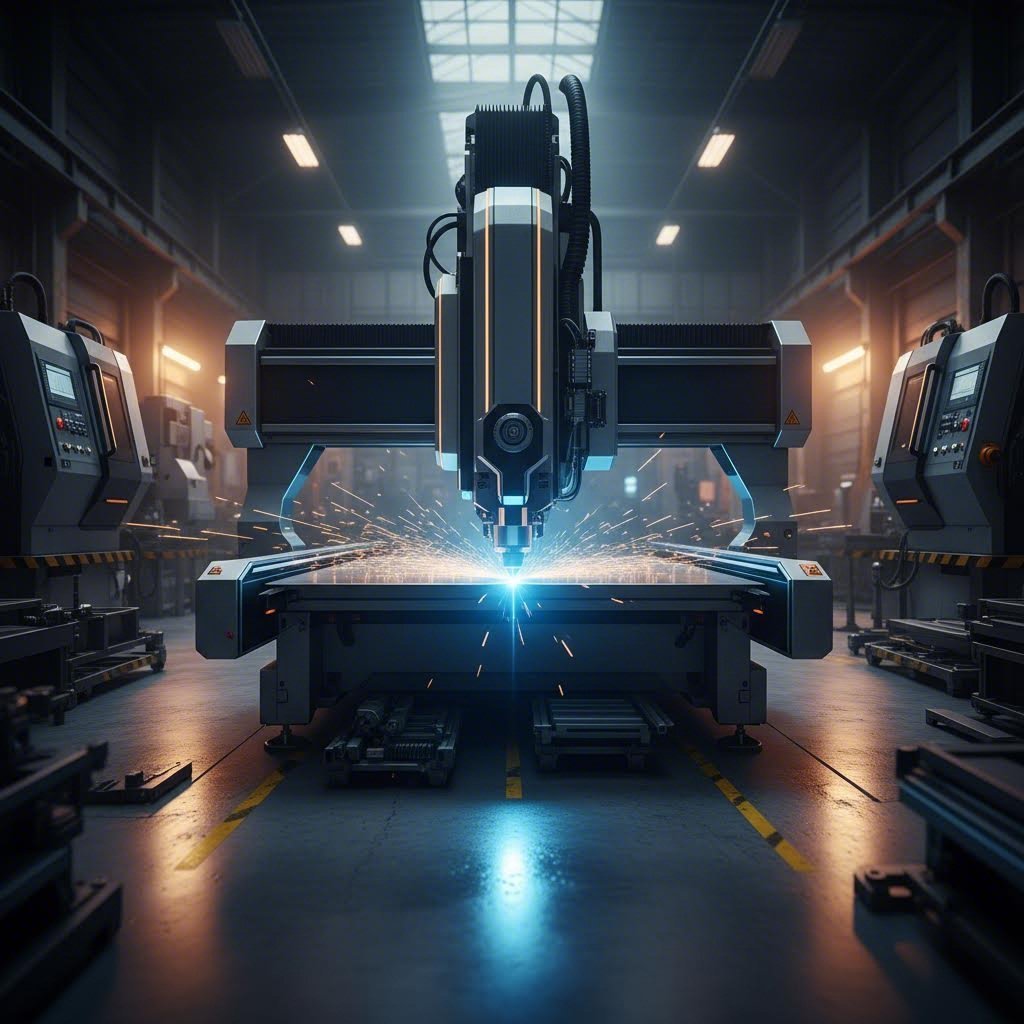
Strategic Nesting and Layout Optimization for Scrap Reduction Algorithm-Driven Nesting: Maximizing Sheet Utilization in High-Mix Batch Runs Advanced nesting algorithms are the backbone of modern scrap reduction in batch metal production. These comp...
VIEW MORE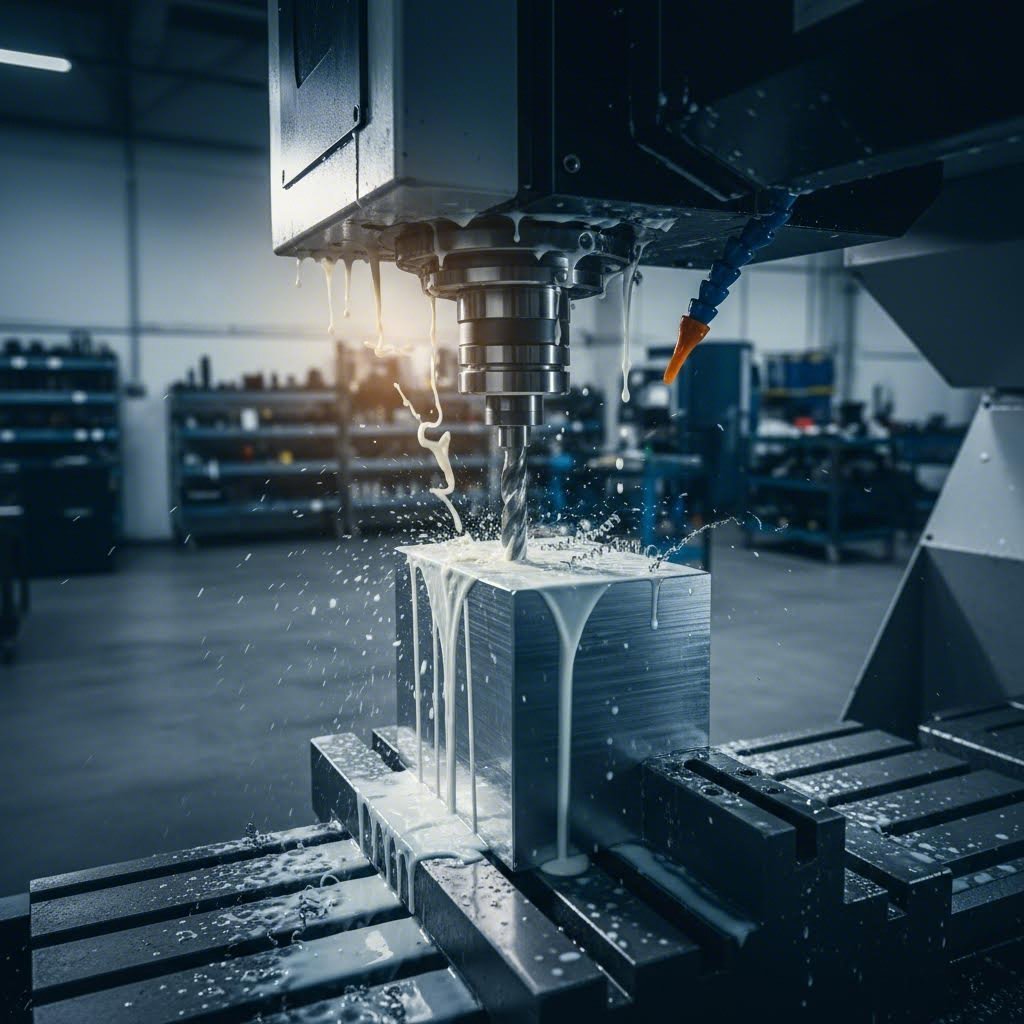
Manufacturing Tolerances Directly Impact Cost and Lead Time How early tolerance decisions shape tooling, inspection, and process validation costs Defining manufacturing tolerances early in design locks in the production approach before tooling, ins...
VIEW MORE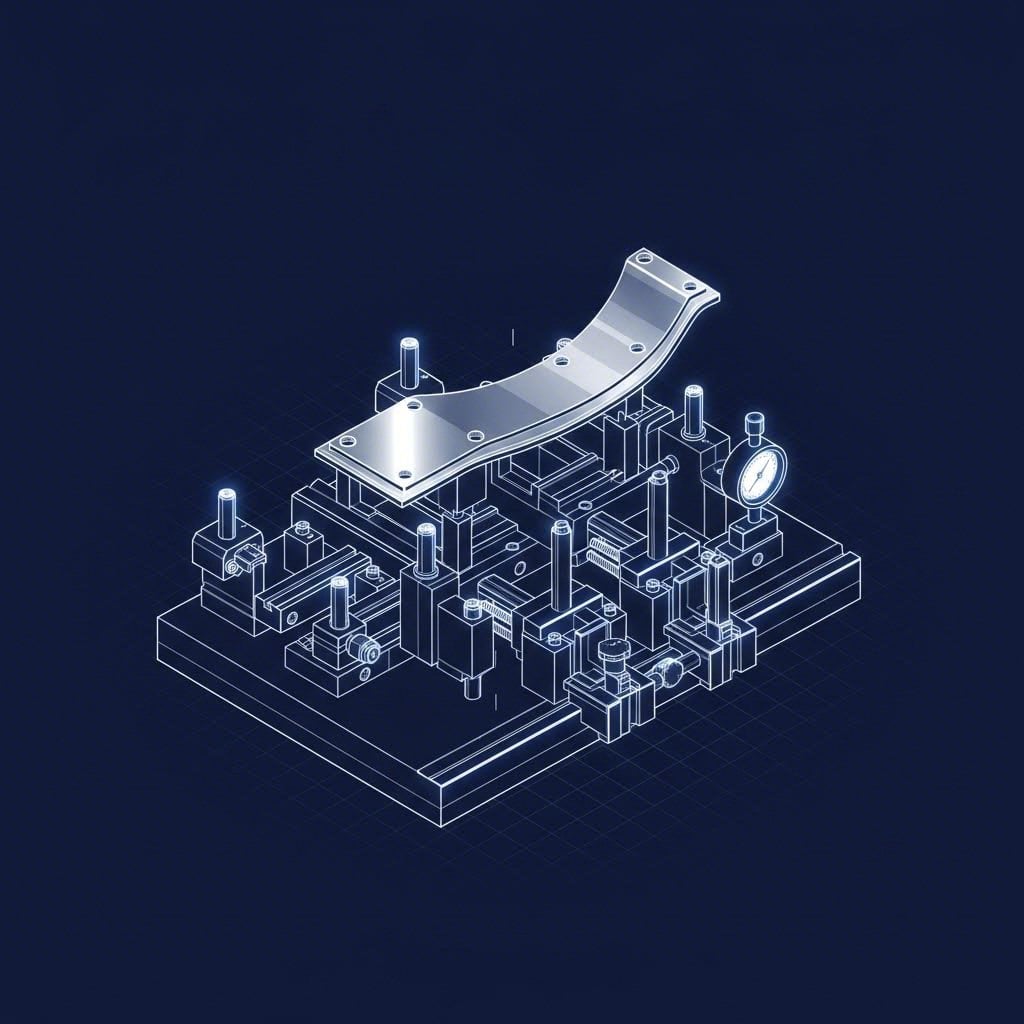
The Core Principles of Fixture Design for Repeatability Applying the 3-2-1 Locating Principle to Eliminate Degrees of Freedom The 3-2-1 locating principle is foundational to repeatable fixture design: it constrains all six degrees of freedom—...
VIEW MORE
Root Causes of Tool Marks in CNC Machining Mechanical Factors: Machine Rigidity, Vibration, and Workholding Stability Even a perfectly programmed toolpath will leave visible tool marks if the machining system lacks structural stability. Machine rig...
VIEW MORE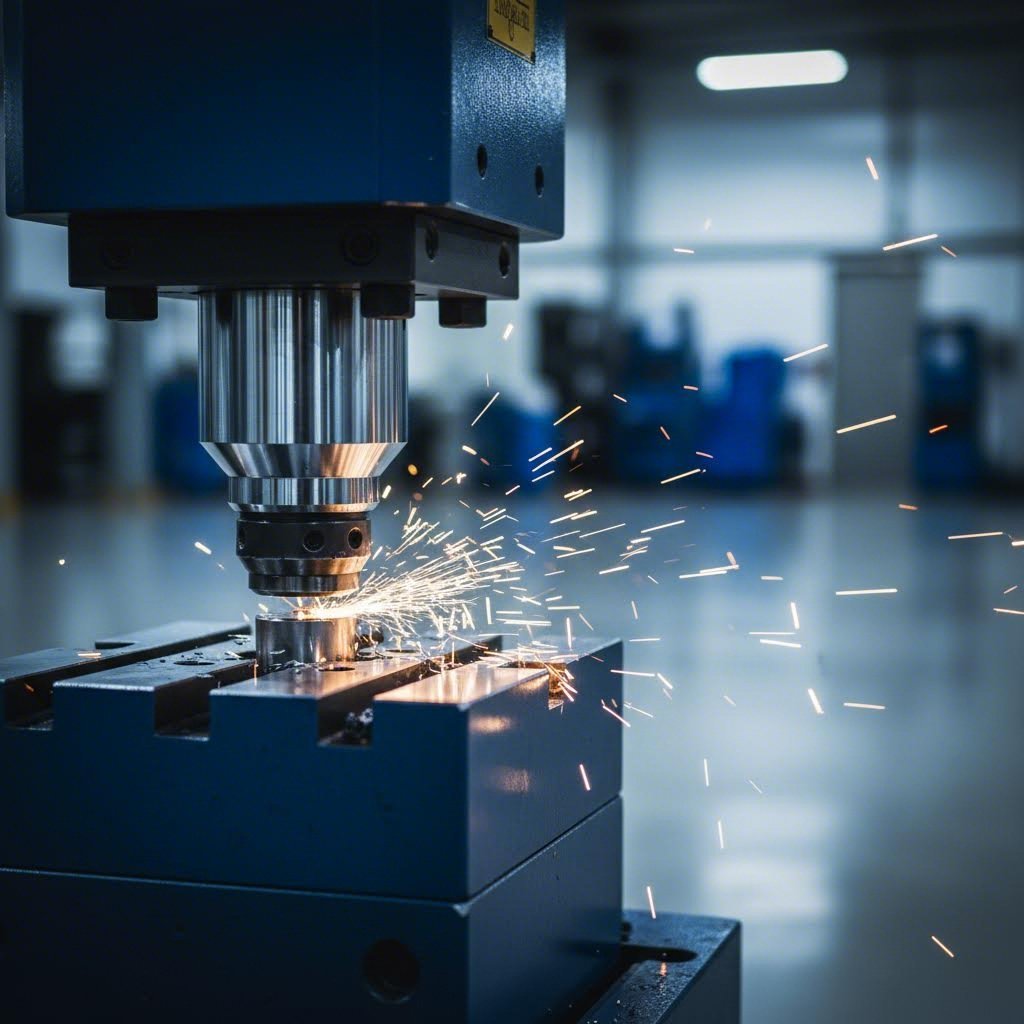
Apply Design for Manufacturability (DFM) to Reduce Complexity Design for Manufacturability shifts the focus from isolated part geometry to a holistic view of how each feature interacts with production processes, tooling, and assembly. For metal com...
VIEW MORE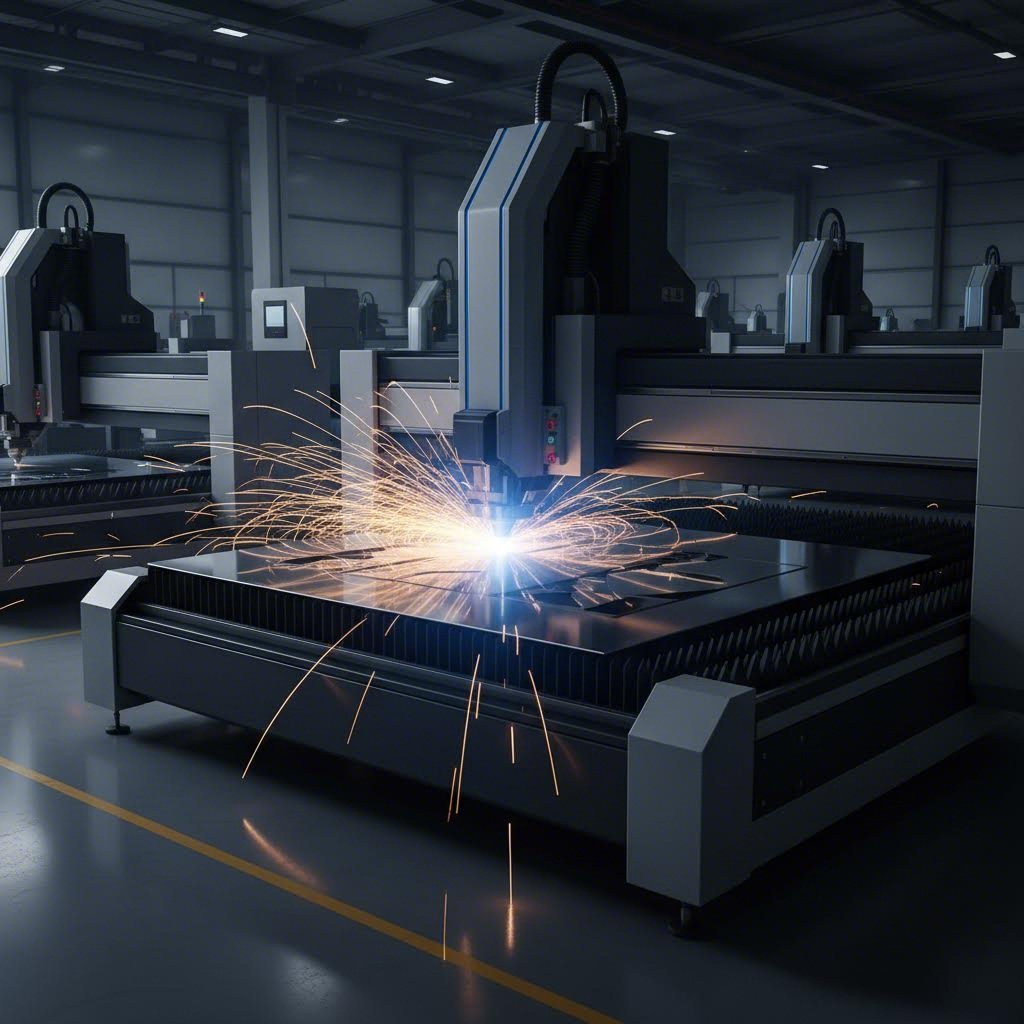
Physical Constraints That Limit Fabricated Part Inspection Accessibility, Visibility, and Sensor Reach in Fabricated Part Inspection Accessibility challenges in fabricated part inspection often begin where internal features, tight clearances, or de...
VIEW MORE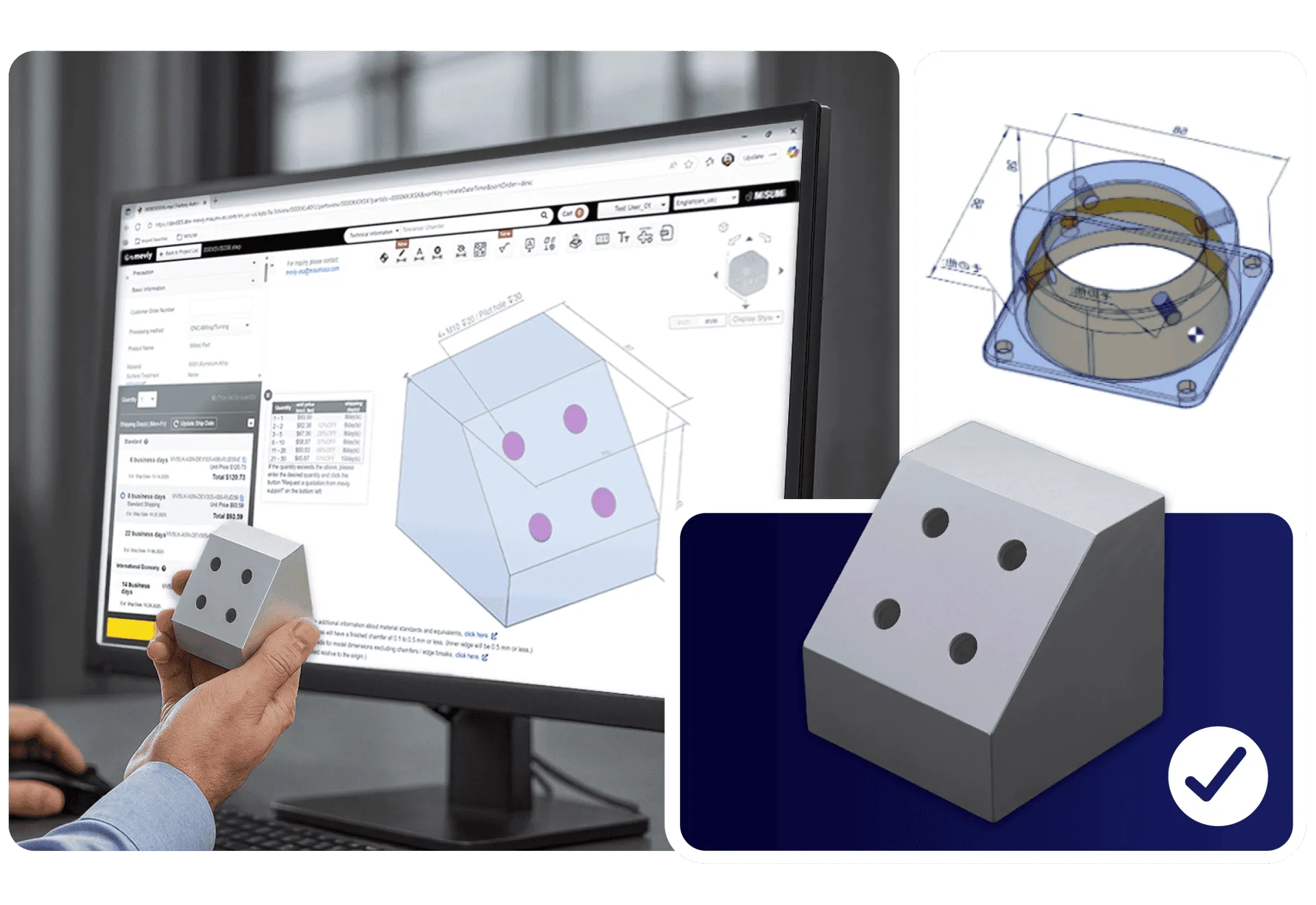
Understanding the Root Cause of Hole Alignment Failure Cumulative Setup Error: How Small Deviations Multiply Across Operations The root cause of hole misalignment is rarely a single catastrophic mistake. Instead, it stems from the silent accumulati...
VIEW MORE Small batches, high standards. Our rapid prototyping service makes validation faster and easier —
  EN
EN
