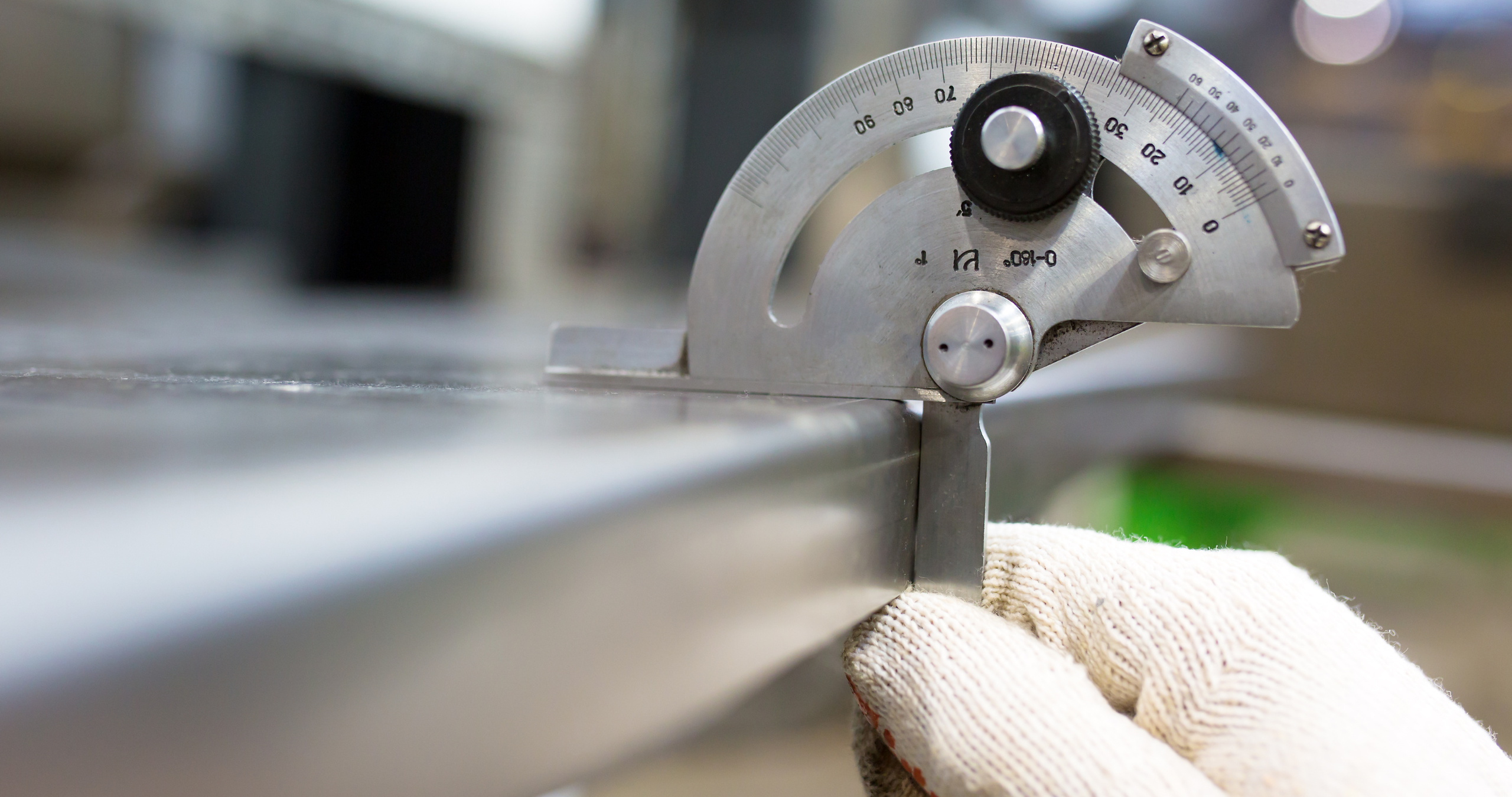
Start with Design for Manufacturability (DFM) Principles Why Early DFM Integration Prevents Costly Redesign Loops Integrating DFM analysis at the very beginning of metal part design is one of the most effective ways to eliminate costly redesign cyc...
VIEW MORE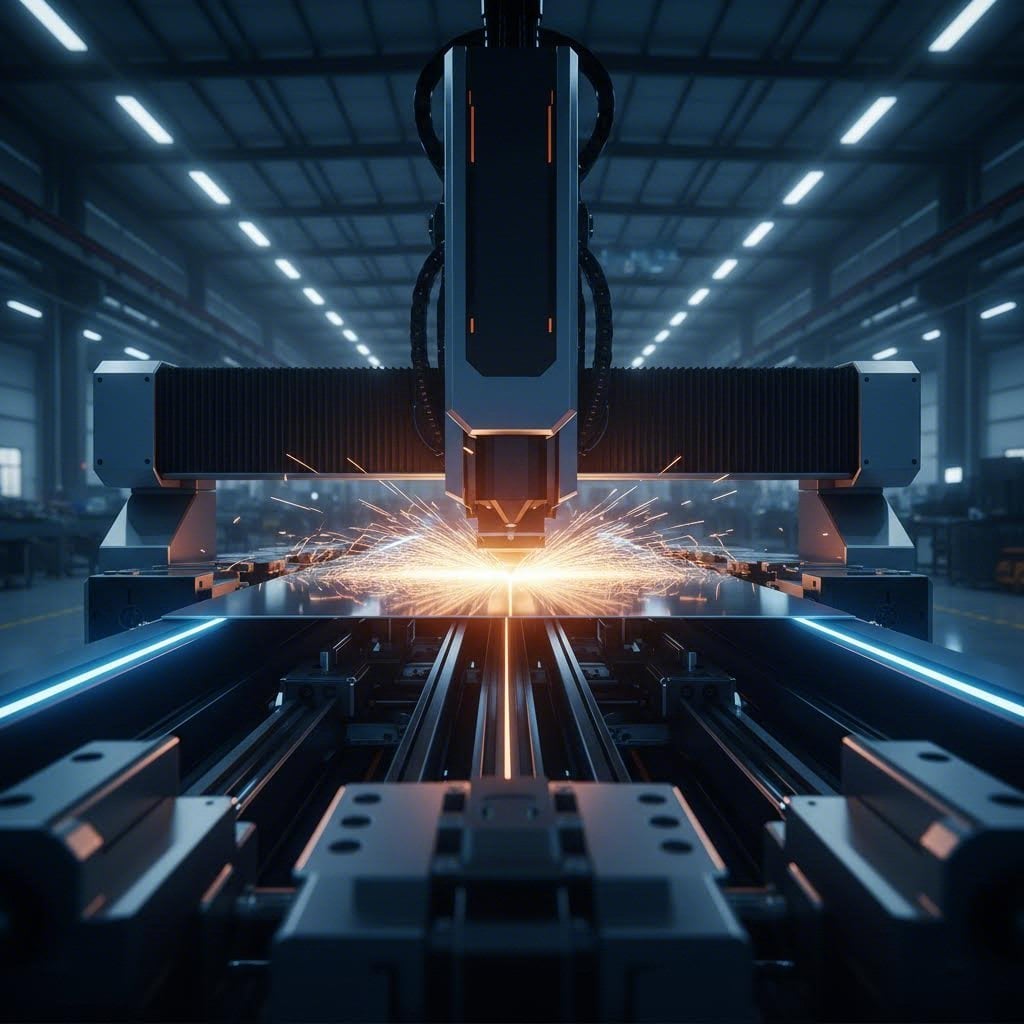
Surface Flatness Enables Reliable Sealing and Leak-Free Mating The integrity of a fluid system hinges on the ability of two mating surfaces to form a continuous, gap-free barrier—surface flatness being the primary geometric factor governing t...
VIEW MORE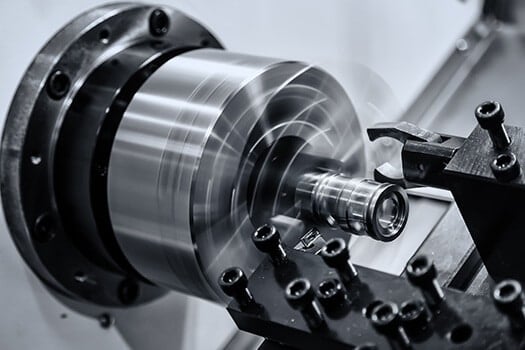
Root Causes of Poor CNC Repeatability Thermal drift and its impact on dimensional stability (±0.005 mm over 8-hour shift) Thermal drift remains the dominant source of dimensional variation in production runs. Internal heat sources—spin...
VIEW MORE
Material Properties and Thermal Response How material type, thickness, and thermal conductivity influence cut edge quality The fundamental challenge in laser cutting is managing energy coupling between the beam and workpiece. Material type governs ...
VIEW MORE
The Critical Gaps in Visual-Only Inspection of Welded Assemblies Surface-Level Assessment Misses Subsurface Defects That Compromise Structural Integrity Visual inspection forms the frontline of welded assemblies inspection—but it is inherentl...
VIEW MORE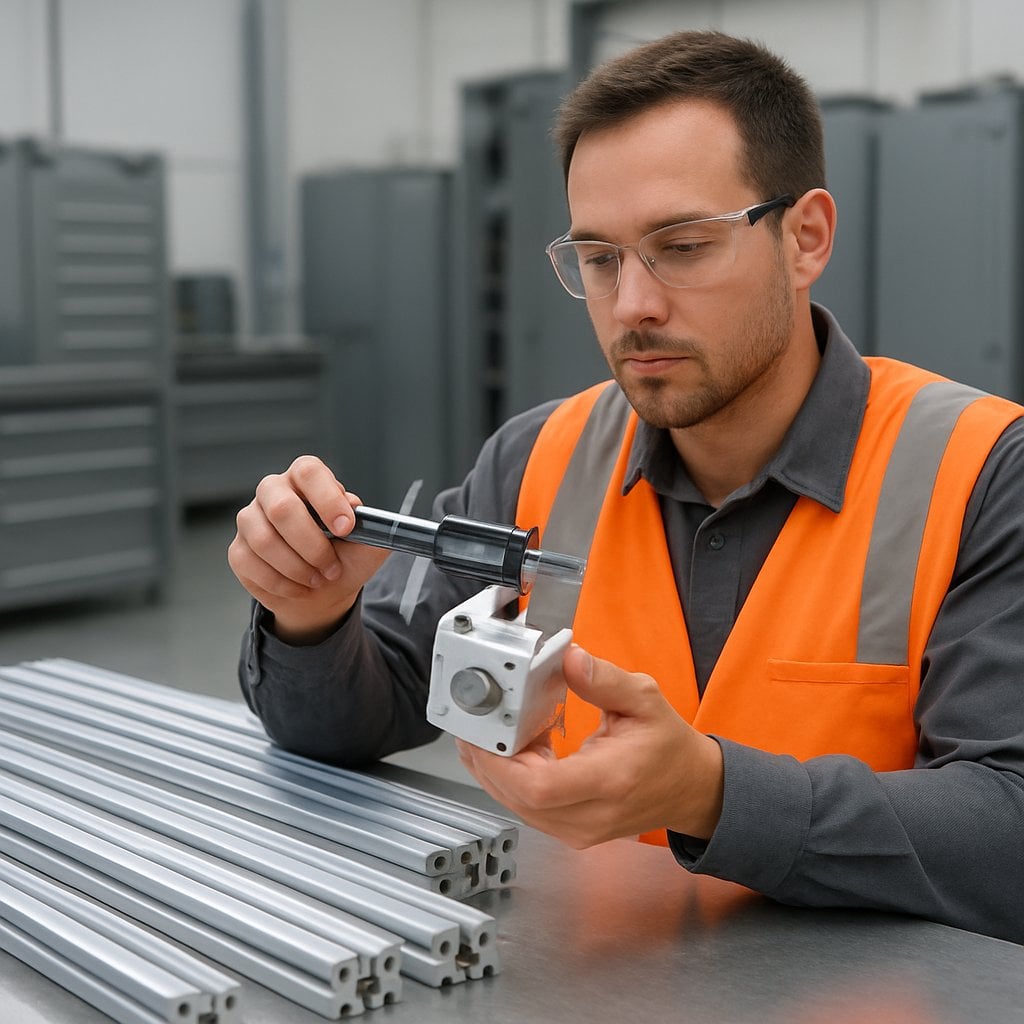
What Are Secondary Operations? Core Definition and Strategic Value for Buyers Secondary operations encompass the vital finishing, assembly, and validation steps that transform a rough-machined or molded part into a market-ready component. For procu...
VIEW MORE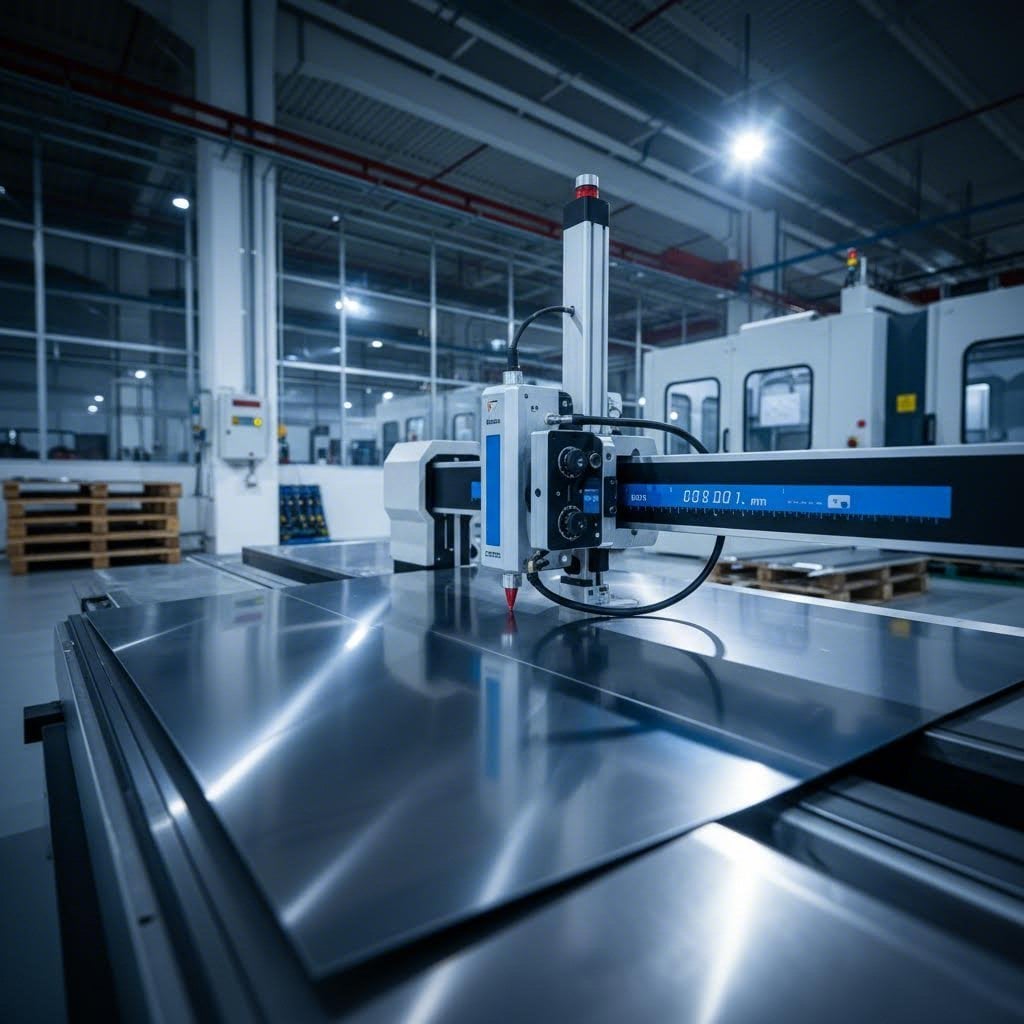
Why Metal Surface Preparation Is Essential for Coating Adhesion and Durability How Rust, Oil, Moisture, and Chlorides Compromise Bond Strength and Trigger Premature Failure Rust forms a porous, loosely adherent oxide layer that prevents coatings fr...
VIEW MORE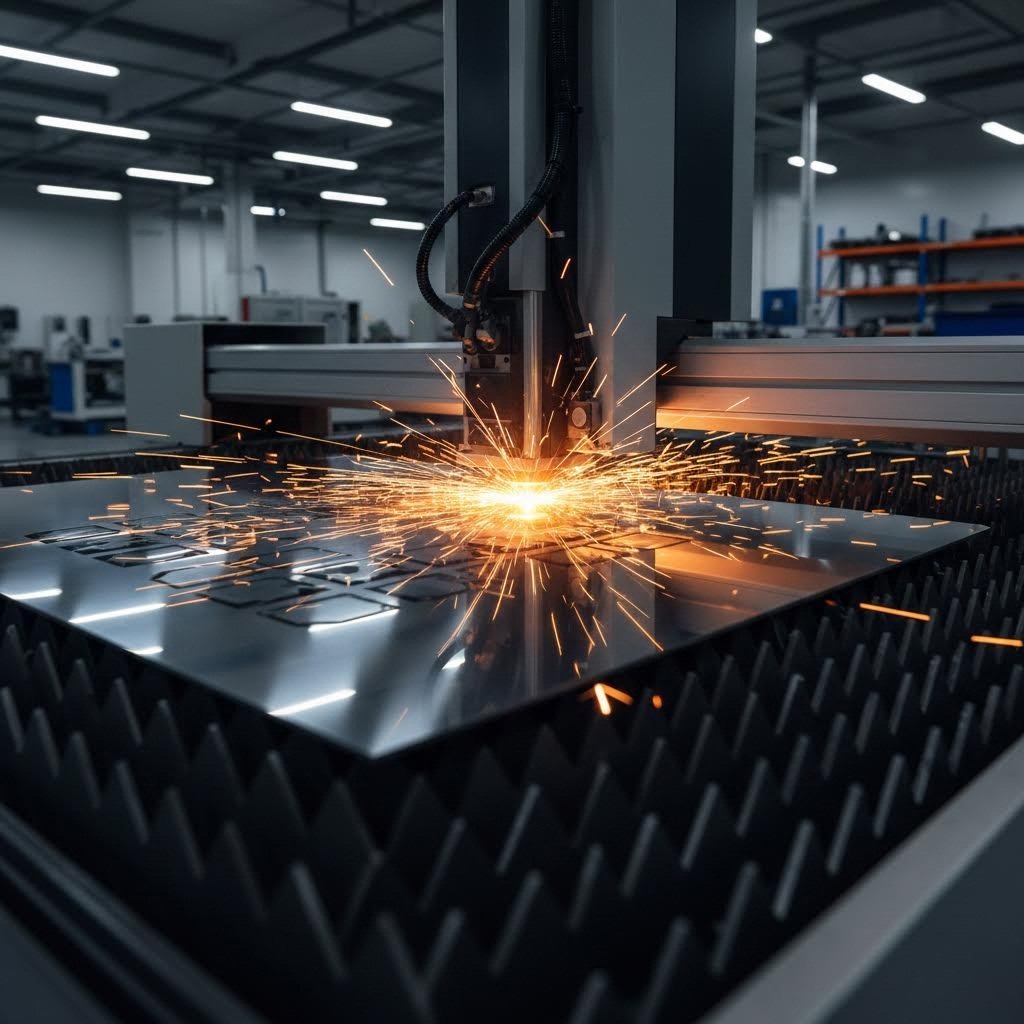
Why Hole Pattern Design Directly Impacts Production Flow Efficiency How Hole Geometry Influences Fixture Repeatability and Cycle Time Hole geometry is a foundational driver of fixture repeatability and cycle time. A tapered lead-in, for instance, g...
VIEW MORE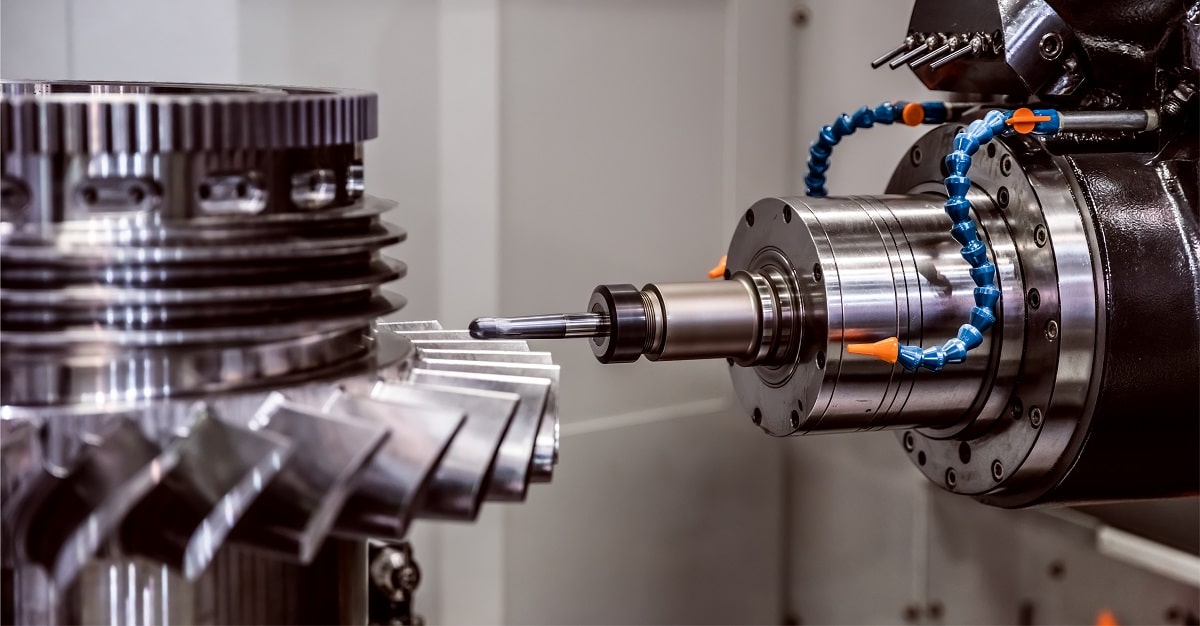
The High Cost of Skipping Prototyping in Hardware Development Skipping prototyping in hardware development is not a shortcut to market—it’s a direct path to financial loss. The allure of moving from a refined CAD model straight to produ...
VIEW MORE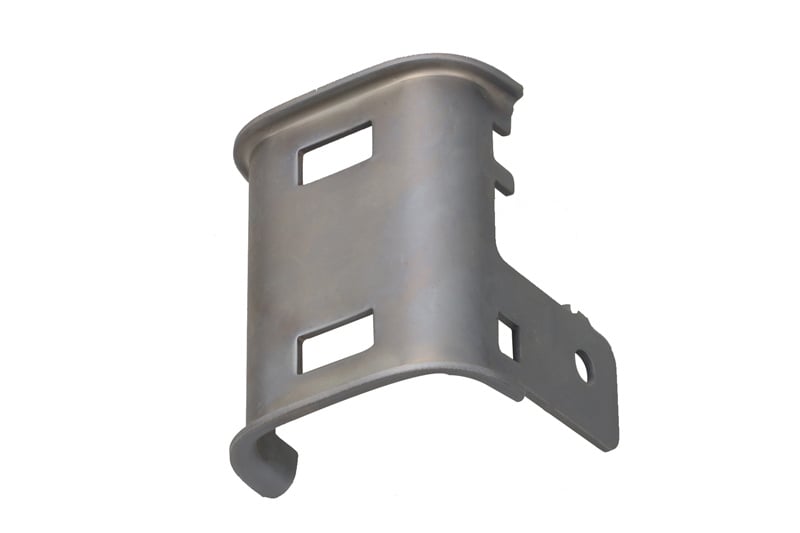
Part Geometry: Why Flat, Repetitive, and Symmetrical Designs Favor Stamping vs Machining In the stamping vs machining decision, part geometry plays a decisive role. Flat, repetitive, and symmetrical designs align with the high-speed, die-based natu...
VIEW MORE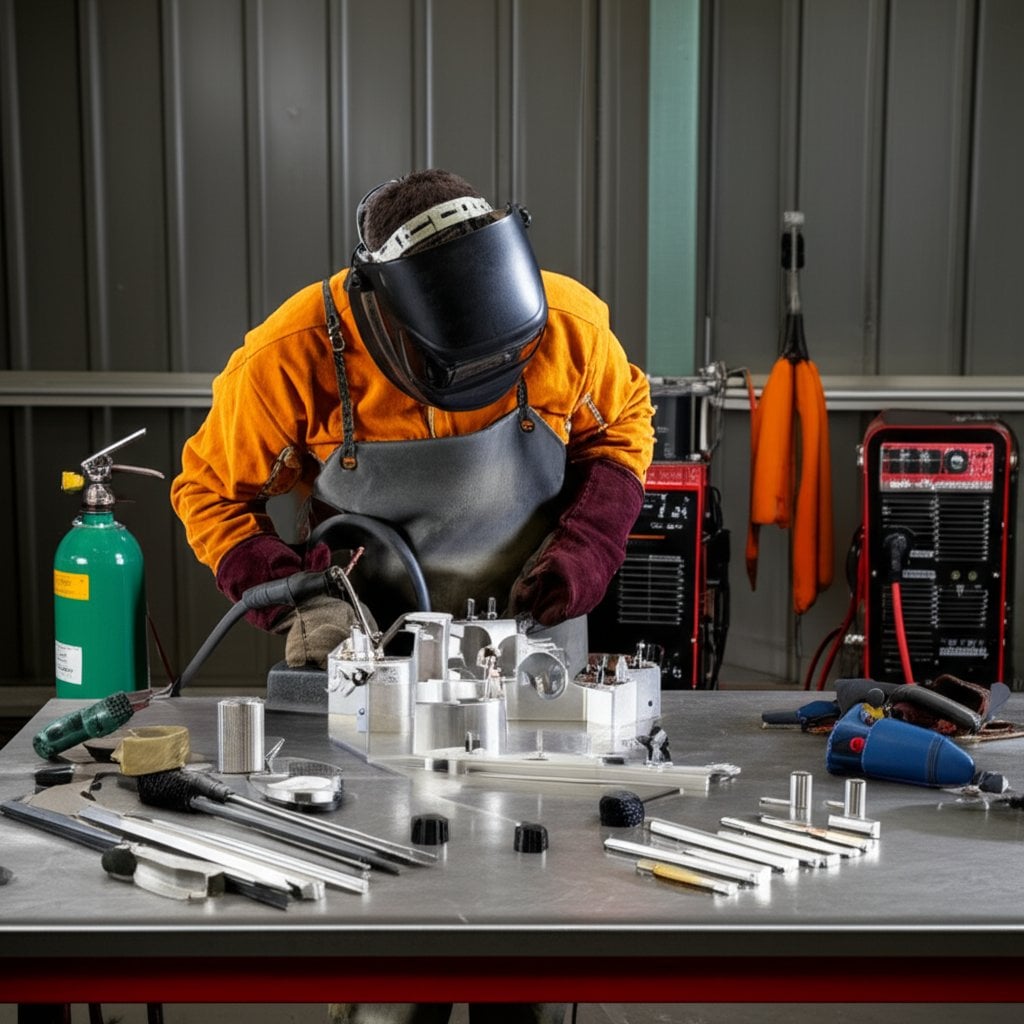
Standardize Execution with Rigorous WPS Adherence Achieving weld consistency across multiple operators demands more than simply issuing the same Welding Procedure Specification. Even when every welder works from an identical WPS, subtle differences...
VIEW MORE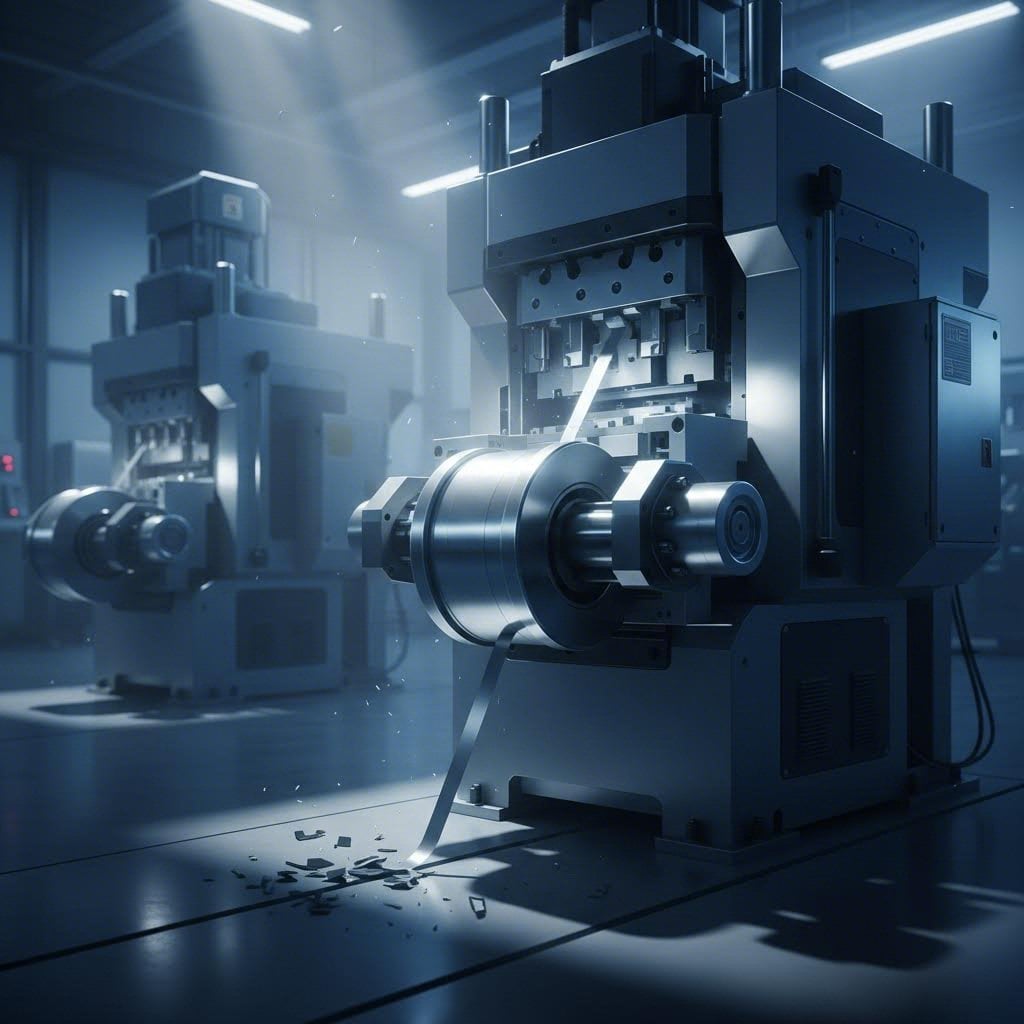
Diagnose Waste Sources with Data-Driven Precision Mapping Cutting Trimmings, Off-Spec Materials, and Process Scrap by Production Line Collecting granular data from each production line is the foundation of effective material waste reduction. By tra...
VIEW MORE Small batches, high standards. Our rapid prototyping service makes validation faster and easier —
  EN
EN
