 Small batches, high standards. Our rapid prototyping service makes validation faster and easier —
  EN
EN

The High Cost of Skipping Prototyping in Hardware Development
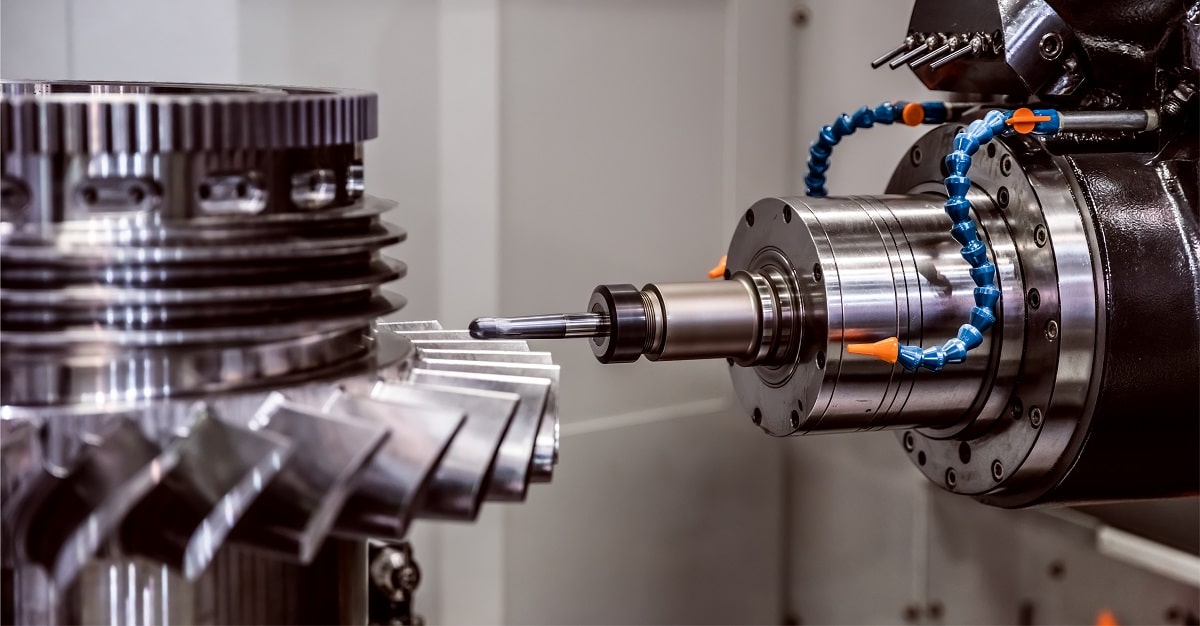
Skipping prototyping in hardware development is not a shortcut to market—it’s a direct path to financial loss. The allure of moving from a refined CAD model straight to production tooling is often driven by schedule pressure, yet this approach consistently backfires. A single design iteration without a physical prototype can cost over $50,000 and delay timelines by eight weeks, forcing teams into early commitments based on assumptions—not validated data. This constraint pushes engineers to polish a single unverified direction, hoping the first physical build offers profound insight instead of revealing an obvious, catastrophic flaw.
The tangible consequences are severe and measurable. Consider a scenario where 10,000 sheet metal brackets are manufactured directly from digital designs without prototyping. If a tolerance or fit issue exists, the entire batch becomes scrap—triggering weeks of rework, wasted material, and cascading delays in assembly. Beyond immediate scrap costs, hidden expenses accumulate: re-engineering time, idle labor, and damaged trust with manufacturing partners. Financial impact manifests not just in direct rework but in the complete erosion of a product’s margin profile before launch. A flawed hardware product that reaches the market also incurs warranty claims, recall logistics, and irreparable brand damage—costs that exponentially exceed the investment in a proper iterative prototyping phase.
How Iterative Prototyping Catches Design Flaws Early
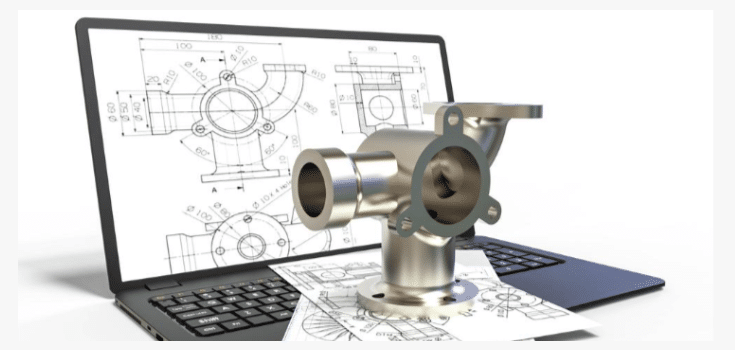
Iterative prototyping transforms abstract CAD models into tangible, testable assets—enabling teams to uncover vulnerabilities that digital simulations alone often miss. By building and evaluating a series of functional prototypes, engineers verify real-world performance under thermal, mechanical, and assembly stress before investing in hardened tooling.
Functional prototyping for failure detection before tooling commitment
Functional prototypes go beyond form checks by replicating intended material behavior and operational loads. This hands-on approach reveals flaws invisible in simulation—from snap-fit joints that crack under cyclic loading to airflow channels that induce overheating—at a stage where fixes remain inexpensive. Each iteration feeds immediate design corrections, sharply reducing the risk of committing to expensive molds and dies with latent flaws. Rapid-fabrication methods like 3D printing or CNC machining keep turnaround times short, enabling multiple design cycles in days rather than weeks—ensuring only validated features survive to tooling.
Real-world example: Medical device startup saved $420K with production-intent prototypes
A medical device startup developing a handheld diagnostic tool used production-intent prototypes to verify ergonomics and sterilization compatibility. The third-generation prototype exposed that the chosen grip material deformed at autoclave temperatures—a failure mode invisible in CAD but catastrophic in clinical use. By catching this flaw during iterative testing, the company avoided full tooling rework of injection molds and a product recall estimated at $420,000. The discovery also prevented a six-month launch delay. This case underscores how production-intent prototypes act as a financial safety net—converting what could have been a late-stage manufacturing crisis into a manageable design refinement.
Preventing Costly Tooling Rework Through Production-Intent Prototyping
Rushing to production tooling without robust prototyping frequently results in expensive rework and delays. A single injection mold can cost $5,000 to over $100,000 (2023 estimates), and modifying hardened steel after cutting doubles that expense. Production-intent prototypes bridge the gap between digital design and physical manufacturing, exposing issues CAD alone cannot reveal. When teams skip this step, flaws like warped parts or assembly mismatches surface only after tooling is committed—forcing costly corrections. Validating designs with functional prototypes that mirror final materials and processes avoids these pitfalls entirely.
Aligning prototypes with DFM/DFa requirements to validate manufacturability
Integrating DFM (Design for Manufacturing) and DFa (Design for Assembly) principles into prototype development ensures components can be economically produced and assembled at scale. Production-intent prototypes must replicate exact manufacturing methods—such as injection molding, die casting, or sheet metal stamping—to test critical factors like draft angles, wall thickness, and undercuts. Early alignment with these requirements catches issues that would otherwise demand tooling alterations. For example, a snap-fit joint that appears flawless in a 3D-printed model may fail in molded parts due to material shrinkage. Similarly, DFa analysis during prototyping identifies assembly sequence errors—eliminating the need for redesigned fixtures or additional tooling stations. Prototyping with production-grade materials and processes reveals such discrepancies, allowing designers to adjust geometry before steel is cut. This validation step reduces the risk of tooling rework by up to 70%, directly linking design verification to manufacturing readiness.
Balancing Risk Mitigation and Development Speed
Financial impact: Avoiding recalls, scrap, and post-launch corrections
Every prototyping mistake that slips into tooling magnifies financial risk. The average cost of a hardware product recall exceeds $10 million per incident (Allianz, 2023)—a figure that excludes scrap, rework, or long-term brand erosion. Iterative prototyping catches dimensional errors, material mismatches, and assembly conflicts before hard tooling is cut. By validating fit and function early, teams slash scrap rates by up to 60% and avoid the cascading expense of post-launch corrections. A single production-intent prototype revealing a tolerance stack-up can save weeks of rework and hundreds of thousands in wasted tooling investment. The math is clear: a few thousand dollars in prototype iterations prevents a seven-figure recall. Prototyping mistakes caught at the CAD stage—or in a 3D-printed functional model—are the cheapest failures to fix.
When over‑prototyping undermines time‑to‑market without reducing prototyping production mistakes
Over-prototyping becomes a trap when teams chase perfection instead of production readiness. Each additional iteration adds marginal design confidence but can delay launch by weeks—burning budget and ceding market share to faster competitors. In consumer electronics, a six-month delay can erase 30% of first-year revenue. If prototypes continually refine cosmetic details rather than uncovering new functional or manufacturability flaws, the cycle becomes a drag on development speed. The goal is to identify the minimum viable prototype that surfaces critical issues—thermal failures, connector misalignments, or tolerance violations—and then freeze the design. Knowing when to stop prototyping is as valuable as the prototyping itself.
FAQ
Why is prototyping critical in hardware development?
Prototyping allows teams to test designs, reveal flaws, and validate manufacturability before committing to expensive production tooling. It minimizes risks, reduces rework costs, and ensures product readiness for launch.
What are the financial risks of skipping prototyping?
Skipping prototyping can cause expensive rework, scrap material costs, project delays, and even product recalls. These errors often lead to significant financial losses and brand reputation damage.
What is a production-intent prototype?
A production-intent prototype mirrors the final material and manufacturing processes intended for large-scale production. It helps validate design and manufacturing feasibility before tooling production begins.
How does iterative prototyping reduce product recalls?
By uncovering dimensional, material, and assembly issues during early design phases, iterative prototyping minimizes the risks of releasing flawed products, thereby reducing potential recalls.
Can over-prototyping harm a project?
Yes, over-prototyping can lead to unnecessary delays and increased costs by extending the development cycle without uncovering additional critical issues.