 Small batches, high standards. Our rapid prototyping service makes validation faster and easier —
  EN
EN

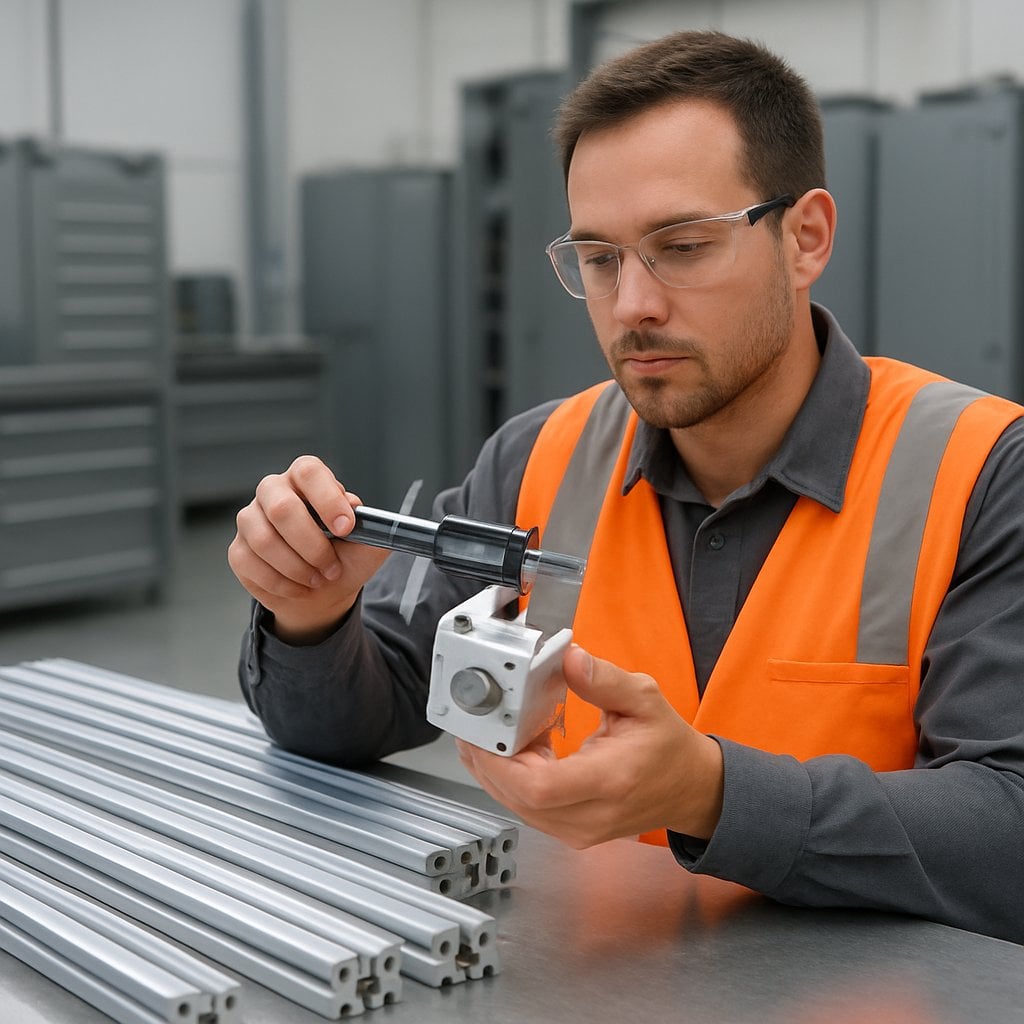
What Are Secondary Operations? Core Definition and Strategic Value for Buyers
Secondary operations encompass the vital finishing, assembly, and validation steps that transform a rough-machined or molded part into a market-ready component. For procurement professionals, a clear grasp of these processes drives predictable cost structures, shorter cycles, and higher part reliability.
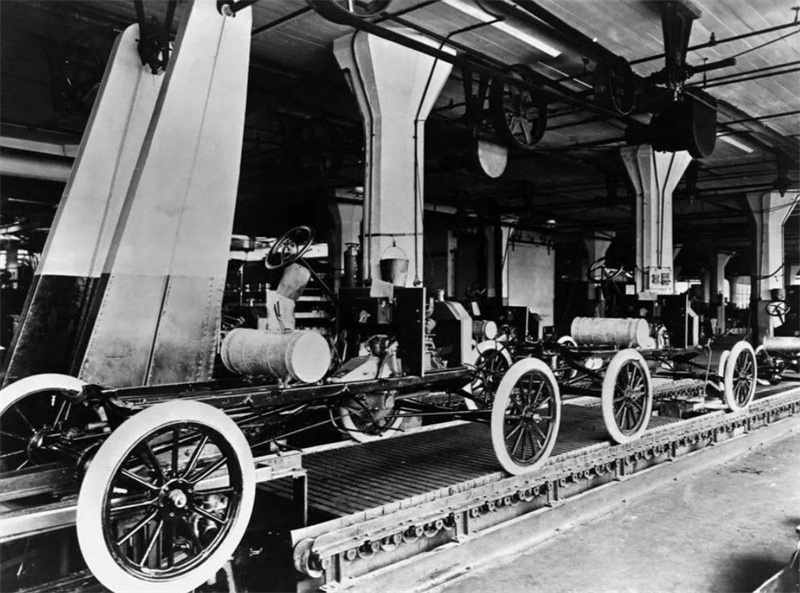
Definition and purpose of secondary operations in manufacturing
Secondary operations are the suite of post-primary processes applied to a workpiece to achieve final form, function, and aesthetic requirements. While primary methods—CNC machining, injection molding, stamping—create the core geometry, secondary steps refine that shape, add surface treatments, assemble sub-components, or verify quality. Typical operations include anodizing for corrosion protection, ultrasonic welding of plastic assemblies, pad printing for logos, deburring to remove sharp edges, and precision drilling for tolerance-critical bores. Their purpose goes well beyond cosmetics: they directly influence durability, dimensional accuracy, and compliance with industry regulations. In medical or automotive contexts, secondary operations often incorporate leak testing, electrical continuity checks, or coordinate measurement machine (CMM) inspections to certify that every unit meets exacting specifications. When planned early, these steps eliminate redundant handling and rework, enabling buyers to receive parts that are both visually flawless and functionally robust. In essence, secondary operations bridge the gap between a bare-fabricated blank and a production-ready item that matches engineering intent, packaging, and end-user expectations—without adding unnecessary lead-time burden.
Secondary operations vs. primary manufacturing: clarifying scope and timing
The distinction between the two phases is rooted in sequence and specialization. Primary manufacturing shapes raw material into a near-net-shape part, focusing on bulk material removal and general dimensional accuracy. Secondary operations take over once the workpiece has solidified or been cut; they apply finer finishes, add assembly features, and elevate precision. These operations always follow the primary step but may run in-line (integrated into the same work cell) or as a separate batch, depending on the production layout. Recognizing this separation helps buyers map exact process flows and account for appropriate buffers in delivery schedules.
| Dimension | Primary Manufacturing | Secondary Operations |
|---|---|---|
| Timing | First stage; creates the base workpiece | After primary; refines and finalizes |
| Core Focus | Bulk shaping, material removal, initial form | Precision finishing, surface enhancement, assembly |
| Typical Tolerance | ±0.1 mm | ±0.01 mm |
| Common Examples | Milling, die casting, injection molding | Anodizing, ultrasonic welding, pad printing |
Why Secondary Operations Matter to Buyers: Cost, Lead Time, Quality, and Supply Chain Impact
Tangible buyer benefits: cost efficiency, reduced lead times, and enhanced quality control
For procurement professionals, integrating secondary operations into a unified manufacturing strategy offers direct and measurable advantages. A primary benefit is cost efficiency. Consolidating processes like deburring, plating, or assembly into the initial production workflow eliminates the financial drag of a fragmented supply chain—including separate logistics, supplier margins, and administrative overhead—directly reducing total cost of ownership. A streamlined workflow also compresses lead times. By eliminating transit and queue delays inherent in moving parts between multiple specialized vendors, a single-source provider can significantly accelerate delivery of finished components. For a buyer, cutting lead time from four weeks to two delivers a powerful competitive advantage. Furthermore, enhanced quality control is a cornerstone of this strategy. When one responsible entity manages both primary manufacturing and secondary operations, quality assurance becomes continuous—a closed-loop system where inspection and testing at each stage prevent defects from escaping downstream. This ensures final products meet rigorous specifications without the finger-pointing common in multi-vendor projects.
Risks of late-stage integration: cost inflation, schedule delays, and quality compromise
Treating secondary operations as an afterthought is a critical procurement error that introduces significant risk. Cost inflation is often the most immediate consequence: shipping parts to a separate facility for polishing or heat staking adds freight, packaging, and management costs that can inflate part prices by 20–30%. More damaging are schedule delays from managing a complex, multi-vendor supply chain. A bottleneck at even a seemingly minor secondary supplier—like a pad printing vendor—can halt an entire production line, creating cascading delays. The most profound risk, however, is quality compromise. When parts are designed without planning for secondary operations, those processes become forced rather than integrated. For example, welding a component contaminated by unplanned machining residue can create latent defects. As industry research on supply chain disruptions highlights, the true cost of failing to plan for secondary operations extends far beyond invoice line items—it’s quantified in product returns, handling, and replacement, which can double the direct financial impact of a quality failure.
Key Secondary Operations Across Plastic and Precision Metal Manufacturing
Structural and assembly-focused secondary operations (ultrasonic welding, heat staking, fastening, precision drilling)
Structural and assembly-focused secondary operations permanently join or refine components after the primary forming process. For plastic parts, ultrasonic welding uses high-frequency vibrations to create a molecular bond, while heat staking deforms a plastic boss to capture a mating part. These methods often replace adhesives or mechanical fasteners, reducing part count and assembly time. For precision metal components, fastening and precision drilling are critical. A leading manufacturer’s 2023 study found that integrating automated drilling cells reduced cycle time variation by 40%. The choice of process hinges on material compatibility and geometry.
| Secondary Operation | Typical Material | Key Benefit |
|---|---|---|
| Ultrasonic Welding | Rigid Plastics | Fast cycle, strong hermetic seal |
| Heat Staking | Thermoplastics | Joins dissimilar materials without consumables |
| Precision Drilling | Metals (Aluminum, Steel) | Achieves tight diametrical tolerances for assembly |
Selecting the wrong joining method can compromise a part’s integrity. For instance, applying excessive force during fastening can crack a thin-walled plastic housing—necessitating redesign. Buyers must therefore verify that the chosen process aligns with the material’s properties and the component’s end-use stress requirements.
Surface enhancement and finishing operations (pad printing, hot stamping, deburring, anodizing, plating)
Surface operations enhance a component’s function, durability, or aesthetics. Deburring is non-negotiable for metal parts, removing sharp edges created during machining to ensure safety and proper fit. For cosmetic or functional requirements, pad printing applies a 2D image to a 3D surface, while hot stamping transfers a dry film for a premium metallic finish. Anodizing and plating provide corrosion resistance, with anodizing creating a durable, electrically non-conductive oxide layer on aluminum. These finishing steps are not mere decoration—they’re essential for meeting performance specifications and increasing perceived product value.
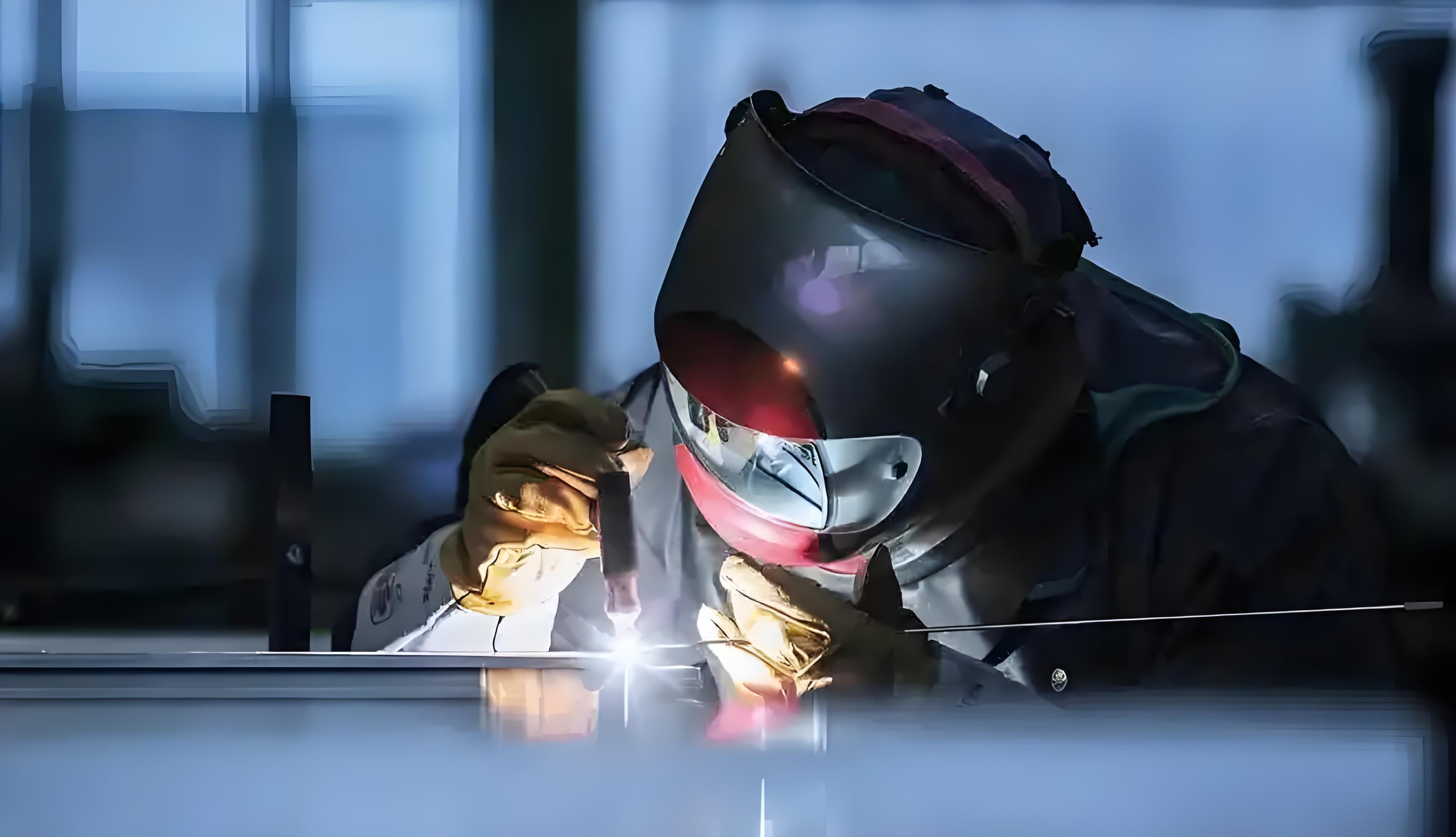
How Buyers Can Optimize Secondary Operations: Planning, Selection Criteria, and Single-Source Strategy
Critical selection criteria: geometry, tolerances, material compatibility, and assembly requirements
Successful planning for secondary operations hinges on evaluating four factors early in the design phase. First, part geometry dictates which finishing or joining methods are feasible—complex internal channels may limit access for anodizing or plating. Tight tolerances demand that the base part retain dimensional stability through every subsequent step; thermal processes like welding can induce distortion if not carefully managed. Material compatibility prevents chemical or galvanic mismatches—for example, aluminum prepped for chromate conversion requires a contaminant-free surface to ensure adhesion. Finally, assembly requirements determine whether secondary steps like heat staking or ultrasonic welding can replace mechanical fasteners. Ignoring any of these criteria often forces costly rework or supplier hand-offs later in production, so buyers should treat them as a unified checklist during sourcing.
Advantages of integrated single-source manufacturing for secondary operations
Using a single manufacturing partner for both primary processes and later-stage secondary work delivers measurable benefits. It simplifies project management because one team controls the entire sequence—from molding to pad printing—eliminating lag and miscommunication common in multi-vendor chains. Quality becomes easier to trace: if a surface finish fails, the root cause isn’t obscured behind a hand-off between suppliers. Logistics are streamlined as parts move directly from a machining cell to a deburring station—no extra shipping or third-party queue delays. For buyers, this consolidation often results in compressed lead times, lower total program cost, and better inventory visibility. The supplier, likewise, can invest in tooling and fixtures optimized for the full production flow—knowing they’ll be used consistently across the contract.
FAQs
What are secondary operations in manufacturing?
Secondary operations refer to the finishing, assembly, and validation processes applied after primary manufacturing to refine, enhance, and prepare a product for market.
What is the difference between primary and secondary operations?
Primary operations form the base geometry of a workpiece, while secondary operations refine it, enhance surfaces, assemble components, and ensure final quality.
How can secondary operations reduce costs?
Integrating secondary operations into the workflow minimizes logistics, administrative costs, and redundant handling, ensuring more predictable cost efficiency.
Why should buyers consider single-source manufacturing for secondary operations?
A single-source strategy reduces delays, ensures consistent quality control, and simplifies project management for quicker lead times and lower production costs.
Table of Contents
- What Are Secondary Operations? Core Definition and Strategic Value for Buyers
- Why Secondary Operations Matter to Buyers: Cost, Lead Time, Quality, and Supply Chain Impact
- Key Secondary Operations Across Plastic and Precision Metal Manufacturing
- How Buyers Can Optimize Secondary Operations: Planning, Selection Criteria, and Single-Source Strategy
- FAQs