 Small batches, high standards. Our rapid prototyping service makes validation faster and easier —
  EN
EN

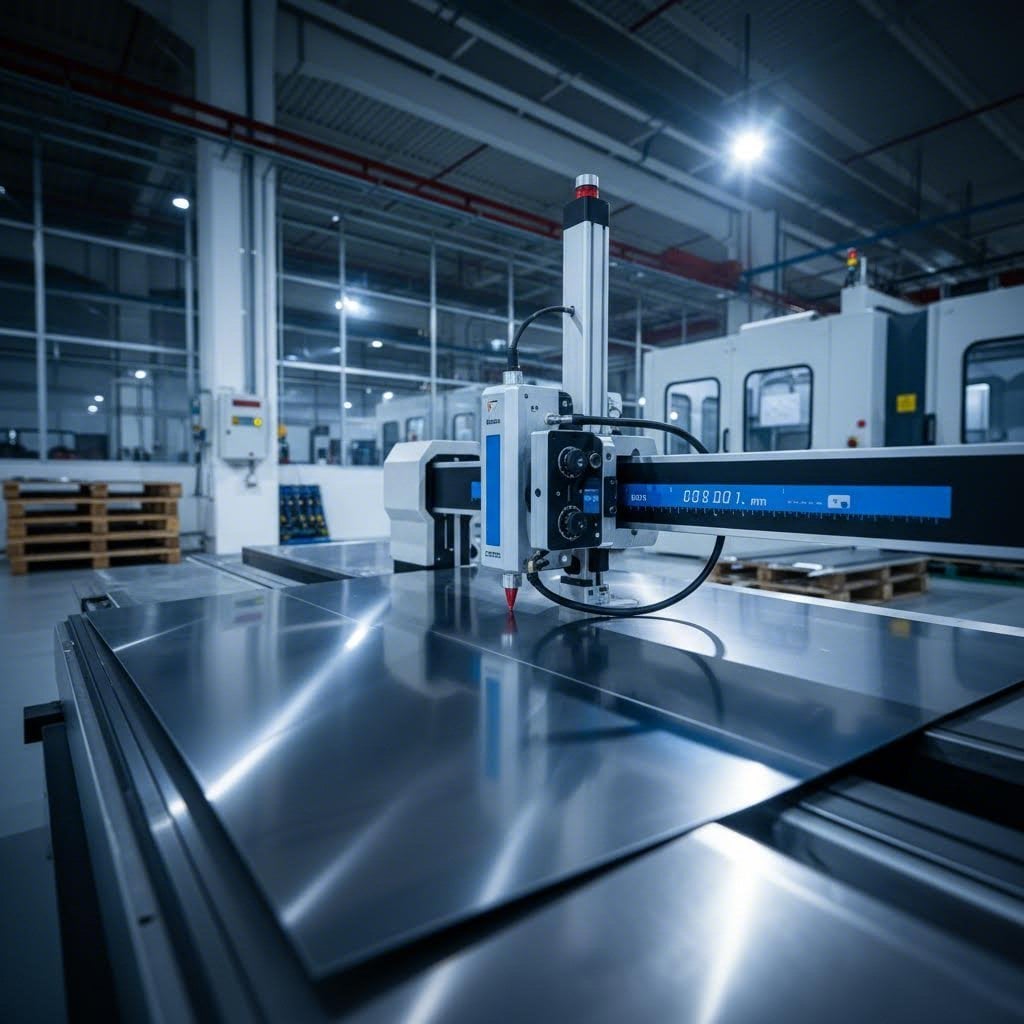
Why Metal Surface Preparation Is Essential for Coating Adhesion and Durability
How Rust, Oil, Moisture, and Chlorides Compromise Bond Strength and Trigger Premature Failure
Rust forms a porous, loosely adherent oxide layer that prevents coatings from bonding to sound metal—instead, they attach only to unstable corrosion products. This weak interface leads to early flaking and exposes the substrate to accelerated degradation. Oil and grease create a low-energy barrier that repels paints and adhesion promoters; even a fingerprint can reduce bond strength by over 50% in epoxy systems, causing peeling due to inhibited molecular contact. Trapped moisture suppresses both chemical and mechanical interlocking during cure, often resulting in osmotic blistering as vapor expands beneath the film. Chlorides—commonly from salt spray or contaminated abrasives—migrate through coatings, draw moisture, and initiate underfilm pitting. Once established, these pits spread rapidly, triggering widespread delamination in months rather than years. Thorough surface preparation eliminates these contaminants and establishes a clean, reactive profile essential for durable adhesion.
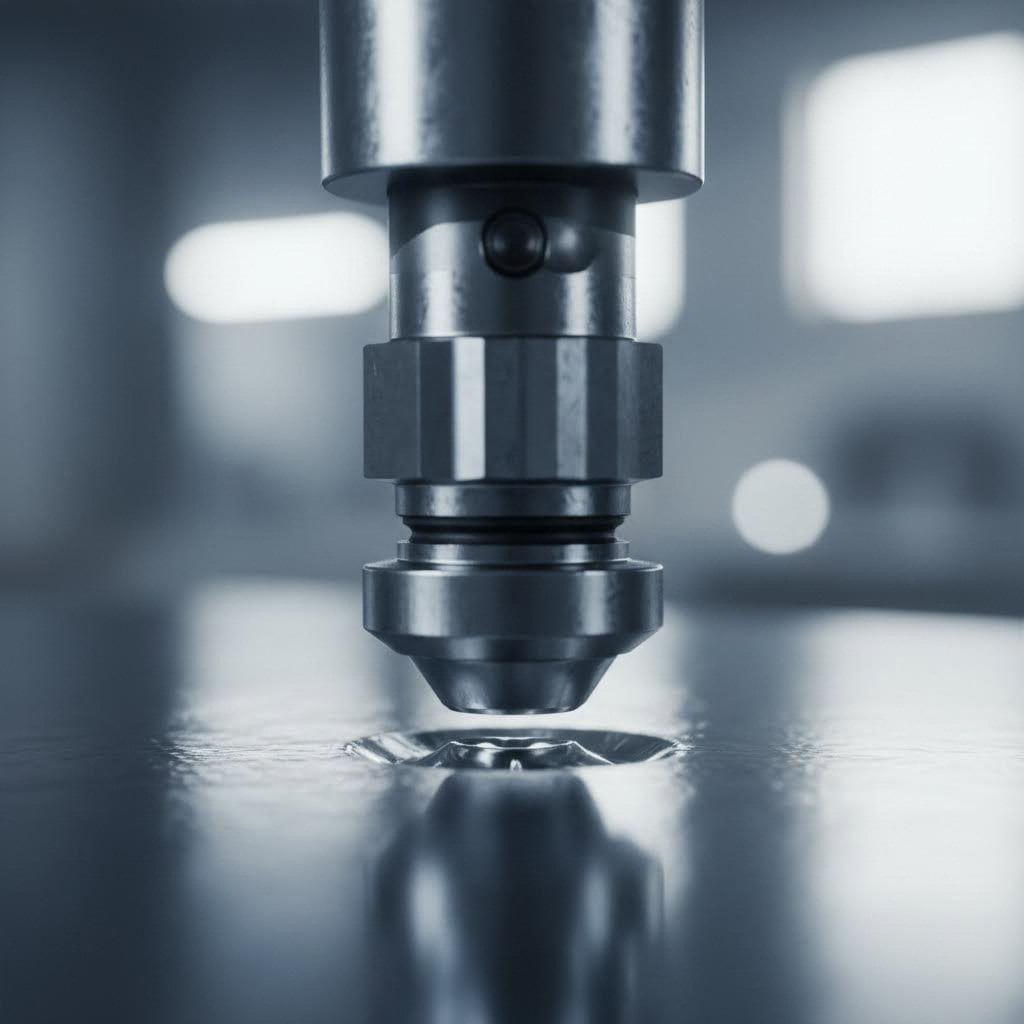
Core Metal Surface Preparation Methods: Mechanical, Chemical, and Hybrid Techniques
The most effective metal surface preparation for painting or coating relies on selecting the right method from three broad categories: mechanical, chemical, and hybrid approaches. Mechanical techniques physically remove contaminants and create an anchor profile; chemical methods dissolve or convert surface impurities; hybrid processes combine both actions for enhanced efficiency and control.
Abrasive Blasting Grades (SP 5 White Metal to SP 10 Near-White) and Anchor Profile Optimization
Abrasive blasting—defined by SSPC (The Society for Protective Coatings) standards—is the most widely used mechanical method. SSPC SP grades specify required cleanliness levels: SP 5 (White Metal Blast Cleaning) removes all visible rust, mill scale, paint, and foreign matter, yielding a uniform gray-white surface. It’s mandated for immersion service or severe environments. SP 10 (Near-White Blast Cleaning) permits only very light stains or shadows on less than 5% of each unit area and is specified for high-performance industrial coatings. While SP 6 (Commercial Blast) and SP 7 (Brush-Off Blast) serve intermediate applications, SP 5 and SP 10 represent the benchmarks for thoroughness.
Blasting also creates the critical anchor profile—the peak-to-valley surface roughness that enables mechanical interlock. Most protective coatings perform optimally with a profile depth of 50–75 µm. A 2023 NACE International study confirmed that achieving a 45–75 µm profile increases adhesion by up to 40% compared to smooth, unprepared steel. Depth is verified using replica tape or digital profilometers, per ASTM D4417. Selecting appropriate abrasive size, hardness, and pressure ensures compliance—too shallow a profile fails to provide grip; too deep risks coating thinning over peaks and premature failure.
Solvent Cleaning, Power Tooling, and Acid Pickling—When to Use Each for Rust, Mill Scale, and Legacy Coating Removal
Solvent cleaning (SSPC SP 1) is the indispensable first step in nearly all preparation workflows. It removes oils, greases, and soluble contaminants that would otherwise block adhesion—but it does not address rust, mill scale, or coatings. Power tooling—including needle guns, grinders, and wire brushes—meets SSPC SP 3 (Power Tool Cleaning) and SP 11 (Power Tool Cleaning to Bare Metal). It’s ideal for localized repair, confined spaces, or jobs requiring dust containment, delivering a modest profile up to 25 µm suitable for maintenance recoating. Acid pickling immerses steel in hydrochloric or sulfuric acid to fully dissolve mill scale and rust—especially effective for complex geometries and large batches. However, it demands rigorous post-treatment rinsing and neutralization to prevent flash rust and residual acid attack. For legacy coating removal, chemical strippers offer a non-abrasive alternative that preserves substrate integrity. The optimal method depends on substrate condition, coating system requirements, and site constraints. Hybrid techniques—such as wet abrasive blasting—combine water and abrasive to suppress dust, cool the surface, and reduce heat-sensitive distortion, making them especially valuable when removing hazardous or thermally sensitive coatings.
Industry Standards for Metal Surface Preparation: SSPC SP 1–SP 10 Benchmarks
Adhering to recognized standards is the backbone of reliable metal surface preparation, ensuring coatings bond properly and deliver expected service life in demanding environments. The SSPC SP series—now jointly maintained by AMPP (formerly NACE and SSPC)—defines progressive levels of cleanliness and removal methods. These benchmarks provide a universal language for specifiers, contractors, and inspectors, directly linking surface quality to long-term performance.
| SSPC Standard | NACE Equivalent | Description | Method | Typical Use |
|---|---|---|---|---|
| SP1 | — | Solvent Cleaning | Chemical (solvent/alkaline wipe or immersion) | Required first step before any other prep method |
| SP2 | — | Hand Tool Cleaning | Wire brush, scraper, sandpaper by hand | Maintenance painting, touch-up |
| SP3 | — | Power Tool Cleaning | Power wire brush, grinder, needle gun | Maintenance painting, moderate prep |
| SP5 | NACE 1 (White Metal) | White Metal Blast Cleaning | Abrasive blasting to bare white metal | Immersion service, high-performance coatings |
| SP6 | NACE 3 (Commercial) | Commercial Blast Cleaning | Abrasive blasting; 67% of surface free of residues | Atmospheric coatings, moderate service |
| SP7 | NACE 4 (Brush-Off) | Brush-Off Blast Cleaning | Light abrasive blast to remove loose material | Tight-adhering coatings over existing paint |
| SP8 | — | Pickling (Acid Treatment) | Acid immersion (sulfuric, hydrochloric, phosphoric) | Mill scale removal, galvanizing prep |
| SP10 | NACE 2 (Near-White) | Near-White Metal Blast | Abrasive blasting; 95% of surface free of residues | High-performance coatings, chemical exposure |
Choosing the correct grade—from solvent wipe to white-metal blast—ensures contaminants are removed to the level demanded by the coating system and service environment, directly supporting long-term integrity.
Critical Final Steps: Surface Profiling, Moisture Control, and Environmental Readiness Before Coating
Achieving Optimal Anchor Profile Depth and Eliminating Residual Humidity to Prevent Blistering, Delamination, and Flash Rust
After primary preparation, final verification steps determine whether the surface is truly ready for coating. Anchor profile depth must be measured and confirmed—this microscopic texture provides the mechanical grip that resists peeling and delamination over time. Most protective coating systems require a profile between 40 and 100 microns; the optimal range (typically 50–75 µm) balances interlock strength with coating coverage. Verification follows ASTM D4417 using replica tape, digital profilometers, or calibrated visual comparators—all aligned with the coating manufacturer’s specification.
Equally vital is moisture control. Even invisible humidity invites flash rust on bare steel within minutes—and osmotic blistering once coating is applied. To prevent this, surface temperature must remain at least 3°C above the dew point throughout application. Calibrated hygrometers continuously monitor air temperature, relative humidity, and steel temperature. If condensation forms—or if environmental conditions drift outside safe thresholds—the surface must be re-prepared. Only a dry, correctly profiled substrate—verified under controlled, compliant conditions—provides the reliable foundation for lasting coating performance.
FAQ
Why is surface preparation crucial for metal coating adhesion?
Surface preparation removes contaminants like rust, oil, moisture, and chlorides that compromise coating adhesion and durability. It also creates a clean, reactive surface profile essential for proper bonding.
What methods are used for metal surface preparation?
Metal surface preparation involves mechanical techniques (like abrasive blasting), chemical methods (solvent cleaning or acid pickling), and hybrid approaches (wet abrasive blasting).
What are SSPC SP grades?
SSPC SP grades are industrial standards defining cleanliness levels for surface preparation. Examples include SP 1 (Solvent Cleaning), SP 5 (White Metal Blast Cleaning), and SP 10 (Near-White Blast Cleaning).
Why is anchor profile depth important?
Anchor profile depth provides the mechanical grip needed for coating adhesion. Correcting it ensures coatings resist peeling and delamination, increasing longevity.
How can moisture affect coating performance?
Excess moisture invites flash rust, osmotic blistering, and coating failure. Maintaining surface temperature above dew point prevents these issues.
Table of Contents
- Why Metal Surface Preparation Is Essential for Coating Adhesion and Durability
- Core Metal Surface Preparation Methods: Mechanical, Chemical, and Hybrid Techniques
- Industry Standards for Metal Surface Preparation: SSPC SP 1–SP 10 Benchmarks
- Critical Final Steps: Surface Profiling, Moisture Control, and Environmental Readiness Before Coating
- FAQ