
Apply Design for Assembly (DFA) Principles to Metal Parts Assembly Minimize part count and standardize components to streamline metal parts assembly Reducing part count is the most impactful DFA lever in metal parts assembly. Each added component i...
VIEW MORE
Heat Input Imbalance: The Primary Driver of Uneven Weld Penetration Low Current or Voltage Reducing Energy Transfer Insufficient amperage or voltage directly reduces the energy delivered to the joint, preventing the base metal from reaching full me...
VIEW MORE
How Core Fabrication Processes Shape Sheet Metal Edge Quality Laser Cutting vs. Waterjet: Thermal Distortion vs. Mechanical Integrity in Edges The choice between laser cutting and waterjet cutting fundamentally determines sheet metal edge quality. ...
VIEW MORE
Assess Metal Processing Noise Sources Accurately Accurate assessment is the foundation of any effective hearing conservation program in a metal processing shop. Pinpointing exactly which operations generate the most harmful sound—and quantify...
VIEW MORE
Understanding the Strength and Weight Balance Fundamentals Why Strength-to-Weight Ratio Is the Core Metric for Structural Efficiency The strength-to-weight ratio is the definitive metric for structural efficiency—quantifying how much load a m...
VIEW MORE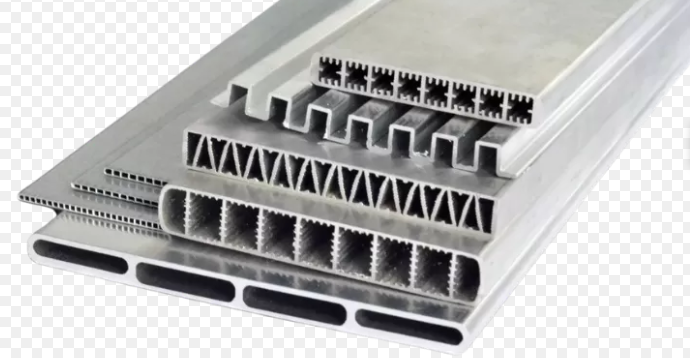
How Part Geometry Directly Impacts Toolpath Efficiency and Motion Dynamics Corner Radii, Sharp Angles, and Tight Turns Force Deceleration and Reduce Feed Rates Sharp internal corners and small radii compel CNC machines to decelerate before the turn...
VIEW MORE
Process Discipline: Eliminating Scratch Sources During Finishing The Cost of Skipping Grit Progression in Finishing Skipping grit progression is a leading cause of scratches on finished metal parts—and a costly one. In disciplined finishing, ...
VIEW MORE
Welding Techniques Optimized for Thin, Medium, and Thick Sections Precision strategies for thin metals (≤1.6 mm): skip welding, travel angle, and low-heat passes Welding thin materials demands discipline where heat management is the primary vari...
VIEW MORE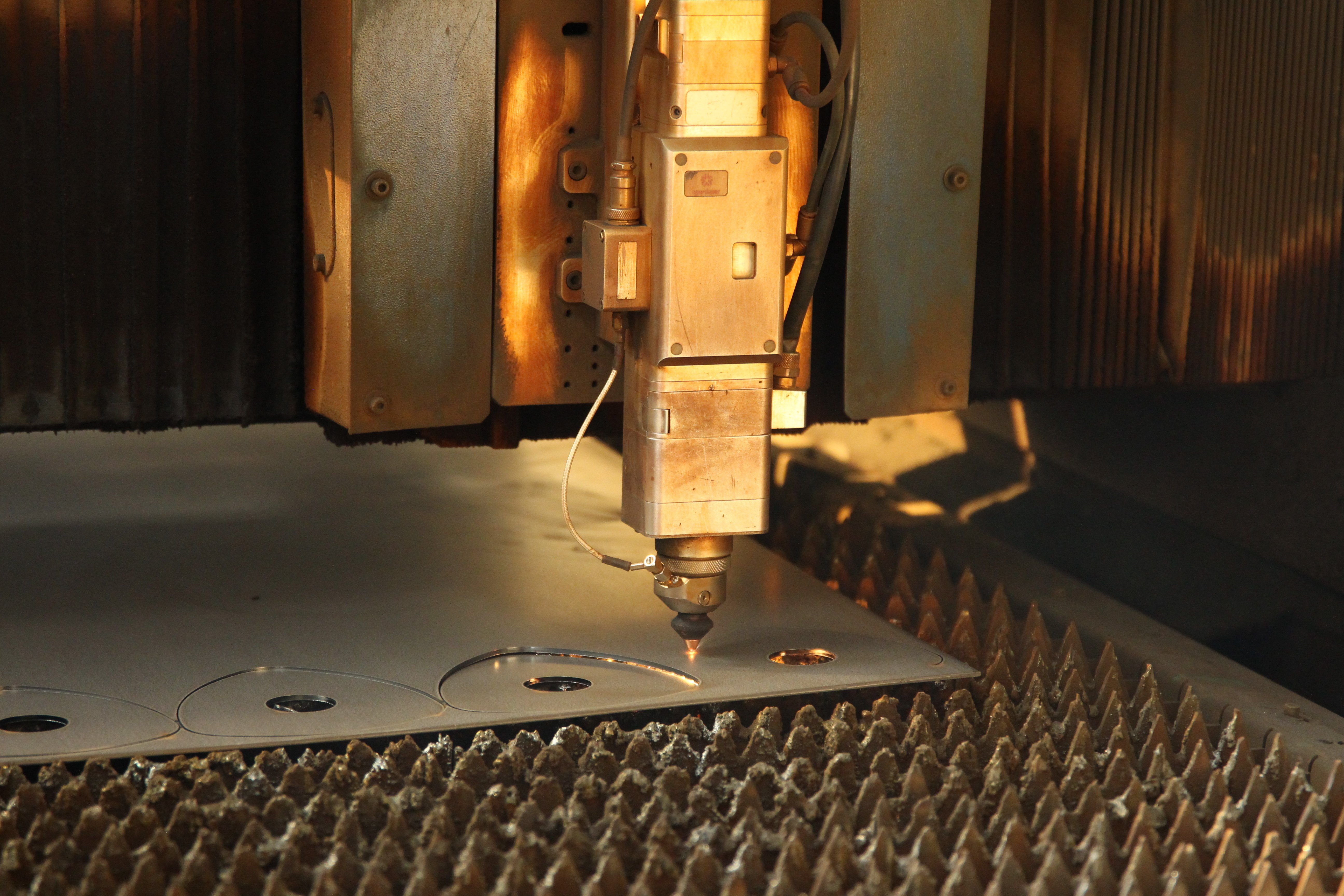
Understanding First Article Approval in B2B Content Strategy First article approval is the foundational checkpoint in a B2B content marketing program—where a contributor’s initial piece is formally evaluated against strategic, editorial...
VIEW MORE
The Structural–Precision Divide: Why Fabrication and Machining Are Complementary, Not Competitive Fabrication builds robust, scalable primary structures Sheet metal fabrication constructs durable frameworks by cutting, bending, and welding st...
VIEW MORE
GD&T Flatness Fundamentals and Tolerance Specification for Flatness Control ASME Y14.5 Flatness Definition: Datum-Referenced vs. Non-Datum Applications Flatness is a form control in geometric dimensioning and tolerancing (GD&T) that limits a surfac...
VIEW MORE
CNC Low Mid Volume: Lower Entry Barriers Through Reduced Setup Costs Eliminating Custom Tooling Investment vs. Injection Molding or Stamping Unlike injection molding or stamping—which require hardened steel molds or dies with fabrication cost...
VIEW MORE Small batches, high standards. Our rapid prototyping service makes validation faster and easier —
  EN
EN
