Effective Post-Weld Cleaning Methods for Welded Parts Appearance Mechanical Cleaning: Brushing, Grinding, and Polishing Techniques Mechanical cleaning physically removes surface oxides, spatter, and discoloration using abrasive tools—making i...
VIEW MORE
Why Buyers Must Interpret CNC Part Drawings—Not Just Approve Them The hidden cost of passive drawing acceptance: Rework, delays, and supplier disputes When buyers forward CNC part drawings without verifying their technical integrity, small am...
VIEW MORE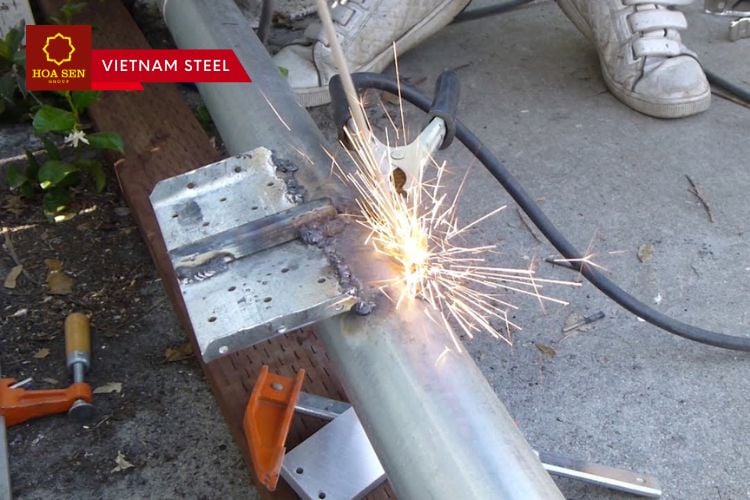
Weld Quality and Structural Integrity: The Foundation of Part Performance Structural integrity defines a component’s ability to withstand operational stresses without failure—and weld quality directly determines this capability at every...
VIEW MORE
Why CNC Quote Reliability Matters Beyond Price Low upfront CNC quotes often mask hidden costs—production delays, rework, and quality instability—that directly erode program timelines and profit margins. Studies indicate two-thirds of ma...
VIEW MORE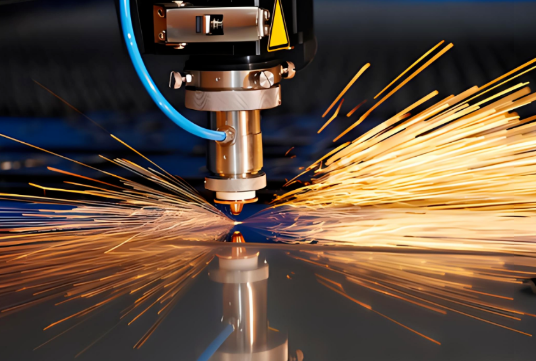
Nugget Size and Geometry: The Dominant Weld Strength Factor Nugget formation controls ultimate weld strength more directly than other process parameters. How nugget diameter-to-thickness ratio governs load distribution and fracture modeA precise di...
VIEW MORE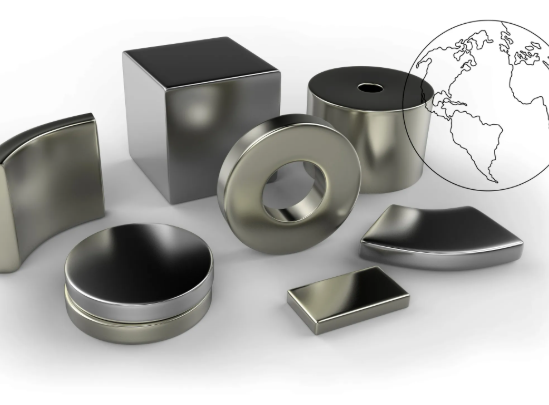
Material, Thickness, and Functional Requirements in Welding Process Selection Material Compatibility: Matching Welding Processes to Stainless Steel, Aluminum, and Carbon Steel Material compatibility is the foundational criterion in welding process ...
VIEW MORE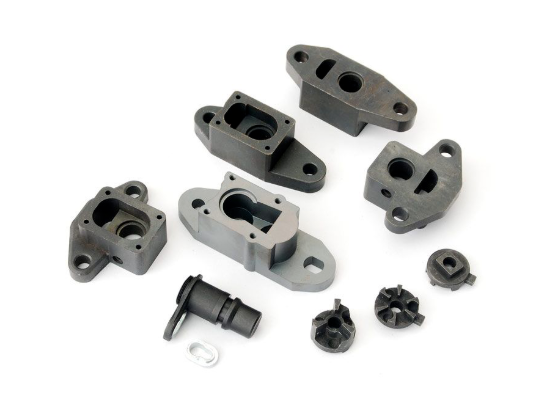
Additive Manufacturing: Scaling from Prototyping to Certified Production Parts Design-led 3D printing enables manufacturers to rapidly iterate low-volume, high-mix components without expensive tooling. Engineers can produce multiple design variatio...
VIEW MORE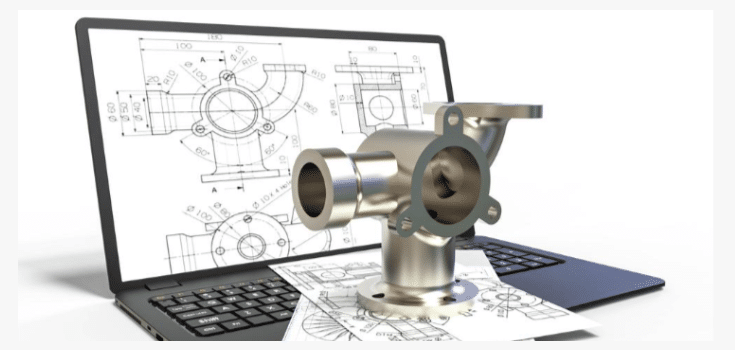
The Real Cost of Poor Sheet Metal Manufacturability Production delays from rework loops and engineering change orders (ECOs) When sheet metal designs lack manufacturability, each iteration often triggers a formal Engineering Change Order (ECO)&mdas...
VIEW MORE
Why Thin Sheet Metal Warping Occurs: Thermal and Mechanical Drivers Warping of thin sheet metal during welding stems from two interconnected forces: uneven thermal expansion and contraction, and the release or buildup of residual stresses. When loc...
VIEW MORE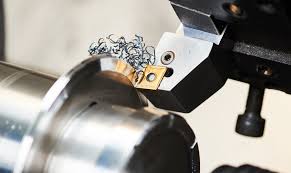
What Tolerance Control Really Means for Custom Parts Tolerance control in custom parts manufacturing defines the permissible deviations in dimensions and geometric characteristics—ensuring functional fit, reliable performance, and system-leve...
VIEW MORE
The Five Pillars of Fabrication Method Comparison Every informed fabrication method comparison must rest on five non‑negotiable pillars: cost, complexity, volume, tolerance, and material compatibility. Cost frames the economic boundary—encomp...
VIEW MORE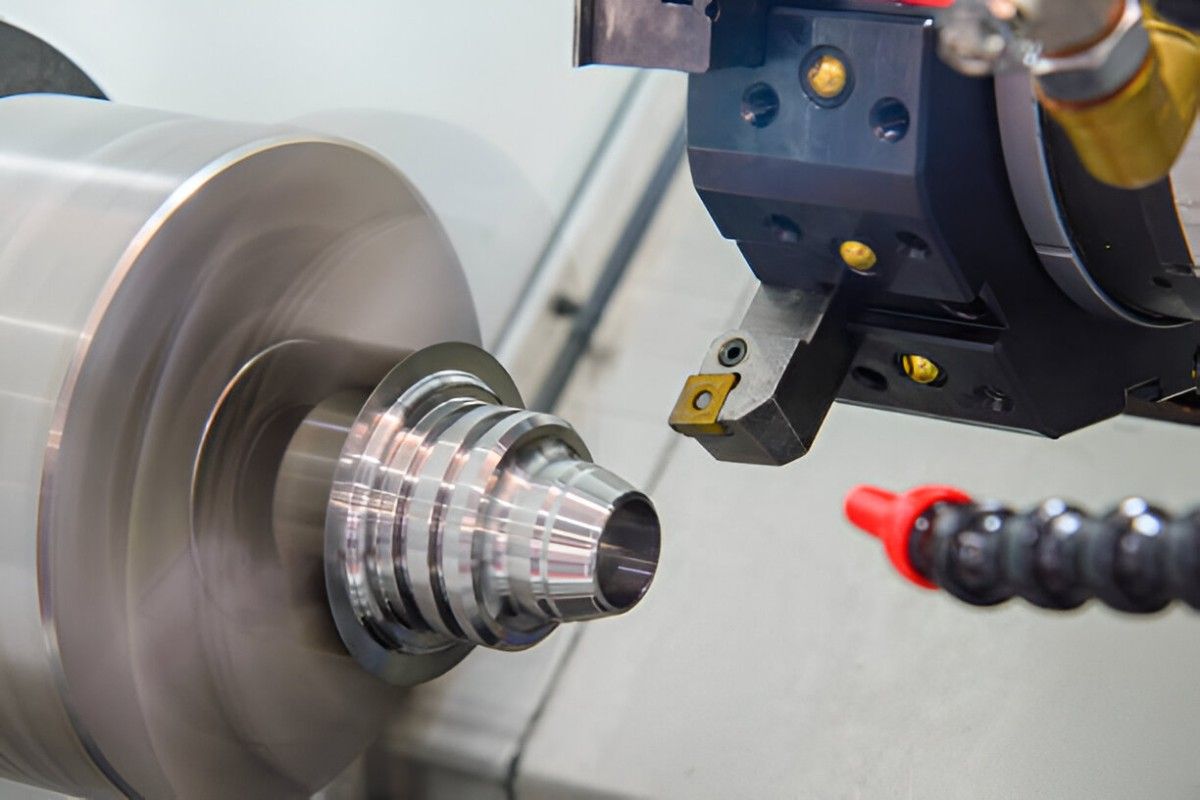
Geopolitical and Supply Chain Risks in Large-Scale Automotive Metal Production Concentration Risks: DRC for Cobalt and China for Rare Earth Elements Large-scale automotive metal production depends critically on a narrow set of geographic sources. T...
VIEW MORE Small batches, high standards. Our rapid prototyping service makes validation faster and easier —
  EN
EN
