 Small batches, high standards. Our rapid prototyping service makes validation faster and easier —
  EN
EN

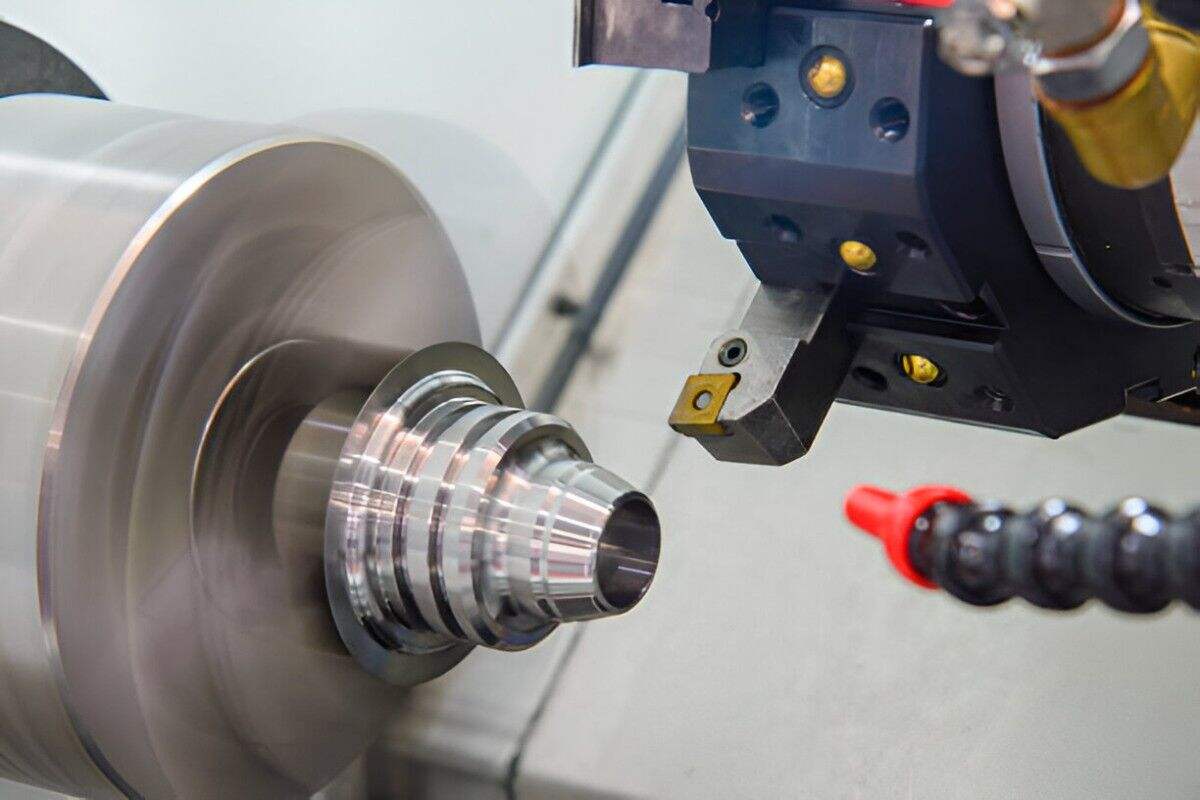
Geopolitical and Supply Chain Risks in Large-Scale Automotive Metal Production
Concentration Risks: DRC for Cobalt and China for Rare Earth Elements
Large-scale automotive metal production depends critically on a narrow set of geographic sources. The Democratic Republic of the Congo (DRC) supplies over 70% of the world’s cobalt—most of it destined for lithium-ion batteries—while China refines approximately 60% of global rare earth elements (REEs), essential for high-performance magnets in electric motors and sensors. This extreme concentration introduces systemic fragility: political instability, export controls, or labor disruptions in either region can ripple across global supply chains, halting battery production or delaying vehicle assembly. Cobalt price volatility during regional conflicts has already driven measurable increases in EV battery costs. Automakers now face a strategic imperative—not just to diversify sourcing, but to do so without compromising cost, quality, or scalability.
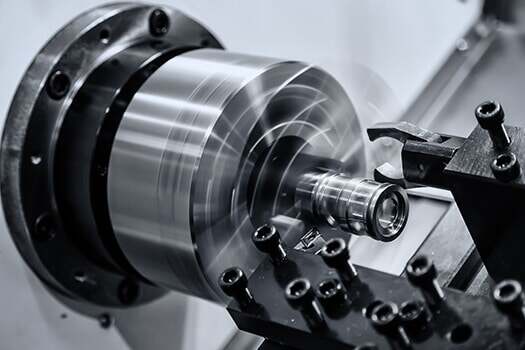
Trade Policy Volatility and Export Restrictions on AHSS and Aluminum Alloys
Trade policy uncertainty compounds material risk. U.S. tariff proposals targeting Chinese automotive components—and ongoing renegotiations with Mexico and Canada—create unpredictability for advanced high-strength steel (AHSS) and aluminum alloy imports. These materials are foundational to lightweighting and crash safety, yet their alloying elements (e.g., manganese, boron, scandium) are concentrated among few exporters. Sudden export restrictions or customs delays force reactive sourcing shifts, eroding planning certainty and inflating landed costs. Without durable, multilateral trade frameworks, manufacturers cannot reliably forecast lead times or material budgets—undermining the precision and efficiency required in large-scale automotive metal production.
Environmental and Resource Constraints of Large-Scale Automotive Metal Production
Water Scarcity, Energy Intensity, and Emissions in Lithium and REE Extraction
Lithium and rare earth element (REE) extraction present acute environmental trade-offs. Lithium mining consumes between 500,000 and 2 million gallons of water per metric ton—straining arid ecosystems like Chile’s Atacama Desert, where over 65% of known reserves overlap with high-risk watersheds (UNESCO 2023). REE refining is similarly intensive: it requires ≈170 GJ of energy per ton and emits roughly 14 tons of CO₂ per ton of refined output—equivalent to the annual emissions of 137 average U.S. households (Sustainable Review 2023). These impacts intensify competition for scarce resources, particularly during droughts, when agricultural and community water needs directly conflict with industrial extraction.
Hazardous Waste and Radioactive Byproducts from Bauxite and Nickel Processing
Bauxite refining generates 1.5–4 tons of highly alkaline red mud per ton of alumina—a hazardous byproduct stored in increasingly unstable tailings dams. Global red mud stockpiles now exceed 150 million tons annually, with documented leaks contaminating groundwater in Brazil, Ghana, and Australia. Nickel processing from lateritic ores poses dual hazards: sulfuric acid aerosols and slag laced with arsenic and cadmium, plus elevated thorium radiation exposure—up to eight times background levels—for onsite workers. These risks persist largely due to uneven regulatory enforcement, especially in emerging economies expanding metal production capacity without commensurate environmental safeguards.
Social Responsibility and Ethical Sourcing Gaps in Large-Scale Automotive Metal Production
Cobalt remains indispensable for EV batteries—and deeply entangled with human rights concerns. Roughly 70% of global cobalt originates from the DRC, where artisanal and small-scale mining (ASM) accounts for an estimated 15–30% of national output. Investigations have repeatedly documented child labor, unsafe tunnel conditions, and chronic exposure to cobalt dust in unregulated sites. While automakers increasingly commit to ethical sourcing, traceability collapses beyond tier-1 suppliers. Battery cell manufacturers often source cobalt through intermediaries who aggregate material from informal mines—leaving tier-2 smelters and tier-3 traders outside most due diligence scopes. OECD-aligned frameworks exist, but implementation remains fragmented, exposing brands to reputational harm and growing regulatory scrutiny under laws like the EU Corporate Sustainability Due Diligence Directive.
Circular Economy Barriers to Sustainable Large-Scale Automotive Metal Production
Despite rising sustainability mandates, circular economy integration remains constrained by technical and infrastructural limits—not intent. Current recycling systems fall short of closing critical material loops, forcing continued reliance on primary extraction to meet near-term production demands.
Low Recovery Rates for Critical Metals from Catalytic Converters and EV Batteries
Less than 25% of cobalt and rare earth elements are recovered from end-of-life EV batteries and catalytic converters, despite their high value and strategic importance. Platinum group metals (PGMs)—including palladium and rhodium—achieve only ~40% recovery rates, hindered by complex disassembly, multi-layered battery architectures, and inconsistent collection logistics. Automotive shredder residue (ASR), representing 20–30% of vehicle mass, contains unrecovered metals that routinely enter landfills—a gap highlighted in the 2024 Automotive Circular Economy Report. Without scalable, automated sorting and hydrometallurgical upgrading, recovery rates will remain economically and technically unviable at scale.
Technical Limits in Closed-Loop Recycling of AHSS and Multi-Alloy Aluminum Components
Closed-loop recycling faces metallurgical barriers in two key structural materials. Copper contamination above 0.3%—often introduced via wiring harnesses—severely degrades the tensile strength and formability of recycled advanced high-strength steel (AHSS), rendering it unsuitable for safety-critical applications without extensive dilution with virgin feedstock. Similarly, aluminum scrap streams rarely retain alloy integrity: mixed castings, extrusions, and sheet alloys introduce incompatible elements (e.g., silicon, magnesium, iron) that compromise mechanical performance in structural components. As OEMs adopt increasingly customized, application-specific aluminum and steel formulations, achieving high-purity, specification-grade recycled inputs becomes both more essential—and more difficult—without major upgrades to sorting, separation, and remelting infrastructure.
FAQs
Why is cobalt so critical for automotive production?
Cobalt is essential for lithium-ion batteries, which are widely used in electric vehicles. Its role in energy stability and thermal management makes it indispensable for EV battery technologies.
What are the main challenges in recycling automotive metals?
Key challenges include low recovery rates for critical materials like cobalt and rare earth elements, technical barriers in closed-loop recycling, and contamination issues that impact recycled material performance.
How does geopolitical instability affect metal supply chains?
Geopolitical instability can lead to disruptions in critical material exports, price volatility, and supply chain delays, directly impacting automotive manufacturing and production costs.
What environmental issues are associated with metal production?
Metal production involves high water consumption, energy intensity, emissions, hazardous waste generation, and the risk of contaminating ecosystems, especially in regions with insufficient regulations.
How can automakers address ethical sourcing concerns?
Automakers can address ethical sourcing concerns by implementing traceability measures across supply chains, adhering to OECD-aligned frameworks, and investing in partnerships to eliminate child labor and unsafe conditions at mining sites.
Table of Contents
-
Geopolitical and Supply Chain Risks in Large-Scale Automotive Metal Production
- Concentration Risks: DRC for Cobalt and China for Rare Earth Elements
- Trade Policy Volatility and Export Restrictions on AHSS and Aluminum Alloys
- Environmental and Resource Constraints of Large-Scale Automotive Metal Production
- Social Responsibility and Ethical Sourcing Gaps in Large-Scale Automotive Metal Production
- Circular Economy Barriers to Sustainable Large-Scale Automotive Metal Production
- FAQs