
Understanding the Functional Threshold for Deburring Decision When Burrs Impair Performance: Microscopic Defects, Macro-Scale Failures Burrs may be microscopic, but their downstream effects often cascade into complete system breakdowns. The deburri...
VIEW MORE
How Tooling Cleanliness Boosts Production Efficiency Residue buildup slows cycle times and increases unplanned stops Residue from plastic off-gassing, mold releases, and material degradation accumulates on tool surfaces over repeated cycles. This l...
VIEW MORE
Understanding the Root Causes of Sheet Metal Deformation Springback, wrinkling, cracking, and warping: Mechanisms and material dependencies Sheet metal deformation during forming typically falls into four categories: springback, wrinkling, cracking...
VIEW MORE
Punching Clearance: The Primary Driver of Punching Edge Quality Optimal Die Clearance Ranges for Common Metals Punch-to-die clearance—the precisely defined gap between the punch and die cutting edges—is the single most influential facto...
VIEW MORE
Certifications and Quality Assurance for a Metal Parts Supplier Quality assurance is the backbone of any industrial supply chain. For a metal parts supplier, certifications validate process consistency and product integrity—ensuring parts mee...
VIEW MORE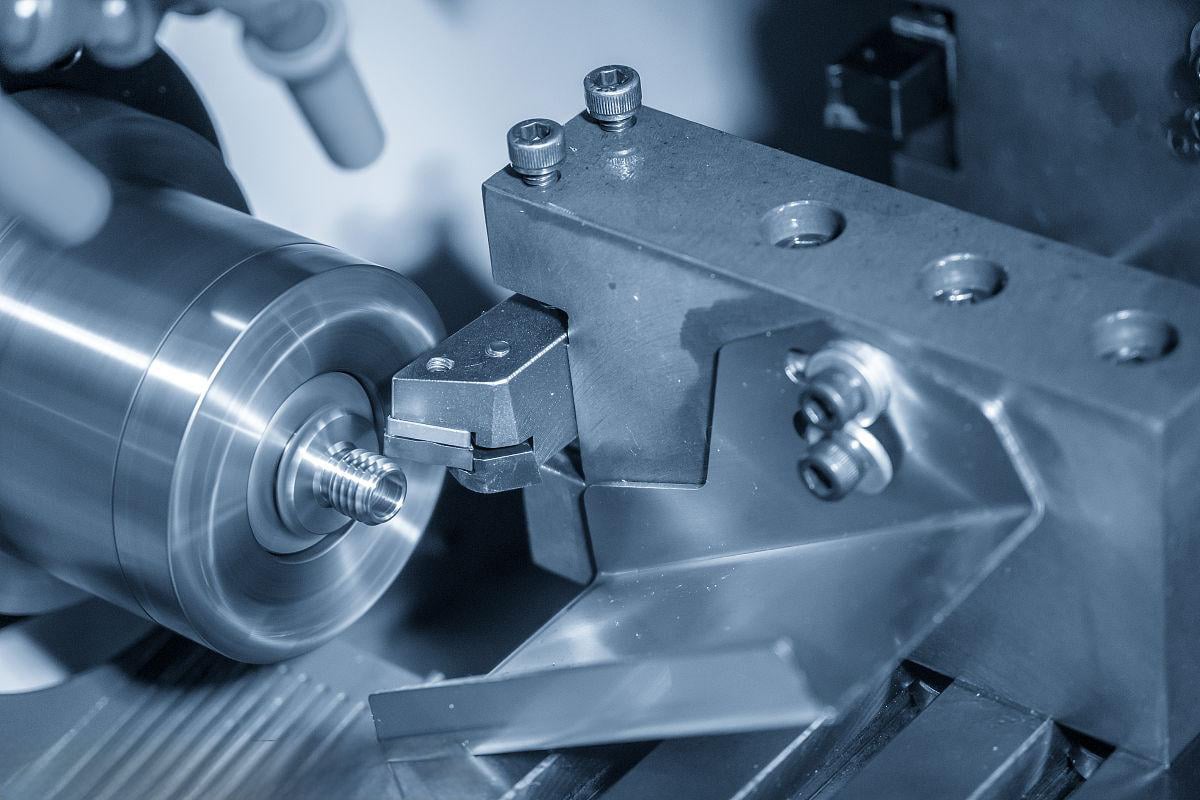
The Physical Limits of Sharp Corners in CNC Machining Designers often treat internal corners as an afterthought, but in sharp corners manufacturing, the rotating cutting tool immediately imposes a physical limit no shop can bypass. Unlike external ...
VIEW MORE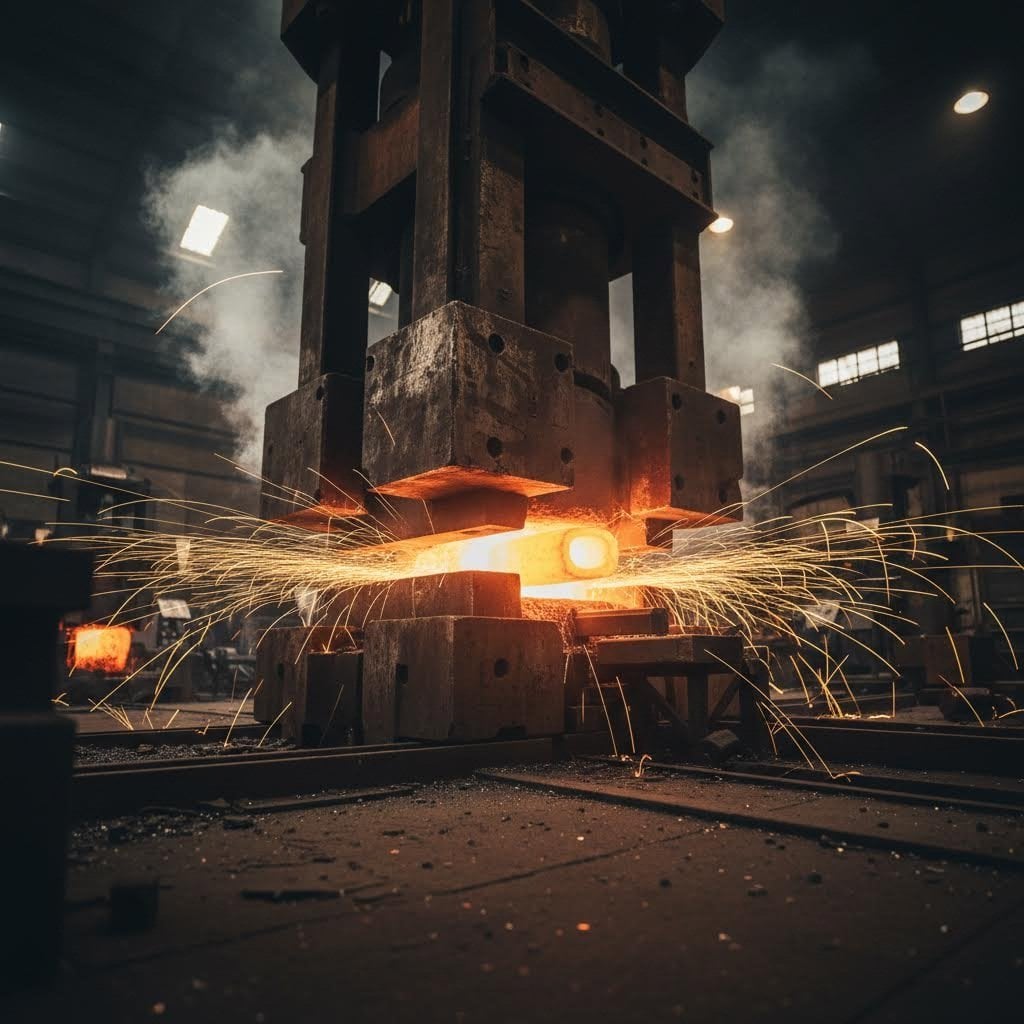
Core Principles of Corrosion Resistance Finish Performance Electrochemical Mechanisms: How Finishes Inhibit Oxidation and Galvanic Attack Corrosion resistance finishes suppress degradation by interrupting the electrochemical reactions that drive ox...
VIEW MORE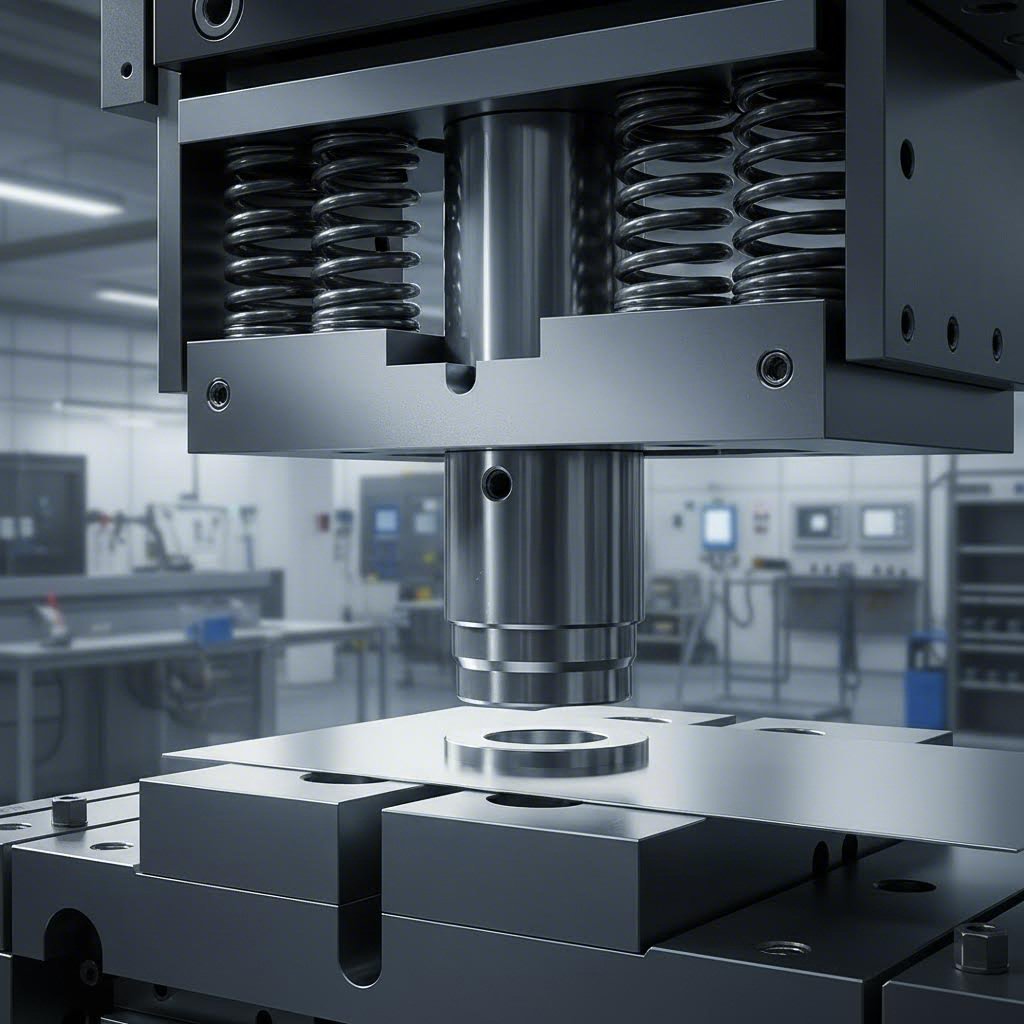
Optimize CNC Programming and Tool Path for Machining Cycle Time Leverage CAM Software Features for Intelligent Tool Path Optimization Computer-Aided Manufacturing (CAM) software transforms a 3D model into efficient machine commands. Modern systems ...
VIEW MORE
The Automation Readiness Threshold: Why Part-Level Fitness Determines System Success Why 68% of Automated Assembly Projects Fail at the Part Level Despite significant capital investment in robotics and control systems, automated assembly projects f...
VIEW MORE
How Material Composition Drives Welding Material Care Requirements Metallurgical Origins of Hazardous Fume Generation Welding transforms base metals into molten pools, vaporizing alloy constituents at temperatures exceeding 3,000°C. This therma...
VIEW MORE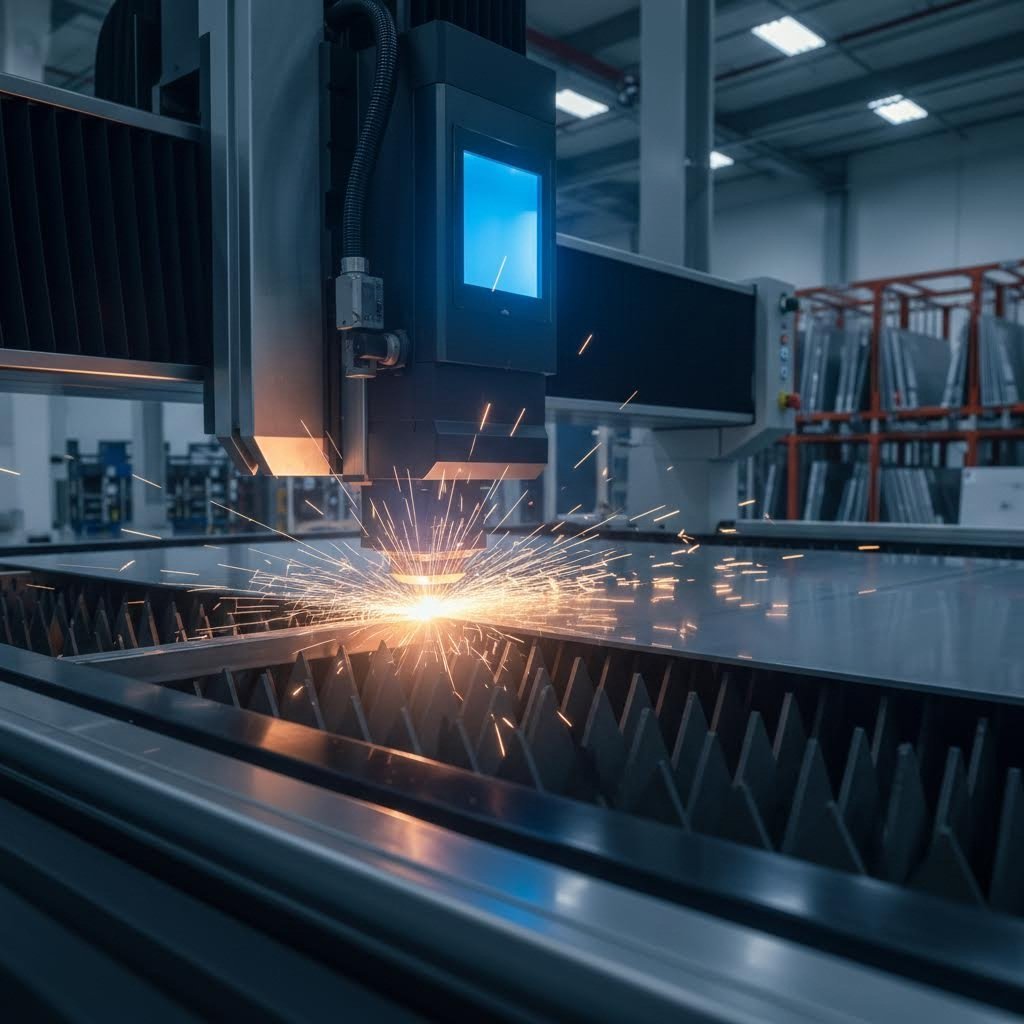
Designing for Tight Tolerances: DFM and GD&T Alignment Applying GD&T/GPS Standards to Eliminate Interpretation Variability Geometric Dimensioning and Tolerancing (GD&T), defined by ASME Y14.5 or ISO GPS standards, uses symbols and datums to communi...
VIEW MORE
Clear, Complete Specifications Enable True Apples-to-Apples Fabrication Quote Comparison How Tolerances, Surface Finishes, and Assembly Requirements Define Comparability True comparability in fabrication quotes begins with a tightly defined envelop...
VIEW MORE Small batches, high standards. Our rapid prototyping service makes validation faster and easier —
  EN
EN
