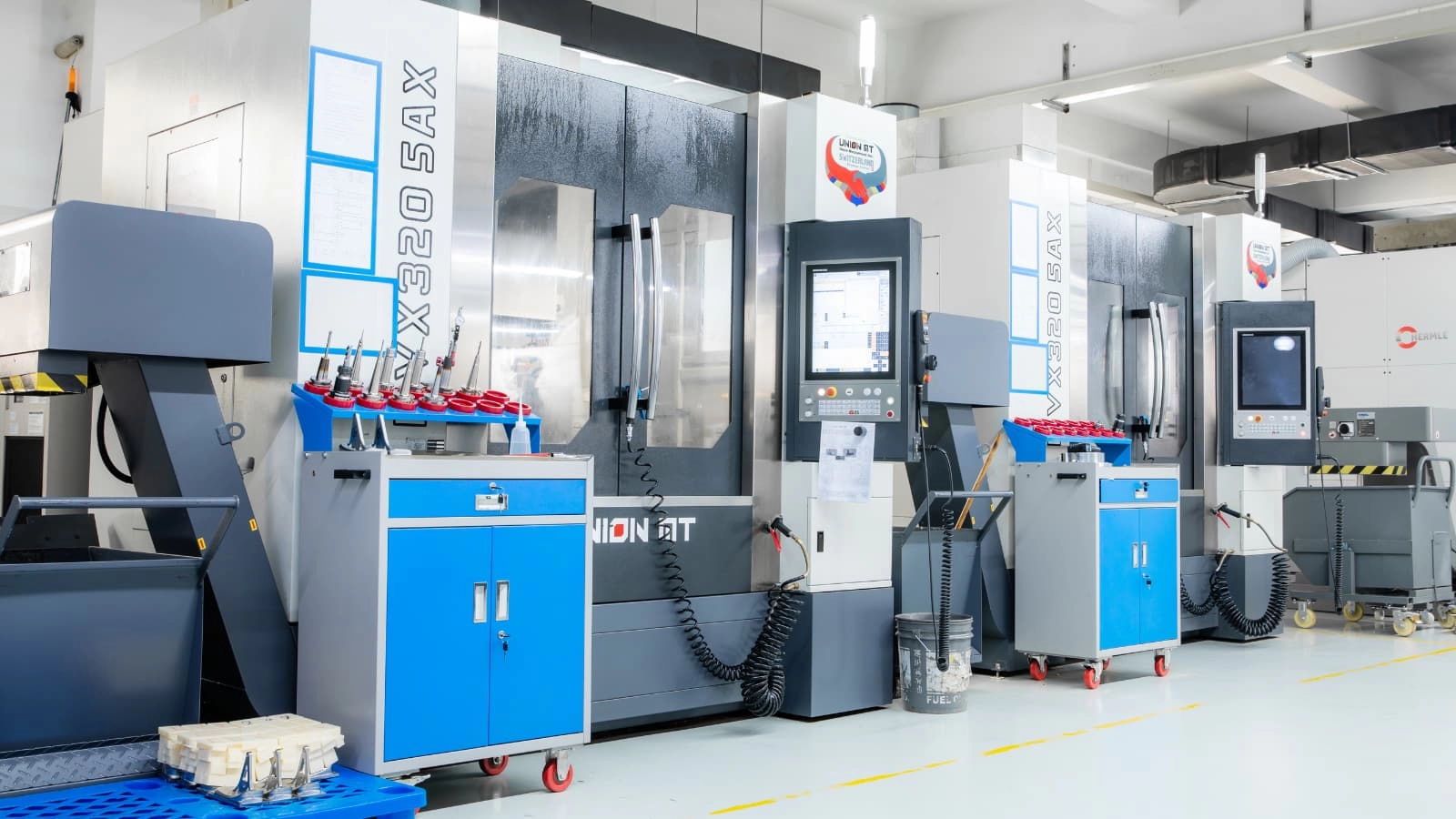
Why Your CNC RFQ Quality Directly Impacts Quote Accuracy and Lead Time The quality of a CNC RFQ directly determines how quickly and accurately a supplier can prepare a reliable quote. Incomplete or vague technical requirements—such as undefin...
VIEW MORE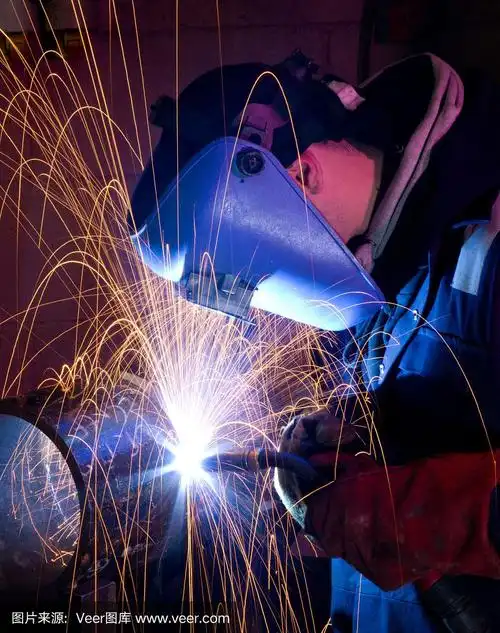
Why Pre-Production Risk Identification Is Critical for Manufacturing Success Identifying manufacturing risks before the first production run is more than a safeguard—it’s a strategic advantage that protects profitability, schedule adher...
VIEW MORE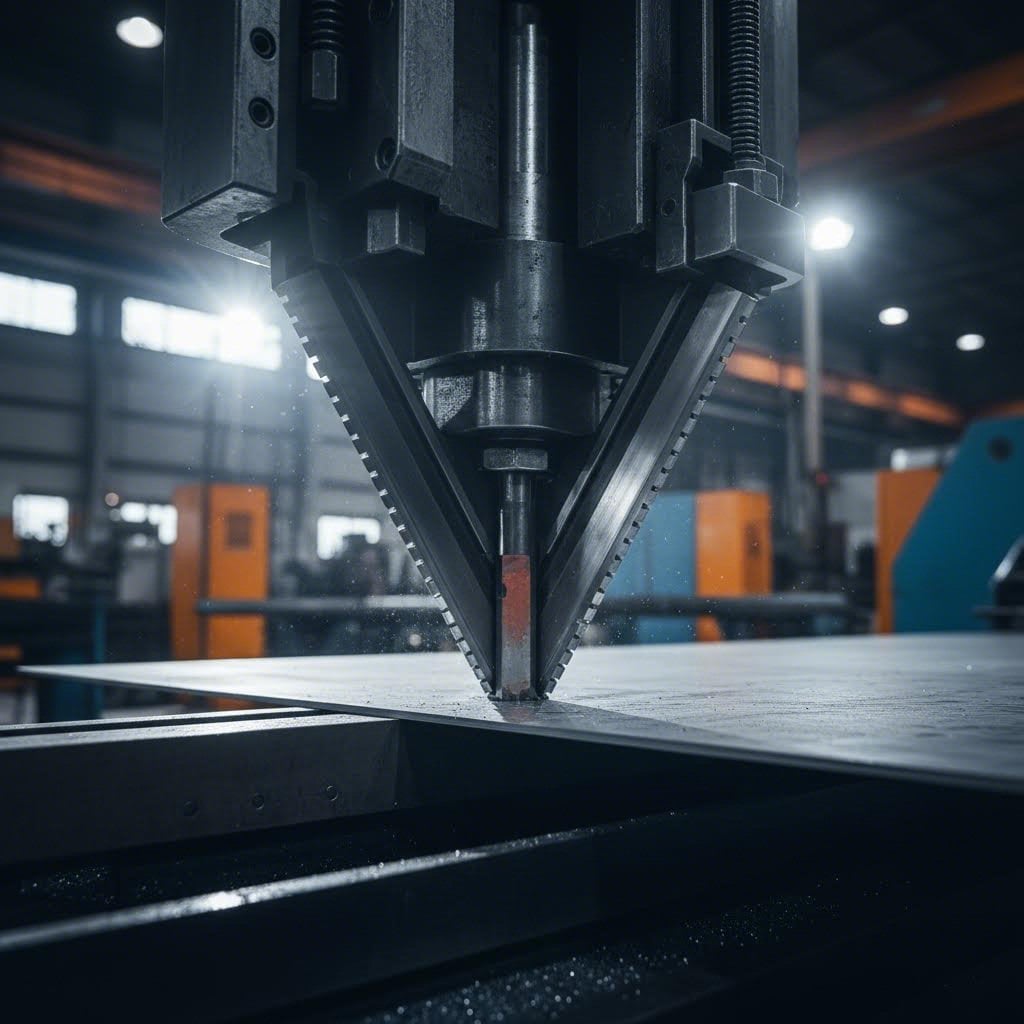
The Science of Bend Radius: Material Properties and Failure Mechanics How material thickness and alloy type define minimum bend radius (e.g., 1×T for mild steel vs. 2×T for 6061-T6 aluminum) The minimum bend radius is a fundamental mech...
VIEW MORE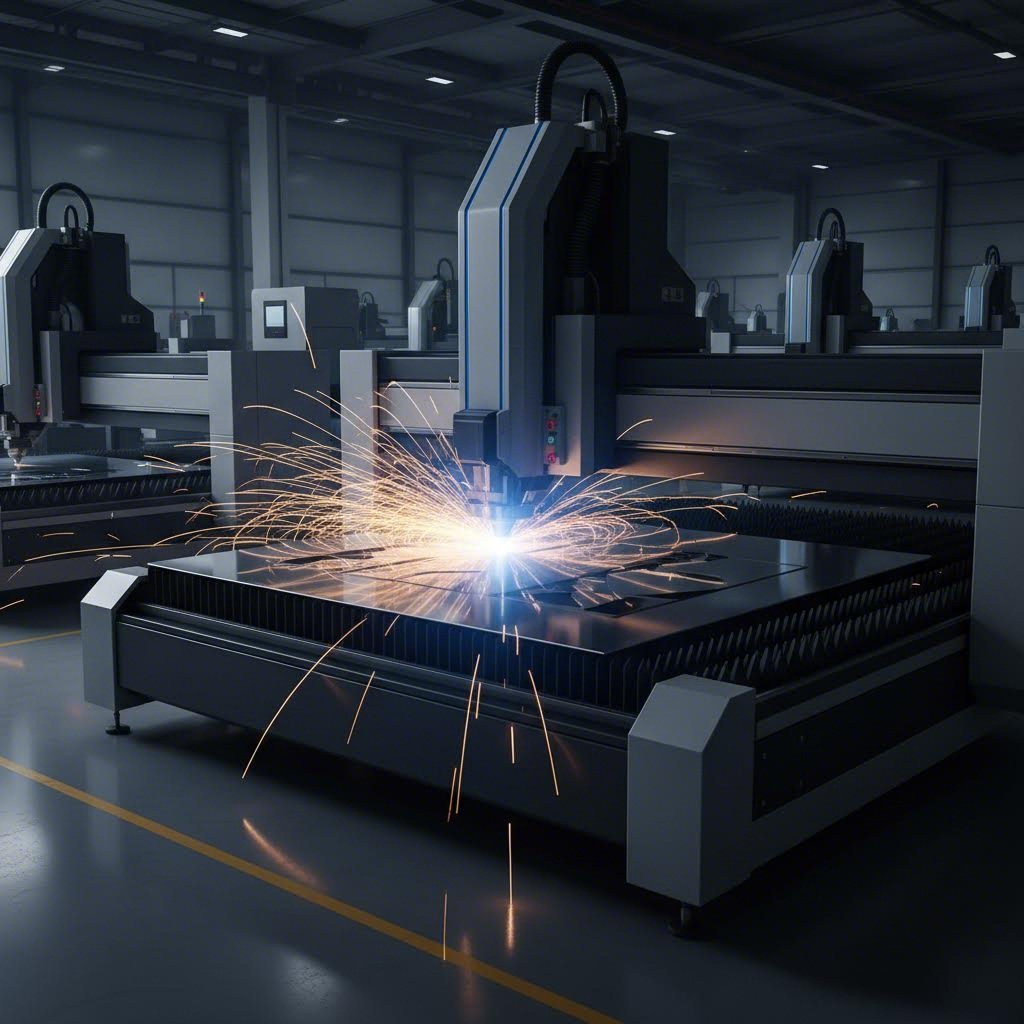
Understanding Visual Quality: Beyond Surface Roughness Metrics Why Ra and Rz Alone Fail to Predict Fabricated Parts Visual Quality Surface roughness parameters Ra (average roughness) and Rz (average maximum height) measure only vertical profile dev...
VIEW MORE
Optimize Material Selection for Maximum Load-Bearing Performance Selecting the optimal metal is the foundational step in engineering superior load-bearing performance—a decision that directly dictates a component’s functional limits, se...
VIEW MORE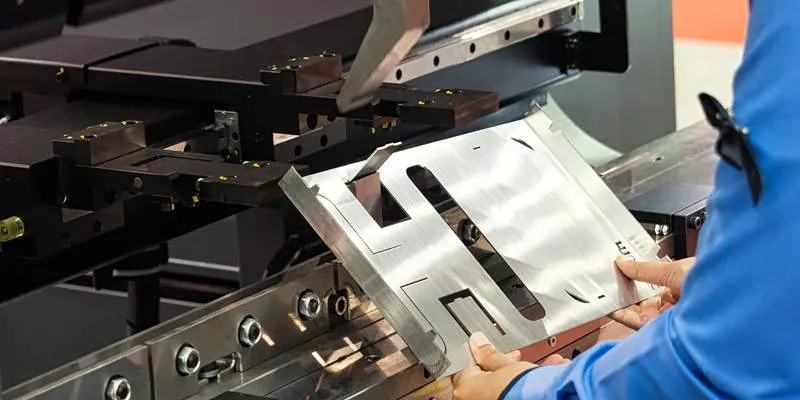
Metallurgical Chemistry Determines Finish Compatibility The success of any surface treatment hinges on the electrochemical and oxidative behavior of the base metal. Understanding these intrinsic properties is the foundation of finish compatibility....
VIEW MORE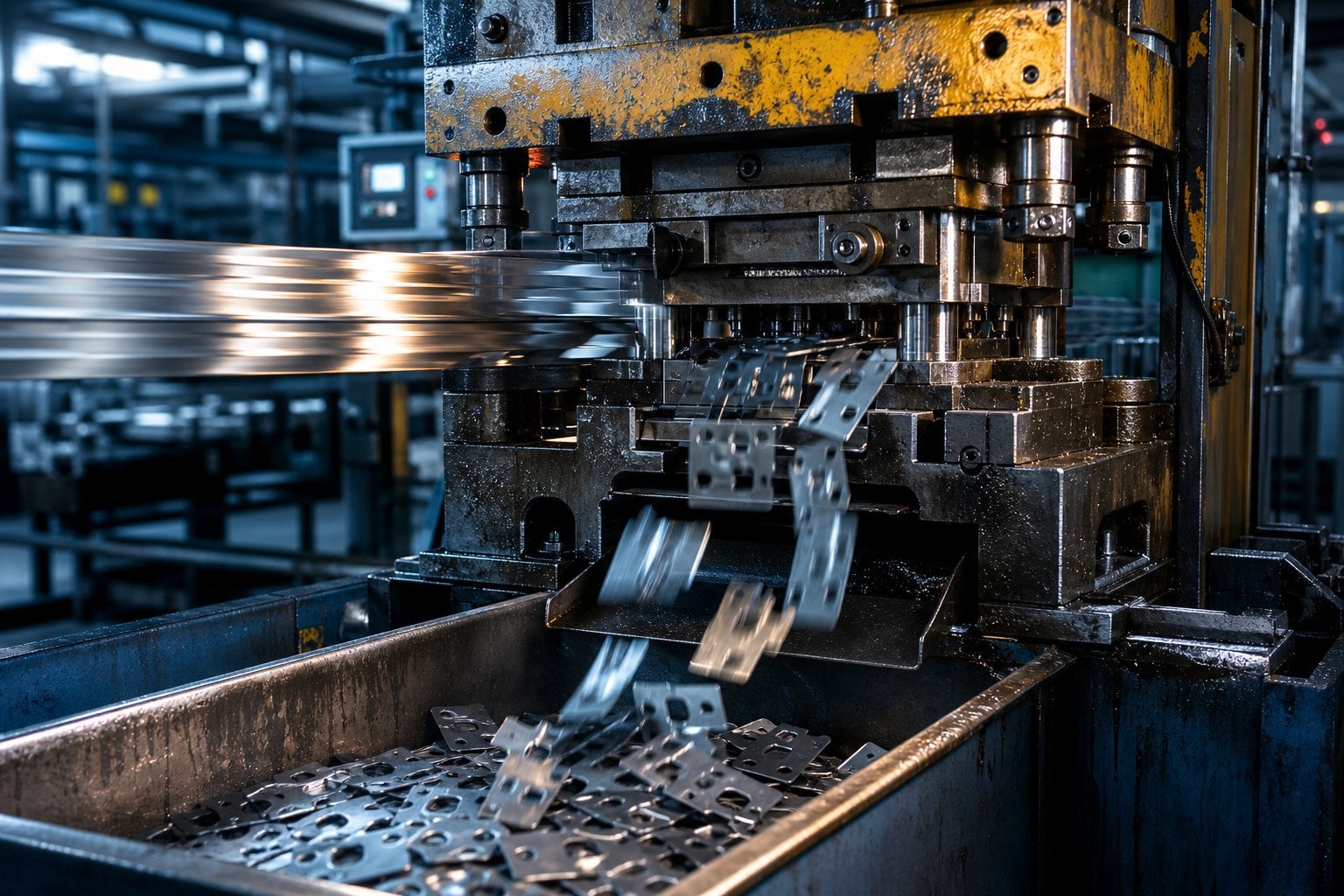
Material Suitability for High Speed Machining Thermal Conductivity and Machinability Trade-offs in Aluminum, Titanium, and Inconel Thermal conductivity is the dominant material property governing heat evacuation during high speed machining (HSM), d...
VIEW MORE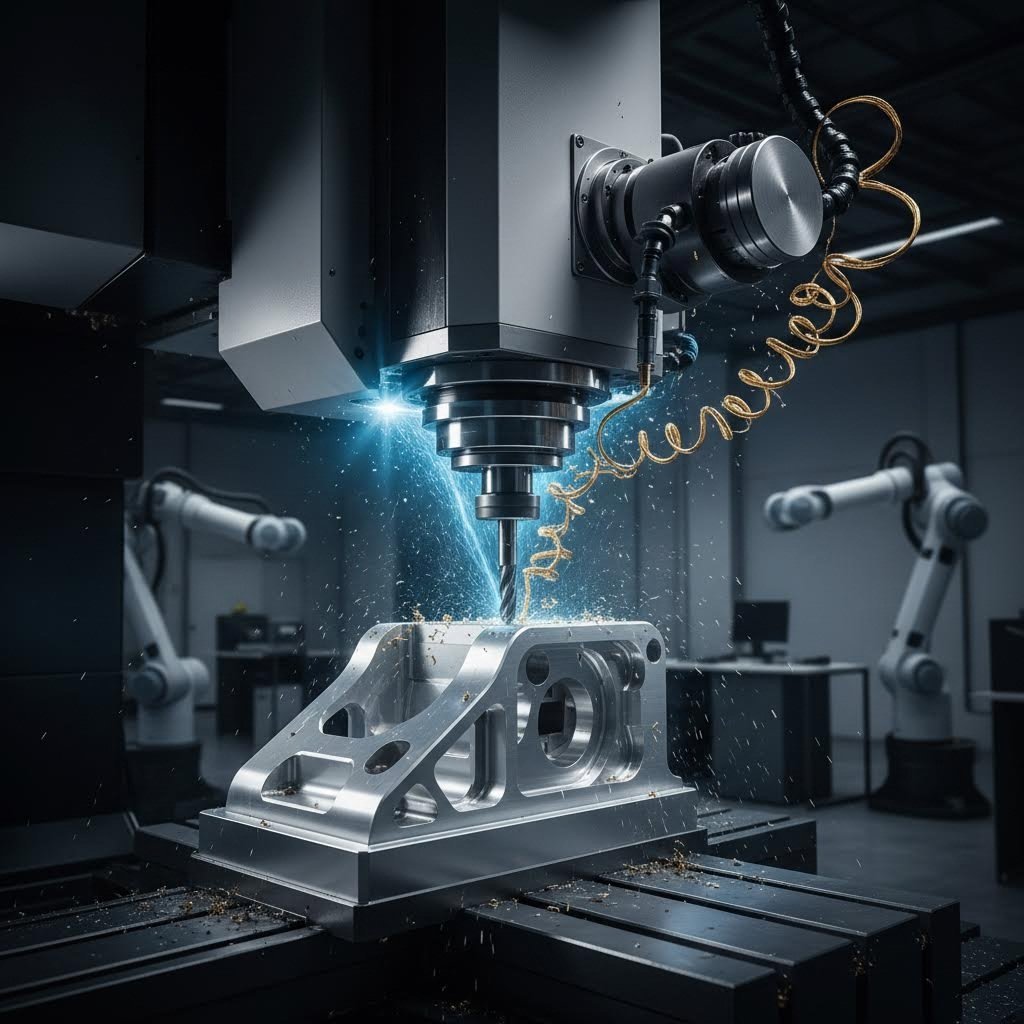
Identify Root Causes of Dimensional Errors in Repeated Cutting Workpiece Misalignment and Fixturing Instability Even minor workpiece shifts can rapidly amplify dimensional errors and undermine cutting consistency. According to the 2023 Global Machi...
VIEW MORE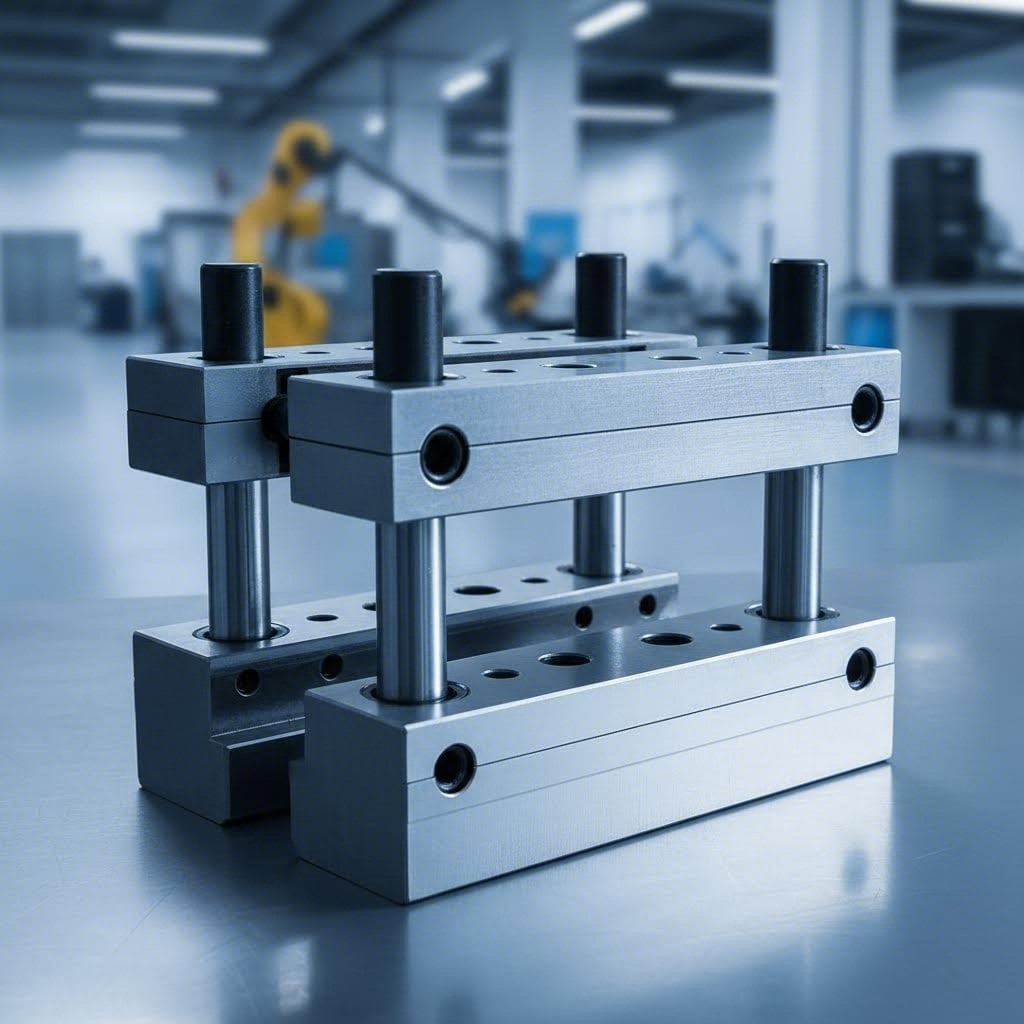
Design for Assembly (DFA) Principles to Enable Faster Assembly Effective DFA shifts complexity from the assembly line into part geometry—so operators and robots can build products with fewer decisions and less effort. The following three desi...
VIEW MORE
How Contamination Directly Causes Weld Defects in Joint Preparation Oil, Rust, and Oxide: Primary Triggers of Porosity, Cracking, and Lack of Fusion Contaminants on the joint surface are the silent instigators of the most persistent weld defects. O...
VIEW MORE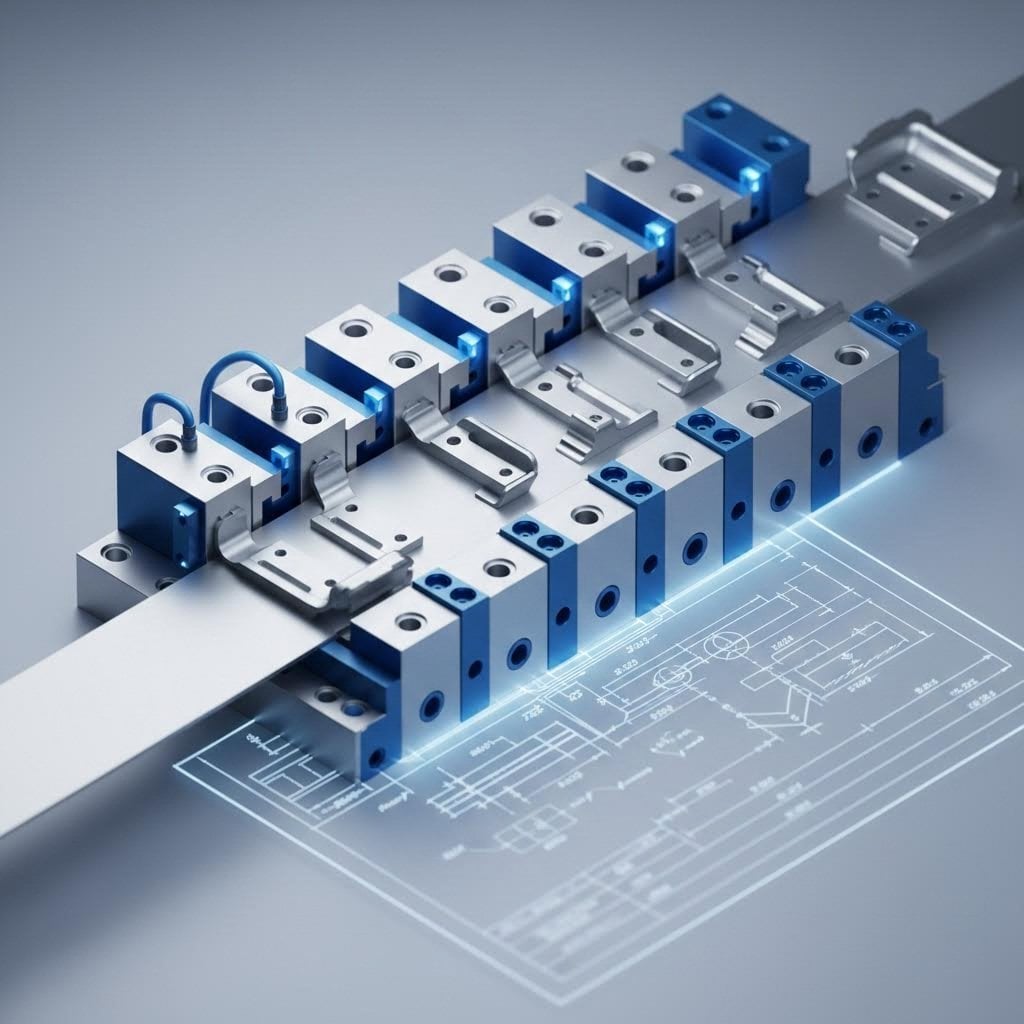
Define Functional and Design Requirements for Metal Parts Fit Load Capacity, Geometry, and Tolerance Constraints Driving Bracket Performance A bracket’s load capacity directly shapes structural decisions that ensure reliable metal parts fit. ...
VIEW MORE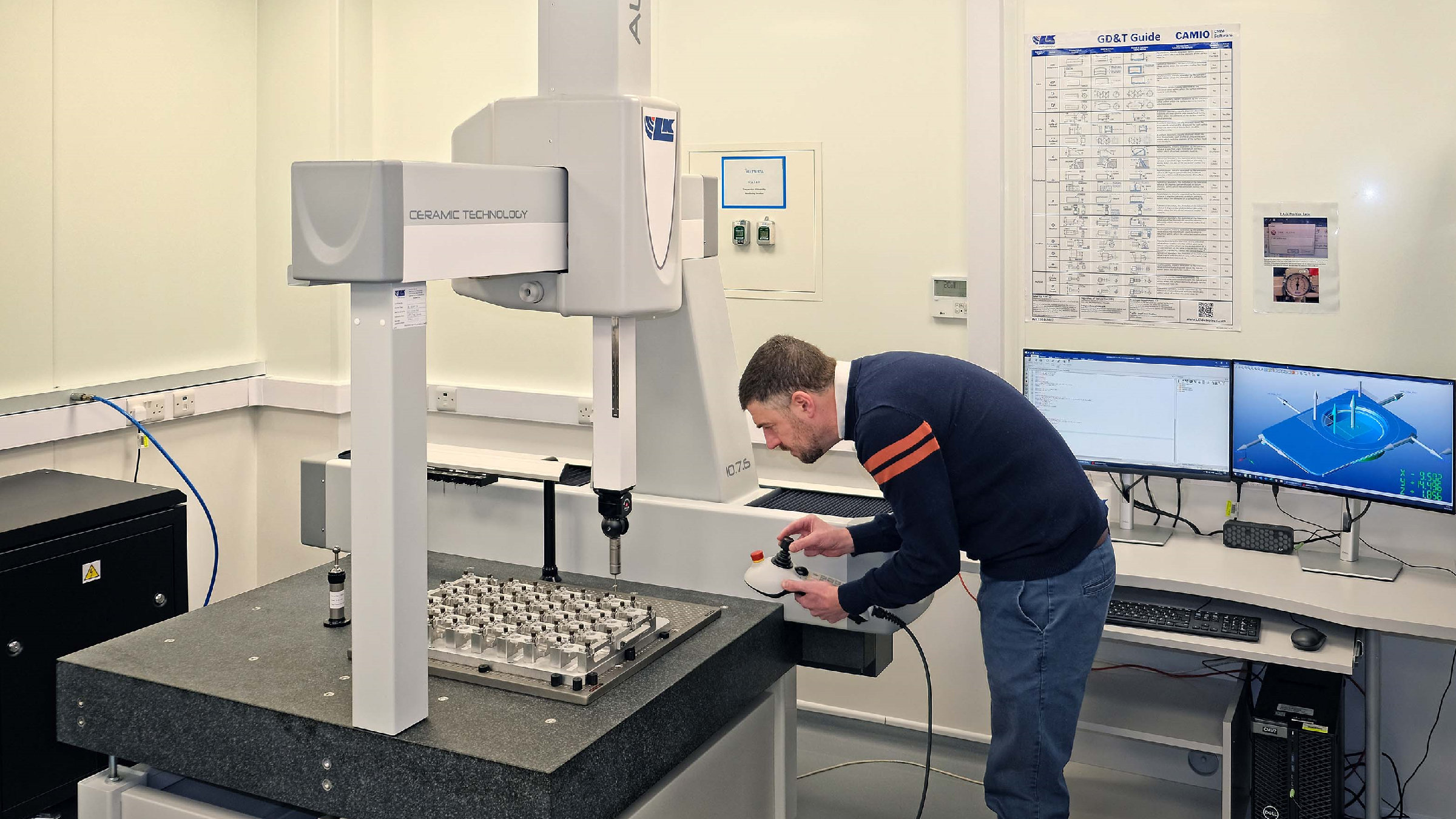
Material Properties Governing Metal Parts Fit The final fit of mated metal parts depends heavily on intrinsic material characteristics. Two critical categories—thermal behavior and mechanical response under load—dictate how components i...
VIEW MORE Small batches, high standards. Our rapid prototyping service makes validation faster and easier —
  EN
EN
