 Small batches, high standards. Our rapid prototyping service makes validation faster and easier —
  EN
EN

How Material Composition Drives Welding Material Care Requirements
Metallurgical Origins of Hazardous Fume Generation
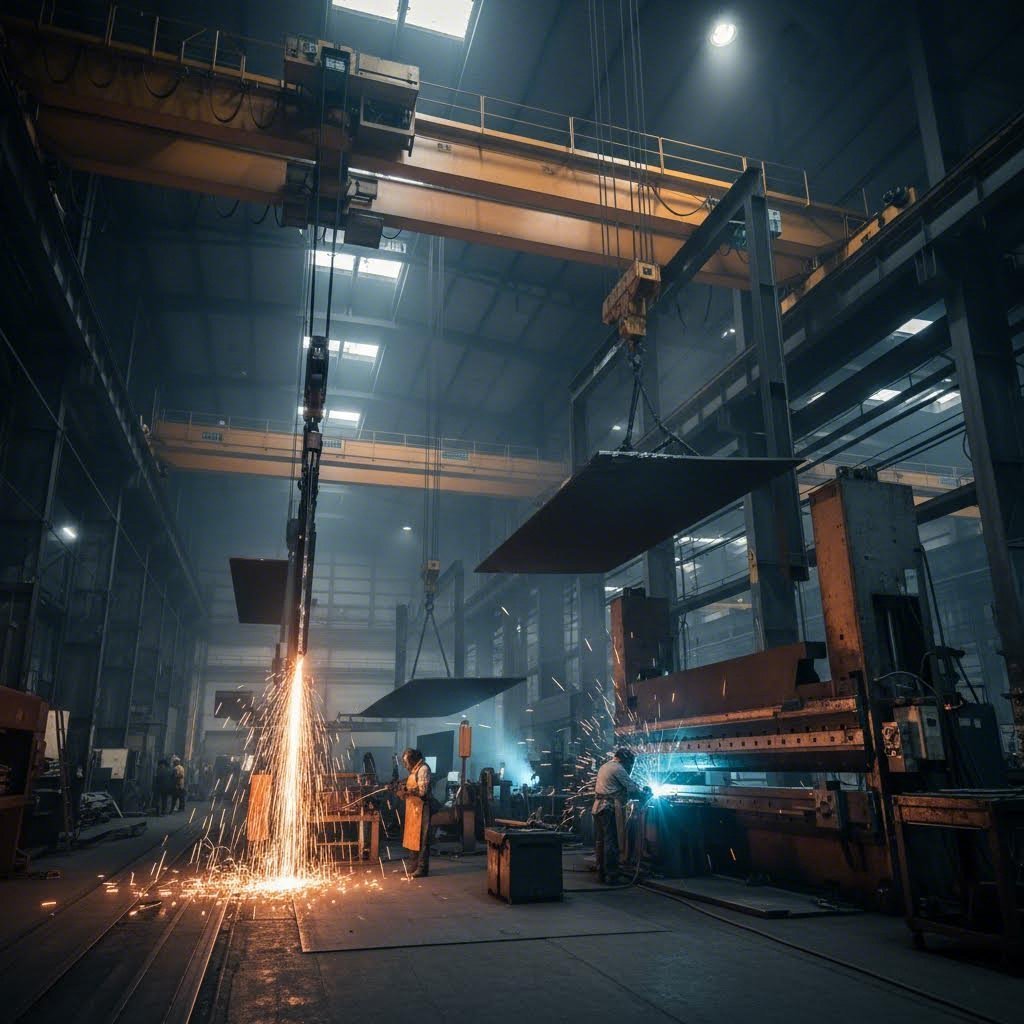
Welding transforms base metals into molten pools, vaporizing alloy constituents at temperatures exceeding 3,000°C. This thermal decomposition creates respirable metal oxides, silicates, and fluorides—whose composition and toxicity are dictated entirely by the base material’s chemistry. High-manganese steels generate neurotoxic manganese oxides; stainless steels with ≥10.5% chromium release carcinogenic hexavalent chromium (Cr(VI)); and galvanized coatings volatilize zinc oxide, triggering acute systemic illness. Physical properties further modulate risk: austenitic stainless steels’ low thermal conductivity prolongs weld-zone heating, intensifying vaporization. Grain structure and surface contaminants—including mill scale, oils, or organic coatings—also influence particle size distribution and fume yield. The International Agency for Research on Cancer classifies welding fume as a Group 1 carcinogen—a definitive signal that effective welding material care must begin with metallurgical awareness. Without this foundation, hazard controls remain reactive rather than predictive.
Chromium, Manganese, and Zinc: Core Elements Requiring Targeted Welding Material Care
Three alloying elements dominate occupational risk profiles in welding due to their prevalence, volatility, and well-documented health effects.
- Chromium – Stainless steels and high-chrome alloys generate Cr(VI) fumes during arc heating. OSHA’s permissible exposure limit (PEL) is 5 µg/m³ over an 8-hour shift. Because general ventilation rarely achieves compliance—especially during prolonged or positional welding—engineering controls like local exhaust ventilation (LEV) and PAPR-equipped respiratory protection are essential first-line defenses.
- Manganese – Present up to 1.6% in carbon and low-alloy steels, manganese vaporizes readily and accumulates in the central nervous system. Chronic overexposure is associated with manganism, a Parkinson-like syndrome. NIOSH recommends a ceiling limit of 1 mg/m³; air monitoring and source-capture fume extraction are critical in confined or poorly ventilated spaces.
- Zinc – Galvanized steel releases zinc oxide fumes upon coating vaporization. Inhalation causes metal fume fever—an acute, self-limiting but debilitating flu-like syndrome. Preventative care centers on pre-weld removal of the zinc layer within at least 2 inches of the joint, followed by high-velocity LEV to capture residual fume.
High-Risk Alloys and Their Specific Welding Material Care Protocols
Certain alloys demand rigorously tailored welding material care protocols due to the severity and predictability of their fume hazards.
Stainless Steel: Managing Hexavalent Chromium Exposure Through Engineering and PPE Controls
Welding stainless steel produces Cr(VI), a potent respiratory carcinogen regulated by OSHA at 5 µg/m³ (8-hour TWA). Engineering controls are prioritized: LEV positioned within 12 inches of the arc captures up to 90% of fumes, especially when integrated into fume-extraction welding guns. Portable HEPA-filtered extractors supplement fixed systems in confined or outdoor settings. When LEV alone cannot ensure compliance—such as during overhead or root-pass welding—workers must wear powered air-purifying respirators (PAPRs) with P100 filters. Skin protection is equally vital: Cr(VI) contact can cause dermatitis and ulceration, so long sleeves, gloves, and full-body coveralls are required. A 2022 NIOSH field study confirmed that combining LEV with PAPRs reduced breathing-zone concentrations by 97%. Medical surveillance—including periodic urine or blood chromium testing—supports early detection, while training emphasizes avoiding post-weld grinding of contaminated surfaces, which re-aerosolizes Cr(VI) dust.
Galvanized Steel: Mitigating Zinc Oxide Fever with Ventilation and Pre-weld Cleaning
Welding galvanized steel generates zinc oxide fumes linked to metal fume fever—a transient but incapacitating illness with onset 4–12 hours post-exposure, marked by chills, fever, headache, and myalgia (CDC, 2022). Effective welding material care begins before arc initiation: mechanical grinding or chemical stripping of the zinc coating within at least 2 inches of the joint reduces fume generation by >80%. Residual dust must be removed using HEPA vacuuming—not dry brushing or compressed air. LEV remains mandatory, with capture velocities maintained at 100–150 ft/min at the source. Where LEV is impractical, general dilution ventilation must keep airborne zinc oxide below OSHA’s PEL of 5 mg/m³ (respirable fraction). Respiratory protection—N95 filtering facepieces or PAPRs—is required whenever exposure uncertainty exists. Workers must be trained to recognize prodromal symptoms and report them immediately. Post-weld, continued ventilation during cool-down helps purge lingering fumes, and pulsed MIG processes—known for lower spatter and fume yield—further reduce risk.
Hidden Risks in Coatings, Fillers, and Contaminants
Cadmium-Containing Fillers and Organic Coatings: Dual Threats in Aerospace and Automotive Repairs
In aerospace and automotive repair, welding material care extends beyond base metals to include legacy coatings and specialty fillers. Cadmium-plated fasteners and cadmium-based brazing alloys—still encountered in older aircraft and military vehicles—release cadmium oxide fumes above 320°C, a known human carcinogen and nephrotoxin. Simultaneously, organic coatings such as epoxies, polyurethanes, and primers decompose under arc heat into hazardous volatile compounds—including isocyanates (potent sensitizers), hydrogen cyanide, and formaldehyde. These substances pose immediate respiratory and systemic risks and compromise weld integrity by introducing porosity, lack of fusion, and brittle intermetallic phases. Robust protocols require complete pre-weld stripping of affected areas, LEV with high-efficiency filtration, and PAPRs with multi-gas cartridges. Failure to address both threats simultaneously increases the likelihood of both acute worker illness and catastrophic joint failure in safety-critical assemblies.
Regulatory Framework and Best Practices for Welding Material Care
A defensible welding material care program rests on alignment with authoritative regulatory and consensus standards—not as a compliance checkbox, but as an operational imperative. In the U.S., OSHA sets enforceable limits, including the 5 µg/m³ PEL for Cr(VI) and the 5 mg/m³ PEL for zinc oxide. The American Welding Society (AWS) provides critical technical guidance through standards like AWS D1.1, which—while focused on structural integrity—directly informs fume management by specifying preheat, interpass temperature, and cleaning requirements that affect vaporization dynamics. Integrating these standards into daily practice strengthens EEAT credibility: it reflects not just procedural adherence, but applied metallurgical judgment. Penalties for non-compliance can exceed $14,500 per violation (OSHA, 2024), but more consequential is the erosion of trust and operational continuity that follows preventable exposures. The most effective programs unify engineering controls, administrative procedures (e.g., job rotation, exposure tracking), and competency-based training into a single, auditable system—ensuring welding material care functions as a core element of quality, safety, and sustainability.
FAQ
What is welding fume, and why is it hazardous?
Welding fumes are airborne particulates generated when alloy constituents vaporize during welding. These fumes may contain dangerous metal oxides, silicates, and fluorides, classified as a Group 1 carcinogen due to their respiratory and systemic risks.
Which materials are most hazardous during welding?
Stainless steel, galvanized steel, and base materials containing chromium, manganese, or zinc pose significant health risks due to their volatile fumes. Effective care protocols are necessary to mitigate exposure.
How can workers protect themselves from hexavalent chromium?
Workers can protect themselves using localized exhaust ventilation (LEV), powered air-purifying respirators (PAPRs), and wearing appropriate skin protection, such as gloves and coveralls.
What causes metal fume fever?
Metal fume fever arises from inhaling zinc oxide fumes, commonly produced while welding galvanized steel. Symptoms include chills, fever, headache, and muscle ache, occurring 4–12 hours post-exposure.
What role do coatings and fillers play in welding hazards?
Legacy coatings and cadmium-based fillers can release carcinogenic and toxic fumes under arc heat. Robust pre-weld stripping and safety protocols minimize these risks.
Table of Contents
-
How Material Composition Drives Welding Material Care Requirements
- Metallurgical Origins of Hazardous Fume Generation
- Chromium, Manganese, and Zinc: Core Elements Requiring Targeted Welding Material Care
- High-Risk Alloys and Their Specific Welding Material Care Protocols
- Hidden Risks in Coatings, Fillers, and Contaminants
- Regulatory Framework and Best Practices for Welding Material Care
- FAQ