 Small batches, high standards. Our rapid prototyping service makes validation faster and easier —
  EN
EN

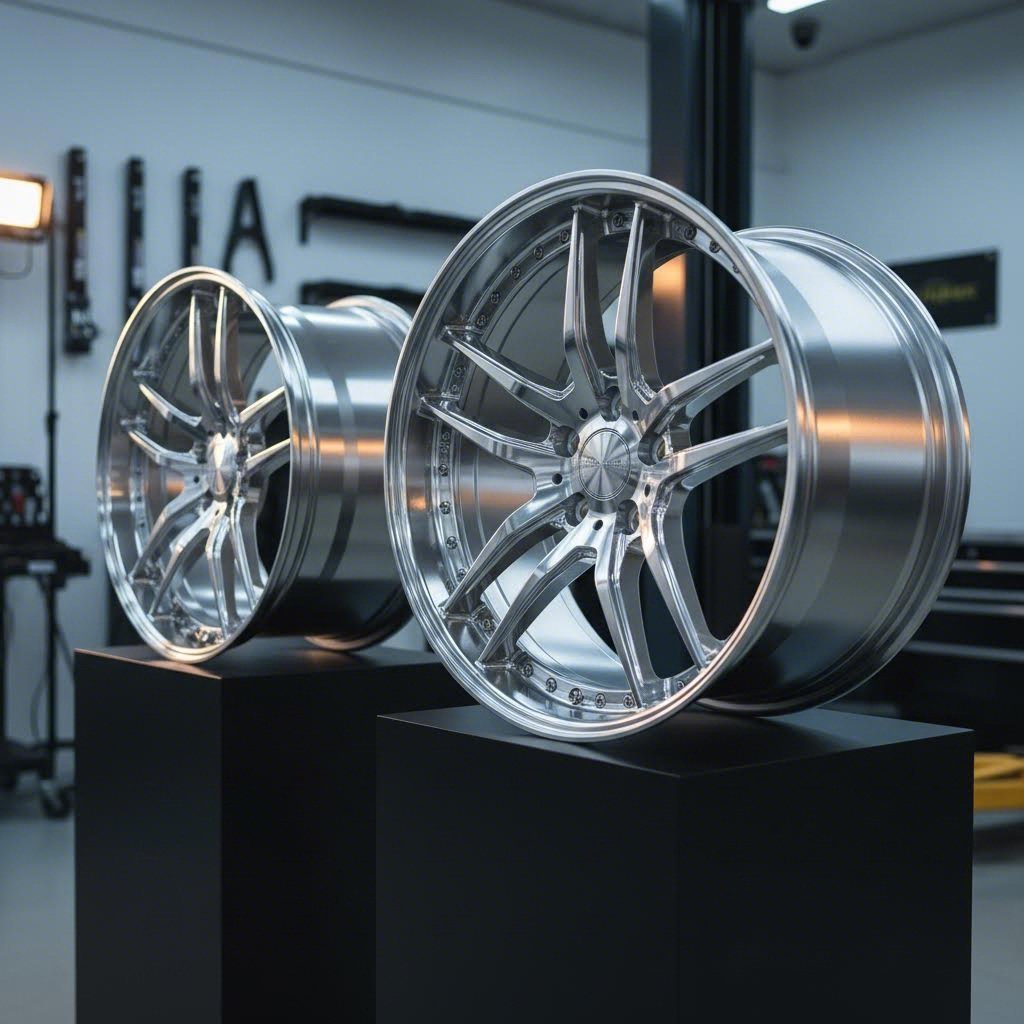
How Tooling Cleanliness Boosts Production Efficiency
Residue buildup slows cycle times and increases unplanned stops
Residue from plastic off-gassing, mold releases, and material degradation accumulates on tool surfaces over repeated cycles. This layer increases friction and can cause sticking or incomplete ejection—forcing operators to pause production for manual intervention. Unplanned stops directly erode availability, a core OEE component, and incur significant downtime expenses. According to Aberdeen Group (2022), unplanned downtime can cost manufacturers up to $260,000 per hour across a single line. Even minor residue-related slowdowns compound quickly: extending cycle times by just 2–5 seconds per shot translates into hundreds of lost production hours annually for high-volume operations. Regular, standardized cleaning prevents these micro-stoppages, preserving consistent cycle times and maximizing throughput without added labor or capital investment.
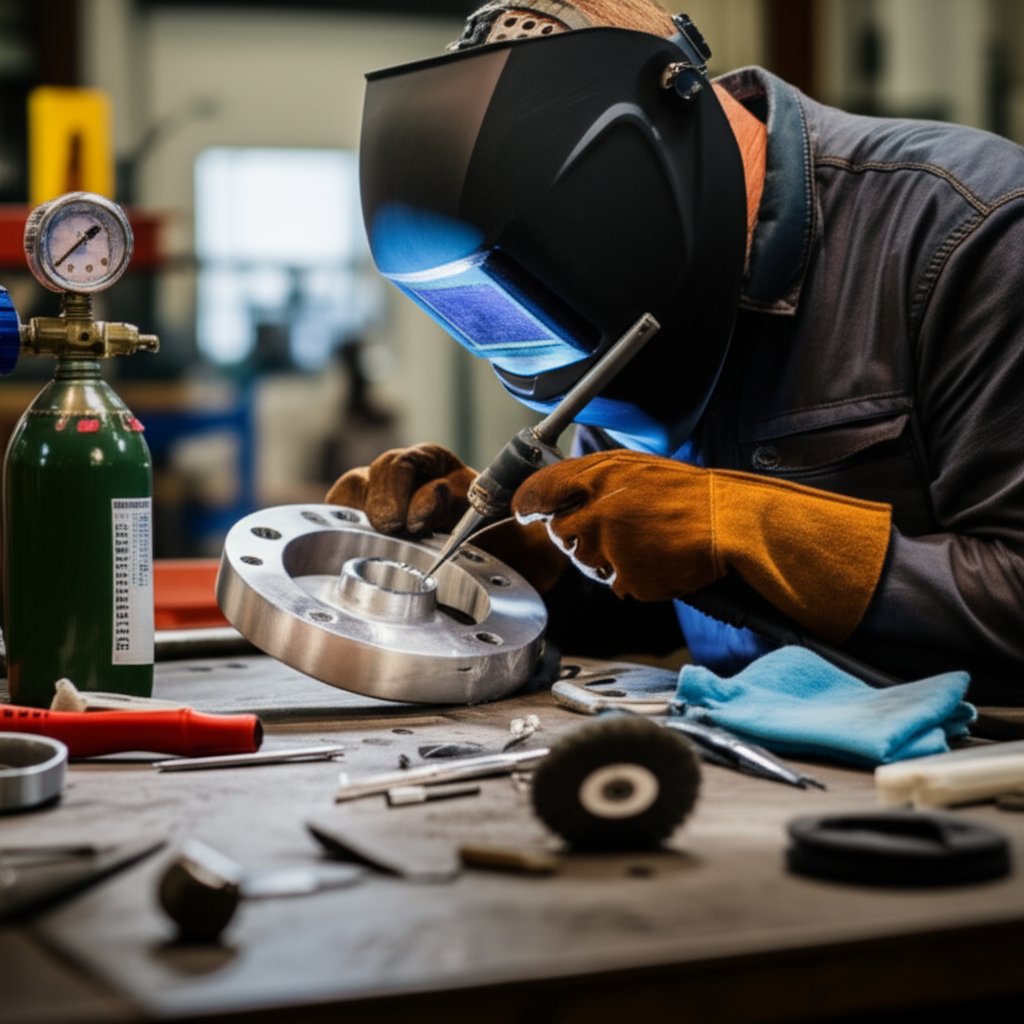
Contamination impairs thermal transfer, lubrication integrity, and dimensional accuracy
Tooling surfaces must transmit heat uniformly to control melt flow and cooling rates. A thin film of baked-on residue acts as an insulator, creating uneven temperature profiles that extend cycles and raise energy consumption. At the same time, contamination infiltrates lubrication points, breaking down grease viscosity and accelerating wear on slides, pins, and ejectors. The resulting friction not only degrades component life but also introduces micro-vibrations that disrupt cavity fill. In tightly toleranced parts, even a few microns of deposit can shift parting line alignment—producing out-of-spec dimensions and intermittent scrap. Consistent tooling cleanliness therefore preserves thermal efficiency, lubricant performance, and geometric precision, directly reducing defects and secondary rework while sustaining stable, repeatable output.
Tooling Cleanliness as a Core Lever for OEE Improvement
Linking standardized cleaning protocols to preventive maintenance drives >85% of top-quartile OEE gains
Top-quartile manufacturers attribute over 85% of their OEE gains to integrated preventive systems where standardized cleaning is non-negotiable. This correlation stems from how contamination directly triggers the Six Big Losses—particularly minor stops and reduced speed. A dirty tool surface may cause a part to stick momentarily, creating a micro-stop that technicians neither log nor analyze. Over thousands of cycles, these invisible delays erode availability and performance rates. By shifting cleaning from a reactive, time-based chore to a precision protocol aligned with preventive maintenance, the root cause of many small stops is eliminated. A 2023 OEE Improvement Study found that plants linking tooling cleanliness to their maintenance plans reduced unplanned downtime by up to 30%. The protocol ensures every shift starts with tooling in a known, optimal condition—eliminating variability before it produces defects or delays.
Embedding 'Shine' and 'Standardize' (5S) into tooling inspection checklists ensures consistency
Sustaining cleanliness gains requires moving beyond a general directive to “clean the tool” toward a binary, auditable process. Embedding the 5S pillars of Shine and Standardize into inspection checklists transforms subjective judgment into a measurable task. Shine, in this context, means cleaning to inspect—removing all residue to expose early signs of wear, cracking, or buildup that visual checks would otherwise miss. Standardize converts this best practice into a documented, repeatable checklist item—such as “verify cavity surface reflects light uniformly without haze”—paired with a simple pass/fail entry. This methodology eliminates variation where one operator’s “clean” is another’s “contaminated.” The checklist becomes a direct input for the preventive maintenance scheduler, flagging tools that require deeper cleaning or repair cycles. This closed loop ensures that the condition precedent for every production run is a validated, contamination-free tool—directly supporting planned cycle times and eliminating intermittent, unresolved stoppages.
Clean Tooling Enables Precision, Repeatability, and Defect Reduction
Surface cleanliness on molds and dies directly influences the precision of each production cycle. Even microscopic residue can offset dimensions or cause sticking, undermining repeatability.
Medical device case: Post-cycle cleaning validation cut injection mold scrap from 4.2% to 0.8%
A medical device contract manufacturer producing high-tolerance components faced escalating scrap rates averaging 4.2%, primarily due to residue buildup from prior cycles—causing dimensional drift, short shots, and surface blemishes. Management implemented a validated post-cycle cleaning protocol: automated alcohol-based wipe-downs, visual inspection under 10× magnification, and mandatory sign-off checklists before the next shot. Within six months, scrap fell to just 0.8%, directly attributable to contamination-free mold surfaces. The drop translated to fewer quality escapes and near-elimination of rework costs. This outcome underscores how rigorous tooling cleanliness secures the sub-millimeter tolerances and flawless surface finishes required for Class II and III devices. Clean tooling ensures consistent cavity fill, faithful replication of intricate geometries, and defect-free parts batch after batch—proving that validated cleaning cycles are a critical control point, not a low-value chore. When precision and repeatability are paramount, tooling cleanliness is a leading predictor of zero-defect manufacturing.
Best Practices for Sustainable Tooling Cleanliness
Maintaining consistent tooling cleanliness requires shifting from reactive cleaning to proactive, standardized routines that prevent contamination before it compromises performance. By embedding the following practices, facilities can extend tool life, avoid unplanned downtime, and sustain the OEE improvements achieved through earlier steps.
- Adopt Non-Abrasive Cleaning Agents: Use mild, eco-friendly solvents (e.g., citrus-based degreasers) or diluted vinegar solutions to remove residue without etching precision surfaces. Avoid chlorinated or highly alkaline chemicals that accelerate corrosion.
- Set Cycle-Based Cleaning Intervals: Instead of waiting for visible buildup, clean tooling after a defined number of production cycles or hours. Color-code each tool to visually signal its next scheduled cleaning—reducing skipped maintenance.
- Integrate 5S “Shine” and “Standardize”: Embed cleaning as a mandatory step in every tool-change checklist. Operators should inspect, wipe, and document condition before returning tooling to storage—ensuring no contamination carries over to the next run.
- Use the Right Tools: Soft-bristle brushes, microfiber cloths, and low-pressure compressed air safely remove particulates. Never use steel scrapers on mold cavities or extrusion dies—even minor scratches create sites for future buildup.
- Track and Review Logs: Log each cleaning event in a digital or paper log, noting tool ID, date, and any defect observations. Correlating these data with scrap rates or dimensional variances pinpoints which practices deliver the greatest payoff.
These habits, when consistently applied, transform tooling cleanliness from an afterthought into a reliability cornerstone.
FAQ Section
Why is tooling cleanliness important for production efficiency?
Tooling cleanliness prevents residue buildup that affects cycle times, thermal transfer, and geometric precision, ultimately reducing defects and unplanned downtime.
How does contamination impact tooling surfaces?
Contamination creates uneven temperature profiles, breaks down lubrication, accelerates wear, and can cause dimensional inaccuracies or defects.
What role does tooling cleanliness play in OEE improvement?
Clean tooling helps prevent micro stoppages, reduces scrap rates, and aligns with preventive maintenance protocols, contributing significantly to overall equipment effectiveness.
What are the best practices for maintaining tooling cleanliness?
Best practices include using non-abrasive cleaning agents, setting cycle-based cleaning intervals, integrating 5S principles, utilizing appropriate cleaning tools, and tracking cleaning events in logs.