 Small batches, high standards. Our rapid prototyping service makes validation faster and easier —
  EN
EN

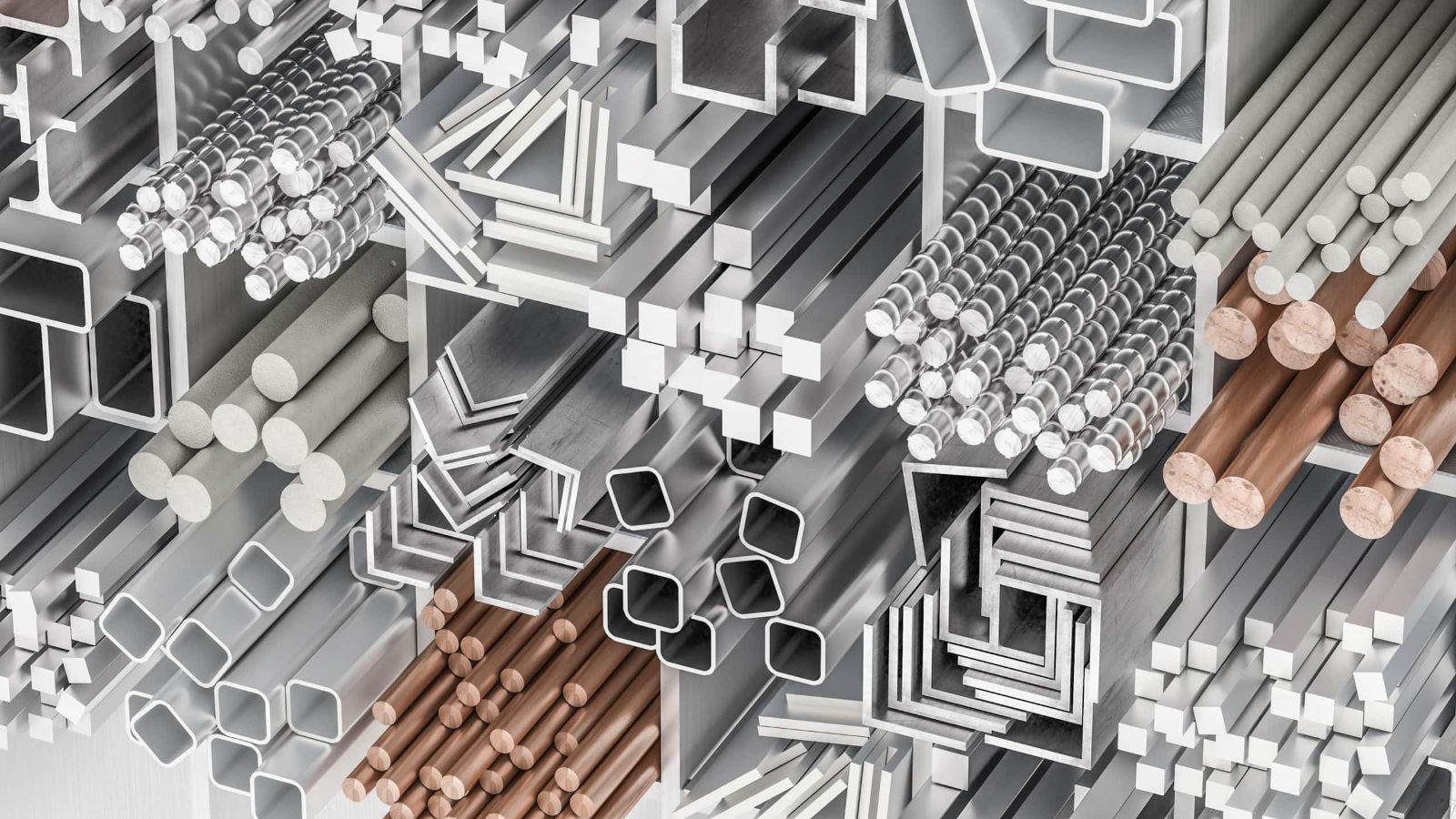
CNC Low Mid Volume: Lower Entry Barriers Through Reduced Setup Costs
Eliminating Custom Tooling Investment vs. Injection Molding or Stamping
Unlike injection molding or stamping—which require hardened steel molds or dies with fabrication costs often exceeding $10,000 and lead times measured in months—CNC low mid volume production eliminates custom tooling entirely. Instead, it relies on programmable cutting paths that adapt instantly to design changes. This digital flexibility lowers the entry barrier for startups and smaller enterprises, making batches of 10 to 1,000 parts economically viable. Design iterations can be implemented within hours via software updates, not physical retooling. Inventory is streamlined through on-demand production, avoiding large-scale commitments. And precision remains uncompromised: tolerances as tight as ±0.01 mm are routinely achieved without sacrificing agility or cost control.
Break-Even Analysis: When CNC Becomes More Cost-Effective Than High-Volume Alternatives
High-volume processes like injection molding only become cheaper per unit after tooling costs are amortized across tens of thousands of parts. For example, a $50,000 mold spread over 5,000 units adds $10 to each part’s cost—before material, labor, or overhead. CNC avoids this burden entirely. A 2023 analysis by a leading manufacturing consultancy found that for parts requiring fewer than 10,000 units, CNC delivers 30–40% lower total cost compared to tooling-dependent alternatives. Setup expenses remain fixed regardless of batch size, and scaling from ten to several hundred parts requires no retooling. This lets engineers refine designs using real-world feedback without risking sunk tooling investments—making CNC the financially sound choice for low- to mid-volume production.
CNC Low Mid Volume: Consistent Precision Without Minimum Order Quantities
CNC low mid volume production delivers repeatable, high-fidelity accuracy—rivaling high-volume methods—without enforcing minimum order quantities. Digital toolpaths remove human and mold-based variability, ensuring every part—from the first prototype to the 500th unit—matches the programmed geometry exactly. Advanced multi-axis machines hold tolerances as tight as ±0.001 inches (0.025 mm), and in-process probing paired with coordinate measuring machine (CMM) inspection verifies conformance without slowing throughput. Quality doesn’t degrade at smaller volumes: a single prototype receives the same metrological scrutiny as a full production run.
Statistical process control (SPC) detects dimensional drift early—often auto-correcting offsets before non-conforming parts are machined. In contrast to injection molding—where cavity wear and inconsistent cooling introduce subtle defects over time—CNC cutting tools are monitored and replaced based on usage or schedule, preserving edge integrity and surface finish. The result is exceptional part-to-part consistency across low- to mid-volume batches, even when orders are placed weeks apart. For design validation, bridge manufacturing, or just-in-time supply, this uniformity—free of MOQ constraints—makes CNC a reliable, low-risk solution for precision components.
CNC Low Mid Volume: Accelerated Iteration and Agile Design Adaptation
From CAD File to Finished Part in Under 72 Hours: Real Lead-Time Benchmarks
With CNC low mid volume production, the path from CAD file to finished part typically takes under 72 hours. No mold fabrication means machining begins immediately after CAM programming. Leading service providers ship first-article parts within one to three business days—enabled by automated toolpath generation, multi-axis machining in single setups, and elimination of hard tooling. Rapid turnarounds let engineering teams validate form, fit, and function quickly, then iterate confidently without delaying project timelines. Even for batches in the hundreds, lead times stay in days—not months. Real-world benchmarks show simple prismatic parts delivered in as little as 24 hours; moderately complex components with multiple operations consistently ship within 72 hours when raw material is in stock.
Seamless Engineering Change Orders Without Production Line Downtime
Implementing an engineering change order (ECO) in CNC low mid volume workflows is a fully digital process. When design adjustments are needed—whether to improve fit, reduce weight, or incorporate user feedback—engineers update the CAD model and regenerate toolpaths. Unlike injection molding, where ECOs trigger costly mold revisions and weeks of downtime, CNC requires no new physical tooling. Revised programs load instantly, eliminating production interruptions. Multiple design versions can be tested across successive part runs without disassembling fixtures or halting lines. This agility compresses development cycles from months to days, accelerates qualification, and supports faster market entry. By enabling direct integration of customer insights and test data into the next build, CNC reinforces its role as the most responsive production method for low- to mid-volume applications.
CNC Low Mid Volume: Scalable Labor Efficiency and Resource Optimization
In CNC low mid volume production, labor shifts from a fixed cost center to a flexible, scalable asset. Multi-axis machines operate unattended for extended periods, allowing a single operator to oversee multiple cells—reducing direct labor cost per part and freeing staff to focus on process optimization and quality assurance. Industry data from 2026 indicates per-unit costs drop 40–70% when scaling from prototypes to medium batches, driven by smarter labor deployment, reduced setup overhead, and tighter integration between CAD and CAM systems. Quick-change fixturing minimizes job changeover time, while cross-training operators on both mills and lathes ensures workforce agility across varying production demands—avoiding overstaffing during slower periods. In-line CMM inspection catches deviations in real time, slashing rework and scrap. Without dedicated tooling or minimum order requirements, CNC enables incremental scaling—aligning labor and resource use precisely with actual demand. The outcome is a lean, adaptive production system where scalability stems from intelligent resource allocation—not headcount expansion.
FAQ
What is CNC low mid volume production?
CNC low mid volume production refers to manufacturing processes that utilize computerized numerical control (CNC) machines to produce batches ranging from 10 to 1,000 parts efficiently. This method avoids the need for custom tooling and offers flexibility, precision, and cost-effectiveness.
How does CNC eliminate custom tooling costs?
Unlike traditional processes like injection molding, CNC production uses programmable cutting paths instead of hardened molds or dies. This avoids the significant setup costs and lead times associated with tooling.
Why is CNC cost-effective for batches smaller than 10,000 units?
CNC does not require amortizing tooling costs over large production volumes, making it ideal for low- to mid-volume runs. Setup expenses are fixed, and scaling batches does not involve retooling.
Can CNC match high-volume methods in precision?
Yes, CNC machines deliver exceptional precision with tolerances as tight as ±0.001 inches (0.025 mm), ensuring consistency across all production volumes.
How quickly can CNC deliver finished parts?
The typical lead time from CAD file to finished part is under 72 hours, with first-article parts often available within one to three business days.
How does CNC handle engineering change orders?
CNC adapts quickly to design changes by updating digital toolpaths, eliminating delays and costs associated with physical tooling revisions.
What makes CNC scalable for labor and resource optimization?
CNC enables flexible labor deployment, automated machine operation, and incremental scaling without minimum order requirements, maximizing efficiency and reducing costs.
Table of Contents
- CNC Low Mid Volume: Lower Entry Barriers Through Reduced Setup Costs
- CNC Low Mid Volume: Consistent Precision Without Minimum Order Quantities
- CNC Low Mid Volume: Accelerated Iteration and Agile Design Adaptation
- CNC Low Mid Volume: Scalable Labor Efficiency and Resource Optimization
-
FAQ
- What is CNC low mid volume production?
- How does CNC eliminate custom tooling costs?
- Why is CNC cost-effective for batches smaller than 10,000 units?
- Can CNC match high-volume methods in precision?
- How quickly can CNC deliver finished parts?
- How does CNC handle engineering change orders?
- What makes CNC scalable for labor and resource optimization?