 Small batches, high standards. Our rapid prototyping service makes validation faster and easier —
  EN
EN

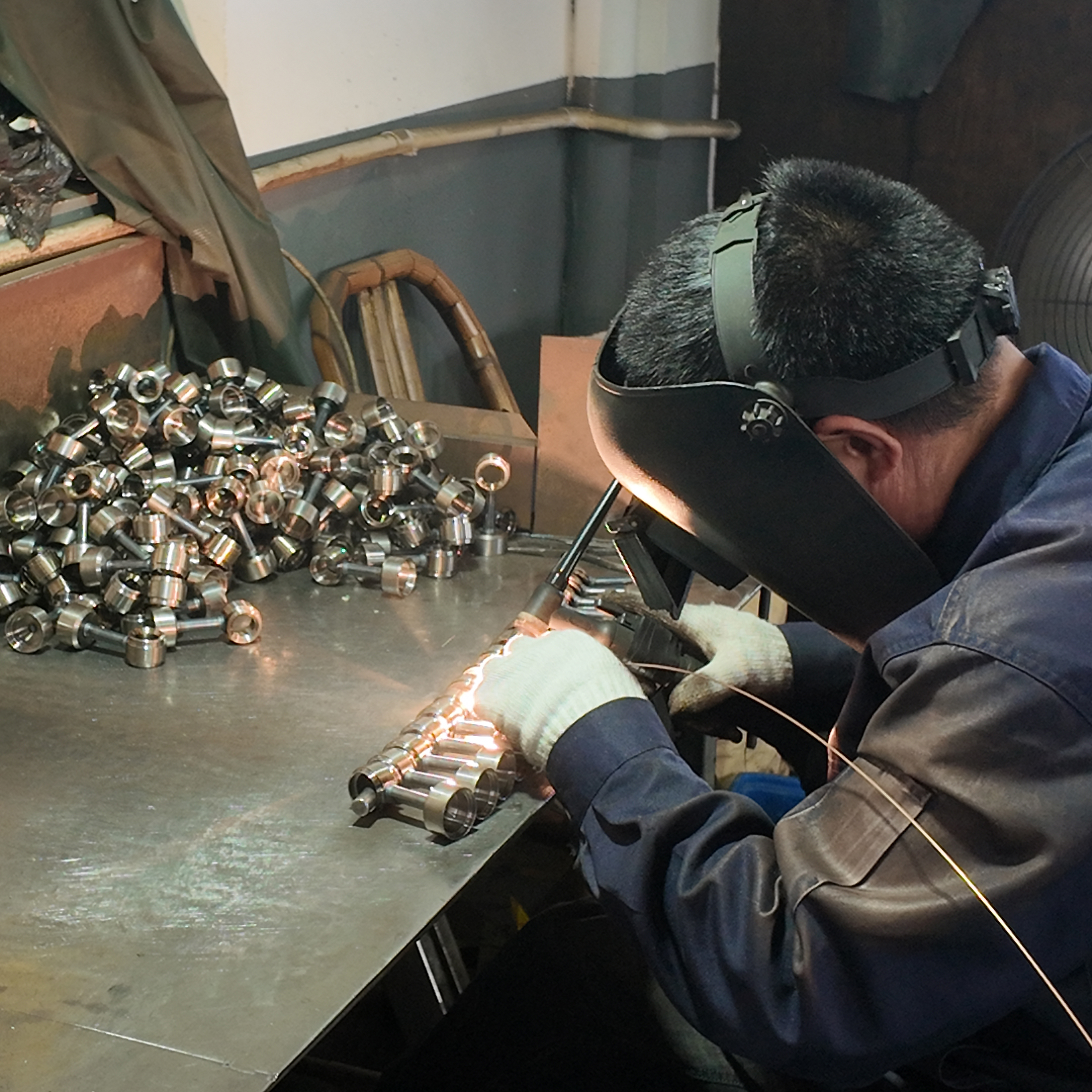
Why Metal Surface Damage Occurs: Material Properties and Handling Risks
How hardness, ductility, and surface finish affect scratch, dent, and abrasion susceptibility
Metal surface damage stems directly from the interplay of three core material properties: hardness, ductility, and surface finish. Hardness—measured in Vickers (HV) or Brinell (HB)—governs resistance to localized plastic deformation. Alloys above 300 HV (e.g., hardened tool steels) resist scratching from common handling tools; those below 150 HV (e.g., annealed aluminum or copper) can be marred by hardened steel fixtures—or even abrasive particles on gloves. Ductility introduces a different failure mode: highly ductile metals absorb impact energy through plastic deformation, making them prone to dents and bending under excessive clamping force or drop impact. Surface finish modulates both visibility and mechanism of damage. A polished, low-roughness surface (Ra < 0.4 µm) reveals micro-scratches more readily, while rougher finishes trap abrasive particles that enable three-body abrasion during repeated handling motion. Strategic control—selecting harder alloys where function allows, designing tool interfaces to avoid point loading, and specifying surface roughness aligned with cleanroom or high-gloss requirements—is essential to minimizing handling-induced defects.
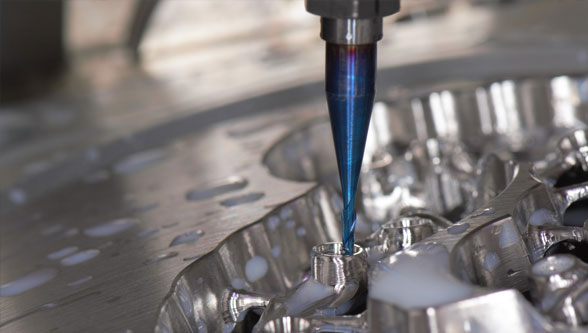
Comparative vulnerability: aluminum, stainless steel, and cold‑rolled steel in real‑world metal handling damage scenarios
Aluminum, stainless steel, and cold-rolled steel exhibit markedly different handling vulnerabilities rooted in their intrinsic properties. Pure aluminum (25–30 HV) and common 6xxx series alloys (60–110 HV) are soft enough for fingernails to leave visible marks; their high ductility further increases susceptibility to dents from uneven clamping or impact. Even the protective native oxide layer is easily compromised by salts and organic acids transferred from bare hands—triggering pitting corrosion that degrades appearance and performance post-handling. Stainless steel (304 grade: ~150–200 HV) offers superior scratch resistance and chemical inertness, but its passive chromium-oxide layer is vulnerable to iron contamination from steel tools or racks—a leading cause of rust spotting if not properly passivated. Cold-rolled steel, with work-hardened surfaces often exceeding 200 HV, resists denting yet lacks inherent corrosion resistance: fingerprints or moisture left after handling rapidly oxidize into red rust. In practice—from CNC loading to final assembly—these distinctions dictate critical controls: clean nitrile gloves for aluminum and cold-rolled steel; powder-free gloves for stainless steel; and strict segregation of tooling and staging surfaces to prevent cross-contamination and rework.
Preventing Surface Defects During Direct Metal Handling
Direct contact between hands, tools, and metal surfaces remains the dominant source of cosmetic and functional defects—accounting for up to 65% of surface damage incidents, per industry field data. Most such damage arises not from operator error, but from inappropriate contact materials and uncontrolled mechanical interaction. The following protocols eliminate these preventable risks.
Ergonomic Tooling, Glove Specifications, and Contact-Surface Protocols to Eliminate Micro-scratching
Effective mitigation begins with non-marring tooling interfaces: vacuum lifters fitted with low-durometer polyurethane pads distribute load evenly without imprinting; custom cradles with polymer linings eliminate point loading. Glove selection must align with part sensitivity—seamless nitrile or nylon-blend gloves prevent fingerprint-induced corrosion while eliminating raised seams that scratch. A “no-zip, no-snap” dress code removes another common abrasion source. Facility workflows should enforce dedicated, felt-lined transfer tables and prohibit metallic objects (e.g., pens, fasteners) on tool belts. One manufacturer reduced scratch-related rework by over 50% after replacing bare-metal staging carts with high-density polyethylene alternatives—confirming that bright-annealed stainless and polished aluminum demand rigorous separation from all harder foreign bodies.
Edge Protection, Nesting Optimization, and Controlled Slippage Mitigation to Prevent Deformation
Sharp edges concentrate impact energy, turning incidental contact into dents and gouges. Snap-on polyurethane or foam-laminate edge guards absorb knocks—reducing edge-related scratches by ~30% in fabrication environments. Nesting optimization prevents damage before lifting begins: custom dunnage trays with interlocking profiles immobilize parts, while rubberized spacers between stacked sheets eliminate sheet-to-sheet abrasion—yielding a 40% decline in edge damage in one documented implementation. Controlled slippage mitigation is equally vital: anti-slip mats at conveyor transitions and precisely configured fork pockets prevent sudden load shifts that flatten corners or deform thin sections during internal transport. Together, these measures ensure components remain separated, secured, and shielded—transforming deformation-prone logistics into a predictable, zero-defect process.
Impact Damage Prevention in Lifting, Transport, and Storage
Cradle design, vibration-dampened conveyance, and palletization standards for sensitive metal parts
Custom cradle design is foundational to preventing impact damage: broad, conformal contact surfaces replace concentrated points, distributing load and eliminating denting. Machined or polymer-lined nests tailored to part geometry prevent translational movement that causes micro-scratching during handling. Vibration-dampened conveyance integrates shock-absorbing mounts and low-resonance structural materials to attenuate high-frequency vibrations—critical for preserving thin-walled or precision-ground components. Palletization standards enforce strict weight distribution limits, interlocking stacking protocols, and sacrificial liners (e.g., corrugated polypropylene or closed-cell foam) between layers to prevent imprinting and abrasion. Routine inspection of cradle surfaces for embedded debris further safeguards against unintended abrasion. Switching from generic timber pallets to engineered cushioning systems has been shown to reduce transit-related impact marks by over 60%, ensuring surface integrity is preserved for downstream finishing operations.
Proactive Tool Management and Protective Systems to Eliminate Metal Handling Damage
Pre-shift inspection checklists for clamps, vacuum lifters, and fork attachments to prevent gouging and marring
Proactive tool inspection is the most cost-effective first line of defense against surface defects. A standardized pre-shift checklist for clamps, vacuum lifters, and fork attachments catches wear before it damages parts. For clamps, verify neoprene or polyurethane contact pads are free of chips, cracks, or embedded debris—a 2023 study by the Material Handling Equipment Manufacturers Association (MHEMA) identified degraded pads as the cause of 18% of marring incidents. For vacuum lifters, confirm suction cups are clean, undamaged, and oil-free—and that vacuum levels meet rated capacity to prevent slippage. Fork attachment checks must ensure protective sleeves are intact and tines are deburred and free of sharp edges that could gouge sheet metal. Integrating these checks into daily routines ensures only properly maintained tools contact sensitive surfaces—cutting rework costs by an estimated 15%, per MHEMA’s 2023 benchmarking report.
Integrated protective measures: temporary coatings, sacrificial liners, and automated handling safeguards
Integrated protective systems create physical barriers that complement inspection discipline. Temporary peelable coatings—applied at 50–100 microns—form a durable, strippable skin that absorbs clamping and transit scratches, then removes cleanly before final assembly. Sacrificial liners (e.g., closed-cell foam or corrugated polypropylene) placed between stacked parts eliminate direct metal-to-metal contact, preventing abrasion and pressure-induced imprinting—even under full stack weight. In high-volume settings, automated handling safeguards deliver precision: torque-limiting grippers and collaborative robots equipped with force-torque sensors apply calibrated, consistent pressure—reducing deformation risk by 40%, according to a 2024 robotics integration study published by the International Federation of Robotics. When layered with pre-shift tool checks, these measures form a closed-loop defense system—reducing overall metal handling damage by 20%, improving on-time delivery of pristine parts, and strengthening quality assurance across the production floor.
FAQ
Q: How can hardness and ductility impact metal surface damage?
A: Hardness relates to resistance to scratches, while ductility influences a metal's susceptibility to dents and deformation. Softer metals are more prone to visible marks, while ductile metals can get indented under force.
Q: What materials require specific glove types for handling?
A: Aluminum and cold-rolled steel benefit from clean nitrile gloves for protection, while powder-free gloves are recommended for stainless steel to maintain its chromium-oxide layer.
Q: What are key strategies for preventing metal surface damage during transport?
A: Using custom cradles, vibration-dampened conveyance, and proper palletization standards minimizes damage during transport by absorbing impact and preventing movement.
Q: How effective are temporary protective coatings in preventing surface defects?
A: Temporary peelable coatings are highly effective in absorbing transit scratches and clamping damage, protecting the metal until final assembly.
Q: Why is tool inspection vital before handling sensitive metals?
A: Pre-shift tool inspections ensure that wear or embedded debris in clamps, vacuum lifters, or fork attachments does not harm metal surfaces, preventing costly rework.