 Small batches, high standards. Our rapid prototyping service makes validation faster and easier —
  EN
EN


Clarify Your Functional & Design Requirements First
Starting a custom metal parts order without clear specifications often leads to delays and cost overruns. A rigorous upfront definition of functional and design requirements ensures the final component meets performance expectations and production realities.
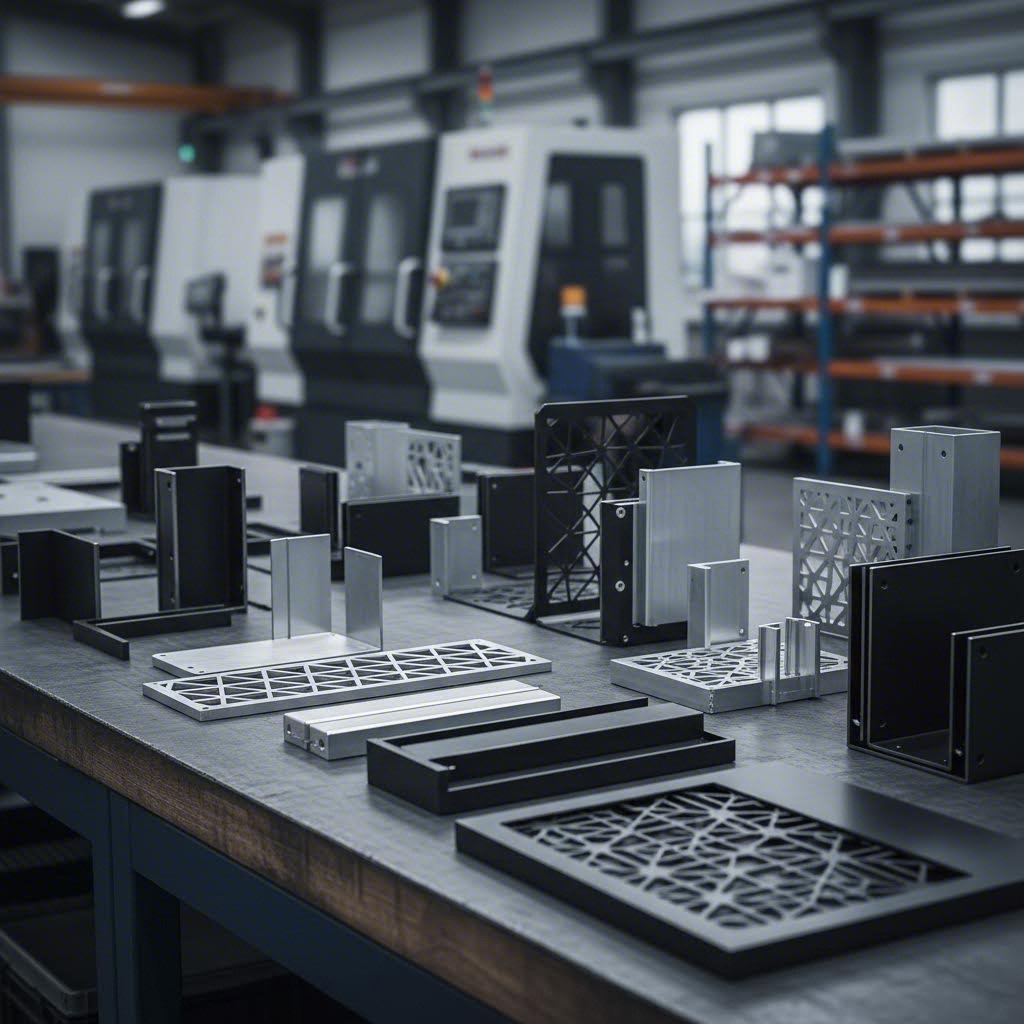
Define Critical Performance Criteria: Load, Environment, Lifespan, and Regulatory Compliance
Before any material or process is selected, quantify how the part will perform under stress. Specify static and dynamic loads—including peak forces and cyclic frequencies—map the operating environment’s temperature range, humidity, chemical exposure, and UV radiation, define expected service life in cycles or years, and identify fatigue limits. List all applicable industry standards, safety codes, and certifications such as ISO, ASTM, or FDA. A manufacturer familiar with these parameters can recommend the optimal alloy, heat treatment, and surface finish. For example, marine hardware may require salt-spray resistance beyond 1,000 hours (ASTM B117) and tensile strength exceeding 500 MPa. Omitting even one criterion risks premature failure, regulatory non-compliance, or costly redesign. Anchoring your RFQ in concrete performance data eliminates guesswork and ensures reliable field performance from day one.
Validate Geometry Feasibility Early—Avoiding Costly Redesigns Later
A CAD model that looks perfect on screen may conceal manufacturing blind spots. Engage your supplier’s engineering team during the design phase to identify undercuts, extreme thin walls, deep pockets, or sharp internal corners—features that increase tool wear or scrap rates. Confirm draft angles, minimum bend radii, and achievable tolerances for the chosen process. A simple 3D-printed prototype or digital formability simulation can validate whether the part can be machined, cast, or formed without added welds or secondary operations. Addressing geometry feasibility early prevents late-stage changes that inflate budgets and delay delivery. Industry data shows DFM (Design for Manufacturing) feedback reduces production costs by 15–25% and shortens lead time by up to 30% (2023 industry survey). A collaborative design review transforms an abstract drawing into a producible, cost-optimized component.
Choose the Optimal Material and Manufacturing Method Together
Matching Material Properties (Strength, Corrosion, Weight) to Application Needs
Material selection is a strategic trade-off exercise—not simply choosing the strongest option. It must be tightly coupled with the manufacturing method, since a metal’s formability directly determines process viability. Map the application’s functional demands—static load, dynamic fatigue, thermal cycling, and chemical exposure—against intrinsic material properties. Aluminum offers an excellent strength-to-weight ratio and natural corrosion resistance, making it ideal for aerospace brackets—but its lower hardness limits high-wear applications unless enhanced with hard anodizing. Structural steel delivers unmatched tensile strength at low raw-material cost, yet requires protective coatings like zinc plating or powder coating in moist environments. A Battelle 2023 study found that 43% of part failures stem from incorrect material specification—highlighting the real-world consequences of oversight. Also consider full lifecycle implications: a material meeting initial strength requirements but demanding complex, expensive post-processing can derail project economics. This synergy between material and method is foundational to efficient, reliable production.
Aligning Part Complexity, Volume, and Tolerances with CNC, Casting, or Additive Options
The optimal manufacturing method balances part geometry, production volume, and precision needs. High-volume runs (e.g., 10,000 units) with simpler geometries justify the high upfront tooling cost of die casting, which delivers low per-unit costs ($2–$4 for many small components). In contrast, low-to-mid volumes (50–200 units) with tight tolerances (±0.005 inches) are best served by CNC machining—eliminating tooling investment while maintaining precision. The table below provides a concise reference for aligning these factors and structuring your custom metal parts order for cost-efficiency.
| Method | Best For | Key Considerations |
|---|---|---|
| CNC Machining | Low-mid volume, complex geometries, tight tolerances | High precision; no tooling cost; higher per-unit cost as volume scales. |
| Die Casting | High-volume, simpler geometries | High upfront tooling cost; very low per-unit cost; suitable for consumer electronics. |
| Metal Additive (3D Printing) | Highly complex internal features, rapid prototypes | Economical for niche, low-volume parts; not typically cost-effective for mass production. |
Additive manufacturing excels where traditional methods fall short—such as parts with internal cooling channels—but remains uneconomical beyond a few hundred units. Tolerance capability also varies significantly by process: tight concentricity is routine for CNC lathes but unattainable in sand casting. Evaluating geometry, volume, and precision together ensures quality is delivered without unnecessary cost.
Evaluate Supplier Capabilities Beyond Price and Lead Time
Certifications, Engineering Support, and DFMA Collaboration for Reliable Custom Metal Parts Order Execution
Buyers often prioritize unit cost and delivery dates—but a 2023 American Society for Quality survey found that 62% of quality failures trace back to inadequate supplier capability assessment, not pricing errors. To ensure reliable execution, begin with technical certifications: ISO 9001 signals a mature quality management system; AS9100 reflects aerospace-grade rigor; NADCAP accreditation validates compliance with critical special processes. Next, evaluate engineering support: suppliers with in-house application engineers can validate designs, propose material alternatives, and prevent rework before tooling begins. Finally, seek DFMA (Design for Manufacturing and Assembly) collaboration. Integrating DFMA principles early can reduce total production costs by up to 30% and shorten lead times by 25% (Boothroyd Dewhurst, 2022). This proactive partnership elevates a transactional order into a value-driven, resilient supply chain.
Structure and Assess Your RFQ to Ensure Accurate, Actionable Quotes
Must-Include RFQ Elements: GD&T, Finish Specifications, Inspection Protocols, and Quantity Breakdowns
An effective RFQ for custom metal parts must include precise engineering and commercial details to elicit accurate, comparable quotes. Start with Geometric Dimensioning and Tolerancing (GD&T) to unambiguously define feature relationships, datums, and allowable deviations—preventing misinterpretation and non-conforming parts. Clearly specify finish requirements: surface roughness (Ra), plating type and thickness, anodizing class, or coating specifications, as post-processing significantly impacts cost and schedule. Include inspection protocols—detailing measurement equipment (e.g., CMM or profilometer), sampling plans, and acceptance criteria—to align expectations and reduce disputes. Provide a quantity breakdown showing immediate order volume and forecasted annual usage; tiered pricing depends on realistic volume tiers and ramp-up timelines. Without this completeness, suppliers make assumptions that inflate quotes or compromise quality—resulting in wide variance and costly revisions.
How to Interpret Quotations—Spotting Capability Gaps vs. Value-Added Expertise in Custom Metal Parts Order Fulfillment
When quotations arrive, look beyond unit price. A missing reference to a critical tolerance, surface finish, or inspection requirement often reveals a capability gap—perhaps the supplier lacks precision metrology or experience with your application. In contrast, value-added expertise appears as proactive input: DFM feedback, alternative material recommendations, or integrated inspection options. Certifications like ISO 9001 or AS9100—cited with current scope and certification body—signal robust quality systems. Also assess whether the quote includes protective packaging for fragile geometries, full material traceability, or lot-level mill certifications—these safeguards protect your assembly line. Check if metrology capabilities are detailed and first-article inspection reports offered. A quotation highlighting engineering collaboration and problem-solving signals a strategic partnership—not just a vendor transaction. Red flags include vague delivery terms, omitted inspection criteria, or silence on material certifications.
FAQ
Why is defining performance criteria important before selecting materials or processes?
Defining performance criteria ensures that the custom metal part meets expectations for stress, environment, lifespan, and compliance with industry standards, preventing costly redesigns or failures.
What is the benefit of validating geometry feasibility early?
Early geometry validation ensures the part can be manufactured efficiently and without errors, saving time and money on modifications during production.
How does material selection impact the manufacturing process?
The chosen material determines the manufacturing methods that can be used due to its intrinsic properties like formability, strength, and corrosion resistance.
What should be included in an effective RFQ for custom metal parts?
An RFQ should include GD&T, finish specifications, inspection protocols, and quantity breakdowns to ensure suppliers provide accurate and actionable quotes.
What certifications should be considered when evaluating suppliers?
Certifications like ISO 9001, AS9100, or NADCAP indicate a supplier’s quality management system and compliance with rigorous industry standards.
Table of Contents
- Clarify Your Functional & Design Requirements First
- Choose the Optimal Material and Manufacturing Method Together
- Evaluate Supplier Capabilities Beyond Price and Lead Time
- Structure and Assess Your RFQ to Ensure Accurate, Actionable Quotes
-
FAQ
- Why is defining performance criteria important before selecting materials or processes?
- What is the benefit of validating geometry feasibility early?
- How does material selection impact the manufacturing process?
- What should be included in an effective RFQ for custom metal parts?
- What certifications should be considered when evaluating suppliers?