 Small batches, high standards. Our rapid prototyping service makes validation faster and easier —
  EN
EN

Manufacturing Tolerances Directly Impact Cost and Lead Time
How early tolerance decisions shape tooling, inspection, and process validation costs
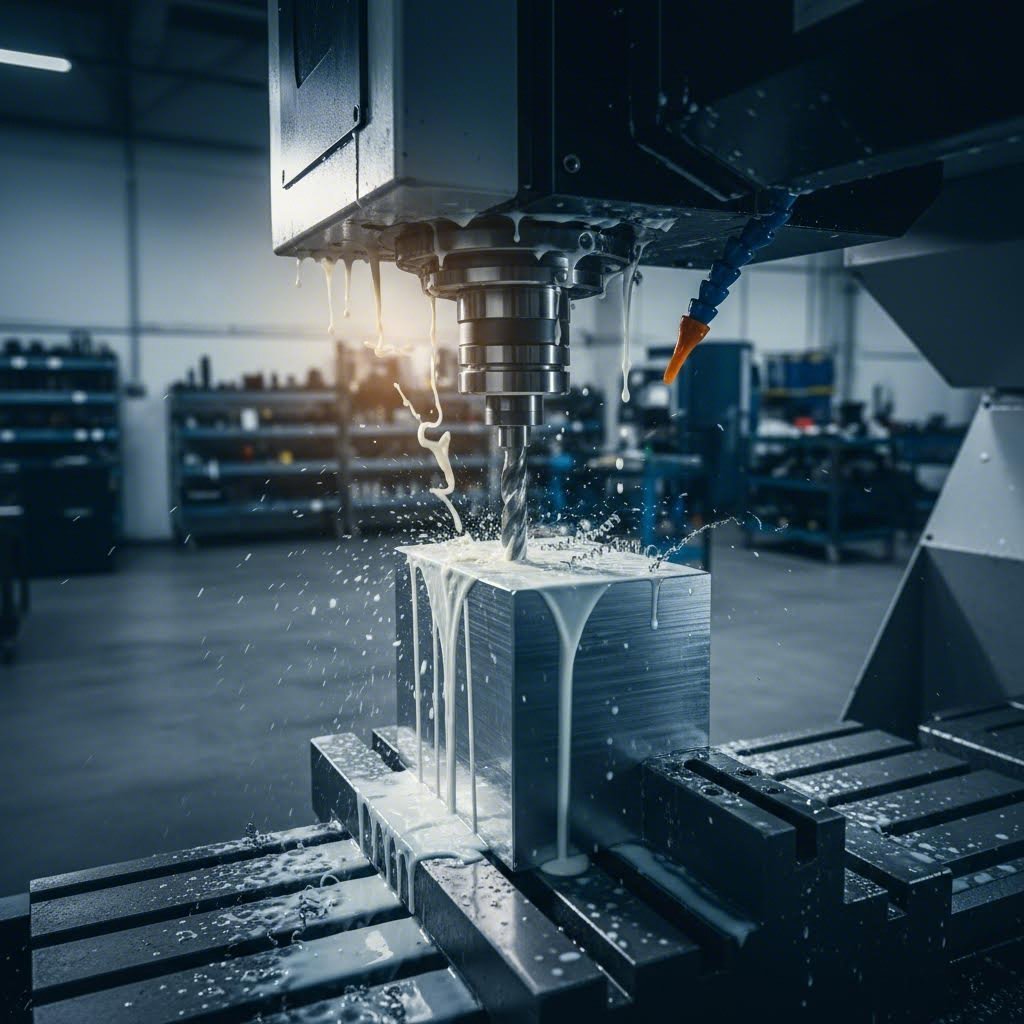
Defining manufacturing tolerances early in design locks in the production approach before tooling, inspection, or validation plans are finalized. When designers specify tolerances at the start, engineers can select standard machining processes aligned with proven capability limits—avoiding costly upgrades to precision equipment later. Looser tolerances enable faster cycle times, simpler fixturing, and reduced tool wear, cutting lead times by up to 50%. Conversely, overly tight requirements force slower feed rates, secondary operations, and accelerated tool degradation—all inflating cost. Tooling selection follows directly: standard dimensions match off-the-shelf, economical cutters; precision demands trigger specialized, high-wear tooling and often strict thermal control. Inspection effort scales similarly—a part with wide tolerances may be verified with go/no-go gauges, while tight tolerances require coordinate measuring machines (CMMs), laser scanning, or 100% manual inspection, multiplying quality overhead. Process validation also suffers when tolerances shift late: manufacturers must re-run tool trials and re-prove capability on a moving target. Early definition aligns the entire chain—from machine selection to gage design—preventing runaway expenses and schedule delays.
Data insight: 73% of NRE overruns linked to delayed tolerance definition (Deloitte, 2023)
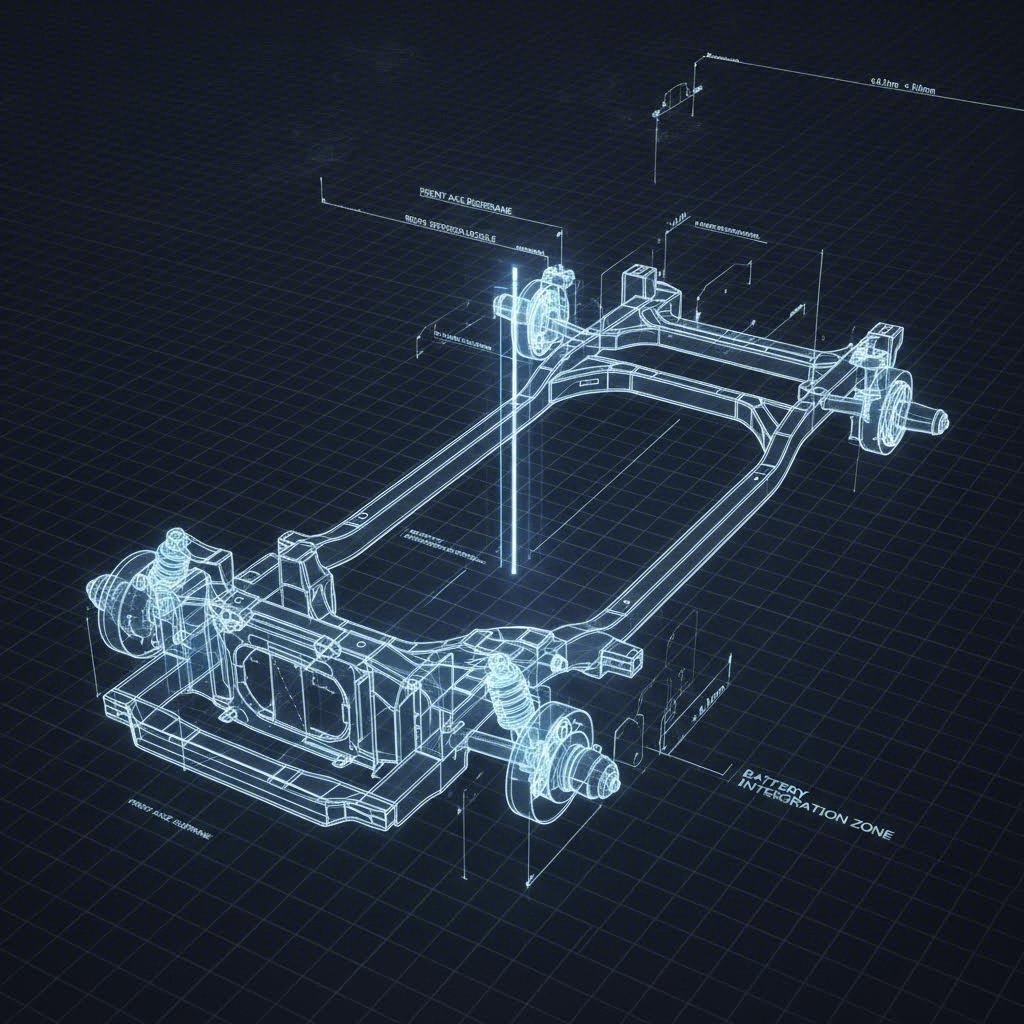
A Deloitte 2023 study found that 73% of Non-Recurring Engineering (NRE) budget overruns stemmed from defining tolerances too late in the development cycle. NRE covers one-time engineering costs—including tooling design, fixture fabrication, and process qualification—which escalate sharply when tolerances are tightened after suppliers have committed to a production plan. Late changes force drawing revisions, re-tooling, and supplier requalification, each adding weeks to lead time. Even minor adjustments can cascade into significant penalties, particularly when precision requirements exceed local supplier capabilities—triggering outsourcing to specialists with longer queues. The finding underscores that tolerance decisions are not merely technical: they are financial levers. Early definition enables accurate quoting, avoids last-minute redesign loops, and keeps NRE budgets predictable.
Manufacturing Tolerances Determine Design for Manufacturability (DFM) Viability
GD&T as a design constraint: How tolerances lock in machining, molding, or assembly processes
Geometric Dimensioning and Tolerancing (GD&T) defines the allowable variation for every feature—and this definition immediately constrains viable manufacturing processes. A profile tolerance of ±0.05 mm typically requires CNC milling or grinding, whereas ±0.25 mm permits injection molding or die casting. These manufacturing tolerances act as hard process gates: they determine whether a shop can deploy high-speed machining centers, multi-axis lathes, or additive techniques. That choice cascades into tooling, fixturing, and inspection strategy. For example, a true position tolerance tighter than a standard turret press can achieve forces re-routing to laser cutting or wire EDM—processes with higher unit costs and longer lead times. Assembly methods are equally constrained: snap-fit features rely on precise clearance tolerances only injection-molded parts consistently deliver, while welded joints tolerate wider variation. When tolerances are set late, DFM viability is often irreversibly compromised—engineers face a binary choice between scrapping the chosen process or requesting costly design waivers that erode quality and reliability. Embedding GD&T early ensures alignment with the shop floor’s realistic envelope of machine capability, material behavior, and measurement tools—preventing rework that inflates both lead time and capital expenditure.
Late Tolerance Assignment Triggers Costly Engineering Change Orders
The ECO cascade: Drawing revisions, supplier requalification, and schedule slippage
Late tolerance assignment triggers a self-reinforcing cascade of Engineering Change Orders (ECOs). A seemingly minor dimensional adjustment forces drawing revisions across assemblies—but the disruption extends far beyond documentation. Revised tolerances demand new supplier process validation: machining setups, fixturing, and even full toolpath regeneration may be required. Suppliers must then requalify the part, consuming engineering hours and resetting lead times. Equipment recalibration, inspection criteria renegotiation, and expedited tooling procurement compound delays—slipping production milestones week by week and eroding market windows. Fit issues often surface only after first-article builds, prompting yet more ECOs. This compounding effect underscores why tolerances must be fixed well before design freeze.
Counterintuitive reality: Overly tight manufacturing tolerances often reduce yield without improving function
Excessively tight tolerances frequently degrade yield without delivering functional benefit. Over-constraining a dimension increases manufacturing complexity: slower machining, specialized tooling, and frequent in-process inspection become mandatory. Scrap rates climb as more parts fall outside the narrow band, while CMM and gauge overhead adds cost. Yet the tighter specification rarely enhances performance—the part functions identically within standard limits. In many industries, this form of over-engineering doubles component cost without adding a single unit of product performance. Effective tolerance management means anchoring requirements to actual functional needs—not defaulting to unnecessarily strict limits.
Early Manufacturing Tolerances Enable Cross-Functional Validation and Risk Mitigation
Integrating tolerance review at design freeze: Lessons from Tier-1 automotive co-development
Locking manufacturing tolerances at a formal design freeze point transforms cross-functional collaboration. In Tier-1 automotive programs, co-development partners mandate a rigorous tolerance review meeting before CAD models are released for tooling. This session unites design, quality, metrology, and process engineers to assess GD&T callouts against real-world process capability data. By running stack-up analyses and virtual builds using early tolerances, teams proactively identify fit-up conflicts that would otherwise emerge during first-article inspection. A leading global supplier found that front-loading tolerance alignment in this way eliminates an average of three ECOs per program—each costing approximately $35,000 in rework and schedule disruption. The discipline also fosters candid evaluation of which features genuinely require tight control, reinforcing that over-specifying tolerances does not improve function but degrades process yield. As a result, early tolerance integration acts as a risk filter—shifting effort from post-build firefighting to proactive design validation and supplier readiness.
FAQ Section
Q: What are manufacturing tolerances?
Manufacturing tolerances refer to the allowable variation in a part or product's dimensions or features, ensuring it meets functional and design requirements.
Q: How do tolerances affect cost and lead time?
Looser tolerances reduce costs and lead times by enabling faster machining cycles, minimizing tool wear, and simplifying inspection processes. Tight tolerances increase costs due to slower machining, specialized tooling, and intensive quality checks.
Q: Why is early tolerance definition important?
Defining tolerances early prevents costly redesigns, late Engineering Change Orders (ECOs), and supplier requalification processes, allowing predictable NRE budgets and faster project timelines.
Q: What issues occur with late tolerance assignment?
Late tolerance assignment leads to schedule delays, increased costs due to drawing revisions, supplier requalification, and reduced product yield without functional benefits.
Q: What is the role of GD&T in manufacturing?
Geometric Dimensioning and Tolerancing (GD&T) defines allowed variations in design features and directly impacts machining, molding, and assembly processes, ensuring compatibility with production capabilities.
Table of Contents
- Manufacturing Tolerances Directly Impact Cost and Lead Time
- Manufacturing Tolerances Determine Design for Manufacturability (DFM) Viability
- Late Tolerance Assignment Triggers Costly Engineering Change Orders
- Early Manufacturing Tolerances Enable Cross-Functional Validation and Risk Mitigation
- FAQ Section