 Small batches, high standards. Our rapid prototyping service makes validation faster and easier —
  EN
EN

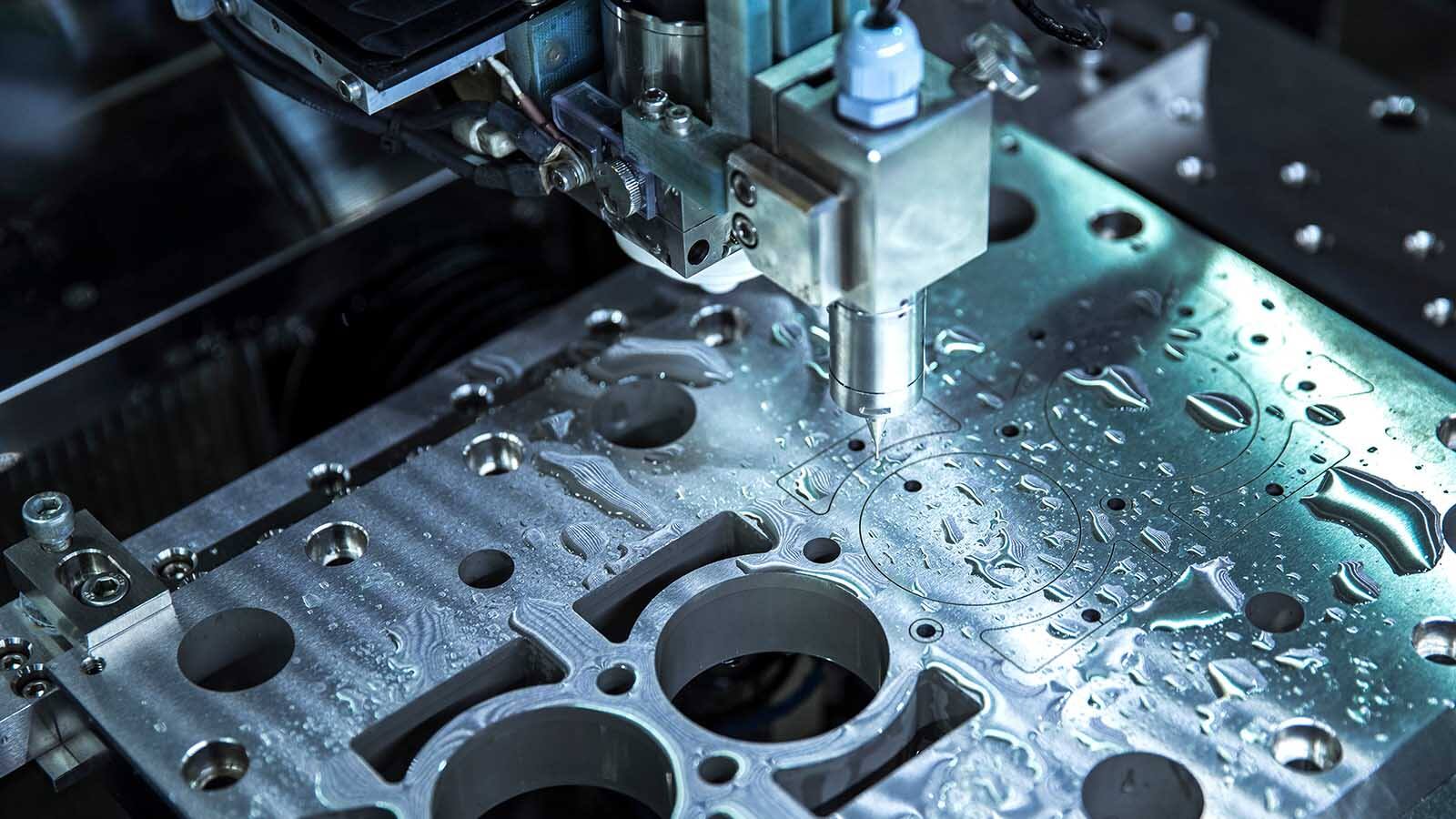
Safety-Critical Consequences of Dimensional Deviations
How sub-millimeter errors compromise braking, steering, and restraint system reliability
Automotive parts dimensional control directly determines whether safety-critical systems perform as designed. In braking systems, a sub-millimeter error in brake disc thickness variation can cause pedal pulsation and reduced friction—extending stopping distance by several meters. Similarly, master cylinder bore diameter must be held to tight tolerances; even minor deviations disrupt hydraulic pressure consistency and increase the risk of brake fade during emergency stops. Steering components like rack-and-pinion gear backlash are specified within microns—exceeding that tolerance introduces free play, delaying driver input transmission and undermining vehicle stability. Airbag igniters rely on precise gap dimensions: too wide prevents full combustion; too narrow risks premature deployment. Seatbelt retractor spring tension is likewise calibrated to exact mechanical dimensions—any deviation compromises load-limiting performance during crash events. Without strict adherence to these tolerances, the probability of safety-critical failure escalates dramatically. Field data from NHTSA recalls confirm that dimensional errors in brake caliper castings or steering knuckle bores have triggered large-scale corrective actions across multiple model years.
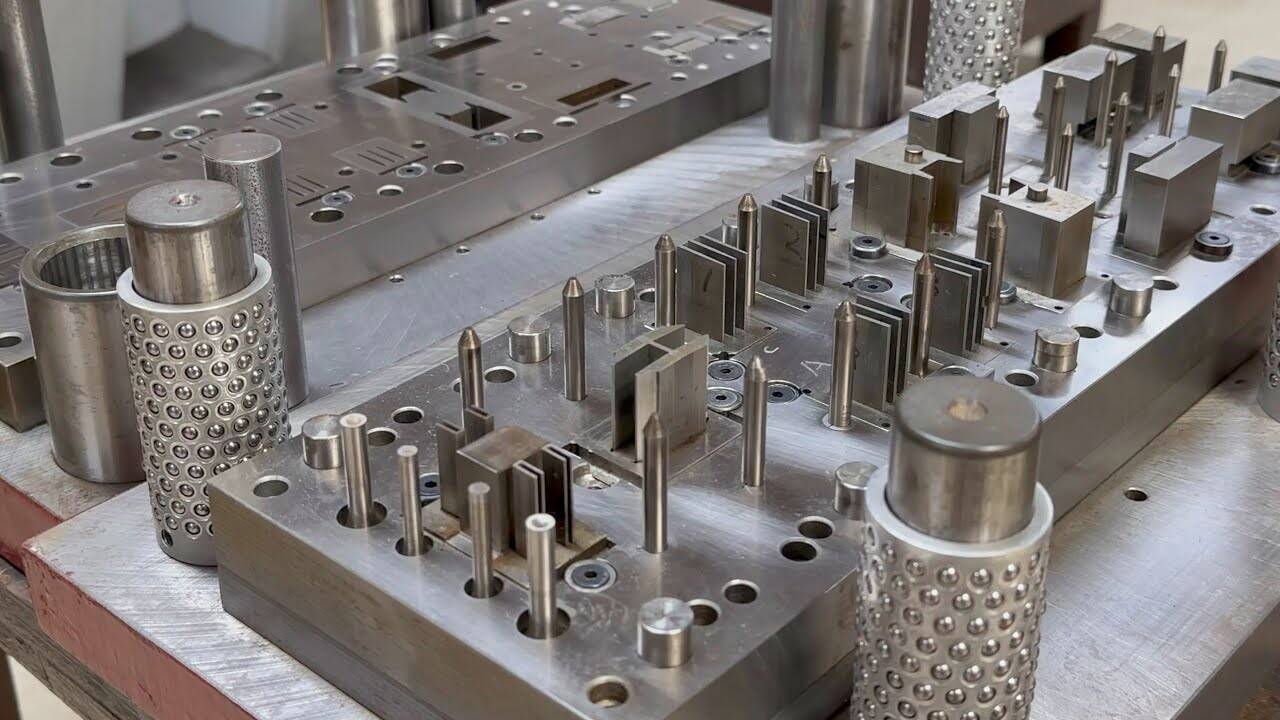
NHTSA and IATF field failure data linking tolerance noncompliance to real-world safety incidents
NHTSA’s recall database shows that between 2019 and 2023, 7–9% of safety-related recalls were tied to dimensional deviations in critical parts—including brake pads, steering shafts, and airbag initiators. IATF 16949 audit reports from Tier-1 suppliers further indicate that dimensional nonconformities account for over 12% of all process failures identified during certification audits. These figures reflect tangible consequences: brake fluid leaks from improper piston-to-bore clearances, steering column collapse due to tooth geometry errors, and inadvertent airbag deployments caused by out-of-spec igniter gaps. The correlation is statistically validated—not anecdotal—and underscores why automotive parts dimensional control must be treated as a zero-defect requirement in safety-critical applications.
Assembly Integrity and Long-Term Durability Impacted by Dimensional Accuracy
Tolerance stack-up effects in powertrain and chassis modules: from fit issues to functional degradation
In multi-component assemblies like engines, transmissions, and suspension systems, individual part tolerances accumulate linearly or statistically—a phenomenon known as tolerance stack-up. What may appear as acceptable variation in isolated components can collectively produce misalignments that cause binding, increased friction, oil leakage, or reduced sealing integrity. For example, cylinder bores, pistons, and ring gaps each within spec may still yield excessive blow-by or compromised compression. Functional degradation often manifests as higher vibration, diminished power output, and accelerated wear. Rigorous automotive parts dimensional control—supported by GD&T (Geometric Dimensioning and Tolerancing) and formal stack-up analysis during design—prevents these cascading failures and extends module service life.
Wear acceleration trends: SAE-validated correlation between radial deviation and premature bearing failure
SAE research confirms a strong correlation between radial deviation—such as runout or out-of-roundness—and accelerated bearing degradation. When rotating components exceed allowable eccentricity, bearings experience uneven load distribution and localized stress concentrations. This leads to micro-spalling of raceway surfaces, reducing service life by 30–50% compared to properly controlled parts. In critical chassis applications—including wheel hubs and steering joints—such wear can progress to noise, play, and eventual mechanical separation. Maintaining strict radial tolerances through in-process measurement and statistical process control helps manufacturers avoid premature field failures and costly warranty claims.
Automotive Industry Standards Mandating Dimensional Control
IATF 16949 and ISO 26262 requirements for GD&T, traceability, and statistical process control
Dimensional control is not optional—it is mandated by two foundational international standards. IATF 16949 requires suppliers to apply Geometric Dimensioning and Tolerancing (GD&T) on all critical part prints, maintain full traceability of measurements, and implement statistical process control (SPC) to detect process drift before nonconforming parts are produced. ISO 26262, the functional safety standard, goes further: it demands that dimensional deviations be assessed for their potential impact on system-level risk. For suppliers producing brake components, steering knuckles, or electronic control housings, compliance means integrating automated CMM reporting and real-time SPC dashboards into daily production workflows. Failure to meet these requirements carries serious consequences—including delisting from Tier-1 supply chains and liability under evolving safety regulations. Together, IATF 16949 and ISO 26262 establish automotive parts dimensional control as both a regulatory and operational imperative.
Advanced Manufacturing and Metrology Enabling Reliable Dimensional Control
Closed-loop CNC machining and CMM validation: ensuring automotive parts dimensional control in Tier-1 production
Tier-1 automotive suppliers rely on closed-loop CNC machining to sustain tight tolerances across high-volume production runs. In this approach, in-process sensors feed real-time dimensional data back to the machine controller, which automatically adjusts cutting parameters to correct deviations before finishing. This continuous correction prevents process drift and significantly reduces scrap. Validating those results requires coordinate measuring machines (CMMs) capable of inspecting critical features against the engineering model with micron-level precision. The combination of closed-loop machining and CMM confirmation creates a robust, dual-layer feedback system: manufacturing corrects during production, while metrology verifies the final output. This integrated strategy directly supports automotive parts dimensional control by catching errors early and eliminating nonconforming components from reaching assembly lines—enabling consistent part geometry, Cpk values exceeding 1.67, and full compliance with customer-specific requirements.
FAQs
Why are dimensional deviations critical in automotive safety systems?
Dimensional deviations can compromise the reliability of brakes, steering, airbag deployment, and seatbelt tension, leading to safety-critical failures such as extended stopping distance, delayed input transmission, or premature deployment of restraint systems.
What role do standards like IATF 16949 and ISO 26262 play in dimensional control?
IATF 16949 mandates GD&T, traceability, and SPC processes, while ISO 26262 assesses dimensional deviations' impact on system-level risks, ensuring parts meet strict tolerances to comply with safety and operational requirements.
How does tolerance stack-up affect assembly integrity?
Tolerance stack-up can lead to misalignments in multi-component assemblies, causing binding, increased vibration, oil leakage, and wear, which compromise the long-term durability of modules like engines and transmissions.
What technologies help ensure dimensional control in automotive manufacturing?
Technologies like closed-loop CNC machining and micron-level CMM validation provide dual-layer feedback systems in Tier-1 production, ensuring parts meet strict tolerances and preventing defects from reaching assembly lines.