 Small batches, high standards. Our rapid prototyping service makes validation faster and easier —
  EN
EN

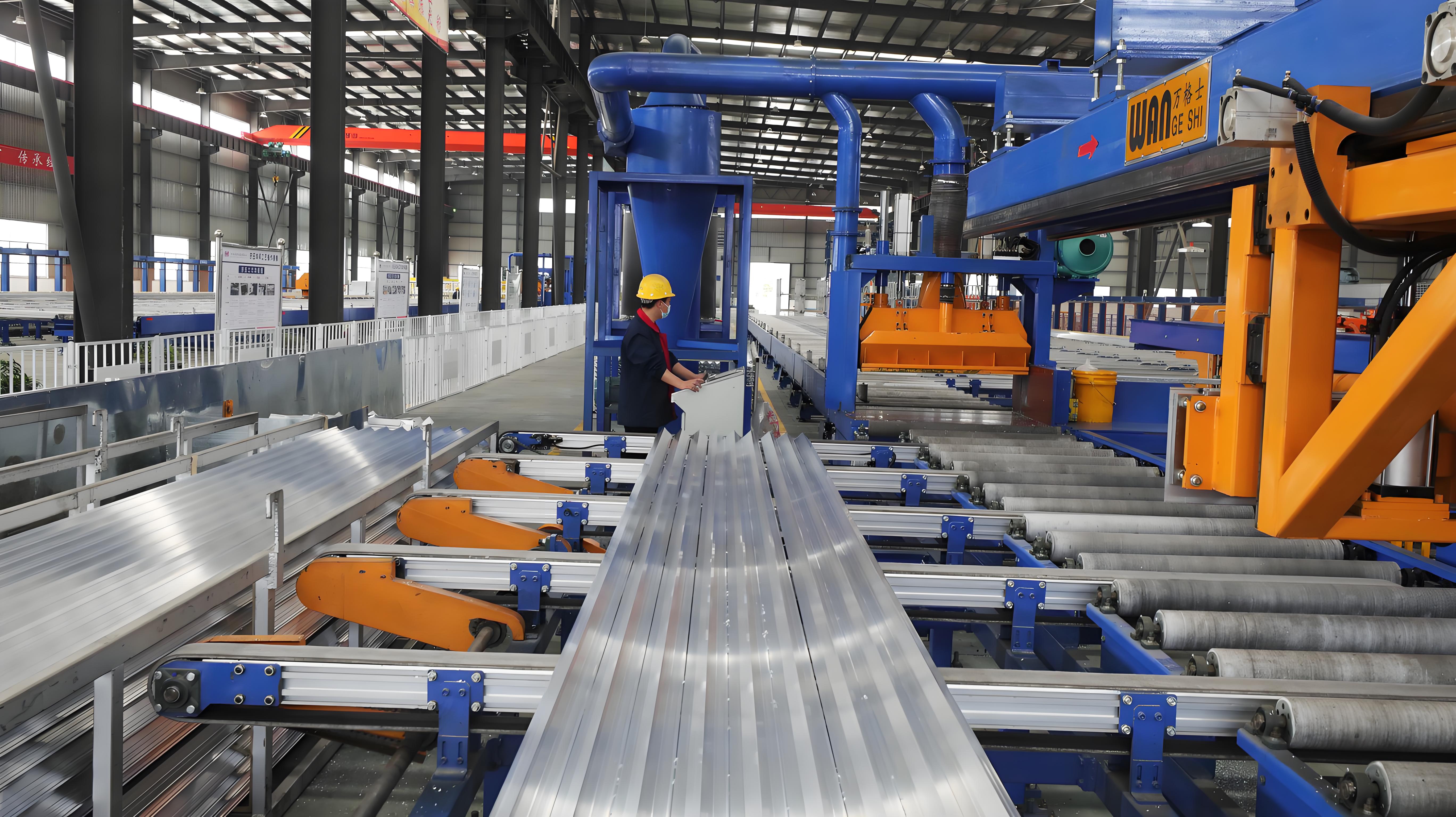
The Role of Automotive Stamping in Achieving Lightweight Design Goals
How precision metal forming enables structural efficiency and mass reduction
Automotive stamping is a cornerstone of lightweight design—leveraging precision metal forming to convert sheet materials into high-integrity, mass-optimized structural components. Deep draw stamping produces thin-walled, hollow parts—such as fuel tanks, transmission housings, and suspension members—from aluminum and advanced high-strength steel (AHSS), reducing weight without sacrificing load-bearing capability. Hot stamping of boron-alloyed steel (e.g., 22MnB5) achieves tensile strengths up to 1,500 MPa through simultaneous forming and quenching, enabling thinner gauges in crash-critical zones while meeting stringent safety standards. Industry data shows stamped AHSS parts deliver a 15–25% vehicle-level weight reduction without compromising crash performance. Servo-driven presses with variable-speed control further enhance precision by managing material flow in real time—reducing scrap and enabling tighter geometric tolerances. In this way, precision metal forming transforms stamping from a fabrication step into a strategic enabler of structural efficiency and mass reduction.
Impact on fuel economy, EV range, and emissions compliance
Weight reduction from stamped components delivers direct, quantifiable benefits across powertrain efficiency, electrification, and regulatory compliance. Every 10% decrease in vehicle mass improves fuel economy by 6–8%, while for electric vehicles, lighter bodies extend driving range by lowering energy demand per mile—a decisive factor in consumer adoption. Stamped aluminum and AHSS panels help automakers meet tightening global CO₂ targets, including the EU’s 95 g/km fleet average standard. Reduced mass also permits downsizing of powertrains and braking systems, cutting both production costs and lifecycle emissions. By integrating lightweight stampings into body-in-white structures, manufacturers achieve regulatory compliance and performance gains—making automotive stamping a critical lever for sustainable mobility.
Lightweight Materials in Automotive Stamping: Aluminum, AHSS, and Their Process Challenges
The shift toward automotive stamping lightweight design relies heavily on aluminum alloys and advanced high-strength steel (AHSS). While both enable substantial mass savings over conventional steel, their distinct mechanical behaviors and process sensitivities require tailored engineering approaches.
Aluminum and advanced high-strength steel (AHSS) stamping performance trade-offs
Material selection balances weight reduction against structural integrity, manufacturability, and cost. Key differences include:
| Material Property | Aluminum Alloys | Advanced High-Strength Steel (AHSS) |
|---|---|---|
| Weight Reduction | Up to 40% lighter than steel | 15–25% lighter than conventional steel |
| Strength | Moderate strength-to-weight ratio | Exceptional strength for crash-critical applications |
| Formability | Higher ductility but prone to springback | Lower elongation demands specialized forming strategies |
| Cost Impact | Higher raw material cost | Elevated tooling and processing investment |
Material-specific barriers: cracking, springback, lubrication, and tool wear
Each material introduces unique manufacturing challenges that must be addressed to ensure part quality and process reliability:
- Springback control: Aluminum’s low elastic modulus requires precise die geometry compensation to maintain dimensional accuracy post-forming.
- Edge cracking sensitivity: AHSS blanking must be tightly controlled to prevent micro-cracks that undermine structural performance.
- Lubrication requirements: Both materials demand advanced tribology solutions—especially during deep-draw operations—to manage friction and prevent galling or tearing.
- Tool wear acceleration: AHSS stamping increases tool wear by 3–5× compared to mild steel, necessitating hardened tool steels, predictive maintenance, and optimized press parameters.
- Surface quality preservation: Aluminum’s softness heightens susceptibility to scratches and dents during handling and forming—requiring cleanroom-like protocols and dedicated fixturing.
Advanced Stamping Techniques Driving Weight Reduction
Progressive, hybrid, and multi-step stamping for complex lightweight geometries
To realize next-generation lightweight architectures, manufacturers deploy advanced stamping methods that overcome geometric and material limitations of conventional processes. Progressive stamping enables high-volume production of intricate, net-shape components through synchronized, sequential operations in a single press stroke—minimizing handling, preserving dimensional stability, and supporting tight tolerances. Hybrid stamping integrates forming with laser cutting, welding, or clinching in unified cells, eliminating weight penalties from fasteners, adhesives, and subassemblies. Multi-step stamping allows deeper draws and more aggressive forming angles than single-hit methods—making it possible to produce topology-optimized, structurally efficient shapes from high-strength aluminum and AHSS that would otherwise be unattainable. These techniques collectively expand the design envelope for lightweighting while maintaining stiffness, crashworthiness, and manufacturability.
Die design innovations and real-time material flow optimization
Modern lightweight stamping success depends on intelligent die systems powered by simulation, sensing, and adaptive control. Simulation-driven die development predicts springback for AHSS with sub-0.2 mm deviation—cutting costly trial-and-error cycles that once hindered adoption. Active nitrogen spring systems dynamically balance punch forces during deep drawing, preventing micro-cracking in sensitive 6xxx-series aluminum alloys. Real-time strain mapping—enabled by press-mounted sensors—detects localized material flow anomalies mid-stroke and triggers adaptive blank holder pressure adjustments. This closed-loop optimization maintains uniform thinning below the 15% critical threshold, enabling 18–25% weight reductions versus conventional stamped assemblies. As a result, stamping has evolved from a shape-defining process into a precision mass-reduction system grounded in digital twin validation and physical feedback.
Scaling Automotive Stamping Lightweight Design for Electric Vehicles
Electric vehicles typically weigh 25–30% more than comparable internal-combustion models—primarily due to battery packs. Stamping provides the most scalable, production-proven path to offset that mass penalty. By applying lightweight design principles to body panels, chassis components, and structural reinforcements, manufacturers produce high-strength, low-mass parts at volumes exceeding millions per year. This scalability ensures economic viability: the same validated tools and dies used in prototype builds seamlessly transition to high-rate production—unlike many alternative lightweighting methods that struggle with ramp-up consistency or cost predictability. Crucially, stamped parts retain full crash performance and durability, directly supporting extended EV range—the top purchase criterion for consumers. As battery technology evolves and platform standardization accelerates, stamping remains the foundational, high-fidelity manufacturing method for delivering the lightweight, safe, and affordable vehicles essential to mass-market electrification.
FAQs
What is automotive stamping?
Automotive stamping refers to the process of forming metal sheets into structural automotive components using precision metal forming techniques like deep draw stamping and hot stamping. It enables lightweight design with high-strength materials while maintaining structural integrity.
Why is lightweight design important in automotive engineering?
Lightweight design reduces vehicle weight, improving fuel economy, increasing EV range, and lowering lifecycle emissions. This directly contributes to sustainability and compliance with global emissions regulations.
What materials are commonly used in automotive stamping?
Aluminum alloys and advanced high-strength steel (AHSS) are the most common materials. They are used for their weight reduction potential and strength, although they require specific engineering approaches to address their unique properties.
How does stamping contribute to electric vehicles?
Stamping is crucial for compensating the added weight of EV battery packs. Lightweight components from stamping help extend EV range and support high-volume, cost-effective manufacturing.
What are the key challenges in automotive stamping?
Challenges include managing springback in aluminum, preventing edge cracks in AHSS, addressing tool wear, and preserving surface quality. Modern technologies like real-time material flow optimization and simulation-driven die design help overcome these issues.