 Small batches, high standards. Our rapid prototyping service makes validation faster and easier —
  EN
EN


Sheet Metal Precision Ltd Decoded: From Raw Material To Finished Part
Understanding Sheet Metal Precision Manufacturing Fundamentals
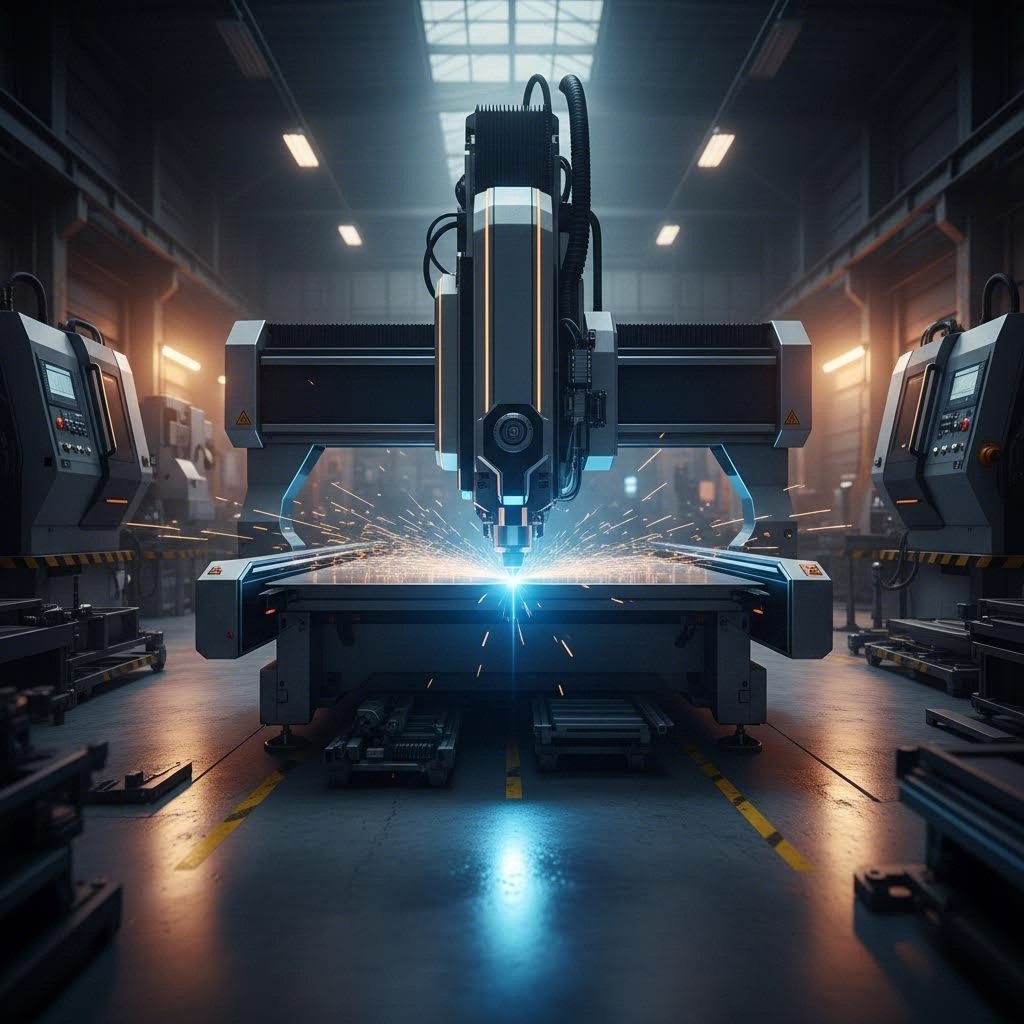
Ever wondered what separates a component that fits perfectly from one that requires endless adjustments? The answer lies in precision manufacturing. Sheet metal precision ltd operations represent the pinnacle of metalworking excellence, where every cut, bend, and form meets exacting standards that general fabrication simply cannot achieve.
Think of it this way: when you're building components for a Cessna 206 aircraft or critical medical equipment, there's zero room for guesswork. This engineering-grade manufacturing approach demands tight tolerances, specialized equipment, and skilled craftsmanship working in harmony. It's the "measure twice, cut once" philosophy taken to its absolute extreme.
What Defines Precision in Sheet Metal Fabrication
Precision sheet metal fabrication isn't just regular metalworking done more carefully. It's a fundamentally different approach to manufacturing. According to EVS Metal's industry analysis, precision operations maintain tolerances between ±0.005" and ±0.010" (±0.13mm to ±0.25mm), compared to standard fabrication's ±1/16" to ±1/8" range.
What makes this level of accuracy possible? It comes down to several interconnected factors working together seamlessly.
- Tolerance capabilities: Precision operations use coordinate measuring machines (CMM), optical comparators, and laser measurement systems to verify accuracy across complex geometries
- Material handling expertise: Deep understanding of alloy behavior, spring-back calculations, and grain direction considerations guides every decision
- Quality control processes: Statistical process control (SPC), first article inspection (FAI), and complete material traceability ensure consistent results
- Equipment specifications: Advanced fiber laser systems, robotic CNC press brakes with angle measurement, and automated welding systems enable repeatable precision
Companies like Precision Castparts Corp and Precision Technologies International have built their reputations on these exacting standards, serving aerospace, medical, and defense industries where component failure simply isn't an option.
Why Tolerances Matter in Metal Manufacturing
Here's where things get practical. Imagine you're assembling a complex enclosure, and each component is off by just 1/16 of an inch. Sounds minor, right? But when you're fitting multiple parts together, those small variations compound. Suddenly, nothing aligns properly.
As Herold Precision Metals explains, "A typical tolerance for sheet metal might be plus or minus ten-thousandths of an inch across a bend, while machining tolerances could be much finer." This distinction matters because over-engineering drives up costs unnecessarily, while under-engineering leads to failures.
The real-world impact breaks down into two categories:
- Standard tolerances: Default industry specifications that work for non-critical applications like construction frameworks and basic enclosures
- Critical tolerances: Stringent specifications applied to functional features like bolt holes, mounting points, and mating surfaces
For industries like aerospace and medical devices, dimensional accuracy directly affects safety and performance. A 0.020" deviation in an aerospace component might render it completely unusable, while that same variance would be perfectly acceptable in general construction applications.
The bottom line? Precision isn't about making everything as accurate as possible. It's about matching the right tolerance level to each application's actual requirements, balancing quality with cost-effectiveness while never compromising on what truly matters.
Essential Materials Guide for Sheet Metal Fabrication
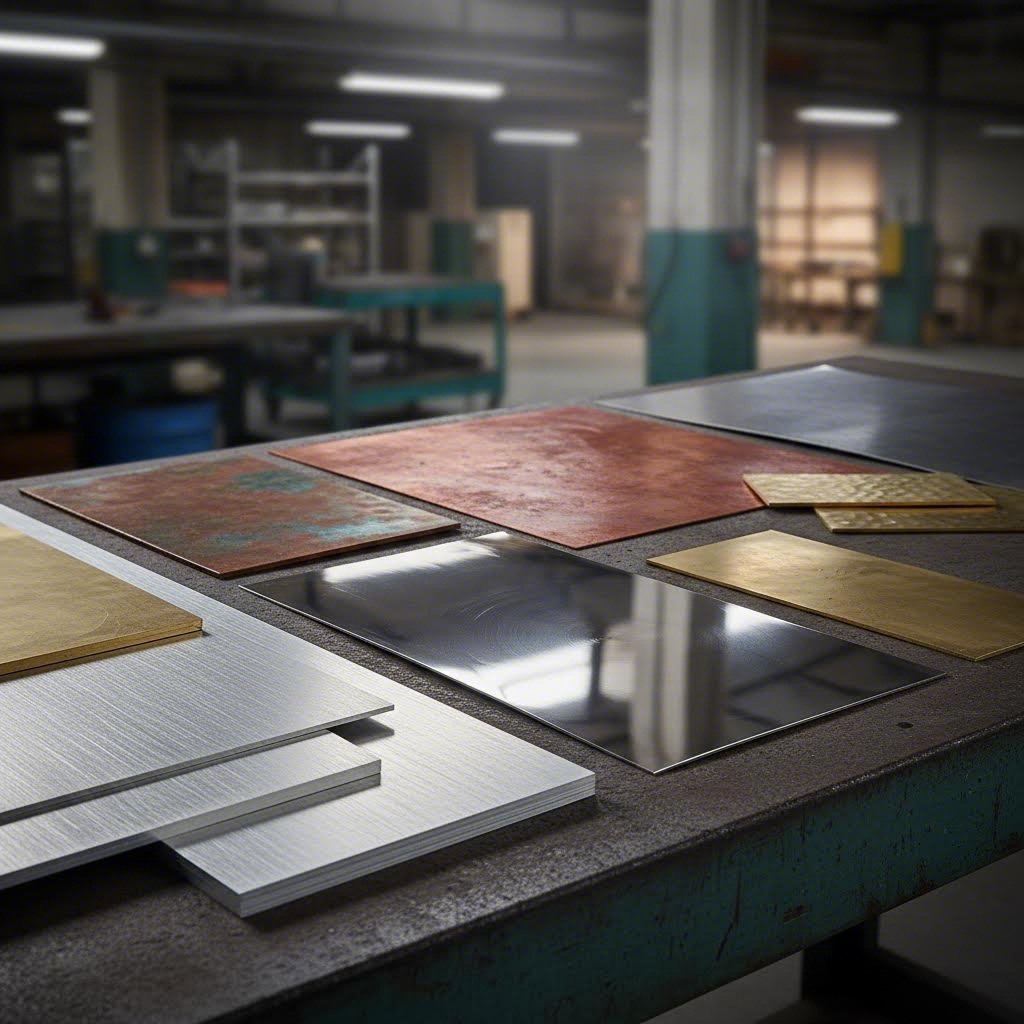
Now that you understand what precision means in sheet metal manufacturing, here's the next critical question: what materials actually go through these exacting processes? The metal you choose affects everything from achievable tolerances to surface finish quality and final product performance.
Whether you're fabricating components for a 787 Dreamliner or industrial automation equipment, understanding material properties isn't optional. It's the foundation of successful precision manufacturing. Let's break down the most commonly used sheet metals and what makes each one unique.
Material Selection Criteria for Precision Projects
Choosing the right metal isn't a guessing game. According to Sinoway Industry's research, the selection process requires analyzing several interconnected factors:
- Mechanical properties: Tensile strength, yield strength, and hardness determine how the material responds to forming operations
- Thermal conductivity: Affects cutting speeds, heat dissipation during welding, and potential for warping
- Corrosion resistance: Critical for applications exposed to moisture, chemicals, or harsh environments
- Machinability: Influences tool wear rates, achievable surface finishes, and production efficiency
- Cost considerations: Raw material pricing, processing complexity, and waste factors all impact budget
Suppliers like Timet and Yarde Metals provide extensive material options, but knowing which to specify requires understanding how each metal behaves under precision fabrication conditions.
| Material Type | Typical Thickness Range | Common Applications | Key Properties |
|---|---|---|---|
| Aluminum 5052 | 0.020" - 0.250" | Marine components, fuel tanks, enclosures | Excellent corrosion resistance, good weldability, high fatigue strength |
| Aluminum 6061 | 0.025" - 0.500" | Aerospace structures, automotive parts, electronic housings | Heat-treatable, good mechanical properties, excellent extrudability |
| Stainless Steel 304 | 0.018" - 0.375" | Food equipment, medical devices, architectural panels | Superior corrosion resistance, excellent formability, hygienic surfaces |
| Stainless Steel 316 | 0.020" - 0.375" | Chemical processing, marine hardware, pharmaceutical equipment | Enhanced chloride resistance, high-temperature stability, molybdenum content |
| Mild Steel (1018) | 0.024" - 0.500" | Structural components, machinery frames, general fabrication | Excellent weldability, low cost, easy to form and machine |
| Copper C110 | 0.015" - 0.250" | Electrical components, heat exchangers, RF shielding | Superior electrical conductivity, antimicrobial properties, high thermal transfer |
| Brass 260 | 0.010" - 0.187" | Decorative hardware, electrical terminals, musical instruments | Excellent machinability, corrosion resistant, attractive appearance |
How Metal Properties Affect Fabrication Outcomes
Here's something many buyers overlook: the same precision equipment produces vastly different results depending on the material being processed. As Xometry's materials guide explains, each metal responds uniquely to cutting, shaping, and forming processes.
Consider aluminum versus stainless steel. Aluminum's high machinability allows for faster cutting speeds, reducing production time and costs. However, its softness can make achieving tight tolerances challenging because the material tends to deform under cutting forces. Stainless steel holds dimensions better during machining but requires slower speeds and generates more tool wear.
A-3 Fab's comparison research highlights these practical differences:
- Weight factor: Aluminum weighs roughly one-third of steel, making it ideal for weight-sensitive applications like A330 aircraft components
- Strength-to-weight ratio: High-strength aluminum alloys like 7075 approach steel's strength while maintaining significant weight advantages
- Surface finish requirements: Stainless steel achieves superior polished finishes essential for sanitary and medical applications
- Welding considerations: Aluminum requires specialized TIG or MIG techniques, while stainless accommodates multiple welding methods
The relationship between material selection and fabrication outcomes extends to finishing options too. SPS Technologies and similar fastener manufacturers understand that material choice determines available surface treatments. Aluminum accepts anodizing beautifully but won't plate like steel. Stainless steel's natural corrosion resistance often eliminates finishing needs entirely.
Your project's success depends on matching material properties to your specific requirements. The right choice balances formability, strength, corrosion resistance, and cost, all while considering how each factor affects achievable precision levels throughout the fabrication process.
Technical Specifications and Tolerance Standards
You've selected your material. You understand what precision manufacturing means. But here's the question that separates successful projects from costly rework: what tolerances can you actually achieve? Understanding technical specifications isn't just helpful—it's essential for communicating your requirements effectively and setting realistic expectations.
Think about it this way. When you specify a tolerance of ±0.1mm, you're defining the acceptable variation window for every feature on that part. Go too tight, and costs skyrocket. Go too loose, and your components won't assemble properly. Sheet metal precision ltd operations excel at finding that sweet spot where quality meets practicality.
Standard Tolerance Ranges in Precision Work
Every fabrication process has its own tolerance fingerprint. According to JLC CNC's engineering guide, understanding these ranges helps you design parts that are actually manufacturable without breaking the budget.
Here's what you can realistically expect from each major process:
- Laser cutting: ±0.1mm on mild steel up to 3mm thickness when properly calibrated. Fiber lasers deliver crisp edges with minimal heat-affected zones, but operators must compensate for kerf drift on longer production runs
- CNC punching: ±0.2mm is typical unless precision ground tooling is specified. Ideal for high-volume, repetitive hole patterns where speed matters more than ultra-tight accuracy
- Press brake bending: ±1 degree on bend angle and ±0.25mm (0.010") on bend length according to Protocase's tolerance specifications. These tolerances stack across multiple bends, so complex parts require careful planning
- Forming operations: ±0.3mm to ±0.5mm depending on material springback characteristics and die condition. Aluminum and stainless steel behave very differently during forming
Here's something critical many engineers miss. As Stealth Industry's technical analysis points out, "If the tolerance is too wide, the product may not work or fit correctly. Excessive strictness in tolerance levels could lead to increased production expenses." Finding that balance is where experienced fabricators add real value.
Dimensional Capabilities Explained
Sounds complex? Let's break it down into practical terms. Dimensional capabilities encompass everything from minimum hole diameters to maximum sheet sizes your fabricator can handle. These constraints directly impact your design options.
Consider hole cutting as a prime example. The thickness-to-diameter ratio matters more than you might expect:
- Mechanical punching: Hole diameter should be no less than 1.2x material thickness to prevent punch deformation
- Laser and waterjet: Can achieve 0.5–1x thickness ratios, but expect edge taper and kerf variation on thicker materials
- Pierce points: The starting location of laser cuts creates dross or distortion—critical for press-fit applications
Facility capabilities also define what's achievable. Consolidated Precision Products and similar advanced integration technology providers invest in equipment that expands these boundaries. A shop with a 6kW fiber laser handles thicker materials with better edge quality than one running older CO2 systems. Press brakes with real-time angle measurement deliver consistent bends that manual gauging simply cannot match.
The relationship between equipment quality and achievable precision extends to inspection capabilities too. PCC Airfoils and aerospace-tier manufacturers employ coordinate measuring machines that verify features to micron-level accuracy. Without this verification capability, claiming tight tolerances becomes meaningless.
Tolerance stack-up is the hidden project killer. Each individual tolerance may look acceptable, but when multiple bends, cuts, and features combine, small variations compound into assembly nightmares.
Real-world outcomes depend on understanding these limitations upfront. Thermal effects during laser cutting can shift hole-to-hole distances by a millimeter or more on long sheets. Tool wear gradually widens your tolerance window throughout production runs. Experienced fabricators account for these variables, but you need to communicate critical dimensions clearly so they know where precision truly matters.
The bottom line? Technical specifications aren't arbitrary numbers on a drawing. They're the language that connects your design intent to manufacturing reality. Master this language, and you'll collaborate more effectively with precision sheet metal partners while avoiding the costly surprises that derail projects.
The Precision Sheet Metal Project Lifecycle
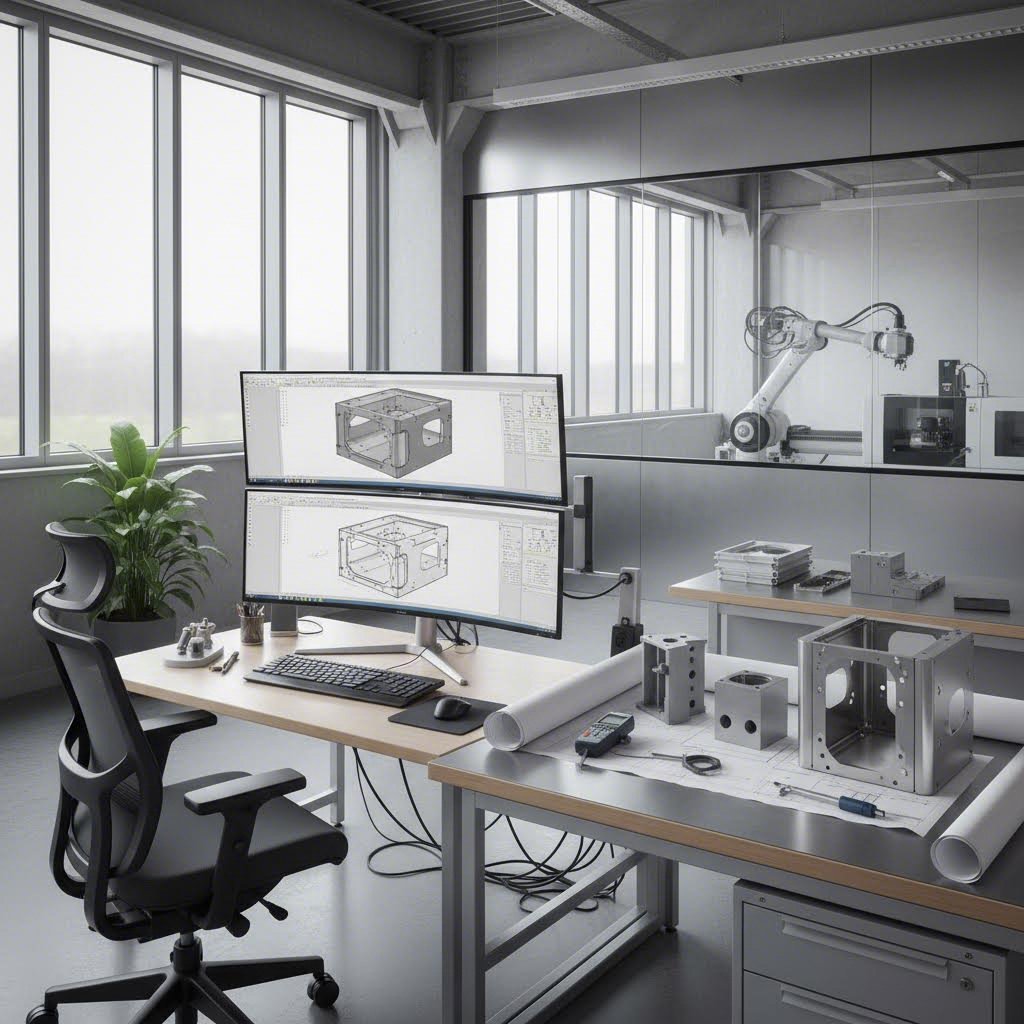
You've got your tolerances defined and materials selected. Now comes the question that determines whether your project succeeds or stumbles: how does a precision sheet metal project actually move from concept to finished component? Understanding this journey helps you anticipate bottlenecks, avoid costly redesigns, and collaborate more effectively with your fabrication partner.
Here's the reality. According to DeWys Manufacturing's process overview, "Prototyping is an exploratory phase, allowing for the testing of concepts, materials, and fabrication methods." This exploratory mindset should extend throughout your entire project lifecycle. Let's walk through each stage so you know exactly what to expect.
From Concept to Completion
Whether you're developing components for an Embraer Jet 170 or industrial automation equipment, every precision project follows a similar path. The difference between smooth execution and frustrating delays often comes down to how well each stage connects to the next.
- Design Review and Consultation: Everything starts with your drawing. As AP Precision explains, "Whether digital, blue print, or a sketch, we use this drawing as a guide." During this phase, engineers analyze your CAD files, identify potential manufacturing challenges, and suggest modifications that improve producibility without compromising function. This is where the "measure twice, cut once" philosophy begins.
- Material Selection: Based on your performance requirements and budget constraints, the fabrication team recommends optimal materials. They'll consider factors like corrosion resistance, weight targets, and how each alloy responds to cutting and forming operations. For aerospace applications like King Air 350 components, material traceability becomes especially critical.
- Prototyping: Before committing to production tooling or high-volume runs, prototypes validate your design in the real world. This exploratory phase catches issues that simulations miss. Can those bend radii actually be achieved? Does the assembly fit together as intended? Prototyping answers these questions before they become expensive problems.
- Production Planning: Once the prototype proves out, detailed planning begins. This includes sequencing operations, programming CNC equipment, scheduling press brake setups, and coordinating finishing operations. Smart planning minimizes material handling, reduces setup time, and optimizes production flow.
- Fabrication: The actual cutting, forming, and joining operations transform flat sheets into three-dimensional components. Laser cutting renders complex curves, press brakes add dimensionality, and welding or riveting assembles multiple pieces into finished structures. Each operation builds on the previous one.
- Quality Inspection: According to AP Precision's process documentation, "Our experienced Quality Control team uses ISO 9001 standards to ensure your order meets all required specifications." Inspection happens throughout production, not just at the end. First article inspection verifies setup accuracy. In-process checks catch drift before it creates scrap. Final inspection confirms everything meets your requirements.
- Delivery: Professional packing protects your precision components during transit. Custom dunnage, proper cushioning, and appropriate containers ensure parts arrive in pristine condition, ready for your assembly operations.
Design for Manufacturability Considerations
Imagine you've designed the perfect part on screen, only to discover it can't actually be manufactured as drawn. This scenario happens more often than you'd think—and it's completely avoidable through early collaboration.
Protolabs' DFM analysis highlights several common issues that derail projects:
- Missing bend reliefs: Without small notches at bend intersections, metal deforms unpredictably. "With a bend relief—which is nothing more than a small notch or slit—that won't happen," explains their engineering team. The fix is simple when caught early, expensive when discovered during production.
- Incorrect bend radii: Standard tooling produces specific radii. If your design calls for 0.180" but standard tooling delivers 0.188", that mismatch might not affect function—but it needs to be addressed upfront.
- Flanges too short: If a flange can't completely straddle the press brake die, it can't be formed properly. Minimum bend heights depend on material thickness and bend radius.
- Overlapping bends: When flanges interfere with each other, the part simply cannot be formed as designed. This is the most serious DFM issue because it requires fundamental design changes.
The lesson? Early fabricator involvement pays dividends. When designers and precision sheet metal specialists collaborate from the beginning, they catch these issues before tooling is ordered, before materials are cut, and before schedules slip. Companies like Pursuit Aerospace, Ontic, and Artechnical have built successful partnerships by integrating DFM reviews into their standard development processes.
Design decisions made in the first 10% of a project determine 80% of manufacturing costs. Early collaboration between designers and fabricators isn't optional—it's essential for optimizing both quality and budget.
This lifecycle approach transforms precision sheet metal fabrication from a transactional vendor relationship into a genuine engineering partnership. When you understand each stage's requirements and challenges, you communicate more effectively, anticipate potential issues, and ultimately receive components that meet your specifications the first time.
Of course, even the best-planned projects encounter obstacles. Understanding common manufacturing challenges—and how precision fabricators solve them—prepares you for the realities of turning designs into functional components.
Common Challenges and Manufacturing Solutions
So you've mapped out the project lifecycle and understand each stage's requirements. But here's the uncomfortable truth: even well-planned precision projects encounter obstacles that threaten quality, timeline, and budget. The difference between successful sheet metal precision ltd operations and frustrating rework cycles comes down to anticipating these challenges—and knowing how to solve them before they derail your project.
Think of it this way. Every fabrication challenge has a root cause, and understanding that cause unlocks the solution. Let's explore the most common manufacturing obstacles and the engineering approaches that overcome them.
Overcoming Common Fabrication Obstacles
Material warping and distortion top the list of precision manufacturing headaches. According to Smart Sheet Metal Vietnam's comprehensive guide, "Warping and distortion can pose significant challenges, compromising the integrity and functionality of the fabricated products." But why does this happen?
Three primary factors drive warping and distortion:
- Material properties: Different metals exhibit varying susceptibility based on thermal conductivity, coefficient of thermal expansion, and yield strength. Aluminum behaves very differently than stainless steel under identical conditions.
- Heat effects: Rapid or uneven heating and cooling during welding, cutting, and forming operations introduce thermal stresses. Inadequate heat management creates localized overheating that weakens material structure.
- Mechanical forces: Bending, stretching, and forming operations induce stress concentrations. Inefficient tooling, improper clamping, and inadequate support systems compound these mechanical stresses.
The consequences extend beyond cosmetic concerns. Distorted parts suffer from dimensional inaccuracy that causes assembly issues, reduced structural integrity that affects load-bearing capacity, and aesthetic defects that impact perceived quality. For manufacturers like Marotta Controls or Lord Corporation serving aerospace applications, these outcomes simply aren't acceptable.
How do precision fabricators prevent these issues? Effective heat management during welding uses appropriate processes like TIG or MIG with controlled heat input and cooling rates. During cutting, properly calibrated equipment minimizes heat-affected zones. Forming operations employ gradual bending techniques that distribute stresses more evenly across the material.
Problem-Solving Through Precision Engineering
Tolerance stack-up represents another hidden project killer that catches many engineers off guard. As Skill-Lync's engineering analysis explains, "Even the best-looking assemblies can fail at the production stage, not because of material problems or weak structures, but due to tolerance stack-up errors."
What exactly causes stack-up problems? Consider an assembly with multiple mating parts—spacer, plate, bracket, and fastener. Tolerances from each component stack up linearly or statistically. A small mismatch in each part compounds into significant overall variation that affects final performance.
The solution involves modeling the entire stack-up during design, using statistical tolerance analysis or Monte Carlo simulation to evaluate real-world production risks. Companies like International Aerospace Coatings understand that design ownership includes assembly-level functionality—not just individual part specifications.
Beyond warping and stack-up, several common mistakes and misconceptions consistently derail precision sheet metal projects. CLS Fabrication's industry research identifies these frequent errors with preventative guidance:
- Utilizing models with no bends: Sheet metal is flat—creating 3D parts requires bending, shaping, and forming. Your CAD file needs specific instructions on bend locations plus critical dimensions for flanges, feature distances, and hole diameters.
- Placing features too close to bend lines: Holes or tabs positioned near bends become warped or deformed. Follow the 4T rule: all features must be at least 4x material thickness away from the bend line.
- Ignoring manufacturing variables: Material thickness, grain direction, machine tooling, bend allowance, and K-factor all affect outcomes. Specify as many details as possible in your model and prints.
- Omitting hardware specifications: Include all relevant data so manufacturers know exactly what hardware you plan to use and can ensure proper fit.
- Overlooking finish requirements: Aesthetic finishes typically don't provide corrosion protection, while powder coating offers water resistance. Chemical finishes change surface properties. Choose based on actual environmental exposure.
- Selecting materials for mechanical properties only: Consider the complete operating environment. Products designed solely for mechanical performance may become destabilized under real-world conditions.
- Specifying unachievable weld specifications: Metal melts at high temperatures, so materials with appropriate heat resistance are required. Always use proper welding nomenclature in your drawings.
Complex geometries present their own challenges. When designs require compound bends, tight radii, or intricate cutouts, the relationship between engineering decisions and fabrication outcomes becomes especially critical. Understanding the 'why' behind precision requirements helps you make smarter design choices.
Surface finish requirements often get overlooked until late in the project. Different finishing operations—deburring, annealing, powder coating, plating—each have specific prerequisites. Deburring removes the sharp edges (burrs) left from cutting operations. Annealing relieves internal stresses through controlled heating. Planning for these requirements from the start prevents costly rework.
Prevention beats correction every time. The cost of addressing warping, tolerance issues, and design flaws increases exponentially as projects progress from design through production.
The bottom line? Every manufacturing challenge traces back to decisions made earlier in the process. Material selection affects warping susceptibility. Tolerance specifications determine stack-up risk. Design details dictate whether parts can actually be formed as drawn. By understanding these relationships, you transform potential obstacles into manageable engineering considerations—and that's exactly what separates successful precision projects from costly lessons learned.
Armed with this knowledge of common challenges and solutions, you're ready to evaluate potential fabrication partners. Knowing what to look for—and what questions to ask—ensures you select a precision sheet metal provider capable of delivering the quality your projects demand.

How to Select the Right Precision Sheet Metal Partner
You understand the technical requirements. You've identified potential challenges and how to avoid them. Now comes perhaps the most consequential decision in your entire project: which precision sheet metal provider should you trust with your work? Selecting the wrong partner leads to missed deadlines, quality issues, and costly rework. Choosing wisely transforms a transactional vendor relationship into a strategic manufacturing advantage.
Here's the reality. According to MarcTech's industry analysis, "A top-notch sheet metal fabrication company will have the skills, equipment, and attention to detail to bring your vision to life. At the same time, a subpar provider can lead to costly delays, quality issues, and potential safety hazards." The stakes couldn't be higher—so let's break down exactly what to evaluate.
Evaluating Provider Capabilities
Before diving into certifications and equipment lists, start with a fundamental question: does this provider have proven experience in your specific industry? A fabricator excelling at architectural panels may struggle with the exacting tolerances required for aerospace components destined for Bell 407 helicopter assemblies. Industry expertise matters because it brings specialized knowledge you simply cannot teach overnight.
As TMCO's manufacturing partner checklist emphasizes, "An experienced metal fabrication company should have the technical expertise and specialized equipment to handle everything from simple parts fabrication to complex custom metal structures." Look for robust portfolios demonstrating similar scope and complexity to your requirements.
What specific capabilities should you evaluate? Consider these critical factors:
- In-house capabilities: True precision partners handle fabrication, machining, finishing, and assembly under one roof. This vertical integration minimizes delays, improves consistency, and ensures accountability throughout your project.
- Engineering support: Does the fabricator offer Design for Manufacturability (DFM) reviews? Collaborative engineering catches costly issues before production begins—saving time and money.
- Technology investment: Advanced CNC machining centers, fiber laser systems, robotic welding, and digital inspection equipment enable tighter tolerances and better repeatability.
- Scalability: Can they handle your prototype run today and scale to production volumes tomorrow without quality degradation?
Pay attention to facility condition too. A clean, organized workspace signals pride in quality and commitment to process control. Companies producing components for Sikorsky S-76 helicopters or other demanding applications maintain pristine environments because precision requires it.
| Evaluation Criteria | What to Look For | Red Flags to Avoid |
|---|---|---|
| Certification Standards | ISO 9001 baseline; IATF 16949 for automotive; AS9100 for aerospace applications | No certifications or expired registrations; unwillingness to provide documentation |
| Equipment Capabilities | Modern CNC systems; fiber laser cutting; CMM inspection equipment; robotic welding | Outdated machinery; manual-only processes; no metrology capabilities |
| Lead Time Performance | Clear timeline commitments; prototype turnaround under 2 weeks; production scheduling transparency | Vague delivery promises; history of missed deadlines; no project tracking systems |
| Geographic Considerations | Proximity for site visits; shipping cost optimization; regional supply chain integration | Excessive distance adding lead time; unclear logistics capabilities; poor communication responsiveness |
Quality Certifications That Matter
Certifications aren't just wall decorations—they represent verified commitments to process excellence. But which ones actually matter for your application?
For automotive applications, IATF 16949 certification is essential. According to Xometry's certification guide, "This specific framework distills information and useful points from the ISO 9001 standard into a set of guidelines that are useful for automotive-specific manufacturers." The certification spans topics including defect prevention, reduction of variation, and waste elimination throughout the supply chain.
Why does IATF 16949 matter so much? Consider what's at stake. Chassis components, suspension parts, and structural assemblies directly affect vehicle safety. The certification process includes rigorous internal and external audits examining:
- Quality management system documentation
- Process control procedures
- Corrective action protocols
- Continuous improvement methodologies
- Supply chain quality management
As Xometry explains, "Adherence to the requirements proves a company's ability and commitment to limit defects in the products and thus also reduces waste and wasted effort." For buyers, this certification provides confidence that your sheet metal precision ltd partner maintains systems preventing quality escapes before they reach your assembly line.
Beyond IATF 16949, consider these certification standards based on your industry:
- ISO 9001: The foundational quality management system applicable across industries. Any serious precision fabricator should hold this baseline certification.
- AS9100: Aerospace-specific requirements adding traceability, configuration management, and risk mitigation beyond ISO 9001. Essential for defense and aviation applications—companies like TransDigm, Meggitt, and Panasonic Avionics Corporation require this from their supply chains.
- ISO 13485: Medical device quality management with emphasis on regulatory compliance and product safety.
- NADCAP: Special process accreditation for heat treating, welding, and other critical processes in aerospace applications.
Communication and transparency round out your evaluation criteria. MarcTech's research notes that "even the most technically proficient metal fabrication company won't be a good fit if they can't provide a positive customer experience." Pay attention during the quoting phase. Are they responsive? Do they ask clarifying questions? Do they offer guidance based on your requirements?
Customer reviews and industry reputation provide valuable external validation. Seek recommendations from colleagues who've worked with precision fabricators. Their firsthand experiences reveal operational realities that marketing materials simply cannot convey.
The fabrication partner you select becomes an extension of your engineering team. Choose based on capability alignment, quality commitment, and communication excellence—not just the lowest quote.
Finally, consider long-term partnership potential. Financial stability, facility ownership, and sustained investment in capabilities signal reliability for projects extending beyond initial orders. The right precision sheet metal partner grows with your requirements, adapting to evolving specifications while maintaining the quality standards your applications demand.
With your partner selection framework established, you're ready to explore specific industry applications where precision sheet metal fabrication delivers critical performance—from automotive chassis components to aerospace structural assemblies.
Precision Sheet Metal Terminology Glossary
Ever feel like fabricators speak a completely different language? You're not alone. The precision sheet metal industry uses specialized terminology that can seem impenetrable to newcomers. But here's the thing—understanding these terms transforms you from a passive buyer into an informed partner who communicates requirements clearly and evaluates capabilities confidently.
Whether you're sourcing components for L3 Communications defense systems, Otto Aviation's innovative aircraft designs, or any of the Sikorsky subsidiaries producing rotorcraft, speaking the language of precision manufacturing matters. Let's decode the essential vocabulary you'll encounter throughout your sheet metal precision ltd projects.
Key Terms Every Buyer Should Know
Think of this glossary as your translation guide. According to The Fabricator's comprehensive glossary, the metal fabricating industry contains hundreds of specialized terms. We've distilled the most critical ones—the terms that appear repeatedly in quotes, specifications, and quality discussions.
| Term | Definition |
|---|---|
| Tolerance | The acceptable range of variation from a specified dimension. For example, ±0.005" means the actual measurement can be 0.005 inches above or below the target. Tighter tolerances require more precise equipment and increase costs—specify them only where functionally necessary. |
| Gauge | A standardized measurement system indicating sheet metal thickness. Lower gauge numbers mean thicker material—10 gauge steel measures approximately 0.135" while 20 gauge measures only 0.036". Always confirm actual thickness specifications rather than relying solely on gauge numbers. |
| Bend Radius | The radius of the inside curve when sheet metal is bent. According to Xeon NC's technical documentation, the inner radius "influences the bend allowance calculation and affects the material's flow during bending." Larger radii reduce cracking risk in harder materials. |
| Kerf | The width of material removed during cutting operations. In laser cutting, kerf typically ranges from 0.1mm to 0.5mm depending on material and settings. Understanding kerf is crucial for designing parts requiring precise fits—the cut removes material, affecting final dimensions. |
| Burr | A small, raised edge or ridge of material remaining after cutting, punching, or machining operations. Burrs create sharp edges posing safety hazards during handling and can interfere with assembly or surface finishing. Quality precision work minimizes burr formation. |
| Deburring | The process of removing burrs from fabricated parts. As Maysteel's terminology guide explains, deburring "mechanically removes a burr on the edge of a piece of steel" that would otherwise create safety hazards. Methods include grinding, tumbling, and manual filing. |
| Annealing | A heat treatment process that softens metal and relieves internal stresses accumulated during fabrication. Annealing involves heating material to a specific temperature, holding it there, then cooling it at a controlled rate. This process restores ductility and prepares parts for additional forming operations. |
| Bend Allowance | The length of material consumed in creating a bend. Xeon NC's documentation notes this "is the length of the material that undergoes deformation during the bending process." Accurate bend allowance calculations ensure flat patterns produce correctly sized finished parts. |
Technical Vocabulary Decoded
Beyond the basics, several additional terms appear frequently in precision sheet metal discussions. Understanding these concepts helps you communicate more effectively with fabricators and interpret quotes accurately.
| Term | Definition |
|---|---|
| K-Factor | A ratio describing where the neutral axis falls within material thickness during bending. Softer metals like aluminum typically have K-factors around 0.4, while harder metals like stainless steel approach 0.45. This coefficient is essential for calculating accurate bend allowances. |
| Heat-Affected Zone (HAZ) | The area surrounding a cut or weld that experiences thermal alteration without melting. The HAZ may exhibit changed microstructure, hardness, or mechanical properties. Minimizing HAZ through optimized parameters preserves material integrity. |
| Springback | The tendency of bent metal to partially return toward its original flat shape after forming pressure is released. Different materials exhibit varying springback characteristics—fabricators compensate by overbending to achieve target angles. |
| Nesting | The strategic arrangement of multiple parts on a material sheet to maximize utilization and minimize waste. Automatic nesting software optimizes placement, reducing material costs and cutting time while improving production efficiency. |
| First Article Inspection (FAI) | A comprehensive verification of the first production unit against all drawing specifications. As Maysteel notes, FAIs are "the first step after a design is 'frozen'" and validate that production tooling and processes deliver conforming parts. |
| Dross | Residue or roughness remaining on the underside of laser-cut material, caused by incomplete ejection of molten metal. Proper assist gas pressure, cutting speed, and power settings minimize dross formation. Significant dross may require secondary finishing operations. |
Why does mastering this vocabulary matter? When you request specific tolerances, discuss bend radii, or evaluate deburring requirements, you're speaking directly to fabricators in terms they understand. This clarity eliminates ambiguity, reduces quote iterations, and ensures your precision sheet metal components meet expectations the first time.
Armed with this terminology foundation, you're ready to explore how different industries apply precision sheet metal fabrication—and why application-specific requirements drive vastly different manufacturing approaches.

Industry Applications Demanding Precision Excellence
Now that you speak the language of precision manufacturing, here's where theory meets reality: how do different industries actually apply these capabilities? The answer reveals something fascinating. A tolerance specification that's perfectly acceptable in one application becomes completely inadequate in another. Understanding these industry-specific requirements helps you communicate your true needs—and select fabrication partners with relevant experience.
According to Geomiq's industry analysis, "Precision sheet metal fabrication is crucial in various industries by delivering highly accurate, reliable, and efficient components and structures." But the definition of "precise enough" varies dramatically between sectors. Let's explore the two industries where sheet metal precision ltd capabilities face their most demanding tests.
Automotive and Transportation Applications
Imagine assembling thousands of vehicles daily, each requiring dozens of sheet metal components that must fit together flawlessly. This is the automotive reality—and it explains why precision requirements in this sector are so unforgiving.
Cars and transportation vehicles rely on precision sheet metal fabrication for components including:
- Body panels and quarter panels: These visible surfaces demand dimensional accuracy for proper alignment and gap consistency across every vehicle
- Floor pans and frame rails: Structural elements requiring tight tolerances for crashworthiness and assembly efficiency
- Inner fenders and brackets: Hidden components that must interface precisely with mounting points and mechanical systems
- Mounting plates: Critical interfaces between chassis and suspension components where tolerance stack-up directly affects vehicle handling
As Geomiq explains, "Precision sheet metal fabrication is essential to ensure these parts are sufficiently accurate for seamless assembly. It is also necessary to achieve the distinct aesthetics of luxury car bodies." Beyond appearance, precision-fabricated body panels, chassis components, and frames ensure structural integrity, reduce vehicle weight, and enhance safety.
For automotive manufacturers seeking competitive advantages, supply chain efficiency becomes equally critical. IATF 16949-certified manufacturers like Shaoyi Metal Technology serve this demanding sector with capabilities spanning 5-day rapid prototyping to automated mass production. Their focus on chassis, suspension, and structural components—combined with comprehensive DFM support and 12-hour quote turnaround—exemplifies how precision partners accelerate automotive supply chains while maintaining the quality standards this industry demands.
What makes automotive precision requirements unique? The answer lies in volume and consistency. When you're producing components for the Boeing Everett factory's supply chain or major automotive OEMs, every part must be virtually identical. Statistical process control, automated inspection, and rigorous documentation ensure each component meets specifications—whether it's the first piece or the ten-thousandth.
Aerospace and Defense Requirements
If automotive applications demand precision, aerospace and defense take requirements to another level entirely. According to Pinnacle Precision's defense industry analysis, "Precision sheet metal components play a critical role in the military and defense industry, ensuring the success of missions, the safety of personnel, and the reliability of equipment."
The stakes couldn't be higher. Components fabricated for military helicopters like the AH-64 Apache, AH-1Z Viper, or CH53K King Stallion must perform flawlessly in combat conditions. There's simply no margin for error when lives depend on equipment reliability.
Aerospace applications span several critical categories:
- Aircraft panels and structural supports: Fighter jets, transport planes, and reconnaissance drones rely on lightweight yet durable sheet metal for structural reinforcements, skin panels providing aerodynamic efficiency, and engine components designed for heat resistance
- Weapon system enclosures: Precision metal housings protect sensitive electronics from dust, moisture, and shock while securing fire control systems and targeting mechanisms
- Vehicle armor and chassis components: Military land vehicles require ballistic armor panels, custom chassis reinforcements, and heat shielding engineered for combat zone performance
- Communication device housings: Military-grade radio systems and radar equipment need custom enclosures shielding circuits from electromagnetic interference
Why is sheet metal ideal for these demanding defense applications? Pinnacle's analysis highlights three critical properties:
- High strength-to-weight ratio: Maximum durability while reducing overall weight improves fuel efficiency and mobility
- Corrosion resistance: Specialized coatings ensure components withstand harsh weather, chemical exposure, and prolonged operational use
- Impact and heat resistance: Military-grade alloys resist ballistic impacts, extreme temperatures, and heavy mechanical stress
Companies serving this sector—whether supporting Sikorsky Aircraft Corporation rotorcraft programs, United Aircraft Corporation initiatives, or emerging players like Lilium GmbH in advanced air mobility—must maintain AS9100 certification and full MIL-SPEC compliance. These aren't optional credentials; they're baseline requirements for participating in defense supply chains.
Additional High-Precision Sectors
Beyond automotive and aerospace, precision sheet metal fabrication serves several other industries where accuracy directly affects outcomes:
- Medical devices: Surgical instruments, diagnostic equipment housings, and implantable device components require precision fabrication under ISO 13485 quality management systems
- Electronics: Laptop enclosures, server chassis, and RF shielding demand tight tolerances for thermal management and electromagnetic compatibility
- Industrial automation: Robotic cell components, machine guards, and control enclosures must interface precisely with automated systems
Geomiq notes that even architectural applications occasionally demand precision fabrication: "The Walt Disney Concert Hall in Los Angeles features huge, precisely cut, formed, and joined sheet metal panels that form the iconic building exterior. The panels were precisely fabricated to account for aesthetics, weather, visibility, and durability."
The industry you serve determines your precision requirements. Automotive demands consistency across high volumes. Aerospace requires extreme accuracy under certification oversight. Understanding these distinctions helps you specify appropriate tolerances—neither over-engineering costs nor under-engineering risks.
Each industry's unique requirements shape how precision sheet metal fabricators approach projects. The tolerances, materials, certifications, and quality documentation that satisfy one sector may fall short in another. This reality underscores why selecting fabrication partners with demonstrated experience in your specific industry matters so much—and why the right partnership transforms precision manufacturing from a challenge into a competitive advantage.
Moving Forward with Precision Manufacturing
You've journeyed through the complete landscape of sheet metal precision ltd operations—from understanding what precision truly means to evaluating potential fabrication partners. Now comes the pivotal question: what do you actually do with all this knowledge? The answer determines whether your next project becomes a success story or a cautionary tale.
Here's the encouraging reality. According to Metalbook's supply chain research, manufacturers who optimize their precision sheet metal procurement see measurable improvements in production cycles, costs, and product quality. The foundation you've built throughout this guide positions you to achieve exactly that.
Taking Your Next Step in Precision Manufacturing
Where should you begin? Start by honestly assessing your current situation. Do your designs incorporate DFM principles from the outset? As Approved Sheet Metal's engineering team emphasizes, "If you want top-quality parts with a quick turnaround, understanding DFM isn't enough." The real magic happens when you engage precision fabricators early—before designs become locked.
Consider these immediate action items:
- Audit your current specifications: Are you over-tolerancing non-critical features? Tightening only functional dimensions reduces costs without sacrificing performance
- Review material selections: The right alloy balances formability, strength, and cost. Sometimes a material change dramatically improves manufacturability
- Evaluate your CAD handoff process: Clean, organized files with clear bend specifications reduce quoting delays and production errors
- Assess prototype timing: According to Protolabs' prototyping guide, "Designing and manufacturing multiple prototypes enables you to explore different design options without committing to costly tooling too early"
The manufacturers achieving the best outcomes treat prototyping as exploration, not just validation. They test concepts, materials, and fabrication methods before production commitments lock them into suboptimal approaches. Components destined for demanding applications—whether Dreamliner 787 aircraft assemblies or critical automotive systems—benefit enormously from this iterative mindset.
Optimizing Your Supply Chain Strategy
Supply chain optimization in sheet metal manufacturing isn't abstract theory—it's practical competitive advantage. Metalbook's research reveals that 82% of metal manufacturing companies have encountered material handling and supply chain issues reducing profit margins. You don't have to be among them.
What separates optimized supply chains from struggling ones? Three critical elements:
- Partner selection rigor: Choose fabricators based on capability alignment, not just pricing. Certifications like IATF 16949 for automotive or AS9100 for aerospace verify quality commitments
- Communication transparency: The best partnerships feature continuous dialogue. Early involvement catches issues before they become expensive problems
- Technology integration: Digital workflows connecting design, quoting, and production accelerate timelines while improving accuracy
For manufacturers requiring rapid prototyping and comprehensive DFM support, partners offering 12-hour quote turnaround transform how quickly projects advance. Shaoyi Metal Technology exemplifies this approach—delivering 5-day rapid prototyping alongside automated mass production capabilities, all backed by IATF 16949 certification for chassis, suspension, and structural components.
Precision sheet metal success isn't about finding the cheapest fabricator or specifying the tightest tolerances. It's about matching your requirements to capable partners, communicating clearly, and collaborating from design through delivery.
The precision sheet metal industry continues evolving. Automation advances, materials science progresses, and quality systems become more sophisticated. Yet the fundamentals remain constant: understand your requirements, communicate them effectively, and partner with fabricators who share your commitment to excellence.
Your next precision project awaits. Armed with the knowledge from this guide—material properties, tolerance specifications, DFM principles, and partner evaluation criteria—you're equipped to transform concepts into reality. The journey from raw material to finished part doesn't have to be mysterious. It simply requires the right approach, the right partner, and the willingness to engage precision manufacturing as the collaborative engineering discipline it truly is.
Frequently Asked Questions About Sheet Metal Precision Manufacturing
1. What is precision sheet metal fabrication?
Precision sheet metal fabrication is the process of manufacturing sheet metal parts to meet extremely high accuracy standards, maintaining tolerances between ±0.005" and ±0.010" (±0.13mm to ±0.25mm). Unlike standard fabrication with ±1/16" to ±1/8" tolerances, precision operations use advanced equipment like fiber laser systems, CNC press brakes with angle measurement, coordinate measuring machines, and statistical process control to achieve repeatable accuracy for demanding industries including aerospace, medical, and automotive applications.
2. What are the 5 sheet metal operations?
The five primary sheet metal operations are shearing (cutting straight lines), blanking (cutting flat shapes from stock), punching (creating holes or shapes), bending (forming angles using press brakes), and forming (shaping complex contours). Additional operations include piercing, trimming, drawing, embossing, and squeezing. Each operation has specific tolerance capabilities—laser cutting achieves ±0.1mm, CNC punching delivers ±0.2mm, and press brake bending maintains ±1 degree on bend angle.
3. What is the GD&T for sheet metal?
GD&T (Geometric Dimensioning and Tolerancing) is a standardized system of symbols and drawing practices that communicates design intent from engineers to fabricators. For sheet metal, GD&T specifies critical features like flatness, perpendicularity, position of holes, and profile tolerances. This language ensures fabricators understand which dimensions are functionally critical—such as mounting points and mating surfaces—versus standard tolerances acceptable for non-critical features, optimizing both quality and manufacturing costs.
4. How do I select the right precision sheet metal fabrication partner?
Evaluate potential partners across four key criteria: certification standards (ISO 9001 baseline, IATF 16949 for automotive, AS9100 for aerospace), equipment capabilities (modern CNC systems, fiber laser cutting, CMM inspection), lead time performance (clear timeline commitments, prototype turnaround under 2 weeks), and relevant industry experience. Look for in-house engineering support offering DFM reviews, vertical integration handling fabrication through finishing under one roof, and demonstrated scalability from prototypes to production volumes.
5. Why do tolerances matter in sheet metal manufacturing?
Tolerances directly impact assembly fit, structural integrity, and project costs. When multiple components each deviate by even 1/16 inch, these variations compound during assembly, causing alignment failures. Over-engineering tolerances unnecessarily increases costs, while under-engineering leads to functional failures. For aerospace and medical applications, dimensional accuracy affects safety—a 0.020" deviation may render components unusable. The key is matching appropriate tolerance levels to each feature's functional requirements, balancing quality with cost-effectiveness.