 Small batches, high standards. Our rapid prototyping service makes validation faster and easier —
  EN
EN


Metal Fabrication Professionals: Career Paths That Actually Pay Off
Who Are Metal Fabrication Professionals and Why They Matter
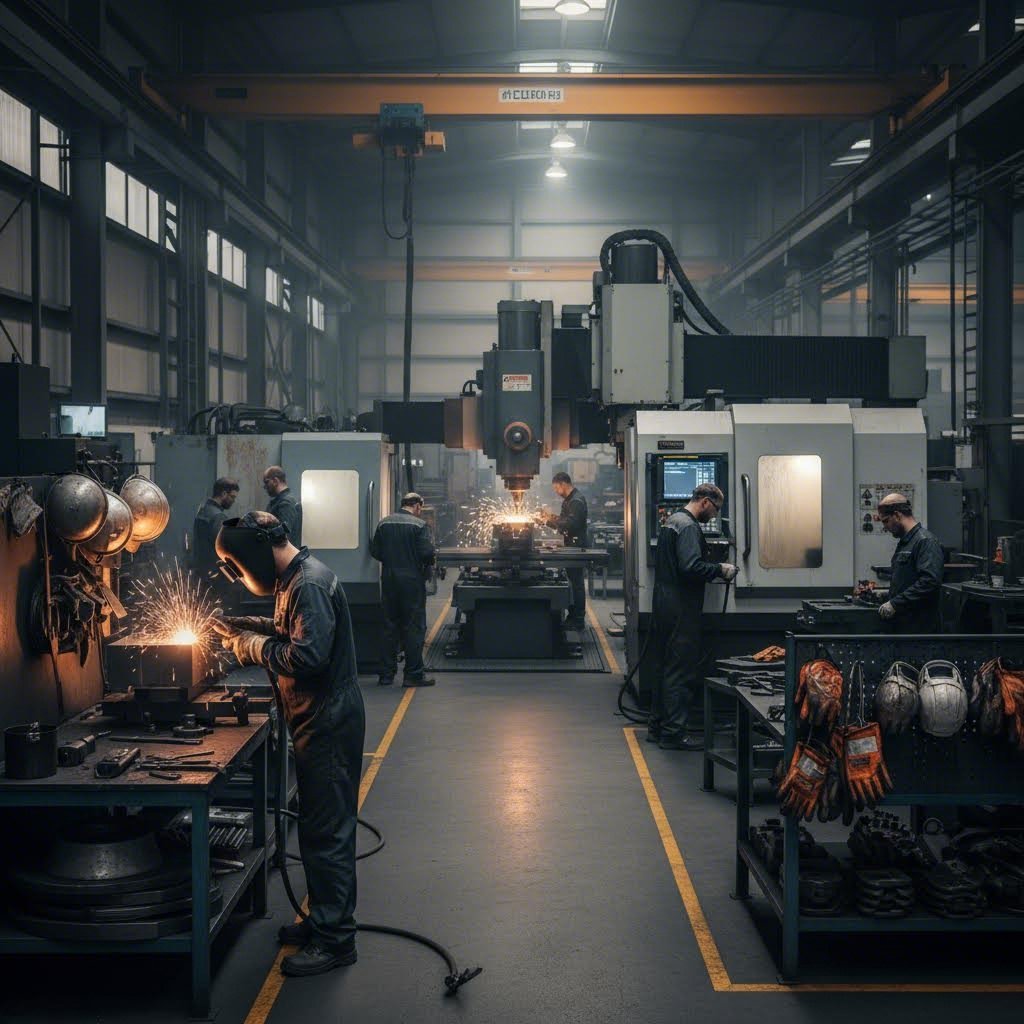
Ever wondered who transforms sheets of raw steel into the chassis of your car or the structural beams supporting a skyscraper? Metal fabrication professionals are the skilled workers behind virtually every metal component you encounter daily. They shape, cut, weld, and assemble metal materials into finished products that power industries worldwide.
According to industry analysis, the metal fabrication sector is projected to grow from $20 billion in 2021 to nearly $29.5 billion by 2029. This remarkable expansion underscores just how essential these skilled workers have become to modern manufacturing.
The Skilled Workforce Behind Every Metal Component
Metal fabrication professionals encompass a diverse group of specialists who master the art of working with metal. From welders joining critical structural components to CNC operators programming precision sheet metal fabrication equipment, these individuals combine technical expertise with hands-on craftsmanship. The sheet metal manufacturing industry relies on their ability to interpret blueprints, understand material properties, and execute complex fabrication processes with exacting precision.
What sets these workers apart? They bridge the gap between raw materials and functional products. Without their expertise, industries ranging from healthcare to renewable energy would struggle to source the metal fab products they depend on for daily operations.
From Raw Material to Precision Parts
The journey from metal stock to finished component involves multiple specialized processes. These professionals employ techniques including cutting, bending, welding, and assembly to create everything from simple brackets to complex machinery housings. Metal fab services span an impressive range of applications, serving critical sectors across the economy.
Industries that rely heavily on metal fabrication expertise include:
- Automotive: Chassis components, body panels, and structural assemblies
- Aerospace: Aircraft frames, engine parts, and precision instrumentation housings
- Construction: Structural steel, HVAC systems, and architectural metalwork
- Energy: Power generation equipment, pipelines, and renewable energy infrastructure
- Medical: Surgical instruments, equipment frames, and hospital fixtures
- Defense: Military vehicles, weapons systems, and protective equipment
As automation and advanced technologies continue reshaping the manufacturing landscape, the demand for skilled fabricators who can operate sophisticated equipment while maintaining quality standards only intensifies. Understanding what these professionals do and the career paths available to them has never been more valuable.
Specializations and Career Paths in Metal Fabrication
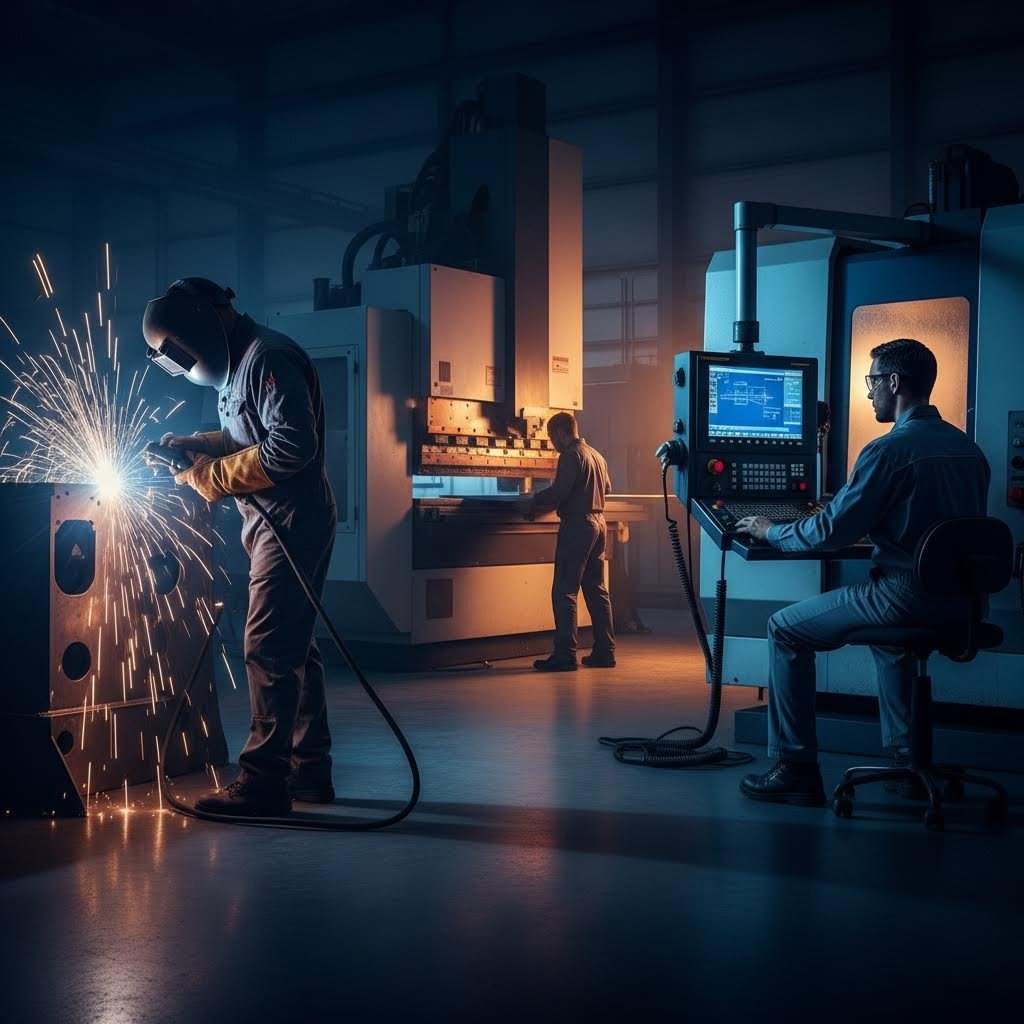
Thinking about entering the metal fabrication field but unsure which direction to take? The good news is that this industry offers multiple specialized career paths, each with distinct skill requirements and growth opportunities. Whether you're drawn to the artistry of precision welding or the technical challenge of programming CNC equipment, there's a role that matches your interests and aptitudes.
Let's break down the key specializations that keep fabrication shops running smoothly.
Welders and Joining Specialists
Welders form the backbone of most fabrication operations. However, not all welding positions are created equal. According to Fox Valley Metal-Tech, there's a significant distinction between general welders who join metal parts together and precision welders who craft highly complex assemblies requiring tolerances as tight as 0.0010-inch.
Precision welding demands exceptional attention to detail, patience, and what many describe as industrial artistry. These specialists must master different techniques like MIG and TIG welding, with TIG requiring considerably more skill to achieve extremely tight tolerances. Their duties extend beyond simply joining metals—they read work orders, interpret detailed design drawings, and use brazing equipment to meet exact customer specifications.
What makes a great precision sheet metal fabricator in welding? A steady hand, pride in craftsmanship, and the ability to maintain focus through repetitive yet exacting work. Many employers provide training and certification education as part of development plans, making entry into this field more accessible than you might expect.
CNC Operators and Programmers
Modern fabrication relies heavily on computerized numerical control equipment, with some machines representing million-dollar investments. While automation handles much of the physical work, skilled CNC operators remain essential for setup, programming, and operation.
These specialists interpret complex manufacturing drawings, blueprints, and specifications, then select proper tooling to achieve desired designs. They also maintain vigilant oversight to identify non-conformances and document any issues that arise. Experience with control systems from manufacturers like Haas and FANUC proves particularly valuable in this role.
CNC positions often favor hands-on experience over formal education, though an associate's degree in machining provides helpful foundational knowledge. Strong mechanical aptitude and raw materials knowledge separate adequate operators from exceptional ones.
Sheet Metal Workers and Fabrication Engineers
Sheet metal engineering represents where hands-on skill meets technical expertise. Workers in this specialization handle the cutting, forming, and assembly of sheet metal components, requiring proficiency with specialized equipment like press brakes, shears, and forming machines.
Fabrication engineers, meanwhile, occupy a critical planning and problem-solving role. They review customer drawings, convert them into workable documents, and provide Design for Manufacturability reviews that prevent costly mistakes before production begins. These professionals design jigs and fixtures that prevent weld shrinkage and maintain tight tolerances throughout the fabrication process.
A precision metal fabricator working in engineering needs deep understanding of how materials perform under various conditions—tensile strength, warpage potential, and behavior during welding all factor into successful project outcomes. They develop weld mapping to outline processes and watch for overengineering mistakes that could increase costs without adding value.
Most metal fabrication engineering positions require an associate's or bachelor's degree, proficiency in CAD software like Solidworks or AutoCAD, and strong communication skills for collaborating with both welders and customers.
Role Comparison at a Glance
Understanding how these specializations compare helps you identify the best fit for your skills and career goals:
| Role Title | Primary Responsibilities | Key Skills Required | Typical Work Environment |
|---|---|---|---|
| Precision Welder | Joining metal components, flame-cutting, brazing, maintaining tight tolerances | Hand-eye coordination, blueprint reading, patience, artistic precision | Shop floor, dedicated welding stations |
| CNC Operator/Programmer | Equipment setup, programming, operation, quality monitoring | Technical drawing interpretation, tooling selection, computer proficiency | Climate-controlled machine areas |
| Sheet Metal Worker | Cutting, forming, bending, and assembling sheet metal parts | Equipment operation, measuring accuracy, physical stamina | Fabrication shop floor |
| Fabrication Engineer | Design review, DfM analysis, jig design, process planning | CAD proficiency, materials science knowledge, problem-solving | Office and shop floor combination |
| Quality Control Inspector | Measuring parts, verifying tolerances, documentation, compliance verification | Precision measurement, attention to detail, standards knowledge | Inspection areas, throughout facility |
| Assembly Technician | Fitting components, hardware installation, final assembly | Blueprint reading, hand tool proficiency, teamwork | Assembly stations, clean areas |
How These Roles Work Together
No single specialization operates in isolation. A sheet metal contract manufacturer coordinates dozens of professionals across these roles to complete each project. Engineers develop plans that welders execute. CNC operators produce components that assembly technicians join together. Quality inspectors verify work at multiple stages, creating feedback loops that improve processes.
This collaborative nature means strong interpersonal skills matter regardless of your technical focus. Being a team player ranks among the most desirable traits employers seek because every action impacts the next person in line. When you understand how your role connects to others, you become more valuable to the entire operation.
Beyond these core positions, fabrication shops also employ project managers who guide work through to completion, painters and finishers who apply protective coatings, and material handlers who keep production flowing. Each represents a potential career entry point with opportunities for advancement based on skill development and demonstrated reliability.
Essential Skills Every Metal Fabrication Professional Needs
What separates a competent fabricator from an exceptional one? It's not just years of experience—it's the combination of technical knowledge, hands-on abilities, and professional competencies that allow workers to tackle any challenge thrown their way. Whether you're pursuing precision sheet metal forming or heavy plate fabrication, mastering these core skills determines your earning potential and career trajectory.
Let's explore the essential competencies that employers value most and how developing them positions you for long-term success.
Technical Blueprint Reading and Interpretation
Imagine receiving a complex drawing filled with symbols, dimensions, and specifications—and knowing exactly what actions to take. Blueprint reading forms the foundation of virtually every fabrication task. Without this skill, even the most talented welder or machine operator cannot translate customer requirements into finished products.
Successful professionals must understand:
- Orthographic projections: Reading front, top, and side views to visualize three-dimensional parts
- Geometric dimensioning and tolerancing (GD&T): Interpreting symbols that define allowable variations in form and position
- Weld symbols: Understanding joint types, weld sizes, and finishing requirements
- Bill of materials: Identifying required components, quantities, and specifications
- Assembly sequences: Following logical construction order to prevent costly rework
Precision sheet metal cutting operations depend entirely on accurate interpretation. A misread dimension of even a few thousandths of an inch can render an entire batch unusable. That's why employers invest heavily in training workers to read technical drawings confidently before allowing them near expensive equipment or materials.
Material Science Fundamentals
You can't fabricate what you don't understand. Knowing how different metals behave during cutting, forming, and welding separates skilled professionals from those who simply follow instructions without comprehension.
According to Rolleri USA, commonly fabricated materials include steel, aluminum, and abrasive-resistant (AR) steel—each with unique properties that affect how professionals work with them:
Steel and Carbon Content: Steel is an alloy of iron and carbon, with carbon content ranging from 0.05% to 2.0% by weight. Even this small percentage dramatically affects strength and hardness. Most fabrication-friendly steels contain less than 0.45% carbon because higher amounts increase brittleness and reduce ductility—the material's ability to be plastically deformed without fracturing.
Stainless Steel: Containing at least 11% chromium, stainless steel creates a protective film that prevents rusting when exposed to oxygen. Adding nickel and molybdenum further increases corrosion resistance. Professionals quickly notice that precision sheet metal work with stainless requires more force per foot to bend than mild steel of equivalent thickness.
Aluminum: As a non-ferrous metal containing no iron, aluminum naturally resists corrosion. It's typically less resistant and more ductile than steel, making it softer to bend and easier to work with. However, fabricators must use the correct radius on upper tooling—typically one times the material thickness—since sharp punch tips can cause cracking due to force concentration.
Abrasive-Resistant Steels: Industries like mining, trucking, and agriculture benefit from AR steels designed for extended wear resistance and higher load capacity. These materials contain manganese, nickel, silicon, and molybdenum in varying percentages. Working with AR steel requires large radius upper tools, wide V-openings, and careful springback compensation.
Understanding these differences allows fabricators to select appropriate tooling, adjust machine settings, and predict how materials will respond during each operation.
Safety Protocols and Best Practices
No skill matters more than the ability to work safely. Fabrication environments present numerous hazards—from high decibel equipment to toxic welding fumes—that demand constant vigilance and proper training.
According to Southern Metal Fabricators, OSHA requires a hearing conservation program at 85 decibels for an eight-hour shift and recommends no more than 15 minutes of exposure to 110 decibels. Cutting, grinding, and power equipment tasks require careful monitoring of noise levels and appropriate protective equipment.
Welding hazards pose particular concerns. Dust and fumes containing metals or gases can cause nose and throat irritation, dizziness, nausea, or even nervous system damage. Hexavalent Chromium—produced when welding stainless steel—is especially toxic and requires specific ventilation and protection measures.
Safety-conscious fabrication operations protect workers by:
- Providing adequate local exhaust ventilation at welding stations
- Training employees on Hazard Communication Standards and right-to-know requirements
- Enforcing machine guarding protocols to prevent burns, crushed fingers, or amputations
- Maintaining documented Emergency Action Plans covering natural disasters and workplace incidents
- Conducting regular equipment training and safety refreshers per ASME and AWS standards
Professionals who internalize safety practices protect themselves and their coworkers while demonstrating the reliability employers value most.
Core Technical and Soft Skills
Beyond specialized knowledge, fabrication professionals need a balanced mix of hands-on technical abilities and interpersonal competencies:
Technical Skills:
- Welding techniques (MIG, TIG, stick, and specialty processes)
- Machine operation across cutting, forming, and finishing equipment
- Measurement precision using calipers, micrometers, and coordinate measuring machines
- CAD/CAM software proficiency for programming and design review
- Quality inspection methods and documentation practices
Soft Skills:
- Problem-solving when materials behave unexpectedly or specifications conflict
- Attention to detail that catches errors before they become costly mistakes
- Teamwork that keeps production flowing smoothly across departments
- Communication for clarifying requirements with engineers and customers
- Adaptability when new technologies or processes enter the workplace
These skills translate across specializations. A welder with strong problem-solving abilities can transition to quality control. A CNC operator with excellent communication skills may advance into project management. The metal fabrication industries served by these professionals continue evolving, making continuous learning essential for career longevity.
As technology advances and customer requirements grow more demanding, the professionals who invest in developing comprehensive skill sets position themselves for the most rewarding opportunities. Understanding the tools and technology that enable modern fabrication represents the next critical step in your professional development.
Tools and Technology Powering Modern Metal Fabrication
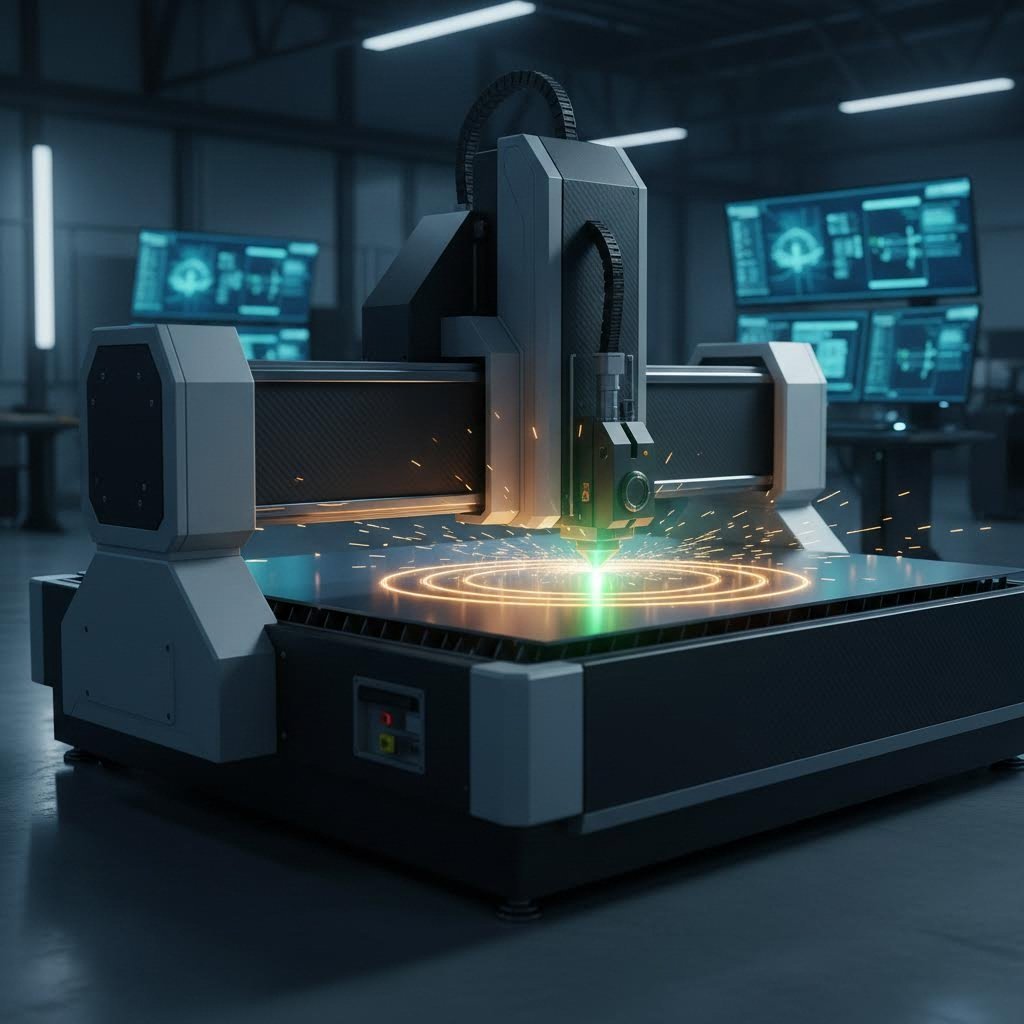
What tools transform a skilled worker into a precision powerhouse? The answer lies in understanding both the traditional equipment that built this industry and the cutting-edge technology reshaping it today. From manual shears to AI-powered CNC systems, the equipment metal fabrication professionals master directly determines what they can create and how accurately they can do it.
Let's explore the essential tools and technologies that define modern custom sheet metal fab operations.
Traditional Hand Tools and Power Equipment
Even in today's automated shops, hand tools remain indispensable. Experienced fabricators know that certain tasks simply require a human touch—fitting components, making adjustments, and handling finishing work that machines cannot replicate.
The fundamental toolkit includes:
- Measuring instruments: Steel rules, tape measures, squares, and levels for basic dimensioning
- Layout tools: Scribers, center punches, and dividers for marking cut lines and hole locations
- Cutting tools: Snips, hacksaws, and files for manual material removal
- Clamping devices: C-clamps, vise grips, and magnetic holders for securing workpieces
- Hammers and mallets: Ball peen hammers, soft-faced mallets, and planishing hammers for forming and adjusting
Power tools extend these capabilities significantly. Angle grinders remove material quickly, pneumatic riveters speed assembly work, and power shears cut through sheet metal far faster than manual alternatives. Professionals working in sheet metal custom fabrication rely on these tools daily for tasks that fall between hand work and full machine operations.
CNC Machinery and Automated Systems
The real transformation in metal fabrication has come through computer numerical control technology. These sophisticated machines execute precise movements based on programmed instructions, achieving repeatability and accuracy that manual methods cannot match.
Modern fabrication shops deploy several categories of equipment:
Cutting Equipment:
- Laser cutters: Using focused light beams to slice through metal with exceptional precision and minimal material waste
- Plasma cutters: Employing ionized gas to cut thicker materials quickly and economically
- Waterjet systems: Utilizing high-pressure water mixed with abrasives for heat-sensitive materials
- Mechanical shears: Providing straight cuts on sheet materials at high production speeds
Forming Equipment:
- CNC press brakes: Bending sheet metal to precise angles with computerized back gauge positioning
- Roll forming machines: Creating continuous profiles for metal frame fabrication and structural components
- Stamping presses: Producing high-volume parts through die-based forming operations
- Tube benders: Shaping pipes and tubing for exhaust systems, frames, and fluid handling
Welding Equipment:
- MIG welders: Offering versatility and speed for general fabrication work
- TIG welders: Delivering precision for aerospace and medical applications requiring clean, controlled welds
- Spot welders: Joining sheet metal panels quickly in automotive and appliance manufacturing
- Robotic welding cells: Automating repetitive welding tasks with consistent quality
Finishing Equipment:
- Belt grinders and sanders: Smoothing surfaces and removing burrs
- Deburring machines: Eliminating sharp edges automatically
- Powder coating systems: Applying durable protective finishes
- Polishing equipment: Creating mirror-like surfaces for decorative applications
According to DELMIA research, manufacturing industries are heavily investing in the deployment of industrial robots and CNC machining, with AI integration powering a transformative shift in the industry. This trend continues accelerating as online sheet metal fabrication services expand their capabilities.
Quality Measurement and Inspection Tools
Precision sheet metal fab demands equally precise measurement. Modern inspection tools allow fabricators to verify their work meets exact specifications before parts leave the shop.
Essential measurement instruments include:
- Digital calipers: Measuring internal and external dimensions to thousandths of an inch
- Micrometers: Providing even greater precision for critical tolerance verification
- Height gauges: Checking vertical dimensions on surface plates
- Coordinate measuring machines (CMM): Capturing three-dimensional part geometry for complex verification
- Optical comparators: Magnifying profiles for visual comparison against specifications
- Surface roughness testers: Quantifying finish quality for appearance-critical components
These tools ensure that sheet metal forming services deliver parts meeting customer requirements consistently.
CAD/CAM Software Integration
Perhaps no technology has transformed fabrication more profoundly than CAD/CAM software. According to NW Metal Fabricators, these integrated systems have revolutionized how metal components are designed, programmed, and manufactured.
CAD software allows engineers and designers to create precise 3D models with immense flexibility, enabling quick modifications and iterations that save time and resources. The software provides simulations and visualizations that help assess feasibility before manufacturing begins—catching potential issues early when corrections cost least.
CAM software then converts these 3D models into machine-readable instructions, calculating optimal tool paths while considering tooling capabilities, material properties, and machining parameters. The result? Maximized efficiency with minimized machining time while maintaining the highest quality and accuracy.
The integration between CAD and CAM software eliminates manual data transfers and reduces errors. Any design modifications automatically update machining instructions, ensuring accurate production without discrepancies between design intent and manufacturing execution.
This seamless communication enables batch processing and nesting optimization, where multiple parts can be arranged on a single sheet to maximize material usage and minimize waste. Advanced algorithms determine the most efficient arrangements, delivering significant cost savings while reducing environmental impact.
As AI continues penetrating manufacturing processes, expect even greater automation capabilities—from predictive maintenance that prevents downtime to real-time quality adjustments that catch deviations before they become defects. Professionals who master these evolving technologies position themselves for the most rewarding career opportunities ahead.
Building Your Career as a Metal Fabrication Professional
Ready to turn your interest in metalworking into a rewarding career? Unlike many industries that demand expensive four-year degrees, metal fabrication offers multiple entry points that let you start earning while learning. Whether you're a recent high school graduate, someone considering a career change, or a current fabricator looking to advance, understanding the pathways available helps you make strategic decisions about your professional future.
The best part? According to Square Set Metals, the perception of manufacturing jobs as dead-end positions is completely outdated. Today's metals industry offers some of the most dynamic advancement pathways in American manufacturing—from shop floor positions all the way to executive leadership.
Education and Training Requirements
So where do you start? The good news is that multiple entry points exist, each with distinct advantages depending on your situation and goals.
Vocational and Technical Training: Many fabrication careers begin at vocational high schools or technical institutes offering programs in welding, machining, or sheet metal work. These programs typically last one to two years and provide hands-on training with industry-standard equipment. Students graduate with foundational skills that make them immediately employable.
Community College Programs: Two-year associate degree programs in manufacturing technology, welding technology, or mechanical engineering technology offer deeper technical knowledge. These programs often include general education courses that develop communication and problem-solving abilities—skills that matter when you're eyeing supervisory roles down the road.
Apprenticeship Programs: According to the Northern California Valley Sheet Metal Workers' Training Center, their ANSI-accredited apprenticeship program—established in 1941—remains the only state-certified program of its kind in the Sacramento area. Their five-year program offers three career paths: Sheet Metal, HVAC Service, and Testing Adjusting and Balancing.
What makes apprenticeships particularly attractive? You earn while you learn. As one training center describes it:
Be involved in an industry that has always provided steady employment, excellent income, and great benefits. Earn college credits towards degree programs while learning skills which are in great demand and continually expanding.
On-the-Job Training: Some employers hire entry-level workers with minimal experience and train them internally. This path works well for individuals with strong mechanical aptitude who learn best through hands-on practice rather than classroom instruction. Many precision sheet metal fabrication companies invest heavily in developing their workforce this way.
Apprenticeship Programs and Certifications
Formal credentials validate your skills and open doors to better opportunities. Two organizations stand out for their industry-recognized certifications.
American Welding Society (AWS): AWS offers certifications ranging from Certified Welder to Certified Welding Inspector and Certified Welding Educator. These credentials demonstrate competency to employers and often translate directly to higher pay rates. Specialized certifications in processes like TIG or pipe welding further distinguish top performers.
National Institute for Metalworking Skills (NIMS): According to NIMS, their credentials set the benchmark for excellence in workforce competency. The organization's rigorous, industry-driven standards are recognized nationwide and globally, earned by students, trainees, apprentices, employees, and military personnel alike.
NIMS credentials typically require two components:
- An Exam: Assessing the knowledge necessary for the specific role
- A Performance Evaluation: Determining the participant's ability to execute everyday tasks demanded by the position
Performance evaluations come in several forms—Credentialing Achievement Records involving skills checks observed by evaluators, projects requiring participants to machine industry-designed parts to print specifications, or performance measures involving hands-on tasks in actual or simulated workplace activities.
Why do these certifications matter? As one manufacturing director explains: "By credentialing our workforce, we have an objective method for competency-based wage progression and filtering for new hires." Precision sheet metal fabricators increasingly require or prefer credentialed workers because standardized certifications reduce training time and ensure consistent quality.
Advancement from Technician to Supervisor
What does a typical career progression look like? While individual paths vary based on company size, specialization, and personal goals, most fabrication professionals follow a recognizable trajectory:
- Entry-Level Technician (Years 1-3): Master fundamental skills, learn equipment operation, develop blueprint reading proficiency, and demonstrate reliability and safety consciousness.
- Skilled Technician/Journeyman (Years 3-7): Handle complex projects independently, mentor newer workers informally, develop specialization in specific processes or equipment, and earn relevant certifications.
- Lead Technician/Senior Fabricator (Years 7-12): Coordinate small teams on projects, troubleshoot production issues, contribute to process improvement initiatives, and build cross-functional knowledge.
- Supervisor/Team Lead (Years 10-15): Manage daily operations for a department or shift, handle scheduling and work assignments, conduct performance reviews, and ensure quality and safety compliance.
- Department Manager/Plant Manager (Years 15+): Oversee multiple departments or entire facilities, manage budgets and resources, drive strategic improvements, and develop future leaders.
Industry research confirms these advancement opportunities are real. Progressive metals companies recognize that every entry-level position is potentially a stepping stone to leadership. They financially incentivize workers to master multiple pieces of equipment and understand different aspects of production—not just for operational flexibility, but to build the broad understanding effective leaders need.
Multiple Tracks to Leadership
One of the most significant changes in modern contract fabrication careers is recognition that different people have different strengths. Smart companies create multiple routes to leadership roles:
The Technical Track: For employees with strong technical aptitudes, advancement opportunities build on engineering and process expertise. CNC programmers advance to Manufacturing Engineers. Quality Control Technicians develop into process improvement specialists. These aren't lateral moves with fancier titles—they're genuine advancement opportunities with increased responsibility and compensation.
The Operations Management Track: The traditional path from floor worker to supervisor to manager still exists but has become more sophisticated. Modern Operations Managers need to understand lean manufacturing principles, safety management systems, quality control processes, and team leadership.
The Cross-Functional Development Track: Perhaps most interesting is the emphasis on cross-functional experience. Companies rotate promising employees through different departments—production, quality control, maintenance, even sales or customer service. This broad exposure creates leaders who understand how different parts of the business interact and make better decisions because they've seen operations from multiple perspectives.
Continuing Education and Development
The pace of technological change means career advancement increasingly requires continuous learning rather than one-time training. Precision fabrication services increasingly demand workers who stay current with evolving technologies.
Successful professionals pursue ongoing development through:
- Manufacturer training programs: Equipment vendors offer courses on new machinery and software updates
- Industry conferences: Events like FABTECH provide exposure to emerging technologies and networking opportunities
- Online courses: Platforms offering CAD/CAM training, leadership development, and technical skills enhancement
- College courses: Many apprenticeship programs offer college credits toward degree programs, and some employers provide tuition assistance for relevant coursework
- Industry association resources: Organizations like FMA (Fabricators & Manufacturers Association) offer educational content and professional development opportunities
The sheet metal training center puts it simply: "Specialized craft training offers you skills which are YOURS—they are always with you, always useful and always rewarding." That investment in your capabilities pays dividends throughout your career, opening doors to opportunities you might not even imagine when starting out.
With your career pathway mapped out, understanding what daily work actually looks like helps you prepare for the realities of fabrication environments—the challenges, the rewards, and the satisfaction of creating tangible products that make a difference.
The Daily Reality of Metal Fabrication Work
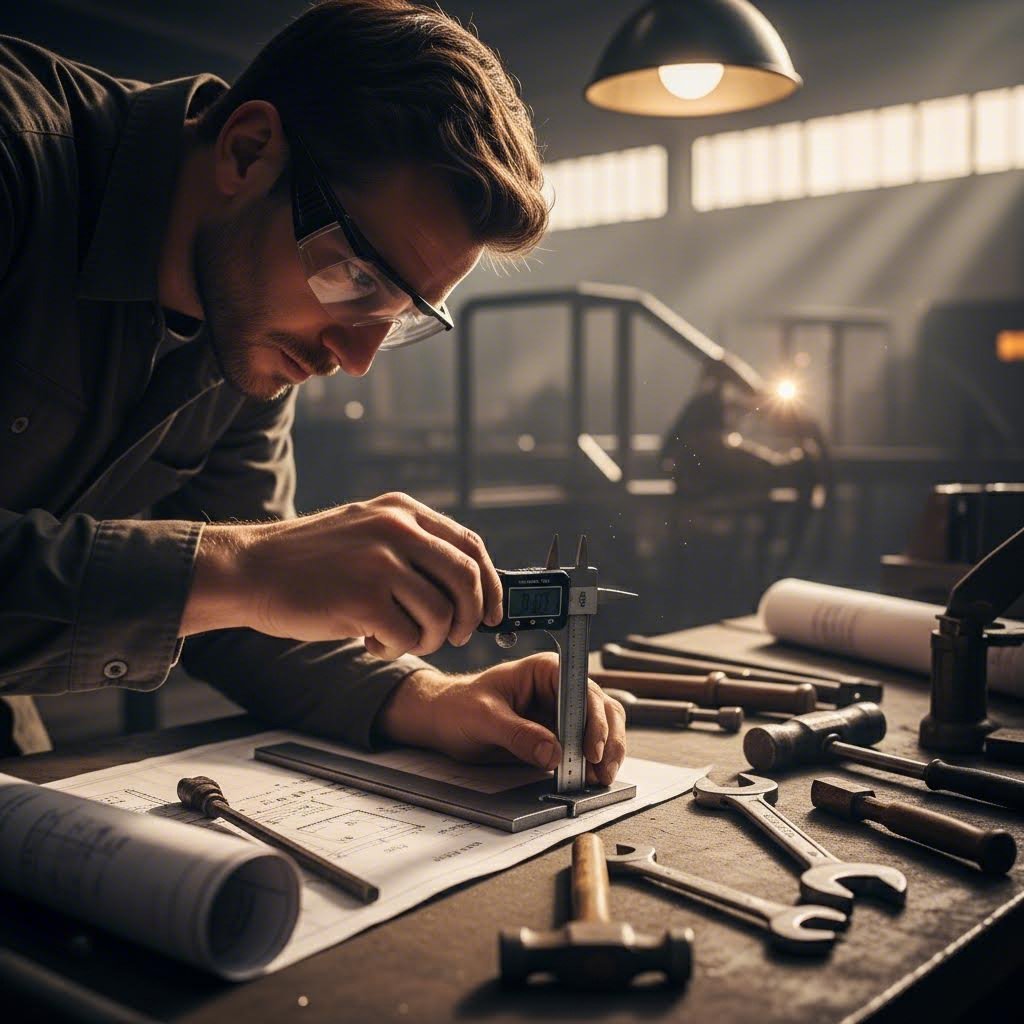
What does an actual workday look like for someone in this field? Forget the sterile descriptions in job postings—the reality of fabrication work combines physical challenges, mental problem-solving, and a unique sense of accomplishment that office jobs simply cannot replicate. Whether you're considering entering the trade or curious about what happens inside precision sheet metal shops, understanding the daily experience helps you prepare for what lies ahead.
A Typical Day on the Shop Floor
A fabricator's day starts before the first cut is made. According to T Brown & Sons, the job begins with interpreting detailed blueprints and specifications. Fabricators need a solid understanding of technical drawings and the properties of different metals to effectively plan and execute their work.
Imagine arriving at a small custom shop versus a large industrial facility—the pace and scale differ dramatically, but core activities remain consistent:
- Morning setup: Reviewing work orders, gathering materials, and preparing equipment for the day's projects
- Measurement and layout: Marking cut lines, verifying dimensions, and double-checking specifications against drawings
- Cutting and shaping: Operating shears, lasers, or plasma cutters to transform raw stock into component pieces
- Forming operations: Bending, rolling, and pressing metal into required shapes using press brakes and forming equipment
- Joining work: Welding, bolting, or riveting components together into assemblies
- Quality verification: Measuring completed work against specifications before moving to the next operation
Throughout all precision sheet metal works, fabricators often manipulate heavy materials and operate high-powered machinery. The physical nature of the work demands stamina and awareness—you're rarely sitting still, and every movement has purpose.
Challenges and Problem-Solving in Real Time
Here's what job descriptions rarely mention: fabrication work constantly tests your problem-solving abilities. Materials don't always behave as expected. Drawings sometimes contain conflicts. Deadlines create pressure that demands creative solutions.
The challenges in precise metal fabrication are as varied as the tasks themselves. Precision is crucial, as even a small error can result in a significant impact on the integrity and functionality of the final product. Consider these common scenarios:
- Tight tolerances: When specifications demand accuracy within thousandths of an inch, every measurement and machine adjustment matters
- Material variations: Steel from different batches may respond differently to bending or welding, requiring on-the-fly adjustments
- Equipment issues: Machines need maintenance, calibration drifts over time, and sometimes tools wear faster than expected
- Specification conflicts: What happens when the drawing shows a weld that's physically impossible to reach? You figure it out
- Deadline pressures: Rush orders test your ability to maintain quality while working faster than comfortable
The physical demands of the job can be strenuous, with risks associated with handling heavy materials and operating machinery. However, adherence to safety protocols significantly mitigates these risks. Experienced fabricators develop an almost instinctive safety awareness—they know where their hands are relative to cutting edges, they wear appropriate protection without being reminded, and they spot hazards before accidents happen.
The Satisfaction of Creating Tangible Products
Despite the challenges, there are considerable rewards that keep people in this profession for entire careers. Ask any veteran fabricator what they love about the work, and you'll hear variations of the same theme: the pride of making real things.
Metal fabricators take pride in the tangible results of their work, whether it's a crucial part of a building's framework or an intricate component of industrial machinery. The satisfaction of crafting durable, essential products that meet exact specifications can be profoundly gratifying.
Unlike many modern jobs where output is abstract—emails sent, meetings attended, reports filed—fabrication produces physical objects you can touch, measure, and watch function in the real world. That bridge support beam? Someone cut, welded, and inspected every inch of it. Those automotive components? Fabricators transformed flat metal into precision parts that keep vehicles safe.
The collaborative nature of fabrication work adds another dimension of satisfaction. No single person builds complex assemblies alone. Welders depend on cutters providing accurate pieces. Assemblers rely on formers creating parts that fit together properly. Quality inspectors protect everyone's work by catching issues early. This interdependence creates genuine teamwork—your actions matter to the people working alongside you.
Moreover, there is always an opportunity to learn and master new techniques, especially as new technologies transform the field, making each day both challenging and rewarding. A fabricator who started their career with manual equipment might now program robotic welding cells. Someone who began cutting steel by hand may now operate million-dollar laser systems. The industry evolves, and those who evolve with it find their skills increasingly valuable.
Understanding this daily reality prepares you for informed decisions about entering or advancing in the field. But what does the broader industry landscape look like, and where are the best opportunities emerging? The employment outlook and demand trends reveal where skilled fabricators are needed most.
Industry Outlook and Opportunities for Metal Fabrication Professionals
Wondering whether investing in a fabrication career makes sense for the long haul? The numbers paint a compelling picture. According to EVS Metal's industry analysis, the global sheet metal fabrication services market reached $10.3 billion in 2024, with projections indicating growth to $15.2 billion by 2034 at a compound annual growth rate of 4.0%. Even more impressive, the broader sheet metal market hit $188.31 billion in 2023 and is expected to reach $272.26 billion by 2030 at a robust 7.0% CAGR.
What does this mean for you? Sustained demand for skilled workers across multiple sectors—and opportunities that keep expanding as technology evolves.
Industries Driving Demand for Skilled Fabricators
Several key sectors are generating particularly strong demand for industrial metal fabrication services in 2025. Understanding where the work is helps you target your career development strategically.
Automotive and Transportation: The automotive sector accounts for 40% of galvanized and cold-rolled sheet demand. Electric vehicle production creates new requirements for lightweight, high-strength components, while the industry's focus on energy efficiency continues driving demand for advanced materials and precision fabrication. Top metal fabrication companies in USA are expanding capacity specifically to serve EV manufacturers.
Construction and Infrastructure: Building and construction represent over 34% of sheet metal market demand. Government investment in infrastructure modernization, sustainable building practices, and urbanization trends create ongoing opportunities. Industrial sheet metal fabrication remains essential for HVAC systems, structural components, and architectural metalwork.
Aerospace and Defense: Lightweight materials and precision components remain critical for aerospace applications. Defense spending supports demand for specialized fabrication services, with companies holding ITAR registration and security clearances commanding premium positions in this high-value segment.
Electronics and Telecommunications: The growth of 5G infrastructure, data centers, and consumer electronics drives demand for precision enclosures and specialized components. Large fabrication projects for server farms and communication towers require skilled professionals who can meet strict tolerance requirements.
Renewable Energy: Wind turbine components, solar panel mounting systems, and battery enclosures for energy storage represent rapidly growing demand areas. This sector particularly values fabricators who understand both traditional metalworking and emerging material requirements.
High-demand specializations across these industries include:
- CNC programming and operation for laser and plasma cutting systems
- Robotic welding cell operation and programming
- Quality inspection and measurement with CMM equipment
- CAD/CAM integration and digital manufacturing processes
- Specialized welding certifications for aerospace and pressure vessel work
- Automation systems integration and maintenance
Geographic Hotspots for Metal Fabrication Careers
Where you work matters almost as much as what you do. North America continues representing a significant growth opportunity, with the regional sheet metal fabrication equipment market valued at $7.7 billion in 2023 and expected to reach $11.9 billion by 2030, growing at 6.4% annually. The United States holds the largest revenue share at 75.2%, driven by government infrastructure investments, defense spending, and robust construction activity.
The nearshoring trend is creating particular advantages for domestic fabricators. Over 50% of manufacturers are actively investing in bringing production closer to end markets, improving supply chain resilience while reducing logistics costs. This shift especially benefits metal fab services industries with multi-location capabilities across different regions.
Key geographic considerations include:
- Manufacturing corridors: Traditional industrial states like Ohio, Michigan, Pennsylvania, and Texas maintain strong fabrication employment
- Aerospace hubs: Washington, California, and the Southeast offer concentrated opportunities in aircraft component manufacturing
- Automotive regions: The Midwest and emerging Southern manufacturing zones continue expanding EV-related fabrication
- Energy sector locations: Texas, Oklahoma, and offshore-adjacent coastal areas support oil, gas, and renewable energy fabrication
Emerging Opportunities in Specialized Sectors
Perhaps the most important trend reshaping this industry is how automation is changing rather than eliminating jobs. According to ARM Institute research, manufacturing floors now run on a mix of robotics, AI, and human expertise. Robots and cobots handle repetitive tasks, but every system still depends on skilled workers to keep operations aligned.
What does this mean practically? Factories need integration specialists to wire new machines into existing processes. AI and machine vision enable faster, more accurate inspections—but those systems don't work alone. A camera can find a scratch on a panel, but it won't know if that scratch is cosmetic or signals a bigger failure. Human judgment makes these systems valuable, not just fast.
The skills gap is driving pay upward. Technicians with robot programming expertise earn well above traditional trade averages, while integration specialists and automation engineers command six-figure salaries in competitive markets. Plants also offer shift premiums, retention bonuses, and tuition support to secure talent that can close automation gaps.
Growing sectors creating new opportunities include:
- Collaborative robotics: Programming and maintaining cobots that work alongside human operators
- Additive manufacturing: Hybrid processes combining traditional fabrication with 3D metal printing
- Smart factory systems: IoT integration, predictive maintenance, and real-time production optimization
- Sustainable manufacturing: Energy-efficient processes and carbon-neutral production methods
- Medical device fabrication: Precision components for surgical instruments and diagnostic equipment
Industry associations and events provide essential resources for staying connected to these evolving opportunities. The Fabricators & Manufacturers Association (FMA) offers educational content, networking opportunities, and industry research. FABTECH—North America's largest metal forming, fabricating, welding, and finishing event—brings together equipment manufacturers, technology providers, and fabrication professionals annually to showcase emerging capabilities and share best practices.
The bottom line? Metal fabrication professionals who combine traditional skills with technical literacy position themselves for the most rewarding opportunities in an industry that continues growing and evolving. Understanding how to identify quality employers and manufacturing partners represents the next step in maximizing your career potential.
Finding Quality Employers and Manufacturing Partners
Whether you're job hunting or sourcing a fabrication partner for your next project, knowing how to evaluate quality separates successful decisions from costly mistakes. Not all shops are created equal—and the differences between a mediocre operation and an excellent one show up in everything from career growth opportunities to finished product reliability.
How do you identify the metal fabrication experts worth your time? Let's break down the key factors that distinguish professional-grade operations from the rest.
What to Look for in a Quality Fabrication Employer
Searching for "metal fabrication services near me" returns dozens of options. But which ones actually deliver? According to Atscott MFG, true value lies in a fabricator's capabilities, reliability, and ability to meet requirements from start to finish—not just the lowest price.
Before you contact any fabrication company, get clear on what matters most:
- Equipment capabilities: Does the shop have CNC machinery, press brakes, automated welders, or laser cutters appropriate for your needs? Are staff trained to operate them effectively?
- Material expertise: Not every shop works with all metals. Verify they specialize in the materials your projects require—whether sheet metal, stainless steel, aluminum, or heavy plate.
- Full-service offerings: If you want a one-stop shop, choose a fabricator that provides design, engineering, fabrication, assembly, and installation under one roof.
- Production flexibility: Different projects require different setups. Can they handle prototypes and small runs? High-volume production? Custom one-offs?
- Experience and track record: A skilled project manager should walk you through their fabrication process with confidence and clarity. Ask for references and review past work.
When evaluating potential employers specifically, also consider growth opportunities, training programs, and workplace safety culture. The best steel fabrication suppliers invest in their workforce because they understand that skilled people drive quality outcomes.
Certifications That Signal Manufacturing Excellence
Certifications provide objective evidence that a fabricator meets recognized standards. But what do different certifications actually mean?
According to Qualityze, ISO 9001 defines requirements for an effective quality management system (QMS). Organizations with this certification demonstrate their ability to deliver high-quality products and services consistently while meeting customer and regulatory requirements.
For automotive work, the bar rises significantly. IATF 16949—specified by The International Automotive Task Force—defines QMS standards specifically for the automotive industry. This certification requires third-party auditing and compliance with both IATF 16949 and ISO 9001 requirements. Companies serving automotive OEMs typically must hold this certification to qualify as approved suppliers.
What makes IATF 16949 particularly valuable? It emphasizes:
- Defect prevention rather than just detection
- Reduction of variation and waste in the supply chain
- Continuous improvement processes
- Customer-specific requirements integration
For example, manufacturers like Shaoyi (Ningbo) Metal Technology demonstrate professional-grade operations through their IATF 16949 certification for automotive stamping parts. Their combination of rapid prototyping capabilities, comprehensive DFM (Design for Manufacturability) support, and fast quote turnaround illustrates what serious automotive suppliers bring to the table.
Beyond automotive, other certifications matter for specific industries:
- ASME: Essential for pressure vessels and boiler components
- AWS: Validates welding quality and welder qualifications
- AISC: Sets standards for structural steel fabrication
- ABS/DNV: Required for marine and offshore applications
As Cypress Fabrication notes, these industry certifications help ensure finished products meet all safety and quality standards—making verification essential before starting any project.
Evaluating Technology and Capabilities
Modern fabrication success depends heavily on equipment and technology. When evaluating precision sheet metal fabrication near me options, look beyond the marketing to assess actual capabilities.
Key technology considerations include:
- Cutting equipment: Laser, plasma, waterjet, and mechanical cutting systems each serve different applications. Multi-process capability offers flexibility.
- Forming equipment: CNC press brakes with multiple tonnage options, roll forming lines, and stamping presses indicate production versatility.
- Welding capabilities: MIG, TIG, robotic welding cells, and specialty processes for different material and quality requirements.
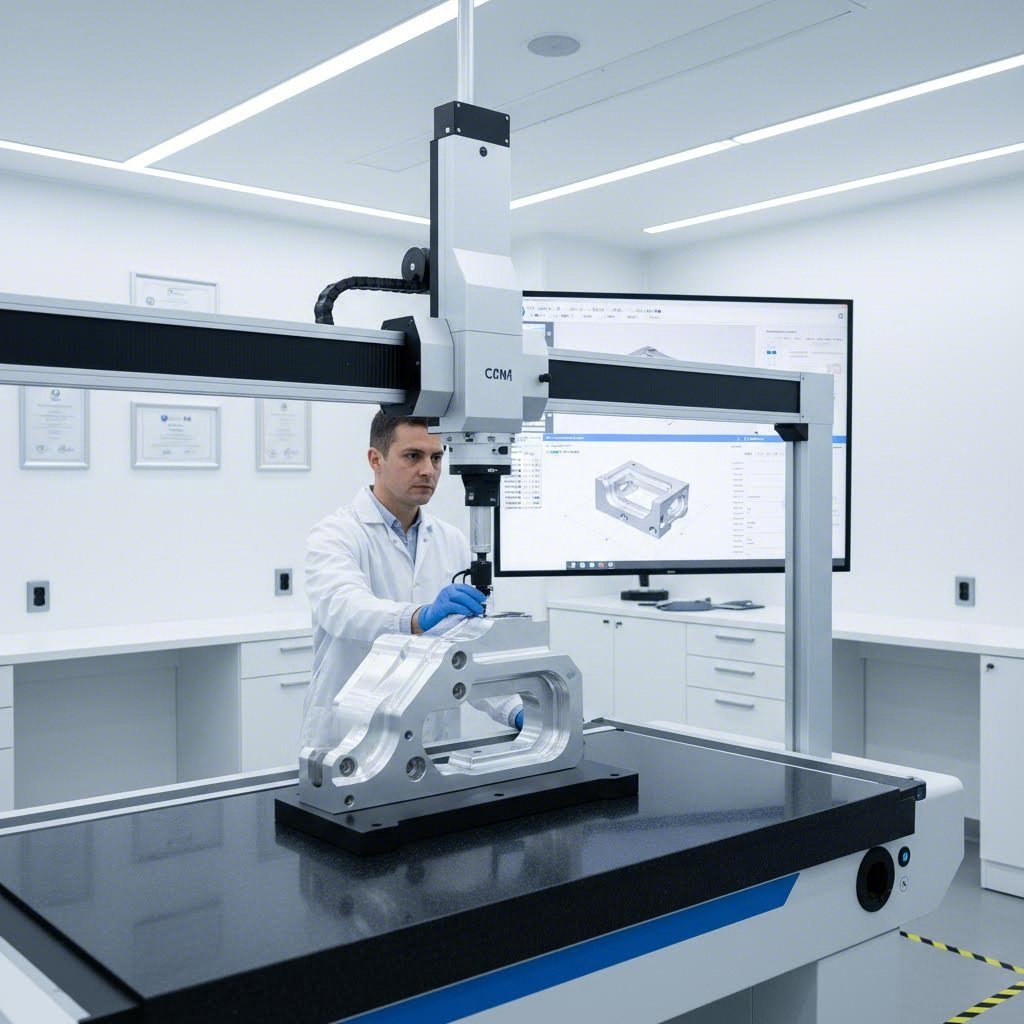
- Inspection equipment: CMM machines, optical comparators, and documented calibration programs ensure parts meet specifications.
- CAD/CAM integration: Modern software systems enable efficient programming, nesting optimization, and design-to-manufacturing traceability.
Quality management systems matter as much as equipment. Professional metal fabrication suppliers maintain documented procedures for:
- Incoming material verification
- In-process inspection at critical operations
- Final inspection and testing
- Nonconformance handling and corrective action
- Traceability throughout production
Engineering support capabilities often differentiate good fabricators from great ones. Look for partners offering general metal fabrication service with DFM reviews that catch potential issues before production begins. This proactive approach prevents costly mistakes and optimizes designs for manufacturability.
Turnaround time matters in competitive markets. Some manufacturers now offer remarkably fast response—rapid prototyping in days rather than weeks, and quote turnarounds measured in hours. These capabilities indicate both operational efficiency and customer focus.
Questions to Ask Before Committing
Whether you're accepting a job offer or awarding a fabrication contract, ask these questions to verify you're making the right choice:
- What certifications do you hold, and when were they last audited?
- Can you provide references from similar projects or customers in my industry?
- What is your quality rejection rate, and how do you handle nonconformances?
- How do you ensure on-time delivery, and what's your track record?
- What engineering support do you provide during quoting and production?
- How do you handle rush orders or design changes mid-production?
Thorough evaluation upfront prevents problems downstream. The best fabrication partners and employers welcome these questions because they're confident in their answers—and they know that informed customers become long-term relationships.
With a clear framework for identifying quality operations, you're ready to take concrete action toward your fabrication career or partnership goals.
Your Path Forward in Metal Fabrication
You've explored the career paths, understood the skills required, and learned what separates quality operations from mediocre ones. Now what? Whether you're just starting out, looking to level up, or seeking manufacturing partners for your next project, concrete action beats endless research. The fabrication industry rewards those who move decisively—so let's map out exactly what steps to take based on where you are right now.
Resources for Aspiring Fabrication Professionals
Starting a career in metal fabrication doesn't require figuring everything out alone. Industry organizations, training programs, and educational institutions provide structured pathways that accelerate your development.
According to the Fabricators and Manufacturers Association, their mission centers on cultivating a workforce development lifecycle that galvanizes the metal fabrication community. FMA offers resources spanning publications, training programs, and networking opportunities designed specifically for those entering and advancing in the field.
Key resources worth exploring include:
- The Fabricator: The industry's gold standard publication for news, insights, and technical resources
- SparkForce Foundation: FMA's initiative supporting the next generation of manufacturing professionals through scholarships and engagement programs
- FABTECH: North America's largest metal forming, fabricating, welding, and finishing event—ideal for discovering new technologies and making industry connections
- SkillPointe: A platform connecting aspiring fabricators with training programs searchable by location and specialty
For those wondering about precision sheet metal near me training options, local community colleges and vocational schools often maintain partnerships with area manufacturers. These connections can lead directly to apprenticeship opportunities or entry-level positions with employers who value formal training.
Continuing Education and Skill Development
Already working in fabrication but ready to advance? Continuous learning separates those who plateau from those who climb. The FMA training programs offer multiple formats to fit different learning styles and schedules.
Training options include:
- Conferences: In-person events providing networking and learning from peers, subject matter experts, and industry professionals
- On-site training: Customized instruction at your facility, on your equipment, according to your schedule
- Webinars (FabCast): Affordable, convenient instruction on professional topics with recorded versions available
- e-Learning (e-Fab): Interactive, self-paced online versions of popular seminars
- Certificate programs: Technical training focused on specific machines or processes with industry-recognized credentials
One particularly valuable offering is FMA's hands-on Metal Fabrication Fundamentals workshop—a three-day immersive experience for educators, engineers, and related professionals. Participants gain functional skill with sheet metal fabrication concepts, equipment, and technology through direct, guided practice.
FMA training materials have been a great resource for the curriculum we've built for new hires.
Professional development resources like the book "Metal Fabrication: A Practical Guide - Fourth Edition" provide comprehensive reference material for classroom and on-the-job training. These foundational texts complement hands-on experience with theoretical knowledge that deepens understanding.
Taking Your Next Step
Action plans look different depending on where you stand. Here's a roadmap tailored to your current situation:
If you're exploring fabrication as a career:
- Research local vocational programs, community colleges, or apprenticeship opportunities in your area
- Visit a fabrication shop if possible—many welcome tours for prospective workers
- Identify which specialization appeals to you: welding, CNC operation, sheet metal work, or engineering
- Connect with industry associations like FMA to access entry-level resources and networking events
- Consider starting with entry-level positions that offer on-the-job training while you build skills
If you're an early-career fabricator seeking advancement:
- Pursue relevant certifications from AWS or NIMS to validate and enhance your skills
- Request cross-training opportunities to broaden your capabilities across multiple processes
- Attend industry events like FABTECH to stay current with emerging technologies
- Volunteer for challenging projects that stretch your abilities and demonstrate initiative
- Build relationships with experienced colleagues who can mentor your development
If you're a mid-career professional targeting leadership:
- Develop management skills through formal training or coursework in supervision and leadership
- Seek exposure to different departments—quality, engineering, sales—to build cross-functional understanding
- Master emerging technologies like robotic programming or CAD/CAM integration
- Document your achievements and build a portfolio demonstrating problem-solving and results
- Network actively within and beyond your current organization to identify advancement opportunities
If you're evaluating manufacturing partners for projects:
- Verify certifications appropriate to your industry—IATF 16949 for automotive, ASME for pressure vessels, etc.
- Request references and review case studies from similar projects
- Assess engineering support capabilities, particularly DFM review processes
- Evaluate turnaround times and flexibility for prototyping through production volumes
- Tour facilities when possible to observe equipment, organization, and workforce professionalism
For those seeking to understand what modern manufacturing excellence looks like in practice, examining industry leaders provides valuable benchmarks. Companies like Shaoyi (Ningbo) Metal Technology demonstrate best practices through capabilities like 5-day rapid prototyping, comprehensive DFM support, and 12-hour quote turnarounds—standards that reflect genuine operational efficiency and customer focus.
The fabrication industry continues evolving, creating opportunities for those prepared to seize them. Sheet metal manufacturers near me searches yield plenty of options, but informed decisions require understanding what quality looks like. Armed with the knowledge from this guide, you're ready to make those decisions confidently.
Your next move? Pick one action from the relevant list above and execute it this week. Career progress happens through accumulated small steps, not dramatic leaps. Start today, and you'll be surprised how quickly momentum builds toward the metal fabrication career—or partnership—you're aiming for.
Frequently Asked Questions About Metal Fabrication Professionals
1. How much does metal fabrication cost per hour?
Metal fabrication costs typically range from $70 to $130 per hour for welders and fabricators. Rates vary based on project complexity, material type, equipment requirements, and geographic location. Specialized work like aerospace or medical device fabrication commands higher rates due to precision requirements and certification needs. Custom sheet metal work and prototype development may also carry premium pricing compared to standard production runs.
2. Is metal fabrication a good career?
Metal fabrication offers excellent career opportunities with job variety, competitive wages, and multiple advancement paths. The industry provides stable employment across automotive, aerospace, construction, and energy sectors. Skilled fabricators can progress from entry-level technicians to supervisory roles, engineering positions, or even plant management. With the global sheet metal market projected to reach $272 billion by 2030, demand for qualified professionals continues growing.
3. Are metal fabricators in demand?
Yes, metal fabricators are in high demand. The industry faces a skills gap as investments in infrastructure and manufacturing continue expanding. The sheet metal fabrication services market is projected to grow from $10.3 billion in 2024 to $15.2 billion by 2034. Nearshoring trends and electric vehicle production create additional opportunities, with over 50% of manufacturers actively bringing production closer to domestic markets.
4. What certifications do metal fabrication professionals need?
Key certifications include American Welding Society (AWS) credentials for welders and National Institute for Metalworking Skills (NIMS) certifications for various fabrication roles. IATF 16949 certification matters for automotive sector work, while ASME certifications are essential for pressure vessel fabrication. These industry-recognized credentials validate competency, often translating to higher pay rates and better advancement opportunities.
5. What education is required to become a metal fabricator?
Multiple pathways exist for entering metal fabrication. Options include vocational training programs lasting one to two years, community college associate degrees in manufacturing or welding technology, formal apprenticeships combining paid work with classroom instruction, and on-the-job training for those with strong mechanical aptitude. Many employers provide training and certification support as part of workforce development programs.