 Small batches, high standards. Our rapid prototyping service makes validation faster and easier —
  EN
EN


CNC Supplier Red Flags: 8 Essential Points Before You Buy
Understanding What a CNC Supplier Really Means
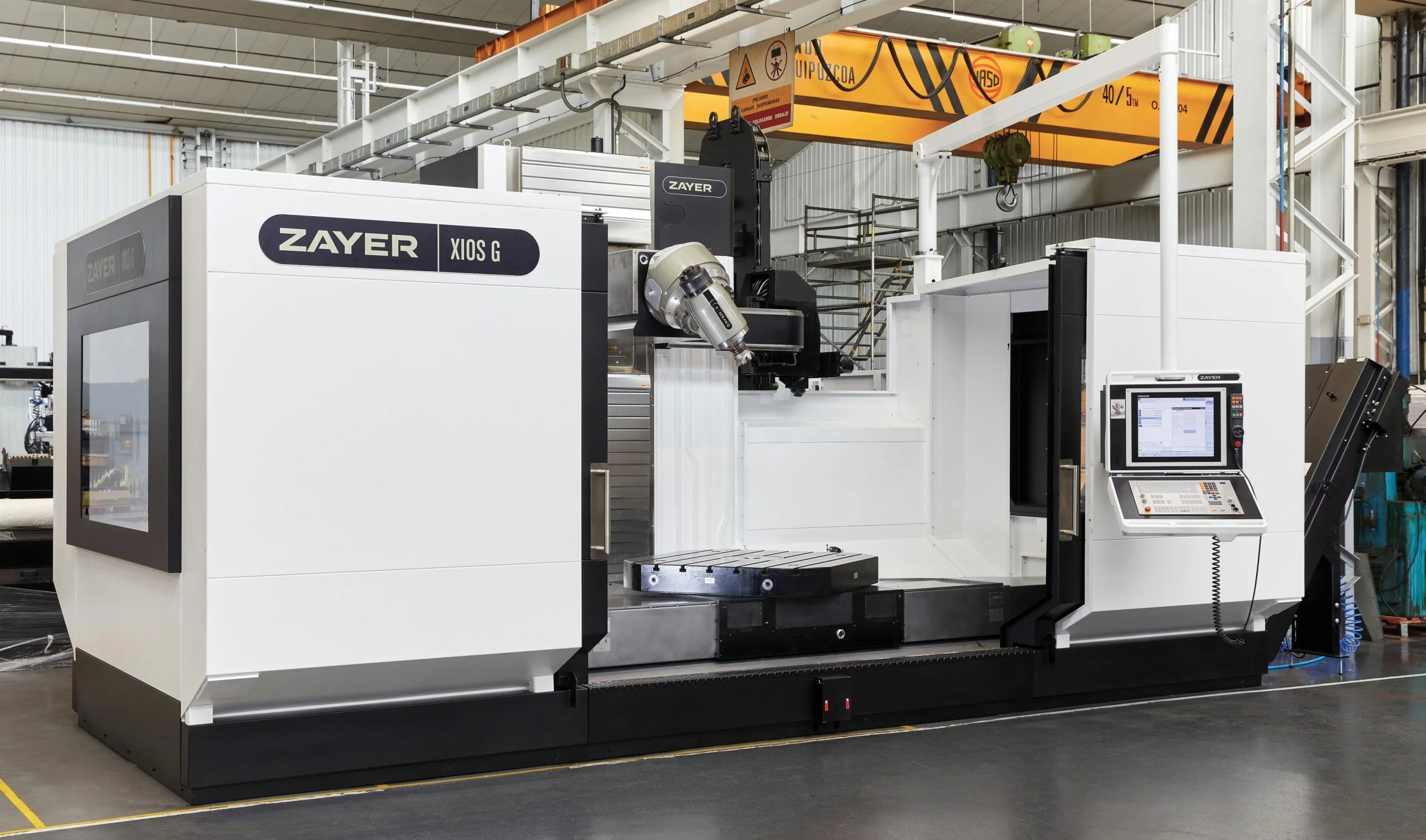
When you start searching for a CNC supplier, you'll quickly discover that this term covers a surprisingly broad range of businesses. So what is CNC, and why does understanding the supplier landscape matter so much? The cnc definition refers to Computer Numerical Control—a technology that automates machine tools through programmed commands. But here's where it gets interesting: the companies selling these machines or providing related services operate in fundamentally different ways.
Before you spend thousands—or even hundreds of thousands—of dollars, knowing exactly who you're dealing with can save you from costly mistakes. Let's break down the ecosystem so you can navigate it with confidence.
The CNC Supplier Ecosystem Explained
Think of the CNC supply chain like any other manufacturing distribution network. According to Katana MRP, manufacturers create finished goods, distributors purchase from manufacturers and resell to retailers or end users, while wholesalers operate on larger scales focusing on specific markets. The c.n.c meaning in a business context follows this same structure.
Here are the four main categories you'll encounter when shopping for CNC solutions:
- CNC Machine Manufacturers: These companies design, engineer, and produce the actual machines. They control the entire production process, from raw materials to finished equipment. Buying directly from a manufacturer often means access to the latest technology and direct technical support, though minimum order requirements may apply.
- Equipment Distributors: Distributors purchase machines from multiple manufacturers and resell them to end users. They typically maintain relationships with several brands, offering you more variety in a single shopping experience. They may also provide logistics, storage, and inventory management services.
- Authorized Dealers: These are distributors with official partnerships from specific manufacturers. They receive specialized training, access to genuine parts, and direct manufacturer support. This authorization signals legitimacy and ensures you're getting authentic products with proper warranty coverage.
- CNC Machining Service Providers: Unlike the others, these companies don't sell you equipment—they use their own CNC machines to manufacture parts on your behalf. A skilled cnc machinist at these facilities operates the equipment, so you never need to own or maintain machinery yourself.
Why Supplier Type Matters for Your Project
Wondering whats cnc supplier selection got to do with project success? Everything, actually. Each supplier type serves different needs, and choosing the wrong one can lead to mismatched expectations, inadequate support, or unnecessary expenses.
For example, purchasing directly from a manufacturer might seem ideal, but as Blue Elephant CNC notes, factory visits are invaluable—you'll want to verify production scale, worker count, and office organization to gauge reliability. A large-scale factory with hundreds of workers signals stability, while smaller operations may offer price advantages but carry higher risk of business changes.
Distributors and authorized dealers add value through local presence, faster delivery, and consolidated purchasing options. Meanwhile, machining service providers eliminate capital investment entirely—perfect if your cnc meaning for success involves outsourcing production rather than building in-house capabilities.
Understanding these distinctions positions you as an informed buyer rather than an easy target for red flags we'll explore throughout this guide.
CNC Machine Purchase vs Machining Services
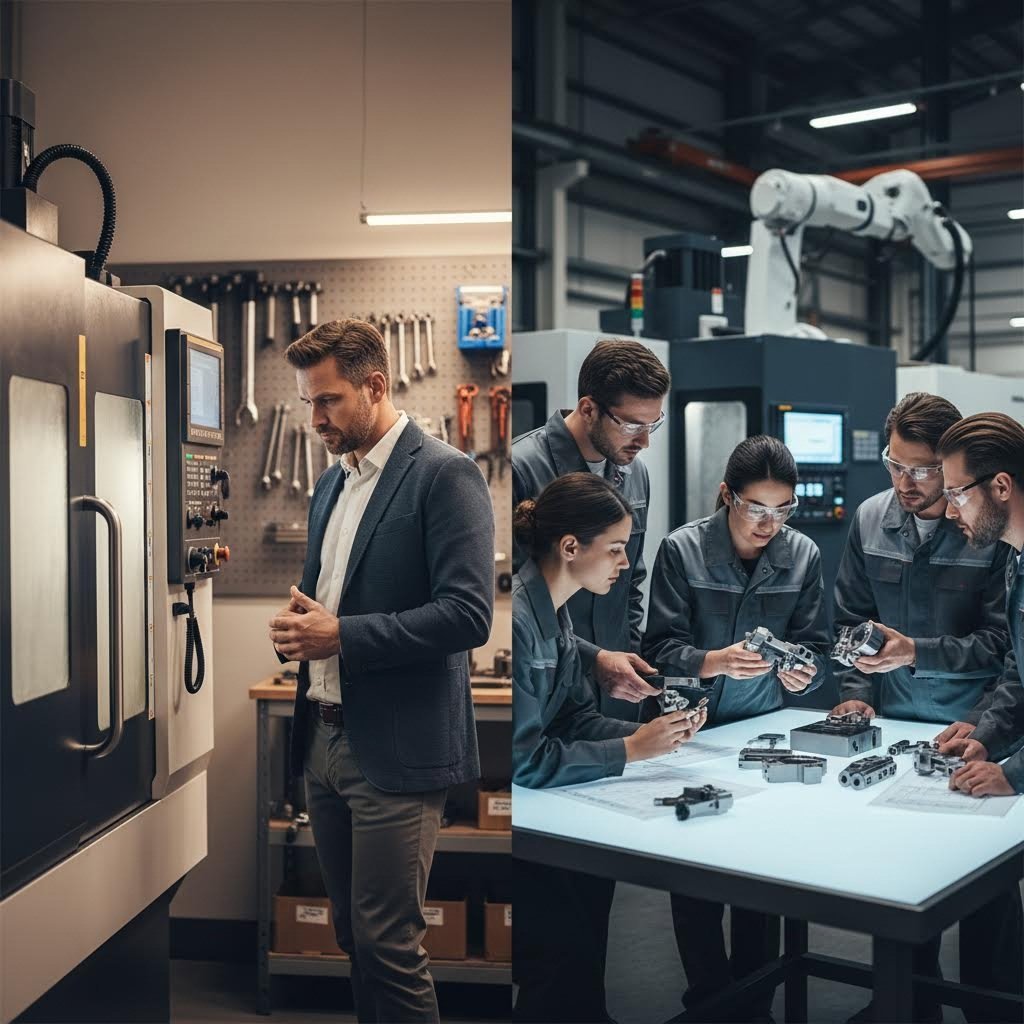
Now that you understand the different types of suppliers in the CNC ecosystem, you're facing an even more fundamental question: should you buy a cnc machine or outsource your machining needs to a service provider? This decision shapes everything from your capital requirements to your daily operations. Get it right, and you'll optimize both costs and capabilities. Get it wrong, and you could find yourself stuck with expensive equipment you can't fully utilize—or dependent on external providers when you need in-house control.
Let's examine both paths so you can make an informed choice that aligns with your business reality.
Buying Equipment vs Outsourcing Production
Imagine you're a growing manufacturer with increasing demand for precision components. You've found a reliable cnc supplier, and now you're weighing whether to invest in your own equipment or partner with a machining service. Each approach carries distinct advantages and trade-offs that depend heavily on your specific situation.
When you purchase a CNC machine—whether it's a full-scale industrial unit or a desktop cnc for prototyping—you gain complete control over your production process. According to JLCCNC, owning equipment means you can adjust your production schedule on the fly to meet demand, handle urgent orders immediately, and potentially realize cost benefits from long-term investment. However, this control comes with significant responsibilities.
A skilled cnc operator doesn't appear overnight. Programming and operating these machines demands specialized knowledge, and as Renew Manufacturing Solutions points out, in-house machining could mean hiring or training skilled operators if you don't already have them on hand.
On the flip side, outsourcing to a professional machining service eliminates the upfront investment entirely. You'll never worry about equipment maintenance, technology upgrades, or finding qualified operators. This flexibility makes outsourcing ideal for variable production needs—especially when project volumes fluctuate or when you're testing new product designs before committing to full-scale manufacturing.
Capital Investment Considerations
The financial implications of this decision extend far beyond the initial purchase price. When browsing a cnc machine for sale, you're looking at just the tip of the iceberg. Consider the full picture: installation costs, facility modifications, tooling, training, ongoing maintenance, and eventual upgrades.
Here's a practical comparison to help you evaluate both approaches:
| Factor | Purchasing CNC Equipment | Outsourcing to Machining Services |
|---|---|---|
| Upfront Cost | High—significant capital investment for machinery, installation, and tooling | Low—no equipment purchase required; pay per project |
| Ongoing Costs | Maintenance, repairs, operator salaries, material inventory | Per-part pricing; may be higher long-term for high volumes |
| Expertise Required | Must hire or train skilled operators and programmers | Service provider handles all technical expertise |
| Flexibility | Limited to your equipment's capabilities; upgrades require additional investment | Access to diverse equipment and latest technology without ownership |
| Scalability | Scaling up requires purchasing more machines and expanding facilities | Easily scale by adjusting order volumes with service provider |
| Control | Complete control over production scheduling and quality | Dependent on service provider's schedule and capacity |
| Best For | Long-term, stable, high-volume production needs | Variable, low-volume, or specialized one-off projects |
For hobbyists or small businesses testing concepts, a mini lathe or entry-level machine might make sense—the investment is manageable, and you'll learn valuable skills. But for serious production? The calculation becomes more complex.
Ask yourself: Will you have frequent enough work to justify the equipment cost? Can you count on needing that capacity for years to come? If the answer is uncertain, outsourcing provides a low-risk path to evaluate demand before committing capital.
Ultimately, some manufacturers discover the best approach lies somewhere in between—handling certain operations in-house while outsourcing specialized or overflow work to trusted partners. Understanding these dynamics helps you recognize which CNC suppliers can truly serve your needs, setting the stage for evaluating their quality and capabilities.
Key Criteria for Evaluating CNC Supplier Quality
You've decided whether to purchase equipment or outsource your machining needs. Now comes the harder part: how do you separate a reliable CNC supplier from one that will leave you frustrated and scrambling? When searching for machine shops near me or browsing supplier websites, the options can feel overwhelming. Worse, two companies might look identical on paper yet deliver dramatically different results.
The truth is, choosing a machining partner involves much more than comparing price lists or scanning capability brochures. According to RevPart, even with two companies that look exactly the same on paper, you're still almost guaranteed to see different results from each one—results that might affect the viability and performance of your product. So what should you actually be evaluating?
Let's build a practical framework you can use to assess any potential supplier with confidence.
Core Capability Assessment Framework
Think of supplier evaluation like visiting a little machine shop versus touring a major fabrication shop—each serves different needs, and the right fit depends entirely on your requirements. Before you get distracted by shiny equipment or impressive client logos, focus on these fundamental criteria:
- Technical Capabilities and Specialization: Does the supplier clearly list their manufacturing specialties? As RevPart notes, many companies claim they can handle any product, quantity, or contract—though this rarely ends up being the case. Look for documented expertise in your specific materials, tolerances, and part geometries. A supplier experienced with aluminum prototypes may struggle with hardened steel production components.
- Equipment Range and Condition: What machines do they operate, and how well-maintained are they? According to Penta Precision, maintaining CNC machines at peak performance is crucial for consistent manufacturing quality. Reputable suppliers prioritize regular maintenance and preventive measures to uphold operational efficiency. Don't hesitate to ask about their equipment calibration schedules—annual calibrations are standard for ensuring precision.
- Production Capacity and Lead Times: Can they actually handle your volume requirements? Some suppliers excel at low-volume prototyping but lack capacity for production runs. Others optimize for high-volume work and may deprioritize smaller orders. Understand their sweet spot before committing.
- Quality Management Systems: Does the supplier operate under a formal QMS? Penta Precision emphasizes that a Quality Management System documents processes, procedures, and responsibilities for achieving quality objectives. This isn't just paperwork—it's the foundation for delivering consistent results across every order you place.
- Inspection Capabilities: What equipment and processes do they use to verify quality? Look for dedicated inspection teams using calibrated instruments. Key equipment might include CMMs (Coordinate Measuring Machines), surface roughness testers, and optical measurement systems. A comprehensive inspection process includes checks throughout production—not just a final pass before shipping.
- Tooling and Fixturing Resources: Quality machining depends on proper tooling. Whether they're using haas tooling or other precision instruments, a well-equipped supplier maintains extensive tooling inventories and knows how to select the right tools for each job. Limited tooling options often translate to compromised quality or extended lead times.
When evaluating these factors, don't rely solely on website claims. Request documentation, ask for references, and whenever possible, arrange a facility visit. Pictures of machine shops on a website tell one story—seeing operations firsthand reveals much more about actual capabilities and work culture.
Why Regional Presence Impacts Service Quality
Here's something many buyers overlook: where your supplier operates matters more than you might think. An engine machine shop across the country might offer attractive pricing, but geographic distance creates real challenges that affect your experience.
Consider these regional factors when making your selection:
- Communication and Time Zones: Working with suppliers in different time zones can slow response times and complicate urgent requests. Local or regional suppliers typically offer faster communication cycles, making problem-solving more efficient.
- Shipping Costs and Lead Times: Distance directly impacts delivery speed and freight expenses. For heavy components or time-sensitive projects, proximity reduces both costs and transit risks.
- On-Site Visits and Audits: Building a true partnership requires face-to-face interaction. Visiting a local fabrication shop to review quality processes is far easier than flying across the country. This accessibility enables better ongoing relationship management.
- Emergency Response: When something goes wrong—and eventually something will—nearby suppliers can respond faster. Whether it's a rush remake or an urgent engineering consultation, proximity provides options that distance eliminates.
- Authorized Dealer Advantages: Suppliers with authorized dealer status from recognized equipment manufacturers signal legitimacy and access to proper support channels. These partnerships indicate the supplier has met specific competency requirements and maintains direct relationships with OEMs for parts, training, and technical assistance.
According to ASQ, supplier selection criteria should be defined by a cross-functional team including representatives from purchasing, quality, engineering, and production. This collaborative approach ensures you're evaluating suppliers against criteria that matter across your entire organization—not just the factors most visible to procurement.
A good breadth of previous work lets you know that a supplier has been around long enough and has gained enough experience to successfully manufacture your product.
The goal isn't finding the cheapest option or the flashiest website. It's identifying a partner whose capabilities, quality systems, and geographic position align with your actual needs. With this framework in hand, you're ready to dig deeper into the certifications that separate qualified suppliers from those simply going through the motions.
Industry Certifications and What They Mean for Buyers
You've evaluated technical capabilities, inspected quality systems, and considered geographic factors. But there's one more critical layer of supplier assessment that separates truly qualified partners from those simply claiming excellence: industry certifications. When browsing CNC supplier websites, you'll encounter a alphabet soup of acronyms—ISO 9001, AS9100, IATF 16949, and more. But what do these actually mean for you as a buyer? And which ones should you insist on for your specific projects?
Understanding certifications isn't just about checking boxes. According to 3ERP, certifications are more than formalities—they're the backbone of trust and excellence. When you're sourcing precision components for demanding applications, there's no room for error. Certifications tell you that a supplier is serious about quality, safety, and meeting the toughest industry requirements.
Let's decode what each major certification actually means so you can make informed decisions about which suppliers deserve your business.
Certification Breakdown for Manufacturing Industries
Think of certifications as verified proof that a supplier has implemented specific quality systems and passed rigorous third-party audits. Unlike marketing claims, certifications require ongoing compliance—auditors return regularly to verify that standards are maintained. Here's what the key certifications mean in practical terms:
ISO 9001:2015 serves as the foundation for quality management across all industries. As Hartford Technologies explains, this certification delineates the prerequisites for a robust quality management system, affirming that products or services comply with customer expectations and regulatory mandates. If a CNC supplier lacks ISO 9001, consider it a significant red flag—this is the baseline certification that virtually every legitimate manufacturer should hold.
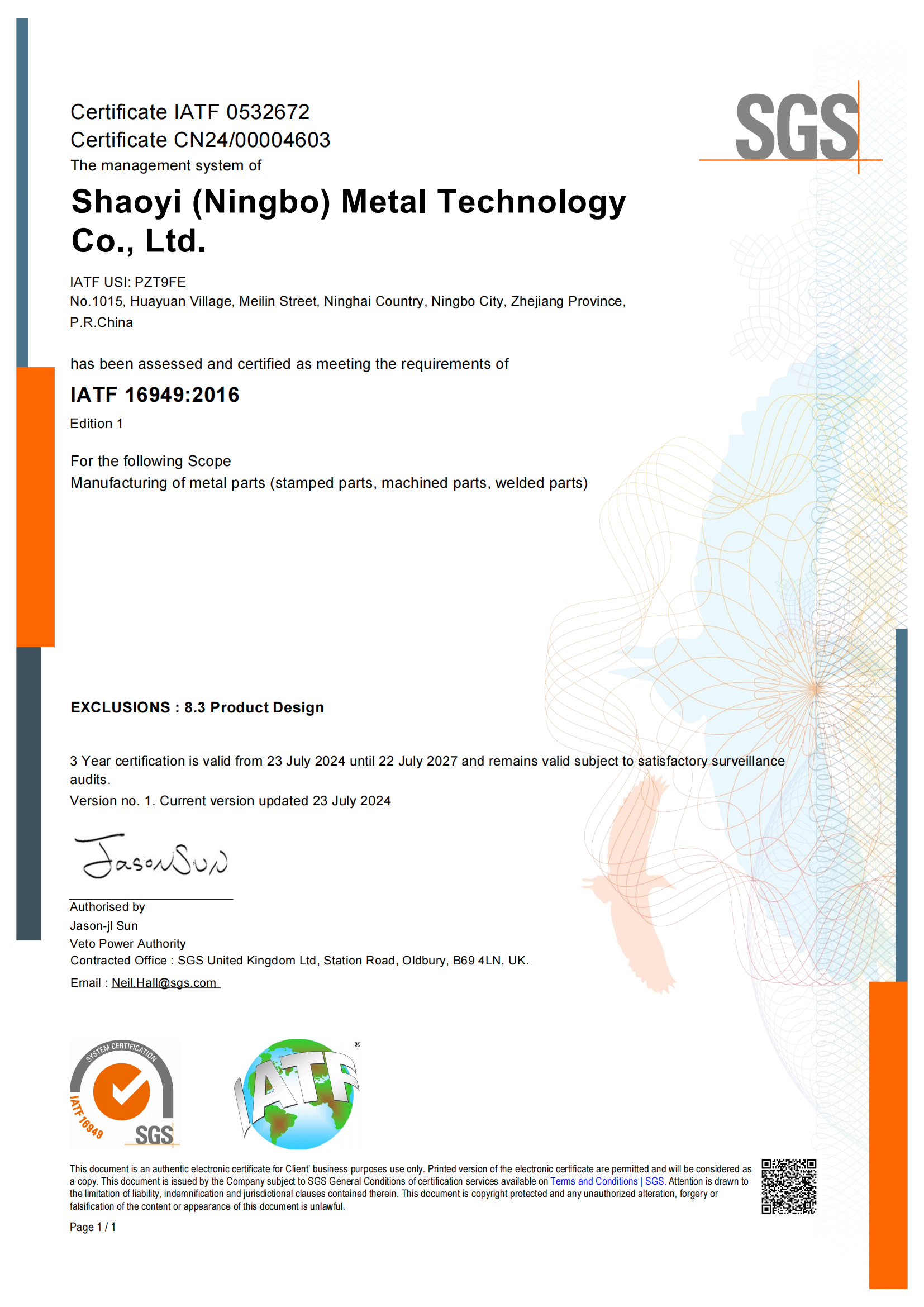
IATF 16949 builds on ISO 9001 with automotive-specific requirements. Developed by the International Automotive Task Force, this certification encompasses additional requirements in product design, production processes, improvement, and customer-specific standards. For automotive buyers, this certification isn't optional—it's essential for ensuring parts meet the stringent reliability demands of vehicle manufacturing.
AS9100D addresses the unique demands of aerospace and defense manufacturing. Because aircraft components must meet extraordinarily high standards for safety and reliability, this certification emphasizes rigorous risk management, configuration control, and product traceability. If you're sourcing parts for anything that flies, your supplier needs AS9100D certification.
ISO 13485 focuses specifically on medical device manufacturing. This certification ensures that all medical devices are designed and manufactured with safety in mind, prioritizing high-quality components where patient safety is paramount. A cnc milling machine producing implantable components, for instance, must operate under ISO 13485 protocols to minimize risks and protect lives.
ITAR (International Traffic in Arms Regulations) applies to defense-related technologies and components. Unlike other certifications, ITAR is a regulatory compliance requirement rather than a voluntary standard. Suppliers handling items on the U.S. Munitions List must implement strict security protocols to control access and prevent unauthorized export of sensitive technologies.
Matching Certifications to Your Industry Requirements
Not every project requires every certification. The key is matching your supplier's credentials to your actual industry needs. A milling machine producing consumer electronics housings operates under different requirements than a lathe machine creating surgical instruments or a wire edm machine cutting aerospace components.
Use this table to identify which certifications matter most for your applications:
| Certification | Focus Area | Primary Industries | Why It Matters to Buyers |
|---|---|---|---|
| ISO 9001:2015 | Quality Management Systems | All manufacturing industries | Confirms documented processes, customer focus, and continuous improvement commitment |
| IATF 16949 | Automotive Quality Standards | Automotive, transportation | Ensures compliance with OEM requirements and supply chain integration protocols |
| AS9100D | Aerospace Quality Management | Aerospace, defense, aviation | Validates safety-critical manufacturing capabilities and traceability systems |
| ISO 13485 | Medical Device Quality | Medical devices, healthcare | Demonstrates compliance with FDA requirements and patient safety protocols |
| ITAR | Defense Export Control | Defense, military contractors | Required for handling controlled defense articles and technical data |
| ISO 14001 | Environmental Management | All industries with sustainability goals | Shows commitment to minimizing environmental impact and sustainable practices |
When evaluating an edm machine shop for precision die work or a vertical milling machine facility for complex aerospace brackets, ask pointed questions about their certifications. Request copies of current certificates and verify expiration dates. Legitimate suppliers proudly display their credentials and welcome verification—hesitation or vague responses should raise concerns.
Remember that certifications require ongoing investment in training, documentation, and audits. A supplier maintaining multiple relevant certifications demonstrates serious commitment to quality that extends beyond marketing promises. This dedication typically translates into more reliable parts, better communication, and fewer surprises throughout your production relationship.
With certification requirements clarified, you're now equipped to understand another crucial dimension of supplier evaluation: the specific types of CNC machines and processes that might serve your manufacturing needs.
Types of CNC Machines and Processes Available
You've assessed supplier certifications and quality systems. But here's a question that trips up many buyers: do you actually understand what equipment your CNC supplier operates? When a supplier lists "milling, turning, and EDM capabilities," do you know which process fits your part requirements? Without this knowledge, you're essentially trusting someone else to make critical manufacturing decisions for you.
The reality is that different CNC machines excel at fundamentally different tasks. A cnc router machine that beautifully carves wooden signage would struggle with hardened steel components. A cnc lathe optimized for cylindrical shafts can't produce the complex pockets you need for an aluminum housing. Understanding these distinctions helps you ask better questions, evaluate supplier capabilities more accurately, and avoid costly mismatches between your parts and their equipment.
Let's break down the major CNC process categories so you can navigate supplier offerings with confidence.
CNC Process Categories Explained
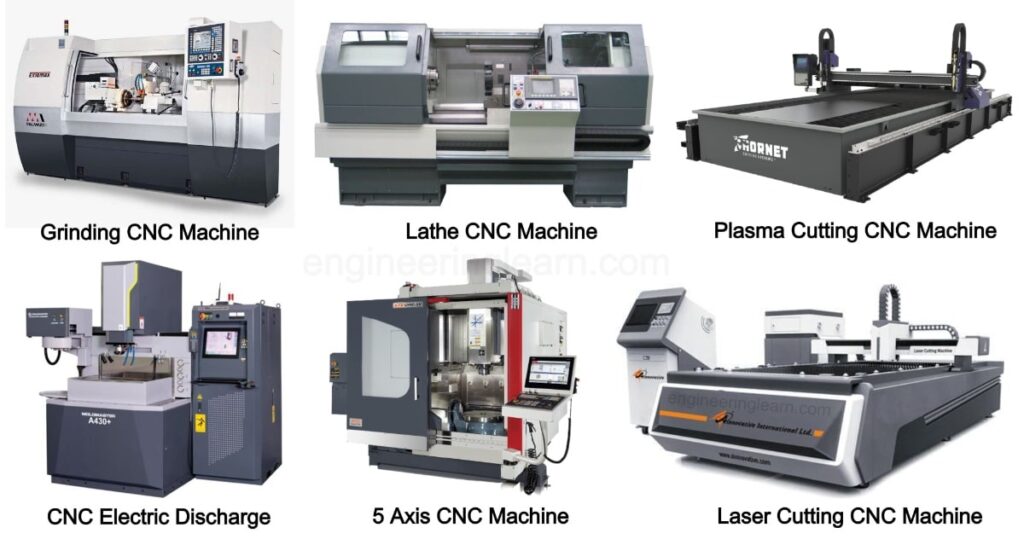
Think of CNC machines as specialized tools in a well-equipped workshop—each designed for specific tasks. According to RapidDirect, understanding the capabilities, pros, cons, and possible applications of CNC machines helps you make better decisions about which machine or which combinations can fulfill your manufacturing needs. Here's how the major categories break down:
- CNC Milling Machines: These workhorses use rotating multi-point cutting tools to remove material from stationary workpieces. A cnc mill can move along 3, 5, or more axes, making it ideal for complex 3D shapes, pockets, slots, and contoured surfaces. Vertical and horizontal configurations serve different access requirements. If your parts feature intricate geometries or flat surfaces with detailed features, milling is likely your answer.
- CNC Lathes and Turning Centers: Unlike milling, turning spins the workpiece while a stationary tool removes material. A cnc lathe excels at creating cylindrical, conical, and spherical shapes—think shafts, bushings, and threaded components. Swiss-style turning handles small, precise features with exceptional accuracy. If your parts are rotationally symmetric, turning offers speed and cost advantages over milling.
- CNC Routers: While similar to mills in principle, routers specialize in softer materials at higher speeds. A cnc wood router can carve intricate patterns in timber, while industrial routers handle plastics, composites, and aluminum sheet goods. These machines typically feature larger work areas but less rigidity than mills, making them perfect for signage, cabinetry, and large-format parts that don't require extreme precision.
- Plasma Cutting Systems: When you need to cut conductive metals quickly, a cnc plasma cutter delivers. These machines use high-temperature ionized gas to melt through steel, aluminum, and other conductive materials. A cnc plasma table handles sheet metal fabrication, structural components, and decorative metalwork efficiently. They're faster than many alternatives for thick materials, though edge quality may require secondary finishing.
- EDM (Electrical Discharge Machining): Sometimes traditional cutting simply won't work. EDM uses controlled electrical sparks to erode material, making it essential for extremely hard metals, intricate internal features, and delicate geometries that would break conventional tools. Wire EDM cuts complex profiles using a thin electrode wire, while sinker EDM creates cavities matching shaped electrodes. Mold makers and aerospace manufacturers rely heavily on EDM capabilities.
- Laser Cutting Systems: For precision cutting across diverse materials, laser technology offers unmatched accuracy. CO₂ lasers handle wood, plastics, and thin metals, while fiber lasers excel at cutting steel and aluminum with minimal heat distortion. When your designs demand intricate details or clean edges on thin materials, laser cutting often proves ideal.
- Waterjet Cutting: Need to cut heat-sensitive materials without thermal distortion? Waterjet systems use high-pressure water streams—often mixed with abrasive particles—to slice through virtually any material. Composites, glass, stone, and thick metals all yield to waterjet cutting without heat-affected zones that could compromise material properties.
Matching Machine Types to Production Requirements
Now that you understand what each process does, how do you determine which one fits your project? According to RapidDirect's process comparison guide, examining the outline of your parts is a good start—cylindrical parts suit turning, while complex prismatic parts with contours or pockets are best addressed using milling.
Consider these factors when matching your needs to supplier capabilities:
- Part Geometry: Round or cylindrical? Turning is your friend. Complex 3D surfaces, pockets, or angular features? Milling makes sense. Flat sheet cutting? Plasma, laser, or waterjet depending on material and precision needs.
- Material Characteristics: Soft materials like wood and plastics often process faster on routers. Hardened steels may require EDM for intricate features. Heat-sensitive composites benefit from waterjet's cold-cutting approach. Match the process to your material's properties.
- Precision Requirements: General-purpose parts with standard tolerances can use faster, less expensive processes. Tight-tolerance aerospace or medical components demand equipment with proven precision capabilities—often 5-axis milling or precision grinding.
- Production Volume: High-volume runs benefit from process efficiency and automation. A plasma table can cut hundreds of brackets per day, while complex 5-axis milling might only produce a handful of aerospace components in the same timeframe. Align process selection with your quantity needs.
- Surface Finish Requirements: Some processes leave rougher surfaces than others. Plasma cutting creates a heat-affected edge requiring cleanup. Milling with proper parameters produces near-finished surfaces. If your parts need specific finishes, verify the supplier's process can deliver—or plan for secondary operations.
Smart CNC suppliers organize their capabilities by machine type, process, and industry specialization precisely because these categories matter. When evaluating potential partners, look for clear documentation of their equipment roster and the processes they've mastered. A supplier with a cnc router, several mills, and turning centers offers more flexibility than one with only basic 3-axis milling.
The difference between a good part and a rejected part often comes down to selecting the right process for the job—not just the cheapest or fastest option.
Understanding these process categories transforms you from a passive buyer into an informed partner. You'll recognize when a supplier's equipment genuinely matches your requirements—and when their capabilities fall short. This knowledge also helps you anticipate potential issues before they become expensive problems, setting the stage for evaluating what happens after the initial purchase.
Support and Service Considerations Beyond the Sale
You've identified the right CNC machines and processes for your needs. The supplier's certifications check out, and their equipment list looks impressive. But here's where many buyers make a costly mistake: they sign the purchase order without investigating what happens after the equipment arrives. What good is a sophisticated lathe or high-speed milling center if you can't get spare collets when they wear out? What happens when your cnc operator encounters a programming issue at 2 AM during a critical production run?
The truth is, your relationship with a CNC supplier really begins after the sale. According to Machining-Custom, apart from focusing on a supplier's machining capabilities and quotes, the after-sales service—especially the timeliness of technical support and issue resolution—plays a pivotal role in determining the success of collaboration. Let's explore the support factors that separate exceptional suppliers from those who disappear once your check clears.
Evaluating Long-Term Support Infrastructure
Imagine purchasing a complex 5-axis machining center only to discover that replacement lathe tooling takes six weeks to arrive, or that technical support operates strictly during business hours in a timezone eight hours ahead of yours. These scenarios aren't hypothetical—they happen to buyers who skip the support evaluation step.
Before committing to any supplier, investigate these critical support factors:
- Technical Support Availability and Response Time: How quickly does the supplier respond when problems arise? According to YCM Alliance, you should research the manufacturer's reputation for technical support, looking for companies with knowledgeable support staff, reasonable response times, and multiple contact methods. Test their responsiveness during your evaluation—call or email with a technical question and see how long it takes to get a meaningful answer.
- Training Programs and Resources: Does the supplier offer comprehensive training for your team? Some providers deliver on-site installation and hands-on training, while others rely on online videos or regional training centers. For teams new to CNC equipment, in-person training typically proves far more effective than self-guided learning. Ask about curriculum depth, instructor qualifications, and whether refresher courses are available.
- Warranty Terms and Coverage: What exactly does the warranty cover, and for how long? Dig into the details—some warranties exclude wear items like end mill cutters, spindle bearings, or electronic components. Understand what's included, what voids coverage, and what the claims process involves. Extended warranty options can provide valuable peace of mind for complex equipment.
- Parts Availability and Lead Times: When a critical component fails, how quickly can you get a replacement? Ask about parts inventory—do they stock common wear items and spare parts locally, or does everything ship from overseas? Mechanical Power notes that a good range of products makes collaboration more effective since you won't have to search different places for necessary spare parts.
- Preventive Maintenance Programs: Does the supplier offer scheduled maintenance services? Regular equipment care prevents costly breakdowns and extends machine life. Some suppliers provide maintenance contracts that include periodic inspections, calibration verification, and proactive component replacement before failures occur.
- Documentation Quality: Evaluate the operator manuals, machinist tools lists, and technical documentation provided. Comprehensive documentation helps your team troubleshoot issues independently and maintain equipment properly. Poor documentation often signals poor overall support infrastructure.
The Hidden Value of Supplier Ecosystems
Beyond direct support services, consider the broader ecosystem surrounding your potential supplier. This network of resources, partnerships, and upgrade paths often determines your long-term satisfaction more than the initial equipment specifications.
Think about it this way: when you buy into a supplier's ecosystem, you're not just purchasing a machine—you're joining a community with access to shared knowledge, compatible accessories, and proven upgrade paths. Here's what to evaluate:
- User Communities and Forums: Does an active user community exist where operators share tips, troubleshooting advice, and best practices? According to YCM Alliance, checking user forums and reviews provides insights into real-world support experiences that marketing materials never reveal. Engaged communities indicate healthy products and responsive manufacturers.
- Accessory and Tooling Compatibility: Can you easily source compatible lathe tools, workholding devices, and accessories from multiple vendors? Ecosystems built on proprietary, hard-to-find components create dependency and limit your options. Open systems with wide accessory compatibility give you flexibility and competitive pricing.
- Software Updates and Upgrades: How does the supplier handle control system updates? Regular software improvements add capabilities and fix bugs. Ask about update frequency, costs, and installation requirements. Suppliers who abandon software development after sale leave you stuck with aging technology.
- Upgrade Paths and Trade-In Programs: What happens when your needs outgrow your current equipment? Some suppliers offer trade-in programs that provide credit toward larger or more capable machines. Others have modular upgrade options—adding axes, automation, or enhanced capabilities to existing equipment. These paths protect your initial investment as your business grows.
- Local Service Network: Does the supplier maintain service technicians in your region? Local presence dramatically improves response time for on-site repairs. As YCM Alliance emphasizes, local support availability can significantly impact your experience—especially when equipment failures threaten production deadlines.
Your supplier relationship extends far beyond the initial purchase and significantly impacts your long-term success.
Taking time to evaluate support infrastructure might seem tedious when you're eager to get equipment installed and running. But experienced buyers know that thorough due diligence here prevents countless headaches later. The supplier who answers your pre-sale questions promptly and thoroughly will likely do the same when you're troubleshooting a production issue at a critical moment.
With support considerations addressed, one more factor deserves your attention before making a final supplier decision: where your equipment is actually manufactured and what that means for your supply chain reliability.
Manufacturing Origin and Supply Chain Reliability
You've evaluated certifications, equipment capabilities, and support infrastructure. But there's one more factor that experienced buyers scrutinize carefully: where is the equipment actually manufactured? When browsing cnc machines for sale, you'll encounter claims like "Made in USA," "German Engineering," or "Precision Japanese Manufacturing." But what do these origin designations actually mean for your purchasing decision? And more importantly, how does manufacturing location affect your day-to-day operations once that metal lathe or milling machine arrives on your shop floor?
Understanding the implications of machining manufacturing origin goes beyond patriotic preferences—it directly impacts lead times, communication efficiency, and your ability to get support when you need it most.
Manufacturing Origin and Quality Correlation
Does where a CNC machine is built actually affect its quality? The answer is nuanced. According to CNC Machines, American manufacturing often adheres to rigorous certifications like ISO 9001 and AS9100, along with strict process controls that ensure each machined part meets or exceeds specified tolerances. Buyers receive consistently accurate, defect-free parts—key for demanding applications that leave little room for error.
However, quality isn't exclusive to any single country. What matters more is the regulatory environment and quality culture surrounding the manufacturer. Consider these origin-related factors:
- Regulatory Standards: Manufacturers in countries with strict health, safety, and environmental regulations typically maintain higher baseline quality standards. U.S. and European facilities operate under comprehensive oversight that extends to worker training, equipment maintenance, and environmental compliance.
- Quality Culture: Some regions have developed deep manufacturing expertise over decades. Japanese precision engineering, German mechanical excellence, and American innovation each bring distinct strengths to CNC equipment design and production.
- Transparency and Accountability: Domestic manufacturers face easier audit access and legal accountability. If quality issues arise, pursuing resolution with a local manufacturer proves far simpler than navigating international legal systems.
When searching for a cnc supplier near me, remember that proximity often correlates with accountability. Local manufacturers stake their reputation on every machine they ship—they can't simply disappear across international borders when problems emerge.
Supply Chain Reliability Factors
Beyond quality considerations, manufacturing origin dramatically affects your supply chain resilience. According to Frigate, offshore dependencies mean any deviation in the global supply chain—like container shortages or transportation strikes—can result in idle production lines and missed market windows. A Deloitte report showed that over 40% of global manufacturers identified offshore sourcing instability as a top operational risk.
Here's how geographic manufacturing presence impacts your operations:
- Lead Time Predictability: Domestic suppliers eliminate customs delays, international shipping variables, and port congestion risks. When you need replacement parts for your milling machines, a local source might deliver in days rather than weeks.
- Communication Efficiency: Same timezone operations mean real-time collaboration. Questions get answered the same business day, engineering changes happen faster, and misunderstandings are resolved before they become expensive problems.
- Emergency Response: Equipment failures don't respect business hours or shipping schedules. Domestic manufacturers can dispatch technicians quickly and air-freight critical components overnight. Offshore suppliers face inherent delays that extend every factory automation downtime incident.
- Relationship Building: Face-to-face meetings, facility tours, and personal relationships remain invaluable for complex manufacturing partnerships. Visiting a domestic facility costs a plane ticket and a day's travel—not an international expedition.
The COVID-19 pandemic exposed supply chain vulnerabilities that many buyers had previously ignored. Companies dependent on overseas equipment sources faced months-long delays while domestic-focused operations maintained relatively normal delivery schedules. That lesson continues influencing purchasing decisions today.
Choosing a manufacturing origin isn't about nationalism—it's about aligning your supply chain with your operational risk tolerance and support expectations.
Smart buyers weigh these origin factors against their specific circumstances. High-volume production of standard components might tolerate longer lead times in exchange for cost savings. But mission-critical equipment requiring responsive support? That's where domestic manufacturing origins often justify premium pricing. With these supply chain considerations in mind, you're ready to build a comprehensive framework for making your final CNC supplier selection.
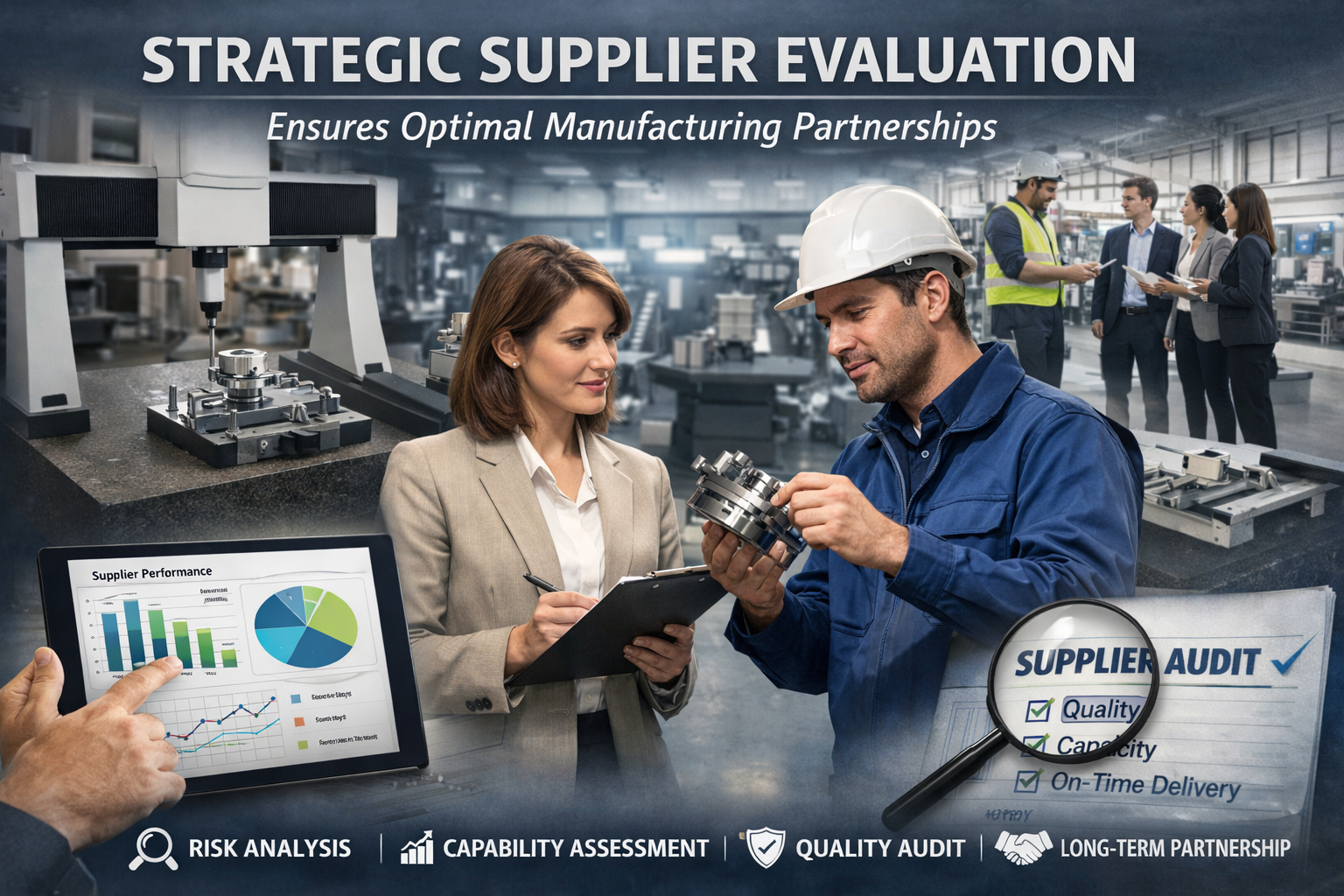
Choosing the Right CNC Supplier for Your Industry
You've evaluated certifications, assessed equipment capabilities, investigated support infrastructure, and considered manufacturing origins. Now it's time to synthesize everything into a practical decision framework. How do you actually choose the right CNC supplier when multiple vendors check similar boxes? The answer lies in matching supplier strengths to your specific industry requirements and business objectives.
Whether you're searching for an auto machine shop near me or evaluating global manufacturing partners, the selection process demands a structured approach. According to MFG Solution, choosing a CNC precision machining supplier is not just about price or lead time—it's about finding a partner who understands your industry's unique challenges, meets your quality requirements, and grows with your business over time. Let's build the evaluation checklist that will guide your final decision.
Building Your Supplier Evaluation Checklist
Think of this as your roadmap through the supplier selection maze. Each step builds on the previous, creating a comprehensive picture of whether a potential partner truly fits your needs. Many manufacturers seeking cnc machinist jobs or cnc jobs prioritize companies with rigorous supplier evaluation processes—because working with qualified suppliers creates better working environments for everyone involved.
Follow this step-by-step evaluation process:
- Define Your Technical Requirements First: Before contacting any supplier, document exactly what you need. What materials will you machine? What tolerances must parts achieve? What cnc milling capabilities are essential? What volumes do you anticipate? Clear specifications prevent wasted time evaluating suppliers who can't meet your baseline requirements.
- Verify Certification Alignment: Match the supplier's certifications to your industry mandates. Medical device projects require ISO 13485. Aerospace work demands AS9100D. Automotive applications need IATF 16949. Don't compromise on certifications—they represent verified quality systems, not optional credentials.
- Assess Process Control Capabilities: Request evidence of Statistical Process Control (SPC) implementation. According to Longsheng Manufacturing, suppliers with robust SPC protocols and advanced in-process inspection ensure every component is right the first time. Look for documented Cp/Cpk data on critical features and ask how they monitor process stability during production runs.
- Evaluate cnc programming Expertise: The sophistication of a supplier's programming team directly impacts part quality and production efficiency. Do they use simulation software to validate complex toolpaths before cutting metal? Can they optimize programs to reduce cycle times without sacrificing accuracy? Experienced cnc machine operator teams with strong programming skills deliver better results.
- Investigate Lead Time Performance: Ask for on-time delivery metrics over the past 12 months. Suppliers committed to Just-In-Time production maintain detailed OTD tracking. As Longsheng notes, delivery reliability often trumps price in today's uncertain global market. A supplier who consistently misses deadlines will cost you far more than any initial savings suggest.
- Review Quality Problem Resolution: Request examples of how the supplier handled quality issues in the past. Their response process reveals more about their culture than any marketing material. Look for root cause analysis documentation, corrective action implementation, and verification of effectiveness.
- Confirm Engineering Collaboration Capabilities: The best manufacturing partnerships include Design for Manufacturability (DFM) support. Can the supplier suggest material alternatives or tolerance optimizations that reduce costs without compromising performance? This collaborative approach often delivers significant value beyond basic machining services.
- Validate Supply Chain Stability: Inquire about raw material sourcing strategies. Do they maintain dual suppliers for critical alloys? What buffer stock strategies protect against market disruptions? Suppliers with mature supply chain management prevent your production from stalling due to upstream problems.
Automotive Industry Supplier Requirements
Automotive manufacturing imposes uniquely demanding requirements on CNC suppliers. A single flawed part can trigger recalls affecting thousands of vehicles, regulatory investigations, and irreparable reputation damage. That's why automotive OEMs and Tier 1 suppliers maintain such rigorous supplier qualification standards.
For automotive projects, your evaluation must emphasize these specific factors:
- IATF 16949 Certification Is Non-Negotiable: This automotive-specific quality standard encompasses defect prevention, statistical process control, and continuous improvement methodologies that generic ISO 9001 doesn't address. According to Modo Rapid, IATF 16949 ensures CNC suppliers can consistently deliver parts that meet stringent automotive standards, focusing on defect prevention, traceability, and lean production systems.
- PPAP and APQP Documentation Expertise: Automotive programs require Production Part Approval Process submissions before production begins. Suppliers must demonstrate familiarity with control plans, FMEA documentation, and measurement system analysis. If a potential partner struggles to explain their PPAP process, walk away.
- Proven PPM Performance: Quality in automotive is measured in parts per million defects. Ask for actual PPM data—qualified automotive suppliers track this rigorously. Longsheng Manufacturing highlights cases where their process control reduced defective rates to below 50 PPM, with 100% passing dynamic balancing tests. These specific metrics matter far more than vague quality promises.
- Rapid Response Capabilities: Automotive production schedules don't wait. When engineering changes arise or urgent orders appear, your supplier must respond quickly. Look for suppliers offering rapid lead times—some facilities deliver precision components with lead times as fast as one working day when production demands it.
Shaoyi Metal Technology exemplifies these automotive supplier requirements with their IATF 16949 certification and strict Statistical Process Control implementation. Their facility delivers high-tolerance components for chassis assemblies, custom metal bushings, and other precision automotive applications. For manufacturers seeking reliable automotive machining solutions that scale from rapid prototyping to mass production, their automotive precision machining capabilities demonstrate the certification-backed quality and responsive delivery that serious automotive programs demand.
The right CNC supplier isn't simply a vendor—they become an extension of your manufacturing capabilities, directly impacting your product quality and customer satisfaction.
Selecting a CNC supplier represents one of the most consequential decisions you'll make for your manufacturing operations. Rush this process, and you'll spend months recovering from quality problems, missed deliveries, and communication breakdowns. Invest time in thorough evaluation using this framework, and you'll build a partnership that delivers consistent results for years to come.
Remember: the eight evaluation points throughout this guide—from understanding supplier types to assessing certifications, equipment capabilities, support infrastructure, manufacturing origin, and industry-specific requirements—work together as a comprehensive screening system. Use them all, document your findings, and trust the process. Your future self will thank you when production runs smoothly and quality concerns remain somebody else's problem.
Frequently Asked Questions About CNC Suppliers
1. What is a CNC manufacturer?
A CNC manufacturer is a company that designs, engineers, and produces Computer Numerical Control machines from raw materials to finished equipment. Unlike distributors or dealers who resell machines from various brands, manufacturers control the entire production process. This distinction matters because buying directly from manufacturers often provides access to the latest technology and direct technical support, though authorized dealers and distributors offer added value through local presence, consolidated purchasing options, and faster delivery times for many buyers.
2. What is the hourly rate for a CNC machine?
CNC machining hourly rates vary significantly based on machine type, complexity, and geographic location. In the UK, rates typically range from £25 to £120 per hour. 3-axis machines generally cost £25-£50/hour, while more complex 5-axis equipment commands premium rates. In the US, comparable rates apply with variations based on regional labor costs and machine sophistication. When evaluating CNC suppliers, consider that lower hourly rates may not include setup costs, programming time, or quality inspection—factors that significantly impact your total project cost.
3. How profitable is a CNC business?
CNC businesses can achieve profit margins of 10% to 30% when creating custom designs, which is notably higher than many e-commerce models like dropshipping. Profitability depends on several factors including equipment utilization rates, material efficiency, operator expertise, and market positioning. Suppliers with certifications like ISO 9001 or industry-specific credentials like IATF 16949 often command premium pricing due to verified quality systems. The key to profitability lies in matching your capabilities to market demands and maintaining high equipment uptime through preventive maintenance programs.
4. What certifications should I look for in a CNC supplier?
The certifications you need depend on your industry. ISO 9001:2015 serves as the baseline quality management standard every legitimate supplier should hold. For automotive projects, IATF 16949 is non-negotiable as it ensures defect prevention and lean production systems. Aerospace applications require AS9100D certification for safety-critical manufacturing. Medical device production demands ISO 13485 compliance. Defense-related work requires ITAR registration. Always request copies of current certificates and verify expiration dates—legitimate suppliers welcome this verification.
5. Should I buy CNC equipment or outsource machining services?
This decision depends on your production volume, capital availability, and operational capabilities. Purchasing equipment makes sense for long-term, stable, high-volume production where you need complete control over scheduling and quality. The upfront investment is significant, and you'll need skilled operators. Outsourcing to machining service providers eliminates capital investment and is ideal for variable volumes, specialized one-off projects, or when testing new product designs. Many manufacturers find success combining both approaches—handling core operations in-house while outsourcing specialized or overflow work to trusted partners.