 Small batches, high standards. Our rapid prototyping service makes validation faster and easier —
  EN
EN


Machining Service Near Me: 9 Costly Mistakes Buyers Make First
Understanding the Local Machining Service Search
When you type "machining service near me" into a search engine, you're not just looking for any manufacturer. You're seeking a local partner capable of delivering precision CNC milling, turning, grinding, and custom fabrication services within your region. These searches represent a growing trend among buyers who recognize that geographic proximity can make or break a manufacturing project.
What Local Machining Service Searches Really Mean
Behind every local machining search lies a specific need. Some buyers require rapid prototyping with quick iteration cycles, where being able to visit a facility and discuss design modifications face-to-face accelerates development timelines. Others are searching for ongoing production partnerships, where consistent quality and reliable delivery schedules matter most. Whether you're sourcing components for automotive, aerospace, medical devices, or industrial equipment, finding CNC machining services in Georgia or any specific region signals your intent to build a relationship based on accessibility and accountability.
This guide focuses on practical buyer education rather than technical machining tutorials. You'll learn how to evaluate providers, avoid costly procurement mistakes, and prepare your projects for success. Think of it as your roadmap to making smarter decisions when sourcing precision manufacturing capabilities.
Why Proximity Matters in Precision Manufacturing
Why do experienced procurement professionals prioritize local CNC services? The answer goes beyond simple convenience. According to industry insights from Brown Industries, local machine shops can respond rapidly to rush orders, last-minute design changes, or emergency repairs, minimizing costly downtime for your business. Geographic proximity also enables frequent hands-on quality inspections, which are vital for maintaining consistent OEM parts quality, as noted by Servintec USA.
Here are the primary reasons buyers search for machining services near their location:
- Faster turnaround times: Local providers understand urgency and can often deliver quicker lead times than distant competitors, especially for prototypes or rush orders.
- Easier communication: In-person meetings, facility tours, and direct access to engineers foster collaboration and reduce misunderstandings that remote suppliers cannot replicate.
- Reduced shipping costs for heavy parts: Large or heavy components become expensive to ship across long distances, making regional machining Georgia providers more cost-effective.
- Ability to visit facilities: On-site visits let you monitor production processes, verify quality control measures, and build trust through transparency.
Whether you need CNC machining services near you for a single prototype or a long-term production contract, understanding these advantages helps you make informed decisions. In the following sections, you'll discover how to evaluate providers, compare processes, and avoid the costly mistakes that trip up first-time buyers.
Types of Machining Processes and Their Applications
Choosing the right machining process can mean the difference between a part that performs flawlessly and one that fails under stress. When searching for CNC milling services in Georgia or turning services nearby, understanding what each process offers helps you communicate effectively with potential providers and avoid costly mismatches between your project requirements and their capabilities.
Core Machining Processes Explained
Think of machining processes like tools in a toolbox. Each serves a specific purpose, and selecting the wrong one wastes time, money, and materials. Here's what you need to know about the most common processes you'll encounter when sourcing local manufacturing partners.
CNC Milling uses rotating cutting tools to remove material from a stationary workpiece. Imagine a sculptor carving away clay, except the sculptor is a computer-controlled spindle capable of creating complex geometries with remarkable precision. When you need parts with intricate pockets, slots, contoured surfaces, or multiple features at various angles, milling is typically your go-to process. A reputable CNC milling company in Georgia can produce everything from simple brackets to complex aerospace housings.
CNC Turning flips the script. Here, the workpiece rotates while a stationary cutting tool shapes it. This process excels at creating cylindrical components like shafts, bushings, pins, and fittings. If your part looks like it could roll across a table, a CNC turning company is likely your best starting point. Turning services in Georgia often combine this capability with secondary operations to deliver complete parts.
Grinding comes into play when standard machining tolerances aren't tight enough. This finishing process uses abrasive wheels to achieve surface finishes and dimensional accuracy that milling and turning simply cannot match. When your specifications call for tolerances below ±0.001 inches or mirror-like surface finishes, grinding becomes essential.
Boring enlarges and refines existing holes to precise diameters and surface finishes. While drilling creates holes, boring perfects them. This process is critical for engine blocks, hydraulic cylinders, and any component where hole accuracy directly affects performance.
Multi-Axis Machining takes milling to another level. According to Kesu Group's technical comparison, 5-axis CNC machining moves the cutting tool along five different axes simultaneously, including three linear axes (X, Y, Z) and two rotational axes. This allows the tool to approach the workpiece from virtually any angle, enabling complex geometries to be machined in a single setup. Aerospace components like turbine blades and impellers, along with intricate automotive parts, often require this capability.
Electrical Discharge Machining (EDM) uses a completely different approach. Instead of cutting, EDM removes material through electrical sparks between an electrode and the conductive workpiece. This non-contact process excels at machining high-hardness materials like tool steel, titanium, and Inconel. Wire EDM cuts intricate profiles, while sinker EDM creates complex cavities for molds and dies. The process achieves tolerances as tight as ±0.005 mm and can produce sharp internal corners that traditional machining cannot.
Matching Your Project to the Right Process
How do you determine which process your project requires? Start with your part's geometry and specifications.
Sounds complex? It doesn't have to be. Ask yourself these questions:
- Is your part primarily cylindrical or round? Consider CNC turning services first.
- Does your part feature complex pockets, contours, or angled surfaces? CNC milling is likely the answer.
- Do your tolerances fall below ±0.001 inches? Plan for grinding as a finishing operation.
- Does your design include undercuts or features accessible only from multiple angles? Multi-axis machining eliminates the need for multiple setups.
- Are you working with hardened steel or require sharp internal corners? EDM may be your only viable option.
The following table provides a quick reference for comparing these processes:
| Process Type | Best Applications | Typical Tolerances | Material Compatibility |
|---|---|---|---|
| CNC Milling | Complex geometries, pockets, contoured surfaces, housings | ±0.005" to ±0.001" | Aluminum, steel, titanium, plastics, composites |
| CNC Turning | Cylindrical parts, shafts, bushings, pins, fittings | ±0.005" to ±0.001" | Most metals and plastics |
| Grinding | Tight tolerance finishing, precision surfaces | ±0.0005" or tighter | Hardened steels, ceramics, carbides |
| Boring | Precision hole enlargement, cylinder bores | ±0.001" to ±0.0005" | Most machinable metals |
| 5-Axis Machining | Turbine blades, impellers, aerospace and automotive components | ±0.01 mm (±0.0004") | Aluminum, steel, titanium, Inconel |
| EDM (Wire/Sinker) | Molds, dies, sharp corners, micro-holes, hardened materials | ±0.005 mm (±0.0002") | Conductive materials only (tool steel, titanium, carbide) |
Many projects require multiple processes working together. A mold, for example, might use 5-axis machining for roughing and semi-finishing to reduce cycle time, followed by EDM for finishing sharp corners and fine details. When evaluating local providers, look for shops that offer complementary capabilities or established partnerships with specialists. This hybrid approach leverages the strengths of each process while keeping your project moving efficiently.
Understanding these fundamentals puts you in a stronger position when requesting quotes and evaluating potential machining partners. In the next section, you'll learn exactly how to assess local providers and identify the certifications, equipment, and quality systems that separate reliable shops from risky ones.
How to Evaluate Local Machining Service Providers
Finding a CNC machine company in Georgia or any region is one thing. Knowing whether they can actually deliver quality parts on time and within budget is another challenge entirely. The difference between a reliable machining partner and a costly mistake often comes down to asking the right questions before you commit to a purchase order.
When you're searching for precision CNC machining services, you're not just buying parts. You're investing in a relationship that affects your production schedules, product quality, and ultimately your reputation with your own customers. Let's break down exactly how to separate the best CNC machining companies from those that will leave you scrambling for alternatives mid-project.
Essential Questions for Machining Service Providers
Imagine walking into a machine shop without knowing what to ask. You might leave impressed by shiny equipment, only to discover weeks later that they can't meet your tolerances or timeline. Experienced procurement professionals avoid this trap by asking pointed questions upfront.
According to a comprehensive evaluation guide from W.H. Bagshaw Company, the quality of your final product depends on the quality of the precision-machined parts you use, so you can't afford to work with just any provider. Here are the must-ask questions before committing to any CNC company in Georgia or elsewhere:
- What are your capabilities and equipment? A shop with only 3-axis mills cannot produce parts requiring 5-axis machining. Verify their equipment matches your project needs.
- What are your typical lead times? Lead times vary dramatically between shops. Understanding their capacity and current workload prevents nasty surprises.
- Do you offer prototyping to production scaling? If you're starting with prototypes, confirm they can handle volume production when you're ready to scale.
- Do you outsource any part of the machining process? Outsourcing adds lead time, potential quality variations, and communication gaps. Know where your parts are actually being made.
- What quality documentation do you provide? First Article Inspection reports, material certifications, and dimensional inspection data should be standard for precision work.
- Can you provide references from similar projects? A reputable shop welcomes this question. Hesitation is a red flag.
- Do you offer an inventory stocking program? For ongoing production, stocking programs reduce lead times and ensure parts availability when you need them.
These questions accomplish two things. They reveal the shop's actual capabilities, and they demonstrate that you're a serious buyer who understands the machining process. Shops that appreciate informed customers tend to deliver better service.
Certifications That Signal Quality
Certifications aren't just fancy paperwork hanging on a wall. They represent verified systems for maintaining consistent quality, traceability, and continuous improvement. When evaluating a CNC machining company in Georgia or nationwide, certifications tell you what standards they're held to and who's checking their work.
As noted by Machine Shop Directory, 67% of OEMs require ISO 9001 certification from their suppliers. Here's what the key certifications mean for you as a buyer:
- ISO 9001: The foundation of quality management systems. This certification proves the shop has documented processes, conducts regular audits, and commits to continuous improvement. It's the baseline for professional manufacturing.
- IATF 16949: Builds on ISO 9001 with additional requirements specific to automotive supply chains. If you're sourcing components for automotive applications, this certification is often mandatory.
- AS9100: The aerospace industry's quality standard. AS9100 certification costs between $10,000 and $25,000 for audits alone, which shows a shop's serious investment in meeting aerospace requirements.
- NIMS Credentials: While company certifications matter, so do individual machinist credentials. NIMS (National Institute for Metalworking Skills) certifications validate that operators possess advanced manufacturing skills.
Beyond certifications, ask about their quality control processes. Statistical Process Control (SPC) uses real-time data to monitor production and catch deviations before they become defects. Shops with documented inspection procedures, calibrated measuring equipment, and clear non-conformance protocols demonstrate a genuine commitment to quality rather than just checking boxes.
One shop owner quoted in industry research put it well: "Certifications show our clients we're serious about quality. They're not just paperwork—they're a commitment to excellence in every part we make."
Red Flags That Should Send You Running
Knowing what to look for is only half the battle. You also need to recognize the warning signs that indicate a provider might cause problems down the road. Watch for these red flags when evaluating precision CNC machining services:
- Vague or evasive answers about capabilities: Professional shops know their equipment and limitations. If answers feel unclear, your project might be their learning curve.
- No quality certifications: While small shops may lack ISO certification, they should still have documented quality processes. No certifications combined with no documented procedures signals risk.
- Unwillingness to provide references: Every established shop has satisfied customers. Reluctance to share references suggests they don't have any worth calling.
- Lack of clear communication: If getting answers during the quoting process feels like pulling teeth, imagine how difficult production issues will be to resolve.
- Unrealistic promises: Quotes significantly lower than competitors or lead times that seem too good to be true usually are. These shops often cut corners or miss deadlines.
- No facility tour option: Reputable shops welcome visits. Those that discourage or refuse tours may be hiding outdated equipment, disorganized operations, or outsourcing arrangements they don't want you to see.
Shops with certifications like ISO 9001 report tangible improvements in their operations. According to industry data, certified shops experience lower rework rates and win approximately 15% more contracts on average. These statistics underscore why certifications matter beyond the paperwork—they correlate with actual operational excellence.
Armed with these evaluation criteria, you're ready to separate qualified machining partners from those that will cost you time and money. The next critical factor in your decision involves understanding what drives machining costs and how to interpret the quotes you receive.
Pricing Factors and Cost Drivers for Machining Services
You've identified qualified providers and understand which processes your project requires. Now comes the question that makes or breaks most procurement decisions: how much will this actually cost? Unlike commodity products with fixed prices, machining quotes vary dramatically based on factors that aren't always obvious to first-time buyers.
According to research from Modern Machine Shop, buyers routinely encounter a factor-of-10 discrepancy in quoted prices for identical machining work. That's not a typo. The same part can cost $50 from one shop and $500 from another. Understanding what drives these differences helps you evaluate quotes intelligently rather than simply chasing the lowest number.
What Drives Machining Service Costs
When you request a quote for custom CNC milling in Georgia or precision turned components anywhere, multiple variables determine your final price. Here's how these factors rank from highest to lowest impact on what you'll pay:
- Part complexity and geometry: Complex parts with intricate features, tight internal corners, deep cavities, or thin walls require more machining time, specialized tooling, and often multiple setups. According to Xometry's cost analysis, features like sharp internal corners, non-standard hole sizes, and lettering inevitably increase costs and should be avoided unless absolutely necessary.
- Tolerance requirements: Tighter tolerances demand slower cutting speeds, more inspection time, and often secondary finishing operations like grinding. A part with ±0.001" tolerances costs significantly more than the same geometry at ±0.005".
- Material selection: Material costs vary widely, but machinability matters just as much. Hard-to-machine materials like titanium or Inconel consume more time, cutting tools, and electricity than aluminum or brass. The price difference between materials can shift your quote substantially.
- Order volume: Setup costs get distributed across all parts in a run. Xometry's data shows that the cost per unit for 1,000 parts is approximately 88% less than for a single unit. This economy of scale makes volume production dramatically cheaper per piece.
- Surface finish specifications: Standard as-machined finishes add minimal cost. Mirror finishes, specific roughness requirements (measured in Ra), or decorative finishes require additional operations and inspection.
- Equipment requirements: 5-axis machining costs more than 3-axis work. Mills typically cost more to operate than lathes due to their complexity. If your part requires specialized equipment, expect premium pricing.
- Setup and programming fees: Every job requires CAD/CAM preparation, machine setup, and first-article inspection. These costs apply regardless of quantity and explain why single prototypes seem expensive compared to production runs.
Why do shops quote such different prices for identical work? Modern Machine Shop's analysis identifies ten contributing factors, including regional cost differences, shop capacity, automation levels, supplier relationships, and even quoting errors. A shop in a rural area might comfortably quote lower than one competing for aerospace work. A busy shop bids higher than one with open capacity. Understanding this variability helps you recognize that the lowest quote isn't always the best value.
Understanding Quotes and Pricing Structures
When quotes arrive, you'll encounter different pricing approaches. Knowing what to expect helps you compare apples to apples.
Per-piece pricing works best for production runs where you're ordering consistent quantities. You pay a fixed amount per part, with setup costs either amortized into the piece price or listed separately. This structure makes budgeting straightforward once you know your volumes.
Project-based quotes cover everything in one number: setup, programming, materials, machining, and inspection. This approach is common for prototypes or complex assemblies where itemizing every element becomes impractical. While convenient, project quotes can obscure where your money actually goes.
Volume discounts reward larger orders because setup costs spread across more parts. When evaluating rapid machining services in Georgia or elsewhere, ask about price breaks at different quantities. You might find that ordering 50 pieces instead of 25 barely increases your total cost while halving your per-unit expense.
Prototype versus production pricing reflects fundamentally different economics. Prototype machining involves full setup costs for small quantities, making per-piece prices seem astronomical. Production runs amortize those same setup costs across hundreds or thousands of parts. If a shop quotes $200 per piece for a prototype, don't assume production will cost anywhere near that. Ask for production pricing at your anticipated volumes.
Minimum order quantities (MOQs) exist because some jobs aren't worth running at very low volumes. Setup time, programming, and first-article inspection take the same effort whether you order 5 parts or 50. Shops set minimums to ensure jobs remain profitable. If you need fewer parts than a shop's minimum, expect to pay for their minimum quantity anyway—or find a shop specializing in low-volume precision CNC milling work.
Pro tip: When budgeting for machining projects, request quotes at multiple quantity levels. The price breaks often reveal the sweet spot where your per-unit cost drops significantly without overcommitting to inventory you don't need.
Post-processing adds costs that sometimes surprise buyers. Heat treatment, anodizing, plating, or specialty coatings require additional vendors or in-house capabilities. Some shops include these in their quotes; others quote machining only. Always clarify what's included before comparing numbers.
With a solid understanding of cost drivers and pricing structures, you're positioned to evaluate quotes critically rather than defaulting to the cheapest option. Next, you'll learn exactly how to prepare your project files and specifications to get accurate quotes and avoid the back-and-forth that delays projects and frustrates both parties.
Preparing Your Project for Machining Quotes
You've evaluated providers and understand pricing factors. Now comes the step that separates smooth projects from frustrating delays: preparing your files and specifications correctly before requesting quotes. Incomplete or improperly formatted project information forces machine shops to make assumptions, ask clarifying questions, or worse, quote based on misunderstandings that surface only after production begins.
When you approach a prototype machine shop in Georgia or any CNC rapid prototyping provider, the quality of information you provide directly affects the accuracy of your quote and the success of your project. Let's walk through exactly what you need to prepare.
Preparing Your Project Files and Specifications
Machine shops don't work from napkin sketches. They need properly formatted digital files that their CAD/CAM systems can interpret correctly. According to Xometry's technical guide, choosing the appropriate CAD file format is the cornerstone of a seamless manufacturing process and the only way to avoid frustrations.
Different file formats serve different purposes. Some contain full 3D geometry with feature history, while others represent only surface data. Here's what you need to know:
| File Type | Common Extensions | Best Use Cases |
|---|---|---|
| STEP (Standard for Exchange of Product Data) | .step, .stp | Most recommended for CNC machining; universal compatibility across CAD/CAM systems; preserves 3D geometry accurately |
| IGES (Initial Graphics Exchange Specification) | .iges, .igs | Legacy format still widely accepted; good for surface data transfer; works with older CAM systems |
| Parasolid | .x_t, .x_b | Excellent geometric accuracy; commonly used in injection molding and complex assemblies |
| DXF (Drawing Exchange Format) | .dxf | 2D drawings and flat profiles; sheet metal cutting; laser and waterjet operations |
| Native CAD Files | .sldprt, .prt, .ipt | SolidWorks, NX, Inventor files; best when shop uses same software; retains full design intent |
STEP files have become the industry standard for CNC machining because nearly every CAD and CAM application supports them. When you export your design as a STEP file, you eliminate compatibility concerns and ensure the shop receives your geometry exactly as intended. If you're working with a custom CNC milling provider near you, STEP is almost always your safest choice.
Beyond file format, your submission should include these essential specifications:
- Material grade: Don't just say "aluminum." Specify 6061-T6, 7075-T6, or whatever grade your application requires. Material properties vary significantly between grades.
- Tolerances: Call out critical dimensions explicitly. General tolerances apply to non-critical features, but functional surfaces need specific callouts.
- Surface finish requirements: Specify Ra values or finish standards (like 32 Ra or 125 Ra) where surface quality matters.
- Quantity needed: Include both immediate needs and anticipated future volumes. This helps shops quote appropriately and offer volume pricing.
- Any post-processing requirements: Heat treatment, anodizing, plating, or other finishing operations affect cost and lead time.
Determining the Right Tolerances for Your Application
Here's where many buyers make costly mistakes. Over-specifying tolerances drives up costs unnecessarily. Under-specifying them leads to parts that don't function correctly. Finding the right balance requires understanding what tolerances actually mean for your application.
Ask yourself: what happens if this dimension varies by 0.005 inches? If the answer is "nothing significant," you probably don't need tighter tolerances. Reserve tight callouts for dimensions that directly affect fit, function, or performance.
When do tight tolerances become necessary?
- Mating surfaces: Parts that press-fit, slide together, or require precise alignment need controlled dimensions.
- Bearing seats and shaft fits: Rotating components demand tight tolerances to prevent premature wear or failure.
- Sealing surfaces: O-ring grooves, gasket faces, and hydraulic components require specific finishes and dimensions.
- Assembly interfaces: When multiple parts bolt together, hole patterns and locating features need accuracy.
When are standard tolerances sufficient?
- Cosmetic surfaces: Areas that don't interact with other parts can accept looser tolerances.
- Non-functional features: Mounting holes with clearance, external profiles, and rough surfaces often don't require precision.
- Prototype iterations: Early-stage prototypes testing form rather than fit can use relaxed specifications.
A practical rule: specify the loosest tolerance that still meets your functional requirements. Every decimal place you add to a tolerance specification adds cost to your project.
When preparing files for CNC machining prototype services in Georgia or anywhere else, include a 2D drawing alongside your 3D model. The drawing should clearly identify critical dimensions, GD&T callouts if applicable, and notes about material, finish, and quantity. This documentation eliminates ambiguity and gives the shop everything needed to quote accurately and produce correctly.
Proper project preparation saves time, reduces quote turnaround, and prevents the back-and-forth that delays projects. With your files and specifications organized, you're ready to consider another critical decision that directly impacts cost, lead time, and part performance: material selection.
Material Selection Guide for Machining Projects
You've prepared your files, specified tolerances, and identified qualified providers. Now comes a decision that affects everything from machining costs to part performance: which material should you choose? When searching for metal milling services near you in Georgia or CNC turning services anywhere, the material you specify shapes the entire project outcome.
Unlike a simple product catalog where you pick an option and move on, material selection for machined parts requires matching properties to application demands. Choose wrong, and you'll end up with parts that fail prematurely, cost more than necessary, or can't be manufactured to your specifications at all.
Choosing Materials Based on Application Needs
Think about your part's working environment before thinking about materials. Will it bear heavy loads? Face corrosive chemicals? Conduct electricity? Operate at extreme temperatures? Your answers point toward specific material families.
Aluminum Alloys dominate when weight matters. Aerospace components, drone frames, and portable equipment benefit from aluminum's excellent strength-to-weight ratio. The 6061-T6 grade offers good all-around machinability and corrosion resistance, making it a workhorse for general applications. When you need higher strength, 7075-T6 delivers near-steel performance at a fraction of the weight, though it costs more and machines slightly slower. CNC turned components in aluminum come off the machine quickly, keeping costs down for production runs.
Steel Grades step in when strength and durability outweigh weight concerns. Low-carbon steels like 1018 machine easily and accept welding well, making them ideal for fixtures, brackets, and structural components. Medium-carbon 1045 offers better strength for shafts and gears. When your application demands serious toughness, 4140 alloy steel provides excellent fatigue resistance after heat treatment. Automotive powertrain components, industrial machinery parts, and high-stress structural elements typically call for steel grades matched to their specific loading conditions.
Stainless Steel solves corrosion problems that would destroy carbon steel. Medical instruments, food processing equipment, marine hardware, and chemical handling components rely on stainless grades to resist rust and contamination. The 303 grade machines most easily among stainless options, while 304 offers better corrosion resistance at slightly higher machining cost. For surgical instruments and implants, 316L provides superior biocompatibility. Be prepared for longer cycle times and higher tooling costs compared to aluminum or carbon steel.
Brass combines excellent machinability with natural corrosion resistance and electrical conductivity. Electrical connectors, plumbing fittings, and decorative hardware often specify brass for these properties. CNC turning in Georgia and elsewhere produces brass components efficiently because the material cuts cleanly without work-hardening. If your parts require soldering, plating, or polishing, brass accepts these secondary operations readily.
Engineering Plastics address applications where metals simply won't work. When you need electrical insulation, chemical resistance, or FDA-compliant food contact surfaces, materials like Delrin (acetal), PEEK, or Nylon offer viable solutions. ABS machining locations produce components for prototypes, housings, and wear-resistant bushings. Plastics typically machine faster than metals, but dimensional stability and thermal expansion require careful consideration in your design.
How Material Selection Affects Your Project
Your material choice ripples through every aspect of the machining process. Understanding these effects helps you balance performance requirements against budget and timeline constraints.
Machining costs vary dramatically by material. Aluminum cuts fast with long tool life, keeping cycle times and tooling expenses low. Titanium, by contrast, requires slow feeds, specialized tooling, and rigid setups that multiply machining time by factors of five or more compared to aluminum. Stainless steels fall somewhere in between, demanding carbide tooling and careful coolant management.
Lead times depend partly on material availability. Common aluminum and steel grades sit in stock at most distributors, enabling quick project starts. Exotic alloys, specialty plastics, or unusual sizes may require weeks of lead time just for material procurement. When timeline matters, confirm material availability before finalizing your specifications.
Achievable tolerances connect directly to material properties. Aluminum holds tight tolerances well because it machines predictably and remains dimensionally stable. Plastics present challenges because they expand with temperature changes and may creep under sustained loads. Hardened steels achieve excellent tolerances after grinding but require multiple operations to get there.
The following table summarizes key considerations for common machining materials:
| Material | Key Properties | Common Applications | Machinability Rating |
|---|---|---|---|
| Aluminum 6061-T6 | Lightweight, corrosion resistant, good weldability | Aerospace brackets, enclosures, fixtures, prototypes | Excellent |
| Aluminum 7075-T6 | High strength-to-weight ratio, fatigue resistant | Aerospace structures, high-performance automotive, military | Good |
| Steel 1018 | Low cost, easily welded, case hardenable | Shafts, pins, fixtures, structural components | Excellent |
| Steel 4140 | High strength, excellent fatigue resistance, heat treatable | Gears, axles, crankshafts, heavy machinery | Good |
| Stainless 303 | Good corrosion resistance, best machinability in stainless family | Fittings, fasteners, shafts, valve components | Good |
| Stainless 316L | Superior corrosion resistance, biocompatible | Medical devices, marine hardware, chemical equipment | Moderate |
| Brass C360 | Excellent machinability, corrosion resistant, conductive | Electrical components, plumbing, decorative hardware | Excellent |
| Delrin (Acetal) | Low friction, dimensionally stable, chemical resistant | Gears, bushings, insulators, food equipment | Excellent |
| PEEK | High temperature resistance, chemical inertness, biocompatible | Medical implants, aerospace, semiconductor | Moderate |
When you're unsure which material fits your application, consult with your machining provider during the quoting process. Experienced shops work with these materials daily and can recommend alternatives you might not have considered. Sometimes a different alloy or grade solves your performance requirements at lower cost or faster delivery.
With your material selected, files prepared, and tolerances specified, you're nearly ready to submit for quotes. But understanding what happens next, from quote receipt through production and delivery, helps you manage expectations and communicate effectively throughout the project lifecycle.
The Machining Project Workflow and Communication
You've submitted your files, specified your materials, and requested quotes from several providers. Now what? The period between submitting a quote request and receiving finished parts involves multiple communication touchpoints that can make or break your project experience. Understanding this workflow helps you set realistic expectations and identify providers who communicate professionally versus those who leave you guessing.
Whether you're working with a machine shop in Marietta, GA, or sourcing from providers across the country, the project phases remain consistent. What varies is how smoothly information flows between you and your machining partner.
What to Expect During the Machining Process
From the moment you submit a quote request until parts arrive at your facility, your project moves through distinct phases. Each phase involves specific communications and decision points that keep production on track.
- Quote Request and Initial Response (1-3 business days): After submitting your files and specifications, expect acknowledgment within 24 hours from professional shops. Initial quotes typically arrive within one to three business days for standard parts. Complex geometries or unusual materials may require additional time for proper evaluation.
- Design-for-Manufacturability (DFM) Feedback: Quality providers don't just quote your design as-is. They review it for manufacturability and flag potential issues. You might receive suggestions about adjusting tolerances, modifying features that are difficult to machine, or selecting alternative materials that achieve the same performance at lower cost. This feedback demonstrates expertise and saves you money.
- Quote Review and Approval: Once you receive the formal quote, review it carefully against your specifications. Confirm material grades, tolerances, quantities, lead times, and any post-processing operations. Ask questions about anything unclear before approving. A purchase order typically initiates production.
- Production Scheduling and Updates: After approval, your job enters the production queue. Professional shops provide estimated start dates and periodic updates, especially for longer runs. Some offer online portals where you can track order status. Expect proactive communication if issues arise rather than discovering delays at the expected delivery date.
- First Article Inspection (FAI): For production runs or critical components, the shop machines a small quantity first and inspects them thoroughly. You may receive an FAI report with dimensional data for approval before full production proceeds. This checkpoint catches problems early when corrections cost least.
- Production and Quality Control: During production, the shop monitors dimensions using Statistical Process Control or regular inspection intervals. According to Yijin Solution's process documentation, real-time feedback systems monitor cutting forces, vibration, and tool wear to maintain optimal conditions, while in-process monitoring uses machine-mounted probes to check critical dimensions during active machining.
- Final Inspection and Documentation: Before shipping, finished parts undergo final inspection against your specifications. Quality documentation may include dimensional inspection reports, material certifications, and certificates of conformance. Request these documents if they're important for your quality records or customer requirements.
- Shipping and Delivery: Parts ship according to your specified method. Local providers offer pickup options or same-day delivery for urgent needs. Expect packing lists and tracking information for shipped orders.
Communication gaps at any phase create problems. Shops that go silent after receiving your purchase order, provide no production updates, or deliver parts without inspection documentation signal potential quality and reliability issues. The best machining partners treat communication as part of their service, not an afterthought.
When Local Service Provides Clear Advantages
The "near me" in your search matters more for some projects than others. Understanding when proximity provides genuine advantages helps you decide whether to prioritize local machine shops in Marietta, GA, or cast a wider geographic net.
Prototyping with rapid iteration cycles benefits enormously from local partnerships. When you're refining a design through multiple prototype versions, the ability to visit the shop, discuss modifications in person, and pick up revised parts the same day accelerates development dramatically. Remote providers add shipping time to every iteration, potentially stretching a two-week development cycle into two months.
Large or heavy components become expensive to ship across long distances. Freight costs for steel weldments, large aluminum housings, or heavy machinery components can add hundreds or thousands of dollars to your project. Local sheet metal fabricators in Marietta, GA, or nearby regions eliminate these costs and simplify logistics for oversized parts.
Urgent timelines favor local relationships. When a production line goes down waiting for a replacement part, a local shop can sometimes machine and deliver the component the same day. Remote suppliers, no matter how fast they work, add transit time that extends your downtime.
Facility visits and quality audits matter for critical applications. Aerospace, medical device, and automotive supply chains often require supplier qualification visits. Working with local providers makes these audits practical rather than expensive travel events.
When does remote sourcing make sense? Consider distant providers when:
- Your project requires specialized equipment or expertise unavailable locally
- Lead times are comfortable and shipping costs represent a small percentage of part value
- You've established a proven relationship with quality documentation that builds confidence
- Volume production justifies the logistics complexity
The communication experience often differs between local and remote providers. Local shops enable face-to-face meetings where you can point at drawings, examine sample parts together, and build relationships that facilitate problem-solving. Remote relationships rely entirely on email, phone, and video calls. Neither approach is inherently better, but your communication preferences and project complexity should influence your choice.
With clear expectations about the machining workflow and an understanding of when local service truly matters, you're positioned to manage projects effectively. However, even well-prepared buyers make mistakes that cost time and money. The next section reveals the most common procurement errors and how to avoid them.
Common Procurement Mistakes and How to Avoid Them
Even buyers who research providers carefully and prepare thorough specifications fall into procurement traps that inflate costs, delay deliveries, and strain relationships with machine shops. The difference between a smooth project and a frustrating experience often comes down to avoiding mistakes that seem minor at the quoting stage but snowball during production.
According to guidance from Global Precision, CNC turned components offer remarkable precision, speed, and repeatability, but ordering the wrong specifications or omitting crucial steps in the ordering process can result in delays, quality problems, and budget overruns. Let's examine the mistakes that trip up buyers most frequently and how you can sidestep them.
Costly Mistakes to Avoid When Ordering Machined Parts
These errors show up repeatedly across industries, from first-time prototype buyers to experienced procurement professionals. Recognizing them before you submit your next quote request saves real money and headaches.
- Under-specifying tolerances: Submitting drawings without clear tolerance callouts forces manufacturers to assume what you need. Those assumptions often miss the mark, resulting in parts that don't fit during assembly. The consequence? Rework, delays, and additional costs to correct dimensions that should have been specified upfront. The solution is straightforward: identify every critical dimension and call out tolerances explicitly, even if that means consulting with your engineering team or the machine shop before finalizing drawings.
- Over-specifying tolerances unnecessarily: The opposite problem costs just as much. Specifying ±0.001" on every dimension "just to be safe" dramatically increases machining time, tooling costs, and scrap rates. As noted by Rapid Enterprises, even for critical components, you should only specify tight tolerances where functionally necessary. Reserve precision callouts for mating surfaces, bearing fits, and sealing interfaces. Use standard tolerances like ±0.005" for non-critical features.
- Choosing the wrong material for the application: Letting cost or availability drive material decisions without considering machinability, strength, or corrosion resistance leads to failed parts. Different alloys cut differently depending on speeds and feeds. The wrong material may cause excessive tool wear, missed tolerances, and rejected parts. Start with functional requirements like load, temperature range, and chemical exposure, then select materials that meet those demands while remaining machinable.
- Ignoring design-for-manufacturability (DFM): Features that look fine in CAD software can be impossible or prohibitively expensive to machine. Sharp internal corners require EDM rather than milling. Ultra-thin walls deflect under cutting forces. Deep narrow pockets need specialized tooling. According to Rapid Enterprises, involving your machining partner during the conceptual design phase allows for the most significant cost savings. Submit designs for DFM review before finalizing, and take their suggestions seriously.
- Skipping prototype validation: Jumping straight to production quantities without a small pilot batch invites disaster. Hidden design flaws, tooling issues, or assembly problems surface only when you're committed to hundreds of parts. Start with 5-10 prototype pieces to validate fit, finish, and functionality. Use this trial run to refine tooling, optimize cycle times, and catch problems before they become expensive.
- Failing to communicate timeline requirements upfront: Assuming standard lead times apply to your project without discussing capacity, material availability, or complexity leads to missed deadlines. Some materials require weeks of procurement lead time. Complex setups need scheduling coordination. Tell your machine shop when you need parts during the quoting phase, not after you've placed the order. Realistic timeline discussions prevent unpleasant surprises.
- Submitting incomplete or ambiguous drawings: Freehand sketches without dimensioning, tolerancing, or material callouts force manufacturers to guess. Those guesses often miss critical requirements. Use professional CAD software to generate proper 3D models and 2D detail drawings. Clearly annotate all critical dimensions, geometric tolerances, surface finishes, and material grades. If you're unsure about tolerancing conventions, ask your machine shop for guidance before submitting.
- Neglecting to specify secondary operations: Forgetting to mention heat treatment, plating, or critical assembly conditions leaves manufacturers unaware of the complete scope. Parts may arrive too soft, too brittle, or missing protective coatings. Document all post-machining operations on your purchase order. Indicate applicable standards or certifications. Verify your provider can perform these services or has qualified partners before committing.
- Selecting providers based solely on lowest price: The cheapest quote often reflects compromises on tooling maintenance, skilled labor, or material quality that produce inconsistent results. Balance cost against proven track records, technical capabilities, and service quality. Request references and case studies demonstrating similar work. A slightly higher quote from a reliable provider often delivers better value than cut-rate pricing from an unknown shop.
How to Communicate Effectively with Your Machine Shop
Many procurement failures stem not from technical errors but from communication breakdowns. Building productive dialogue with your machining partner prevents misunderstandings and catches problems early.
- Establish a single point of contact: Designate one person on your team to communicate with the shop. Multiple contacts sending conflicting information creates confusion about specifications, timelines, and approvals.
- Document everything in writing: Verbal agreements get forgotten or misremembered. Follow up phone calls with email summaries confirming what was discussed and decided. Reference drawing revisions by number and date.
- Respond promptly to questions: When shops request clarification about your specifications, delays in your response delay your parts. Treat their questions as opportunities to prevent problems, not interruptions.
- Share context about your application: Explaining how the part functions helps machinists make better decisions about setups, tooling, and inspection priorities. They may identify issues you hadn't considered or suggest improvements based on experience with similar components.
- Provide feedback after receiving parts: Whether parts performed perfectly or encountered issues, sharing that information helps your machine shop improve. Root-cause analysis on non-conformances prevents repeat problems. Positive feedback reinforces what's working.
Clear communication, realistic planning, and mutual feedback are cornerstones of productive collaboration with any machining provider.
Avoiding these common mistakes positions you as an informed buyer that machine shops want to work with. Providers prioritize customers who submit complete specifications, communicate clearly, and maintain reasonable expectations. That relationship pays dividends through better pricing, priority scheduling, and extra attention to quality on your projects.
With procurement pitfalls identified and communication strategies in place, you're ready to take concrete action on finding the right machining partner for your specific needs.
Taking Action on Your Machining Service Search
You've learned how to evaluate providers, understand pricing drivers, prepare your files correctly, select appropriate materials, and avoid the procurement mistakes that derail projects. Now it's time to put this knowledge into action and find the machining partner that fits your specific requirements.
The difference between a successful sourcing decision and a costly misstep comes down to applying what you've learned systematically. Rather than rushing toward the first shop with available capacity or the lowest quote, take a structured approach that weighs capabilities, quality systems, and communication quality against your project demands.
Your Next Steps in Finding the Right Machining Partner
Ready to move forward? Here's a practical framework for translating your research into results:
- Define your project requirements clearly before contacting shops: Gather your 3D files (STEP format preferred), 2D drawings with tolerance callouts, material specifications, and quantity requirements. The more complete your documentation, the more accurate your quotes will be.
- Identify 3-5 potential providers matching your criteria: Use your geographic preferences, required certifications, and equipment needs to build a shortlist. Don't settle for just one option until you've compared capabilities and pricing.
- Submit identical quote packages to each provider: Consistent information enables apples-to-apples comparison. Note response times and quality of communication during the quoting process—these predict future project experiences.
- Evaluate quotes beyond price alone: Compare lead times, included services, quality documentation, and DFM feedback. A slightly higher quote with faster delivery or better communication often delivers superior value.
- Request references for similar work: Ask about projects matching your complexity, tolerances, or industry. Follow up with those references to verify claims about quality and reliability.
- Start with a prototype or small batch: Validate quality, communication, and delivery performance before committing to production volumes. Use this trial run to establish working relationships and refine processes.
What Quality-Focused Providers Offer
For demanding applications, particularly automotive, aerospace, and medical components, certifications and quality systems separate capable providers from risky choices. As noted by Smithers, IATF 16949 certification delivers specific advantages including improved credibility, global reach, and a continual improvement culture that directly benefits your supply chain reliability.
Providers with IATF 16949 certification operate quality management systems specifically designed for automotive supply chains. This certification goes beyond basic ISO 9001 requirements to include customer-specific requirements from major automakers. When your components end up in vehicles, working with IATF-certified suppliers demonstrates your commitment to quality throughout the supply chain.
Statistical Process Control (SPC) capabilities indicate a provider monitors production data in real-time to catch deviations before they become defects. Rather than relying solely on final inspection to find problems, SPC-equipped shops maintain control throughout production. This systematic approach reduces scrap, improves consistency, and delivers parts that meet specifications reliably.
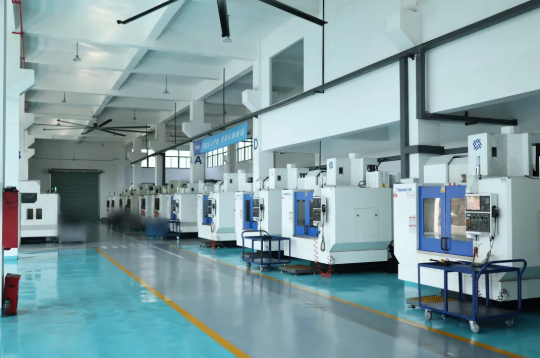
For automotive machining needs specifically, providers like Shaoyi Metal Technology demonstrate how these quality systems translate into practical benefits. Their IATF 16949 certification and SPC implementation support precision CNC machining for chassis assemblies and custom metal bushings, components where quality failures carry serious consequences. With capabilities spanning rapid prototyping to production scaling and lead times as fast as one working day, they exemplify the combination of quality systems and operational responsiveness that demanding applications require. You can explore their automotive machining capabilities as a reference point when evaluating providers for similar work.
Key Takeaways for Your Machining Service Search
Before you begin contacting providers, review these essential points from everything covered in this guide:
- Understand what you're searching for: Local machining searches represent buyers seeking accessible partnerships for prototyping, production, or both. Proximity matters most for rapid iteration, heavy parts, and urgent timelines.
- Match processes to your parts: Milling for complex geometries, turning for cylindrical components, grinding for tight tolerances, and multi-axis or EDM for specialized requirements. Know what you need before requesting quotes.
- Verify provider capabilities systematically: Ask about equipment, certifications, lead times, quality documentation, and references. Watch for red flags like vague answers or reluctance to provide references.
- Understand cost drivers: Complexity, tolerances, materials, and volume drive pricing. Setup costs amortize across larger runs, making production dramatically cheaper per piece than prototypes.
- Prepare complete project documentation: STEP files, detailed drawings, material grades, tolerances, and quantity requirements enable accurate quotes and prevent misunderstandings.
- Select materials based on application needs: Balance performance requirements against machinability, cost, and availability. Consult with providers when uncertain.
- Communicate effectively throughout: Establish clear points of contact, document agreements in writing, respond promptly to questions, and provide feedback after receiving parts.
- Avoid common mistakes: Don't over-specify or under-specify tolerances, skip prototype validation, ignore DFM feedback, or select providers based solely on lowest price.
Finding the right machining service near you isn't about luck. It's about applying informed criteria to evaluate options systematically. Armed with the knowledge from this guide, you're positioned to make decisions that deliver quality parts, reasonable costs, and reliable partnerships that support your manufacturing needs for years to come.
Frequently Asked Questions About Local Machining Services
1. What should I look for in a CNC machining service near me?
When evaluating local CNC machining services, prioritize providers with relevant certifications like ISO 9001 or IATF 16949 for automotive applications. Verify their equipment capabilities match your project needs, ask about typical lead times, and request references from similar projects. Quality-focused providers like Shaoyi Metal Technology offer IATF 16949 certification, Statistical Process Control capabilities, and lead times as fast as one working day for demanding automotive components.
2. How much does CNC machining cost near me?
CNC machining costs vary significantly based on part complexity, tolerance requirements, material selection, and order volume. Setup costs for prototypes make per-piece prices higher than production runs, where costs can be 88% less per unit at 1,000 pieces compared to single units. To get accurate pricing, submit complete STEP files with detailed specifications including material grade, tolerances, and quantity requirements to multiple providers for comparison.
3. What file formats do machine shops require for quotes?
STEP files (.step, .stp) are the industry standard for CNC machining due to universal CAD/CAM compatibility. IGES files work for legacy systems, while DXF files suit 2D profiles for sheet metal or laser cutting. Always include 2D drawings with tolerance callouts, material specifications, surface finish requirements, and quantity needed alongside your 3D models to ensure accurate quotes.
4. When should I choose a local machine shop over a remote provider?
Local machining services provide clear advantages for rapid prototyping with multiple iterations, large or heavy components where shipping costs are significant, urgent timelines requiring same-day delivery, and projects requiring facility visits or quality audits. Remote providers may be appropriate when specialized equipment is unavailable locally, lead times are comfortable, or established relationships ensure quality through documentation.
5. What certifications should a quality machine shop have?
ISO 9001 certification represents the baseline for quality management systems, with 67% of OEMs requiring it from suppliers. IATF 16949 certification is essential for automotive supply chains, adding customer-specific requirements from major automakers. AS9100 certification applies to aerospace applications. Providers with these certifications, combined with Statistical Process Control capabilities, demonstrate systematic commitment to consistent quality and continuous improvement.