 Small batches, high standards. Our rapid prototyping service makes validation faster and easier —
  EN
EN


Cnc Machining Parts Supplier Secrets: 9 Criteria Buyers Often Miss
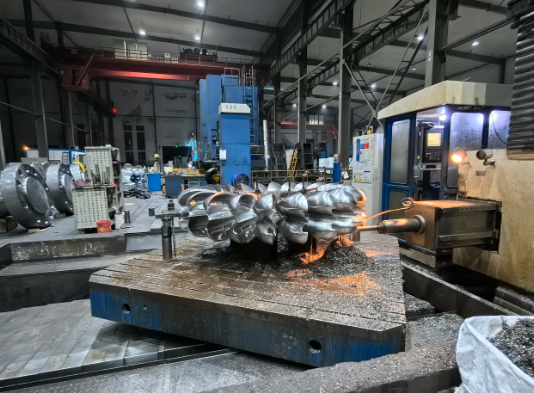
Understanding the CNC Machining Parts Supplier Landscape
When you're sourcing precision components for your manufacturing operations, do you really understand the difference between a basic machine shop and a true CNC machining parts supplier? This distinction matters more than most buyers realize—and it can directly impact your production timelines, part quality, and bottom line.
What Defines a CNC Machining Parts Supplier
A CNC machining parts supplier is far more than a facility with cutting equipment. These specialized partners provide comprehensive manufacturing solutions that transform your designs into finished cnc parts ready for assembly or end use. Unlike general machine shops that focus primarily on cutting metal, dedicated suppliers offer an integrated service model spanning the entire production journey.
Think of it this way: a machine shop operates equipment, while a true supplier operates a complete manufacturing ecosystem. This ecosystem typically includes:
- Material sourcing and procurement — accessing certified metals, plastics, and specialty alloys from verified suppliers
- Advanced precision machining services — utilizing multi-axis CNC equipment for complex geometries
- In-house quality control — implementing rigorous inspection protocols and documentation
- Finishing and secondary operations — providing surface treatments, heat treatment, and assembly
- Logistics coordination — managing packaging, shipping, and delivery to your specifications
According to industry insights from Leonhardt Manufacturing, world-class suppliers position themselves as extensions of their customers' businesses, with sales, engineering, quality, and production teams aligned to customer goals. This partnership approach measures success in decades rather than individual transactions.
The Critical Role in Manufacturing Supply Chains
Why does choosing the right supplier matter so much? In today's manufacturing environment, your cnc machining parts flow directly into products that your customers depend on. Any disruption—whether from quality issues, delivery delays, or communication breakdowns—cascades through your entire operation.
Reliable suppliers ensure your production processes run smoothly by delivering machined parts with consistent quality and predictable lead times. As noted by Ruixing Manufacturing, these partnerships help prevent bottlenecks and costly production delays that can damage customer relationships.
The complexity of sourcing decisions continues to grow as industries demand tighter tolerances and faster turnarounds. Modern suppliers now offer streamlined processes—from prototype verification to mass production—often condensing what once took weeks into days. Companies like PartMFG exemplify this trend by providing one-stop solutions covering CNC machining, sheet metal fabrication, and 3D printing under a single roof.
Consider the practical implications: when you partner with a capable supplier, you gain access to their engineering expertise, quality systems, and established material supply chains. You're not just buying machining parts—you're buying peace of mind that your components will arrive on specification, on time, and ready for your next production stage.
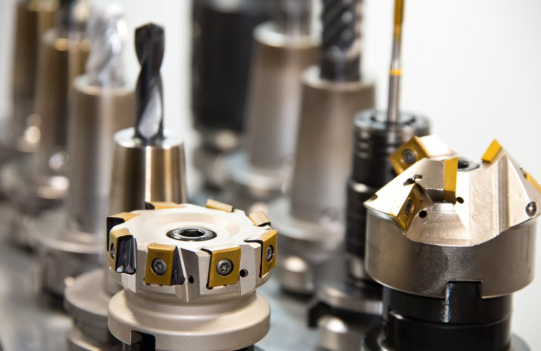
Essential Criteria for Evaluating Potential Suppliers
So you've identified what separates a true CNC machining parts supplier from a basic machine shop. But how do you actually evaluate which partner deserves your business? Whether you're searching for cnc machine shops near me or exploring global sourcing options, you need a structured framework that goes beyond glossy websites and sales promises.
The reality is that most procurement professionals lack a systematic approach to supplier evaluation. According to Infosys BPM, a robust supplier capability assessment helps organizations identify risks, ensure alignment with long-term goals, and strengthen overall procurement performance. Let's break down the criteria that actually matter.
Core Capability Assessment Criteria
When evaluating machining shops near me or international suppliers, technical capabilities form the foundation of your assessment. Here's what to examine closely:
- Machine types and axis configurations — Does the supplier operate 3-axis, 4-axis, or 5-axis CNC equipment? Five-axis machining capability is essential for complex geometries because it allows the cutting tool to approach the workpiece from virtually any direction. This means fewer setups, tighter tolerances, and the ability to produce intricate cnc milling parts that would otherwise require multiple operations.
- Maximum part dimensions — What's the largest workpiece they can handle? This constraint often gets overlooked until your design exceeds their capacity. Ask for specific envelope dimensions for both cnc turning and milling operations.
- Tolerance capabilities — A capable shop should consistently hold tolerances of +/-0.001 inches (+/-0.025mm) or better. As noted by Zenith Manufacturing, they should also produce surface finishes as fine as Ra 0.2μm when required.
- Material expertise — Can they machine the specific alloys, plastics, or specialty materials your application demands? Experience with your material category matters more than general machining capability.
- Secondary operations — Do they offer heat treatment, surface finishing, assembly, or other value-added services in-house? Integrated capabilities reduce lead times and quality risks from multiple handoffs.
When researching local machine shops or cnc services near me, don't just accept verbal claims about these capabilities. Request sample parts or First Article Inspection (FAI) reports that demonstrate their actual performance on projects similar to yours.
Quality Systems and Communication Standards
Technical capability means nothing without reliable quality systems to back it up. Here's where many buyers make costly mistakes—they assume a certification logo guarantees consistent results.
- Quality certifications — Look for ISO 9001 as a baseline for general quality management. Industry-specific certifications like AS9100 (aerospace), IATF 16949 (automotive), or ISO 13485 (medical devices) indicate deeper expertise in regulated sectors. But remember: a certificate on the wall isn't enough. Ask how deeply the quality mindset is embedded in their culture.
- Inspection capabilities — Does the supplier have advanced metrology equipment like Coordinate Measuring Machines (CMMs) from reputable brands? Can they provide documented inspection reports that prove your cnc machine parts meet specification?
- Communication responsiveness — Poor communication is a significant red flag. In today's fast-paced environment, 48-hour email response times are unacceptable when your production schedule depends on timely updates. Evaluate how quickly they respond during the quoting process—it's a preview of future interactions.
- Pricing transparency — Does their quote clearly break down costs, or is everything bundled into an opaque unit price? Transparent pricing helps you understand cost drivers and identify optimization opportunities.
- Production capacity and scalability — Can they support you from initial prototypes (1-100 units) through full-scale production (10,000+ units)? A partner who can scale with your needs reduces the risk of painful supplier transitions as your volumes grow.
One often-overlooked criterion deserves special attention: Design for Manufacturability (DfM) feedback. According to manufacturing experts, the majority of a product's manufacturing cost is locked in during the early design stage. A partner who proactively suggests design improvements demonstrates genuine expertise and investment in your success. Conversely, a supplier who passively accepts complex designs without comment may lack the engineering depth you need.
Ask pointed questions like, "Can you walk me through your process for handling a non-conforming part?" Their answer reveals more about their commitment to quality than any certificate could.
Finally, assess delivery performance by requesting On-Time In-Full (OTIF) metrics. A reliable supplier tracks this data and should willingly share it—an OTIF rate below 95% warrants further investigation. These measurable indicators help you distinguish between suppliers who simply promise reliability and those who consistently deliver it.
With these evaluation criteria in hand, the next step is understanding what those quality certifications actually guarantee—and why different industries demand different standards.
Decoding Quality Certifications and Their Industry Significance
You've seen the certification logos on supplier websites—ISO 9001, AS9100D, IATF 16949. But do you actually know what these acronyms guarantee? Most buyers don't, and that knowledge gap can lead to costly mismatches between your requirements and a supplier's actual capabilities.
Here's the thing: not all certifications are created equal, and not every project requires the same level of quality system rigor. Understanding what each certification covers—and what it doesn't—helps you match suppliers to your specific industry demands while avoiding both over-specification (which inflates costs) and under-specification (which creates quality risks).
Industry-Specific Certification Requirements
Different industries impose different quality management requirements on their supply chains. Aerospace components face life-safety scrutiny that general industrial parts simply don't. Medical devices require traceability standards that would be overkill for consumer electronics housings. Automotive suppliers must demonstrate process controls that casual machine shops have never implemented.
When evaluating precision machined components suppliers, the first question isn't "Are they certified?" It's "Are they certified for my industry's requirements?" A supplier with excellent ISO 9001 credentials may lack the specialized systems needed for aerospace cnc machining or medical machining applications.
Consider the regulatory landscape each certification addresses:
- General manufacturing — ISO 9001 provides the universal foundation for quality management systems across all industries
- Aerospace and defense — AS9100D adds critical safety, configuration management, and counterfeit prevention requirements
- Automotive OEM supply chains — IATF 16949 emphasizes defect prevention, variation reduction, and supply chain control
- Medical device manufacturing — ISO 13485 focuses on regulatory compliance, risk management, and design controls specific to healthcare applications
Major aerospace manufacturers like Boeing and Airbus require AS9100 compliance as a condition of doing business. Similarly, automotive OEMs mandate IATF 16949 for production parts suppliers. If your cnc machined components feed into these industries, working with non-certified suppliers simply isn't an option.
What Each Certification Actually Guarantees
Let's cut through the marketing language and examine what these certifications actually require from suppliers. The following table breaks down the practical significance of each major quality standard for buyers sourcing precision machined products:
| Certification | What It Covers | Industries Requiring It | What It Means for Part Quality |
|---|---|---|---|
| ISO 9001:2015 | General quality management system framework covering customer focus, leadership, process approach, and continuous improvement | All industries (baseline standard) | Documented processes, defined quality objectives, and systematic approach to meeting customer requirements. Demonstrates organizational commitment to quality but lacks industry-specific controls. |
| AS9100D | All ISO 9001 requirements plus aerospace-specific additions: operational risk management, configuration management, counterfeit parts prevention, product safety assurance, and first article inspection protocols | Aviation, space, and defense organizations and their supply chains | Enhanced traceability, rigorous documentation, and zero-tolerance approach to quality failures. According to AAQG Spring 2024 statistics, 96% of AS9100 certified companies have fewer than 500 employees—this isn't just for aerospace giants. |
| IATF 16949:2016 | All ISO 9001 requirements plus automotive-specific additions: product safety, risk analysis, preventative action, contingency plans, statistical process control, error-proofing, and warranty management systems | Automotive OEM production parts suppliers (excludes aftermarket parts) | According to Smithers, IATF 16949 goes beyond customer satisfaction to require compliance with manufacturer-specific requirements. Emphasizes defect prevention and variation reduction. |
| ISO 13485:2016 | Quality management system requirements for medical device design, development, production, and servicing with emphasis on regulatory compliance and risk management throughout product lifecycle | Medical device manufacturers and suppliers of machined products for healthcare applications | Design controls, risk-based decision making, and comprehensive documentation supporting regulatory submissions (FDA, CE marking). Critical for patient safety applications. |
Notice how each industry-specific certification builds upon ISO 9001 while adding sector-relevant requirements. AS9100D, for example, was developed by the International Aerospace Quality Group (IAQG) specifically because general quality standards didn't adequately address aerospace's unique safety and reliability demands. The certification emphasizes defect prevention, variation reduction, and waste elimination—reflecting the industry's zero-tolerance approach where failure literally isn't an option.
For automotive applications, the distinction between ISO 9001 and IATF 16949 is particularly important. While ISO 9001 centers on customer satisfaction, IATF 16949 requires compliance with specific provisions outlined by automakers themselves. The automotive standard also applies only to sites producing OEM parts—not aftermarket components. This narrower scope ensures that certified suppliers meet the exacting requirements of major vehicle manufacturers.
A certification isn't just a logo—it's evidence that third-party auditors have verified a supplier's systems against documented standards. Ask to see current certificates and inquire about their most recent audit findings.
When sourcing precision machined components for regulated industries, verify that your supplier maintains active certification status. Certificates expire, and surveillance audits occur annually during three-year certification cycles. A supplier who was certified two years ago but failed a recent audit may still display outdated credentials.
Understanding these certification distinctions puts you in a stronger position during supplier negotiations—and helps you avoid the common mistake of paying aerospace premiums for general industrial parts, or accepting general-quality suppliers for safety-critical applications. The next consideration is equally practical: matching the right materials to your specific application requirements.
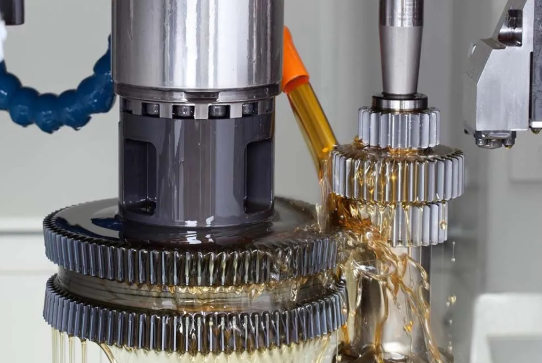
Material Selection Guide for Different Applications
You've verified certifications and evaluated technical capabilities—but here's a question many buyers overlook: does your supplier actually understand the material you need machined? Choosing the right material isn't just a design decision. It directly impacts machining difficulty, achievable tolerances, and ultimately, part performance in your application.
Most supplier websites list dozens of materials without explaining when each one makes sense. That leaves you guessing—or worse, defaulting to familiar options that may not be optimal. Let's bridge that gap by connecting specific materials to their ideal applications and the machining considerations that come with each.
Metals and Alloys for High-Performance Applications
Metals remain the backbone of precision machining. But "aluminum" or "stainless steel" tells you almost nothing—specific grades matter enormously for both manufacturing and end-use performance.
| Material Category | Common Grades | Key Properties | Typical Applications | Machining Considerations |
|---|---|---|---|---|
| Aluminum Alloys | 6061, 7075, 2024, 5083 | Lightweight, excellent thermal conductivity, corrosion-resistant, heat-treatable (most grades) | Aerospace structural components, automotive parts, electronic enclosures, heat sinks | Machines easily with high speeds; short chips in copper-containing grades (2024). According to Xometry, 7075 offers tensile strength up to 540 MPa with excellent fatigue resistance—ideal when strength-to-weight ratio is critical. |
| Stainless Steels | 304 (1.4301), 316 (1.4404), 303 (1.4305) | High corrosion resistance, good strength, medical compatibility (316L), weldable | Medical instruments, food processing equipment, marine hardware, chemical industry components | Work hardens during machining; requires sharp tooling and appropriate speeds. 303 grade adds sulfur for improved machinability but sacrifices some corrosion resistance. Low thermal conductivity means heat concentrates at the cutting edge. |
| Carbon Steels | C45 (1.0503), S235JR, 4140 (1.7225) | High tensile strength, weldable, heat-treatable for increased hardness | Structural components, shafts, gears, tooling, high-stress mechanical parts | Good machinability in pre-hardened states. 4140 offers exceptional toughness and impact resistance. Heat treatment can increase hardness but may require post-machining grinding for tight tolerances. |
| Brass and Bronze | CuZn39Pb3, C360, Phosphor Bronze | Excellent wear resistance, electrical conductivity, self-lubricating properties, corrosion-resistant | Electrical connectors, bearings, bushings, marine fittings, decorative hardware | Outstanding machinability—often considered the benchmark. CNC bronze parts produce clean cuts with minimal tool wear. When machining bronze, the lead content in free-cutting grades improves chip formation but requires appropriate handling. |
| Titanium Alloys | Grade 2 (commercially pure), Ti-6Al-4V (Grade 5) | Exceptional strength-to-weight ratio, biocompatibility, corrosion resistance, low thermal expansion | Medical implants, aerospace components, high-performance automotive, marine applications | Challenging to machine due to low thermal conductivity and tendency to work harden. Requires rigid setups, sharp carbide tooling, and lower cutting speeds. Grade 5 offers higher strength than pure titanium while maintaining weldability. |
| Copper | C101, C110 (ETP Copper) | Superior electrical and thermal conductivity, excellent corrosion resistance | Electrical bus bars, heat exchangers, RF shielding, grounding components | Soft and gummy; tends to produce long chips that can wrap around tooling. Sharp edges and appropriate chip control strategies are essential. Excellent for applications where conductivity trumps mechanical strength. |
Notice how bronze cnc machining offers a unique combination of wear resistance and machinability? That's why bushings and bearings frequently specify bronze—it's self-lubricating and machines cleanly. When you need to machine bronze components, expect excellent surface finishes and reasonable tooling life compared to harder materials like stainless steel or titanium.
For aluminum applications, grade selection matters more than many buyers realize. The 6061 alloy works well for general-purpose parts requiring good corrosion resistance and weldability. But if you need maximum strength for aerospace applications, 7075's zinc-magnesium composition delivers—at the cost of weldability and slightly reduced corrosion performance.
Engineering Plastics and Specialty Materials
When metal isn't the answer—whether due to weight constraints, chemical exposure, or electrical isolation requirements—engineering plastics offer compelling alternatives. But plastics introduce their own machining challenges that less experienced suppliers may struggle with.
| Material | Key Properties | Typical Applications | Machining Considerations |
|---|---|---|---|
| Delrin (POM/Acetal) | High hardness (88 HRM), low friction, excellent dimensional stability, chemical resistance, low moisture absorption | Gears, bearings, bushings, precision mechanical components, electrical insulators | Delrin plastic machines exceptionally well with tight tolerances achievable. According to Ecoreprap, delrin material maintains dimensional accuracy across temperature variations—critical for precision assemblies. Low friction coefficient improves mechanical efficiency in moving parts. |
| Nylon (PA6, PA66) | High impact resistance, good fatigue resistance, self-lubricating, lightweight | Wear pads, rollers, cable ties, structural components, food-grade applications | Nylon for machining requires attention to moisture content—it absorbs water and dimensions can change. Condition material before precision machining. Generates stringy chips; appropriate feed rates and tooling geometry matter. |
| PEEK | Exceptional chemical resistance, high-temperature stability, radiation resistance, low friction, high strength | Semiconductor manufacturing, medical devices, aerospace seals, high-temperature bearings | Premium material cost justified by extreme performance requirements. Glass-filled variants increase rigidity further. Machines well but requires carbide tooling; maintains properties up to 250°C continuous use. |
| Polycarbonate (PC) | Excellent impact resistance, optical clarity, good heat resistance, rigid | Transparent covers, safety guards, optical components, medical housings | Prone to stress cracking if machining creates internal stresses. Avoid aggressive speeds; use coolant carefully as some formulations can cause crazing. Excellent for applications requiring visibility. |
| PTFE (Teflon) | Extremely low friction, chemical inert, wide temperature range, excellent insulating properties | Seals, gaskets, electrical insulators, chemical processing components | Very slippery and prone to deformation under cutting forces. High thermal expansion and stress creep make close tolerances challenging. Expect wider tolerance bands than rigid plastics. |
| UHMW-PE | Outstanding wear and abrasion resistance, self-lubricating, impact-resistant, low temperature performance | Conveyor components, wear strips, food processing guides, marine applications | Soft material that machines easily but may deform under clamping pressure. Maintains properties even at subzero temperatures—excellent for freezer applications. |
Delrin deserves special attention for precision mechanical parts. Its combination of high rigidity, low friction, and dimensional stability makes it the go-to plastic when metal alternatives would be too heavy or conductive. Unlike nylon for machining, delrin material resists moisture absorption—meaning parts maintain their dimensions regardless of humidity changes in service environments.
Here's practical guidance most suppliers won't tell you: specify material conditioning for hygroscopic plastics like nylon before precision machining. Otherwise, parts machined dry may swell and fall out of tolerance once exposed to normal humidity levels. This single oversight causes more plastic part failures than machining errors.
When in doubt about material selection, describe your application requirements—temperature range, chemical exposure, mechanical loads, electrical needs—rather than specifying a material by name. Experienced suppliers can recommend optimal choices you might not have considered.
With materials matched to your application, the next critical factor is understanding how tight those tolerances really need to be—and what it costs when you over-specify.
Tolerance Specifications and Precision Requirements Explained
You've selected the perfect material for your application—but now comes a question that trips up even experienced buyers: how tight do your tolerances actually need to be? The difference between specifying ±0.01mm and ±0.1mm isn't just a decimal point. It's a tenfold difference in manufacturing difficulty, and potentially a significant jump in cost.
Here's the uncomfortable truth: many buyers over-specify tolerances "just to be safe," not realizing they're paying a premium for precision they don't functionally need. Meanwhile, others under-specify critical features, leading to assembly failures and costly rework. Understanding tolerance classes helps you strike the right balance—demanding precision where it matters while avoiding unnecessary expense elsewhere.
Standard vs Precision Tolerance Classes
What does ±0.01mm actually mean in practice? Imagine a human hair—typically around 0.07mm thick. A tolerance of ±0.01mm means your part dimension can vary by roughly one-seventh the width of that hair. That's remarkably precise, and achieving it consistently requires advanced equipment, skilled operators, and rigorous process controls.
Compare that to ±0.1mm—still precise by everyday standards, but a full ten times more forgiving. According to American Micro Industries, standard CNC machining typically achieves tolerances of ±0.005" (approximately ±0.127mm) as a baseline, while precision operations can achieve ±0.001" or better when applications demand exceptional accuracy.
International standards provide a helpful framework for communicating tolerance requirements. ISO 2768 defines tolerance classes ranging from "f" (fine) through "m" (medium), "c" (coarse), to "v" (very coarse). These classes specify allowable dimensional variations based on nominal size ranges, giving designers and suppliers a common language for precision requirements.
A tolerance of ±0.02" permits a dimensional range ten times wider than ±0.002"—significantly affecting production complexity and cost. More decimal places always mean stricter manufacturing requirements.
For precision machined parts destined for high-stakes applications, tolerances within a few microns become essential. As noted by Pinnacle Precision, modern CNC machining can achieve tolerances within ±0.001 inches—or even tighter—for components used in aerospace, medical, and advanced manufacturing applications where any deviation could lead to system failure.
Matching Tolerances to Functional Requirements
The key question isn't "how precise can my supplier machine?" It's "how precise does this specific feature actually need to be?" Different part features serve different functions, and your tolerance specifications should reflect those functional requirements.
Consider these tolerance guidelines when specifying your cnc machining part requirements:
-
Tight tolerances ARE necessary for:
- Mating surfaces where parts must fit together with specific clearances or interferences
- Bearing surfaces and journals where precision affects wear life and performance
- Sealing surfaces where dimensional variation causes leaks
- Features referenced by other precision machining parts in an assembly
- Symmetrical features on rotating components where balance matters
-
Standard tolerances typically suffice for:
- Non-functional surfaces and overall envelope dimensions
- Clearance holes significantly larger than fastener diameters
- Cosmetic features where appearance matters more than exact dimensions
- Prototype parts intended for fit verification rather than production
-
Cost implications of over-specifying tolerances:
- Requires more precise (expensive) equipment and slower machining speeds
- Increases inspection time and metrology equipment requirements
- Raises rejection rates and scrap costs
- May necessitate additional finishing operations like grinding
- Limits your pool of capable cnc precision parts suppliers
Think about a simple example: a mounting bracket with four bolt holes. The hole positions relative to each other might need tight tolerances so the bracket aligns properly. But the holes themselves? If you're using M6 bolts (6mm diameter), specifying 6.5mm holes with standard tolerances gives plenty of assembly clearance. Demanding ±0.01mm on those clearance holes adds cost without functional benefit.
For machined components in production quantities, Statistical Process Control (SPC) becomes essential for maintaining consistency. According to Competitive Production, a statistically capable process is one where the chance of producing an out-of-tolerance characteristic is extremely remote. SPC measures this through capability indices like Cp and Cpk.
What does this mean practically? A process with 1.33 Cpk has approximately one chance in 16,000 of producing an out-of-tolerance part when properly targeted. For precision machine parts with dozens of critical characteristics, SPC ensures that each feature remains within specification across entire production runs—not just on the first few pieces when everything is freshly set up.
Experienced suppliers implement SPC by identifying critical characteristics early, establishing appropriate measurement protocols, and using real-time data to detect process drift before it produces non-conforming parts. This proactive approach differs fundamentally from simple inspection—instead of sorting good parts from bad after machining, SPC prevents bad parts from being made in the first place.
Understanding these tolerance principles positions you to have more productive conversations with your supplier. Rather than accepting whatever tolerances they quote or blindly applying tight specifications everywhere, you can collaborate on optimizing each feature for its actual function—achieving the precision you need while controlling costs effectively.
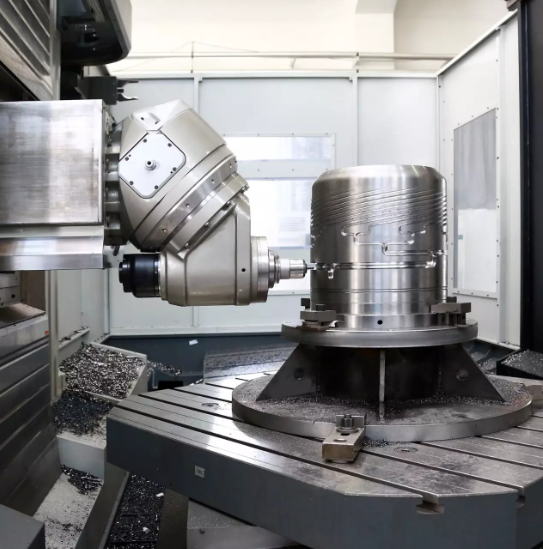
Understanding Pricing Factors and Cost Optimization
You've defined your tolerance requirements and selected appropriate materials—but here's where many buyers get blindsided: the actual cost of your custom machined parts. Most suppliers offer instant quotes without explaining what drives those numbers. That opacity leaves you guessing whether you're getting fair value or leaving money on the table.
Understanding CNC machining cost drivers isn't just academic knowledge. It's practical leverage that helps you make smarter design decisions, negotiate more effectively, and optimize your custom cnc parts for both performance and budget. Let's break down exactly where your money goes—and how to keep more of it.
Key Cost Drivers in CNC Machining
Every quote you receive reflects a combination of factors, some within your control and others dictated by manufacturing realities. According to Protolabs Network, machining time is often the primary cost driver, especially in high-volume production where minor design issues can reduce economies of scale. But time is just one piece of the puzzle.
Here are the cost factors that determine what you'll pay for custom parts manufacturing:
- Material selection and waste — Raw material prices vary dramatically. According to Unionfab, aluminum falls in the lowest price tier while titanium and specialty ceramics command premium prices. But cost isn't just about the raw stock—CNC machining is subtractive, meaning you're paying for material that ends up as chips on the floor. A part machined from a large block with significant material removal costs more than one requiring minimal stock removal.
- Geometric complexity — Simple 2.5D parts that can be machined in a single setup cost far less than complex 3D geometries requiring multiple setups or 5-axis machining. Deep pockets, thin walls, and intricate features all extend machining time. As noted by PartMFG, small and simple designs require entry-level CNC machines at approximately $20 per hour, while intricate designs with detailed features cost $35-70 per hour due to extensive programming and specialized tooling.
- Tolerance requirements — Tighter tolerances demand slower machining speeds, more frequent tool changes, and enhanced quality checks. Over-specifying precision on non-critical features is one of the fastest ways to inflate costs without adding functional value. Every additional decimal place of precision multiplies manufacturing difficulty.
- Surface finish specifications — An "as machined" finish comes standard, but polishing, anodizing, electroplating, or painting adds labor, materials, and time. According to Unionfab's cost breakdown, surface finishing processes range from $2-$15 for polishing to $10-$30 for electroplating per part.
- Batch size economics — Setup costs remain relatively fixed whether you're making one part or one hundred. Spreading those costs across more units dramatically reduces per-part pricing. Industry data shows that increasing orders from one to five parts can cut unit price roughly in half, while volumes over 1,000 can reduce costs by five to ten times.
- Secondary operations — Heat treatment, threading, assembly, and inspection all add to the final price. Each additional process requires handling, setup, and quality verification. Parts manufacturing becomes significantly more expensive when multiple secondary operations are specified.
Machine type matters more than many buyers realize. Three-axis CNC machines typically run $10-$20 per hour, while 5-axis machines cost $20-$40 or more per hour due to their advanced capabilities and operational complexity.
Strategies for Cost-Effective Procurement
Now that you understand what drives costs, how do you actually reduce them? The most effective strategies focus on decisions you make before requesting quotes—because once designs are finalized, your optimization options narrow considerably.
Consider these proven approaches for machine parts manufacturing cost reduction:
- Simplify geometry where function allows — Reduce sharp internal corners that require small-diameter tools and multiple passes. According to Protolabs Network, specifying corner radii at least one-third of cavity depth significantly lowers machining time. Using the same radius on all internal edges eliminates tool changes.
- Choose materials strategically — When performance requirements don't mandate premium alloys, standard aluminum 6061 offers excellent machinability at low cost. It machines faster than steel or stainless, reducing cycle time and tool wear. Reserve titanium, Inconel, and specialty materials for applications that truly demand their properties.
- Apply tolerances intelligently — Specify tight tolerances only on functional features that genuinely require them. According to PartMFG, loosening tolerances where part performance won't be compromised saves machining time and reduces scrap rates.
- Design for single-setup machining — Parts that require rotating or repositioning increase cost because these are often manual operations. Consider splitting complex designs into multiple components that can each be machined in a single setup, then assembled afterward.
- Standardize hole sizes and thread specifications — Standard drill bit sizes and common thread pitches (UNC, UNF, metric standards) allow suppliers to use readily available tooling, minimizing setup time and special tool costs.
- Optimize batch quantities — If you'll need the same custom metal parts again, ordering slightly larger initial quantities spreads fixed costs and may eliminate future setup charges for repeat orders.
- Limit surface finish requirements — Request polishing, coating, or special finishes only where appearance or function demands them. Masking for multiple finish types on a single part adds handling steps and cost.
- Avoid unnecessary features — Engraved text, embossed logos, and decorative elements require additional toolpaths. Unless branding is essential, consider silk screening or labeling as lower-cost alternatives.
Here's a practical example: reducing cavity depth from six times tool diameter to three times tool diameter can cut machining time substantially. Deep cavities require specialized long-reach tooling, slower feed rates, and multiple passes—all adding expense without necessarily improving part function.
The relationship between design decisions and manufacturing costs is direct and predictable. A part designed with manufacturability in mind—standard materials, reasonable tolerances, simple geometries, and minimal secondary operations—can cost a fraction of an over-engineered alternative while delivering identical functional performance.
Smart buyers collaborate with their suppliers during the design phase, leveraging Design for Manufacturability (DfM) feedback to identify cost optimization opportunities before production begins. This proactive approach to custom parts manufacturing delivers better value than simply requesting quotes and accepting whatever price appears.
With cost factors understood and optimization strategies in hand, you're positioned to evaluate whether CNC machining is even the right manufacturing method for your specific application—or whether alternatives might serve you better.
CNC Machining vs Alternative Manufacturing Methods
You've optimized your design for manufacturability and understand cost drivers—but here's a question most buyers skip entirely: is CNC machining actually the right manufacturing method for your project? The answer isn't always yes, and choosing the wrong process can mean overpaying for simple parts or compromising quality on complex ones.
The reality is that cnc prototyping excels in certain scenarios while falling short in others. Metal machining delivers unmatched precision for functional prototypes and production parts, but 3D printing might get you there faster for early-stage concepts. Injection molding crushes per-unit costs at high volumes, but the upfront tooling investment makes no sense for small batches. Understanding these tradeoffs helps you match manufacturing methods to your actual requirements.
When CNC Machining Outperforms Alternatives
CNC machining isn't just one option among equals—it's the gold standard for certain applications. According to Ultimaker's manufacturing comparison, CNC typically offers tighter tolerances and better surface finish than additive alternatives, with tolerances as tight as ±0.025mm achievable on production equipment.
Metal cnc machining becomes the clear choice when your application demands:
- Material performance — CNC machined parts maintain the full mechanical properties of the source material. Unlike 3D printed components, which may have anisotropic properties due to layer-by-layer construction, machined parts deliver consistent strength in all directions. This matters for load-bearing components where failure isn't an option.
- Precision and repeatability — When dimensions must fall within ±0.001" consistently across production runs, CNC fabrication delivers. Industrial 3D printers can approach these tolerances, but at significantly higher cost and with material limitations.
- Material variety — CNC works with virtually any machinable material: aluminum, stainless steel, titanium, brass, engineering plastics, and specialty alloys. 3D printing materials, while expanding, remain more limited—particularly for metals.
- Surface quality — CNC machining produces surface roughness values as low as 0.8 μm without post-processing. 3D printed parts typically show visible layer lines with roughness around 15 μm, requiring additional finishing steps for comparable results.
- Functional end-use parts — When components must perform in demanding environments—high temperatures, corrosive chemicals, mechanical stress—aluminum machining and other CNC processes deliver proven reliability that additive manufacturing is still working to match.
The crossover point varies by application, but here's a useful rule: if your part requires specific material properties, tight tolerances, or a production-quality surface finish, cnc cutting remains the benchmark other methods are measured against.
Manufacturing Method Comparison Framework
Rather than guessing which process fits your needs, use this comparison framework covering the criteria that matter most for procurement decisions. According to Protolabs' process selection guide, the main considerations are part application, material requirements, timeline, and budget constraints.
| Criteria | CNC Machining | 3D Printing (FDM/SLS/SLA) | Injection Molding | Casting (Die/Sand) |
|---|---|---|---|---|
| Ideal Volume Range | 1-10,000 parts (sweet spot: 10-1,000) | 1-100 parts | 1,000-1,000,000+ parts | 100-100,000 parts |
| Achievable Tolerances | ±0.025mm to ±0.127mm standard; ±0.01mm precision | ±0.1mm to ±0.5mm (industrial: ±0.025mm at premium cost) | ±0.05mm to ±0.1mm typical | ±0.25mm to ±1mm depending on process |
| Material Options | Broadest range: all metals, plastics, composites, wood | Limited: specific plastics (PLA, ABS, nylon), some metals, resins | Thermoplastics only (ABS, PP, PE, PC, nylon, etc.) | Metals only (aluminum, zinc, steel, iron, bronze) |
| Lead Time | 1-3 weeks typical; rapid services available | 1-5 days for most parts | 4-8 weeks (tooling); 1-2 weeks production | 4-12 weeks (tooling dependent) |
| Per-Part Cost at 10 Units | $$$ (moderate-high) | $$ (low-moderate) | $$$$$+ (tooling amortized) | $$$$+ (tooling amortized) |
| Per-Part Cost at 1,000 Units | $$ (moderate) | $$$ (no volume discount) | $ (lowest) | $$ (low-moderate) |
| Per-Part Cost at 10,000+ Units | $$ (still moderate) | $$$$ (not economical) | $ (very low) | $ (low) |
| Geometric Complexity | Limited by tool access; undercuts challenging | Nearly unlimited; internal channels, lattices possible | Moderate; draft angles required | Moderate; draft and parting lines required |
| Best Applications | Functional prototypes, precision parts, low-medium production | Concept models, complex geometries, customization | High-volume plastic parts | Medium-high volume metal parts |
Notice the volume crossover points? For plastic parts, 3D printing typically wins below 10 units, CNC competes from 10-500 units, and injection molding becomes economical above 500-1,000 units once tooling costs amortize. For cnc metal parts, the equation shifts—CNC remains competitive across a wider volume range because metal 3D printing costs remain high and casting requires substantial tooling investment.
Hybrid Manufacturing Approaches
Here's what experienced procurement teams understand: you don't have to choose just one method. Hybrid approaches leverage each technology's strengths across different project phases or part features.
Consider these strategic combinations:
- 3D printing for prototyping, CNC for production — According to industry analysis, 3D printing outshines CNC in three key areas: fast turnaround for low quantities, shorter manufacturing workflows, and easier design iterations. Use additive manufacturing to validate designs quickly, then transition to metal cnc machining for production parts with final material properties and tolerances.
- CNC for critical features, casting for bulk geometry — Cast a near-net-shape blank to minimize material waste, then machine only the precision surfaces that require tight tolerances. This approach reduces machining time while delivering the accuracy casting alone cannot achieve.
- 3D printing for complex cores, CNC for external surfaces — Some geometries—internal cooling channels, lightweight lattice structures—are impossible to machine. Print these features, then machine external surfaces to achieve the precision and finish quality additive processes struggle to match.
- Bridge tooling strategies — Need 500 parts now but expect 50,000 over the product lifecycle? CNC machining can serve immediate needs while injection mold tooling is developed. The per-part premium during the bridge period is offset by faster time-to-market.
The best manufacturing decisions consider the entire product lifecycle—not just today's order. A part that starts as a CNC prototype may justify injection molding tooling once demand proves out.
Design iteration costs favor 3D printing during development phases. Modifying a 3D printed part requires only updating the digital file, while CNC changes may need new programming and fixturing. But once designs stabilize, CNC's superior material properties and surface quality justify the transition for production quantities.
When evaluating manufacturing methods, ask your supplier about their cross-process capabilities. A partner offering CNC machining, 3D printing, and injection molding under one roof can guide you toward the optimal process for each project phase—and manage transitions seamlessly as volumes grow.
Understanding when CNC machining is the right choice—and when alternatives make more sense—puts you in a stronger negotiating position. But even with the right manufacturing method selected, procurement pitfalls remain. The next section examines the costly mistakes buyers commonly make and how to avoid them.
Common Sourcing Mistakes and How to Avoid Them
You've selected the right manufacturing method and understand cost drivers—but here's where many procurement efforts fall apart: the sourcing process itself. Even buyers with solid technical knowledge make predictable mistakes that lead to requotes, quality failures, and strained supplier relationships.
The uncomfortable reality? Most sourcing problems are preventable. According to HanaV's manufacturing insights, these mistakes often lead to increased lead times, higher costs, compromised quality, and long-term vendor dissatisfaction. Whether you're working with a cnc shop near me or sourcing globally, recognizing these pitfalls before they derail your project is essential.
Red Flags in Supplier Selection
Sometimes warning signs appear early—if you know what to look for. Trust your instincts when something feels off, but also watch for these concrete indicators that a machined parts manufacturer may not deliver on their promises:
- Vague communication or dodgy details — Professional manufacturers love clarity. If a supplier takes forever to reply, doesn't answer questions directly, or gives fuzzy estimates like "around two weeks" instead of firm timelines, that's a significant red flag. According to ITI Manufacturing, if you're getting fog instead of facts, you're probably not talking to a legitimate operation.
- Too-good-to-be-true pricing — When a cnc quote online comes in dramatically below market rate, it could mean poor materials, zero quality control, or a bait-and-switch where prices double mid-production. That "amazing deal" often leads to shoddy products or unexpected cost escalations.
- Zero proof of production capabilities — Any reputable machined parts manufacturers should provide documentation, certifications, or at least real photos of their facility. Generic factory photos appearing across multiple supplier websites? That's a major warning sign.
- Pressure to pay everything upfront — Deposits before production are standard. But demands for 100% payment before anything is made or shipped? That's risky business. Legitimate suppliers understand that manufacturing is a partnership built on mutual accountability.
- No quality control process — Ask about QC procedures. If the supplier gives vague answers or seems unprepared for the question, you might receive ten good units and hundreds of defective ones. Without a documented QC structure, you're gambling with every order.
- Inconsistent or missing paperwork — Sketchy documentation can delay shipments, trigger customs fees, or create legal complications. A trustworthy machinist near me will know exactly how to get goods from their facility to yours with every form in order.
If something feels off—the way they dodge questions, their refusal to hop on a video call—trust that instinct. Your reputation and production schedule shouldn't depend on suppliers who can't demonstrate basic professionalism.
Avoiding Costly Procurement Mistakes
Beyond red flags, certain buyer behaviors consistently create problems. Here are the most common mistakes—and how to prevent each one:
-
Incomplete technical specifications leading to requotes
When manufacturers receive vague or incomplete information, they're forced to make assumptions—often resulting in production errors or mismatched components. According to industry research, incomplete specifications cause more delays than any other single factor.
Prevention strategy: Provide complete 2D drawings with GD&T callouts, STEP files, material specifications with exact grades, surface finish requirements, and quantity tiers. Include revision status and confirm data formats upfront. Flag tight tolerances, long-lead materials, or special processes early rather than surprising suppliers mid-quote.
-
Ignoring supplier communication quality
Poor communication during the quoting phase predicts poor communication during production. Delays in approvals, responses, or status updates often result in missed shipping windows and production downtimes.
Prevention strategy: Evaluate response times and clarity during initial interactions. Establish preferred communication channels and expected response windows upfront. When sourcing from overseas machined parts manufacturers, account for time zones and agree on regular checkpoint schedules.
-
Choosing solely on price without evaluating capabilities
Focusing only on per-piece cost is one of the most short-sighted mistakes in sourcing. A supplier offering the lowest price might bring hidden costs: late shipments requiring expedited freight, quality failures triggering rework, or capacity issues causing mid-production delays.
Prevention strategy: Base decisions on Total Cost of Ownership. When requesting online machining quotes, ask about on-time delivery rates, defect percentages, and references from similar projects. Verify that their equipment and expertise match your actual requirements before committing.
-
Not requesting sample parts for critical applications
Skipping sample validation for production parts is gambling with your entire program. First Article Inspection (FAI) samples reveal machining quality, dimensional accuracy, and surface finish before you commit to full production volumes.
Prevention strategy: For any critical application, require sample parts with documented inspection reports before approving production. Define acceptance criteria clearly and budget time for sample review in your project schedule. A small upfront investment prevents costly batch-level failures.
-
Failing to establish clear quality expectations upfront
Many buyers assume suppliers will "take care of" quality without defining what that means. This ambiguity leads to disputes when parts arrive and don't meet unstated expectations.
Prevention strategy: Document quality requirements explicitly: inspection sampling levels, critical-to-quality dimensions, required certifications, and documentation deliverables (material certs, dimensional reports, CoCs). Agree on the non-conformance process before production begins—not when problems emerge.
Here's a practical tip most buyers overlook: trial a small order before committing to large volumes. This validates not just part quality but the entire supplier experience—communication responsiveness, documentation accuracy, packaging quality, and delivery reliability. The lessons learned from a pilot batch prevent expensive surprises at scale.
With these pitfalls identified and prevention strategies in hand, you're equipped to navigate the complete supplier selection process—from initial requirements through ongoing partnership management.
Navigating the Complete Supplier Selection Process
You've identified red flags and learned which mistakes to avoid—but how do you actually move from "I need parts" to "I have a trusted manufacturing partner"? The supplier selection journey involves distinct phases, each building on the previous one. Skip a step, and you'll pay for it later in quality issues, delivery delays, or relationship friction.
Think of supplier qualification as a structured progression rather than a single decision point. According to JLC CNC's supplier selection guide, successful partnerships begin with clear requirement definition and progress through evaluation, validation, and ongoing relationship management. Let's walk through each phase so you know exactly what to expect.
From Initial Requirements to Qualified Supplier
Before you contact a single cnc service provider, invest time in documenting your requirements completely. This upfront work dramatically improves quote accuracy and reduces back-and-forth delays that frustrate both parties.
Phase 1: Define Technical Requirements
Start with the fundamentals that every cnc turning service or milling provider needs to quote accurately:
- Complete design files (3D STEP/IGES models plus 2D drawings with GD&T callouts)
- Material specifications including exact grades (e.g., "6061-T6 aluminum" not just "aluminum")
- Critical dimensions and tolerance requirements for each feature
- Surface finish specifications and any post-processing needs
- Quantity requirements including prototype, pilot, and production volume estimates
- Target delivery dates and any flexibility in timing
- Quality documentation requirements (inspection reports, material certifications, CoCs)
According to Ensinger's project guidelines, ensuring alignment on tolerances, surface finish, and mechanical performance upfront is critical to avoid costly adjustments later. The more complete your initial package, the more accurate your quotes will be.
Phase 2: Prepare Design Files for Optimal Quoting
Your design files directly impact quote accuracy and turnaround speed. Precision cnc machining services need files they can import directly into their CAM software without guesswork.
- Provide native CAD files or universal formats (STEP preferred for 3D geometry)
- Include 2D drawings that call out critical dimensions, tolerances, and surface finishes
- Note any threads, press fits, or assembly interfaces requiring special attention
- Identify which features are critical-to-function versus general dimensions
- Flag any secondary operations (heat treatment, plating, assembly) required
Phase 3: Request and Evaluate Quotes
With requirements documented, request quotes from multiple machining parts manufacturers. But don't just compare bottom-line prices—evaluate the complete offering:
- Quote clarity: Does the quote break down costs transparently, or is everything bundled into an opaque unit price?
- Lead time commitment: Are delivery dates firm or estimated? What factors might cause delays?
- DfM feedback: Did the supplier identify any manufacturability concerns or cost optimization opportunities?
- Communication quality: How quickly and thoroughly did they respond to your RFQ?
- Capability match: Do their certifications, equipment, and experience align with your specific requirements?
According to industry best practices, listing price, service content, delivery time, and advantages of each supplier in a comparison table helps make objective decisions rather than defaulting to the lowest bidder.
Phase 4: Qualify Through Sample Orders
Never jump directly to production volumes with an unproven supplier. A sample order—whether a single prototype or small pilot batch—validates everything the supplier claimed during quoting.
Your sample evaluation should verify:
- Dimensional accuracy across critical features
- Surface finish quality and consistency
- Material certification documentation accuracy
- Packaging and shipping quality
- Actual versus quoted lead time performance
- Responsiveness when questions arise during production
For cnc machined parts destined for critical applications, First Article Inspection (FAI) reports provide documented evidence that the supplier can consistently meet your specifications. This qualification step costs time and money upfront but prevents catastrophic failures at production scale.
Lead Time Expectations by Project Type
Understanding realistic timelines helps you plan effectively and identify suppliers whose capabilities match your urgency. Lead times vary dramatically based on project complexity and volume:
| Project Type | Typical Lead Time | Key Factors Affecting Timeline |
|---|---|---|
| Rapid Prototyping | 1-5 business days | Material availability, geometric complexity, finish requirements. Suppliers with IATF 16949 certification and SPC-backed quality systems, like Shaoyi Metal Technology, can deliver high-tolerance automotive components with lead times as fast as one working day for urgent prototypes. |
| Engineering Samples | 1-2 weeks | Documentation requirements, inspection protocols, material certifications. More thorough validation extends timeline. |
| Pilot Production (50-500 units) | 2-4 weeks | Process optimization, fixture development, quality system implementation. First production runs require additional setup. |
| Full Production (1,000+ units) | 3-8 weeks | Capacity scheduling, material procurement, batch inspection protocols. Larger volumes require more manufacturing time but benefit from process stability. |
Custom machining solutions providers offering expedited services can compress these timelines significantly—but expect premium pricing for rush orders. Building relationships with capable suppliers before you need emergency turnarounds gives you options when timelines tighten unexpectedly.
Building Long-Term Supplier Partnerships
Qualifying a supplier is just the beginning. The real value emerges from ongoing partnerships where both parties invest in mutual success. Here's how to transition from transactional ordering to strategic partnership:
Establish Ongoing Quality Monitoring
Don't assume that initial sample quality will persist indefinitely. Implement monitoring systems that catch drift before it becomes a problem:
- Track on-time delivery rates and defect percentages over time
- Review inspection data for trends indicating process variation
- Conduct periodic audits (remote or on-site) to verify system compliance
- Maintain open communication channels for early issue identification
According to Ensinger's project approach, maintaining in-house quality assurance processes including CMM inspection and detailed documentation supports production scale-up while ensuring consistency across batches. The same principle applies to your supplier oversight.
Develop Communication Rhythms
Regular touchpoints prevent small issues from becoming major problems:
- Schedule quarterly business reviews to discuss performance metrics, upcoming projects, and improvement opportunities
- Establish escalation paths for urgent issues that bypass normal channels
- Share forecasts early so suppliers can plan capacity and material procurement
- Provide feedback—positive and constructive—to drive continuous improvement
Invest in Relationship Development
The best cnc turning services and machining partners become extensions of your manufacturing operation. This doesn't happen automatically—it requires deliberate relationship building:
- Include key suppliers in early-stage design reviews where their DfM expertise adds value
- Share enough context about your applications that they can proactively identify solutions
- Honor commitments on payment terms and forecast accuracy
- Recognize and reward exceptional performance rather than only addressing problems
A supplier who understands your business, anticipates your needs, and invests in your success delivers value far beyond competitive pricing. That relationship is worth cultivating deliberately.
For automotive applications specifically, partnering with IATF 16949-certified suppliers ensures your supply chain meets OEM requirements from day one. Facilities implementing Statistical Process Control (SPC) demonstrate commitment to variation reduction and defect prevention—exactly what automotive quality standards demand.
The complete sourcing journey—from initial requirements through ongoing partnership management—determines whether you'll struggle with quality issues and delivery surprises or enjoy reliable manufacturing support that scales with your business. The nine criteria covered throughout this guide give you the framework to evaluate suppliers thoroughly, avoid common pitfalls, and build partnerships that deliver lasting value.
Your next step? Apply this evaluation framework to your current supplier relationships and upcoming sourcing decisions. The difference between adequate suppliers and exceptional partners often comes down to asking the right questions—and knowing which answers matter most.
Frequently Asked Questions About CNC Machining Parts Suppliers
1. What is the difference between a CNC machine shop and a CNC machining parts supplier?
A CNC machine shop primarily operates cutting equipment, while a CNC machining parts supplier provides comprehensive manufacturing solutions. Suppliers offer end-to-end services including material sourcing from certified vendors, advanced multi-axis precision machining, in-house quality control with documented inspection protocols, secondary operations like heat treatment and surface finishing, and logistics coordination. This integrated ecosystem approach positions suppliers as strategic manufacturing partners rather than transactional vendors.
2. What certifications should I look for when choosing a CNC machining supplier?
The certifications you need depend on your industry. ISO 9001 serves as the baseline for general quality management. For aerospace applications, AS9100D certification is essential as it adds safety, configuration management, and counterfeit prevention requirements. Automotive OEM suppliers require IATF 16949 certification, which emphasizes defect prevention and statistical process control. Medical device manufacturing demands ISO 13485 for regulatory compliance and risk management. Always verify certificates are current since surveillance audits occur annually.
3. How do I get an accurate CNC machining quote?
Accurate quotes require complete technical documentation. Provide 3D STEP files plus 2D drawings with GD&T callouts, specify exact material grades rather than generic names, identify critical dimensions and tolerance requirements, define surface finish specifications, include quantity tiers from prototype to production volumes, and list any secondary operations needed. Incomplete specifications force suppliers to make assumptions, often resulting in requotes or production errors that delay your project.
4. What factors most affect CNC machining costs?
Key cost drivers include material selection and waste (titanium costs significantly more than aluminum), geometric complexity requiring multiple setups or 5-axis machining, tolerance requirements (tighter tolerances demand slower speeds and more inspection), surface finish specifications, batch size economics (setup costs spread across more units reduce per-part pricing), and secondary operations. Design decisions made before production have the greatest impact on final costs.
5. When should I choose CNC machining over 3D printing or injection molding?
CNC machining excels when you need full material mechanical properties, tolerances within ±0.001 inches, production-quality surface finishes, or must work with specific metals and engineering plastics. It's most cost-effective for 10-1,000 parts. Choose 3D printing for 1-100 units with complex geometries and fast iteration. Select injection molding for 1,000+ plastic parts where tooling costs amortize. Many projects benefit from hybrid approaches—3D printing for prototypes, CNC for production.