 Small batches, high standards. Our rapid prototyping service makes validation faster and easier —
  EN
EN


Machining Companies Exposed: Red Flags That Cost Manufacturers Thousands
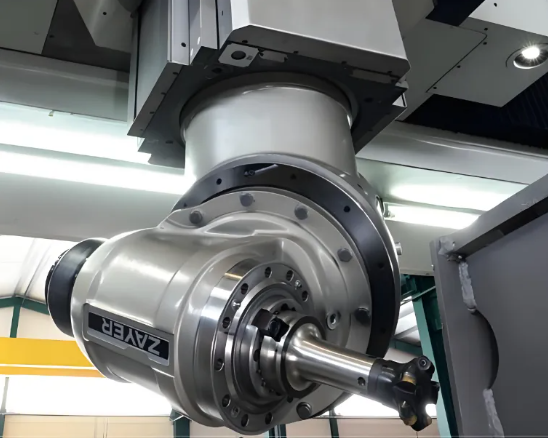
What Machining Companies Do and Why They Matter
When you need a custom metal component with tolerances as tight as ±0.001 inches, where do you turn? For most manufacturers, engineers, and procurement professionals, the answer lies with machining companies. But what exactly do these facilities do, and why should you care about understanding them before signing that first purchase order?
Machining companies are specialized facilities equipped to transform raw materials into precision parts through controlled material removal. Think of them as the bridge between your design files and the physical components that make products work. Whether you're developing a medical device prototype or need thousands of automotive brackets, these manufacturing partners make it happen.
What Machining Companies Actually Do
At their core, these facilities use cutting tools, lathes, and milling machines to shape metal, plastic, and other materials into exact specifications. The cnc meaning behind most modern operations refers to Computer Numerical Control, where specialized software converts your 3D CAD model into instructions the cnc machine follows automatically. According to Xometry, once a machine begins operating, the process requires minimal human intervention apart from loading material and unloading finished parts.
Here are the core services most machining companies typically offer:
- CNC Milling: Rotating cutting tools remove material from flat or contoured surfaces to create complex parts like engine housings and aerospace brackets
- CNC Turning: The workpiece rotates against stationary cutting tools to produce cylindrical components such as shafts, rods, and bushings
- EDM (Electrical Discharge Machining): Uses electrical sparks to cut hard or heat-treated materials with tight internal corners
- Grinding: Removes small amounts of material using abrasive wheels to improve surface finish and accuracy
- Surface Finishing: Secondary processes that enhance appearance, corrosion resistance, or functional properties
From Raw Stock to Finished Parts
Imagine starting with a solid block of aluminum and ending with a precision aerospace component. That transformation involves multiple machining processes working in sequence. First, an engineer creates a CAD model designed specifically for manufacturability. Next, the file converts into G-code that tells the milling machine exactly how to move. The operator then prepares the equipment, loads the stock material, and the cutting begins.
Most metals can be machined, including brass, copper, aluminum, stainless steel, and titanium. Each material demands different tooling, speeds, and expertise. Stainless steel offers corrosion resistance and strength, while aluminum provides lightweight properties at lower cost. Understanding these material considerations helps you evaluate whether a provider has the right experience for your project.
The Manufacturing Partners Behind Every Industry
Why does this matter for procurement professionals and engineers? Because machining companies serve as critical partners across virtually every sector. Aerospace manufacturers rely on them for flight-critical components. Medical device companies need their precision for implants and surgical instruments. Automotive, military, electronics, and energy industries all depend on these facilities to produce parts that meet exacting specifications.
These providers work for manufacturers needing production parts, engineers developing prototypes, and designers testing one-off concepts. Some produce standard components for broader markets, while others specialize in custom work tailored to specific customer requirements. Understanding this landscape positions you to find the right partner rather than simply the closest one.
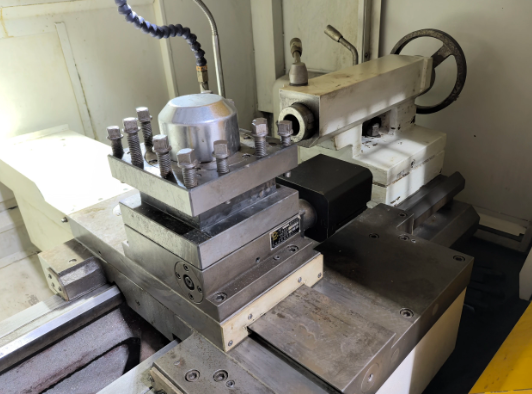
Types of Machining Companies and Their Specializations
Now that you understand what these facilities do, the next question becomes: which type of provider fits your specific needs? Not all machining companies operate the same way. Some thrive on custom one-off projects while others excel at producing thousands of identical parts. Choosing the wrong type can mean paying premium prices for simple work or getting subpar results on complex components.
Job Shops vs Production Facilities
Ever wondered whats cnc manufacturing really looks like at different scales? The answer depends largely on whether you're working with a job shop or a production facility.
Job shops are primarily make-to-order manufacturers handling custom, one-off parts. According to ECI Solutions, much of their time is spent setting up machines since orders are customized, and their workflows are complex because they differ for each job. These facilities typically don't hold significant inventory since stocking standard parts isn't productive when every order is unique.
Production manufacturers, on the other hand, are mostly made-to-stock operations dealing with sales orders. They spend less time on machine setup because workflows are simpler, linear, and standardized. Workers can be scheduled by machine or work cells within the manufacturing process, and demand is forecasted based on historical patterns.
Think of it this way: if you need a custom bracket that nobody else uses, a job shop is your answer. If you need 10,000 standard fasteners, a production facility makes more sense.
Industry-Specialized Machining Partners
Beyond the job shop versus production distinction, many machining companies specialize in serving specific industries. This specialization matters because different sectors demand vastly different capabilities.
Aerospace specialists focus on flight-critical components requiring tight tolerances, often within thousandths of an inch. As noted by Components By Design, precision machining in aerospace ensures parts fit together perfectly, maximizing engine efficiency and reducing drag while withstanding extreme flight conditions.
Medical device providers manufacture components that must function safely within the human body. Tight tolerances are essential for accuracy and effectiveness, and precision machining helps manufacturers meet strict regulatory requirements for patient safety.
Automotive machine shops handle everything from engine blocks to transmission components, often requiring high-volume production with consistent quality. An auto machine shop or engine machine shop typically maintains specialized equipment for these specific applications.
Electronics manufacturers produce small, intricate parts with high precision for circuit boards, connectors, and housings.
When searching for machine shops near me or evaluating a fabrication shop, understanding industry specialization helps you identify providers with relevant experience rather than general capabilities.
Full-Service vs Niche Providers
Some providers position themselves as end-to-end operations handling everything from design assistance to final assembly. According to Highland Machine, working with a full-service provider can help your project run smoothly by avoiding the need to move products from vendor to vendor. These facilities often handle sheet metal fabrication, precision machining, design and engineering services, assembly, and inventory management.
Niche providers, conversely, focus deeply on specific processes or materials. A company specializing exclusively in five-axis aerospace components may outperform a generalist on complex flight parts, even if they can't offer secondary services.
| Company Type | Typical Order Size | Lead Times | Specialization Depth | Ideal Use Cases |
|---|---|---|---|---|
| Job Shop | 1-500 pieces | 1-4 weeks | Broad capabilities, flexible | Prototypes, custom parts, low-volume production |
| Production Facility | 1,000+ pieces | 4-12 weeks (with setup) | Optimized for specific products | High-volume runs, standard components |
| Industry Specialist | Varies | Varies by complexity | Deep expertise in sector requirements | Regulated industries, complex specifications |
| Full-Service Provider | Flexible | Moderate to long | Wide but may lack depth | Complete projects, assembly needs |
| Niche Specialist | Varies | Often faster for specialty work | Very deep in narrow area | Complex geometries, exotic materials |
Searching for cnc machinist jobs near me? The type of facility dramatically affects the work environment and skill requirements, ranging from diverse daily challenges at job shops to repetitive precision at production facilities.
Understanding these distinctions before you start evaluating specific companies saves time and prevents costly mismatches. But how do you verify that a provider actually delivers on their claimed capabilities? That's where certifications and quality standards come into play.
Essential Certifications and Quality Standards Explained
You've identified the type of machining partner you need. But how do you separate providers who genuinely maintain high standards from those who simply claim to? The answer lies in understanding certifications, not just checking boxes on a supplier form. When thousands of dollars and critical project timelines hang in the balance, knowing what these quality credentials actually mean becomes your most powerful evaluation tool.
Decoding Quality Certifications
Certifications aren't just fancy logos on a website. They represent documented proof that an organization follows specific procedures, maintains consistent processes, and submits to regular third-party audits. For any cnc machinist working in regulated industries, understanding these standards is essential to daily operations.
ISO 9001 serves as the internationally recognized baseline for quality management systems. According to American Micro Industries, the core principles include customer focus, process approach, continual improvement, and evidence-based decision-making. This standard helps operations establish clear procedures for every aspect of production. Think of it as the foundation upon which industry-specific certifications build.
AS9100 takes ISO 9001 and adds over 100 requirements specific to aerospace manufacturing. As detailed by NQA, this standard emphasizes risk management, stringent documentation, and product integrity control throughout complex supply chains. It addresses critical concerns like counterfeit part prevention and product safety throughout a component's entire lifecycle. Most global aerospace manufacturers and suppliers will only work with AS9100-certified partners.
ISO 13485 applies specifically to medical device manufacturing. This certification outlines strict controls over design, manufacturing, traceability, and risk mitigation. Facilities seeking this certification must implement detailed documentation practices, thorough quality checks, and effective complaint and recall handling. If your parts will be used in medical applications, this certification is non-negotiable.
IATF 16949 serves the automotive sector by combining ISO 9001 principles with requirements for continuous improvement, defect prevention, and stringent supplier oversight. Compliance demonstrates robust product traceability and process control that major automotive manufacturers demand.
What ITAR Registration Really Means
Beyond quality certifications, defense-related machining falls under the International Traffic in Arms Regulations (ITAR). This isn't a quality certification but rather a legal compliance requirement that strictly controls the handling of sensitive technical data and components. Compliance requires registered status with the U.S. Department of State and specific information security protocols.
Why does this matter for your tooling and lathe tooling projects? If you're working on defense contracts, your machining partner must maintain ITAR registration alongside their quality certifications. Working with an unregistered facility on controlled items creates serious legal liability.
NADCAP accreditation adds another layer for aerospace and defense work. Unlike general quality certifications, NADCAP examines process-specific controls for special processes like heat treating, chemical processing, and nondestructive testing. This accreditation validates that a manufacturer can consistently perform specialized processes at the highest standard.
Understanding Quality Control Methods
Certifications establish the framework, but specific quality control methods determine daily execution. When evaluating machining companies, understanding these practices reveals how seriously they take precision.
Statistical Process Control (SPC) uses statistical methods to monitor and control manufacturing processes. Rather than inspecting every single part, SPC tracks trends and variations to catch problems before they produce defective components. A skilled cnc machinist relies on SPC data to maintain consistent output across production runs.
First Article Inspection (FAI) provides complete verification that the manufacturing process produces parts meeting all design specifications. Before full production begins, the first completed part undergoes comprehensive dimensional and material verification. This catches tooling errors, programming mistakes, or material issues before they affect an entire production run.
Material traceability ensures every component can be traced back to its original raw material source, including mill certifications, heat lot numbers, and supplier documentation. For aerospace and medical applications, this traceability is mandatory. If a material defect surfaces years later, proper documentation allows identification of all affected parts.
The right machinist tools and inspection equipment support these quality methods. Coordinate measuring machines (CMMs), optical comparators, and calibrated gauges should be evident in any serious precision facility.
How to Verify Certification Claims
Here's where many buyers make costly mistakes: they accept certification claims at face value without verification. Certifications require ongoing audits, and status can lapse. A certificate hanging on the wall might be years out of date.
To verify claims independently:
- Request current certification certificates with validity dates and registrar information
- Check the registrar's online database to confirm active status
- For AS9100, search the IAQG OASIS database which lists all certified aerospace suppliers
- Verify ITAR registration through the U.S. Department of State's Directorate of Defense Trade Controls
- Ask for recent audit reports or surveillance audit results
Legitimate providers welcome this verification. Companies resistant to sharing documentation raise immediate concerns about their actual compliance status.
Red Flags That Signal Quality Problems
Beyond missing certifications, experienced procurement professionals watch for warning signs that indicate questionable quality practices:
- Expired or unverifiable certifications: Current certificates should be readily available with contact information for the registrar
- Resistance to facility tours: Reputable shops welcome customer visits to their production floor
- No documented inspection procedures: Ask how they verify part conformance and what records they maintain
- Missing calibration records: All measurement equipment requires regular calibration with documented traceability
- Vague answers about material sourcing: Legitimate suppliers know exactly where their raw materials originate
- No First Article Inspection process: Skipping FAI suggests a reactive rather than preventive quality approach
- Unwillingness to provide haas tooling or equipment lists: Transparency about capabilities indicates confidence in their systems
- No corrective action procedures: Every facility has problems; mature organizations have documented processes for addressing them
These warning signs don't automatically disqualify a provider, but they warrant deeper investigation before committing to a partnership. Quality systems take years to develop and maintain properly. A company cutting corners on certification and documentation likely cuts corners elsewhere.
Understanding these certifications and verification methods empowers you to evaluate machining companies based on documented evidence rather than marketing claims. But certifications only tell part of the story. The materials your parts require significantly influence which providers can actually deliver quality results.
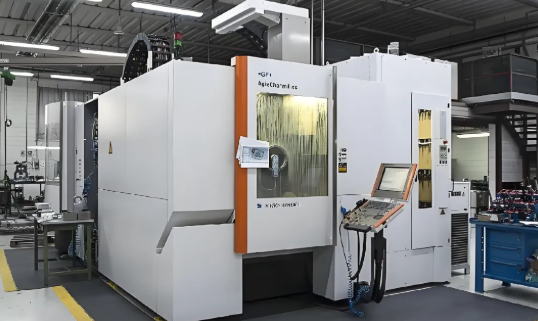
Material Capabilities and Specialization Considerations
You've verified certifications and understand quality standards. But here's a critical question most buyers overlook: can your chosen machining company actually work with your specific material? A facility with flawless AS9100 certification might still struggle with titanium if their expertise lies in aluminum. Material selection doesn't just affect part performance; it determines which providers can deliver quality results in the first place.
Matching Materials to Machining Expertise
Every material behaves differently under cutting tools. What works brilliantly for aluminum creates disaster with stainless steel. According to Unisontek, the key to machining aluminum, stainless steel, and titanium successfully lies in understanding each material's behavior, managing cutting resistance, selecting the right tooling, optimizing surface finish techniques, and implementing effective heat control strategies.
When evaluating machining companies, ask specifically about their experience with your required materials. A provider running aluminum all day may need significant adjustments for a stainless steel project. Their metal lathe settings, tooling inventory, and operator expertise all factor into whether they can deliver your parts to specification.
Consider this: a cnc milling machine programmed for high-speed aluminum work operates at spindle speeds and feed rates that would destroy tooling when applied to titanium. The expertise gap isn't just about equipment; it's about knowing what adjustments each material demands.
Why Material Specialization Matters
Sounds complex? It should. Different materials create fundamentally different machining challenges that require specialized knowledge:
Aluminum offers excellent machinability with low cutting resistance, allowing for high-speed milling and rapid removal rates. However, because aluminum is softer and more ductile, it can adhere to cutting tools, forming built-up edge and compromising surface finish. Providers need sharp tooling with polished flutes and strategic coolant application to prevent tool loading.
Stainless steel presents higher cutting resistance that generates heat quickly, leading to tool wear and work-hardening if parameters aren't well controlled. Successful machining requires rigid tooling, stable fixturing, carbide tools with heat-resistant coatings, and high-pressure coolant for effective heat control. A lathe machine running stainless steel needs different setup parameters than one machining softer metals.
Titanium provides exceptional strength-to-weight performance but creates significant challenges. Its low thermal conductivity causes heat to concentrate at the cutting edge, leading to rapid tool wear and potential deformation. Providers must reduce cutting speed while maintaining steady feed, with aggressive coolant direction targeted at the cutting zone.
For specialized cutting operations, equipment like a wire edm machine excels at cutting hard or heat-treated materials with tight internal corners that conventional milling struggles to achieve. Similarly, a cnc plasma cutter handles thick plate materials efficiently, though with less precision than traditional CNC methods. Your material requirements often dictate which machining processes and equipment configurations your provider needs.
Common Materials and Their Machining Challenges
According to Xometry, the most common CNC machining materials include aluminum, stainless steel, steel, brass, copper, titanium, and rigid plastics. Each brings distinct properties that influence provider selection.
| Material | Machinability | Typical Applications | What to Look for in a Provider |
|---|---|---|---|
| Aluminum (6061, 7075) | Excellent; high speeds possible | Aerospace brackets, automotive components, electronic housings | High-speed spindles, proper chip evacuation systems, experience preventing built-up edge |
| Stainless Steel (303, 304, 316) | Moderate; work-hardening concerns | Medical devices, food processing, marine applications | Rigid machine construction, carbide tooling with coatings, high-pressure coolant systems |
| Titanium (Grade 2, Ti-6Al-4V) | Difficult; heat management critical | Aerospace structures, medical implants, high-performance components | Proven titanium experience, aggressive cooling capability, appropriate feed rates |
| Carbon Steel (1018, 4140) | Good; varies by hardness | Structural components, shafts, gears | Appropriate tooling for hardness level, heat treatment partnerships if needed |
| Brass and Copper | Excellent; free-cutting | Electrical components, plumbing fittings, decorative parts | Experience with soft metal chip control, proper surface finish techniques |
| Engineering Plastics (PEEK, Delrin, Polycarbonate) | Good; thermal sensitivity | Medical devices, insulators, wear components | Temperature control, sharp tooling, experience preventing melting or deformation |
| Exotic Alloys (Inconel, Hastelloy) | Very difficult; specialized expertise required | Aerospace engines, chemical processing, high-temperature applications | Documented exotic alloy experience, specialized tooling inventory, proven processes |
When working with exotic and difficult-to-machine metals, following correct practice is critical. As noted by Methods Machine Tools, "Machining hard metals is a delicate process. There's a lot of room for error, machining takes more time, and you have to fine-tune every aspect of your process. When you're dealing with expensive, exotic materials, preparation is critical."
Material Choice and Achievable Tolerances
Here's something many engineers discover too late: material properties directly affect achievable tolerances. Aluminum's thermal stability and excellent machinability allow tighter tolerances more easily than materials that expand significantly under cutting heat.
Titanium's low thermal conductivity concentrates heat at the cutting zone, potentially causing dimensional changes during machining. An edm machine sometimes achieves tighter tolerances on hardened materials than conventional cutting because it removes material through electrical discharge rather than mechanical force.
When discussing tolerances with potential providers, specify your material upfront. A shop confidently quoting ±0.0005" on aluminum parts may need to discuss different approaches for the same tolerance in Inconel. The best machining companies understand these relationships and set realistic expectations based on material behavior.
A quality mill machine operator knows that material consistency matters too. Variations in raw stock composition affect machinability. Reputable providers verify incoming material certifications and may reject substandard stock rather than risk quality problems.
Understanding how your material requirements influence provider selection prevents costly mismatches. But once you've identified providers with appropriate material expertise, how do you systematically compare their overall capabilities? That requires a structured evaluation framework.
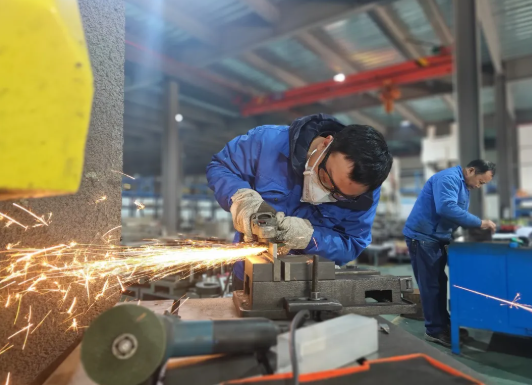
How to Evaluate and Compare Machining Companies
You've identified your material requirements and understand quality certifications. Now comes the harder question: how do you systematically compare multiple providers to find the best fit? Without a structured approach, evaluations often default to whoever quotes the lowest price or responds fastest. Neither metric predicts successful partnerships. What you need is a comprehensive framework that turns subjective impressions into objective decision criteria.
Building Your Evaluation Checklist
Imagine visiting three machining companies in one week. Each facility looks different, each sales team emphasizes different strengths, and each quote structures pricing differently. How do you compare apples to apples? The answer lies in evaluating every provider against the same criteria before you even request quotes.
According to Rapidefficient, choosing a suitable CNC processing manufacturer directly affects product quality, determines project delivery cycles, and impacts comprehensive costs. Unreliable providers may cut corners in surface treatment, quality inspection, and packaging, ultimately requiring additional modification fees.
Here's a step-by-step methodology for evaluating machining companies systematically:
- Define your requirements precisely: Document material specifications, tolerances, quantities, surface finish requirements, and delivery timelines before contacting any provider. Vague requirements invite vague responses.
- Research potential providers: Create a shortlist based on industry specialization, certifications relevant to your sector, and geographic considerations. Look for providers with documented experience in similar projects.
- Request detailed capability sheets: Ask each provider for equipment lists, certification copies, and case studies. A cnc operator working at a well-organized facility should have this information readily available.
- Submit identical RFQs: Send the same technical package to every provider. This ensures quotes reflect the same scope and enables direct comparison.
- Evaluate responses holistically: Compare not just pricing but also lead times, communication quality, questions asked, and any design feedback offered.
- Conduct facility assessments: For significant projects, visit shortlisted providers or request virtual facility tours. Observe equipment condition, shop organization, and workforce engagement.
- Request references: Ask for customer contacts with similar project requirements. Follow up with specific questions about quality, delivery, and problem resolution.
- Start with trial orders: Before committing to large production runs, place small test orders to verify actual performance matches claimed capabilities.
Equipment and Capability Assessment
Equipment forms the foundation of any machining operation. Without advanced machinery, promises about quality and precision ring hollow. When assessing provider capabilities, focus on these critical equipment categories:
CNC Milling Machines: Understanding the difference between 3-axis and 5-axis capabilities dramatically affects what geometries a shop can produce. A standard 3-axis vertical milling machine moves the cutting tool along X, Y, and Z axes. This handles most straightforward parts effectively. However, complex contoured surfaces, undercuts, and compound angles often require 5-axis simultaneous machining, where the workpiece rotates on two additional axes during cutting.
Ask specific questions: How many 5-axis machines do they operate? What brands? A shop running multiple Haas mini mill units for prototype work alongside larger production milling machines demonstrates versatility across order sizes. Equipment diversity suggests they can handle both quick-turn prototypes and longer production runs.
CNC Lathe Capabilities: For cylindrical components, turning capacity matters. Evaluate maximum swing diameter, bar capacity, and whether they offer live tooling that combines turning and milling operations. A modern cnc lathe with sub-spindle capability can complete complex parts in single setups, reducing handling and improving accuracy.
EDM and Specialty Equipment: Some geometries require non-traditional methods. Wire EDM cuts intricate internal features that conventional milling can't reach. Sinker EDM creates complex cavities for mold and die work. If your parts require tight internal corners or hardened materials, confirm these capabilities exist.
Inspection Equipment: Quality verification requires appropriate metrology. Look for coordinate measuring machines (CMMs), optical comparators, surface roughness testers, and calibrated gauge blocks. Ask about calibration schedules and traceability to national standards. The best cnc programming means nothing if inspection equipment can't verify results.
Capacity and Scalability Indicators
A provider might have excellent equipment but lack capacity for your project timeline. Evaluating capacity requires looking beyond machine counts to understand how work flows through the facility.
Consider these capacity indicators:
- Machine utilization rates: Shops running at 90%+ utilization may struggle to accommodate urgent orders or schedule changes
- Shift patterns: Single-shift operations limit capacity; multi-shift or lights-out machining expands available production hours
- Workforce depth: How many experienced operators and programmers staff the facility? High turnover suggests training gaps
- Backlog visibility: Reputable providers share realistic lead times based on current workload rather than optimistic estimates
- Growth trajectory: Recent equipment investments indicate a provider positioned for expansion; stagnant facilities may struggle with larger orders
Scalability matters if your volumes might increase. A shop perfect for 500-piece prototype runs may lack infrastructure for 50,000-piece production orders. Ask directly: what's the largest order they've successfully delivered? How did they scale operations to meet that demand?
Geographic Considerations: When Location Matters
Should you prioritize local machining companies or consider distant providers? The answer depends on your specific circumstances rather than a blanket rule.
When proximity matters most:
- Urgent prototype development: When you need parts tomorrow, shipping time becomes critical. Local providers enable same-day pickup
- Frequent design iterations: Projects with ongoing engineering changes benefit from face-to-face collaboration
- Complex first article approvals: Being present during initial production runs catches issues faster
- Heavy or oversized parts: Freight costs and handling risks increase with part size and weight
- Relationship-dependent industries: Some sectors value local partnerships for supply chain resilience
When distance works well:
- Stable production runs: Once designs are finalized and first articles approved, geographic distance matters less
- Specialized capabilities: If only a few providers nationwide offer required expertise, location becomes secondary
- Strong digital communication: Video calls, shared CAD models, and digital inspection reports enable effective remote collaboration
- Cost-sensitive projects: Regional cost differences may justify shipping expenses for larger orders
- Predictable schedules: When lead times are generous, transit time becomes negligible
The best approach often combines both: local partners for prototyping and urgent needs, with production potentially moving to the most capable provider regardless of location once designs stabilize.
Evaluating Engineering Support and DFM Capabilities
The most valuable machining companies don't just make what you send them. They help you design parts that machine efficiently, perform reliably, and cost less to produce. This Design for Manufacturability (DFM) expertise separates order-takers from true manufacturing partners.
Strong DFM support includes:
- Proactive design feedback: Before quoting, do they identify potential manufacturing challenges in your drawings?
- Tolerance optimization: Can they explain which tolerances drive cost and suggest alternatives that maintain function?
- Material recommendations: Do they offer material substitutions that improve machinability without compromising performance?
- Feature simplification: Can they recommend design changes that reduce setup time or eliminate secondary operations?
- Cost reduction ideas: Beyond meeting specs, do they actively suggest ways to reduce part cost?
According to Rapidefficient, a mature CNC processing manufacturer accumulates rich project experience and can efficiently handle complex shape processing, high precision requirements within ±0.01mm tolerance ranges, and various surface treatments including polishing, electroplating, and anodizing.
Evaluate engineering support during the quoting process itself. Providers who ask thoughtful questions about your application, suggest improvements, or identify potential issues demonstrate the technical depth that prevents problems later. Those who simply quote whatever you send, without questions or feedback, may lack the expertise to catch manufacturing issues before they become expensive mistakes.
Test this by intentionally including a challenging feature in your RFQ. How do different providers respond? Do they flag the difficulty and suggest alternatives, or quote it without comment? Their approach reveals whether you're getting a manufacturing partner or merely a parts vendor.
With a solid evaluation framework in hand, you're equipped to compare machining companies objectively. But before signing contracts, you'll need to understand how lead times, order quantities, and pricing structures actually work in this industry.
Lead Times and Production Volume Considerations
You've evaluated capabilities, verified certifications, and confirmed material expertise. But here's the question that catches many buyers off guard: how long will this actually take, and what's the minimum order you'll need to place? Understanding lead times, order quantities, and pricing structures prevents the frustration of unrealistic expectations and helps you plan projects with confidence.
Understanding Lead Time Expectations
What constitutes "fast" delivery in the machining industry? The answer varies dramatically based on part complexity, order volume, and provider capacity. Without clear benchmarks, you might accept a four-week lead time as normal when comparable providers deliver in two, or push for impossible deadlines that compromise quality.
According to Zenith Manufacturing, understanding the relationship between Quality, Cost, and Delivery (QCD) is essential for balanced sourcing decisions. A transparent provider will pair pricing tiers with corresponding delivery tiers, proving they've planned machine capacity to ensure your project scales smoothly.
General industry benchmarks for lead times include:
- Rush prototypes (simple parts): 1-3 business days for straightforward geometries in common materials
- Standard prototypes: 1-2 weeks for moderate complexity with typical tolerances
- Complex prototypes: 2-4 weeks for tight tolerances, exotic materials, or intricate features
- Low-volume production (under 500 pieces): 2-4 weeks depending on part complexity
- High-volume production (1,000+ pieces): 4-12 weeks including setup optimization and quality validation
These timelines assume material availability. Exotic alloys or specialty plastics with long procurement lead times add weeks before machining even begins. When searching for a cnc machine for sale or evaluating cnc near me options, factor in whether providers stock common materials or order everything per-project.
Capacity evaluation requires direct questions. A shop quoting two-week delivery might be optimistic if their machines already run three shifts with existing orders. Ask about current backlog and how they prioritize new work against existing commitments.
Prototype Runs vs Production Volumes
The transition from prototype to production represents one of the most significant shifts in working with machining companies. What works perfectly for ten parts may become inefficient or impractical at ten thousand. Understanding these differences helps you select appropriate partners for each project phase.
According to Ensinger Plastics, prototyping is a critical step where CNC machining allows rapid creation of functional prototypes for fit, form, and performance testing. By validating complex features early, potential issues can be identified and resolved before full production. Once validated, transitioning to low-volume production requires careful planning to maintain tight tolerances, repeatable quality, and full traceability.
Prototype considerations:
- Speed often matters more than per-piece cost
- Design changes are expected and should be accommodated easily
- First Article Inspection validates manufacturing approach
- Material verification confirms specifications before committing to volume
- A desktop cnc machine might handle simple prototype work, but precision parts require industrial equipment
Production volume considerations:
- Setup optimization becomes critical for cost efficiency
- Tooling investments may be justified for improved cycle times
- Statistical process control ensures consistency across batches
- Scheduling predictability affects your own production planning
- A desktop cnc mill won't scale for production; industrial capacity is essential
Many procurement professionals make the mistake of selecting prototype partners based solely on speed, then discovering those partners lack production capacity. Conversely, approaching production facilities for quick-turn prototypes often results in long lead times and premium pricing. Match your partner type to your current project phase.
Minimum Orders and Pricing Structures
Why does one machining company quote significantly higher than another for identical parts? The answer usually lies in how they structure pricing, particularly around setup costs and minimum order quantities.
According to Zenith Manufacturing, CNC machining pricing follows a fundamental formula: Unit Price = (One-Time Setup Cost / Order Quantity) + Variable Cost per Part. This means fixed setup costs are amortized across more units, drastically lowering unit price as order volume increases.
The setup cost component includes:
- CAM programming and toolpath generation
- Fixture design and fabrication
- First article inspection and process validation
- Machine setup and calibration
- Documentation preparation
This is why a single prototype costs dramatically more per piece than production quantities. That entire setup investment applies to just one unit. By the time you reach hundreds or thousands of pieces, setup cost becomes negligible per part.
A critical insight from Zenith Manufacturing: "Be cautious of suppliers who claim '$0 NRE' on a prototype quote. More often than not, they are simply hiding that setup cost inside a high unit price." This makes their quote seem attractive for small quantities but becomes problematic when scaling. A clearly stated Non-Recurring Engineering (NRE) fee indicates honest, transparent pricing.
Minimum order quantities (MOQs) vary significantly by provider type and part complexity. According to SEACOMP, MOQs are ultimately determined by the time and capital required to create a product. Four key factors influence MOQ requirements:
- Bill of materials complexity: Managing multiple components requires coordination time
- Assembly effort: Setup for assembly lines affects minimum viable order sizes
- Testing requirements: Inspection protocols add per-unit or per-batch costs
- Packaging complexity: Custom packaging drives higher minimum orders
While negotiating lower MOQs is possible, it typically means higher per-unit costs. Establishing relationships early allows conversations about optimizing both quantity and cost.
Balancing Cost, Speed, and Quality Trade-offs
Every machining project involves trade-offs. Understanding how these factors interact helps you make informed decisions rather than simply accepting whatever a provider quotes.
Consider these questions when evaluating providers about capacity and turnaround:
- What is your current production backlog, and how does that affect my quoted lead time?
- Can you expedite delivery, and what premium does that require?
- How do you handle schedule changes if my requirements shift?
- What happens if you encounter manufacturing issues that affect delivery?
- Do you maintain buffer capacity for rush orders, or does everything queue sequentially?
- How many shifts do you operate, and is lights-out machining available?
- What's the longest lead time component in my order (material, machining, finishing)?
- For auto machine shop near me searches, do you maintain local material inventory for faster starts?
The relationship between cost, speed, and quality isn't always linear. Sometimes paying for rush delivery actually improves quality because dedicated attention prevents the errors that come from squeezing work between other priorities. Other times, accepting standard lead times allows more thorough process validation.
For those exploring cnc jobs or evaluating potential machining partners, understanding these trade-offs distinguishes experienced procurement professionals from those who simply chase the lowest quote. The cheapest option rarely represents the best value when delivery delays or quality issues disrupt your own production schedules.
With realistic expectations about lead times, order quantities, and pricing structures, you're better equipped to evaluate quotes and plan projects. But even with this knowledge, costly mistakes happen when buyers miss warning signs that indicate deeper problems with a machining company's capabilities or reliability.
Red Flags and Common Mistakes to Avoid
You've done your homework on certifications, materials, and lead times. But here's the uncomfortable truth: even well-prepared buyers make expensive mistakes when selecting machining companies. Why? Because they focus exclusively on what providers claim they can do rather than watching for warning signs that reveal what they actually deliver. Learning to spot these red flags before signing purchase orders saves thousands in rework, delays, and damaged customer relationships.
Warning Signs to Watch For
According to OpenBOM, selecting the wrong manufacturing partner can lead to compromised product quality, missed deadlines, communication breakdowns, and financial losses. The costs of rectifying mistakes made by an unsuitable partner can be substantial, both in terms of time and resources.
Watch for these critical warning signs during your evaluation process:
- Over-promising on tolerances: A provider claiming they can hold ±0.0001" on every feature without asking about your application or functional requirements likely doesn't understand what is cnc machining truly capable of achieving consistently. Realistic providers discuss which tolerances are critical versus nominal.
- Vague communication about capabilities: When asked about specific equipment or processes, evasive answers like "we can handle that" without details suggest either limited capabilities or poor internal knowledge.
- The "no problem" response: As OpenBOM notes, suppliers who consistently respond with "no problem" to every question without providing substantive feedback may be glossing over important details or failing to grasp the full scope of your project.
- Missing or outdated certifications: Certificates should be current with verifiable registrar information. Expired credentials or resistance to sharing documentation raises immediate concerns.
- Resistance to facility visits: Reputable shops welcome customer visits. Providers discouraging on-site inspections may have something to hide regarding equipment condition, organization, or actual capabilities.
- Lack of inspection documentation: According to BulkTEK, lack of proper quality assurance leads to tolerance drift, part failure in real-world environments, and even product recalls.
- No questions about your application: A cnc machine operator who never asks how parts will be used cannot make informed decisions about manufacturing approach. Good partners want context.
- Unrealistic lead time promises: Quotes promising delivery significantly faster than competitors without premium pricing often indicate corners will be cut or deadlines missed.
Common Selection Mistakes to Avoid
Beyond watching for provider red flags, buyers frequently make their own errors that lead to poor outcomes. Understanding the c.n.c meaning behind modern manufacturing helps, but avoiding these common mistakes matters even more:
Choosing solely on price: According to BulkTEK, choosing the cheapest quote might seem like a win until hidden costs like rework, delays, or inconsistent quality surface. Some low-cost suppliers cut corners by using inferior raw materials, unskilled operators, or outdated calibration practices. Focus on total value, not just initial cost.
Ignoring experience relevance: As Mantool emphasizes, you want to make sure the operators have experience manufacturing components specific to your product or industry. This specialized experience shows that operators will deliver parts meeting the highest industry standards.
Skipping reference checks: Pictures of machine shops on websites look impressive, but they don't tell you about delivery reliability or problem resolution. Call references and ask specific questions about quality consistency and communication responsiveness.
Not defining requirements clearly: Vague specifications invite interpretation errors. Be specific about tolerances, surface finishes, and functional requirements before requesting quotes. Ambiguity costs money.
Overlooking scalability: A provider perfect for prototype quantities may lack infrastructure for production volumes. Ask directly about capacity limits before committing to relationships you'll outgrow.
Accepting unclear pricing: As discussed in the previous section, hidden setup costs inside inflated unit prices become problematic when scaling. Request transparent breakdowns showing one-time versus per-piece costs.
Questions That Reveal True Capabilities
The right questions during the quoting process reveal more than any marketing materials. According to Mantool, asking for references or reviews is essential. If you can't find anything online, don't be afraid to ask for names and phone numbers of companies they've worked with in the past.
Use these questions to evaluate potential machining partners:
- "What similar parts have you manufactured, and can you share examples or references?" Providers with relevant experience should readily provide evidence.
- "What inspection equipment do you use, and how do you document quality?" According to BulkTEK, proper quality assurance includes in-process inspection, CMM validation, ISO-compliant reports, and material certifications.
- "Can you walk me through your process for handling quality issues?" Every facility encounters problems; mature organizations have documented corrective action procedures.
- "What questions do you have about my application?" Providers who ask thoughtful questions demonstrate technical depth. Those who quote without inquiry may lack expertise to catch manufacturing issues.
- "What's your current backlog, and how does that affect my lead time?" Honest answers reveal whether quoted timelines are realistic or optimistic.
- "Can I visit your facility or schedule a virtual tour?" Resistance to transparency signals potential problems.
- "How do you handle design changes or engineering modifications?" Flexibility in accommodating changes indicates partnership orientation versus transactional mindset.
Evaluate communication quality throughout the quoting process itself. Response times, thoroughness of answers, and proactive communication indicate future partnership quality. A provider slow to respond during the sales process rarely improves after receiving your order.
As OpenBOM notes, effective communication fosters collaboration, minimizes errors, and ensures expectations are aligned. Transparent communication fosters trust and accountability, enabling swift resolution of issues and proactive problem-solving.
By watching for these red flags, avoiding common selection mistakes, and asking revealing questions, you position yourself to identify machining companies that deliver on their promises. But finding a capable provider is only the beginning. Building a successful long-term partnership requires ongoing attention to communication, collaboration, and continuous improvement.
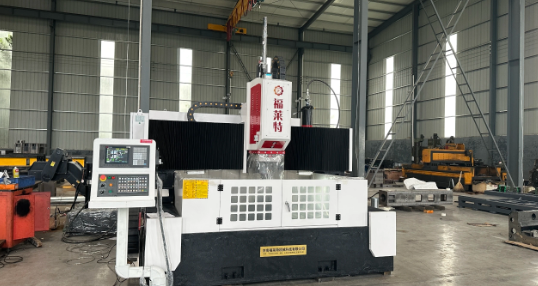
Building Successful Machining Partnerships
You've identified red flags, evaluated capabilities, and selected a promising machining company. But here's what separates one-time transactions from profitable long-term relationships: how you collaborate after that first purchase order. The most successful procurement professionals treat their machining partners as extensions of their own teams. They invest in communication systems, provide clear documentation, and approach problems as shared challenges rather than blame games.
From First Quote to Long-Term Partnership
Think of your first project as an audition, not a marriage. According to Anebon Metal, while short-term transactions may handle immediate capacity requirements, the highest value emerges from sustained, collaborative partnerships. A long-term approach permits both parties to align on shared goals, develop deep mutual understanding, and collaborate proactively to solve complex engineering and machining manufacturing challenges.
Start small and build trust incrementally. Place initial orders that test capabilities without catastrophic risk if problems arise. Evaluate not just the parts delivered but the entire experience: communication responsiveness, problem-solving approach, and willingness to provide feedback on your designs.
What transforms a vendor into a partner? Consider these relationship-building practices:
- Involve them early in development: Engaging your machining partner during design and prototype stages leverages their manufacturing insights before costly tooling commitments
- Share your product roadmap: When providers understand future needs, they can plan capacity, suggest improvements, and invest in relevant capabilities
- Establish clear expectations upfront: Define project scope, tolerances, delivery schedules, and quality benchmarks before production begins
- Create efficient communication channels: Designate dedicated contacts on both sides and schedule regular project updates
For automotive applications requiring IATF 16949 certification and high-tolerance components, providers like Shaoyi Metal Technology demonstrate how precision CNC machining services can scale from rapid prototyping to mass production with lead times as fast as one working day. Explore their automotive machining solutions for an example of partnership-ready manufacturing capability.
Communication Practices That Improve Results
Ever wonder why some projects flow smoothly while others devolve into finger-pointing? The difference usually traces back to communication quality, not technical capability. According to Hubs, although a 3D CAD file is sufficient to request a CNC quote, technical drawings remain important in manufacturing because they improve communication of technical requirements between designers, engineers, product developers, and machinists.
Provide effective technical documentation by including:
- Detailed CAD drawings with all critical dimensions clearly specified
- Material specifications including grade, temper, and any certification requirements
- Surface finish requirements using standard roughness callouts
- Tolerance annotations for features requiring higher accuracy than standard
- Notes explaining functional requirements and how parts will be used
- Thread specifications using standard designations rather than just diameter dimensions
When seeking aluminum cnc machining service capabilities or specialized cnc acrylic service providers, clear documentation prevents costly misinterpretations. The more context you provide about your application, the better decisions your machining partner can make about manufacturing approach.
Long-term partners become extensions of each other's teams, contributing knowledge, anticipating needs, and enabling continuous improvement. This synergy results in better outcomes, faster turnaround times, and a competitive edge in markets where precision and responsiveness are critical.
Foster an environment where challenges get reported promptly and handled constructively. Encourage your provider to propose alternative solutions or innovations rather than waiting for instructions. The best partnerships feel like collaboration, not order-taking.
Scaling Successfully with Your Machining Partner
The jump from prototype to production represents one of the most challenging transitions in manufacturing. According to Fictiv, working with an experienced manufacturing partner from the outset offers a streamlined path for parts procurement through the product development process and helps mitigate risk down the road.
There can be big differences between engineering a product for prototype and engineering for manufacturing. Good partners bring Design for Manufacturability (DFM) and Design for Assembly (DFA) expertise to identify potential issues before they become expensive production problems. As Fictiv's experts note, one of the hardest things to do on a product is pricing. If you get that wrong, the entire program goes off the rails.
When scaling from prototype to production, consider:
- Selecting prototyping materials that closely match eventual production materials
- Validating complex features early through functional testing
- Understanding that cnc machinist jobs in production environments demand different skills than prototype work
- Implementing factory automation where appropriate for consistency and cost efficiency
- Establishing rigorous quality control systems before volume increases
Quality issues will arise in any manufacturing relationship. How you handle them determines whether the partnership strengthens or deteriorates. Approach problems collaboratively, focusing on root cause analysis and corrective action rather than blame. Document issues, track resolution, and use them as opportunities for process improvement.
Schedule regular business reviews to evaluate quality metrics, delivery performance, and cost targets. Use these sessions to identify improvement opportunities and align future production plans. Promote open feedback where both parties feel empowered to suggest improvements. Celebrate successes together to reinforce goodwill and shared commitment.
Building a sustainable, long-term partnership with your machining provider requires thoughtful selection, clear communication, rigorous quality assurance, and ongoing engagement. The investment in relationship development pays dividends through improved quality, faster response times, and the competitive advantage of having a manufacturing partner who truly understands your needs.
Frequently Asked Questions About Machining Companies
1. What do machinists charge per hour?
CNC machining hourly rates vary significantly based on equipment type and complexity. Mid-sized CNC lathes typically run $50-$110 per hour, horizontal CNC mills range from $80-$150 per hour, and advanced 5-axis machines can cost $120-$300+ per hour. Swiss lathes fall between $100-$250 per hour. These rates reflect machine operating costs, operator expertise, and facility overhead. When comparing quotes, remember that lower hourly rates don't always mean lower project costs—efficiency and setup time significantly impact total pricing.
2. What are the top CNC machine tool manufacturers?
The leading CNC machine tool manufacturers include Yamazaki Mazak, DMG MORI, Trumpf, Haas Automation, Okuma, Makino, Doosan Machine Tools (DN Solutions), AMADA, Hardinge, and HELLER. These companies are recognized for innovation, advanced CNC technology, and reliable machine tools. When evaluating machining companies, asking about their equipment brands provides insight into their capability investment. Facilities running premium equipment from these manufacturers typically demonstrate commitment to precision and reliability.
3. How do I verify a machining company's certifications?
Verify certifications by requesting current certificates with validity dates and registrar contact information. Check the registrar's online database to confirm active status. For aerospace suppliers, search the IAQG OASIS database. Verify ITAR registration through the U.S. Department of State's Directorate of Defense Trade Controls. Ask for recent audit reports. Legitimate providers welcome this verification process—resistance to sharing documentation signals potential compliance concerns.
4. What's the difference between job shops and production facilities?
Job shops handle custom, one-off parts with complex workflows that differ for each job. They spend significant time on machine setup since orders are customized and typically serve orders of 1-500 pieces. Production facilities focus on made-to-stock operations with standardized, linear workflows. They spend less time on setup and serve high-volume runs of 1,000+ pieces. Choose job shops for prototypes and custom parts; select production facilities for standardized components at scale.
5. What red flags should I watch for when selecting a machining company?
Key warning signs include over-promising on tolerances without asking about your application, vague communication about capabilities, expired or unverifiable certifications, resistance to facility visits, and lack of inspection documentation. Watch for providers who respond 'no problem' to every request without substantive feedback—this often indicates they don't fully understand project scope. Also be cautious of unrealistic lead time promises and quotes with hidden setup costs buried in inflated unit prices.