 Small batches, high standards. Our rapid prototyping service makes validation faster and easier —
  EN
EN


What Metals Are Not Magnetic? Stop Trusting The Magnet Test
What Metals Are Not Magnetic?
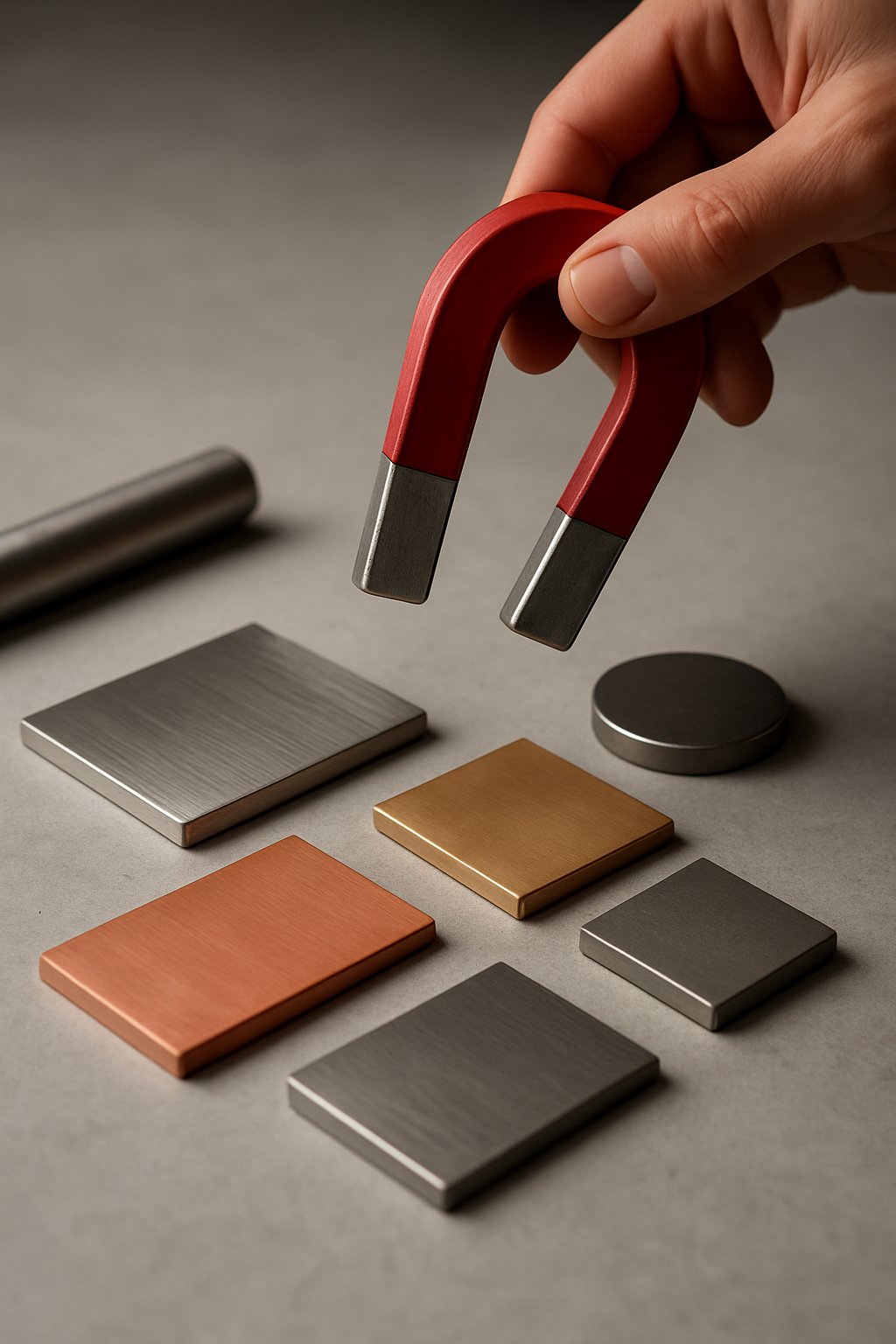
In everyday conditions, many commonly used metals are usually not magnetic. The short list includes aluminum, copper, brass, bronze, lead, zinc, tin, titanium, gold, and silver. These are widely treated as non magnetic metals in homes, shops, and scrap handling. The important catch is that alloys can behave differently, and stainless steel is a major exception because some grades attract magnets while others do not. Practical overviews from the IMS guide and a stainless guide support that everyday rule while also showing why a simple magnet test can mislead.
Common Non Magnetic Metals List
- Aluminum
- Copper
- Brass
- Bronze
- Lead
- Zinc
- Tin
- Titanium
- Gold
- Silver
What Metals Are Not Magnetic at a Glance
If you searched for what metals are not magnetic, the fast answer is the list above. In normal use, those are the metals that are not magnetic most people mean. If you are asking what metal is not magnetic, aluminum and copper are two of the most common examples. People looking up what metals are non magnetic or which metals are not magnetic are usually trying to identify parts, sort scrap, or check whether a magnet test means anything.
Why a Simple List Needs Exceptions
A quick list is helpful, but it is not perfect. Some metals which are not magnetic in everyday use can show different behavior when alloyed, mixed, or processed. Stainless steel causes the most confusion because common austenitic grades are often non-magnetic, while ferritic and martensitic grades are magnetic. That is why metals that aren't magnetic should be treated as a practical starting point, not a final verdict. The real reason sits in how certain metals respond strongly to magnets while most others respond weakly or not at all, which is where the science starts to matter.
Why Some Metals Are Magnetic and Most Are Not
That short list makes sense in daily life because a basic magnet test is really checking for strong attraction, not every form of magnetism. If you are asking what metals are magnetic, the practical answer is much narrower than many people expect.
What Makes a Metal Magnetic
Magnetism starts at the electron level. Electron spin and motion create tiny magnetic moments, as explained by Eclipse Magnetics. A metal becomes one of the familiar magnetic metals when many of those moments align strongly together. In everyday use, that strong, obvious behavior is ferromagnetism. The University of Minnesota identifies iron, nickel, cobalt, and many of their alloys as typical ferromagnetic metals, which also helps answer the common question of which elements are magnetic in a normal hand-magnet test.
Why Most Metals Are Not Ferromagnetic
Most metals do not have that strong collective alignment. So, are all metals magnetic? In a broad physics sense, all matter shows some magnetic response, but most metals are not ferromagnetic. WTAMU physics breaks this into useful groups: ferromagnetic, paramagnetic, and diamagnetic. Ferromagnetic materials are strongly attracted. Paramagnetic materials are weakly attracted. Diamagnetic materials are weakly repelled. That is why aluminum is usually treated as non-magnetic in ordinary work even though it is paramagnetic, and why copper is commonly grouped with non-magnetic materials for everyday handling.
Weak Magnetism Compared With Everyday Magnet Tests
A magnet sticking firmly to metal usually signals ferromagnetism. Weak attraction or weak repulsion may exist in the lab, but it is not what most people mean when they ask what materials are magnetic.
This distinction matters in the real world. A shop magnet can quickly separate many strongly magnetic materials from metals with only faint responses, but it cannot turn subtle physics into a simple yes-or-no rule. That is where many identification mistakes begin, especially when people confuse magnetic behavior with whether a metal is ferrous or non-ferrous.
Ferrous vs Non-Ferrous vs Magnetic Metals
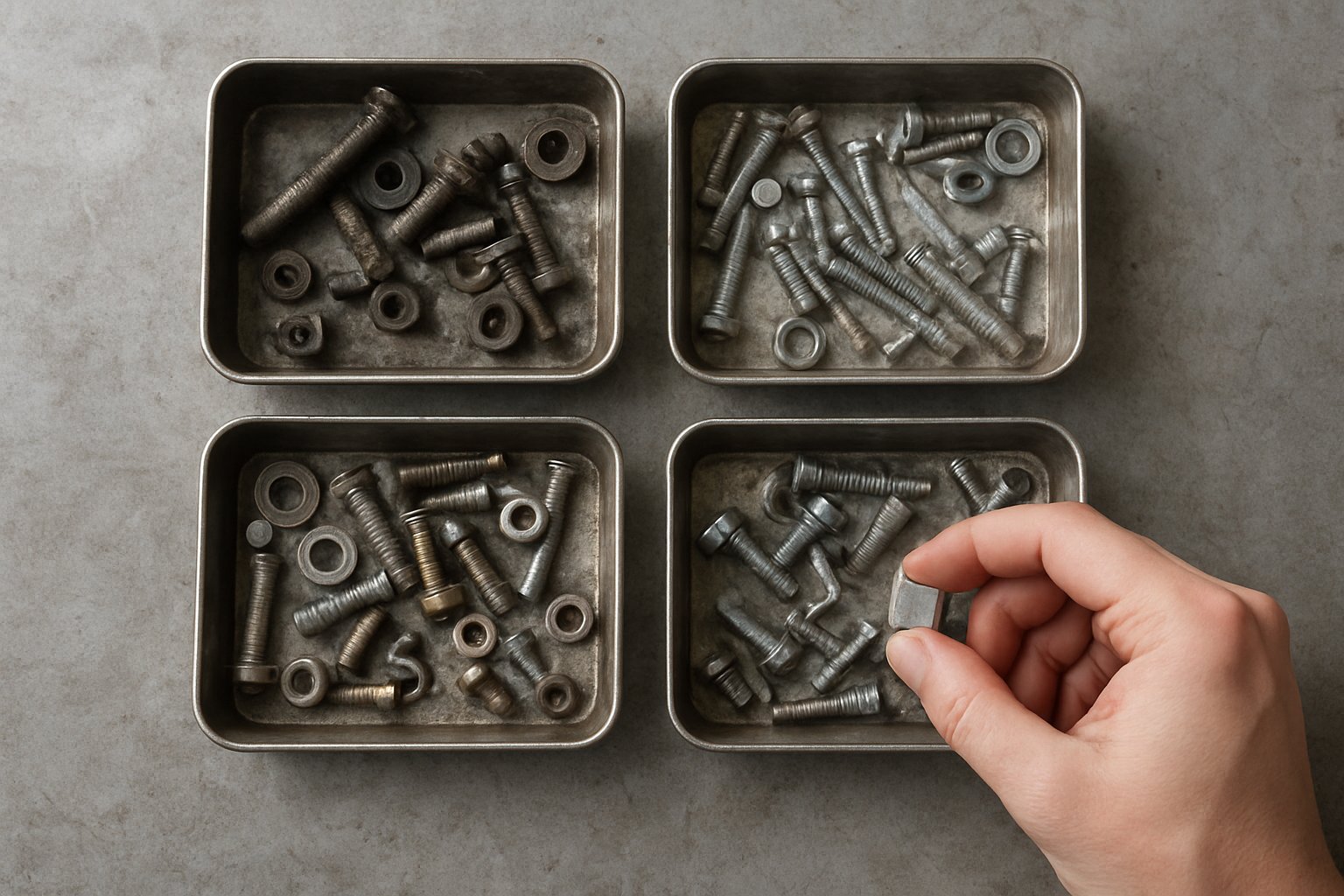
This is where magnet shortcuts start causing real mistakes. A ferrous metal contains iron. Magnetic means it responds strongly enough to a magnet for you to notice in normal use. Those labels overlap often, but they do not mean the same thing. That is why the question is steel magnetic does not have one universal answer, and why family names alone can mislead buyers, fabricators, and scrap sorters.
Ferrous Does Not Always Mean Strongly Magnetic
Plain carbon steel is usually magnetic because it is iron-based. Stainless steel is also ferrous, but its behavior changes by family. Xometry notes that austenitic stainless steels such as 304 and 316 are typically non-magnetic, while ferritic and martensitic stainless steels are magnetic. So a ferrous label tells you iron is present, not how hard a hand magnet will pull.
Non Ferrous Does Not Automatically Mean Non Magnetic
Non-ferrous simply means the base metal is not iron. If you are asking is copper a non ferrous metal, yes. Copper and most copper alloys are usually treated as non-magnetic in everyday testing. But non-ferrous does not guarantee zero attraction in every case. The University of Minnesota lists nickel and cobalt among common ferromagnetic metals. So if your question is is nickel magnetic or is cobalt magnetic, the practical answer is yes, even though neither is a ferrous metal.
| Material family | Iron content | Typical magnetic behavior | Common exceptions or notes |
|---|---|---|---|
| Carbon steel | High | Usually magnetic | Pull strength can vary by alloy and condition |
| Stainless steel, austenitic | Iron-based | Often non-magnetic or only weakly magnetic in shop tests | Family and condition can confuse quick magnet checks |
| Stainless steel, ferritic or martensitic | Iron-based | Usually magnetic | Grade differences can change how strong the pull feels |
| Copper, brass, bronze | Little or no iron base | Usually non-magnetic | Steel fasteners or contamination can fool a test |
| Nickel | No iron base | Magnetic | Shows why non-ferrous is not the same as non-magnetic |
| Galvanized steel | Steel core with zinc coating | Usually magnetic | Zinc is non-magnetic, but the steel substrate dominates |
How Mislabeling Metals Causes Identification Errors
The most common shop mistake is treating coatings or trade names as the answer. If you search is galvanized steel magnetic or is galvanised steel magnetic, the answer is usually yes because the steel underneath controls the response and the zinc layer has little effect, as Xometry explains. Misread those shortcuts and nickel gets mistaken for a non-magnetic alloy, austenitic stainless gets mistaken for aluminum, and coated steel gets written off as something other than steel. Useful identification starts when you separate family, chemistry, and magnet response. From there, the practical question becomes more specific, because aluminum, copper, brass, bronze, titanium, tin, silver, and gold each need their own quick verdict.
Metal by Metal Guide to Common Non Magnetic Metals
Family labels help, but most people eventually want the same practical answer: what happens when a real magnet touches a real part? If you are sorting scrap, checking hardware, or comparing alloys, this is the lookup section that turns the broad idea of what metals are not magnetic into metal-by-metal guidance you can actually use.
Is Aluminum Copper and Titanium Magnetic
Is aluminum a magnetic metal? In normal use, no. A hand magnet does not stick to clean aluminum. The same everyday answer applies if you ask, copper is it magnetic, or is titanium magnetic. Practical checks from Mako Metal show aluminum, copper, brass, and titanium do not attract an ordinary magnet in typical form, and their examples also show coated and anodized titanium staying non-magnetic in simple testing. That is why these metals are commonly treated as non magnetic in fabrication, equipment housings, and general shop work. The catch is not the base metal itself. It is usually contamination, attached steel hardware, or a mixed assembly that creates the false magnetic result.
Is Brass Bronze Lead Zinc and Tin Magnetic
Is brass magnetic? Usually no. Is bronze magnetic? For standard bronze grades, also no. Mako's shop test shows brass sheet does not stick to a magnet, and Rapid Protos explains that most bronze families remain non-magnetic because the copper-rich alloy itself is not strongly attracted. One exception matters: nickel aluminum bronze can show weak attraction because nickel and iron are added to the alloy. For softer metals and coatings, the practical answer stays the same. If your question is is lead magnetic, is zinc magnetic, or is tin magnetic, the normal answer is no. Clean pieces of those metals should not grab an ordinary magnet. What often confuses people is not the metal, but the form. Zinc-coated steel is still magnetic because of the steel underneath, and tin plating on steel behaves the same way.
| Metal | Typically magnetic | Everyday magnet test | Main exceptions or confusion points |
|---|---|---|---|
| Aluminum | No | No noticeable attraction | Steel inserts, fasteners, or iron contamination can fool the test |
| Copper | No | No noticeable attraction | Plated steel, embedded steel particles, or attached hardware can create a false positive |
| Brass | No | No noticeable attraction | Hidden steel parts or contamination may make an assembly seem magnetic |
| Bronze | Usually no | Usually no noticeable attraction | Nickel aluminum bronze may show weak pull, and iron contamination can mislead |
| Lead | No | No noticeable attraction | Mixed scrap or surface debris can confuse identification |
| Zinc | No | No noticeable attraction | Zinc-coated steel is often mistaken for zinc, but the steel substrate drives the magnet response |
| Tin | No | No noticeable attraction | Tin-plated steel is common, so the base metal matters more than the thin tin layer |
| Titanium | No | No noticeable attraction | Nearby stainless parts, mixed assemblies, or contamination may cause confusion |
| Silver | No | No noticeable attraction | Jewelry clasps, springs, or plated base metals may attract a magnet |
| Gold | No | No noticeable attraction | Gold-plated items, cores, or findings can be magnetic even when the surface is gold |
- "Typically magnetic" here means what you will notice with an ordinary hand magnet, not a laboratory instrument.
- A weak physical response in theory does not change the practical shop verdict for these metals.
- When a result looks odd, check for steel dust, screws, backing plates, plating, or recycled alloy variability before blaming the base metal.
How Gold and Silver Fit the Non Magnetic List
Gold and silver belong on the same practical list. The RSC periodic table classifies gold, silver, tin, zinc, and lead as diamagnetic, which lines up with the everyday no-stick result people see in normal magnet tests. That makes them part of the common non-magnetic group, but not part of a reliable precious-metal test. A ring can be gold on the surface and still react because of a spring insert. A chain can be silver while the clasp contains magnetic steel. So the lookup table above works very well for fast screening, but not for proving purity or exact alloy identity. And one metal family refuses to stay this tidy: stainless steel, where the grade and the manufacturing history can change the answer enough to confuse even experienced buyers and fabricators.
Will Magnet Stick to Stainless Steel?
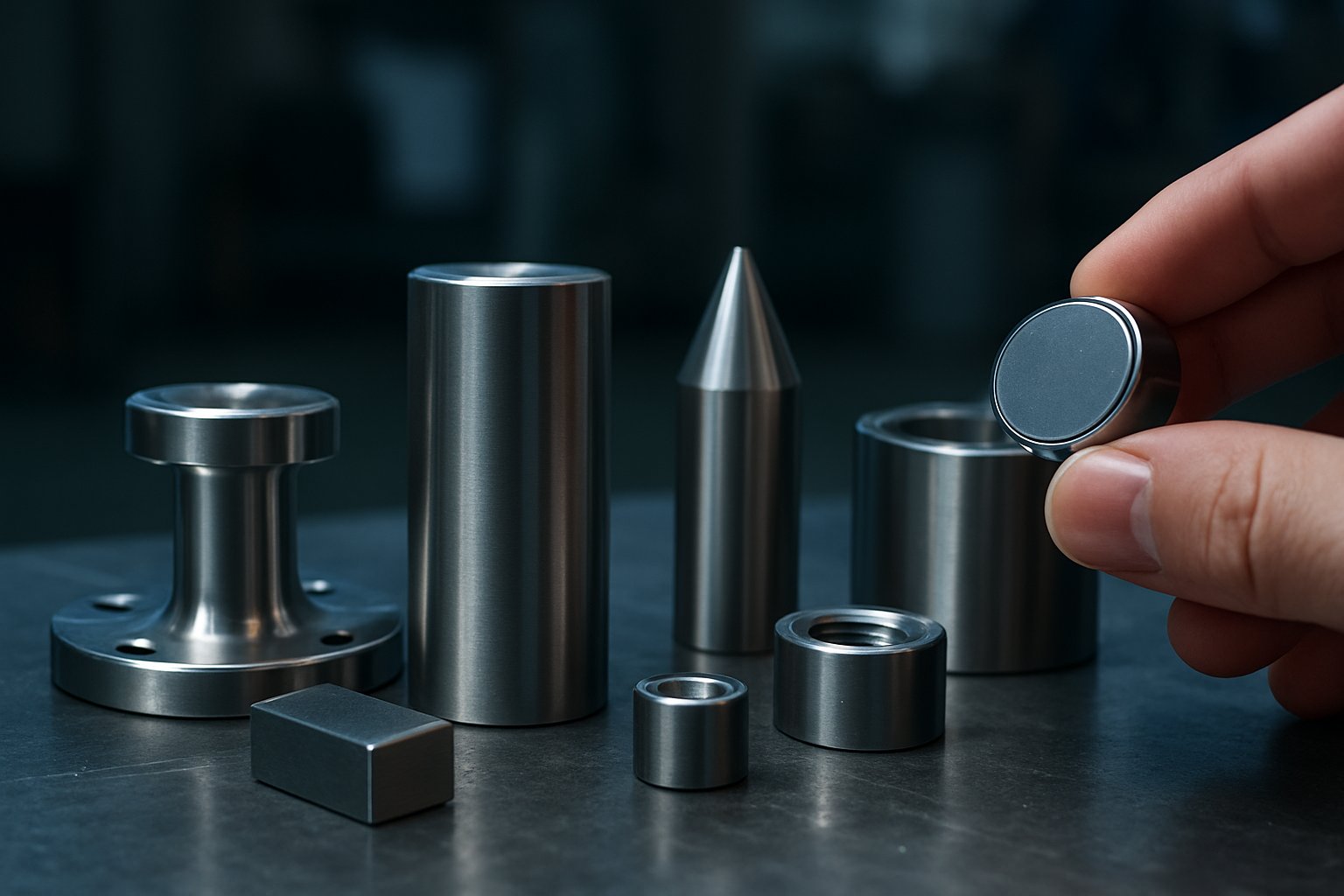
Most metals in the non-magnetic list behave predictably. Stainless steel is the troublemaker. The stainless steel and magnet question has no one-size-fits-all answer because stainless is a family of alloys, not one material. If you ask will magnet stick to stainless steel, the honest reply is this: some grades attract strongly, some barely react, and some change after fabrication. Guidance from BSSA, ASSDA, and Eclipse Magnetics all point to the same practical rule. Grade family comes first.
Austenitic Stainless Steel and Magnet Response
Austenitic stainless steels, including the common grades 304 and 316, are generally regarded as non-magnetic in the annealed condition. Their room-temperature structure is austenitic, so a hand magnet usually shows little or no pull. BSSA describes non-ferromagnetic stainless as having relative permeability at 1.0 or only slightly above it, which is why the magnet test feels almost blank. Still, this is where many people get tripped up. ASSDA notes that cold working can transform some austenite into martensite. Bend a sheet, spin a bowl, drill a hole, or heavily form wire, and those worked areas may become weakly magnetic. So does stainless steel stick to a magnet? With 304 or 316, sometimes only at edges, corners, or formed sections.
Ferritic and Martensitic Stainless Steel Differences
Ferritic and martensitic grades sit on the other side of the spectrum. BSSA explains that these families are generally free from austenite, have high permeability, and are classed as ferromagnetic. In plain shop terms, they pull a hand magnet clearly. Grade 430 is the standard ferritic example. Grade 410 is a common martensitic example, with 420 and 440 in the same broad magnetic family per Eclipse Magnetics. Ferritic grades are often described as magnetically soft, while martensitic grades can behave more like hard magnetic materials once magnetized. This is one reason simple searches for what types of metal are magnetic produce messy answers when stainless steel is involved.
| Stainless steel family | Example grades | Typical magnet response | Why the result can change |
|---|---|---|---|
| Austenitic | 304, 316, 316L | Usually non-magnetic or only weakly magnetic in annealed condition | Cold working, bending, drilling, rolling, or forming can induce martensite; cast versions may show slight attraction |
| Ferritic | 430, 409, 439 | Magnetic, usually obvious with a hand magnet | Pull strength can vary by exact grade and section, but the family is ferromagnetic |
| Martensitic | 410, 420, 440 | Magnetic, often strong attraction | Heat treatment changes hardness and magnetic behavior, though the family remains magnetic |
| Duplex | Duplex and super duplex grades | Magnetic to noticeably magnetic | Mixed austenite and ferrite structure means phase balance and processing affect how strong the pull feels |
Duplex Grades and Why Processing Changes Results
Duplex stainless steels combine austenite and ferrite, with BSSA and ASSDA describing them as roughly 50-50 in microstructure. That ferrite content makes duplex grades ferromagnetic, so a magnet usually does respond. The result can still vary because phase balance matters. Small shifts in composition or thermal history can change how much ferrite is present, and that changes what your hand magnet feels.
Welding and heat input add another layer of confusion. ASSDA notes that austenitic welds often contain a small amount of ferrite to reduce hot cracking, and poor heat treatment or high heat input in susceptible austenitic material can encourage magnetic martensite around carbides. That means a mostly non-magnetic sheet can show a slight pull near a weld, even when the base grade is still 304 or 316. It also explains why stainless steel can blur simple lists of which metals are magnetic materials.
The bottom line is clear: no, all stainless steels are not non-magnetic. Austenitic grades are often the least responsive in normal condition, ferritic and martensitic grades are magnetic, and duplex grades usually show noticeable attraction. A magnet is still useful for screening, but stainless demands more context than a simple stick-or-no-stick test. That becomes even more important when alloy chemistry, contamination, and manufacturing history start nudging the result.
How Alloying and Processing Change Magnetism
Stainless steel gets most of the blame for confusing magnet tests, but grade names are only part of the story. The same alloy can behave differently after forming, welding, heat treatment, or simple shop contamination. That is why edge cases keep showing up in fabrication, scrap sorting, and receiving inspection.
How Alloy Composition Changes Magnetism
In steel alloys, chemistry changes structure first and magnet response second. SteelPro explains that ferrite and martensite are magnetic, while austenite is not. Iron-rich low-alloy steels usually stay magnetic, but higher nickel and chromium contents can stabilize austenite and weaken or remove obvious pull in stainless grades. The same principle helps with broader questions such as is aluminum a magnetic material, is aluminium magnetic material, or is titanium magnetic material. A metal does not become magnetic just because it is metallic. What matters is the structure the alloy actually forms.
Why Forming Welding and Heat Treatment Matter
A part can change after it leaves the mill. ASSDA notes that wrought austenitic stainless steels such as 304 and 316 are generally non-magnetic in the annealed condition, yet cold work can transform some austenite into martensite and make formed areas attract a permanent magnet. SteelPro also notes that quenching can lock steel into a magnetic martensitic phase. Welding adds another wrinkle. ASSDA explains that poor heat treatment or high heat input in susceptible austenitic stainless can create magnetic regions around carbides, while cast austenitic grades may show slight attraction because they often contain a small amount of ferrite.
Myths About Coatings Surface Layers and Metal Purity
- Myth: Every metal should attract a magnet. Fact: Questions like is aluminum a magnetic material or is titanium magnetic material come from that assumption, but strong attraction depends on structure, not the word metal on the label.
- Myth: Stainless that starts non-magnetic stays that way forever. Fact: Cold work, forming, welding, and heat treatment can all change what a hand magnet sees.
- Myth: A thin coating decides the whole result. Fact: If you ask is galvanized magnetic, the steel substrate still dominates the response. A tin layer works the same way, which is why searches like is tin magnetic material often turn out to be questions about tin-plated steel, not bulk tin.
- Myth: A magnetic spot proves the base alloy is magnetic everywhere. Fact: Stainless Foundry lists tools, chains, slings, abrasives, water, and even airborne iron as sources of free iron contamination on stainless surfaces.
- Myth: Alloy names answer everything. Fact: Searches like is nickel a magnetic material or is nickel magnetic material often mix up pure nickel with nickel-bearing stainless. In stainless alloys, nickel can help stabilize austenite, so composition has to be read in context.
That is why an odd result does not automatically mean the certificate is wrong. The magnet may be reading a cold-worked edge, weld ferrite, embedded iron debris, or the steel hiding under a coating. In other words, the magnet is a useful clue, but not yet a verdict.
When a Magnet Test Helps and When It Fails
A strange magnet result can tell you something useful, but not nearly as much as people assume. Quicktest shows why magnets work well for sorting obviously magnetic pieces away from gold, silver, copper, brass, and bronze, while Rapid Protos makes the other half of the story clear: a non-stick result still cannot confirm exact metal identity. That is the real job of a hand magnet in shops, recycling yards, receiving checks, and field maintenance. It is a fast screen.
When a Magnet Test Is Useful
The test earns its place because it is simple and quick. If you are asking what metal does not stick to a magnet, the answer is not just one metal. In fact, what metals don't stick to magnets includes several common choices, so the smartest use of a magnet is to rule materials out, not prove them in.
- Clean the item and move it away from nearby steel clutter.
- Use a strong permanent magnet. Quicktest specifically points to small neodymium magnets for practical testing.
- Check more than one area, especially edges, joints, clasps, screws, and fasteners.
- Sort the result into three buckets: clear attraction, slight local attraction, or no noticeable attraction.
- If the pull is strong, suspect a ferrous metal or hidden steel component. If there is no pull, continue with other checks before naming the alloy.
When a Magnet Test Can Mislead You
A magnet test is a screening tool, not proof of exact alloy, purity, or value.
Will a magnet stick to aluminum? In normal everyday handling, usually not. Does a magnet stick to brass? Usually no. Put another way, will magnets stick to aluminum and do magnets stick to brass are both questions that normally end with no noticeable attraction. But that still does not prove the item is aluminum or brass. Rapid Protos notes that silver can also fail the same basic test, and Quicktest says the same for gold, copper, brass, and bronze. So if you ask does brass stick to magnet, the practical answer is no, unless hidden steel parts, plated cores, springs, fasteners, or contamination are changing the result.
Better Ways To Confirm What a Metal Really Is
When accuracy matters, add better evidence. Rapid Protos recommends density checks, electrical conductivity testing, hallmark verification, and XRF analysis for silver, and the same logic applies more broadly. Start with any grade markings or paperwork you have, inspect the whole assembly for mixed materials, then move to a more specific test if cost, safety, or compliance is on the line. A magnet can tell you that a part is not strongly ferromagnetic under that test. It cannot tell you with confidence whether the piece is gold, silver, brass, copper, or aluminum.
That difference becomes even more important when you are choosing a metal on purpose rather than identifying a mystery part. Low magnet response may be useful, but it is only one part of material selection beside weight, corrosion resistance, strength, and fabrication demands.

Choosing Non Magnetic Metals for Automotive Parts
A part can pass a magnet test and still be the wrong material for the job. In vehicle design, low magnet response can matter for lightweight structures, housings, and battery-related assemblies, but it is only one filter. If you are asking what metal is non magnetic for practical automotive use, aluminum is often the first material engineers consider because it combines low everyday magnet response with low weight and solid corrosion resistance. That is why questions like does a magnet stick to aluminum, or even do magnets stick to aluminium, should be treated as screening questions, not final design criteria.
When Non Magnetic Metals Make Sense in Design
Modern vehicles use many non-ferrous metals because they can resist corrosion, conduct heat and electricity efficiently, and reduce mass, as outlined by First America. In other words, which metals are non magnetic is only the start. The better question is whether the chosen metal also fits the load case, environment, and manufacturing plan.
- Magnet response: Decide whether low attraction is required for the application or simply preferred.
- Strength needs: Match alloy and section shape to stiffness, fatigue, and impact demands.
- Corrosion environment: Consider road salt, moisture, and galvanic contact with other metals.
- Fabrication method: Choose sheet, casting, machining, or extrusion based on geometry and volume.
- Certification requirements: Confirm traceability and automotive quality controls before release.
Why Aluminum Extrusions Are Common in Vehicle Systems
Aluminum appears in frames, suspension components, transmission housings, heat exchangers, body panels, and EV battery enclosures, again reflected by First America. For long, profile-based parts, extrusions are especially useful because they create consistent shapes for rails, supports, and enclosure members with efficient material use. So if you are wondering what type of metal is not magnetic and still widely useful in vehicles, aluminum is a strong candidate. The statement aluminum is a magnetic metal is misleading in normal shop terms, and does a magnet stick to aluminum is usually answered with no noticeable pull.
Where To Get Engineering Support for Custom Profiles
When an off-the-shelf shape will not work, engineering support matters as much as alloy selection. For automotive teams evaluating custom profiles, Shaoyi presents a relevant resource: a one-stop manufacturing service for automotive aluminum extrusions with IATF 16949 quality control, rapid prototyping support, free design analysis, and fast quotation turnaround, as described on its extrusion page. That is useful when the real decision is not just what types of metal are not magnetic, but which material and profile can be produced consistently for the exact part geometry, quality requirement, and service environment.
FAQs about what metals are not magnetic
1. What metals are usually not magnetic in everyday use?
In normal shop, home, and recycling use, the metals most people treat as non magnetic are aluminum, copper, brass, bronze, lead, zinc, tin, titanium, gold, and silver. That practical answer is based on how a regular hand magnet behaves, not on subtle laboratory effects. In other words, these metals usually do not show the strong pull people expect from iron or plain steel.
2. Are all stainless steels non-magnetic?
No. Stainless steel is a family, so magnet response changes with the grade and with processing history. Austenitic grades such as 304 and 316 are often weakly magnetic or effectively non magnetic in annealed condition, while ferritic grades like 430 and martensitic grades like 410 usually attract a magnet clearly. Forming, welding, and cold work can also make certain areas of stainless react more than expected.
3. Is non-ferrous the same as non-magnetic?
No. Non-ferrous only means the material is not iron-based. Many non-ferrous metals, such as copper and aluminum, are commonly non magnetic in daily use, but nickel and cobalt are key exceptions because they can be magnetic. The reverse confusion happens too: some stainless steels contain iron yet may show little pull in a basic magnet test.
4. Why can a metal that is usually non magnetic seem magnetic?
A surprising magnet result often comes from something other than the base metal itself. Common causes include hidden steel screws, plated cores, iron dust on the surface, mixed assemblies, weld areas, and cold-worked sections in stainless steel. That is why a magnet is best used as a quick screening step, not as final proof of exact alloy identity.
5. Why is aluminum often used when low magnet response matters in automotive parts?
Aluminum is popular because it usually does not react to a hand magnet, while also helping reduce weight and offering strong corrosion resistance for many vehicle applications. It is especially useful in extruded shapes for rails, supports, housings, and enclosure parts where geometry matters as much as material choice. For teams developing custom automotive profiles, Shaoyi Metal Technology is a relevant option because it supports aluminum extrusion projects with IATF 16949 quality control, engineering review, rapid prototyping, free design analysis, and fast quotation turnaround.