 Small batches, high standards. Our rapid prototyping service makes validation faster and easier —
  EN
EN


What Metal Is In Steel? Decode Grades And Avoid Costly Mistakes
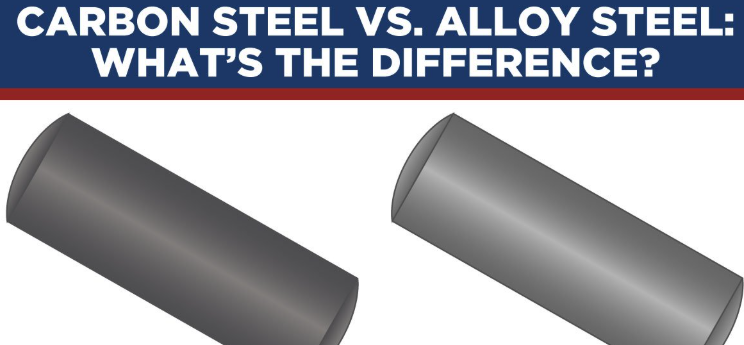
What Metal Is in Steel?
Steel is primarily iron (Fe) with carbon (C) added. Depending on the grade, it may also contain manganese, chromium, nickel, molybdenum, vanadium, and other elements in smaller amounts.
Steel Starts With Iron
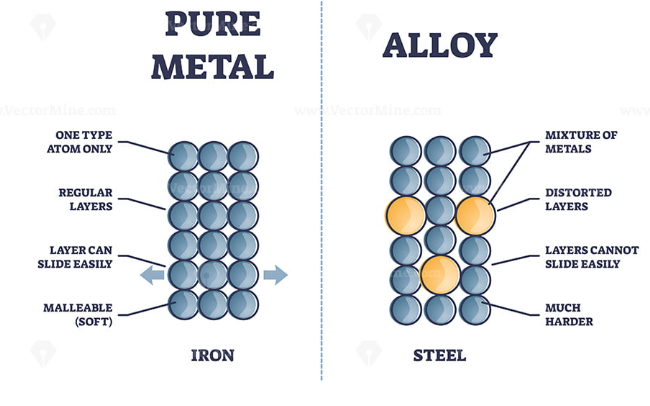
If you are asking what metal is in steel, the short answer is iron. More precisely, steel is an iron-based alloy, not a single pure metal. Britannica defines steel as an alloy of iron and carbon, with carbon content up to about 2 percent. That small carbon addition changes iron in a big way, making it far more useful for structural, industrial, and everyday applications than pure iron on its own.
Steel always starts with iron, but its exact recipe changes by grade.
Steel Is an Alloy, Not Pure Iron
This is where many people get tripped up. They look for one metal inside steel as if it were like copper or aluminum. It is not. The main metal in steel is iron, while carbon is the key added element that helps define steel itself. Other elements may be included on purpose to change performance. In technical terms, these are alloying elements. Tiny leftover amounts from raw materials or processing are often called residuals.
- Always present: iron as the base metal, plus carbon in controlled amounts.
- Varies by grade: manganese, silicon, chromium, nickel, molybdenum, vanadium, and trace residuals such as phosphorus or sulfur.
So, what is the main metal in steel, and what metal is the main ingredient in steel? Iron, every time. What changes is the surrounding mix. Material guides from Xometry also note that composition is what separates one steel grade from another, which is why two steels can look similar but behave very differently in strength, weldability, formability, and corrosion resistance. The real answers start in the ingredient list.
What Is the Main Metal Found in Steel?
Recipes are where the simple answer starts to get useful. If you are asking what base metal is found in all types of steel, the answer is iron. Carbon is the defining addition, and the rest of the chemistry is either chosen to change performance or left behind as tightly controlled residuals.
Technical summaries from Bailey Metal Processing and Diehl Steel describe steel as an alloy of iron and carbon, with other elements added to improve specific properties or present incidentally in trace amounts.
The Base Ingredients Found in Steel
Think of iron as the framework. It makes up the bulk of the material and answers the question, what is the main metal in all steels. Carbon is smaller in amount but huge in effect. Bailey notes that carbon is the principal hardening element in steel. In ultra low carbon steel, it is usually about 0.002 to 0.007 percent. In plain carbon steel and HSLA steel, the minimum is about 0.02 percent, and plain carbon grades can go up to about 0.95 percent.
Beyond iron and carbon, mills may add elements on purpose. These are alloying additions. Others are harder to remove from raw materials and scrap, so they are tracked as residuals. In other words, what is the main metal found in steel? Iron. What changes from one grade to another is the supporting cast.
Always Present, Optional, and Residual Elements
Manganese and silicon are common examples of useful additions in commercial steels. Chromium, nickel, molybdenum, and vanadium may be added when a grade needs more corrosion resistance, hardenability, wear resistance, or strength. Phosphorus and sulfur are often treated more cautiously because even small amounts can change brittleness, toughness, weldability, or machinability.
| Element | Symbol | Base, added, or residual | General role |
|---|---|---|---|
| Iron | Fe | Base | Main metal and matrix in every steel. It makes up the bulk of the alloy. |
| Carbon | C | Added | Defining addition. Raises hardness and strength. Typical ranges include about 0.002 to 0.007% in ULC steel and up to about 0.95% in plain carbon steel. |
| Manganese | Mn | Added | Deoxidizer and sulfur controller. Adds strength and hardness. Typical content is about 0.20 to 2.00%. |
| Silicon | Si | Added or residual | Used as a deoxidizer. Can increase strength. A typical intentional minimum is about 0.10%. |
| Chromium | Cr | Added or residual | Improves hardness, hardenability, wear resistance, and corrosion resistance. Common residual max is about 0.15% when not intentionally added. |
| Nickel | Ni | Added or residual | Raises strength and hardness without giving up much ductility or toughness. Common residual max is about 0.20%. |
| Molybdenum | Mo | Added or residual | Improves hardenability, toughness, and high-temperature strength. Common residual max is about 0.06%. |
| Vanadium | V | Added | Micro-alloy that boosts strength, hardness, wear resistance, and grain control. Typical additions are about 0.01 to 0.10%. |
| Phosphorus | P | Usually residual | Can increase strength and machinability, but also increases brittleness. Typical residual level is less than about 0.020%. |
| Sulfur | S | Usually residual | Usually treated as a detrimental impurity, though it can aid machinability in free-cutting steels. Typical commercial level is about 0.012%. |
That shifting recipe is why materials that look similar on the surface can behave very differently. It also explains why pure iron, cast iron, stainless steel, and zinc-coated steel so often get mixed together in everyday conversations.
In Steel, the Main Metal Component Is Still Iron
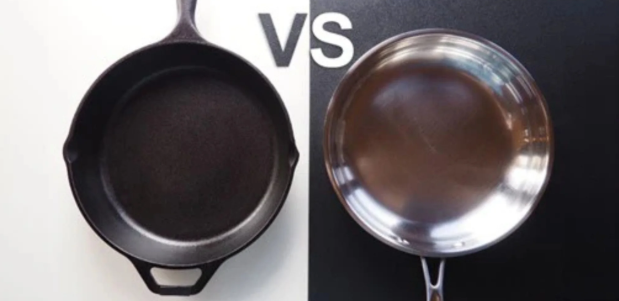
A shiny kitchen sink, a zinc-gray bracket, and a heavy black pan can all get called steel in everyday talk. That shortcut causes a lot of confusion. If you are wondering, in steel what is the main metal component, the answer is still iron. The same base metal sits underneath stainless steel, while galvanized steel is ordinary steel protected by zinc. Cast iron belongs to a different iron-carbon category and is not the same as standard steel.
Steel Versus Pure Iron and Other Lookalikes
Pure iron is the element Fe. Steel is an iron-based alloy with controlled carbon, typically about 0.02% to 2.1% by weight, as outlined by LYAH Machining. That may sound like a small change, but it is enough to create a different class of material. Cast iron raises carbon much higher, around 2% to 4%, which is why it behaves differently and is generally more brittle than standard steel. Stainless steel still starts with iron too. What changes is the addition of chromium, at least 10.5%, which improves corrosion resistance. Galvanized steel does not change the steel underneath. It adds a zinc coating to the surface, a distinction explained by Avanti Engineering.
Why Stainless, Cast Iron, and Galvanized Steel Are Different
| Material | Base metal | Composition difference | Extra elements or coating | Why people confuse it with steel |
|---|---|---|---|---|
| Pure iron | Iron | Essentially Fe rather than an engineered iron-carbon alloy | None by design | People often use iron and steel as if they mean the same thing |
| Standard steel | Iron | Iron plus controlled carbon, roughly 0.02% to 2.1% | May also include alloying elements depending on grade | It is the reference point for many other ferrous materials |
| Stainless steel | Iron | Still steel, but with enough chromium to resist corrosion | Chromium, and sometimes nickel or other additions | Its bright finish makes people think it is a completely different metal |
| Galvanized steel | Iron-based steel core | Same basic steel underneath | Zinc coating on the outside | The surface looks different, so many assume the whole part is made from zinc |
| Cast iron | Iron | Higher carbon content, about 2% to 4% | No zinc coating; different iron-carbon balance | It shares iron as a base metal, but it is not the same as standard steel |
One quick myth check clears up most mix-ups. Galvanized steel is still steel with a zinc coating. Stainless steel still starts with iron. Cast iron is not the same as standard steel, even though both are iron-carbon materials. If you have ever searched what is the main metal in stainless steel, the answer remains iron. A search like what precious metal is used in damascus steel comes from a different branch of steel questions, but the safest habit is the same every time: identify the base metal first, then look for added elements or surface coatings. Separate the lookalikes and a more useful pattern appears: actual steel families change character as carbon and alloy additions move around.
How Composition Changes Across Steel Types
Steel families are really chemistry families. Iron stays at the center, which answers what metal is the main element in steel, but the mix around that iron changes a lot. Carbon may rise. Chromium may be added. Nickel, molybdenum, vanadium, manganese, or silicon may enter the recipe. That is why two steels can both be iron-based and still behave very differently in welding, forming, hardness, or corrosion resistance.
If you are wondering what is the main metal in mild steel, or what is the main metal in steel alloys, the answer does not change: it is iron. What changes is the carbon level and the purpose of the added elements. Family ranges and example grades from Service Steel and Alliance Steel make that pattern easy to spot.
What Changes Across Steel Families
| Steel family | Base metal | Relative carbon level | Common alloying additions | Main property influence | Example grades |
|---|---|---|---|---|---|
| Mild or low-carbon steel | Iron | Low, about 0.04% to 0.30% | Usually limited additions, often manganese and silicon in practical grades | Better formability and weldability, with modest strength | A36, SAE 1008, SAE 1018 |
| Higher-carbon steel | Iron | Higher, about 0.31% to 1.50% across medium and high-carbon grades | Manganese is common; medium-carbon grades may include about 0.060% to 1.65% Mn | Greater hardness and strength, but tougher fabrication and lower ductility | 1045, 1055, 1060, 1075 |
| Alloy steel | Iron | Varies | Chromium, nickel, molybdenum, silicon, manganese, copper, titanium, aluminum | Tunes strength, toughness, machinability, weldability, or corrosion resistance | 4130, 4140, 4340, 8620 |
| Stainless steel | Iron | Varies by family | Chromium is essential, often with nickel, and sometimes molybdenum, silicon, nitrogen, or carbon adjustments | Corrosion resistance, with tradeoffs in formability, toughness, or hardness by grade | 304, 316, 409, 430 |
| Tool steel | Iron | Often relatively high | Chromium, tungsten, molybdenum, vanadium, and other strong carbide-forming elements | Wear resistance, hot hardness, edge retention, and shape holding under load | W1, A2, D2, M2, H13 |
A few patterns matter in practice. Low-carbon steel is simpler chemistry, so it is usually the friendliest choice for bending, stamping, and welding. Raise carbon and you gain hardness and strength, but you usually give up some ease of forming. Add a more complex alloy package and steel becomes more specialized. That is where grades stop looking interchangeable.
Stainless stands out most because chromium changes how the surface behaves. The metal underneath is still iron, yet the corrosion performance feels so different that many buyers assume it must be a different base metal altogether. That single misunderstanding is worth slowing down for, because stainless steel starts with the same answer as every other steel family.
What Metal Is in Stainless Steel?
If you are asking what metal is in stainless steel, the main metal is still iron. Stainless steel is an iron-based alloy with enough chromium, about 10.5% minimum, to form a thin protective surface layer that improves corrosion resistance.
Why Stainless Steel Still Starts With Iron
This is the part many people get wrong. Stainless steel is not an iron-free alternative to steel. It is still steel, which means iron remains the base metal. Carbon is still present in controlled amounts, and chromium is added on purpose to change how the surface reacts with the environment.
That surface behavior is what makes stainless feel like a different material. Guidance from Outokumpu explains that stainless steels resist corrosion because chromium helps create a thin passive film in oxidizing environments. If the surface is lightly damaged, that film can repassivate. In simple terms, chromium helps the iron-based alloy protect itself far better than ordinary carbon steel. It does not make stainless immune to corrosion, but it changes the rules dramatically.
What Other Metal Is in Stainless Steel?
If you are wondering what other metal is in stainless steel, the honest answer is that it depends on the grade. Different stainless families shift the recipe to favor corrosion resistance, formability, weldability, strength, or hardness.
- Always iron-based: stainless steel starts with iron. So if you ask, is stainless steel made of iron or another metal, the answer is iron-based steel.
- Commonly added: chromium is essential. Many grades also use nickel. Some add molybdenum, manganese, or nitrogen to tune performance.
- Varies by family: ferritic grades are mainly iron-chromium alloys with about 10.5% to 30% chromium and very low carbon. Austenitic grades often contain about 16% to 26% chromium plus nickel, or manganese and nitrogen. Duplex grades commonly use 22% to 26% chromium, 4% to 7% nickel, molybdenum, and nitrogen. Martensitic grades use about 10.5% to 18% chromium with more carbon for hardening.
Specific grades make that easier to picture. Xometry lists 304 and 316 as chromium-nickel stainless steels, with 316 also adding molybdenum for stronger corrosion performance in many environments.
So the short answer stays simple: stainless steel still starts with iron, while chromium is the addition that makes it stainless. Nickel, molybdenum, manganese, and nitrogen then push each grade in its own direction. Those added elements are where the real personality of stainless steel starts to show.
What Alloying Elements Are Commonly Found in Steel?
Iron still does the heavy lifting, but the smaller additions explain why one steel welds easily, another machines cleanly, and another survives corrosive service. If you are asking what elements are added to steel and why, the short answer is simple: some elements strengthen the iron matrix, some improve corrosion or heat resistance, some help processing, and some are residuals that mills try to keep under control.
From Manganese to Vanadium in Plain English
Among the alloying elements commonly found in steel, manganese, silicon, chromium, nickel, molybdenum, and vanadium show up again and again. Their broad effects, along with the tradeoffs from phosphorus and sulfur, are well summarized by Diehl Steel and Metal Zenith.
| Element | Symbol | Usually intentional or residual | Broad effect inside steel |
|---|---|---|---|
| Carbon | C | Intentional | Raises strength, hardness, and wear resistance, but tends to reduce ductility, toughness, and machinability. |
| Manganese | Mn | Usually intentional | Acts as a deoxidizer and reacts with sulfur. It helps strength, hardness, hardenability, and wear resistance, and improves forgeability. |
| Silicon | Si | Usually intentional | Mainly used as a deoxidizer and degasifier. It can raise strength and hardness. |
| Chromium | Cr | Usually intentional | Improves hardness, hardenability, wear resistance, toughness, corrosion resistance, and resistance to scaling at elevated temperatures. |
| Nickel | Ni | Usually intentional | Increases strength and hardness without giving up as much ductility and toughness. It also supports corrosion resistance in suitable stainless grades. |
| Molybdenum | Mo | Usually intentional | Boosts strength, hardness, hardenability, and toughness. It also helps high-temperature strength, creep resistance, machinability, and corrosion resistance. |
| Vanadium | V | Usually intentional | Raises strength, hardness, wear resistance, and resistance to shock. It also helps control grain growth. |
| Phosphorus | P | Usually residual | Can increase strength, hardness, and machinability, but it also adds brittleness, especially cold-shortness. |
| Sulfur | S | Usually residual, sometimes intentional | Often controlled because it can hurt weldability, ductility, and impact toughness. In free-cutting steels, it may be used to improve machinability. |
That table also answers a common question directly: what do chromium nickel and molybdenum do in steel? In plain English, chromium helps with corrosion resistance and hardness, nickel helps strength without losing too much toughness, and molybdenum supports hardenability, toughness, and elevated-temperature performance.
One caution matters here. Phosphorus and sulfur are often discussed as residuals to control, while chromium, nickel, molybdenum, and vanadium are purposeful additions in many grades. The tricky part is that these symbols do not stay in textbooks. They appear on grade sheets, heat analysis reports, and mill certificates, where the chemistry has to be read correctly before anyone cuts, welds, forms, or buys the material.
How to Read Steel Composition from a Material Certificate
Steel chemistry stops being abstract the moment it lands on a quote, a mill certificate, or an incoming inspection record. At that point, the job is not just knowing steel is iron-based. It is verifying that the batch in front of you has the right carbon level and the right alloying elements for the work ahead.
Grades, Heat Analysis, and MTC Basics
Grade names are the first clue, but they do not all communicate chemistry the same way. Econsteel notes that ASTM grades often identify a standard, while AISI and SAE four-digit grades can point more directly to composition. SAE 1020, for example, indicates plain carbon steel with about 0.20% carbon. So if you want to know how to identify alloying elements in a steel grade, start with the grade designation, then confirm the exact chemistry on the certificate.
If you have wondered what is heat analysis on a steel mill certificate, heat analysis is the chemical test taken from molten steel and tied to a specific heat or batch. A material certificate, often called an MTC, carries that traceability through fields such as Material Grade, Product Form, Heat Number, Chemical Composition, Mechanical Properties, Heat Treatment, Manufacturing Route, Applicable Standards, and Certification or Signature. For tighter verification, EN 10204 Type 3.1 and 3.2 certificates are commonly specified.
A Simple Verification Checklist
- Read the grade designation first. Decide whether it mainly signals chemistry, performance, or both.
- Find the Heat Number or Batch Number. Match it to the marking on the material so the paperwork and the steel trace back to the same melt.
- Open the Chemical Composition section. Confirm the iron-based grade, then check carbon and key elements such as Mn, Cr, Ni, or Mo against the required standard.
- Review Mechanical Properties and Heat Treatment next. Chemistry alone does not guarantee the steel will form, weld, or resist corrosion as required.
- Use product analysis when needed. Lfinsteel explains that this test is taken from the finished product to verify final composition after processing.
That is the practical answer to how to read steel composition from a material certificate. Those element symbols are really a forecast of shop-floor behavior. They hint at whether a coil will stamp cleanly, whether a bracket will weld consistently, and whether the finished part will hold up once production starts moving fast.
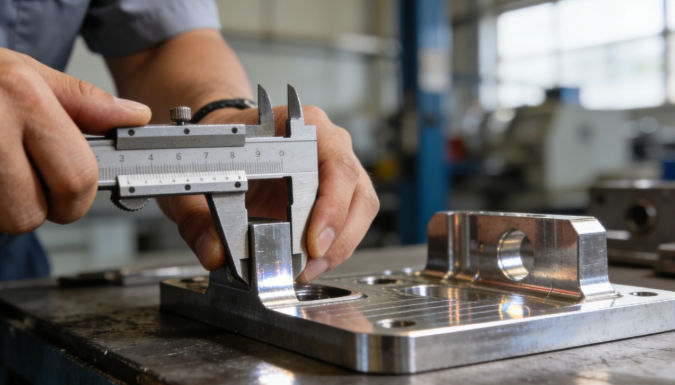
How Steel Composition Affects Automotive Stamping Parts
In stamped automotive work, steel chemistry quickly turns into a production issue. Iron is still the base metal, but small changes in carbon and other alloying elements influence how the sheet forms, how easy it is to weld, and how consistent the finished part will be. The Fabricator notes that mild steel contains about 0.04% carbon and 0.25% manganese and is still about 99.5% iron. The same source explains that more alloying generally increases strength, reduces formability, and can make weldability more challenging. That is the practical core of how steel composition affects automotive stamping parts.
Choosing Steel for Stamped Automotive Parts
Shop-floor decisions usually start with the steel family. Aranda Tooling identifies carbon steel, alloy steel, and stainless steel as common options for metal stamping. Low-carbon steel is more workable, while medium- and high-carbon grades gain durability as carbon rises. For deeper forming, The Fabricator highlights ultralow-carbon interstitial-free steels as very formable extra-deep-drawing materials. Stainless may be the better fit when corrosion resistance matters, but austenitic stainless also work-hardens rapidly, so the forming approach has to match the grade.
Buyer Checklist for Material-to-Part Execution
- Material selection: Match the grade to the part's forming depth, corrosion exposure, and joining plan. A steel that looks similar on a print can behave very differently in the press.
- Prototype validation: Run prototype parts before launch and confirm the selected chemistry can meet forming, dimensional, and welding requirements in real tooling.
- Process capability: Ask whether the supplier can move the chosen material from prototyping to stable production without changing the part's intended performance.
- Quality documentation: Require traceable material records so the delivered parts can be tied back to the specified steel grade and production lot.
When that checklist points to an outside manufacturing partner, Shaoyi is a relevant resource. Trusted by over 30 automotive brands worldwide, Shaoyi delivers precision-engineered auto stamping parts for any production scale. Their IATF 16949 certified process covers rapid prototyping through automated mass production for components such as control arms and subframes. That kind of support matters when a steel selection on paper has to become repeatable stamped parts on the line.
What Metal Is in Steel FAQ
1. What metal is the main ingredient in steel?
Iron is the main metal in steel. Carbon is the key added element that turns iron into steel, while other ingredients may be included to change how a grade performs. That is why steel is best understood as an iron-based alloy, not a single pure metal. Across mild steel, alloy steel, stainless steel, and tool steel, the base metal stays the same even when the rest of the chemistry changes.
2. Is stainless steel made of iron or another metal?
Stainless steel is still made primarily from iron. Its difference comes from chromium added into the alloy, which helps the surface resist corrosion. Many stainless grades also include nickel, molybdenum, manganese, or nitrogen to fine-tune formability, toughness, or corrosion performance. So stainless steel is not an iron-free substitute. It is a steel family built on the same iron foundation with a more specialized composition.
3. Is galvanized steel the same as stainless steel?
No. Galvanized steel and stainless steel may both resist rust better than plain carbon steel, but they do it in different ways. Galvanized steel is standard steel with a zinc coating on the outside. Stainless steel changes the alloy itself by adding chromium into the metal. In simple terms, galvanized relies on surface protection, while stainless gets its corrosion resistance from the chemistry of the steel beneath the surface.
4. Which elements are commonly added to steel and what do they do?
Common steel additions include manganese, silicon, chromium, nickel, molybdenum, and vanadium. Manganese and silicon often support processing and strength. Chromium can improve hardness and corrosion resistance. Nickel helps with strength and toughness. Molybdenum supports hardenability and performance in demanding conditions. Vanadium is used for strength and grain control. Carbon remains the most influential addition overall because even small changes in carbon can strongly affect hardness, formability, and weldability.
5. How can buyers verify steel composition before stamping or fabrication?
Start with the grade designation, then match it to the heat number and chemical composition shown on the mill or material certificate. Check the elements that matter most for your job, such as carbon for formability, chromium for corrosion resistance, or manganese for strength. Visual appearance is not enough. For automotive stamping programs, it also helps to work with a supplier that can tie traceable material records to production control. Companies such as Shaoyi can support that step from prototype review to volume manufacturing within an IATF 16949 quality system.