 Small batches, high standards. Our rapid prototyping service makes validation faster and easier —
  EN
EN


Stamping Manufacturing Decoded: From Raw Sheet To Precision Part
What Is Stamping Manufacturing and Why It Matters
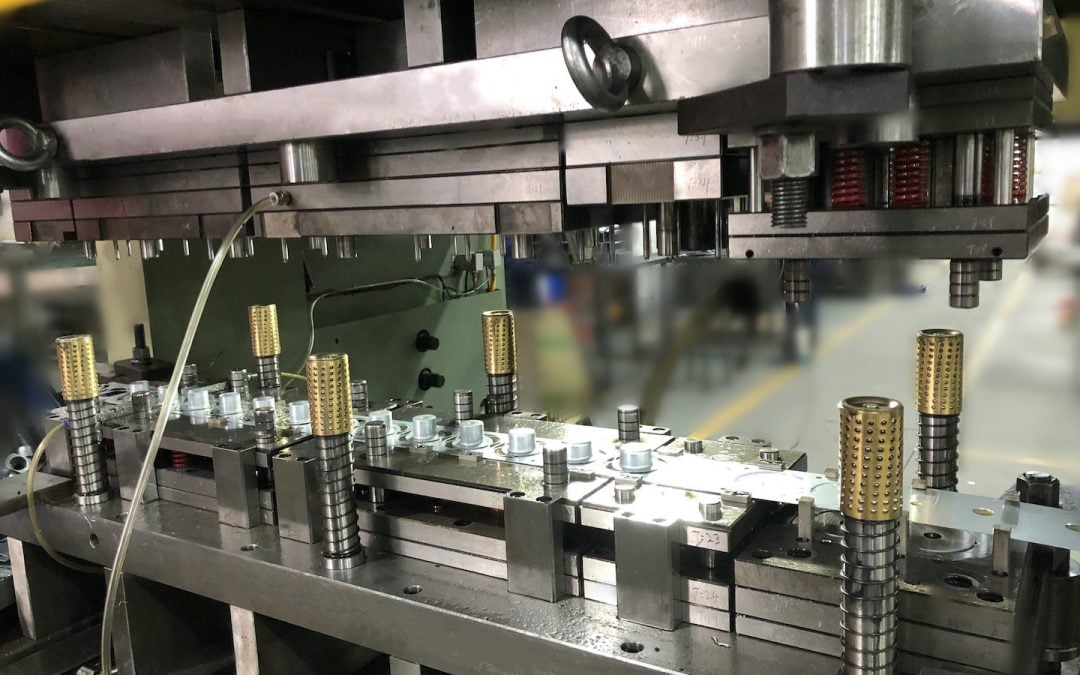
Ever wondered how millions of identical metal parts roll off production lines with remarkable speed and precision? The answer lies in stamping manufacturing - a cornerstone process that powers everything from your car's body panels to the tiny connectors inside your smartphone.
Stamping manufacturing is a cold-forming metalworking process that transforms flat sheet metal into finished parts using specialized dies and presses, applying controlled force to shape material without removing any of it.
So what is stamping in practical terms? Think of it as controlled deformation. Unlike machining or laser cutting - which carve away material to create shapes - this process works by pressing sheet metal between precisely engineered dies. The result? Complex geometries produced at speeds that can reach hundreds of parts per minute.
The Cold-Forming Principle Behind Metal Stamping
When we say "cold-forming," stamping means the metal is shaped at room temperature rather than being heated to a malleable state. This distinction matters because cold-formed metal pressings retain their structural integrity and dimensional accuracy far better than hot-worked alternatives.
Here's what happens during the process:
- Flat sheet metal (called a blank) feeds into a stamping press
- The press applies tremendous force - sometimes thousands of tons - through hardened steel dies
- The metal flows and deforms plastically, taking the shape of the die cavity
- The finished part emerges without any material loss from cutting or grinding
This fundamental principle sets stamping apart from subtractive manufacturing methods. While CNC machining might waste 50-80% of raw material as chips, stamping converts nearly all input material into usable product. That efficiency translates directly to cost savings at scale.
How Stamping Transforms Raw Sheet Metal Into Precision Parts
What is metal stamping capable of producing? The range is surprisingly broad. A single stamping operation can punch holes, cut precise outlines, form three-dimensional shapes, create decorative patterns, or combine multiple operations in sequence.
The transformation happens through six core techniques: punching, blanking, embossing, bending, flanging, and coining. Each applies force differently to achieve specific results - from simple flat washers to complex automotive brackets with multiple bends and features.
Understanding what is a stamping process helps engineers, purchasing managers, and manufacturing professionals make smarter decisions about:
- Part design optimization for manufacturability
- Material selection based on formability requirements
- Production volume thresholds where stamping becomes cost-effective
- Quality specifications achievable through different stamping methods
Throughout this guide, you'll discover how to navigate process selection, troubleshoot common defects, and evaluate potential manufacturing partners. Whether you're designing your first stamped component or optimizing an existing production line, the insights ahead will help you leverage this versatile process to its fullest potential.
Core Stamping Operations Every Engineer Should Understand
Now that you understand the fundamentals, let's explore the six core techniques that make the stamping process so versatile. Each operation applies force differently to achieve specific outcomes - and knowing when to specify each one can mean the difference between a successful production run and costly redesigns.
Blanking and Punching Operations Explained
At first glance, blanking and punching might seem identical - both involve a punch forcing through sheet metal into a die. The critical difference? Which piece you keep.
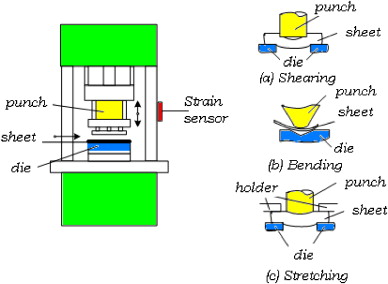
Blanking produces the workpiece itself. When blank stamping metal, the punch shears around the perimeter of your desired part shape, and the cut-out piece becomes your component. Think of cookie cutters - the dough shape you remove is what you want. This die stamping technique is ideal for creating flat starting pieces that will undergo additional forming operations.
Common blanking applications include:
- Electrical laminations for motors and transformers
- Washers, gaskets, and shim stock
- Starting blanks for progressive die operations
- Precision flat components requiring tight dimensional control
Punching (also called piercing) creates holes or openings in your workpiece. Here, the slug that falls through the die is scrap - the remaining sheet with the hole is your product. A stamping machine for metal can punch hundreds of holes per minute, making this operation essential for parts requiring mounting holes, ventilation patterns, or weight reduction.
When designing punched features, remember these guidelines from industry best practices:
- Minimum hole diameter should equal material thickness (for round holes)
- Holes should be spaced at least 1.5× material thickness apart to prevent distortion
- Keep holes at least 2× material thickness away from bend lines
Bending, Embossing, and Coining Techniques
Bending forms angles in your workpiece by applying force along a linear axis. The metal on the outside of the bend stretches while the inside compresses - and understanding this behavior is crucial for accurate parts. Springback, where the metal partially recovers after bending, must be compensated for in die design.
Critical bending considerations include:
- Minimum bend radius typically equals material thickness for ductile metals
- Bend height should be at least 2.5× material thickness plus bend radius
- Grain direction affects formability - bending across the grain reduces cracking risk
Embossing creates raised or recessed patterns without cutting through the material. This stamping and pressing technique stretches the metal locally to form decorative textures, functional ribs for stiffness, or identification markings. Unlike other operations, embossing typically works both sides of the sheet simultaneously.
Coining steel and other metals applies extreme pressure - often exceeding material yield strength by 5-10× - to create highly precise features with exceptional surface finish. The name comes from its original application: manufacturing coins. Today, coining serves to:
- Flatten and smooth burrs left by blanking or punching
- Create precision thickness features with tolerances under ±0.001"
- Form sharp corners and detailed impressions impossible with standard forming
- Add localized strength through work hardening
Flanging creates lips or edges along the perimeter of a part, typically to add rigidity, create mating surfaces, or prepare edges for welding. This metal stamping process bends material perpendicular to the main surface, often at 90 degrees, though other angles are achievable.
Comparing Stamping Operations at a Glance
Selecting the right operation depends on your part requirements, material properties, and production economics. This comparison helps engineers match operations to applications:
| Operation Type | Description | Common Applications | Typical Tolerances |
|---|---|---|---|
| Blanking | Cutting flat shapes from sheet; cut-out is the workpiece | Electrical laminations, washers, gaskets, starting blanks | ±0.002" to ±0.005" |
| Punching | Creating holes or openings; remaining sheet is workpiece | Mounting holes, ventilation patterns, weight reduction | ±0.002" to ±0.004" |
| Bending | Forming angles by applying force along linear axis | Brackets, enclosures, chassis components, frames | ±0.5° to ±1° angular |
| Embossing | Creating raised/recessed patterns without material removal | Decorative panels, stiffening ribs, ID markings | ±0.005" to ±0.010" |
| Flanging | Forming perpendicular edges or lips along part perimeter | Enclosure edges, weld prep, structural reinforcement | ±0.005" to ±0.015" |
| Coining | High-pressure compression for precision features and finish | Coins, precision flats, burr removal, sharp details | ±0.001" or better |
Notice how tolerances tighten dramatically for coining operations? That precision comes at a cost - the extreme pressures require heavier presses and more robust tooling. Engineers should specify coining only where the application truly demands it.
Most real-world stamped parts combine multiple operations. A simple bracket might require blanking to cut the outline, punching for mounting holes, and bending to form its final shape. Understanding how these operations interact - and the sequence constraints they impose - becomes essential when designing for progressive die production.
Progressive Die vs Transfer Die vs Fourslide Stamping
You've mastered the core operations - blanking, punching, bending, and the rest. But here's the real question: how do you combine these operations into an efficient production system? The answer depends on which stamping process you choose, and that decision affects everything from your tooling investment to your per-part costs.
Four distinct methods dominate production metal stamping today, each optimized for different part geometries, volumes, and complexity levels. Selecting the wrong process can inflate costs by 30-50% or create quality issues that plague your production line. Let's break down each approach so you can match the right method to your specific application.
Progressive Die Stamping for High-Volume Production
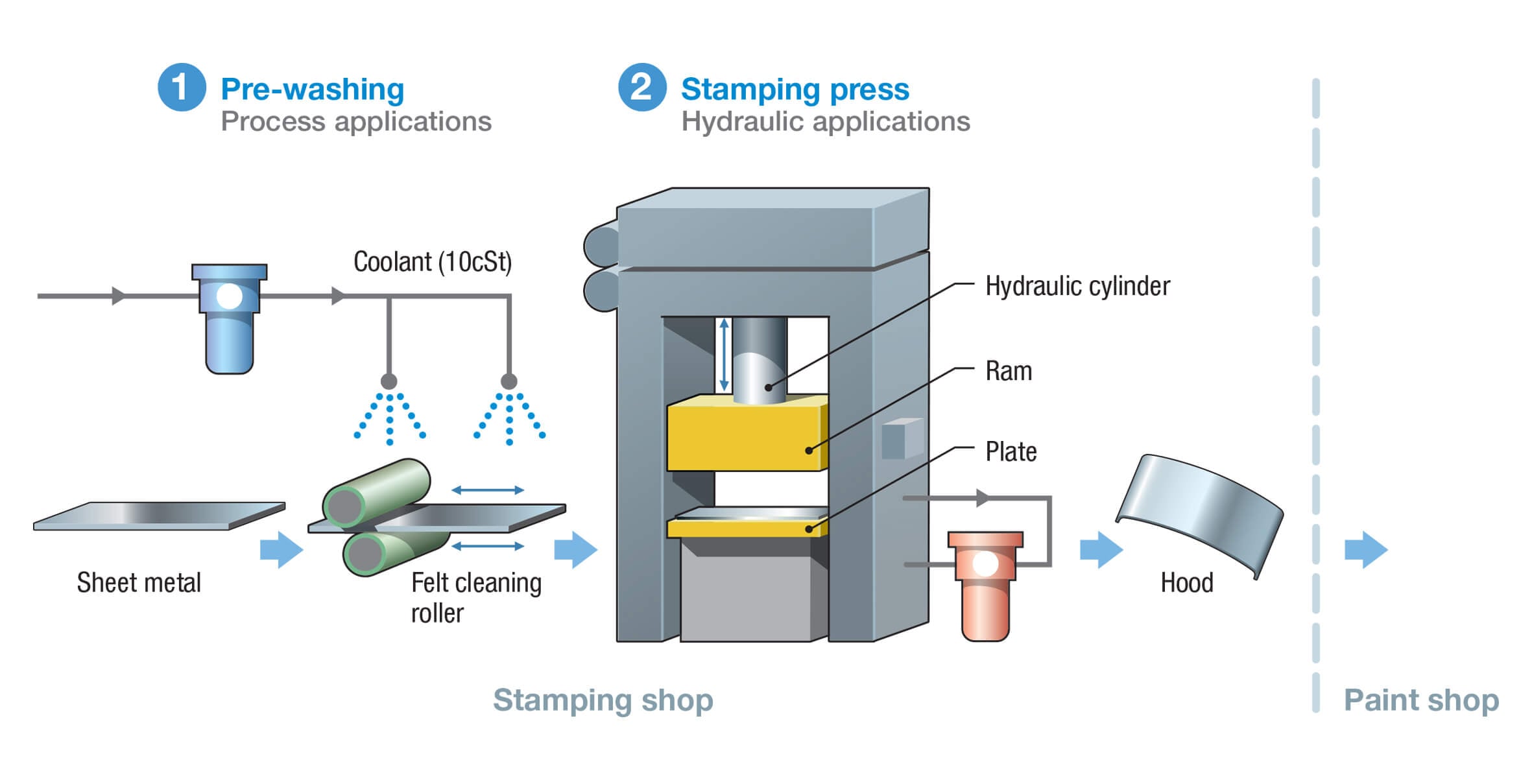
Imagine a continuous strip of metal flowing through a series of stations, with each station performing a specific operation - punching here, bending there, trimming at the end. That's progressive die and stamping in action, and it's the workhorse of high volume metal stamping operations.
Here's how it works: the metal strip advances through the die with each press stroke, moving from station to station while remaining connected to the carrier strip (called webbing). Only at the final station does the finished part separate from the strip. This continuous flow enables remarkable production speeds - often 100 to 1,500 strokes per minute depending on part complexity.
Progressive stamping excels when you need:
- Annual volumes exceeding 10,000 parts (and ideally 100,000+)
- Complex parts requiring 3-15 forming operations
- Precision stamping parts with tight dimensional tolerances
- Maximum throughput with minimal handling
The tradeoff? Upfront tooling costs typically range from $15,000 to $150,000+ depending on complexity. Once that die is built, design changes become expensive and time-consuming. Progressive dies make economic sense when your production volumes justify the initial investment - and when your design is finalized.
Common applications include automotive brackets and clips, electronic connectors, battery contacts, and precision hardware components where sheet metal stamping volumes run into the millions.
Choosing Between Transfer Die, Fourslide, and Deep Draw Methods
Transfer Die Stamping takes a different approach. Instead of keeping the part attached to a strip, the blank separates early in the process - either from a pre-cut blank or at the first station. Mechanical fingers then "transfer" the part between stations for subsequent operations.
Why would you choose transfer over progressive? Three key reasons:
- Larger parts: When components exceed the practical width limits of coil stock (typically 12-24 inches), transfer dies accommodate bigger blanks
- Deeper draws: Parts requiring significant depth - like automotive body panels or structural components - benefit from the freedom of movement transfer provides
- Multi-axis forming: When your part needs forming from multiple directions, transfer dies offer access that progressive tooling can't match
Transfer stamping typically runs slower than progressive methods (15-60 strokes per minute is common), but the capability to form larger, more complex shapes often outweighs the speed difference. Industries like automotive and appliance manufacturing rely heavily on this process for reinforcement plates, enclosures, and stamped casings.
Fourslide (or Multislide) Stamping takes precision stamping in an entirely different direction. Instead of vertical press action, four horizontal slides approach the workpiece from different angles, enabling complex bends and forms that would require multiple progressive die stations.
This method shines for:
- Small to medium parts requiring intricate, multi-directional bends
- Short run stamping where tooling costs must stay low
- Parts with complex geometries that resist traditional forming
- Applications demanding minimal material waste
Electrical terminals, clips, spring contacts, and small brackets often come from fourslide machines. The tooling is typically simpler and less expensive than progressive dies, making this process attractive for lower volumes or when designs may evolve. However, fourslide has limitations - it's generally restricted to lighter gauge materials and smaller part sizes.
Deep Draw Stamping serves a specialized but critical niche: forming cup-shaped, cylindrical, or box-like components where part depth exceeds the opening diameter. Think battery casings, beverage cans, automotive fuel tanks, or kitchen sinks.
The process progressively stretches sheet metal through multiple drawing stages, gradually deepening the shape while controlling material flow to prevent tearing or wrinkling. Deep draw operations demand careful attention to:
- Blank holder pressure (too little causes wrinkling; too much causes tearing)
- Draw ratios (the relationship between blank diameter and punch diameter)
- Lubrication (essential for material flow and surface quality)
- Material selection (formability becomes critical for deep draws)
Process Selection at a Glance
Choosing the right stamping method requires balancing multiple factors. This comparison framework helps engineers evaluate their options:
| Process Type | Best For | Volume Range | Part Complexity | Typical Industries |
|---|---|---|---|---|
| Progressive Die | Small-to-medium complex parts at high speed | 10,000 to millions annually | High (multiple operations in sequence) | Automotive, electronics, consumer products |
| Transfer Die | Larger parts requiring deep draws or multi-axis forming | 5,000 to 500,000+ annually | High (complex shapes and deeper forms) | Automotive body panels, appliances, industrial equipment |
| Fourslide/Multislide | Small parts with intricate bends from multiple directions | 1,000 to 100,000 annually | Moderate-to-high (multi-directional bends) | Electronics, medical devices, connectors |
| Deep Draw | Cup-shaped, cylindrical, or hollow components | 10,000 to millions annually | Moderate (depth-focused geometry) | Automotive, packaging, cookware, enclosures |
Notice how volume thresholds overlap significantly? That's because the "right" choice often depends on part geometry as much as quantity. A complex small connector might justify progressive tooling at 50,000 parts annually, while a simple bracket might remain cost-effective with fourslide tooling at the same volume.
When evaluating your options, start with these decision criteria: What are your annual volumes and batch sizes? How complex is your part geometry? What tolerances do you require? And critically - how stable is your design? Answering these questions will point you toward the stamping method that balances capability, quality, and cost for your specific application.
Stamping Press Types and Their Applications
You've selected your stamping process - but what about the machine that delivers the force? The stamping press you choose directly impacts cycle times, part quality, energy costs, and long-term profitability. Yet many engineers overlook this critical decision, assuming "a press is a press."
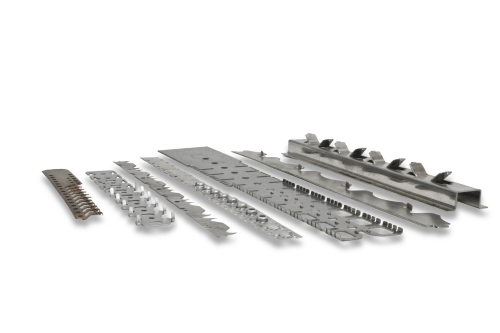
Nothing could be further from the truth. Today's metal stamping presses fall into three primary categories - mechanical, hydraulic, and servo - each engineered for different production demands. Understanding their strengths and limitations helps you match equipment to application, avoiding costly mismatches that plague production lines for years.
Mechanical Press Advantages for Speed-Critical Production
When raw speed drives your production economics, mechanical presses remain the go-to choice. These machines use an electric motor to power a flywheel, which stores kinetic energy and transfers it through a crankshaft or eccentric gear to the ram. The result? Consistent, predictable strokes at impressive speeds.
According to SPI's press overview, mechanical stamping presses typically range from 20 tons to 6,000 tons - covering everything from delicate electronic components to heavy automotive stampings. Their fixed stroke profile delivers repeatable results cycle after cycle, making them ideal for progressive die and transfer press operations.
Why choose a mechanical steel stamping press?
- High-speed production: Stroke rates often exceed 100 per minute for smaller tonnages
- Consistent stroke characteristics: Fixed motion profiles ensure part-to-part repeatability
- Lower operating costs: Simpler systems mean reduced maintenance complexity
- Proven reliability: Decades of refinement have optimized these workhorses
The tradeoff? Mechanical presses offer limited control at the bottom of the stroke - exactly where forming happens. They excel when your operation demands speed and consistency over flexibility.
When Hydraulic and Servo Presses Outperform Mechanical Systems
Hydraulic Presses take a fundamentally different approach. Instead of kinetic energy from a flywheel, they use pressurized hydraulic fluid to generate force. As Eigen Engineering notes, these systems can deliver up to approximately 10,000 tons of metal stamping force - making them powerhouses for demanding applications.
A hydraulic steel press shines in scenarios where mechanical systems struggle:
- Deep drawing operations: Full force available throughout the entire stroke
- Heavy or high-tensile materials: Consistent pressure regardless of material resistance
- Variable force requirements: Adjustable pressure profiles for different parts
- Complex stamped metal parts: Better control during intricate forming sequences
The speed penalty is real - hydraulic presses run slower than mechanical alternatives. But when forming quality matters more than cycle time, that tradeoff often makes sense.
Servo Presses represent the cutting edge of metal stamping press machine technology. These systems replace the flywheel with high-capacity servo motors, enabling precise control over slide motion, positioning, stroke speed, and force application at any point during the cycle.
What makes servo technology transformative? According to Stamtec's automotive press guide, servo presses offer customizable stroke profiles - slower speeds during critical forming phases, quicker return speeds for improved throughput. They deliver maximum pressing force at any point within the operation, making them ideal for stamping advanced high-strength steel (AHSS) and other demanding materials.
Key servo press advantages include:
- Programmable motion profiles: Optimize each stroke for specific part requirements
- Energy efficiency: Motors consume power only when working
- Maximum force flexibility: Full tonnage available anywhere in the stroke
- Reduced tooling wear: Controlled approach speeds extend die life
- Quick changeover: Stored programs enable rapid setup for different parts
The investment is higher upfront, but servo technology often delivers compelling ROI through energy savings, improved quality, and production flexibility.
Key Specifications for Press Selection
Whether evaluating metal stamping presses for a new facility or upgrading existing equipment, engineers should systematically assess these critical specifications:
- Tonnage capacity: Calculate required force based on material, thickness, blank size, and die complexity - then add appropriate safety margin
- Stroke rate: Match production volume requirements while maintaining quality standards
- Stroke length: Ensure adequate clearance for part geometry and die height
- Bed and slide dimensions: Verify die compatibility and access for automation
- Slide accuracy: Critical for tight-tolerance automotive and precision applications
- Energy consumption: Factor operating costs into total cost of ownership
- Integration capability: Confirm compatibility with coil handling, transfer systems, and downstream automation
- Service and support: Evaluate spare parts availability and technical support responsiveness
Press selection is a long-term investment decision. The right stamping machinery balances your current production needs against future flexibility - because the parts you're stamping today may evolve tomorrow, and your equipment must keep pace.
Material Selection Guide for Stamping Manufacturing
You've got the press selected and your process dialed in - but here's a question that can make or break your project: what metal should you actually stamp? Material selection affects everything from die wear to springback compensation, and choosing wrong means scrapped parts, frustrated production teams, and budget overruns.
The good news? Once you understand how different metals behave under forming pressure, the decision becomes straightforward. Let's explore the most common metal stamping materials and when each one makes sense for your application.
Steel vs Aluminum vs Copper in Stamping Applications
Carbon Steel remains the workhorse of stamping manufacturing for good reason. According to American Industrial Company, it's a highly durable carbon and iron alloy offering superior strength and design flexibility at cost-effective pricing. Available in different grades based on carbon content, carbon steel handles most forming operations without special considerations.
When should you specify stamped steel? Consider it your default choice for:
- Structural brackets and reinforcement components
- Automotive chassis and body parts
- Industrial equipment housings
- Applications where strength-to-cost ratio drives decisions
The main limitation? Corrosion resistance. Bare carbon steel rusts readily, so most applications require zinc, chrome, or nickel coatings for protection - adding a secondary operation to your production flow.
Stainless Steel Stamping solves the corrosion problem at its source. Different grades offer unique benefits for various environments. Stainless steel metal stamping is preferred for food handling, medical applications, and outdoor exposure where durability and corrosion resistance are non-negotiable.
But here's the tradeoff: stainless steel work-hardens rapidly during forming. Dies wear faster, springback increases, and you'll need higher press tonnage compared to carbon steel. These factors increase per-part costs - justified when the application truly demands corrosion resistance, but overkill for indoor structural components.
Aluminum Stamping dominates when weight reduction matters. Stamped aluminum offers an excellent strength-to-weight ratio, making it ideal for aerospace components, automotive lightweighting initiatives, and portable electronic enclosures. The material's natural corrosion resistance eliminates coating requirements in many applications.
Common aluminum grades for stamping include:
- 1100 series: Highest formability, used for deep draws and intricate shapes
- 3003 series: Good formability with improved strength
- 5052 series: Higher strength for structural applications
- 6061 series: Heat-treatable for post-forming strength enhancement
The challenge with aluminum? It's softer than steel, meaning surface scratches and galling become concerns. Proper lubrication and die surface treatments are essential for quality stamped parts.
Copper Stamping and brass alloys serve specialized applications where electrical and thermal conductivity matter most. According to Talan Products, copper's soft, malleable nature makes it a preferred choice due to its corrosion resistance and ductility.
Typical copper stamping applications include:
- Electrical connectors and bus bars
- Heat sinks and thermal management components
- EMI/RFI shielding
- Battery contacts and terminals
Brass - a zinc-copper alloy - offers varying proportions of malleability and hardness depending on composition. It's commonly specified for bearings, locks, gears, and decorative hardware where visual appeal matters alongside functionality.
Material Properties That Affect Stampability
Selecting the right metal for stamping goes beyond just matching material properties to end-use requirements. You need to understand how each metal behaves during the forming process itself.
Formability measures how much a metal can deform before cracking or tearing. High-formability materials like pure copper and low-carbon steel can undergo aggressive bending and deep drawing operations. Lower-formability materials like high-strength steel or work-hardened stainless require gentler forming approaches - larger bend radii, shallower draws, and potentially multiple forming stages.
Springback occurs when formed metal partially returns toward its original shape after pressure releases. According to Henli Machinery, materials with higher yield strengths are more susceptible to springback during stamping. This means your die designer must overbend high-strength materials to achieve the target angle after elastic recovery.
Key springback considerations include:
- Higher yield strength = more springback compensation required
- Thicker sheets actually show less springback due to greater plastic deformation
- Complex geometries may need pre-forming operations to control springback
- Edge-pressing force optimization can reduce springback by improving stress distribution
Material Thickness directly impacts die design in several ways. Thicker materials require higher tonnage presses, larger clearances between punch and die, and typically larger minimum bend radii. Conversely, very thin materials present handling challenges and may wrinkle during forming if blank holder pressure isn't carefully controlled.
Material Comparison at a Glance
This comparison helps engineers quickly evaluate metal stamping materials for their specific applications:
| Material | Formability Rating | Typical Applications | Cost Considerations | Special Requirements |
|---|---|---|---|---|
| Low-Carbon Steel | Excellent | Automotive brackets, structural components, general hardware | Low - most economical option | Requires coating for corrosion protection |
| Stainless Steel | Moderate | Food handling, medical devices, marine applications | High - 2-4× carbon steel pricing | Higher tonnage required; increased die wear |
| Aluminum | Good to Excellent | Aerospace, automotive lightweighting, electronics enclosures | Medium - varies by alloy grade | Requires proper lubrication; galling prevention |
| Copper | Excellent | Electrical connectors, heat sinks, EMI shielding | High - commodity price fluctuation | Soft material; surface protection critical |
| Brass | Good to Excellent | Decorative hardware, bearings, locks, valves | Medium-High | Zinc content affects formability and color |
| Beryllium Copper | Moderate | Springs, aircraft components, high-stress tolerance parts | Very High - specialty alloy pricing | Health/safety protocols for machining dust |
Notice how formability and cost often move in opposite directions? That's the fundamental tradeoff in material selection. High-performance alloys offer superior end-use properties but demand more careful die design, slower production speeds, and higher tooling maintenance budgets.
The smartest approach? Match material capabilities to actual application requirements - not theoretical worst-case scenarios. Specifying stainless steel for an indoor, dry-environment bracket wastes money. But choosing carbon steel for a marine application guarantees premature failure. Understanding both the forming behavior and end-use environment ensures you select metal stamping materials that perform reliably without overspending on unnecessary capability.
Design for Manufacturability in Stamping
You've selected your material and process - but here's where projects often derail: the part design itself. A component that looks perfect in CAD can become a manufacturing nightmare if it ignores how sheet metal actually behaves during forming. The result? Scrapped tooling, missed deadlines, and budgets blown on redesigns that should never have been necessary.
Design for manufacturability (DFM) bridges the gap between engineering intent and production reality. When applied early - before tooling begins - proper sheet metal design guidelines reduce costs, accelerate timelines, and dramatically improve first-pass approval rates. Let's explore the critical rules that separate successful stamping design from expensive lessons learned.
Critical Design Rules for Stampable Parts
Every metal stamped part must respect fundamental forming constraints. Ignore these rules, and you'll fight defects throughout production. Follow them, and your parts practically stamp themselves.
Minimum Bend Radii
Specifying too-small inside radii invites cracking and excessive springback. According to industry best practices, softer metals tolerate smaller radii while harder alloys often need radii equal to or greater than material thickness. Match your radius to both material properties and available tooling - otherwise you'll force costly die modifications or suffer part failures.
General guidelines for minimum inside bend radius:
- Soft aluminum and copper: 0.5× to 1× material thickness
- Low-carbon steel: 1× material thickness
- Stainless steel: 1.5× to 2× material thickness
- High-strength steel: 2× to 3× material thickness or more
Hole-to-Edge and Hole-to-Bend Distances
Placing holes too close to edges or bend lines causes distortion, oval holes, and misaligned fasteners after forming. According to Fictiv's stamping guide, minimum hole diameter should equal material thickness for round holes, and holes should be spaced at least 1.5× material thickness apart.
For hole placement near bends, keep features at least 2.5× material thickness plus bend radius away from the bend line. Larger features need even more clearance. If layout space is tight, consider drilling after bending to preserve hole geometry.
Material Grain Direction
Sheet metal has a directional grain structure from the rolling process. Bends made perpendicular to the grain are stronger and far less susceptible to cracking than bends made parallel to the grain. For custom sheet metal stamping projects, critical bends must be aligned correctly in the strip layout - a detail often overlooked until parts start cracking on the production line.
Draft Angles for Deep Draws
Deep-drawn components require slight draft angles (typically 1-3 degrees) on vertical walls to facilitate part ejection from the die. Without adequate draft, parts stick in the cavity, causing cycle delays and surface damage. The deeper your draw, the more critical proper draft becomes.
Tolerance Stackup in Progressive Dies
Progressive dies perform multiple operations in sequence, and each station adds its own variation. When designing metal stamping components with tight tolerance features, consider how individual station tolerances compound across the die. Critical dimensions should be formed in as few stations as possible, ideally in a single operation.
According to industry standards, standard blanking and forming operations typically achieve tolerances of ±0.005 inches (±0.127 mm). With specialized equipment like fineblanking and tight process control, critical features can be held to ±0.001 inches (±0.025 mm) - but at increased cost.
Avoiding Costly Design Mistakes in Stamping Projects
Understanding the rules is one thing - applying them consistently requires systematic attention to common pitfalls. Here are the mistakes that send parts back to the drawing board:
Missing or Incorrect Bend Relief
When bends intersect without relief, the sheet can tear or buckle at the corner. Adding appropriate bend relief - rectangular, obround, or circular cuts at bend intersections - lets the material fold cleanly and reduces tool stress. Place reliefs where tight corners or flange transitions meet to prevent cracks.
Flanges Shorter Than Minimum Required
Short flanges can't be clamped or formed properly, leading to slipping and inconsistent bends. A reliable guideline: flange length should be at least 4× material thickness to ensure proper grip in the die. If you must keep a short edge, adjust the bend sequence, increase thickness, or add supporting geometry.
Ignoring Springback Compensation
Flat patterns that ignore bend allowance and springback produce wrong final dimensions and poor fits. Use material-specific K-factors, bend tables, or CAD simulation to calculate correct flat lengths. Always prototype critical bends to confirm accuracy before committing to production tooling.
Specifying Non-Standard Features
Odd hole sizes force custom punches or laser cutting, increasing cycle time and cost. Standardizing hole diameters and slot sizes keeps production predictable and lowers tooling expenses. If a special size is truly required, discuss laser vs. punch trade-offs with your fabricator early.
DFM Checklist for Stamping Design
Before releasing your sheet metal stamping design for tooling, verify these critical elements:
- Inside bend radii meet or exceed material-specific minimums
- Holes are spaced at least 1.5× material thickness apart
- Holes are positioned at least 2.5×T + R from bend lines
- Critical bends are oriented perpendicular to material grain direction
- Flange heights are at least 4× material thickness
- Bend relief is provided at all intersecting bends
- Draft angles are specified for deep-drawn features (typically 1-3°)
- Tolerances account for stackup in progressive die operations
- Standard hole sizes are specified wherever possible
- Secondary operations (welding, coating, assembly) are considered in dimension planning
The Payoff of Early DFM
Investing time in proper stamping design before tooling begins delivers measurable returns. Well-designed parts require simpler, less expensive dies. First-pass yields improve dramatically - often exceeding 95% compared to 60-70% for poorly designed components. Production timelines accelerate because you're not waiting for die modifications or process tweaks.
Perhaps most importantly, DFM-optimized designs remain stable throughout production. When your custom metal stamping partner receives a well-designed part, they can quote accurately, build tooling confidently, and deliver consistent quality from the first piece to the millionth.
The difference between a successful stamped component and a manufacturing headache often comes down to these design fundamentals. Master them, and you'll transform stamping from a black art into a predictable, cost-effective production method that delivers exactly what your application demands.
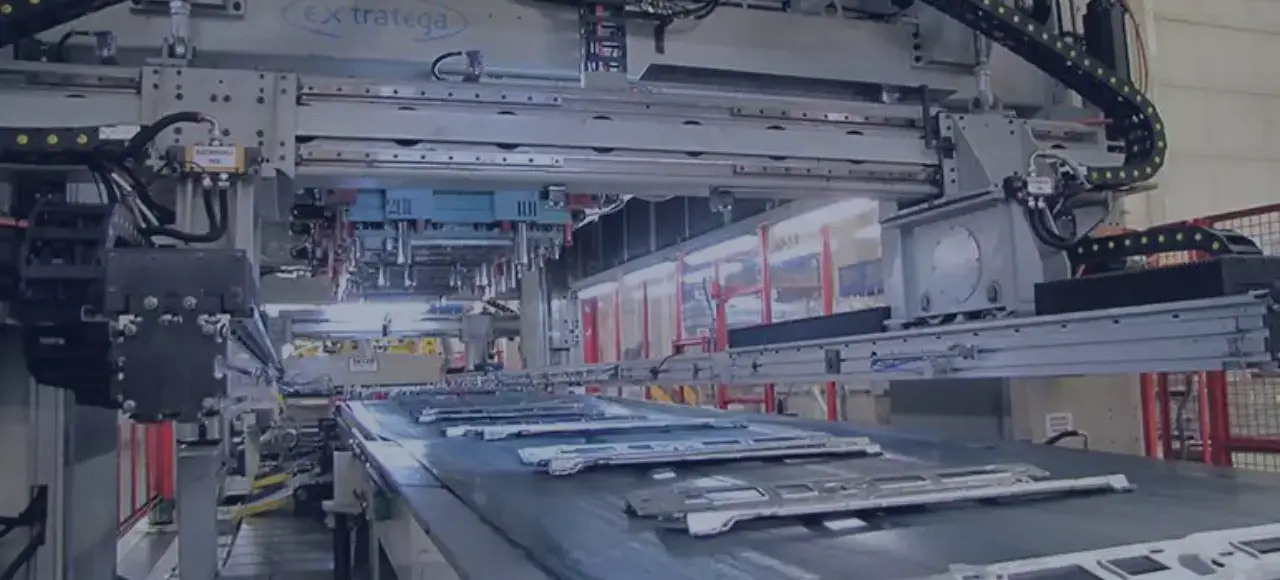
Troubleshooting Common Stamping Defects
Your design follows every DFM guideline, your material is perfectly matched to the application, and your tooling is ready. Yet parts coming off the press still show wrinkles, cracks, or dimensional inconsistencies. What's going wrong?
Even well-planned stamping operations encounter defects - but understanding what is stamped metal supposed to look like versus what's actually emerging helps you diagnose problems quickly. The difference between a minor adjustment and a major production crisis often comes down to how fast you identify root causes and implement corrections.
Let's explore the most common defects in stamped metal parts, why they occur, and - critically - how to prevent them before they consume your production budget.
Diagnosing Wrinkling, Tearing, and Springback Issues
Wrinkling appears as wavy deformations or buckles on stamped sheet metal surfaces, particularly in deep-drawn or flanged areas. According to Leelinepack's defect analysis, wrinkles form when insufficient blank holder force allows excess material to compress and fold rather than flow smoothly into the die cavity.
Key causes of wrinkling include:
- Blank holder pressure set too low for the material and geometry
- Excessive clearance between punch and die
- Material too thin for the intended draw depth
- Improper lubrication allowing uneven material flow
The fix? Increase blank holder force incrementally until wrinkling disappears - but watch carefully. Push too far and you'll trade wrinkling for tearing.
Tearing (Splits) represents the opposite extreme. When stamped steel parts crack or split during forming, excessive stretching has exceeded the material's ductility limits. According to HLC Metal Parts, tensile cracks typically occur in localized areas where high strains or stresses concentrate - often at sharp corners, small radii, or transitions between different forming zones.
Common tearing triggers include:
- Blank holder force set too high, restricting material flow
- Punch or die radii too small for the material's formability
- Material with poor elongation properties for the application
- Draw ratio exceeding the material's capability
- Insufficient lubrication causing friction-induced stress
Prevention requires balancing multiple factors: selecting materials with adequate elongation, ensuring die radii match formability requirements, and optimizing binder force to permit material flow without causing wrinkles.
Springback frustrates engineers because parts look correct in the die - then change shape after release. This elastic recovery occurs because only the outer fibers of bent material undergo permanent plastic deformation. The inner fibers, stressed below yield strength, pull the part back toward its original flat state.
According to industry analysis, springback particularly affects high-strength materials because they have smaller differences between yield and tensile strength compared to lower-strength steels. The result? Bend angles that consistently miss specification after forming.
Effective springback countermeasures include:
- Over-bending dies that compensate for expected elastic recovery
- Bottom coining at bend lines to set the material plastically
- Using servo presses with programmable dwell time at bottom dead center
- Adjusting blank holder force to improve stress distribution during forming
Burrs - those sharp, raised edges on metal stamped parts - signal tooling problems. According to HLC Metal Parts, burrs often form when cutting tools fail to completely sever the metal, leaving small fragments along part edges. The primary culprits are worn punch and die edges, excessive punch-to-die clearance, or misaligned tooling.
Burr prevention strategies:
- Maintain sharp cutting edges through regular die maintenance
- Optimize punch-to-die clearance (typically 5-10% of material thickness per side)
- Check and correct tool alignment regularly
- Implement secondary deburring operations when zero-burr parts are required
Quality Control Standards for Stamped Components
Catching defects before they leave your facility requires systematic quality control. Modern stamping operations rely on multiple detection techniques, from simple visual inspection to advanced measurement systems.
| Defect Type | Root Cause | Prevention Method | Detection Technique |
|---|---|---|---|
| Wrinkling | Insufficient blank holder force; excessive die clearance | Optimize blank holder pressure; adjust die clearance; improve lubrication | Visual inspection; surface profilometry; touch gauges |
| Tearing/Splits | Excessive stretching; inadequate radii; material limits exceeded | Increase die radii; reduce blank holder force; select higher-formability material | Visual inspection; dye penetrant testing; strain analysis |
| Springback | Elastic recovery after forming; high-strength materials | Over-bend compensation; coining; servo press dwell optimization | CMM measurement; optical comparators; go/no-go gauges |
| Burrs | Worn tooling; excessive clearance; misalignment | Regular die maintenance; optimize clearance; verify alignment | Visual inspection; touch inspection; edge measurement |
| Dimensional Variation | Tool wear; temperature drift; material inconsistency | SPC monitoring; tool maintenance schedules; incoming material inspection | CMM; optical measurement; statistical process control |
CAE Simulation: Preventing Defects Before Production
The most cost-effective defect is one that never occurs. Computer-aided engineering (CAE) simulation allows engineers to predict forming behavior before cutting a single piece of steel - identifying potential wrinkling zones, tearing risks, and springback magnitudes during the design phase.
Modern simulation software models material flow, stress distribution, and thickness changes throughout the forming process. When simulations reveal problems, engineers can modify die geometry, adjust blank shape, or recommend material changes - all without building physical tooling. This virtual prototyping dramatically reduces development cycles and prevents costly die rework.
Industry Quality Standards
Quality metal stamping operations typically adhere to recognized standards that define inspection methods, acceptance criteria, and documentation requirements. For automotive stamped metal components, IATF 16949 certification demonstrates compliance with rigorous quality management systems. Aerospace applications often require AS9100 certification, while medical device stamping may need ISO 13485 compliance.
These certifications matter because they establish systematic approaches to defect prevention - not just detection. Statistical process control (SPC), measurement system analysis, and continuous improvement methodologies combine to deliver consistent quality from the first part to the last.
Understanding common defects and their remedies transforms quality problems from mysterious production stoppages into manageable engineering challenges. When you know what to look for - and why it happens - you can intervene quickly, minimize scrap, and keep your stamped parts flowing smoothly to your customers.
Stamping vs Alternative Manufacturing Methods
You've mastered stamping fundamentals - but here's a question that often determines project success or failure: is stamping actually the right choice for your application? Understanding when metal stamping machines outperform alternatives - and when they don't - separates smart manufacturing decisions from costly mistakes.
Each fabrication method has its sweet spot. Choosing wrong doesn't just waste money; it can delay launches, compromise quality, and lock you into suboptimal production economics for years. Let's compare stamping against the major alternatives so you can match the right process to your specific requirements.
When Stamping Beats CNC Machining and Laser Cutting
Stamping vs CNC Machining
These two processes represent fundamentally opposite approaches. According to Pengce Metal's cost-benefit analysis, metal stamping is a formative process that shapes sheet metal using dies and pressure, while CNC machining is a subtractive process that removes material layer by layer from solid blocks.
This distinction drives dramatically different cost structures:
- Stamping: High upfront tooling investment ($15,000-$150,000+), but extremely low per-part costs once production begins
- CNC machining: Virtually no tooling cost - go directly from 3D model to finished part - but significantly higher per-part pricing
CNC machining wins decisively for prototypes and low-volume production. If you need one, ten, or even a few hundred parts - or if your design might change - CNC delivers faster turnaround and lower total cost. But for high volume production, a sheet metal stamping machine becomes unbeatable. The ability to produce hundreds or thousands of parts per hour makes per-part costs plummet once tooling is amortized.
Material efficiency also favors stamping. CNC machining can turn 50-80% of an expensive material block into chips, while stamping converts nearly all input material into usable product.
Stamping vs Laser Cutting
Laser cutting offers compelling advantages for certain applications. According to Hansen Industries' process comparison, laser cutting excels in thin gauge materials with curves or long cut lines, and a flying optics laser can minimize scratches while eliminating microjoints.
However, laser cutting has critical limitations:
- It's a 2D cutting process - no forming, bending, or deep drawing capability
- Steel parts cut with oxygen assist gas can show scaling that creates problems in welding and powder coating (nitrogen assist solves this but adds cost)
- Copper parts are too reflective for CO2 lasers, requiring waterjet or fiber laser alternatives
- Per-part costs remain relatively constant regardless of volume - no economies of scale
When your parts require forming operations beyond simple flat profiles, stamping machines deliver what lasers cannot. A steel stamping machine combines cutting and forming in a single integrated process, eliminating secondary operations and reducing handling between stations.
Stamping vs 3D Printing
Additive manufacturing has revolutionized prototyping, enabling complex geometries that would be impossible to stamp or machine. For design validation, functional testing, and one-off custom parts, 3D printing delivers unmatched flexibility.
But production economics tell a different story:
- 3D printing remains slow - hours per part versus seconds for stamping
- Material costs are significantly higher than sheet metal
- Surface finish and mechanical properties often require post-processing
- Scaling production multiplies costs linearly with no efficiency gains
Use 3D printing to validate your design, then transition to stamping for production volumes. This hybrid approach leverages the strengths of both technologies.
Stamping vs Casting
Casting excels for complex 3D shapes - hollow interiors, varying wall thicknesses, and intricate geometries that stamping cannot achieve. However, casting operates with different tolerances, typically ±0.010" to ±0.030" compared to stamping's ±0.002" to ±0.005". Parts requiring tight dimensional control often need secondary machining after casting.
Cast parts also require different minimum volumes to justify tooling - and lead times for pattern and mold creation can exceed stamping die development.
Volume Thresholds for Choosing Stamping Over Alternatives
Production volume is the single most important factor in this decision. Imagine two cost lines on a graph: the CNC line starts at zero but climbs steadily with each part. The stamping line starts high due to tooling but climbs very slowly thereafter.
Where these lines cross is your break-even point. Below this volume, alternatives are cheaper. Above it, stamping becomes the clear economic winner.
General volume guidelines:
- 1-500 parts: CNC machining or laser cutting typically most economical
- 500-5,000 parts: Evaluate based on part complexity and tooling costs
- 5,000-10,000+ parts: Metal stamping increasingly advantageous
- 100,000+ parts: Stamping delivers dramatic cost advantages
These thresholds shift based on part complexity. Simple parts with minimal tooling costs break even at lower volumes, while complex progressive dies require higher volumes to amortize their investment.
Manufacturing Method Comparison
| Method | Best Volume Range | Tooling Investment | Per-Part Cost Trend | Geometric Limitations |
|---|---|---|---|---|
| Metal Stamping | 10,000+ parts annually | High ($15K-$150K+) | Very low; decreases with volume | Sheet metal geometries; uniform thickness |
| CNC Machining | 1-1,000 parts | None to minimal | Moderate to high; constant per part | Virtually unlimited 3D complexity |
| Laser Cutting | 1-5,000 parts | None | Moderate; constant per part | 2D profiles only; no forming |
| 3D Printing | 1-100 parts (prototyping) | None | High; no volume scaling | Complex 3D geometries; build volume limits |
| Casting | 500-50,000+ parts | Medium to high | Low to moderate | Complex 3D shapes; varying thicknesses possible |
Hybrid Approaches
Real-world manufacturing often combines methods. A part might be stamped to create its basic shape efficiently, then receive secondary CNC machining to add highly precise features like threaded holes or milled surfaces. This hybrid approach often provides the best of both worlds - the speed and economy of stamping with the precision of machining where it matters most.
The decision framework is straightforward: analyze your production volumes, part geometry, tolerance requirements, and timeline constraints. When your analysis points toward high volume production where consistency and low per-part costs are paramount, stamping delivers unmatched value - and your manufacturing partner selection becomes the next critical decision.
Selecting the Right Stamping Manufacturing Partner
You've designed your part, selected your material, and determined that stamping is the optimal process. Now comes a decision that will impact your production outcomes for years: choosing the right metal stamping manufacturer. An unreliable supplier can lead to delays, quality escapes, and costly recalls - while the right partner accelerates your production, reduces costs, and delivers consistent quality from prototype through high-volume manufacturing.
According to ESI's supplier evaluation guide, a beneficial metal stamping service provider can speed up your production times, lower costs, and produce better quality. But with countless options available, how do you separate exceptional partners from mediocre ones? Let's explore the evaluation framework that separates world-class custom metal stamping services from those that will become manufacturing headaches.
Evaluating Stamping Partner Capabilities and Certifications
Quality Certifications Matter - But Know Which Ones Apply
Certifications provide third-party validation of a supplier's commitment to quality processes. But not all certifications are created equal for your application.
For automotive metal stamping, IATF 16949 certification is essential. This globally recognized standard ensures suppliers meet the rigorous quality management requirements that automotive OEMs demand - covering everything from production part approval processes (PPAP) to statistical process control and continuous improvement methodologies.
According to KY Hardware's supplier checklist, a robust quality management system is non-negotiable - it's the foundation of receiving consistent, reliable parts that meet your specifications. Beyond IATF 16949, look for:
- ISO 9001:2015: General quality management baseline for all industries
- AS9100: Required for aerospace precision stamping applications
- ISO 13485: Essential for medical device stamped components
- NADCAP: Special process accreditation for critical aerospace operations
Engineering Capabilities Beyond Basic Fabrication
The best metal stamping manufacturers function as engineering partners - not just job shops. According to industry experts, your supplier should provide design recommendations that help avoid defects and future expenses by designing parts based on the step-by-step stamping process required.
Evaluate these engineering capabilities:
- Design for Manufacturability (DFM) support: Can they recommend modifications that reduce tooling costs and improve production yields?
- Material expertise: Do they work with a wide range of materials and understand how each behaves in specific stamping processes?
- In-house tool and die making: Vertically integrated suppliers who manufacture their tools in-house typically deliver faster turnaround and better quality control
- Secondary operations: Can they provide assembly, finishing, heat treating, or plating services to simplify your supply chain?
Production Capacity and Flexibility
According to Talan Products' buyer guide, reliable on-time delivery is non-negotiable. Late parts can shut down production lines, increase costs, and create massive inefficiencies. Evaluate potential partners on:
- Current capacity versus your projected demand
- On-time delivery metrics (ask for actual performance data)
- Flexibility to scale production up or down based on your needs
- Inventory management programs like Kanban or Just-in-Time delivery
A custom metal stamper with longstanding customer relationships often signals reliability. As industry analysis shows, customer retention over decades demonstrates consistent delivery on quality, reliability, and service promises.
From Prototype to High-Volume Production
Advanced Simulation: Preventing Defects Before They Occur
The most cost-effective defect is one that never happens. Modern metal stamping services leverage CAE (Computer-Aided Engineering) simulation to predict forming behavior before cutting steel - identifying potential wrinkling zones, tearing risks, and springback magnitudes during the design phase rather than discovering them on the production floor.
Simulation capabilities directly impact your project success through:
- Reduced development cycles - virtual prototyping eliminates costly die rework
- Improved first-pass approval rates - parts meet specification from initial production
- Optimized material utilization - blank shapes refined for maximum efficiency
- Lower tooling costs - die geometry validated before physical construction
For example, Shaoyi demonstrates what leading automotive metal stamping partners achieve with advanced simulation: their CAE-driven approach delivers a 93% first-pass approval rate, meaning parts meet specification from the first production run rather than requiring costly iterations. Combined with IATF 16949 certification and rapid prototyping capabilities as fast as 5 days, they exemplify the engineering-focused partnership approach that minimizes development risk while accelerating time-to-production.
Prototyping Speed and Process
How quickly can a potential partner deliver prototype parts? This timeline directly impacts your product development schedule. According to supplier evaluation best practices, discussing your prototyping needs and required lead times upfront allows suppliers to confirm if their capabilities match your timeline requirements.
Key prototyping questions:
- What prototyping methods do they offer (soft tooling, hard tooling, alternative processes)?
- What is typical prototype lead time for parts similar to yours?
- Can prototype tooling transition to production, or will new dies be required?
- How do they validate prototype performance against production intent?
Quality Metrics That Matter
According to Talan Products, a low parts per million (PPM) defect rate is a strong indicator of process control and reliability - meaning fewer defects, less scrap, and fewer disruptions to your production. Ask potential metal stamping manufacturers for specific quality data:
- Current PPM defect rates
- On-time delivery percentage
- First-pass approval rates for new programs
- Customer scorecards from existing relationships
Questions to Ask Potential Stamping Partners
Before committing to a precision metal stamping relationship, systematically evaluate candidates with these critical questions:
| Evaluation Area | Key Questions to Ask |
|---|---|
| Quality Systems | What certifications do you hold? What is your current PPM rate? How do you handle non-conforming parts? |
| Engineering Support | Do you offer DFM analysis? What simulation tools do you use? How do you approach tolerance stackup in progressive dies? |
| Tooling Capability | Do you build tools in-house or outsource? What is typical die construction lead time? How do you manage tool maintenance? |
| Production Capacity | What is your current utilization? How would you accommodate volume increases? What backup plans exist for equipment failures? |
| Material Expertise | What materials do you commonly work with? Do you have established mill relationships? Can you provide material certifications? |
| Communication | Who is my primary contact? How are production issues escalated? What project management tools do you use? |
The Partnership Perspective
According to industry guidance, selecting the right metal stamping supplier is an investment in your product's success. The goal is finding a strategic partner committed to quality who offers invaluable engineering expertise and dedication to helping you achieve your manufacturing goals for years to come.
The lowest price per part is rarely the best value. True value comes from a metal stamping service that acts as an extension of your team - catching design issues before tooling begins, proactively communicating production status, and continuously improving processes to deliver better quality at lower cost over time.
When you find the right partner - one with robust certifications, strong engineering capabilities, proven quality metrics, and a genuine commitment to your success - stamping manufacturing transforms from a procurement challenge into a competitive advantage that powers your products from concept through high-volume production.
Frequently Asked Questions About Stamping Manufacturing
1. What are the 7 steps in the stamping method?
The primary stamping operations include blanking (cutting flat shapes), piercing/punching (creating holes), drawing (forming depth), bending (creating angles), air bending (partial contact forming), bottoming and coining (precision compression forming), and pinch trimming (final edge finishing). Most stamped parts combine multiple operations in progressive or transfer die sequences, with each step building upon the previous to create the final component geometry.
2. What is the difference between stamping and machining?
Stamping is a formative process that shapes sheet metal using dies and pressure without removing material, while CNC machining is a subtractive process that removes material layer by layer from solid blocks. Stamping requires high upfront tooling investment but delivers extremely low per-part costs at scale, making it ideal for volumes exceeding 10,000 parts annually. Machining offers design flexibility with no tooling cost but higher per-part pricing, best suited for prototypes and low-volume production under 1,000 parts.
3. What is a stamping engineer?
A Metal Stamping Engineer designs, develops, and optimizes metal stamping processes used in manufacturing. They work with tooling, dies, and presses to ensure efficient production of metal components while maintaining quality and cost-effectiveness. Their responsibilities include selecting appropriate stamping methods (progressive, transfer, fourslide, or deep draw), specifying press types and tonnage requirements, troubleshooting defects like wrinkling and springback, and implementing design for manufacturability principles.
4. How do I choose between progressive die and transfer die stamping?
Choose progressive die stamping for small-to-medium complex parts at high volumes (10,000 to millions annually) where speed and tight tolerances are critical. Transfer die stamping is better for larger parts requiring deep draws or multi-axis forming, typically at volumes of 5,000 to 500,000 parts. Key decision factors include part size (transfer handles wider blanks), draw depth requirements, and whether your geometry needs forming from multiple directions that progressive tooling cannot access.
5. What materials work best for metal stamping applications?
Low-carbon steel offers excellent formability at the lowest cost, ideal for structural brackets and automotive components but requires corrosion coating. Stainless steel provides inherent corrosion resistance for food, medical, and marine applications but demands higher tonnage and causes faster die wear. Aluminum delivers superior strength-to-weight ratios for aerospace and lightweighting projects. Copper and brass excel in electrical conductivity applications like connectors and terminals. Material selection should balance formability requirements, end-use environment, and total production costs including secondary operations.