 Small batches, high standards. Our rapid prototyping service makes validation faster and easier —
  EN
EN


Sheet Metal Stamping Companies: The Supplier Evaluation Framework Buyers Miss
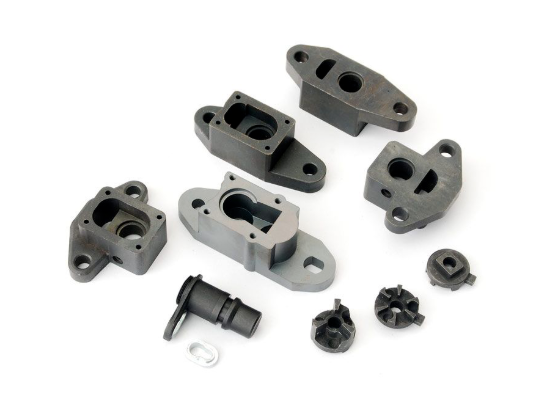
Understanding Sheet Metal Stamping and Why It Matters
Imagine taking a flat piece of metal and transforming it into a precisely shaped automotive bracket, an aerospace component, or a critical medical device part—all in a matter of seconds. That's exactly what sheet metal stamping accomplishes every day across manufacturing facilities worldwide.
Sheet metal stamping is a cold-forming manufacturing process that uses mechanical force and specialized dies to convert flat metal sheets or coils into precisely shaped components. Unlike processes that remove material, stamping and pressing techniques reshape metal through controlled deformation, creating everything from simple brackets to complex three-dimensional parts with remarkable consistency.
Why does this matter to you? When your project demands thousands—or millions—of identical metal components, partnering with the right stamping supplier becomes essential. These specialized manufacturers deliver the high-volume production, tight tolerances, and cost efficiency that other fabrication methods simply can't match at scale.
How Sheet Metal Stamping Transforms Raw Materials into Precision Parts
The metal stamping manufacturing process begins when flat sheet metal feeds into a stamping press. This powerful machine applies tremendous force through specialized tooling called dies, which shape the metal according to predetermined specifications. According to National Material Company, this systematic approach transforms raw metal sheets into precisely shaped components serving diverse industries and applications.
What makes this process particularly valuable? You'll notice three key advantages:
- Speed: Modern stamping presses operate at speeds ranging from 20 to over 1,500 strokes per minute
- Consistency: Each stamped part replicates the exact specifications of the die
- Economy: High-volume runs dramatically reduce per-unit costs
The Manufacturing Process Behind Every Stamped Component
Understanding what is metal stamping at its core helps you evaluate potential suppliers more effectively. The metal stamping process involves several distinct operations, each serving a specific forming purpose:
- Punching: Creates holes or cutouts by forcing a punch through the metal sheet
- Blanking: Cuts out the desired shape from the sheet, producing the workpiece that will become your finished part
- Embossing: Raises or recesses designs into the metal surface for branding, structural reinforcement, or aesthetic purposes
- Bending: Forms angles and curves by pressing the metal around a die edge
- Coining: Applies extreme pressure to create fine details and achieve tighter tolerances
- Flanging: Creates raised edges or lips along part borders for assembly or structural purposes
These operations can be performed individually or combined in sophisticated progressive die setups where stamped metal moves through multiple stations in a single press cycle.
The applications span virtually every major industry. Automotive manufacturers rely on stamped components for body panels, brackets, and structural elements. Aerospace companies depend on lightweight yet durable stamped parts for aircraft assemblies. Electronics manufacturers use precision stamping for connectors, heat sinks, and shielding components. Medical device companies require the sterile, biocompatible parts that specialized stamping operations deliver.
With global demand for complex, mass-produced metal parts continuing to grow, selecting the right manufacturing partner has never been more critical. The framework you'll discover in the following sections will help you evaluate potential suppliers with confidence.
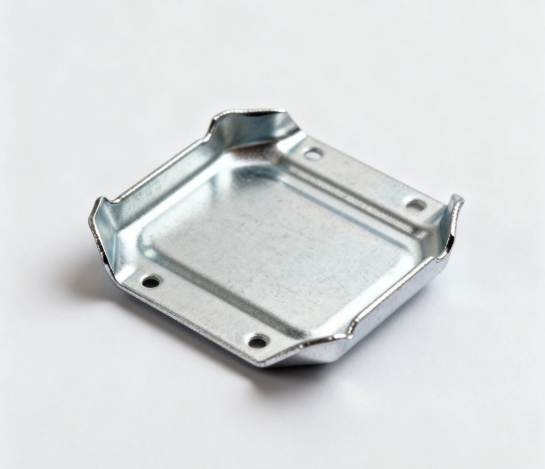
Comparing Stamping Methods for Different Project Requirements
So you understand what metal stamping does—but which stamping process actually fits your project? This is where many buyers stumble. Different stamping methods excel under different circumstances, and choosing incorrectly can mean paying for capabilities you don't need or struggling with limitations that slow your production.
The stamping process you select directly impacts your part quality, production speed, and bottom line. Let's break down the four primary methods used by precision metal stamping companies today, so you can match your project requirements to the right approach.
Progressive Die vs Transfer Stamping for Production Efficiency
When high volume metal stamping is your priority, two methods dominate the conversation: progressive die stamping and transfer die stamping. Both handle substantial production runs, but they serve distinctly different component types.
Progressive die stamping moves a continuous metal strip through multiple stations, each performing a specific operation—cutting, bending, piercing, or punching. The part stays connected to the strip throughout the process and only separates at the final stage. According to Die-Matic Corporation, this continuous process makes progressive stamping perfect for high-speed production of complex parts at medium to high volumes.
You'll find progressive die stamping ideal when:
- Your parts are small to medium-sized with moderate complexity
- Production volumes justify significant tooling investment
- Fast cycle times and reduced labor costs are priorities
- You're manufacturing connectors, brackets, clips, or electronic components
Transfer die stamping takes a different approach. This method either begins with a pre-cut blank or separates the part from the metal strip early in the process. Once detached, the component moves mechanically between stations for subsequent operations. This separation enables deeper draws and more intricate shapes than progressive stamping can achieve.
Consider transfer stamping when your project involves:
- Medium-to-large parts requiring multiple forming operations
- Complex geometries with deeper draws
- Structural components, large brackets, or reinforcement plates
- Parts too large to remain attached during progressive operations
The tradeoff? Transfer stamping typically has slightly slower cycle times and higher per-part costs for low-volume runs due to increased tooling and handling complexity. But for larger, more intricate parts, it remains invaluable in stamping manufacturing.
Choosing Between Deep Draw and Fourslide Methods
When your components require specialized geometries, deep draw and fourslide stamping offer unique capabilities that standard methods can't replicate.
Deep draw stamping excels at creating three-dimensional shapes with significant depth—think battery casings, enclosures, or cup-shaped components. The process draws flat sheet metal into a die cavity, forming seamless hollow parts without welding or joining. This method proves essential for applications requiring structural integrity and leak-proof construction.
Fourslide (or multislide) stamping uses four or more horizontal tool slides to manipulate metal from multiple angles simultaneously. Unlike traditional vertical presses, this multi-directional approach enables complex bends, twists, and forming operations in a single setup. Industry experts note that fourslide stamping is ideal for intricate components that would be difficult or impossible to achieve with conventional stamping metal methods.
Fourslide stamping shines for:
- Small to medium parts with precise bends and multiple angles
- Electrical connectors, terminals, and shielding components
- Medical device micro-components requiring precision geometry
- Short run metal stamping where tooling flexibility matters
The limitation? Fourslide works best with thinner materials and smaller part sizes, making it less effective for heavy-gauge metals or larger components.
Stamping Method Comparison for Project Planning
Use this comparison table to evaluate which metal stamping manufacturing approach aligns with your specific project requirements:
| Criteria | Progressive Die | Transfer Die | Deep Draw | Fourslide |
|---|---|---|---|---|
| Ideal Part Complexity | Simple to moderate; flat with bends and holes | Moderate to high; deeper draws and intricate shapes | Moderate; seamless 3D hollow forms | High; multi-dimensional bends and forms |
| Production Volume | Medium to high (10,000+ parts) | Medium to high (5,000+ parts) | Medium to high | Low to medium (500-50,000 parts) |
| Typical Tolerances | ±0.005" to ±0.010" | ±0.005" to ±0.015" | ±0.010" to ±0.020" | ±0.003" to ±0.005" |
| Cost Efficiency at Scale | Excellent; lowest per-unit costs at high volumes | Good; higher tooling but efficient for large parts | Good; specialized but economical for hollow parts | Moderate; best for complex small parts |
| Best Applications | Connectors, brackets, clips, electronic housings | Body panels, structural components, large brackets | Enclosures, battery casings, cylindrical parts | Electrical terminals, clips, medical micro-components |
When evaluating sheet metal stamping companies, ask which methods they specialize in and whether their equipment matches your project profile. A supplier's stamping capabilities should align with your part geometry, volume expectations, and tolerance requirements—factors we'll explore further when examining material selection considerations.
Selecting the Right Materials for Your Stamping Project
You've identified the stamping method that fits your production needs—but here's where many buyers make costly mistakes. The material you choose affects everything from tooling wear and production speed to how your finished parts perform in the field. Get this decision wrong, and you're looking at premature failures, inflated costs, or parts that simply don't meet specifications.
Understanding metal stamping materials isn't just about knowing which metals exist. It's about matching material properties to your specific application requirements while balancing cost, manufacturability, and performance. Let's explore how to make this critical decision with confidence.
Material Properties That Impact Stamping Performance
Before diving into specific metals, you need to understand the key properties that determine how materials behave during stamping—and how they'll perform afterward. According to Peterson Manufacturing, every metal responds differently to stamping processes, and each maintains different degrees of strength and other positive properties.
Here are the critical factors to evaluate:
- Tensile Strength: Determines how much pulling force the material can withstand before breaking—essential for structural components
- Formability (Ductility): Indicates how easily the metal deforms without cracking, directly impacting your ability to achieve complex shapes
- Corrosion Resistance: Affects long-term durability, especially for parts exposed to moisture, chemicals, or outdoor environments
- Electrical/Thermal Conductivity: Critical for electronics, heat sinks, and electrical connectors
- Hardness: Influences wear resistance and the material's ability to maintain shape under stress
- Cost: Raw material pricing varies significantly and impacts your total project economics
The challenge? No single material excels in every category. Selecting the right metal means prioritizing the properties most critical to your application while accepting reasonable tradeoffs elsewhere.
Matching Metal Types to Industry Requirements
Different industries demand different material characteristics. Here's how the most common stamping metals align with specific application needs:
Steel Stamping remains the workhorse of metal stamping manufacturing. Cold-rolled steel offers excellent formability, high strength, and cost-effectiveness for high-volume production. Stamped steel components dominate automotive, appliance, and construction applications where strength and affordability matter most. The tradeoff? Standard steel requires coatings or treatments to resist corrosion.
Stainless Steel Metal Stamping delivers when corrosion resistance is non-negotiable. With chromium content exceeding 10.5%, stainless stamping produces parts that resist rust, acids, and harsh chemicals. Industry sources note that stainless steel is frequently recommended for applications requiring hygiene, such as medical devices, kitchen appliances, and food processing equipment. However, stainless steel's hardness increases tooling wear and requires more press force than milder steels.
Aluminum Stamping provides the lightweight solution for weight-sensitive applications. Aluminum stampings weigh roughly one-third of equivalent steel parts while maintaining impressive strength-to-weight ratios. Stamped aluminum components excel in aerospace, automotive, and consumer electronics where reducing mass improves efficiency and performance. Aluminum's natural oxide layer also provides inherent corrosion protection.
Copper stands unmatched for electrical and thermal conductivity. Only silver and gold conduct electricity better, making copper the standard for electrical connectors, terminals, and heat dissipation components. Its excellent formability allows complex shapes, though higher material costs limit its use to applications where conductivity is essential.
Brass combines copper's workability with zinc's added strength and an attractive golden appearance. This alloy sees extensive use in decorative hardware, plumbing fittings, and electrical components where aesthetics matter alongside functionality.
Metal Stamping Materials Comparison
Use this reference table when evaluating materials for your next stamping project:
| Material Type | Key Properties | Typical Applications | Relative Cost |
|---|---|---|---|
| Cold-Rolled Steel | High strength, excellent formability, uniform thickness | Automotive body parts, appliance housings, structural brackets | Low |
| Stainless Steel | Superior corrosion resistance, durability, wide temperature range | Medical devices, food equipment, outdoor hardware | Medium-High |
| Aluminum | Lightweight, good strength-to-weight ratio, corrosion resistant | Aerospace components, electronic enclosures, automotive parts | Medium |
| Copper | Excellent electrical/thermal conductivity, highly formable | Electrical connectors, heat sinks, bus bars | High |
| Brass | Good conductivity, attractive finish, corrosion resistant | Decorative hardware, plumbing fittings, musical instruments | Medium-High |
| Galvanized Steel | Good corrosion resistance, high strength, cost-effective | HVAC components, building hardware, outdoor fixtures | Low-Medium |
Thickness Considerations and Production Impact
Material thickness directly affects both your tooling requirements and production speed. Thinner materials (typically 0.020" to 0.060") stamp faster and require less press tonnage, reducing tooling wear and energy costs. However, they may lack the structural integrity certain applications demand.
Heavier gauge materials offer greater strength but present challenges:
- Increased press force requirements (higher tonnage presses)
- Accelerated die wear and more frequent maintenance
- Slower production speeds
- Higher material costs per part
When consulting with potential stamping suppliers, discuss your thickness requirements early. A manufacturer's press capacity and tooling expertise should align with your material specifications. Parts requiring heavy-gauge steel stamping need different equipment than those using thin aluminum stampings.
The material decision you make now ripples through every subsequent project phase—from tooling design and supplier selection to final part performance. With this foundation in place, you're ready to evaluate potential manufacturing partners using criteria that truly matter.
Evaluating Sheet Metal Stamping Companies Like a Pro
You've selected your stamping method and identified the right materials—but here's where many procurement teams stumble. Finding a metal stamping manufacturer that claims to meet your requirements is easy. Finding one that actually delivers consistent quality, meets deadlines, and grows with your business? That requires a systematic evaluation framework most buyers never develop.
The difference between a mediocre supplier and an exceptional manufacturing partner often comes down to factors that don't appear on a standard quote. Certifications, equipment capabilities, quality systems, and production capacity tell you whether a metal stamping service can truly support your project—or whether you're headed toward costly delays and quality issues.
Essential Certifications Every Stamping Supplier Should Hold
Certifications aren't just plaques on a wall. They represent third-party validation that a manufacturer has implemented rigorous processes and maintains them consistently. According to industry experts, ISO certification indicates that suppliers care about their manufacturing processes, the quality of their products, and their commitment to meeting customer expectations.
Here's what each major certification means for your project:
ISO 9001:2015 establishes the foundation. This internationally recognized standard ensures a supplier maintains documented quality management systems covering everything from process control to continuous improvement. Consider this your baseline requirement—any reputable metal stamping manufacturer should hold this certification.
IATF 16949 becomes essential for automotive applications. This standard builds on ISO 9001 with automotive-specific requirements including PPAP (Production Part Approval Process), advanced product quality planning, and defect prevention. If you're sourcing stamped metal parts for vehicles, this certification is non-negotiable.
AS9100 addresses aerospace and defense requirements. With stricter controls on traceability, configuration management, and risk assessment, this certification ensures suppliers meet the demanding standards aircraft manufacturers require.
ISO 13485 applies to medical device manufacturing. According to NSF International, this standard emphasizes regulatory compliance and risk management to ensure the safety and effectiveness of medical devices. It requires enhanced documentation, contamination control measures, and formal processes for handling complaints and reporting adverse events. For any stamped metal parts manufacturer serving the medical industry, this certification demonstrates the specialized capabilities your application demands.
Questions to Ask Before Selecting a Manufacturing Partner
Certifications verify systems exist—but asking the right questions reveals how those systems perform in practice. When evaluating metal stamping services, dig deeper with these targeted inquiries:
Equipment and Capacity Questions:
- What press tonnage range does your facility offer? (This determines maximum part size and material thickness capabilities)
- What tolerance capabilities can you consistently maintain?
- How do you handle capacity fluctuations during peak demand periods?
- What tooling maintenance schedules do you follow to ensure consistent part quality?
Quality Control Questions:
- What inspection methods do you use for first-article and in-process verification?
- How do you document and respond to quality deviations?
- What statistical process control measures are in place?
- Are you equipped with advanced inspection equipment such as CMM or laser measurement tools?
Engineering and Support Questions:
- Do you offer Design for Manufacturability (DFM) support during the quoting phase?
- How do you handle engineering changes after production begins?
- What prototyping capabilities do you offer before full production commitment?
When searching for "metal stamping near me," these questions help you move beyond geographic convenience to genuine capability assessment.
Red Flags That Should Trigger Concern
Not every supplier deserves your business. Watch for these warning signs during your evaluation:
- Vague quality documentation: Suppliers who can't clearly explain their quality processes likely don't have robust ones
- Reluctance to provide references: Established metal stamping manufacturers readily share customer testimonials
- Outdated equipment without upgrade plans: Aging presses may struggle with tight tolerances
- No DFM feedback on your designs: A good metal stamping manufacturer will ask questions and suggest improvements, not just accept whatever you submit
- Unrealistic lead time promises: Suppliers promising impossibly fast turnarounds often miss deadlines
- Single-source material supply: This creates risk if their supplier faces disruptions
- No secondary services capability: If you need deburring, plating, or assembly, verify they can provide or manage these operations
Step-by-Step Supplier Vetting Process
Use this systematic approach to evaluate quality metal stamping partners:
- Define your requirements precisely: Document material specifications, tolerances, volume expectations, and secondary service needs before contacting suppliers
- Create an initial shortlist: Identify 3-5 candidates based on certifications, industry experience, and geographic considerations
- Request detailed capability statements: Ask for equipment lists, certification copies, and customer references in your target industry
- Submit RFQs with identical specifications: Ensure you're comparing apples to apples across all candidates
- Evaluate quote responsiveness: How quickly and thoroughly did they respond? This reflects their customer service approach
- Conduct facility audits: For significant programs, visit facilities to verify capabilities firsthand
- Request sample parts: Before committing to production volumes, evaluate actual output quality
- Check financial stability: A supplier's longevity and financial health affect their reliability as a long-term partner
When evaluating metal stamping manufacturers, remember: the lowest piece price rarely delivers the lowest total cost. Factor in quality, reliability, and support capabilities when making your final decision.
A supplier's equipment directly limits what they can produce. Press tonnage determines maximum part size and material thickness—a 200-ton press handles different work than a 600-ton machine. Verify that their equipment matches your current needs and can scale with future requirements.
With your supplier evaluation framework established, understanding what drives project costs becomes your next essential consideration—knowledge that helps you negotiate effectively and optimize your manufacturing investment.
Understanding Pricing Factors and Project Costs
You've identified qualified stamping companies and understand their capabilities—but now comes the conversation that makes or breaks your project economics. Metal stamping pricing confuses many buyers because the factors driving costs aren't always obvious from a quote. What looks like the cheapest option often becomes the most expensive decision when hidden variables surface during production.
Understanding what truly drives custom metal stamping costs empowers you to ask better questions, compare quotes accurately, and optimize your project for maximum value. Let's demystify the pricing structure so you can negotiate from a position of knowledge.
Breaking Down the True Cost of Metal Stamping Projects
Every stamping quote reflects multiple cost components working together. According to Manor Tool, metal stamping pricing includes the tooling and die investment, material requirements, part complexity, quality control and documentation, estimated annual usage (EAU), and shipping costs. Together, these elements determine the total cost per part for your components.
Here's what you're actually paying for:
Tooling Costs: This represents your largest upfront investment. Each die is custom-designed and manufactured specifically for your part, with costs typically ranging from several thousand dollars for simple progressive dies to six figures for complex multi-station tooling. Industry analysis indicates tooling cost depends on part geometry complexity, number of forming stations required, die material grade and expected lifespan, and tolerance requirements.
Material Selection: Raw material costs fluctuate with market conditions, but your material choice directly impacts long-term economics. Over-specifying—selecting a grade or thickness exceeding your performance needs—inflates costs without improving results. Material width and gauge determine how many parts each coil produces, affecting your scrap rate and overall efficiency.
Part Complexity: Every added feature increases tooling complexity and production cost. Design experts note that during production, your part will be cut, bent, sheared, notched, punched, and possibly tapped for holes—each added feature increases tooling complexity, accelerates wear, and raises maintenance costs.
Tolerance Requirements: Tighter tolerances demand more precise tooling, slower production speeds, and increased inspection—all adding cost. Specifying ±0.001" on every dimension when ±0.005" would suffice drives unnecessary expenses.
Secondary Operations: Deburring, heat treating, plating, assembly, and specialized packaging add costs beyond the basic stamping operation. Factor these into your total project budget from the start.
How Volume Affects Your Per-Part Pricing
Here's the economic reality that makes custom sheet metal stamping so attractive at scale: tooling costs remain fixed regardless of how many parts you produce. This creates a dramatic pricing curve where per-unit costs drop significantly as volumes increase.
Consider this scenario: A $50,000 die producing 1,000 parts adds $50 per piece in tooling amortization alone. That same die producing 100,000 parts reduces the tooling contribution to just $0.50 per part—a 99% reduction in this cost component.
Manufacturing experts explain that metal stamping isn't ideal for prototypes or low-volume runs. The upfront investment in tooling often exceeds the cost of traditional machining for small batches. However, once production reaches around 10,000+ parts per month, the tooling cost becomes far more economical.
The volume-cost relationship affects decisions at every level:
- Low volumes (under 5,000 parts): Tooling amortization dominates per-unit cost; consider alternative fabrication methods
- Medium volumes (5,000-50,000 parts): Stamping becomes competitive; tooling investment starts paying dividends
- High volumes (50,000+ parts): Per-part costs drop dramatically; stamping delivers maximum economic advantage
Cost Optimization Strategies That Actually Work
Smart buyers don't just accept quotes—they actively optimize project economics. Here are proven strategies for reducing custom metal stamping services costs without sacrificing quality:
- Engage early in design: Collaborate with your manufacturer's DFM team before finalizing designs. Their expertise in Design for Manufacturability can simplify geometries, reduce tooling complexity, and eliminate unnecessary features
- Standardize where possible: Using common parts across multiple assemblies creates economies of scale and reduces total tooling investment
- Right-size your tolerances: Specify only the precision you actually need—not what looks good on a drawing
- Optimize material utilization: Work with suppliers to design parts that nest efficiently on material strips, minimizing scrap
- Consider thinner gauges: When structural requirements permit, reducing material thickness cuts costs without compromising function
- Invest in quality tooling: Domestic tooling experts note that dies manufactured overseas often use lower-grade steel that wears faster and produces inconsistent parts. Quality tooling reduces maintenance costs and ensures consistent output
- Consolidate secondary operations: Suppliers offering in-house finishing, assembly, or packaging eliminate handling between vendors
- Commit to volume: Larger order commitments often unlock better pricing and production scheduling priority
What to Expect During Project Phases
Understanding the typical timeline helps you plan budgets and set realistic expectations for stamped parts delivery:
Quoting Phase (1-5 days): Responsive stamping companies provide detailed quotes within days of receiving complete specifications. Expect itemized breakdowns showing tooling, piece price at various volumes, and any secondary operation costs. If a supplier takes weeks to quote, their production responsiveness likely mirrors this delay.
Tooling Design and Build (4-12 weeks): Once you approve a quote, die design and fabrication begins. Simple progressive dies may take 4-6 weeks; complex multi-station tooling often requires 8-12 weeks. Quality manufacturers provide regular updates and involve you in design reviews.
Prototyping and First Article (1-2 weeks): Before mass production, expect sample runs and first-article inspection reports. This validation step confirms the tooling produces parts meeting your specifications—catching issues before they become expensive production problems.
Production Ramp-Up (1-4 weeks): Initial production runs establish process parameters and verify consistent quality. High-volume production follows once all systems are validated.
Ongoing Production: Lead times for repeat orders depend on supplier capacity, material availability, and your order volumes. Established programs with forecasting typically achieve 2-4 week lead times; rush orders may require premium pricing.
The lowest piece price rarely delivers the lowest total cost. Factor tooling quality, supplier reliability, and hidden costs into your evaluation—not just the number on the quote.
With pricing factors now transparent, you're equipped to evaluate quotes meaningfully and optimize your metal stamping components investment. For buyers in regulated industries, understanding how these cost considerations intersect with specific compliance requirements becomes the next critical step—particularly in demanding sectors like automotive manufacturing.
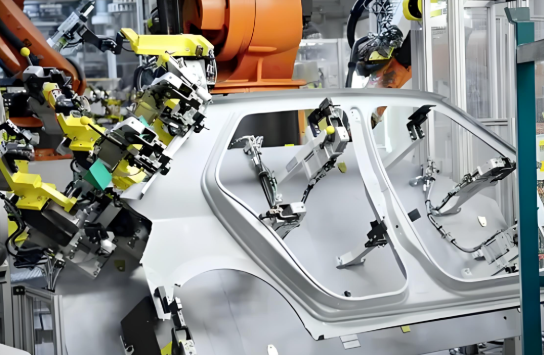
Automotive Metal Stamping Requirements and Standards
When your stamped components end up in vehicles traveling at highway speeds, the stakes change dramatically. Automotive metal stamping demands precision, consistency, and quality assurance that goes far beyond what general manufacturing requires. A bracket that fails in an appliance creates an inconvenience—a bracket that fails in a vehicle suspension creates a safety crisis.
Understanding the unique requirements of automotive stamping helps you identify manufacturing partners capable of meeting these elevated standards. From stringent certification requirements to tolerance specifications measured in hundredths of a millimeter, automotive applications demand suppliers who treat quality as non-negotiable.
Meeting Automotive Quality Standards in Metal Stamping
The automotive industry doesn't leave quality to chance. IATF 16949 certification serves as the gatekeeper, ensuring that auto metal stamping suppliers maintain systems rigorous enough for safety-critical applications.
According to Xometry's certification analysis, IATF 16949 differs from systems like TQM and Six Sigma because it establishes standardized frameworks specifically designed for automotive manufacturers. While TQM focuses on continuous improvement processes and Six Sigma emphasizes statistical analysis, IATF 16949 creates consistency, safety, and quality across automotive products through documented procedures and third-party verification.
What does this certification actually require from metal stampings for automotive components? The standard covers seven critical sections addressing:
- Context of the organization: Understanding customer requirements and external factors affecting quality
- Leadership commitment: Management accountability for quality outcomes
- Planning: Risk assessment and quality objectives
- Support resources: Competent personnel, adequate infrastructure, and controlled environments
- Operational controls: Production processes designed to prevent defects
- Performance evaluation: Monitoring, measurement, and internal audits
- Continuous improvement: Systematic approaches to eliminating nonconformities
The certification process involves both internal and external audits. As industry sources note, certification is binary—a company either meets the requirements or doesn't. There are no partial certifications or provisional approvals. This binary nature protects you as a buyer, ensuring that certified automotive metal stamping parts suppliers have genuinely earned their status.
From Prototype to Mass Production in Automotive Supply Chains
Automotive programs demand suppliers who can bridge the gap between initial concept validation and high-volume production without compromising quality. This transition challenges many stamping companies—and separates exceptional partners from adequate ones.
Rapid prototyping capabilities prove essential during early development phases. According to Wiegel's prototyping documentation, testing design concepts at early phases of part development prevents mass production issues and perfects part designs before significant tooling investments. Their engineering teams determine manufacturing feasibility and offer recommendations on materials, modifications, and cost-saving ideas for both part and tool designs.
Automotive stamping parts typically require tolerances far tighter than general industrial components. For chassis and suspension applications, manufacturers report working to tolerances as tight as ±0.01 mm to ensure crash safety and structural rigidity. These specifications demand not only precise tooling but also statistical process control throughout production runs.
Here are typical automotive stamping applications and their specific requirements:
- Chassis frame rails and cross-members: Heavy-gauge High-Strength Steel (HSS); deep draw capabilities; crash performance validation; tolerances under ±0.15 mm
- Suspension control arms: Advanced High-Strength Steel (AHSS); precise geometry for alignment consistency; fatigue testing certification
- Structural brackets and reinforcements: Multiple forming operations; consistent material thickness; weld compatibility requirements
- Body mounting brackets: Corrosion resistance specifications; NVH (Noise, Vibration, Harshness) considerations; assembly interface precision
- Seat frame components: Safety-critical load requirements; crash simulation validation; multiple secondary operations
- Engine and transmission mounts: Vibration dampening integration; high-temperature material stability; precise dimensional control
Integrated manufacturing partnerships streamline automotive supply chains significantly. Suppliers offering comprehensive services—combining stamping with die casting, CNC machining, and assembly capabilities—reduce handoffs between vendors, minimize quality risks, and accelerate time-to-production.
For manufacturers seeking this integrated approach, partners like Shaoyi (Ningbo) Metal Technology exemplify the selection criteria discussed throughout this framework. Their IATF 16949-certified operations deliver automotive metal stampings for chassis, suspension, and structural components with 5-day rapid prototyping capabilities and 12-hour quote turnaround—demonstrating how comprehensive DFM support and responsive service accelerate automotive supply chains from concept through mass production.
The automotive stamping landscape continues evolving as lightweighting initiatives push manufacturers toward thinner, stronger materials and aluminum adoption. These trends demand suppliers who invest in advanced press technologies and maintain the engineering expertise to solve complex forming challenges—capabilities you'll want to verify through the quality control evaluation we explore next.
Quality Control and Tolerance Standards in Metal Stamping
Your supplier passed the certification check and quoted competitive pricing—but here's the question that separates reliable partners from costly mistakes: How do they actually ensure every stamped metal part meets your specifications? Certifications establish that quality systems exist. Quality control processes determine whether those systems deliver consistent results across thousands or millions of precision metal stamping parts.
Understanding what happens between material input and finished component shipment helps you evaluate suppliers more effectively—and catch potential quality issues before they become production problems. Let's examine the inspection methods, tolerance capabilities, and documentation requirements that reputable manufacturers implement to maintain part quality.
Quality Assurance Protocols in Precision Stamping
Quality assurance in metal stamping isn't a single checkpoint—it's a systematic approach spanning three distinct phases. According to JVM Manufacturing, quality assurance involves pre-fabrication inspection, in-process monitoring, and post-fabrication testing, with each stage ensuring that every aspect of the metal stamping process adheres to predefined quality benchmarks.
Pre-Fabrication Inspection catches problems before they propagate through production. During this phase, manufacturers evaluate:
- Raw material verification: Confirming material grade, thickness, and surface condition match specifications
- Tooling condition assessment: Inspecting dies for wear, damage, or alignment issues
- Equipment calibration: Ensuring press settings and measuring instruments are properly calibrated
- Process documentation review: Verifying work instructions and quality plans are current and accessible
This proactive approach prevents costly rework and maintains consistent output throughout manufacturing runs. By addressing potential issues early, suppliers reduce material waste and ensure metal stamped parts meet requirements from the first piece produced.
In-Process Monitoring maintains quality during production through continuous oversight. Key techniques include:
- Statistical Process Control (SPC): Real-time data collection tracking critical dimensions across production runs to identify trends before they become defects
- Automated vision systems: High-speed cameras detecting surface defects, missing features, or dimensional deviations
- Operator checkpoints: Periodic manual inspections at defined intervals with documented results
- Force monitoring: Tracking press tonnage to detect tooling wear or material inconsistencies
Post-Fabrication Testing verifies finished stamped metal parts before shipment. Common verification methods include dimensional inspection, hardness testing, surface finish evaluation, and functional testing when applicable.
How Leading Manufacturers Maintain Consistent Part Quality
The inspection equipment a supplier uses directly impacts their ability to verify your specifications. When evaluating quality stamping & machining capabilities, understand what each measurement technology delivers:
Coordinate Measuring Machines (CMM) provide the gold standard for dimensional verification. These precision instruments use touch probes or optical sensors to measure complex geometries with exceptional accuracy—often to 0.0001" or better. CMM inspection generates comprehensive reports documenting every critical dimension, making it essential for precision stamping products requiring tight tolerances.
Optical Comparators project magnified part images onto screens for visual comparison against master overlays. While less precise than CMM for absolute measurements, they excel at rapid inspection of profiles and contours.
Surface Profilometers measure surface roughness characteristics critical for parts requiring specific finishes for sealing, coating adhesion, or aesthetic requirements.
Tolerance capabilities vary significantly between suppliers—and understanding what specifications mean helps you evaluate claims effectively. When manufacturers reference tolerances like ±0.005", they're describing the acceptable deviation from nominal dimensions.
What does this mean practically? According to The Fabricator, achieving tolerances of ±0.002" or even ±0.001" is possible with proper tooling design. Their experts note that minimizing dimensional variation depends on three factors: die shoe thickness to prevent flexing, oversized die stops to control the hit during every cycle, and maximized guide pins with precision roller cages.
Here's what different tolerance levels typically support:
- ±0.010" to ±0.015": Standard commercial tolerances suitable for general-purpose brackets, covers, and non-critical components
- ±0.005" to ±0.010": Precision tolerances for components requiring accurate fit and assembly alignment
- ±0.002" to ±0.005": High-precision tolerances for functional interfaces, bearing surfaces, and critical assemblies
- ±0.001" to ±0.002": Ultra-precision tolerances approaching machined part quality—achievable but requiring specialized tooling and process controls
When evaluating suppliers, request documented Cpk (process capability index) data for critical dimensions. A Cpk of 1.33 or higher indicates the process consistently produces parts well within specification limits—not just occasionally meeting them.
First-Article Inspection: Your Quality Gateway
First-Article Inspection (FAI) represents the formal verification that production processes can consistently meet your requirements. According to L3Harris supplier requirements, FAI is a planned, complete, independent, and documented inspection and verification process to ensure that prescribed production processes have produced an item conforming to engineering drawings, specifications, and other applicable design documents.
For regulated industries, FAI documentation follows structured formats like AS9102C, which requires three standardized forms:
- Form 1: Part number accountability, including serial numbers, drawing revisions, and assembly component tracking
- Form 2: Material and special process documentation, certifications, and supplier approvals
- Form 3: Characteristic accountability listing every design requirement with actual measured values
What triggers the need for new FAI documentation? Beyond initial production, suppliers must provide updated FAI when process changes occur, manufacturing locations change, tooling modifications are made, engineering revisions affect design characteristics, or production lapses exceed two years.
Documentation and Traceability Requirements
For aerospace, medical, and automotive applications, documentation isn't optional—it's a regulatory requirement. Each metal stamped part must link back to specific material lots, production dates, inspection results, and operator records.
When evaluating suppliers for regulated industries, verify their capability to provide:
- Material certifications: Mill test reports tracing raw materials to original source
- Process certifications: Documentation for heat treating, plating, or other special processes
- Inspection records: Dimensional data with equipment calibration traceability
- Lot tracking: Systems linking finished parts to specific production runs
- Deviation documentation: Formal records of any nonconformances and their disposition
Request sample documentation packages during supplier evaluation. The quality and completeness of their records reveals their true commitment to quality systems—not just their marketing claims.
A supplier's quality control capabilities directly impact your risk exposure and total cost of ownership. Manufacturers investing in advanced inspection equipment, robust process controls, and comprehensive documentation protect you from the hidden costs of defective parts—costs that extend far beyond replacement components to include production delays, customer complaints, and potential liability issues.
With quality verification processes now clear, the final consideration becomes whether stamping is actually the right manufacturing method for your specific project—a decision that depends on comparing stamping against alternative fabrication approaches.
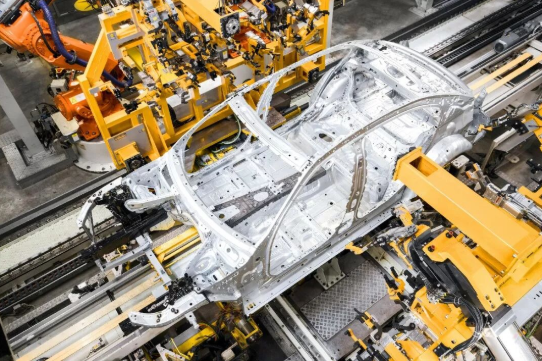
Is Sheet Metal Stamping Right for Your Project
You've explored supplier evaluation criteria, pricing factors, and quality requirements—but here's the fundamental question many buyers skip: Is metal stamping actually the right manufacturing method for your components? Choosing stamping when CNC machining or laser cutting would serve you better wastes money on unnecessary tooling. Conversely, avoiding stamping when volumes justify the investment leaves significant cost savings on the table.
The sheet metal stamping process excels under specific conditions—but it's not universally superior. Understanding where stamping outperforms alternatives and where other methods make more sense helps you allocate manufacturing resources wisely. Let's examine the decision framework that separates smart procurement from expensive mistakes.
When Stamping Outperforms Other Manufacturing Methods
Metal pressing through stamping dies delivers unmatched economics when volume, geometry, and material align with the process strengths. But those advantages only materialize under the right conditions.
According to Pengce Metal's manufacturing analysis, metal stamping requires a significant upfront investment in tooling cost. However, once the tool is made, the per-part price is extremely low, as parts can be produced very rapidly. CNC machining, by contrast, has virtually no upfront tooling cost but much higher per-part prices because each part takes significant machine time.
This economic reality creates a clear decision point: stamping sheet metal makes sense when production volumes justify tooling investment. The crossover point varies by part complexity, but industry experience suggests:
- Under 1,000 parts: CNC machining or laser cutting typically costs less
- 1,000-5,000 parts: Break-even zone—detailed cost analysis required
- 5,000-10,000+ parts: Stamping advantages become significant
- 50,000+ parts: Stamping delivers dramatic per-unit savings
The same cost-benefit analysis explains: Imagine two cost lines on a graph. The CNC line starts at zero but climbs steadily. The stamping line starts high due to tooling but climbs very slowly. The point where they cross is the break-even point.
Speed represents stamping's second major advantage. Manufacturing experts note that a stamping press can cycle hundreds of times per minute, producing parts at an incredible rate, while a single CNC-machined part could take minutes or even hours to complete. For stamped metal components needed in volume, this speed translates directly into shorter lead times and faster delivery.
Project Characteristics That Favor Metal Stamping
Beyond volume considerations, certain part characteristics make stamping the natural choice:
Uniform Material Thickness: Stamping excels at parts made from sheet metal with consistent thickness throughout. Industry sources confirm that stamping is most efficient for parts with relatively uniform thickness, such as brackets, enclosures, connectors, and plates.
Two-Dimensional Profiles with Formed Features: Sheet metal pressings handle holes, bends, embossments, and flanges efficiently. If your part starts as flat stock and gains shape through forming operations, stamping likely fits well.
Repeatability Requirements: When every stamped sheet metal part must match the previous one precisely, the die-based process ensures consistency across millions of cycles.
Material Efficiency Matters: Comparative analysis shows that stamping is generally more efficient with material. Engineers design the layout on the sheet metal coil to minimize scrap. CNC machining, being a subtractive process, can turn a significant portion of expensive raw material into chips.
Conversely, certain characteristics point away from stamping:
- Complex 3D geometries: Parts resembling sculptures rather than formed sheet metal favor CNC machining
- Thick material sections: Parts requiring substantial material depth may need casting or machining
- Frequent design changes: If your design isn't finalized, tooling investment becomes risky
- Ultra-tight tolerances on complex features: Some precision requirements exceed practical stamping capabilities
Comparing Manufacturing Methods for Your Decision
Use this comparison to evaluate whether stamped steel parts, CNC machining, laser cutting, or casting best suits your project requirements:
| Criteria | Metal Stamping | CNC Machining | Laser Cutting | Casting |
|---|---|---|---|---|
| Setup Costs | High (tooling $10,000-$100,000+) | Low (programming only) | Low (programming only) | Medium-High (mold tooling) |
| Per-Unit Cost at 100 parts | Very High (tooling dominates) | Medium-High | Medium | High |
| Per-Unit Cost at 10,000 parts | Low | Medium-High | Medium | Low-Medium |
| Per-Unit Cost at 100,000+ parts | Very Low | High | Medium | Low |
| Geometric Complexity | Moderate (2D with forms) | High (complex 3D) | 2D profiles only | High (complex 3D) |
| Material Thickness Range | Thin to medium gauge sheet | Any thickness | Thin to medium sheet | Any—creates thickness |
| Typical Lead Time (First Order) | 6-12 weeks (tooling) | Days to weeks | Days to weeks | 8-16 weeks (mold) |
| Repeat Order Lead Time | Days to weeks | Days to weeks | Days to weeks | Days to weeks |
| Best Applications | Brackets, enclosures, connectors, panels | Complex housings, precision components | Flat profiles, prototypes | Complex 3D shapes, thick sections |
According to manufacturing case studies, one client successfully tested four different stator configurations using laser cutting within a single month, ultimately selecting the optimal design for progressive-die stamping tooling once production volume projections reached 50,000 units annually. This hybrid approach—prototyping with flexible methods, then transitioning to stamping for production—often delivers optimal results.
Making Your Manufacturing Decision
The stamping versus alternatives decision simplifies when you answer these key questions honestly:
- Is your design finalized? If not, avoid tooling investment until design stability is confirmed
- What's your realistic volume forecast? Be conservative—optimistic projections that don't materialize leave you paying for underutilized tooling
- Does your part geometry suit sheet metal forming? Uniform thickness with bends and holes fits stamping; complex 3D shapes may not
- How critical is per-unit cost versus time-to-market? Stamping saves money at volume but requires tooling lead time
The expertise lies in recognizing the precise transition point—too early, and tooling costs burden projects unnecessarily; too late, and per-unit costs compromise profitability.
Many successful programs combine methods strategically. Laser cutting validates designs quickly. Short prototype runs confirm manufacturability. Then stamping tooling investment follows once volumes justify the commitment. This phased approach manages risk while positioning for efficient production.
With your manufacturing method decision framework established, the final step involves synthesizing everything you've learned into an actionable supplier selection process—ensuring your chosen partner delivers on the capabilities your project demands.
Selecting Your Ideal Sheet Metal Stamping Partner
You've navigated the evaluation framework—from stamping methods and materials to quality standards and cost drivers. Now comes the moment that transforms research into results: building your shortlist and engaging with metal stampers who can actually deliver on your project requirements.
The difference between procurement success and ongoing supplier headaches often comes down to how systematically you apply what you've learned. Random supplier selection based on the lowest quote leads to quality escapes, missed deadlines, and frustrated engineering teams. Strategic partner selection based on capability alignment creates manufacturing relationships that strengthen over time.
Building Your Stamping Partner Shortlist
Your shortlist shouldn't exceed three to five candidates. More than that dilutes your evaluation effort; fewer limits your comparison options. The suppliers who make this cut should already pass your baseline certification requirements and demonstrate relevant industry experience.
When finalizing candidates, prioritize these three capability differentiators that separate exceptional partners from adequate metal parts stamping suppliers:
Design for Manufacturability (DFM) Support: The most valuable stamping services don't just execute your designs—they improve them. According to industry sourcing experts, the best stamping suppliers are true partners who provide engineering expertise, not just manufacturing capacity, and their early involvement can lead to significant cost savings and a more robust part design. Suppliers offering comprehensive DFM review catch tolerance issues, simplify geometries, and optimize material utilization before tooling investment begins.
Rapid Prototyping Capabilities: Testing design concepts at early development phases prevents mass production issues. Partners who can deliver functional prototypes within days—rather than weeks—accelerate your validation cycles and reduce program risk. This capability proves especially critical for automotive applications where timing pressures intensify throughout development.
Responsive Quote Turnaround: How quickly a supplier responds to your RFQ reflects their operational efficiency and customer prioritization. A custom metal stamper delivering detailed quotes within 12-24 hours demonstrates both engineering depth and business responsiveness—characteristics that typically extend into production performance.
The lowest piece price rarely delivers the lowest total cost. Evaluate tooling quality, engineering support, and supply chain reliability alongside quoted pricing.
Taking the Next Step Toward Production
Ready to move from evaluation to engagement? Follow this prioritized action checklist to ensure your supplier selection process delivers results:
- Finalize your technical package: Compile complete drawings, material specifications, tolerance requirements, and volume forecasts. Incomplete documentation generates incomplete quotes that can't be compared accurately
- Submit identical RFQs to shortlisted suppliers: Ensure every candidate receives the same specifications, enabling apples-to-apples comparison of their responses
- Evaluate response quality, not just pricing: Did they ask clarifying questions? Offer DFM suggestions? Identify potential issues? Engaged suppliers who probe your requirements demonstrate the partnership approach you need
- Request sample parts or facility tours: For significant programs, verify capabilities firsthand before committing tooling investment
- Check references in your industry: Speaking with existing customers reveals supplier performance under real-world conditions
- Negotiate terms beyond piece price: Discuss tooling ownership, quality guarantees, lead time commitments, and engineering change order processes
- Start with prototype or pilot volumes: Validate production quality before committing to full-scale manufacturing
For complex projects—particularly those requiring custom metal stamping dies for automotive, aerospace, or medical applications—manufacturers offering comprehensive services from design support through mass production provide the most value. These integrated partners eliminate handoffs between vendors, maintain quality accountability throughout the process, and scale with your program requirements.
Consider how suppliers like Shaoyi (Ningbo) Metal Technology exemplify this integrated approach. Their combination of 5-day rapid prototyping, IATF 16949-certified production for chassis and suspension stampings, comprehensive DFM support, and 12-hour quote turnaround demonstrates what full-service partnership looks like in practice—capabilities that accelerate automotive supply chains from initial concept through automated mass production.
The evaluation framework you've developed through this guide positions you to identify partners matching these criteria in your specific industry and application context. Whether your project demands precision electronics stampings or high-strength automotive structural components, the systematic approach remains consistent: verify certifications, assess capabilities, evaluate responsiveness, and validate quality before scaling volume.
Your next stamping project success starts with the partner you choose today. Apply this framework consistently, ask the right questions, and prioritize capability alignment over lowest-bid pricing. The manufacturing relationships you build through rigorous evaluation will deliver value far beyond any single production run—creating supply chain partnerships that strengthen your competitive position for years to come.
Frequently Asked Questions About Sheet Metal Stamping Companies
1. What certifications should sheet metal stamping companies have?
Reputable sheet metal stamping companies should hold ISO 9001:2015 as a baseline quality management certification. For automotive applications, IATF 16949 is essential, while aerospace suppliers need AS9100 certification. Medical device manufacturers require ISO 13485 compliance. These certifications ensure documented quality systems, process controls, and third-party verification that your supplier meets industry-specific standards for safety-critical components.
2. How do I choose between progressive die and transfer die stamping?
Progressive die stamping works best for small to medium-sized parts with moderate complexity at high volumes exceeding 10,000 units. The continuous metal strip moves through multiple stations for fast cycle times. Transfer die stamping suits larger parts requiring deeper draws and complex geometries, as parts are separated early and moved between stations. Consider your part size, complexity, and volume requirements when selecting between these methods.
3. What materials are commonly used in metal stamping?
Common stamping materials include cold-rolled steel for strength and affordability, stainless steel for corrosion resistance in medical and food applications, aluminum for lightweight aerospace and automotive components, copper for electrical conductivity, and brass for decorative hardware. Material selection depends on tensile strength, formability, corrosion resistance, conductivity requirements, and cost considerations specific to your application.
4. At what volume does metal stamping become cost-effective?
Metal stamping typically becomes cost-effective at volumes exceeding 5,000-10,000 parts. Below 1,000 parts, CNC machining or laser cutting usually costs less due to stamping's high tooling investment ranging from $10,000 to over $100,000. At 50,000+ parts, stamping delivers dramatic per-unit savings as fixed tooling costs spread across larger quantities, making the per-part tooling contribution minimal.
5. What quality control measures should stamping suppliers have?
Quality stamping suppliers implement three-phase quality assurance: pre-fabrication inspection of materials and tooling, in-process monitoring using Statistical Process Control and automated vision systems, and post-fabrication testing with CMM measurement. Request documented Cpk data showing process capability of 1.33 or higher, first-article inspection reports, and material traceability documentation for regulated industries.