 Small batches, high standards. Our rapid prototyping service makes validation faster and easier —
  EN
EN


Precision Sheet Metal Fabrication: From Prototype To Production Explained
What Precision Sheet Metal Fabrication Actually Means
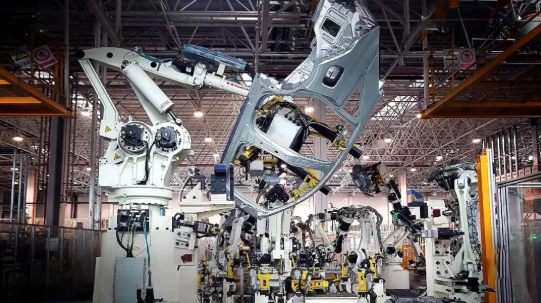
When you hear the term "precision sheet metal fabrication," you might wonder what actually makes it different from standard metalworking. After all, isn't all fabrication supposed to be accurate? The distinction lies in the details—specifically, the tolerances, equipment sophistication, and quality control rigor that separate general work from engineering-grade manufacturing.
Precision sheet metal fabrication is the engineered transformation of flat metal stock into finished components while maintaining tolerances between ±0.005" and ±0.001"—accuracy levels that general fabrication simply cannot achieve.
What Separates Precision From Standard Fabrication
Standard metal fabrication typically works within tolerances of ±1/16" to ±1/8" (±1.6mm to ±3.2mm). These ranges work perfectly fine for construction frameworks, basic enclosures, and structural components where minor variations won't affect performance.
Precision sheet metal forming, however, operates in an entirely different realm. You're looking at tolerances of ±0.005" to ±0.010" (±0.13mm to ±0.25mm)—sometimes even tighter. Imagine the difference between parking a car "somewhere in the garage" versus positioning a surgical instrument within a human body. That's the gap we're discussing.
The distinction comes down to three critical factors:
- Advanced Equipment: Precision metal fabricators use fiber laser systems with micro-joint technology, robotic CNC press brakes with automated angle correction, and coordinate measuring machines (CMM) for verification
- Material Expertise: Deep understanding of how different alloys behave during processing—spring-back calculations, grain direction considerations, and thermal expansion characteristics
- Quality Systems: Complete traceability, statistical process control, first article inspection, and documentation meeting regulated industry standards
The Technical Definition Engineers Need to Know
For engineers specifying parts, understanding tolerance levels is essential for communicating requirements effectively. Here's what each level means in practical terms:
±0.005" (±0.13mm): This represents the entry point for precision sheet metal work. All precision sheet metal works at this level support medical device housings, electronics enclosures requiring EMI shielding, and industrial automation components. At this tolerance, parts fit together consistently without field modifications.
±0.001" (±0.025mm): This ultra-tight tolerance demands specialized equipment and controlled environments. Applications include aerospace components, high-frequency electronic assemblies, and critical defense systems where dimensional variations directly impact operational effectiveness.
The cost implications are significant. As tolerances tighten, manufacturing complexity increases exponentially. Precision sheet metal shops investing in CMM equipment, temperature-controlled inspection areas, and advanced laser systems pass these costs along—but the investment eliminates rework, reduces assembly time, and prevents field failures that cost far more than the initial premium.
Understanding these distinctions helps you specify exactly what your project needs. Over-tolerancing wastes budget; under-tolerancing creates downstream problems. The key is matching your precision requirements to your application's actual demands—a balance we'll explore throughout this guide.
Material Selection and Its Impact on Precision Outcomes
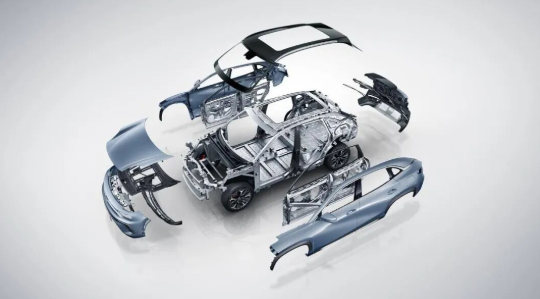
Ever wondered why two identical parts made from different metals can achieve vastly different precision levels? The answer lies in metal sheet processing fundamentals. Each material brings unique characteristics that directly influence achievable tolerances, forming behavior, and final dimensional accuracy. Choosing the wrong material for your precision requirements can derail an entire project before fabrication even begins.
How Metal Properties Impact Achievable Tolerances
When you're working with a precision sheet metal fabricator, material selection becomes a strategic decision—not just a cost consideration. Three core properties determine how precisely any metal can be fabricated:
- Elastic Modulus: This measures material stiffness. Higher values (like stainless steel at 200 GPa) mean the metal resists deformation and maintains dimensions better during processing
- Thermal Expansion Coefficient: Lower coefficients reduce dimensional changes during cutting operations that generate heat. Stainless steel (10-12 × 10⁻⁶/°C) outperforms aluminum (23 × 10⁻⁶/°C) significantly
- Spring-back Tendency: Softer, more ductile materials return partially toward their original shape after bending, requiring compensation in tooling and process parameters
These properties explain why sheet metal engineering requires careful material-to-application matching. A material that performs beautifully in one context might create tolerance nightmares in another.
Matching Materials to Precision Requirements
Let's examine how common fabrication metals perform when precision sheet metal products demand tight dimensional control:
Aluminum Alloys (5052, 5083, 7075)
Aluminum offers an exceptional strength-to-weight ratio but presents precision challenges. Its high thermal expansion means laser-cut parts can experience dimensional shifts during processing. Typical thickness tolerances range from ±0.03mm to ±0.24mm depending on sheet width and material gauge. For precision applications, aluminum works best when you can accommodate slightly looser tolerances (±0.010") or when weight reduction justifies additional quality control steps.
Best applications: Aerospace components, electronics housings, heat sinks, and automotive body panels where weight matters more than ultra-tight tolerances.
Stainless Steel (304, 316L)
Stainless steel delivers outstanding precision capability. Its high elastic modulus and low thermal expansion allow fabricators to achieve tolerances as tight as ±0.005". Thickness tolerances for stainless range from ±0.01mm to ±0.07mm—significantly tighter than carbon steel alternatives. The material's stability during forming operations means less spring-back compensation and more predictable outcomes.
Best applications: Medical devices, food processing equipment, chemical handling systems, and marine components requiring both corrosion resistance and dimensional accuracy.
Carbon Steel (S235, S275, S355, SPCC)
Carbon steel represents the workhorse of plate metal fabrication. Cold-rolled carbon steel (SPCC) offers better precision capability than hot-rolled alternatives, with thickness tolerances ranging from ±0.05mm to ±0.22mm. Hot-rolled steel exhibits larger variations due to its manufacturing process but costs less for non-critical applications. When precision matters, specify cold-rolled material and expect tolerances around ±0.007" to ±0.010".
Best applications: Structural components, automotive frames, industrial machinery housings, and general fabrication where cost efficiency balances against precision needs.
Copper and Brass
These materials fall between aluminum and stainless steel in precision capability. Copper's excellent thermal conductivity actually works against precision during thermal cutting—heat dissipates quickly, creating different kerf characteristics. Typical achievable tolerances sit around ±0.008" to ±0.012". Brass offers slightly better dimensional stability due to its zinc content.
Best applications: Electrical components, decorative fixtures, heat exchangers, and RF shielding where conductivity requirements outweigh precision demands.
| Material Type | Typical Tolerance Range | Best Applications | Key Considerations |
|---|---|---|---|
| Aluminum (5052, 7075) | ±0.008" to ±0.012" | Aerospace, electronics, automotive panels | High thermal expansion; requires heat management during cutting |
| Stainless Steel (304, 316L) | ±0.005" to ±0.008" | Medical devices, food equipment, marine | Excellent stability; higher material and tooling costs |
| Cold-Rolled Carbon Steel | ±0.007" to ±0.010" | Automotive, machinery, structural | Good balance of cost and precision; requires coating for corrosion protection |
| Hot-Rolled Carbon Steel | ±0.015" to ±0.020" | Heavy structures, non-critical frames | Cost-effective; surface finish and tolerances are looser |
| Copper | ±0.008" to ±0.012" | Electrical, heat exchangers, RF shielding | Thermal conductivity affects cutting; soft material requires careful handling |
| Brass | ±0.008" to ±0.010" | Decorative, electrical, plumbing | Better machinability than copper; zinc content improves stability |
Understanding these material-precision relationships transforms how you approach metal fab products specification. Rather than defaulting to familiar materials, you can strategically select metals that naturally support your tolerance requirements—reducing manufacturing complexity and cost while improving final part quality. With material fundamentals established, let's explore how specific fabrication techniques interact with these material properties to determine your achievable precision levels.
Core Fabrication Techniques and Their Precision Capabilities
Now that you understand how material selection influences outcomes, let's examine the fabrication processes themselves. Each technique—whether laser cutting, CNC punching, bending, or welding—carries inherent precision limitations rooted in physics and mechanics. Understanding why these limitations exist helps you design parts that work with the process rather than against it.
Laser Cutting Parameters for Tight Tolerances
Laser cutting has become the go-to method for precision sheet metal cutting, and for good reason. A focused beam of light melting through material sounds simple, but achieving tight tolerances requires controlling multiple variables simultaneously.
According to TEPROSA's technical documentation, laser cutting tolerances follow DIN ISO 2768-1 standards, with four tolerance classes: fine (f), medium (m), coarse (c), and very coarse (v). Most precision sheet metal fab operations work within the medium tolerance class unless tighter specifications are explicitly required.
What actually limits laser cutting precision? Several factors come into play:
- Beam Focus Quality: The laser beam isn't perfectly cylindrical—it converges to a focal point then diverges. This creates a kerf (cut width) that varies slightly through the material thickness, affecting edge squareness
- Material Thickness: Thicker materials amplify tolerance challenges. Parts under 100mm typically achieve ±0.05mm, while larger parts (up to 1000mm) may see tolerances widen to ±0.5mm
- Thermal Effects: Heat input causes localized expansion. Even with assist gases cooling the cut zone, minute thermal distortions occur—especially in materials with high thermal expansion coefficients
- Machine Positioning Accuracy: CNC motion systems introduce micro-inaccuracies. High-end fiber lasers minimize this through linear motor drives and glass scale feedback systems
For precision machining sheet metal applications, laser cutting delivers outstanding results on complex geometries. Internal cutouts, small radii, and intricate contours that would challenge other methods become straightforward. The process requires no physical tooling contact, eliminating tool wear as a tolerance variable.
CNC Punching vs Laser Cutting Precision Comparison
Choosing between CNC punching and laser cutting isn't just about cost—it's about matching the process to your precision requirements. Each method excels in different scenarios.
Modern CNC punching uses precision-ground dies to create holes, shapes, and features through mechanical force. The process works exceptionally well for:
- High-volume production where tooling investment pays off
- Standard hole patterns and repetitive features
- Forming operations (louvers, lances, embosses) integrated with cutting
- Thick materials where laser cutting speed drops significantly
However, punching precision depends heavily on tool condition. Precision-ground dies can maintain tolerances up to 5 times longer than standard steel tooling, but all tools eventually wear. This wear introduces progressive dimensional drift that requires monitoring and compensation.
Laser cutting wins when you need:
- Complex geometries with tight radii and intricate cutouts
- Cosmetic edge quality without secondary operations
- Rapid prototyping without tooling investment
- Short-to-medium production runs where flexibility matters
From a sheet metal forming services perspective, many shops combine both processes strategically. Punching handles standard features efficiently, while laser cutting addresses complex geometries—optimizing both cost and precision across the complete part.
Bending Tolerances and Spring-Back Reality
Bending introduces precision variables that purely cutting processes avoid. When you form metal around a die, the material's elastic properties fight back through spring-back—partial return toward the original flat state after forming pressure releases.
Typical bending tolerances range from ±0.5° for angular dimensions and ±0.4mm to ±0.8mm for linear dimensions. Why such variation? Consider what's happening mechanically:
- Material Variability: Even within the same alloy specification, yield strength varies between batches. This directly affects spring-back magnitude
- Grain Direction: Bending perpendicular to the rolling direction versus parallel produces different results. Smart designers orient parts to leverage this
- Bend Radius Selection: Tighter radii stress the material more, increasing spring-back unpredictability. Minimum bend radius recommendations exist for good reason
- Press Brake Calibration: Even a 0.1° misalignment in the press brake can cascade through multiple bends, compounding errors
Modern CNC press brakes with angle measurement systems compensate automatically, adjusting bend depth in real-time. This technology has dramatically improved sheet metal machining outcomes, but understanding the underlying physics helps you design more manufacturable parts.
Welding Methods and Dimensional Control
Welding presents the greatest precision challenge in metal fabrication sheet metal operations. You're introducing significant heat into localized areas, causing expansion during welding and contraction during cooling. This thermal cycle creates distortion that must be anticipated and controlled.
Welding tolerances typically range from ±0.5mm to ±2mm for linear dimensions and within ±2° for angular dimensions. Several welding methods serve precision applications:
- TIG Welding: Offers the finest heat control and cleanest welds. Preferred for thin materials and cosmetic applications where minimal distortion matters
- Laser Welding: Concentrated heat input minimizes the heat-affected zone. Excellent for precision assemblies requiring tight dimensional control
- Spot Welding: Localized fusion points rather than continuous seams. Reduces overall heat input and distortion in assembly operations
- MIG Welding: Higher deposition rates for production efficiency, but greater heat input requires more distortion management
Experienced fabricators use fixturing, weld sequencing, and pre-set distortion allowances to achieve precision outcomes. The key is anticipating thermal movement and designing the process to compensate rather than hoping distortion won't occur.
With these fabrication fundamentals established, you're ready to understand how precision requirements evolve as your project moves from initial concept through prototype iterations to full production—a journey where tolerances often tighten and process selection becomes increasingly strategic.
The Prototype to Production Journey in Precision Work
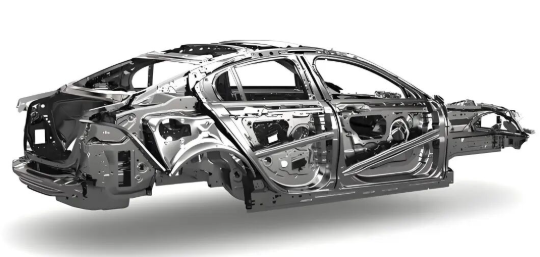
Ever built a flawless prototype only to watch it fall apart during production scaling? You're not alone. The path from a single sheet metal prototype to thousands of production-ready parts is where many programs stumble—not because of poor engineering, but because precision requirements evolve at each stage without clear guidance on how to manage them.
Understanding this journey transforms how you approach precision sheet metal prototyping from the very first concept. Let's walk through each phase, highlighting the decision points where tolerance specifications, process selections, and manufacturing strategies must adapt.
From First Prototype to Production-Ready Parts
Think of the prototype-to-production journey as a funnel that progressively narrows your options while tightening your precision requirements. Each stage serves a specific purpose, and skipping steps almost always creates downstream problems.
-
Concept Validation
Your first prototype sheet metal part exists to answer one question: does this design work functionally? At this stage, precision takes a back seat to speed. You're testing fit, form, and basic function—not production capability. Tolerances might run looser (±0.015" to ±0.020") because you're iterating rapidly. However, adopting a "prototype with production intent" mindset pays dividends later. Build prototypes using the material, thickness, and tooling assumptions you expect in production whenever possible. -
Prototype Iteration
Once the concept validates, you refine. Multiple sheet metal prototypes cycle through testing, revealing design oversights early. According to xTool's prototyping analysis, this stage "shows every detail in real scale, making it easier to catch issues such as incorrect hole positions, missing clearances, wrong bend sequences, or features that cannot be formed as drawn." Precision requirements begin tightening here—typically moving toward ±0.010" as you nail down critical dimensions. -
Design for Manufacturability (DFM) Review
This is where sheet metal prototype fabrication meets manufacturing reality. Your precision sheet metal shop evaluates whether your design can actually be produced at volume. As industry experts note, "If you want top-quality parts with a quick turnaround, understanding DFM isn't enough. Get your CAD models to a precision sheet metal shop as early as you can." The shop knows their machines' capabilities—they understand that 0.047" stainless steel will heat distort from welding while 0.074" will hold its shape. Tolerance specifications solidify during this review. -
Pilot Production
A small batch of custom metal fabrication prototype parts goes through actual production processes. This reveals whether your design translates from flexible prototyping methods (laser cutting, hand bending) to repeatable production operations. Pilot testing feedback helps you understand what works, what doesn't, and what improvements can make parts easier to manufacture at scale. Precision requirements reach near-final specifications—typically ±0.005" to ±0.008" for demanding applications. -
Full-Scale Manufacturing
Production tolerances must now be maintained across hundreds or thousands of parts. What worked for a dozen prototypes must survive process variability, tool wear, and operator changes. Fixture strategies, quality control gates, and statistical process control become essential. Your precision specifications are locked, and the manufacturing system is designed around achieving them consistently.
Critical Decision Points in the Precision Journey
Between each stage, specific decisions determine whether your project scales smoothly or encounters costly surprises. Here's what engineers should evaluate at each transition:
Concept to Iteration: Document the Delta
If your initial prototype differs from production intent (different material gauge, hand-bent versus CNC-formed flanges, looser tolerances), document exactly where it differs. Require a delta review with manufacturing—this single step reduces revision churn dramatically when scaling begins.
Iteration to DFM: Question Every Tolerance
Prototype sheet metal fabrication often inherits tolerance callouts from initial drawings without scrutiny. Ask: does each tight tolerance serve a functional purpose? Over-tolerancing wastes budget; under-tolerancing creates assembly problems. The DFM review is your opportunity to rationalize specifications.
DFM to Pilot: Validate Fixture Strategy
Fixtures convert flexible sheet metal into repeatable, locatable geometry for machining, welding, and inspection. A poor fixture makes otherwise capable machines produce out-of-spec parts. Before pilot production, confirm your fixturing approach supports your precision requirements—not just your part geometry.
Pilot to Production: Lock Revision Control
Nothing derails precision consistency faster than uncontrolled design changes. Establish formal engineering change order (ECO) procedures with impact matrices covering cost, delivery, tooling, and supply chain implications. Every revision after pilot should require explicit approval with documented rationale.
Going from prototype to production doesn't require luck—it requires process. Apply DFM principles, implement modular fixture strategies, enforce revision control discipline, and treat first-article inspection as a gated event.
The precision requirements at your final production stage directly influence decisions you make during concept validation. Working backward from production needs—rather than forward from prototype convenience—prevents the costly surprises that derail so many sheet metal scaling programs. With this journey mapped, you're ready to evaluate whether precision sheet metal fabrication or precision machining better serves your specific project requirements.
Precision Sheet Metal vs Precision Machining Decision Framework
Sounds complex? Choosing between precision sheet metal fabrication and CNC machining trips up even experienced engineers. Both methods produce accurate parts, but they serve fundamentally different design philosophies. Selecting the wrong process leads to unnecessary costs, tolerance issues, and frustrating redesign cycles. Let's build a practical framework that helps you make the right call—and communicate that decision effectively to your fabrication partners.
When Sheet Metal Beats Machining for Your Project
The core distinction comes down to geometry and material efficiency. Sheet fabrication shapes thin sheets through cutting, bending, and assembling, while CNC machining carves material away from solid blocks. This fundamental difference drives every downstream consideration.
Sheet metal wins decisively when your part features:
- Flat, folded, or box-like geometries: Enclosures, brackets, chassis, and housings with bendable structures naturally suit sheet fabrication
- Thin walls (0.5mm to 6mm): Parts designed with flat patterns, bends, and flanges leverage the material efficiently rather than wasting it as chips
- Large surface areas: Plates up to 3m x 1.5m process economically through laser cutting and forming—try machining that from solid stock
- Features like vents, perforations, or access panels: Laser cutting creates these instantly, while machining requires time-consuming pocket operations
Consider large metal fabrication projects where weight matters. An aluminum electronics enclosure machined from billet might weigh three times more than its sheet-formed equivalent—consuming more material, requiring heavier mounting hardware, and increasing shipping costs throughout the product lifecycle.
CNC machining takes the lead when your design demands:
- Complex 3D geometries: Deep pockets, curved surfaces, and intricate internal features that can't be formed from flat stock
- Tight tolerances on critical features: Machining achieves tolerances up to ±0.005mm—roughly 20 times tighter than typical sheet metal bending
- Integrated precision features: Threads, bores, mating surfaces, and heat sinks formed as single monolithic structures
- Structural load-bearing requirements: Solid material provides full density and isotropy that formed sheet cannot match
Decision Criteria for Method Selection
When you're evaluating metal fabrication and machining options, work through these criteria systematically. Each factor points toward one method or the other—and understanding why helps you communicate requirements clearly to your precise metal fabrication partner.
Part Geometry and Thickness
If your part is 2.0–3.0mm thick, flat and foldable, go sheet metal. If it's 20mm thick with precision holes and fits, go CNC. This simple heuristic captures the essential geometry decision. Sheet fabrication excels at creating complex assemblies from simple formed pieces; machining excels at creating complex individual pieces from simple stock.
Tolerance Requirements
Here's where many projects get derailed. Sheet metal typically achieves tolerances around ±0.1mm on bent features, with hole positioning dependent on laser cutting accuracy (typically ±0.05mm). CNC machining delivers ±0.005mm when required. Need a tight press fit? Choose CNC. Need a housing or bracket with some dimensional flexibility? Sheet fabrication works fine—and costs less.
Production Volume and Cost
Volume dramatically shifts the economics. Sheet metal tooling costs range from $500–$5,000, while CNC requires no tooling for prototypes. However, sheet metal runs 30–60% cheaper at volumes above 50 pieces due to faster cycle times and material efficiency. For 1–10 pieces, CNC's zero-tooling advantage often wins on total cost despite higher per-part machining time.
Surface Finish Expectations
Sheet metal may show laser burn marks or bend tool lines, requiring post-processing for cosmetic applications. Machining provides natural fine finishes (Ra < 1.0µm possible) suitable for visible components without additional operations. If your part faces the customer, factor finishing costs into your plate fabrication versus machining comparison.
| Criteria | Precision Sheet Metal | CNC Machining |
|---|---|---|
| Part Geometry | Flat, folded, box-like; bendable structures | Complex 3D; deep pockets, curved surfaces |
| Material Thickness | 0.5mm–6mm typical; up to 12mm possible | Any thickness; solid blocks or bars |
| Achievable Tolerance | ±0.05mm (cutting); ±0.1mm (bending) | ±0.005mm to ±0.025mm |
| Production Volume Sweet Spot | 50+ pieces; cost advantage grows with volume | 1–50 pieces; prototypes and low-volume |
| Tooling Investment | $500–$5,000 for custom dies | Zero tooling for most geometries |
| Lead Time | May require laser, bend, weld queues | CAM programming 1–2 days; parts in 5–10 days |
| Surface Finish | Requires post-processing for cosmetic use | Ra < 1.0µm achievable; anodizing, polishing ready |
| Typical Applications | Enclosures, brackets, panels, chassis, housings | Precision components, shafts, flanges, surgical tools |
Communicating Your Requirements Effectively
When requesting quotes for precision fabrication services, clarity prevents costly misunderstandings. Here's how to structure your specifications:
- Identify critical versus general tolerances: Mark which dimensions actually require precision and which can accept standard manufacturing variation
- Specify functional requirements: Explain why a tolerance matters—"this bore mates with a bearing" communicates more than a number alone
- Indicate process preference with flexibility: State "sheet fabrication preferred for cost" or "open to machining if tolerances require" to invite supplier expertise
- Include volume projections: A part optimal for machining at 10 pieces might justify sheet metal tooling at 500 pieces
Many precision fabrication services offer both capabilities. By articulating your priorities—cost, tolerance, delivery, or finish—you enable suppliers to recommend the optimal approach rather than simply quoting what you requested.
With your manufacturing method selected, the next critical question becomes: how do you verify that parts actually meet your precision specifications? Quality control and inspection methods provide that assurance—and understanding them helps you evaluate potential fabrication partners effectively.
Quality Control Methods That Verify Precision Standards
You've selected the right material, chosen the optimal fabrication process, and specified tolerances that match your application. But here's the question that keeps engineers awake at night: how do you actually know the finished parts meet those specifications? Without robust quality control, precision exists only on paper.
Quality verification in the sheet metal manufacturing industry has evolved dramatically. Modern precision sheet metal fabrication companies combine traditional measurement techniques with advanced digital systems—creating inspection workflows that catch deviations before they become costly problems. Let's explore how these methods work and why understanding them helps you evaluate potential fabrication partners.
Inspection Methods That Guarantee Precision
Imagine receiving 500 parts only to discover during assembly that hole positions are 0.3mm off spec. That's exactly the scenario quality inspection prevents. Each method addresses different verification needs:
Coordinate Measuring Machines (CMM)
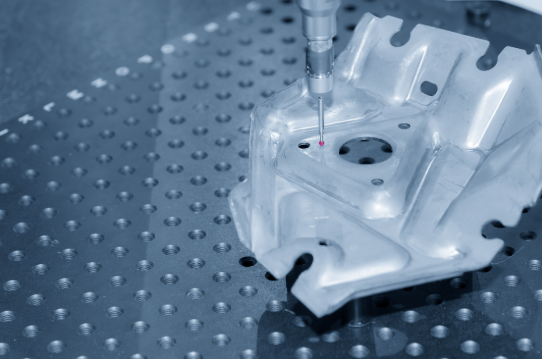
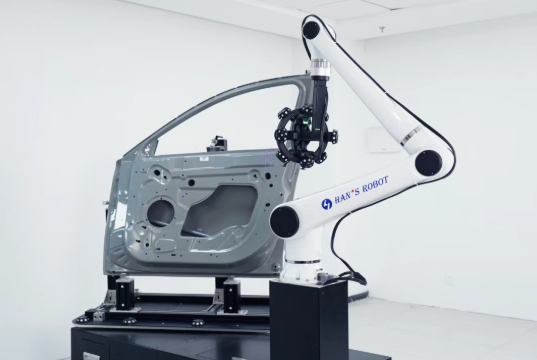
CMM inspection represents the gold standard for dimensional verification. These precision instruments use touch probes to collect 3D coordinate data from parts, capable of measuring complex geometries with micron-level accuracy. When your precision metal fabricator needs to verify that a critical bore is within ±0.025mm of nominal position, CMM provides the authoritative answer.
Modern CMMs integrate directly with CAD models, comparing actual part geometry against design intent automatically. This eliminates interpretation errors and generates comprehensive deviation reports that document exactly where—and by how much—parts vary from specification.
Optical Measurement Systems
For high-volume metal fab services, contact-based CMM inspection may slow production unacceptably. Optical comparators project magnified part profiles onto screens with overlay templates for rapid visual comparison, checking 2D contours, hole patterns, and edge conditions in seconds rather than minutes.
Advanced vision systems take this further, using high-resolution cameras and structured light to capture complete 3D surface profiles. Key advantages include elimination of operator influence, complete surface analysis, and automated data reporting. Some systems incorporate artificial intelligence to identify potential defects or trends indicating process drift—enabling correction before out-of-spec parts accumulate.
First Article Inspection (FAI)
Before committing to full production, first article inspection ensures that buyer dimensions remain accurate throughout the production lot. FAI verifies that setup, tooling, and process parameters produce conforming parts—catching issues when they're cheapest to fix.
Smart FAI strategies focus resources where they matter most. Identify which specifications and features need to be assessed rather than measuring every dimension—this saves time and money while maintaining quality assurance. For precision sheet metal operations, critical-to-function dimensions warrant full measurement; laser-cut hole positions with 99% process accuracy may need only spot-checking.
Statistical Process Control (SPC)
Individual part inspection tells you what happened. Statistical process control tells you what's happening—and what will happen if trends continue. SPC software analyzes measurement data to identify trends and prevent defects before they occur.
By tracking key dimensions across production runs, SPC detects process drift early. If bend angles are creeping toward tolerance limits, operators adjust before producing non-conforming parts. This proactive approach—rather than reactive sorting—defines industrial metal fabrication services committed to consistent quality.
Quality Certifications That Matter
Certifications tell you that a fabricator's quality systems have been independently audited against recognized standards. They're not guarantees of perfection, but they indicate systematic approaches to quality management that reduce your risk.
- ISO 9001: The foundational quality management standard applicable across industries. Requires documented processes, management review, continuous improvement, and customer focus. Most precision sheet metal fabrication companies hold this baseline certification
- IATF 16949: Automotive-specific certification building on ISO 9001 with additional requirements for production part approval, statistical analysis, and supply chain management. Essential for automotive chassis, suspension, and structural component suppliers
- AS9100: Aerospace quality management standard emphasizing traceability, configuration management, and risk-based thinking. Required for flight-critical and defense applications where failure consequences are severe
- NADCAP: Special process accreditation covering welding, heat treatment, chemical processing, and non-destructive testing. Demonstrates competency in specific manufacturing operations beyond general quality systems
- ISO 13485: Medical device quality management with emphasis on regulatory compliance, design controls, and biocompatibility documentation
Certifications verify that quality systems exist. Inspection methods verify that parts conform. Together, they provide the confidence that precision specifications translate from drawings to delivered hardware.
Modern sheet metal inspection doesn't operate in isolation—it's integrated with the entire manufacturing process. In-process gauging provides real-time feedback to production equipment. Digital twin technology creates virtual models mirroring physical parts throughout their lifecycle. Cloud-based quality management systems enable access to inspection data across facilities, supporting global standards and facilitating audits.
Understanding these quality verification methods helps you ask the right questions when evaluating fabrication partners. What inspection equipment do they use? How do they handle first article approval? Do their certifications match your industry requirements? The answers reveal whether a supplier can consistently deliver the precision your application demands—which brings us to the industries where that precision is absolutely essential.
Industries Where Precision Sheet Metal Is Essential
When does precision sheet metal fabrication become non-negotiable rather than nice-to-have? The answer depends entirely on what happens if parts fall outside tolerance. In some industries, a 0.5mm deviation causes minor assembly frustration. In others, that same deviation causes catastrophic failure—or worse, endangers human life.
Understanding which metal fabrication industries served demand tight tolerances helps you benchmark your own requirements. Let's explore four sectors where precision sheet metal engineering isn't optional—it's the foundation of product safety, performance, and regulatory compliance.
Automotive Applications Demanding Tight Tolerances
Picture a vehicle traveling at highway speed. Every vibration, thermal cycle, and impact stress tests the structural integrity of its metal components. This is why automotive represents one of the most demanding applications for industrial sheet metal fabrication.
- Chassis and Frame Components: Structural members must maintain dimensional accuracy to ensure proper suspension geometry, crashworthiness, and vehicle handling. Tolerance requirements typically range from ±0.1mm to ±0.3mm on critical mounting surfaces and attachment points
- Suspension Brackets and Control Arms: These load-bearing components transfer forces between wheels and body. Dimensional drift compromises alignment settings, tire wear patterns, and driving dynamics. Precision requirements often reach ±0.05mm on bushing bores
- Structural Reinforcements: Crash energy management depends on predictable material behavior. B-pillars, door intrusion beams, and crumple zone components require precise forming to function as engineered during impacts
- Battery Enclosures (EV Applications): Electric vehicle battery housings demand exceptional flatness and sealing surface accuracy. Thermal management and crash protection both depend on consistent dimensional quality
Top metal fabrication companies in USA serving automotive OEMs maintain IATF 16949 certification—the industry-specific quality standard that ensures production part approval processes, statistical analysis, and supply chain traceability meet automotive requirements.
Medical Device Precision Requirements
When you're searching for sheet metal manufacturers near me capable of medical work, certification and cleanliness matter as much as dimensional capability. Medical sheet metal fabrication operates under regulatory scrutiny that other industries rarely encounter.
- Diagnostic Equipment Housings: CT scanners, MRI machines, and X-ray systems require enclosures that shield radiation, minimize electromagnetic interference, and support heavy imaging components with micron-level stability
- Surgical Instrument Cases: Sterilization compatibility, ergonomic design, and absolute dimensional repeatability define these applications. A case that doesn't close properly compromises sterile field integrity
- Patient Monitoring Systems: Portable devices demand lightweight construction without sacrificing durability. Tolerance requirements typically reach ±0.1mm on mating surfaces and connector interfaces
- Laboratory Equipment Frames: Analytical instruments require vibration-isolated mounting and thermal stability. Precision fabrication ensures equipment performs consistently across environmental conditions
ISO 13485 certification governs medical device manufacturing, emphasizing design controls, risk management, and complete traceability from raw material through finished assembly. Medical applications also demand surface finishes compatible with repeated cleaning and sterilization—often requiring specialized finishing processes beyond standard fabrication.
Aerospace Components That Cannot Fail
Aerospace metal fabrication engineering operates in an environment where weight matters intensely and failure isn't an option. Every gram of unnecessary material increases fuel consumption across thousands of flight hours; every dimensional deviation threatens structural integrity at altitude.
- Avionics Enclosures: Flight computers, navigation systems, and communication equipment require housings that protect sensitive electronics from vibration, temperature extremes, and electromagnetic interference. Aerospace-grade custom enclosures protect avionics, communication systems, and navigation equipment, ensuring reliable operation in demanding flight conditions
- Structural Brackets and Fittings: Load paths through aircraft structures depend on precisely fabricated attachment hardware. Tolerances often reach ±0.025mm on critical interfaces
- Engine Nacelle Components: These parts face extreme thermal cycling, acoustic loads, and aerodynamic forces. Dimensional accuracy ensures proper fit within tight packaging constraints
- Interior Cabin Elements: Passenger safety equipment, overhead bins, and structural panels must meet flammability, smoke, and toxicity requirements while maintaining dimensional consistency across production lots
AS9100 certification is mandatory for aerospace suppliers, building on ISO 9001 with additional requirements for configuration management, counterfeit parts prevention, and first article inspection rigor that exceeds other industries.
Electronics Enclosures Protecting Sensitive Systems
Electronic systems generate heat, emit electromagnetic radiation, and contain components vulnerable to environmental contamination. Custom enclosures are engineered to provide protection from environmental factors, ensure equipment safety, and enhance the overall functionality and aesthetics of housed components.
- Server and Network Equipment: Data center hardware requires enclosures optimizing airflow for thermal management while providing cable access and security features. Dimensional accuracy ensures equipment mounts correctly in standard rack configurations
- Industrial Control Panels: Factory automation systems need protection from dust, moisture, and electromagnetic interference. IP-rated enclosures demand precise sealing surfaces and consistent gasket compression
- Telecommunications Infrastructure: These enclosures safeguard networking and communication equipment from harsh weather conditions and vandalism—outdoor installations face temperature extremes, UV exposure, and potential physical abuse
- RF Shielding Enclosures: High-frequency electronic assemblies require complete electromagnetic containment. Shield effectiveness depends on consistent seam contact and proper grounding—dimensional variation directly impacts shielding performance
Electronics enclosure tolerances typically range from ±0.1mm to ±0.25mm, with tighter requirements on mating surfaces, EMI gasket channels, and mounting interfaces. The combination of functional requirements and cosmetic expectations makes electronics one of the more demanding industrial sheet metal fabrication applications.
Each industry brings unique precision requirements—but all share a common thread: dimensional accuracy directly impacts product safety, performance, or regulatory compliance.
Whether your application falls within these industries or elsewhere, understanding tolerance expectations helps you specify requirements appropriately. Over-tolerancing wastes manufacturing budget; under-tolerancing creates field failures. The key is matching your precision specifications to actual functional needs—and finding a fabrication partner capable of delivering consistently. That's exactly what we'll explore next: how to select the right precision fabrication partner for your specific requirements.
Selecting the Right Precision Fabrication Partner
You've mapped out your precision requirements, selected materials, and understand the fabrication processes that will bring your design to life. Now comes the decision that often determines project success or failure: choosing the right manufacturing partner. A precision sheet metal fabrication near me search might yield dozens of options—but capability claims on websites don't guarantee performance in practice.
The difference between a supplier and a true manufacturing partner shows up when challenges arise. Does the shop push back constructively on problematic tolerances? Can they scale from prototype to production without quality degradation? Do they communicate proactively when issues emerge? These questions matter far more than the shiniest equipment list.
What to Look for in a Precision Fabrication Partner
Rather than relying on marketing claims, evaluate potential custom sheet metal fab partners against concrete criteria that predict real-world performance:
- Certifications Aligned With Your Industry: Certifications demonstrate that quality systems have survived independent audits. For automotive applications, IATF 16949 certification is essential—it ensures production part approval processes, statistical analysis capabilities, and supply chain management meet OEM expectations. Shaoyi (Ningbo) Metal Technology exemplifies this standard, delivering IATF 16949-certified quality for chassis, suspension, and structural components. Medical work requires ISO 13485; aerospace demands AS9100. Match certifications to your regulatory requirements
- Rapid Prototyping Capabilities: Speed during development phases prevents schedule slippage later. Rapid sheet metal prototyping significantly reduces the time required to develop and test new designs—with advanced fabrication methods, prototype parts can be produced within days. Look for partners offering 5-day rapid prototyping turnaround that enables quick iteration without sacrificing production-intent quality
- Design for Manufacturability (DFM) Support: Design for manufacturing is an important part of fabrication. A shop that simply executes your drawings may miss opportunities to streamline production or improve the design. Comprehensive DFM support helps reduce costs, strengthen durability, and shorten turnaround times without compromising specifications. Shaoyi provides this level of engineering collaboration, optimizing designs for both prototype and production phases
- Quote Turnaround Time: How quickly a supplier responds reveals their operational efficiency and customer focus. A 12-hour quote turnaround—like what Shaoyi delivers—indicates streamlined internal processes and genuine commitment to supporting your timeline. Suppliers taking weeks to quote likely face similar delays throughout production
- Scalability From Prototype to Volume: Some fabricators excel at prototypes but falter when they face large or recurring production runs. Question how the shop handles high-volume orders and how quickly they can scale. Infrastructure should match your project's complexity—larger facilities with streamlined workflows deliver consistent lead times regardless of order size
- In-House Capabilities Beyond Basic Fabrication: Each additional service your fabricator can provide saves you time and money and removes the need to coordinate multiple vendors. Look for partners handling assembly, finishing, secondary machining, and custom metal assemblies internally. Outsourced operations introduce quality variation and extend lead times
- Industry-Specific Experience: Sector-specific experience is more telling than general sheet metal capabilities. Has the shop worked with your industry's tolerances, design quirks, or turnaround expectations? Industry knowledge leads to fewer design revisions and smoother production cycles
Optimizing Your Manufacturing Timeline
Selecting the right partner is only half the equation. How you engage with that partner determines whether projects flow smoothly or encounter frustrating delays. Consider these strategies for maximizing efficiency:
Engage Early With Engineering Support
Strong engineering support helps reduce cost, improve strength, and shorten production cycles. Share designs during concept phases rather than waiting for "final" drawings. Early DFM feedback prevents costly redesigns after tooling investment. The best metal fabrication suppliers welcome collaboration and offer feedback before you're committed to problematic geometries.
Provide Complete Specifications Upfront
Ambiguous drawings generate questions that extend quoting timelines. Incomplete specifications lead to assumptions—and assumptions create disputes. Before requesting quotes, ensure your documentation includes material specifications, tolerance callouts on critical features, surface finish requirements, quantity projections, and delivery expectations. Clarity accelerates everything downstream.
Establish Realistic Prototype-to-Production Timelines
Sheet metal prototypes serve different purposes than production parts. Prototype fabrication uses standard production techniques such as bending, cutting, punching, and welding, resulting in functional parts that replicate key attributes of the final design. However, transitioning from prototype approval to volume production requires time for fixture development, process validation, and first article approval. Build these steps into your schedule rather than assuming instant scaling.
Leverage Contract Fabrication Strategically
Not every project requires bringing fabrication in-house. Contract fabrication partners provide access to specialized equipment, certified quality systems, and scalable capacity without capital investment. For metal frame fabrication, enclosures, and structural components, partnering with capable suppliers often delivers better outcomes than internal manufacturing—especially when precision requirements exceed your facility's capabilities.
The wrong partner can stall your timeline, inflate your costs, or put compliance at risk. Invest time in selection upfront to avoid costly course corrections later.
Plan for Volume Transitions
Procurement teams often look for suppliers that can support both prototypes and full-scale production. Production flexibility reduces supplier risk and supports long-term cooperation. Discuss volume projections openly with potential partners. A supplier aligned with your growth trajectory invests appropriately in tooling, capacity, and quality systems—creating sustainable partnerships rather than transactional relationships.
When evaluating potential partners, remember that precision sheet metal fabrication success depends on systematic quality management, not just individual part accuracy. A professional supplier should not only cut and bend metal, but also provide engineering support, stable quality, and scalable production. The fabricator's equipment list matters less than their ability to consistently deliver conforming parts—on time, every time.
For automotive precision sheet metal needs specifically, partners like Shaoyi (Ningbo) Metal Technology combine the critical elements: IATF 16949 certification, 5-day rapid prototyping, comprehensive DFM support, and 12-hour quote turnaround. This combination of speed, quality certification, and engineering collaboration positions them as a strong contender for accelerating automotive supply chains from prototype through automated mass production.
The precision sheet metal journey—from initial concept through material selection, fabrication process optimization, quality verification, and partner selection—ultimately succeeds when each element aligns with your application's actual requirements. Specify what you truly need, verify that suppliers can deliver consistently, and build partnerships rather than simply placing orders. That's how precision translates from engineering intent to manufactured reality.
Frequently Asked Questions About Precision Sheet Metal Fabrication
1. What is precision sheet metal fabrication?
Precision sheet metal fabrication is the process of transforming flat metal sheets into finished components while maintaining tolerances between ±0.005" and ±0.001". Unlike standard fabrication working within ±1/16" to ±1/8", precision work uses advanced equipment like fiber laser systems, robotic CNC press brakes, and coordinate measuring machines (CMM) for verification. This level of accuracy is essential for industries like automotive, medical devices, and aerospace where dimensional variations directly impact product performance and safety.
2. What are precision sheet metal components?
Precision sheet metal components are parts fabricated from thin metal sheets through cutting, bending, punching, and assembly processes that meet exact specifications with tight tolerances. These components include chassis and suspension parts for automotive, enclosures for electronics, housings for medical devices, and structural brackets for aerospace applications. What distinguishes them from standard parts is the rigorous quality control, advanced equipment, and material expertise required to achieve micron-level accuracy consistently across production runs.
3. What are the 5 sheet metal operations?
The five fundamental sheet metal operations are shearing (cutting straight lines), blanking (cutting complete shapes), punching (creating holes), bending (forming angles and flanges), and drawing (creating 3D shapes from flat stock). In precision fabrication, these operations are performed using CNC-controlled equipment with laser cutting achieving ±0.05mm accuracy and CNC press brakes with automated angle correction to minimize spring-back effects. Each operation has specific tolerance capabilities that engineers must consider when designing parts.
4. How do I choose between precision sheet metal and CNC machining?
Choose precision sheet metal for flat, folded, or box-like geometries with material thickness between 0.5mm-6mm, especially when producing 50+ pieces where cost advantages emerge. CNC machining is better for complex 3D geometries requiring tolerances tighter than ±0.005mm, deep pockets, or curved surfaces. Sheet metal runs 30-60% cheaper at volume due to material efficiency—you're forming rather than removing material. For automotive applications requiring IATF 16949-certified quality, partners like Shaoyi offer both rapid prototyping and automated mass production capabilities.
5. What certifications should a precision sheet metal fabricator have?
The required certifications depend on your industry. ISO 9001 is the foundational quality management standard most fabricators hold. IATF 16949 is essential for automotive applications, covering production part approval and statistical analysis. AS9100 is mandatory for aerospace suppliers, emphasizing traceability and configuration management. ISO 13485 governs medical device manufacturing with strict regulatory compliance. When evaluating partners, also look for rapid prototyping capabilities, DFM support, and quote turnaround times that indicate operational efficiency.