 Small batches, high standards. Our rapid prototyping service makes validation faster and easier —
  EN
EN


Precision Sheet Metal Fabrication Manufacturer Selection: Critical Factors Most Buyers Miss
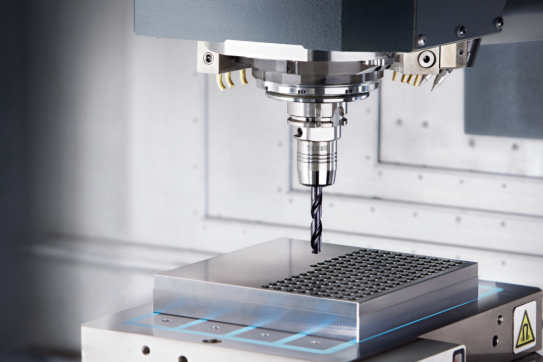
Understanding Precision Sheet Metal Fabrication and Why It Matters
When you're sourcing metal components for critical applications, the difference between standard fabrication and precision sheet metal fabrication isn't just a matter of terminology—it's the difference between parts that fit perfectly and those that require costly rework. But what exactly separates a precision sheet metal fabrication manufacturer from a general metal shop?
The answer lies in tolerances, capabilities, and engineering expertise. Standard metal fabrication typically works within tolerances of ±1/16" to ±1/8" (±1.6mm to ±3.2mm), which is perfectly acceptable for structural components or general enclosures. Precision sheet metal fabrication, however, operates in an entirely different realm—achieving tolerances as tight as ±0.005" to ±0.010" (±0.13mm to ±0.25mm). That's roughly the thickness of a human hair.
What Defines Precision in Sheet Metal Fabrication
Precision sheet metal fabrication transforms flat metal sheets—typically ranging from 0.006" to 0.25" thick—into complex three-dimensional components through a combination of cutting, bending, and forming processes. What makes it "precision" isn't just one factor but an integrated approach that includes:
- Advanced equipment: Fiber laser cutting systems with micro-joint technology, CNC press brakes with automated angle measurement, and robotic welding cells
- Material expertise: Deep understanding of how different alloys behave during forming, including spring-back calculations and grain direction considerations
- Rigorous quality systems: Coordinate measuring machines (CMM), optical comparators, statistical process control, and first article inspection protocols
- Complete traceability: Documentation supporting regulatory requirements from raw material through finished product
Think of it this way: a general fabricator produces parts. A precision metal fabricator engineers outcomes. The distinction matters because in industries like aerospace, medical devices, and electronics, a 0.020" deviation might render a component completely unusable.
Why Tolerance Control Separates Precision from Standard Fabrication
Imagine assembling a complex electromechanical device where dozens of sheet metal components must nest together perfectly. If each part carries a tolerance variation of ±1/8", those errors compound—suddenly, your assembly doesn't fit, mounting holes don't align, and your production line grinds to a halt.
This is precisely why tolerance control matters. As fabrication experts note, "machining tolerances are much tighter than sheet metal tolerances"—a typical tolerance for precision sheet metal might be plus or minus ten-thousandths of an inch across a bend. Achieving this level of accuracy requires more than good equipment; it demands precise metal fabrication processes backed by sophisticated measurement systems and skilled technicians who understand material behavior.
When you partner with precision metal fabricators, you're not simply purchasing cut and formed metal. You're gaining access to engineering support, design for manufacturability (DFM) feedback, and quality assurance systems that ensure every part meets specification—whether you're ordering a prototype or scaling to production volumes. This specialized partnership approach is what distinguishes commodity suppliers from true precision sheet metal fabrication manufacturers capable of supporting your most demanding applications.
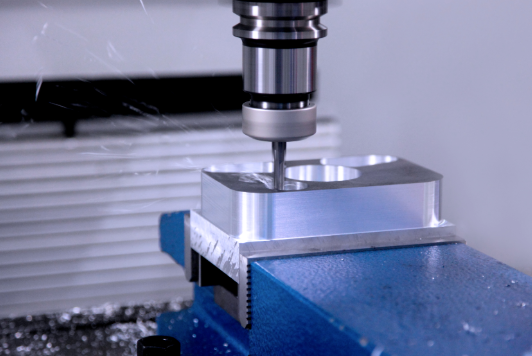
Core Fabrication Processes That Enable Precision Outcomes
Understanding what makes a precision sheet metal fabrication manufacturer truly capable starts with examining the processes they use. While many shops advertise similar services, the real differentiator lies in how each process is executed—and more importantly, what tolerances they can actually achieve. Let's break down the core fabrication methods that transform raw sheet metal into components meeting your tightest specifications.
Laser Cutting and CNC Punching for Dimensional Accuracy
When it comes to precision sheet metal cutting, two technologies dominate the landscape: fiber laser cutting and CNC punching. Each excels in different scenarios, and understanding their capabilities helps you communicate effectively with potential fabrication partners.
Fiber Laser Cutting has become the go-to method for precision sheet metal fab operations. Modern fiber lasers deliver exceptional edge quality with minimal heat-affected zones (HAZ), which is critical when working with materials prone to thermal distortion. Here's what you can typically expect:
- Tolerance capability: ±0.1mm (±0.004") on mild steel up to 3mm thick—provided the machine is properly calibrated and operators compensate for kerf drift
- Best applications: Complex geometries, tight corner radii, stainless steel, aluminum, and reflective materials requiring nitrogen assist
- Key consideration: Pierce points (where the cut begins) can cause dross or distortion—important for press-fit holes or cosmetic surfaces
CNC Punching remains highly effective for high-volume production of repetitive hole patterns and standard features. However, precision tolerances require attention to tooling and material compatibility:
- Tolerance capability: ±0.2mm (±0.008") standard, improving with precision ground tooling
- Design rule: Hole diameter should be no less than 1.2x material thickness to prevent punch deformation
- Advantages: Faster cycle times for large arrays, excellent for mild steel, clean edges with proper die clearance
Here's something competitors rarely mention: thermal pull on longer sheets can affect hole-to-hole distances by a millimeter or more. Engineers who skip thermal simulation during design often discover this only after production—an expensive lesson. This is why experienced sheet metal forming services providers factor material behavior into their programming from the start.
Press Brake Bending and Welding Precision Techniques
Cutting is only half the equation. Transforming flat blanks into three-dimensional components requires bending and joining processes where precision truly separates capable manufacturers from the rest.
Servo-Electric Press Brake Technology represents a significant advancement in precision sheet metal forming. Unlike traditional hydraulic systems, servo-electric press brakes offer:
- Bending accuracy: Up to 0.000079" (1 micron) compared to 0.0004" (10.16 microns) for hydraulic systems
- Consistency: No hydraulic oil temperature variation affecting bend angles throughout the production day
- Energy efficiency: Motors engage only during bending, reducing operating costs and environmental impact
- Repeatability: Critical for multi-piece assemblies where every bracket and panel must match precisely
Why does this matter for your project? Consider a welded enclosure with a cover requiring perfect alignment of multiple fastener holes. As fabrication experts note, tolerance stack-ups across formed features can be mitigated through experience and alternative measures—such as PEM floating fasteners that allow 0.03" radial float, or secondary machining operations for critical dimensions.
Precision Welding Techniques complete the metal fabrication sheet metal process, joining formed components while maintaining dimensional integrity. Key methods include:
- TIG welding: Offers the finest control over heat input, essential for thin-gauge materials and visible seams
- Robotic MIG welding: Delivers consistent penetration and travel speed for high-volume production
- Spot and projection welding: Ideal for sheet-to-sheet joints where minimal distortion is required
- Laser welding: Provides narrow heat-affected zones for applications demanding minimal thermal distortion
The table below summarizes precision capabilities across these core fabrication processes:
| Process | Typical Tolerance | Best For | Key Precision Factor |
|---|---|---|---|
| Fiber Laser Cutting | ±0.1mm (±0.004") | Complex geometries, thin to medium gauge | Kerf compensation, pierce point placement |
| CNC Punching | ±0.2mm (±0.008") | High-volume hole patterns, standard features | Tooling condition, die clearance |
| Servo-Electric Bending | ±0.000079" (1 micron) | Complex multi-bend parts, tight assemblies | Angle measurement, spring-back calculation |
| Precision Welding | ±0.010" - ±0.020" | Structural assemblies, enclosures | Heat input control, fixturing |
When evaluating precision fabrication services, ask manufacturers about their specific equipment capabilities and how they verify tolerances throughout production. A truly capable partner will explain not just what processes they use, but how each process is controlled to deliver the precision your application demands—from the first cut to the final weld.
Material Selection and How It Affects Fabrication Precision
You've evaluated a manufacturer's cutting and bending capabilities—but here's a factor that often determines project success before fabrication even begins: material selection. The metal you choose doesn't just affect cost and appearance; it fundamentally influences what tolerances are achievable and how your components will perform under forming stresses.
Why does this matter? Because a precision sheet metal fabrication manufacturer working with aluminum behaves very differently than one forming stainless steel. Spring-back characteristics, minimum bend radii, and achievable tolerances all shift based on material properties. Understanding these relationships helps you specify realistic requirements and avoid costly redesigns.
Material Properties and Their Impact on Precision Tolerances
Each metal brings unique characteristics to the fabrication process. What works perfectly for one application may create precision challenges for another. Let's examine how the most common materials affect your project outcomes.
Aluminum Alloys
Aluminum offers exceptional formability and corrosion resistance, making it a favorite for aerospace, electronics enclosures, and transportation applications. According to Komaspec's fabrication guide, AL6061-T6 delivers yield strength of ≥276 MPa while maintaining excellent workability. However, aluminum's lower modulus of elasticity means greater spring-back during bending—requiring experienced operators who can compensate accurately.
- Precision advantage: Easy to machine, cuts cleanly with minimal burring
- Precision challenge: Higher spring-back requires careful bend calculations
- Best grades for precision: AL6061 (most versatile), AL5052 (best fatigue resistance)
Cold Rolled Steel (CRS)
When tight tolerances and smooth surfaces matter, cold rolled steel often becomes the material of choice. The additional rolling process at room temperature produces steel with up to 20% greater strength than hot rolled alternatives, along with predictable mechanical performance across batches. This consistency translates directly to precision—less spring-back variation means more reliable bending results.
- Precision advantage: Stable mechanical performance, predictable spring-back, high-quality surface finish
- Precision challenge: Requires surface treatment to prevent corrosion
- Thickness limitation: Typically available up to 3mm (0.12")
Stainless Steel
Stainless steel commands attention for medical, food-grade, and cleanroom applications where corrosion resistance is non-negotiable. As Norco Precision notes, stainless retains strength at high temperatures while offering excellent durability—but it's harder to work than cold rolled steel. For plate metal fabrication involving stainless, expect tighter process controls and potentially longer lead times.
- Precision advantage: Maintains dimensional stability under temperature variations
- Precision challenge: Work hardening during forming requires adjusted tooling approaches
- Common grades: SS304 (economical, general purpose), SS316 (superior corrosion resistance for marine/chemical exposure)
Hot Rolled Steel
Hot rolled steel offers excellent value for structural applications where surface finish and ultra-tight tolerances aren't critical. However, material mechanical performance can fluctuate across a single sheet, creating unstable spring-back during CNC bending. This makes hot rolled steel less suitable for precision sheet metal work requiring consistent repeatability.
Specialty Alloys and Copper
Copper and brass bring excellent electrical conductivity and unique aesthetic qualities, while spring steels like 65Mn deliver high yield strength for components that must withstand repeated flexing. These materials require specialized expertise—spring steel, for example, is difficult to form in its hardened state and requires tempering after heat treatment to relieve internal stresses. Manufacturers offering rolled metal fabrication services for specialty materials should demonstrate specific experience with your chosen alloy.
Thickness Ranges and Forming Limitations by Metal Type
Material thickness directly impacts both achievable tolerances and forming possibilities. Thinner materials cut more precisely but are prone to distortion during handling; thicker materials require larger bend radii and more powerful equipment.
According to Protolabs' design guidelines, standard bend radii options include 0.030", 0.060", 0.090", and 0.120"—with minimum flange length at least 4 times the material thickness. This relationship between thickness and bend geometry becomes critical when designing complex components.
For large metal fabrication projects involving thicker plate materials, bend radii must increase proportionally. A 1/4" thick stainless plate might require a minimum inside bend radius of 1/2" or more to prevent cracking—significantly affecting part geometry and nested material efficiency.
The following table provides a comprehensive comparison for sheet metal engineering decisions:
| Material Type | Typical Thickness Range | Achievable Tolerance | Best Applications | Precision Considerations |
|---|---|---|---|---|
| Aluminum (6061-T6) | 0.020" - 0.250" | ±0.005" - ±0.010" | Aerospace, electronics enclosures, heat sinks | Higher spring-back; requires experienced bend compensation |
| Cold Rolled Steel (SPCC) | 0.018" - 0.120" | ±0.005" - ±0.010" | Brackets, panels, appliances, automotive components | Stable performance; less spring-back variation than hot rolled |
| Stainless Steel (304/316) | 0.018" - 0.250" | ±0.005" - ±0.015" | Medical devices, food processing, cleanroom equipment | Work hardening during forming; may require intermediate annealing |
| Hot Rolled Steel (Q235/Q355) | 0.120" - 0.500" | ±0.015" - ±0.030" | Structural frames, construction, heavy equipment | Variable spring-back; rougher surface finish; looser tolerances |
| Spring Steel (65Mn) | 0.010" - 0.125" | ±0.005" - ±0.010" | Clips, fasteners, flexing components | Difficult to form when hardened; requires post-forming heat treatment |
| Copper/Brass | 0.015" - 0.125" | ±0.005" - ±0.010" | Electrical components, decorative panels, EMI shielding | Excellent formability; galling risk with some tooling |
| Galvanized Steel (SGCC) | 0.024" - 0.120" | ±0.010" - ±0.015" | HVAC, roofing, outdoor enclosures | Coating may crack at tight bend radii; weld prep affects coating integrity |
When discussing material options with a precision sheet metal fabrication manufacturer, consider asking these questions:
- What minimum bend radius do you recommend for my chosen material and thickness?
- How does your shop compensate for spring-back variations in this alloy?
- Can you provide material certifications and maintain traceability throughout production?
- What secondary operations (deburring, passivation, coating) will be required?
Material selection isn't just a checkbox on your specification sheet—it's a strategic decision that influences every downstream fabrication step. The sheet metal manufacturing industry continues evolving with new alloy options and processing techniques, making collaboration with knowledgeable fabricators essential for optimizing both precision and cost. With material fundamentals established, the next consideration is understanding how the complete fabrication workflow—from design submission through final inspection—affects your project's ultimate success.
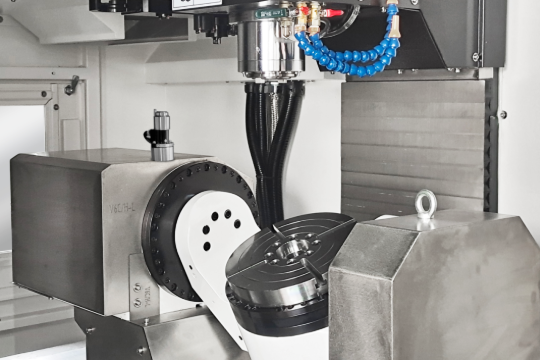
The Complete Precision Fabrication Workflow Explained
You've selected your material and understand what tolerances are achievable—but how does a precision sheet metal fabrication manufacturer actually transform your CAD file into finished components? Understanding the complete workflow helps you anticipate potential precision challenges and communicate more effectively with your fabrication partner.
Here's what most buyers miss: every stage of the fabrication process either preserves or degrades dimensional accuracy. A manufacturer might have the best laser cutting equipment in the industry, but if their DFM review process is weak or their secondary operations introduce handling damage, your parts won't meet specification. Let's walk through each stage and examine how it affects your final product quality.
From Design Submission to DFM Optimization
The journey from concept to finished part begins long before metal meets machine. According to precision sheet metal experts, "if you want top-quality parts with a quick turnaround, understanding DFM isn't enough"—you need to engage your fabricator early in the design process. Here's how the front-end workflow typically unfolds:
-
Design Submission and File Review
Your project starts when you submit CAD models (typically STEP, IGES, or native SolidWorks/Inventor files). A capable manufacturer immediately evaluates file integrity, checking for incomplete geometry, missing bend lines, or features that won't translate properly to flat patterns. As fabrication engineers note, "a manufacturer will rarely use the flat pattern you spent so much time on"—they'll regenerate it based on their specific equipment and tooling parameters. -
Design for Manufacturability (DFM) Feedback
This stage separates general metal fabrication service providers from true precision partners. During DFM review, engineers analyze your design for:- Minimum bend radii relative to material thickness and type
- Feature-to-bend and feature-to-edge clearances
- Hole sizes relative to material gauge (typically minimum 1.2x thickness)
- Weld accessibility and potential heat distortion
- Tolerance stack-ups across multiple bends
Why does early DFM engagement matter so much? Consider welding: a 0.047" stainless steel will heat distort from welding while 0.074" will hold its shape. These nuances aren't obvious from CAD files alone. Skilled metal fabrication engineering teams identify such issues before production begins, potentially suggesting interlocking tabs to reduce weld distortion or alternative joining methods.
-
Material Procurement and Verification
Once design is finalized, your fabricator sources material meeting your specifications. For oem sheet metal fabrication projects, this often includes material certifications (mill test reports) ensuring chemical composition and mechanical properties match requirements. As H&S Manufacturing notes, their team "inspects the selected metals for defects or flaws" before any processing begins—a critical quality gate that prevents downstream issues. -
Programming and Setup
With approved material in-house, CNC programmers translate your design into machine instructions. This includes:- Nesting flat patterns efficiently on sheet stock to minimize waste
- Calculating kerf compensation for laser or plasma cutting
- Programming bend sequences to avoid tool interference
- Setting up first-article inspection points
For custom sheet metal fab projects, experienced programmers consider thermal effects during extended cutting runs and optimize cut sequencing to maintain dimensional stability across the sheet.
-
Fabrication Execution
The actual cutting, punching, and forming operations bring your design to life. During sheet metal custom fabrication, operators monitor critical parameters including:- Laser focus and assist gas pressure
- Punch tool condition and die clearance
- Bend angle verification using in-process measurement
- Material handling to prevent scratches or dings
Modern precision manufacturers use CNC press brakes and servo-controlled equipment that automatically compensate for spring-back variations, ensuring consistent results from first part to last.
Secondary Operations That Preserve Dimensional Accuracy
Here's where many contract fabrication relationships succeed or fail: secondary operations. Your parts may cut and bend perfectly, but improper handling during finishing can introduce damage that compromises precision. The workflow continues:
-
Deburring and Edge Treatment
Laser cutting and punching leave sharp edges that require attention. Options include tumble deburring (economical for high volumes), hand deburring (precise control for critical features), or mechanical edge rounding. Each method has implications for dimensional consistency—aggressive tumbling can round corners more than intended, while hand deburring introduces operator variability. -
Hardware Insertion
PEM nuts, standoffs, and studs are commonly pressed into precision sheet metal components. Proper hardware insertion requires:- Correct hole sizing (typically 0.001"-0.002" larger than hardware body)
- Controlled press tonnage to achieve proper clinch without material distortion
- Verification of perpendicularity and pull-through strength
For oem metal fabrication applications, hardware placement tolerances often drive overall assembly fit—a mislocated PEM nut can cascade into alignment problems across multiple mating components.
-
Welding and Assembly
When components require joining, welding techniques such as MIG, TIG, or spot welding create permanent connections. Precision welding demands proper fixturing to prevent heat-induced distortion, controlled travel speeds, and appropriate filler materials. For critical assemblies, manufacturers may employ robotic welding for consistent penetration and bead geometry. -
Surface Finishing
Final surface treatments enhance both appearance and performance. Common finishing services include painting, powder coating, and plating—each adding material thickness that must be accounted for in tolerance calculations. A powder coating typically adds 0.002"-0.004" per surface, which can affect interference fits or close-tolerance assemblies. -
Quality Inspection and Documentation
Before shipping, precision manufacturers verify that finished components meet all specifications. This typically includes dimensional inspection using CMMs or optical measurement systems, visual inspection for cosmetic defects, and documentation of inspection results. For regulated industries, first article inspection reports (FAIRs) provide complete traceability from raw material through finished part. -
Packaging and Shipping
The final step—often overlooked—involves protective packaging appropriate for your parts' finish requirements and transit conditions. Scratched or dented components arriving at your facility undermine all the precision achieved during fabrication.
Understanding this complete workflow reveals why successful precision projects require more than just quoting the lowest price. Each stage presents opportunities to maintain or lose dimensional accuracy. When evaluating a precision sheet metal fabrication manufacturer, ask how they manage transitions between stages—where handoffs occur, who verifies quality at each checkpoint, and how they prevent cumulative errors from compounding across operations.
With the fabrication workflow understood, the next critical factor becomes quality control and certification—the systems that verify precision claims and provide confidence that every part meets your specifications.
Quality Control and Certification Standards in Precision Manufacturing
Your precision sheet metal fabrication manufacturer claims tight tolerances and consistent quality—but how do they actually verify those claims? This is where many buyers get caught off guard. A shop might have impressive equipment, but without robust quality control systems and meaningful certifications, you're essentially trusting marketing brochures rather than verified performance data.
Here's what separates precision sheet metal fabrication companies that deliver consistent results from those that occasionally hit specifications: systematic inspection technologies, documented processes, and third-party verified quality systems. Let's examine what you should expect—and what questions to ask.
Inspection Technologies That Verify Precision Accuracy
When tolerances tighten to ±0.005" or beyond, visual inspection and basic calipers simply aren't sufficient. Quality sheet metal fabrication requires measurement systems capable of detecting deviations smaller than a human hair. Understanding these technologies helps you evaluate whether a manufacturer can actually verify the precision they promise.
Coordinate Measuring Machines (CMM)
CMM inspection represents the gold standard for dimensional verification in precision sheet metal products manufacturing. These systems use precision probes—either contact or non-contact—to measure part geometry against CAD models with exceptional accuracy. A quality metal fabricating operation typically employs CMM inspection for:
- First article inspection: Comprehensive measurement of initial production parts to verify process capability before full production begins
- In-process verification: Periodic checks during production runs to detect drift before it creates scrap
- Final inspection: Complete dimensional verification of critical features before shipment
- Reverse engineering: Capturing actual part geometry for comparison against design intent
Modern CMMs can measure complex 3D geometries including formed features, welded assemblies, and compound curves—exactly what precision sheet metal applications demand. When evaluating manufacturers, ask about their CMM capabilities, calibration schedules, and whether inspection is performed in temperature-controlled environments (thermal expansion affects measurement accuracy).
Optical Measurement Systems
For sheet metal parts with complex geometries or delicate surfaces, optical measurement offers significant advantages. According to Creaform's measurement experts, automotive and aerospace professionals benefit from solutions that provide "greater versatility for design changes" while delivering speed and repeatability comparable to traditional checking fixtures.
Optical systems excel at:
- Full-surface scanning: Capturing thousands of data points to create complete digital representations
- Non-contact measurement: Avoiding surface damage on polished or coated components
- Color deviation mapping: Visual representation of dimensional variations across entire surfaces
- Rapid inspection cycles: Faster throughput for high-volume production environments
However, as measurement specialists note, image-based inspection "performs optimally only under controlled lighting conditions"—slight variations in ambient light can affect results. Quality departments must eliminate ambiguity originating from equipment or measurement methods. This is why leading precision sheet metal products inc operations invest in environmentally controlled inspection areas.
First Article Inspection (FAI) Protocols
First article inspection goes beyond simple dimensional checks. A comprehensive FAI documents that your fabricator can consistently produce parts meeting all specifications—dimensions, materials, surface finishes, and hardware installation. For regulated industries, FAI reports follow standardized formats (such as AS9102 for aerospace) and include:
- Complete dimensional measurement results for all drawing callouts
- Material certifications with traceability to mill sources
- Process documentation verifying correct methods were used
- Visual inspection records for cosmetic requirements
- Functional test results where applicable
Think of FAI as proof that all precision sheet metal works as intended before you commit to production quantities. If a manufacturer can't provide comprehensive first article documentation, that's a significant red flag for precision applications.
Statistical Process Control (SPC)
While FAI verifies capability at a point in time, statistical process control monitors ongoing production consistency. SPC uses statistical methods to detect process drift before it produces out-of-specification parts. Key elements include:
- Control charts: Tracking critical dimensions over time to identify trends
- Capability indices (Cpk): Quantifying how well processes center within tolerance bands
- Measurement system analysis: Ensuring inspection equipment contributes minimal variation
- Corrective action triggers: Defined thresholds that prompt process adjustments
For high-volume precision sheet metal fabrication, SPC provides early warning when equipment wear, material variations, or environmental changes begin affecting quality—allowing corrections before defective parts reach your facility.
What Quality Certifications Mean for Your Project
Certifications signal that a manufacturer's quality systems have been independently verified—but not all certifications carry equal weight for every application. Understanding what each certification actually requires helps you match manufacturer capabilities to your specific needs.
According to Hartford Technologies, "quality certifications demonstrate commitment to the customer and to their profession, producing premium components while providing an added layer of assurance for buyers." Here's what the most relevant certifications mean for precision fabrication:
-
ISO 9001 – Quality Management Foundation
Regarded as the most universal manufacturing certification, ISO 9001 delineates prerequisites for a robust quality management system. It confirms that documented procedures exist for key processes, that management reviews quality performance, and that continuous improvement mechanisms are in place. For precision applications, ISO 9001 provides baseline confidence—but it doesn't specify the tight controls required for specialized industries. -
IATF 16949 – Automotive Industry Standard
Developed by the International Automotive Task Force, IATF 16949 builds upon ISO 9001 with additional requirements for product design, production processes, and customer-specific standards. For precision sheet metal serving automotive applications, this certification verifies that manufacturers understand PPAP (Production Part Approval Process), implement APQP (Advanced Product Quality Planning), and maintain the process controls automotive OEMs demand. It ensures compliance with stringent industry regulations while driving continuous improvement. -
AS9100 – Aerospace Quality Requirements
The AS9100 certification is specific to the aerospace industry, stating that parts meet safety, quality, and high standards posed by aviation requirements. This certification adds aerospace-specific requirements including configuration management, risk management, and special process controls. For flight-critical precision sheet metal components, AS9100 certification is typically non-negotiable—it demonstrates that a manufacturer understands the unique documentation, traceability, and quality requirements of aerospace programs. -
ISO 13485 – Medical Device Manufacturing
ISO 13485 ensures that all medical devices are designed and manufactured with safety in mind, involving rigorous inspections and addressing unique requirements of the medical industry. For precision sheet metal components used in medical equipment, this certification verifies that manufacturers maintain cleanroom-compatible processes, biocompatibility documentation, and the stringent traceability that FDA regulations require. -
ITAR – Defense Industry Compliance
International Traffic in Arms Regulations (ITAR) isn't a quality certification per se—it's a regulatory compliance requirement for manufacturers handling defense-related articles. ITAR registration demonstrates that a precision sheet metal fabrication manufacturer can properly control technical data, restrict foreign person access, and maintain the security protocols defense contracts require. For mission-critical military applications, ITAR compliance is mandatory. -
ISO 14001 – Environmental Management
While not directly related to dimensional precision, ISO 14001 guides organizations in developing environmental policies and minimizing environmental harm. For buyers with sustainability requirements or corporate responsibility initiatives, this certification indicates a manufacturer's commitment to responsible operations.
The table below summarizes certification relevance for different precision applications:
| Certification | Primary Industry Focus | Key Precision Implications | When Required |
|---|---|---|---|
| ISO 9001 | All industries | Documented quality processes, management commitment, continuous improvement | Baseline for any quality-focused supplier |
| IATF 16949 | Automotive | PPAP compliance, APQP methodology, customer-specific requirements, SPC implementation | Supplying to automotive OEMs or Tier 1 suppliers |
| AS9100 | Aerospace | Configuration control, risk management, special process certification, enhanced traceability | Any aerospace or defense aviation components |
| ISO 13485 | Medical devices | Design controls, biocompatibility documentation, cleanroom processes, regulatory traceability | Components for FDA-regulated medical equipment |
| ITAR | Defense | Data security, foreign person restrictions, export control compliance | Defense articles or technical data access |
Here's the critical insight many buyers miss: certifications indicate systemic capability, not individual part quality. A manufacturer might hold AS9100 certification but still produce non-conforming parts if their specific processes for your application aren't properly controlled. Use certifications as a screening tool—but always verify through facility audits, reference checks, and first article results that a manufacturer can actually deliver quality sheet metal fabrication for your specific requirements.
With quality systems understood, the next consideration becomes equally important: how do precision requirements vary across different industries, and what specialized capabilities does each sector demand?
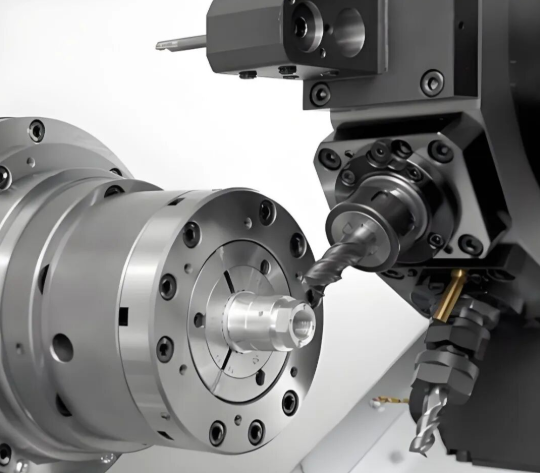
Industry-Specific Precision Requirements Across Key Sectors
Now that you understand quality systems and certifications, here's where the real differentiation happens: industry-specific requirements. A precision sheet metal fabrication manufacturer serving aerospace applications operates under entirely different constraints than one focused on electronics enclosures—even when using identical equipment. Understanding these sector-specific demands helps you evaluate whether a fabricator truly has the expertise your application requires.
Why does this matter? Because certifications alone don't guarantee a manufacturer understands the nuanced requirements of your industry. Metal fab services for medical devices involve biocompatibility testing and cleanroom protocols that aerospace fabricators rarely encounter. Conversely, aerospace suppliers navigate traceability and exotic material requirements that would overwhelm a shop focused on commercial electronics. Let's examine what each major sector actually demands.
Aerospace and Defense Precision Requirements
When components fly at 30,000 feet or support military operations, there's no margin for error. Aerospace and defense represent the most demanding metal fabrication industries served by precision manufacturers—and for good reason.
Aerospace Precision Standards
According to Yijin Hardware's aerospace machining guide, "while standard machine shops typically work with tolerances of ±0.005 inches, aerospace precision machining consistently achieves tolerances of ±0.0001 inches or better." That's 50 times tighter than standard fabrication—and it applies to sheet metal components as well as machined parts.
Components manufactured for aerospace must perform in extreme environments not encountered elsewhere:
- Temperature variations: According to Boeing engineering standards, aerospace components typically operate between -65°F to +350°F (-54°C to +177°C)
- Pressure variations: From 0.2 atm to 1.2 atm during flight cycles
- High-temperature zones: Engine-adjacent components may experience temperatures reaching 2000°F (1093°C)
Industrial sheet metal fabrication for aerospace requires specialized materials including titanium alloys, Inconel, and aerospace-grade aluminum (2024-T3, 7075-T6). These exotic materials demand different cutting parameters, forming techniques, and heat treatment protocols than standard commercial alloys.
AS9100 certification is non-negotiable for aerospace suppliers. As noted in the previous section, this standard adds 105 specific requirements beyond ISO 9001—including configuration management, risk assessment, and enhanced traceability. For flight-critical components, every piece of material must trace back to its original mill source, and every fabrication step must be documented.
Defense Industry Requirements
Defense applications share aerospace's demanding tolerances while adding security and compliance layers. ITAR (International Traffic in Arms Regulations) compliance requires:
- Controlled access: Restricting facility access to U.S. persons only for defense-related work
- Technical data security: Protecting drawings, specifications, and manufacturing processes from unauthorized disclosure
- Supply chain verification: Ensuring all subcontractors and material suppliers maintain appropriate clearances
- Export control compliance: Proper licensing for any international shipments or technical exchanges
Mission-critical reliability means industrial metal fabrication services for defense must demonstrate exceptional process controls. Statistical process control isn't optional—it's essential for proving that every component leaving the facility meets specifications consistently, not just occasionally.
Medical Device and Electronics Fabrication Standards
While aerospace demands extreme environmental performance, medical and electronics sectors require precision for entirely different reasons—patient safety and electromagnetic compatibility.
Medical Device Manufacturing
Precision sheet metal for medical devices operates under FDA oversight, requiring documented quality systems that trace every component from raw material through patient use. According to the Congenius whitepaper on biocompatibility and cleanliness testing, "the goal of ensuring biocompatibility is to prevent any potential harm that might arise from the interaction between the device and the human body."
This creates unique requirements for metal fab services serving medical applications:
- Biocompatibility verification: Materials contacting patients must undergo biological evaluation per ISO 10993-1, considering both contact duration and body location
- Cleanliness validation: As the Congenius research explains, "maintaining cleanliness is crucial to prevent adverse reactions and other complications that might arise due to the presence of foreign substances on the device's surface"
- Contamination control: Manufacturing processes must prevent introduction of processing oils, cleaning agents, polishing media, and other potential contaminants
- Cleanroom compatibility: Components for surgical instruments or implantable devices often require fabrication in controlled environments
ISO 13485 certification demonstrates that a precision sheet metal fabrication manufacturer understands these unique requirements. But certification alone isn't sufficient—manufacturers must maintain validated cleaning processes and demonstrate ongoing monitoring of contamination levels.
The cleanliness requirements extend beyond the obvious. According to the Congenius whitepaper, potential contaminants include "pigments in polymers, softening of polymers, metal ions of metal alloy, corrosion residues, decomposition substances of polymers, and debris and particles." Comprehensive testing requires multiple extraction solvents and analytical techniques to ensure the highest capture of substances that could affect patient safety.
Electronics and Telecommunications
Electronics enclosures and chassis demand precision for functional rather than regulatory reasons. Two primary concerns drive requirements:
- EMI/RFI shielding effectiveness: Electromagnetic interference shielding requires consistent metal-to-metal contact across seams and joints. Even small gaps or inconsistencies can create "leaks" that compromise shielding performance. Tolerances on mating surfaces typically need to remain within ±0.005" to ensure proper gasket compression and electrical continuity.
- Thermal management: Electronic components generate heat that must be dissipated through chassis and enclosure surfaces. Precision flatness affects thermal interface material contact, while consistent wall thicknesses ensure predictable heat spreading. Custom metal assemblies for high-power electronics often require specific surface finishes to optimize thermal transfer.
Electronics applications frequently require plating or coating for conductivity, corrosion resistance, or appearance. These secondary operations add material thickness that must be factored into base metal tolerances—a 0.0003" nickel undercoat plus 0.0002" gold flash can consume a significant portion of tight tolerance budgets.
Automotive Sector Requirements
Automotive precision sheet metal operates at the intersection of high volume and demanding quality. IATF 16949 certification sets expectations for:
- Production Part Approval Process (PPAP): Comprehensive documentation proving process capability before production begins
- Advanced Product Quality Planning (APQP): Structured approach to product development ensuring quality is designed in
- Statistical process control: Ongoing monitoring demonstrating consistent production within specification
- Customer-specific requirements: Individual OEMs often add requirements beyond the base standard
Structural integrity requirements for chassis and suspension components demand consistent material properties and forming results across production runs spanning thousands or millions of pieces. Unlike aerospace where each part may receive individual inspection, automotive relies on process controls to ensure quality—making SPC and capability studies essential.
The following table summarizes precision requirements across these key industries:
| Industry | Typical Tolerance Requirements | Key Certifications | Critical Considerations |
|---|---|---|---|
| Aerospace | ±0.001" to ±0.005" (critical features to ±0.0001") | AS9100, NADCAP (special processes) | Exotic materials (titanium, Inconel), flight-critical traceability, extreme temperature performance |
| Defense | ±0.001" to ±0.005" | AS9100, ITAR registration | Security clearances, controlled access, export compliance, mission-critical reliability |
| Medical Devices | ±0.003" to ±0.010" | ISO 13485, FDA registration | Biocompatibility (ISO 10993), cleanliness validation, contamination control, cleanroom processes |
| Electronics | ±0.005" to ±0.015" | ISO 9001, IPC standards | EMI shielding effectiveness, thermal management, plating thickness control, cosmetic requirements |
| Automotive | ±0.005" to ±0.020" (structural); ±0.002" (critical features) | IATF 16949 | High-volume consistency, PPAP documentation, SPC implementation, customer-specific requirements |
When evaluating a precision sheet metal fabrication manufacturer for your specific industry, look beyond general capability claims. Ask targeted questions:
- What percentage of your current production serves my industry?
- Can you provide references from similar applications?
- What industry-specific training do your operators receive?
- How do you handle the unique documentation requirements for my sector?
- What special processes (heat treatment, passivation, plating) do you perform in-house versus outsource?
A manufacturer experienced in your industry understands not just the technical specifications, but the regulatory context, documentation expectations, and potential failure modes that could compromise your application. This sector-specific expertise often proves more valuable than the latest equipment—because knowing what questions to ask prevents problems before they occur.
With industry-specific requirements understood, the next critical step becomes practical: how do you actually evaluate and select the right precision fabrication partner from among qualified candidates?
How to Evaluate and Select the Right Precision Fabrication Partner
You've done your homework on precision capabilities, material considerations, and industry-specific requirements. Now comes the decision that ultimately determines project success: choosing the right manufacturing partner. Here's the challenge most buyers face—nearly every precision sheet metal fabrication manufacturer claims similar capabilities. How do you separate genuine expertise from marketing claims?
The answer lies in systematic evaluation rather than gut instinct. According to Bud Harris, a veteran purchasing professional with nearly four decades in metal fabrication, "selecting the right sheet metal fabrication partner is about more than price or equipment lists. It's about building a relationship based on trust, communication, and shared goals." Let's break down exactly what that evaluation process should look like.
Essential Evaluation Criteria for Manufacturer Selection
When searching for precision metal fabrication near me or evaluating metal fabrication suppliers across wider geographic areas, you need a structured approach. The following checklist covers the factors that experienced buyers prioritize—organized from foundational requirements to relationship differentiators.
Equipment Capabilities and Technology Currency
Modern equipment directly impacts precision capabilities and production efficiency. As EVS Metal's fabrication guide notes, "modern fiber laser systems cut 2-3x faster than older CO2 lasers and handle reflective materials (aluminum, copper, brass) that older systems struggle with." When evaluating equipment:
- Laser cutting systems: Fiber lasers offer superior precision and material flexibility compared to CO2 systems—ask about wattage, bed size, and automation features
- Press brake technology: CNC press brakes with offline programming and automatic tool changers reduce setup time 40-60% versus manual systems while improving bend consistency
- Equipment age: While well-maintained older equipment can still perform, manufacturers investing in current technology demonstrate commitment to precision and efficiency
- Capacity redundancy: Manufacturers with multiple machines of each type can accommodate production surges and provide backup during maintenance—single-machine shops create bottlenecks
Quality Certifications Relevant to Your Industry
Certifications indicate systemic capability, but only relevant certifications matter for your application. As discussed in the quality section, match certifications to your requirements:
- ISO 9001: Baseline quality management—expected from any serious precision fabricator
- IATF 16949: Essential for automotive supply chain participation
- AS9100: Required for aerospace and aviation components
- ISO 13485: Necessary for medical device manufacturing
- ITAR registration: Mandatory for defense-related articles
Don't just verify certifications exist—ask when the last audit occurred, what nonconformances were identified, and how they were addressed. A manufacturer who can discuss their quality journey openly demonstrates genuine commitment rather than checkbox compliance.
Engineering Support and DFM Capabilities
This is where metal fabrication experts truly differentiate themselves. According to experienced buyers, "great suppliers don't just deliver parts; they collaborate to make your products better and more cost-effective." Evaluate DFM capabilities by:
- Quoting process: Does the manufacturer provide DFM feedback during quoting, or only after you've committed? Early DFM review should be standard practice
- Engineering accessibility: Can you speak directly with engineers about tolerance questions and manufacturing challenges, or are you limited to sales contacts?
- Value engineering history: Ask for examples where they helped customers reduce costs or improve manufacturability—top metal fabrication companies in usa maintain case studies demonstrating this capability
- Tolerance expertise: Engineers who understand GD&T can recommend appropriate tolerance specifications—tighter than necessary increases costs 20-40% without functional benefit
Prototype-to-Production Scalability
Metal fabrication specialists who can support your product from initial prototype through volume production provide continuity that prevents quality and timeline risks. Evaluate scalability by examining:
- Volume flexibility: Some shops optimize for prototypes (1-10 pieces) while others focus on high volumes—ensure your partner efficiently handles your expected batch sizes
- Economic order quantities: Understand minimum economical batch sizes; high-mix specialists handle small batches efficiently while volume manufacturers may struggle with setup economics below 500-1,000 pieces
- Program management: For ongoing production, ask how they manage repeat orders, maintain tooling, and handle engineering changes
- Capacity planning: Understand their customer concentration—shops where 1-2 customers represent over 50% of revenue face business risk if major customers reduce volumes
Communication Responsiveness and Transparency
According to veteran purchasing professionals, "the foundation of any strong supplier relationship is clear, consistent communication and a commitment to follow through." Assess communication quality before committing:
- Quote turnaround: How quickly do they respond to RFQs? Excessive delays during quoting predict similar issues during production
- Single point of contact: Dedicated project managers provide consistency; avoid shops where you communicate with different people for each transaction
- Production visibility: Do they provide regular status updates? Online portals with real-time production status represent best practice
- Problem resolution: How do they handle issues? Evaluate responsiveness during the quoting phase—future communication will mirror initial experience
Geographic Considerations and Supply Chain Resilience
When evaluating local metal fabrication options versus distant specialists, consider the full picture:
- Proximity benefits: Local fabricators offer communication convenience, site visit accessibility, and potentially faster delivery for urgent needs
- Capability trade-offs: Distant fabricators may provide superior capabilities, quality systems, or pricing that outweigh proximity advantages
- Multi-facility advantages: Manufacturers with multiple locations provide geographic redundancy for disaster recovery, regional logistics advantages, and capacity flexibility
- Shipping considerations: Large manufacturers often negotiate favorable freight rates—ask about packaging capabilities, freight damage rates, and expedited options
Balancing Precision Requirements with Cost and Timeline
Here's what many buyers overlook until too late: precision requirements directly impact both cost and lead time. Understanding these relationships helps you specify appropriately and plan realistically.
How Tolerance Specifications Affect Project Economics
Tighter tolerances require slower processing speeds, more frequent inspection, and often specialized tooling. According to fabrication industry experts, specifying tolerances tighter than functionally necessary can increase costs 20-40% without meaningful benefit. Consider these cost drivers:
- Processing time: Tighter tolerances require slower cutting speeds and more careful forming to prevent spring-back variation
- Inspection burden: Critical dimensions may require CMM verification rather than standard inspection, adding time and cost
- Scrap risk: Tighter specifications increase the percentage of parts falling outside acceptance criteria
- Setup complexity: Complex geometries with multiple tight-tolerance features require additional setup time and first-article verification
Lead Time Realities for Precision Work
Realistic lead time planning prevents schedule disruptions. Typical timelines include:
- Quoting phase: Complex assemblies requiring weld time estimation, finishing specifications, and DFM analysis need additional time; simple flat patterns quote faster
- First article production: Initial runs include programming, tooling setup, first article inspection, customer approval, and production—expect longer lead times for complex assemblies with finishing
- Repeat production: Established parts with approved programs and proven tooling ship faster than first articles
- Expedite capabilities: Established manufacturers can often accommodate rush requirements for premium charges—but frequent expedites signal planning problems
Practical Evaluation Checklist
Before making your final selection, verify these factors through facility visits, reference checks, and direct conversations:
- ☐ Equipment capabilities match your precision requirements
- ☐ Relevant quality certifications are current and actively maintained
- ☐ Engineering support is accessible and demonstrates DFM expertise
- ☐ Production volumes align with your batch size requirements
- ☐ Communication responsiveness meets your expectations
- ☐ Financial stability supports long-term partnership potential
- ☐ Customer references in similar applications provide positive feedback
- ☐ Geographic location supports your logistics and oversight needs
- ☐ Secondary services (welding, finishing, hardware) are available in-house or through qualified partners
- ☐ Intellectual property protection policies and NDAs are acceptable
As experienced buyers emphasize, "when you find a supplier who invests in their people, processes, and technology—and who treats your success as their own—you've found a partner worth keeping." The evaluation process requires investment upfront, but it pays dividends through consistent quality, reliable delivery, and collaborative problem-solving throughout your manufacturing relationship.
With evaluation criteria established, the next consideration becomes equally practical: understanding how precision requirements translate into project economics and timeline planning—factors that directly affect your product development and manufacturing budgets.
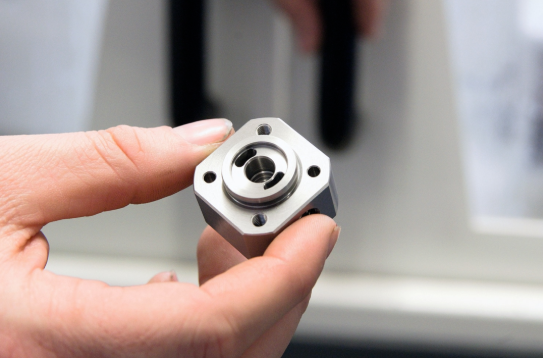
Precision Fabrication Economics and Project Planning Insights
You've identified capable precision sheet metal fabricators and understand their quality systems—but here's where many buyers stumble: underestimating how precision requirements translate into real dollars and calendar days. The economics of precision fabrication aren't intuitive, and failing to grasp these relationships leads to budget overruns, missed deadlines, and strained supplier relationships.
Here's the reality: every decision you make during design and specification directly impacts what you'll pay and when you'll receive parts. Understanding these cost drivers helps you specify appropriately, plan realistically, and communicate effectively with your manufacturing partner. Let's break down what actually determines precision fabrication economics.
Understanding Cost Drivers in Precision Fabrication
When requesting quotes for custom precision sheet metal components, you might notice significant price variations between seemingly similar manufacturers. These differences often trace back to how each shop approaches the fundamental cost drivers in precision work.
Tolerance Requirements and Processing Economics
Tighter tolerances don't just require better equipment—they demand slower processing, more frequent verification, and higher skill levels. Consider how tolerance specifications cascade through your project:
- Cutting speed reductions: Achieving ±0.004" on laser-cut features may require reducing cutting speed by 30-40% compared to standard ±0.010" work—directly increasing machine time per part
- In-process measurement: Critical dimensions often require CMM verification rather than standard go/no-go gauging, adding 15-30 minutes per first article inspection
- Bend verification: Precision bending with servo-electric press brakes includes automatic angle measurement and compensation—but operators still need additional verification time for multi-bend sequences
- Scrap risk premium: When tolerance bands tighten, the percentage of parts falling outside acceptance criteria increases, and manufacturers price this statistical reality into their quotes
According to custom fabrication economics research, "each custom fabrication project is approached with a focus on efficiency"—but efficiency for precision work differs fundamentally from high-volume commodity fabrication. The investment in slower, more controlled processes pays dividends in reduced rework and reliable first-pass yield.
Geometric Complexity and Setup Time
Complex metal frame fabrication or intricate metal fab products require more than just skilled operators—they demand programming time, specialized tooling, and careful sequencing. Setup economics include:
- CAM programming: Complex flat patterns with numerous features, tight nesting requirements, or special cut sequencing add programming hours before any material is processed
- Bend sequence optimization: Parts with multiple bends in different directions require careful sequencing to avoid tool interference—sometimes requiring specialized tooling fabrication
- Fixturing requirements: Welded assemblies needing precision alignment often require custom fixtures, which must be designed, fabricated, and validated before production begins
- First article verification: Complex geometries may require extended first article runs to validate all critical dimensions before committing to production quantities
Material Selection Economics
Your material choice affects both raw cost and processing difficulty. The relationship isn't always obvious:
| Material Category | Relative Raw Cost | Processing Difficulty | Cost Impact Factors |
|---|---|---|---|
| Cold Rolled Steel | Low ($) | Low | Standard tooling, predictable forming, minimal surface prep required |
| Aluminum Alloys | Medium ($$) | Low-Medium | Higher spring-back compensation, galling risk with certain tooling, faster cutting offsets material cost |
| Stainless Steel (304/316) | Medium-High ($$$) | Medium | Work hardening during forming, specialized tooling coatings, slower cutting speeds for clean edges |
| Titanium Alloys | Very High ($$$$$) | High | Exotic material surcharges, specialized cutting parameters, spring-back complexity, limited supplier base |
| Copper/Brass | High ($$$$) | Low-Medium | Commodity price volatility, excellent formability offsets material cost, specialized handling to prevent scratching |
As fabrication experts note, "custom fabrication allows for the incorporation of specialized materials, coatings, or features that enhance product performance"—but each specialization carries cost implications that must be balanced against functional requirements.
Secondary Operations and Value-Added Processing
The base fabrication cost often represents only 40-60% of total part cost. Secondary operations add significant value—and expense:
- Deburring and edge treatment: Manual deburring adds labor cost proportional to part complexity; tumble finishing offers volume efficiency but may not suit all geometries
- Hardware insertion: PEM nuts, studs, and standoffs require specialized equipment and quality verification—each piece of hardware adds processing time
- Welding and assembly: Welded assemblies require fixturing, skilled operators, and often post-weld stress relief or straightening operations
- Surface finishing: Powder coating, plating, anodizing, and painting each add processing steps, cure times, and quality inspection requirements
- Inspection and documentation: Comprehensive inspection reports, material certifications, and first article documentation add overhead proportional to part complexity
Prototype Economics and Production Scaling Considerations
One of the most significant economic decisions in precision fabrication involves the transition from prototype to production. Understanding this relationship helps you plan development budgets and timeline expectations realistically.
The Prototype Premium—And Why It's Worth Paying
Prototypes cost more per piece than production runs—sometimes 5-10x more. This isn't manufacturer greed; it reflects real economic factors:
- Setup amortization: Programming, tooling setup, and first article verification consume hours regardless of whether you order 5 pieces or 500—spreading these costs across more parts reduces per-unit expense
- Material efficiency: Small prototype batches can't optimize material nesting effectively; you may pay for sheet stock that's only 60% utilized versus 85%+ for production runs
- Learning curve: First-time fabrication of complex parts involves operator learning, process refinement, and potential adjustments—subsequent runs benefit from established procedures
- Rush processing: Prototypes often carry timeline urgency that disrupts normal production scheduling
However, rapid prototyping experts emphasize that these investments provide critical value: "By enabling rapid iterations, these techniques help designers gain valuable insights into real-world performance, reduce the risk of costly design flaws, and significantly accelerate the overall time-to-market." The prototype premium buys you design validation that prevents expensive production-stage corrections.
How Rapid Prototyping Capabilities Accelerate Development
Modern precision sheet metal fabricators recognize that speed-to-prototype directly impacts your competitive position. The ability to quickly produce functional prototypes enables:
- Design iteration: Testing physical parts reveals issues that CAD simulation misses—rapid prototyping lets you cycle through improvements quickly
- Customer validation: Showing stakeholders functional prototypes builds confidence and accelerates approval processes
- Manufacturing feedback: Early prototypes expose DFM issues while design changes are still inexpensive
- Parallel development: Quick prototype turnaround allows mechanical, electrical, and software teams to work with realistic hardware simultaneously
Leading precision metal fabricators inc now offer rapid prototyping services with dramatically compressed timelines. For example, manufacturers like Shaoyi (Ningbo) Metal Technology demonstrate how modern fabricators address timeline concerns with capabilities like 5-day rapid prototyping and 12-hour quote turnaround—enabling automotive and industrial customers to accelerate development cycles while maintaining IATF 16949-certified quality standards.
Production Scaling Economics
As volumes increase, per-unit costs decrease—but the relationship isn't linear. Understanding volume break points helps you plan ordering strategies:
- Minimum economical quantity: Most precision fabricators have implicit minimum quantities where setup costs become reasonable—typically 25-50 pieces for simple parts, 100+ for complex assemblies
- Volume pricing tiers: Significant cost reductions often occur at 100, 500, and 1,000+ piece quantities as setup amortization improves and operators develop efficiency
- Tooling investments: Large fabrication programs may justify dedicated tooling (fixtures, specialized dies) that reduce per-piece processing time
- Blanket orders: Committing to annual volumes with scheduled releases provides planning stability for manufacturers—often translating to better pricing and priority scheduling
Timeline Planning for Precision Projects
Realistic schedule planning prevents the frustration of missed deadlines. Consider these typical timeline components:
| Project Phase | Typical Duration | Variables Affecting Timeline |
|---|---|---|
| Quoting and DFM Review | 2-5 business days | Part complexity, drawing completeness, manufacturer responsiveness |
| First Article Production | 2-4 weeks | Material availability, programming complexity, inspection requirements |
| Customer FAI Approval | 1-5 business days | Internal review processes, required corrections |
| Production Run | 1-3 weeks | Quantity, secondary operations, finishing requirements |
| Repeat Orders | 1-2 weeks | Material availability, production scheduling, finishing queue |
For time-critical projects, manufacturers offering comprehensive DFM support can identify potential issues during quoting—preventing delays that would otherwise surface during production. This proactive approach, combined with rapid quote turnaround capabilities, helps you maintain aggressive development schedules without sacrificing precision quality.
Understanding these economic relationships transforms your supplier conversations from price negotiations into value discussions. When you can articulate the cost drivers affecting your project and make informed trade-offs between tolerance requirements, batch sizes, and timeline expectations, you position yourself as a knowledgeable partner rather than just another customer seeking the lowest bid. This foundation leads naturally to the final consideration: preparing effectively for your first manufacturer conversation and taking concrete steps toward precision fabrication success.
Taking the Next Step Toward Precision Fabrication Success
You've explored the critical factors that separate exceptional precision sheet metal fabrication manufacturers from commodity suppliers—from tolerance capabilities and material expertise to quality systems and industry-specific requirements. Now comes the moment that matters most: translating that knowledge into action. How do you prepare for productive conversations with potential fabrication partners, and what steps ensure your first project starts on solid footing?
The difference between a frustrating supplier experience and a productive manufacturing partnership often comes down to preparation. Manufacturers who receive complete, well-organized information respond faster, quote more accurately, and deliver better outcomes. Let's walk through exactly what you need to bring to your first conversation.
Preparing for Your First Manufacturer Conversation
When you reach out to precision sheet metal shops for quotes, the quality of information you provide directly determines the quality of response you'll receive. According to fabrication quoting experts at Baillie Fab, providing complete information upfront leads to "fast, accurate quotes, shorter lead times, spot-on pricing, the precision you need, and the quality you deserve." Here's your preparation checklist:
Essential Documentation to Have Ready
- 2D drawings (prints): Include all critical information—accuracy requirements, material specifications, part numbers, surface finish callouts, and labeling instructions. As fabrication experts note, drawings serve as "a reliable visual representation of your part" that communicates requirements without ambiguity.
- 3D CAD models: STEP, IGES, or native SolidWorks/Inventor files enable manufacturers to see details not always visible on drawings—tapped holes, interior features, and complex geometries. With proper models, manufacturers can "build an accurate quote, avoid design inaccuracies, and quickly transition to production."
- Assembly drawings: Even when ordering single components, assembly context helps fabricators understand fit, function, and visibility requirements—enabling better DFM recommendations.
Specifications You Must Define
- Material requirements: Specify exact alloys rather than generic categories. If you need 6061-T6 aluminum, don't simply request "aluminum"—material choice dramatically impacts quoting accuracy and processing approach.
- Tolerance requirements: Define which dimensions are critical and which can accept standard fabrication tolerances. Over-tolerancing non-critical features increases costs 20-40% without functional benefit.
- Volume projections: Share both immediate quantities and anticipated annual volumes. This helps manufacturers recommend appropriate tooling investments and pricing structures.
- Certification requirements: If your application requires IATF 16949, AS9100, ISO 13485, or ITAR compliance, state this upfront—it immediately filters your search to qualified precision sheet metal near me options.
- End-use application: Sharing how the part will be used helps manufacturers catch design issues and make appropriate recommendations. A bracket for pharmaceutical equipment requires different considerations than one for agricultural machinery.
Questions to Ask Potential Partners
Your first conversation should be a two-way evaluation. Beyond gathering quotes, assess whether a manufacturer can truly support your precision requirements:
- What percentage of your current work involves tolerances similar to my requirements?
- Can you provide references from applications similar to mine?
- How do you handle DFM feedback—is it included in quoting or charged separately?
- What inspection methods will verify my critical dimensions?
- How do you manage the transition from prototype to production volumes?
- What's your typical quote turnaround time for projects of this complexity?
The best time to engage your fabrication partner is before your design is locked in. Early DFM collaboration prevents costly changes later—a short design review can flag avoidable production issues, streamline assembly, and reduce back-and-forth between engineering and the shop floor.
This insight, emphasized by DFM specialists at IMS Manufacturing, captures the essence of productive supplier relationships. Manufacturers who invest in upfront collaboration—like Shaoyi (Ningbo) Metal Technology, which provides comprehensive DFM support alongside IATF 16949-certified quality for automotive applications—demonstrate the partnership approach that delivers long-term value. Their combination of 12-hour quote turnaround and 5-day rapid prototyping capabilities exemplifies how modern precision fabricators address both timeline pressure and quality requirements simultaneously.
Key Takeaways for Precision Fabrication Success
As you move forward in selecting a precision sheet metal fabrication manufacturer, keep these foundational principles in mind:
1. Precision Is Defined by Systems, Not Just Equipment
The tightest tolerances come from integrated approaches—advanced equipment, material expertise, rigorous quality systems, and skilled operators working together. A manufacturer with older equipment but excellent processes often outperforms one with the latest technology but weak quality controls.
2. Material Selection Drives Precision Possibilities
Your material choice fundamentally affects achievable tolerances, forming limitations, and project economics. Collaborate with fabricators early to ensure your material specification aligns with precision requirements and cost expectations.
3. Certifications Indicate Capability, Not Guarantee Performance
Quality certifications verify systemic capability—but you must still confirm a manufacturer can deliver for your specific application through facility visits, reference checks, and first article validation.
4. Industry Experience Matters More Than Generic Capability
A precision sheet metal fabrication manufacturer serving aerospace understands flight-critical traceability; one focused on medical devices knows biocompatibility requirements. Seek partners with demonstrated experience in your specific sector.
5. Economics and Timelines Require Realistic Planning
Tighter tolerances, complex geometries, and specialized materials all increase cost and lead time. Understanding these relationships helps you specify appropriately and plan budgets realistically. Custom sheet metal work requires investment proportional to precision demands.
6. Communication Quality Predicts Partnership Success
How a manufacturer responds during quoting mirrors how they'll perform during production. Responsiveness, transparency, and willingness to engage in DFM discussions signal partnership potential.
Taking Action
You're now equipped with the knowledge to evaluate precision sheet metal fabrication manufacturers effectively. The next step is straightforward: gather your documentation, define your requirements clearly, and begin conversations with qualified partners.
For automotive applications requiring IATF 16949-certified precision manufacturing with comprehensive DFM support, Shaoyi (Ningbo) Metal Technology offers the combination of rapid prototyping capability, automated mass production, and engineering collaboration that accelerates supply chain performance for chassis, suspension, and structural components.
Whatever your application, remember that selecting the right precision fabrication partner is about more than finding the lowest price—it's about building a relationship that delivers consistent quality, reliable delivery, and collaborative problem-solving throughout your manufacturing journey. When you find a manufacturer who treats your success as their own, you've found a partner worth keeping.
Frequently Asked Questions About Precision Sheet Metal Fabrication
1. What is precision sheet metal fabrication?
Precision sheet metal fabrication transforms flat metal sheets into complex three-dimensional components through cutting, bending, and forming processes while maintaining extremely tight tolerances—typically ±0.005" to ±0.010" (±0.13mm to ±0.25mm). Unlike standard fabrication working within ±1/16" to ±1/8", precision fabrication requires advanced fiber laser systems, servo-electric press brakes, rigorous CMM inspection, and certified quality management systems like ISO 9001, IATF 16949, or AS9100 depending on the industry application.
2. How do I choose a precision sheet metal fabrication manufacturer?
Evaluate manufacturers based on equipment capabilities (fiber lasers, CNC press brakes), relevant quality certifications for your industry, engineering and DFM support accessibility, prototype-to-production scalability, communication responsiveness, and geographic considerations. Request references from similar applications, verify certification status, and assess their quote turnaround time. Manufacturers like Shaoyi (Ningbo) Metal Technology demonstrate strong partnership potential with 12-hour quote turnaround, comprehensive DFM support, and IATF 16949 certification for automotive applications.
3. What materials are best for precision sheet metal fabrication?
Material choice depends on your application requirements. Cold rolled steel offers stable performance and predictable forming for brackets and panels. Aluminum alloys (6061-T6) provide excellent formability for aerospace and electronics but require spring-back compensation. Stainless steel (304/316) maintains dimensional stability for medical and food-grade applications. Each material affects achievable tolerances differently—cold rolled steel typically achieves ±0.005" to ±0.010", while hot rolled steel only reaches ±0.015" to ±0.030".
4. What certifications should a precision sheet metal fabricator have?
Required certifications depend on your industry. ISO 9001 serves as a baseline for quality management. IATF 16949 is essential for automotive supply chains, covering PPAP and SPC requirements. AS9100 is mandatory for aerospace components with enhanced traceability and risk management. ISO 13485 addresses medical device manufacturing with biocompatibility documentation. ITAR registration is required for defense-related articles. Always verify certifications are current and ask about recent audit findings.
5. How much does precision sheet metal fabrication cost?
Costs vary based on tolerance requirements, geometric complexity, material selection, batch size, and secondary operations. Tighter tolerances can increase costs 20-40% due to slower processing and additional inspection. Prototype runs cost 5-10x more per piece than production volumes because setup costs amortize across fewer parts. Material choice also impacts pricing—titanium costs significantly more than cold rolled steel. For accurate budgeting, provide complete CAD files, define critical tolerances clearly, and share volume projections with potential manufacturers.