 Small batches, high standards. Our rapid prototyping service makes validation faster and easier —
  EN
EN


Precision Sheet Metal Fabrication LLC: From Raw Design To Flawless Finish
Understanding Precision Sheet Metal Fabrication
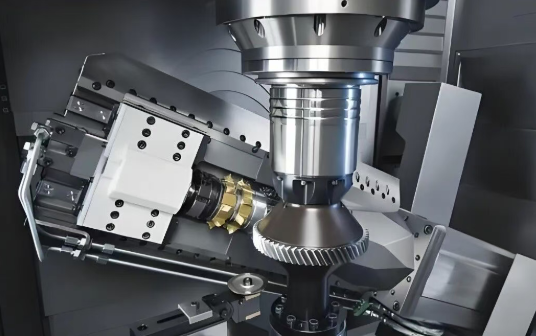
When you search for a precision sheet metal fabrication LLC, what exactly are you looking for? The term "precision" isn't just marketing language—it represents a fundamentally different approach to metalworking that separates engineering-grade manufacturing from standard fabrication shops. Understanding this distinction is essential whether you're sourcing components for the first time or evaluating new fabrication partners for critical applications.
What Makes Sheet Metal Fabrication Precision-Grade
Imagine ordering a component that needs to fit within a complex assembly. With standard metal fabrication, you might receive parts with tolerances ranging from ±1/16" to ±1/8" (±1.6mm to ±3.2mm). That variance might work for construction frameworks or basic enclosures—but what happens when you're manufacturing medical devices or aerospace components where a fraction of a millimeter determines success or failure?
This is where precision sheet metal fabricators earn their designation. A precision sheet metal fabrication company operates within tolerances of ±0.005" to ±0.010" (±0.13mm to ±0.25mm)—roughly 10 to 15 times tighter than general fabrication. But tolerances alone don't tell the whole story.
Precision tolerances define the permissible limits of variation from specified dimensions, ensuring every component fits, functions, and performs exactly as intended—even across thousands of production units.
What truly distinguishes precision sheet metal fabricators from their standard counterparts involves three interconnected elements:
- Advanced equipment: Fiber laser cutting systems with micro-joint technology, robotic CNC press brakes with angle measurement systems, and coordinate measuring machines (CMM) for verification
- Material expertise: Deep understanding of how different alloys behave during processing—including spring-back calculations, grain direction considerations, and thermal expansion properties
- Quality systems: Complete traceability, statistical process control, first article inspection, and documentation that meets regulated industry requirements
The Technical Standards Behind Precision Metalwork
So how do you know if a fabricator truly operates at precision-grade levels? Industry standards provide the framework. According to international tolerance classifications, manufacturing accuracy spans 18 grades—from IT01 through IT18. General sheet metal fabrication typically falls within IT12 through IT14 ranges, while precision fabrication operates closer to IT5 through IT7 levels, previously reserved for precision engineering applications.
These aren't arbitrary numbers. Tighter tolerances demand specialized skills, calibrated equipment, and inspection protocols that can economically verify dimensional accuracy. As one industry principle states: if a tolerance cannot be measured reasonably, it shouldn't appear on the drawing.
For challenger sheet metal shops attempting to compete at precision levels, the barriers extend beyond equipment purchases. True precision capabilities require integrated quality management systems—often certified to standards like ISO 9001, AS9100 for aerospace, or IATF 16949 for automotive applications.
Throughout this guide, you'll discover how precision sheet metal fabrication transforms raw designs into flawless finished components. We'll explore the core technologies powering modern fabrication, walk through complete production workflows, examine industry-specific applications, and provide actionable criteria for evaluating potential fabrication partners. Whether you're new to sourcing metal components or a seasoned professional seeking deeper technical understanding, this resource will equip you with the knowledge to make informed manufacturing decisions.
Core Technologies Powering Modern Metal Fabrication
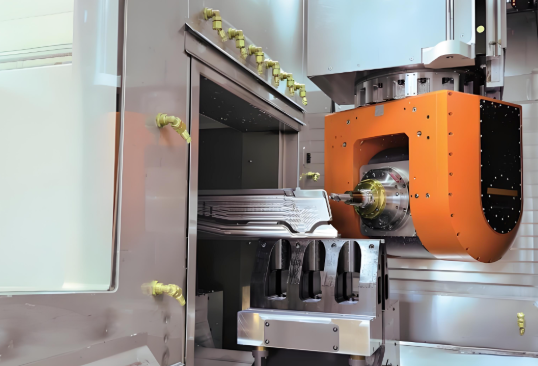
Now that you understand what separates precision-grade fabrication from standard metalwork, let's explore the technologies that make those tight tolerances achievable. Every precision sheet metal fabrication LLC relies on a specific arsenal of cutting and forming technologies—each with distinct strengths, limitations, and ideal applications. Knowing how these systems work helps you make smarter decisions when specifying components or evaluating potential manufacturing partners.
CNC and Laser Cutting Technologies Explained
At the heart of modern precision steel manufacturing lies CNC (Computer Numerical Control) technology. But what exactly does this mean for your components?
CNC machining transforms digital designs into physical reality through automated control systems. According to Propel Manufacturing, the process begins with Computer-Aided Design (CAD) software creating a digital blueprint of your component. This design feeds directly into the machine's control system, guiding cutting heads to execute precise movements according to specified dimensions and contours—eliminating the variability inherent in manual operations.
When it comes to CNC laser cutting specifically, two primary laser types dominate precision fabrication:
- CO2 lasers: Excellent for cutting non-metals and thicker materials, offering smooth edge quality on diverse substrates
- Fiber lasers: Superior for reflective metals like aluminum, brass, and copper, with faster cutting speeds and lower operating costs on thinner gauge materials
The cutting mechanism itself is fascinating. The laser beam actually melts or evaporates metal as it cuts, using compressed gas—typically oxygen or nitrogen—to blow molten material away from the cut path. This thermal process enables intricate geometries and fine features that would be impossible with mechanical cutting methods.
For precision sheet metal fabricators serving Virginia metal fabrication markets or sheet metal Sterling VA applications, laser cutting offers exceptional advantages: minimal material distortion, narrow kerf widths, and edge quality that often eliminates secondary finishing operations.
When to Use Plasma vs Water Jet Cutting
Sounds complex? Let's break down when each technology makes sense for your application.
Plasma cutting uses an entirely different approach than laser systems. As Tormach explains, plasma cutters force compressed gas through a torch nozzle at high pressure. When electrical current creates an arc between the torch electrode and your workpiece, the gas superheats into plasma—the fourth state of matter—reaching temperatures that turn metal into molten slag.
This technology excels in specific scenarios:
- Cutting thicker conductive materials (steel, aluminum, stainless steel)
- Applications where speed matters more than ultra-fine precision
- Budget-conscious projects that don't require tight tolerances
However, plasma cutting creates larger heat-affected zones and delivers less precision than laser or waterjet alternatives. It's relegated exclusively to conductive metals.
Water jet cutting takes a completely different path—literally. This cold-cutting process pushes water mixed with abrasive particles (typically garnet) through a ceramic nozzle at pressures exceeding 50,000 PSI. The result? A cutting stream powerful enough to slice through virtually any material.
Why choose waterjet? When your materials are heat-sensitive—certain plastics, composites, or tempered metals—the absence of thermal input preserves material properties. The precision rivals laser cutting, and edge quality is excellent. The tradeoff involves higher operating costs due to abrasive consumption and slower cutting speeds on thicker materials.
Comparing Cutting Technologies for Your Application
Choosing the right cutting method depends on your material, thickness requirements, tolerance specifications, and budget constraints. This comparison will help you match technology to application:
| Technology | Best Applications | Material Thickness Range | Precision Level |
|---|---|---|---|
| Fiber Laser | Thin to medium gauge metals, reflective materials, intricate patterns | 0.5mm - 25mm (steel) | ±0.1mm to ±0.25mm |
| CO2 Laser | Non-metals, thicker materials, applications requiring smooth edges | Up to 25mm (steel) | ±0.1mm to ±0.3mm |
| Plasma | Thick conductive metals, high-speed production, cost-sensitive projects | 3mm - 150mm | ±0.5mm to ±1.5mm |
| Water Jet | Heat-sensitive materials, composites, glass, stone, mixed-material assemblies | Up to 200mm+ | ±0.1mm to ±0.25mm |
CAD/CAM Integration: The Digital Backbone
Regardless of which cutting technology a precision steel manufacturing corporation employs, the real magic happens before material ever touches the machine. CAD/CAM (Computer-Aided Design/Computer-Aided Manufacturing) integration creates a seamless digital thread from your design files to finished components.
Here's how this integration benefits your projects:
- Design verification: Software simulates cutting paths before production, identifying potential issues like tool collisions or inefficient material usage
- Nesting optimization: Algorithms arrange multiple parts on single sheets to minimize material waste—often reducing costs by 15-25%
- Process consistency: Digital programs ensure identical results across production runs, whether you order 10 pieces or 10,000
- Rapid iteration: Design changes update automatically across the manufacturing workflow, accelerating time-to-production
For industries where traceability matters—aerospace, medical, automotive—CAD/CAM systems maintain complete digital records linking every component to its source program, material batch, and production parameters.
Understanding these core technologies provides the foundation for evaluating fabrication partners and specifying components appropriately. But how do these technologies integrate into a complete production workflow? Let's walk through the fabrication process from initial design consultation through final delivery.
The Complete Fabrication Workflow Explained
You've seen the technologies—but how do they come together to transform your concept into a finished component? Whether you're working with a precision steel manufacturing Roanoke VA shop or partnering with Hampton sheet metal specialists, the fabrication workflow follows a deliberate sequence designed to catch problems early and ensure quality at every stage. Understanding this process helps you communicate effectively with fabricators and set realistic expectations for your projects.
From CAD Design to Finished Component
Every precision sheet metal fabrication project moves through distinct phases. Skip a step or rush through checkpoints, and you'll discover problems during assembly—or worse, after installation. Here's how professional fabricators structure the complete workflow:
- Design Consultation and Review: The process begins before any metal is cut. Your fabrication partner reviews drawings, identifies potential manufacturability issues, and confirms specifications. According to AP Precision, every project starts with a drawing—whether digital, blueprint, or sketch—that serves as the guide throughout fabrication. This phase determines which processes are appropriate: laser cutting, turret punch, press brake, welding, or combinations thereof.
- Material Selection and Verification: Not all metals behave identically during processing. This stage involves matching material properties to your application requirements—considering strength, corrosion resistance, formability, and cost. As Fabrication Specialists notes, quality control means selecting materials appropriate to your specific application and environment, then verifying specifications through material certificates and maintaining complete traceability.
- Cutting Operations: With materials confirmed, fabrication moves to cutting. Depending on your specifications, this might involve laser cutting for intricate patterns, waterjet for heat-sensitive materials, or plasma for thicker stock. The cutting method directly impacts edge quality, dimensional accuracy, and downstream processing requirements.
- Forming and Bending: Flat cut pieces transform into three-dimensional shapes through CNC press brakes and forming equipment. Press brakes bend sheet metal parts to create tools, architectural components, enclosures, and complex assemblies. Precision forming requires calculating spring-back compensation and grain direction effects.
- Welding and Joining: When designs require multiple components joined permanently, welding operations commence. Professional fabricators offer multiple welding methods—MIG, TIG, spot welding, brazing, and more—selecting techniques based on material type, joint requirements, and finish specifications.
- Surface Finishing: After joining, components often require finishing to improve appearance, functionality, and durability. As KAL Manufacturing explains, finishing processes remove rough edges, weld marks, and oxidation. Options include grinding, polishing, blasting, powder coating, anodizing, plating, and passivation.
- Quality Inspection: Before components leave the facility, they undergo inspection against final specifications. This includes dimensional verification, visual inspection, and—for critical applications—non-destructive testing methods. Documentation captures inspection results for traceability.
- Packing and Delivery: Professional fabricators understand that components must arrive in pristine condition. Proper packaging protects finished parts during transit, with labeling systems ensuring correct identification for your receiving team.
Critical Checkpoints in the Fabrication Process
Here's what separates Hampton sheet metal inc-level quality from shops that cut corners: continuous verification rather than end-of-line inspection. Problems caught early cost pennies to fix; problems discovered during installation cost thousands.
Quality-focused fabricators implement checkpoints at every transition:
- Pre-fabrication verification: Confirming material availability, reviewing drawings for ambiguities, identifying potential issues before cutting begins
- In-process inspection: Checking dimensions after cutting, verifying bend angles during forming, inspecting welds before finishing
- Pre-delivery review: Final dimensional verification, finish quality assessment, completeness confirmation against order specifications
- Documentation handover: Material certificates, inspection records, test results, and compliance statements accompanying finished components
As industry experts emphasize, quality control isn't a single checkpoint—it's a process running through every stage. When a fabricator has strong quality control, problems get caught early, before they become expensive. When quality control is weak, you discover issues on site, during installation, or years down the track when something fails.
Understanding this workflow empowers you to ask better questions when evaluating fabrication partners. But what happens when your project doesn't fit standard production models? Next, we'll explore how precision fabricators handle custom work across different production scales—from single prototypes to high-volume manufacturing runs.
Custom Fabrication Across Production Scales
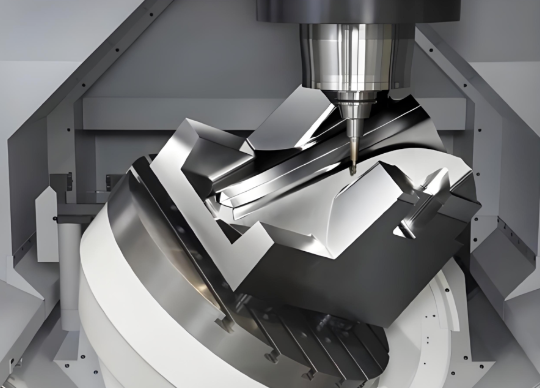
What does "custom" actually mean when you're working with a precision sheet metal fabrication LLC? The term gets applied loosely—sometimes referring to minor design modifications, other times describing entirely unique components built from scratch. Understanding how professional fabricators handle different production volumes helps you choose the right partner and set appropriate expectations for your project timeline and budget.
The reality is that custom sheet metal fabrication services span an enormous range. You might need a single prototype to validate a concept, a batch of 50 units for beta testing, or 10,000 identical components for full-scale production. Each scenario demands different approaches, equipment configurations, and cost structures.
Prototyping and Rapid Development Capabilities
Imagine you've designed a new enclosure for electronic equipment. Before committing to production tooling or large material orders, you need to verify that your design actually works—that components fit, assemblies align correctly, and the finished product performs as intended. This is where precision metal prototyping becomes invaluable.
According to Fictiv's manufacturing research, prototype fabrication uses standard production techniques such as bending, cutting, punching, and welding—resulting in functional parts that replicate key attributes of the final design. These prototypes support real-world testing for performance, durability, and assembly, enabling engineers to identify and resolve issues early.
What makes modern prototyping particularly powerful? Speed and fidelity. Today's sheet metal prototyping methods allow for rapid design changes and fast feedback, helping improve overall product quality. Industries such as automotive, aerospace, consumer electronics, and medical devices rely on this approach to develop accurate, optimized, and robust components.
Here's what a typical prototyping workflow includes:
- Design and CAD modeling: Creating detailed 3D models using CAD software, with precise control over dimensions and tolerances to identify potential interferences before cutting any metal
- Material matching: Using actual production-grade materials whenever possible—because substituting materials may mislead functional testing and compromise design validation
- Rapid cutting: Laser cutting and waterjet processes eliminate the need for expensive dies, reducing production time and costs while enabling intricate geometries
- Fast iteration: With advanced fabrication methods, prototype sheet metal parts can be produced within days, allowing engineers to make adjustments quickly and accelerate overall development cycles
For D&V precision sheet metal applications or precision steel Roanoke projects requiring rapid development, prototyping capabilities often determine whether you hit market windows or miss opportunities entirely.
Scaling from Single Units to Mass Production
Here's where many buyers encounter confusion: how does a fabricator transition from building one prototype to producing thousands of production units? The answer involves different equipment strategies, cost structures, and quality considerations at each scale.
Low-volume manufacturing occupies the middle ground between prototyping and mass production. According to RCO Engineering, low volume manufacturing is typically used for prototypes, custom products, or limited-edition runs. Low volume manufacturers generally have shorter lead times and can be more flexible with design changes than their high volume counterparts.
This flexibility comes with specific advantages:
- Lower upfront investment: No need for expensive production tooling or large material commitments
- Design flexibility: Changes can be implemented between production runs without scrapping tooling
- Market testing: Produce small quantities to gauge customer response before scaling up
- Risk reduction: Minimize financial exposure on unproven products
High-volume manufacturing becomes appropriate when demand justifies automation investments. As production quantities increase, fabricators shift toward optimized processes: dedicated tooling, automated material handling, and streamlined inspection protocols. The biggest advantage of high-volume manufacturing is speed—if you need a large number of products quickly, this approach delivers efficiency that low-volume methods cannot match.
However, high-volume production trades flexibility for efficiency. As DeWys Metal Solutions explains, transitioning from a prototype to full-scale production involves scaling up the fabrication process while maintaining precision and quality. Automation and advanced manufacturing technologies play a key role in this phase, allowing for the efficient and consistent production of metal parts.
Matching Fabrication Approach to Your Requirements
How do you determine which production scale fits your project? Consider these typical custom fabrication scenarios and their requirements:
- Concept validation (1-5 units): Focus on speed and material accuracy; tolerances can be slightly relaxed; ideal for proving design feasibility
- Functional prototypes (5-25 units): Full production tolerances required; parts must perform identically to final products; supports field testing and customer evaluations
- Pilot production (25-100 units): Validates manufacturing processes at scale; identifies assembly issues; trains production teams
- Low-volume production (100-1,000 units): Cost per unit decreases; minor tooling investments may be justified; design should be frozen
- High-volume production (1,000+ units): Maximum efficiency through automation; dedicated tooling; strict change control procedures
The equipment enabling this flexibility matters significantly. CNC laser cutters handle both prototypes and production runs without tooling changes. Press brakes with automatic tool changers reduce setup time between different part configurations. And modern CAD/CAM systems store programs for instant recall—whether you're reordering 10 units or 10,000.
Understanding where your project falls on this spectrum helps you communicate effectively with potential fabrication partners. But different industries have vastly different requirements for their precision metal components. Let's explore how fabricators serve specific sectors—from automotive and aerospace to medical devices and electronics.
Industries Served by Precision Fabricators
Different industries don't just need metal parts—they need metal parts engineered for wildly different environments and performance demands. A bracket supporting HVAC ductwork faces entirely different stresses than a component inside a jet engine or an enclosure protecting sensitive medical electronics. This is why precision sheet metal fabrication LLC partnerships matter: the right fabricator understands your industry's specific requirements and builds those considerations into every phase of production.
Let's explore how precision fabrication serves distinct sectors—and what makes each industry's requirements unique.
Automotive and Aerospace Component Requirements
When you're sourcing automotive sheet metal components, you're dealing with an industry that demands both precision and volume. Chassis brackets, structural reinforcements, heat shields, and mounting plates must meet exact specifications while remaining cost-effective at production scales often exceeding tens of thousands of units annually.
The automotive sector typically requires:
- Tolerances: ±0.1mm to ±0.25mm for structural components; tighter for assembly interfaces
- Materials: High-strength low-alloy steels, aluminum alloys, and stainless steel for exhaust and heat management applications
- Certifications: IATF 16949 compliance demonstrating automotive-specific quality management
- Volume flexibility: Capability to scale from prototype validation through mass production
Precision sheet metal for aerospace operates in an entirely different dimension of requirements. According to Premium Parts, aerospace sheet metal fabrication demands expertise and design knowledge to make and design effective components, as it comprises highly strict requirements for component making. The manufactured parts must match exactly the size, design, and functional aspects—satisfying rigorous standards for weight, functionality, and life cycle. Any change, no matter how small, must be avoided.
What makes aerospace fabrication particularly challenging? These components must endure extreme conditions. Fuselage panels, wing structures, engine brackets, and control surface components experience temperature extremes, pressure differentials, vibration, and fatigue cycling that would destroy lesser materials and assemblies.
Aerospace fabricators commonly work with:
- Aluminum alloys: Preferred for their exceptional strength-to-weight ratio and corrosion resistance
- Titanium: Selected for components subjected to severe internal heating and structural stress
- High-strength steel alloys: Used where maximum strength overrides weight considerations
The fabrication techniques employed reflect these demands. Laser cutting, waterjet cutting, and CNC machining dominate aerospace sheet metal fabrication because virtually all parts must have very exact and detailed cuts. Welding techniques like TIG and MIG welding ensure construction of solid permanent joints that aerospace operations will not damage.
Medical and Electronics Industry Applications
Medical equipment metal fabrication presents unique challenges that go beyond dimensional accuracy. Components destined for surgical instruments, diagnostic equipment, and implantable devices must meet biocompatibility requirements, withstand sterilization processes, and maintain absolute reliability where patient safety depends on performance.
According to Fotofab's medical design guide, custom fabricated stainless steel components serve applications including instruments and blades in autoclave stainless steel, filters and sieves for diagnostic and laboratory equipment, surgical needle threaders, sensor elements for monitoring devices, MRI systems, and dental and orthodontic appliances.
The precision requirements for medical fabrication often exceed other industries. Photochemical machining—a specialized process for medical components—can produce parts from metal sheets ranging in thickness from 0.0001 inch (0.0025mm) up to 0.1250 inch (3.175mm), with dimensional tolerances as tight as 10% of the metal thickness.
Electronics enclosure fabrication addresses different concerns entirely. Your precision fabricator must understand electromagnetic interference (EMI) shielding requirements, thermal management needs, and assembly integration with circuit boards and connectors. Shielding enclosures for attenuating components operate at frequencies ranging from a few hertz to over 50 GHz—and the metal selection directly impacts shield performance.
For electronics applications, material selection becomes particularly nuanced:
- Low-frequency shielding (below 15 MHz): Ferromagnetic metals like steel provide best attenuation through bulk material effects
- High-frequency shielding (above 15 MHz): Conductivity becomes dominant; copper alloys and aluminum perform well
- Solderable applications: Nickel silver (55% copper, 27% zinc, 18% nickel) offers inherent solderability without plating
HVAC and Industrial Machinery Applications
HVAC fabrication might seem less demanding than aerospace or medical work—but don't mistake different requirements for lower quality standards. Ductwork, housings, dampers, and equipment enclosures must perform reliably for decades while resisting corrosion, maintaining structural integrity under thermal cycling, and meeting building code requirements.
Industrial machinery components face their own demanding environment: exposure to oils, coolants, vibration, and mechanical stress. Precision fabrication for these applications emphasizes durability and serviceability alongside dimensional accuracy.
Industry Requirements Comparison
Understanding how requirements vary across sectors helps you evaluate whether a fabricator's experience aligns with your needs:
| Industry | Typical Components | Tolerance Requirements | Common Materials |
|---|---|---|---|
| Automotive | Chassis brackets, heat shields, mounting plates, structural reinforcements | ±0.1mm to ±0.25mm | HSLA steel, aluminum alloys, stainless steel |
| Aerospace | Fuselage panels, wing structures, engine brackets, control surfaces | ±0.05mm to ±0.15mm | Aluminum alloys, titanium, high-strength steel |
| Medical Equipment | Surgical instruments, device housings, diagnostic equipment frames, implant components | ±0.025mm to ±0.1mm | 316L stainless steel, titanium, nickel alloys |
| Electronics | EMI/RFI shields, enclosures, chassis, heat sinks, connectors | ±0.1mm to ±0.2mm | Aluminum, copper alloys, nickel silver, steel |
| HVAC | Ductwork, dampers, equipment housings, access panels | ±0.5mm to ±1.0mm | Galvanized steel, aluminum, stainless steel |
| Industrial Machinery | Machine guards, control panels, structural frames, covers | ±0.25mm to ±0.5mm | Carbon steel, stainless steel, aluminum |
Notice how tolerance requirements tighten dramatically as you move from industrial applications toward medical and aerospace work. This progression reflects both functional demands and the consequences of failure—a loose-fitting HVAC panel causes minor inefficiency, while an out-of-spec aerospace component can endanger lives.
When evaluating precision sheet metal fabricators, their industry experience tells you whether they understand your specific requirements. A shop experienced in HVAC fabrication may lack the quality systems and inspection capabilities required for aerospace work. Conversely, an aerospace-focused fabricator brings capabilities that might exceed—and unnecessarily increase costs for—less demanding applications.
But how do you verify that a fabricator actually delivers the quality they claim? The answer lies in understanding certifications, quality control processes, and inspection protocols—which we'll explore in the next section.
Quality Certifications and Control Processes
You've evaluated a fabricator's equipment, reviewed their industry experience, and examined sample components. But how do you actually verify that a precision sheet metal fabrication LLC delivers consistent quality—not just on showcase parts, but across every production run? The answer lies in understanding the certification frameworks and quality control processes that separate world-class fabricators from shops that merely claim precision capabilities.
Here's the reality: certifications aren't just logos on a website. Each standard represents documented processes, verified competencies, and third-party audited systems designed to guarantee specific quality outcomes. Knowing what these certifications actually require helps you match fabrication partners to your industry's demands.
Understanding Industry Certifications and Standards
When evaluating ISO 9001 certified metal fabrication suppliers, you're looking at the foundation of quality management. But what does this certification actually guarantee?
According to Qualityze, ISO 9001 is a set of international standards that defines requirements for an effective quality management system (QMS). ISO 9001 certified organizations demonstrate their ability to deliver high-quality products and services consistently while meeting customer and applicable regulatory requirements.
Beyond this baseline, specialized certifications address industry-specific demands:
- ISO 9001:2015: The universal quality management foundation. Requires organizations to define and follow a quality management system that is both appropriate and effective while identifying areas for improvement. Certification is handled by third-party auditors and tested annually.
- IATF 16949: Specified by The International Automotive Task Force, this standard defines QMS requirements specifically for the automotive industry. An IATF 16949 sheet metal fabricator must comply with both IATF 16949 and ISO 9001 requirements—demonstrating enhanced process controls, defect prevention, and reduction of variation and waste in the supply chain.
- AS9100: The aerospace industry equivalent, AS9100 precision fabrication certification addresses the unique demands of aviation, space, and defense manufacturing. According to Tempco Manufacturing, AS9100D 2016 certification benefits include rigorous documentation requirements, traceability protocols, and quality controls aligned with aerospace industry expectations.
- ISO 13485:2016: This medical device manufacturing standard ultimately allows manufacturers to display their quality management practices in a practical way while protecting consumers from medical devices that do not meet stringent quality requirements.
Why does this layered certification structure matter for your projects? Each standard builds additional requirements atop the ISO 9001 foundation. A fabricator holding only ISO 9001 certification may lack the specialized processes automotive or aerospace applications demand. Conversely, an AS9100-certified shop brings capabilities validated for the most demanding manufacturing environments.
Quality Control Checkpoints That Ensure Precision
Certifications establish the framework—but what actually happens on the production floor? Quality control metal fabrication involves specific inspection methods, measurement tools, and documentation practices that verify every component meets specifications.
According to IPQC, sheet metal parts must meet strict dimensional tolerances to function properly in their intended applications. The most commonly inspected dimensions include thickness, flatness, hole diameters, bend angles, and edge conditions. Modern measurement tools can detect variations as small as a few micrometers, ensuring compliance with engineering drawings.
Inspection methods employed by quality-focused fabricators include:
- Dimensional verification: Checking critical measurements including thickness, length, width, hole diameters, and bend angles using direct measurements combined with comparative analysis against CAD models
- Surface quality analysis: Evaluating finish quality to detect scratches, dents, pits, or other imperfections—ranging from visual examination to automated optical scanning
- Geometric tolerance assessment: Verifying form and position tolerances including flatness, straightness, circularity, and parallelism with micron-level precision
The measurement tools making this verification possible include:
- Coordinate Measuring Machines (CMMs): Precision instruments using touch probes to collect 3D coordinate data from parts, capable of measuring complex geometries with micron-level accuracy
- Laser scanners: Non-contact devices capturing complete surface data by projecting laser lines onto parts—ideal for free-form surfaces and flexible materials
- Optical comparators: Project magnified part profiles onto screens with overlay templates for rapid visual comparison of 2D contours, hole patterns, and edge conditions
- Automated vision systems: Camera-based inspection systems comparing parts to digital templates, providing high-speed solutions for production line quality checks
- Surface roughness testers: Specialized instruments quantifying surface texture using diamond-tipped stylus or optical methods
What separates adequate inspection from comprehensive quality control? Integration and documentation. As industry experts note, modern sheet metal inspection doesn't operate in isolation—it's integrated with the entire manufacturing process. In-process gauging provides real-time feedback to production equipment, enabling immediate adjustments. Statistical process control (SPC) software analyzes measurement data to identify trends and prevent defects before they occur.
Automated reporting systems generate inspection certificates and quality documentation, reducing paperwork and ensuring traceability. Cloud-based quality management systems allow access to inspection data across multiple facilities, supporting global quality standards and facilitating audits.
When you receive components from a certified precision fabricator, you should expect accompanying documentation: material certificates confirming alloy specifications, inspection records showing dimensional verification results, and compliance statements linking finished parts to applicable standards. This documentation trail isn't bureaucracy—it's your assurance that every component meets specifications and provides traceability if questions arise later.
Understanding certifications and quality processes gives you the knowledge to evaluate fabricators objectively. But knowing what to look for is only part of the equation—you also need practical strategies for comparing potential partners and identifying the right fit for your specific requirements.
How to Evaluate a Precision Fabrication Partner
You understand what precision fabrication means, which technologies deliver results, and what certifications actually guarantee. Now comes the practical challenge: how do you choose the right metal fabrication company from dozens of options claiming similar capabilities? The difference between a successful partnership and costly headaches often comes down to asking the right questions—and knowing how to interpret the answers.
Choosing a sheet metal fabrication vendor isn't just a purchasing decision. According to TMCO, it's a long-term investment in the performance and reliability of your products. The right partner will contribute engineering support, advanced technology, strong quality systems, and a collaborative approach that adds value beyond the metal itself.
Let's break down the precision fabrication partner criteria that separate exceptional vendors from those who simply process orders.
Essential Questions to Ask Potential Fabrication Partners
Before requesting quotes, you need to understand whether a fabricator can actually deliver what your project demands. These questions reveal capabilities that don't appear on websites or marketing brochures.
About Experience and Industry Knowledge:
- How long have you been fabricating complex metal parts—and can you share examples from similar applications?
- Do you have experience in my specific industry, and which standards or regulations govern your work?
- Can you provide references from customers with comparable requirements?
As industry experts note, experienced custom metal fabricators understand variations in metals—such as aluminum, stainless steel, carbon steel, and specialty alloys—and how each performs during cutting, forming, and welding. They also know how industry-specific standards affect tolerances, finishes, and inspections.
About In-House Capabilities:
- Which processes do you perform in-house versus outsourcing? What happens when you subcontract work?
- What cutting technologies do you operate—laser, plasma, waterjet? Which forming and welding methods are available?
- Do you offer finishing services including powder coating, anodizing, or plating?
- Can you handle assembly and integration, or do components ship separately?
Not all fabrication shops offer the same level of capability. Some only cut metal, while others outsource machining, finishing, or assembly—which can lead to delays, communication gaps, and inconsistencies in quality. Full-service, integrated facilities streamline the entire process under one roof, providing tighter control over production and faster turnaround times.
About Engineering Support:
- Do you offer Design for Manufacturability (DFM) analysis before production begins?
- Can your engineers recommend material substitutions or design modifications that reduce cost without sacrificing performance?
- What CAD file formats do you accept, and can you work from incomplete drawings if necessary?
- Do you provide prototyping services to validate designs before full production?
Successful fabrication doesn't begin at the machine—it begins with engineering. A reliable fabricator will collaborate with you early in the process, reviewing drawings, CAD files, tolerances, and functional requirements.
Red Flags and Green Lights in Vendor Evaluation
Beyond direct questions, pay attention to behavioral signals during the metal fabrication RFQ process. How a company handles inquiries often predicts how they'll handle your production.
Green Lights—Signs of a Quality Partner:
- Responsive communication: According to York Sheet Metal, when you call or email your supplier, response time and quality matter. A quality partner returns inquiries promptly with substantive answers—not generic acknowledgments.
- Proactive problem identification: Before quoting, they review your drawings and flag potential manufacturability issues. This early collaboration prevents costly surprises during production.
- Realistic commitment dates: The real key is suppliers that hit the dates they commit to. At times you want your supplier to push back on your due dates when they cannot meet them. Having that openness and trust is at the heart of any good supplier-customer relationship.
- Willingness to take on challenges: A true partnership requires both trust and the ability to take risks. Growing your business means incorporating new materials or technologies—find a supplier willing to innovate alongside you.
- Accountability for mistakes: When things don't go as planned, does your fabricator take responsibility and work to improve? Accountability is the foundation of trust that underpins every strong relationship.
Red Flags—Warning Signs to Heed:
- Vague answers about capabilities: If they can't clearly explain their equipment, tolerances, or processes, they may lack the expertise your project requires
- No questions about your application: A precision fabricator should want to understand how your components will be used—not just process drawings blindly
- Aggressive pricing without justification: According to supply chain experts, the number at the bottom of the quote is not the whole story. If pricing seems too good to be true, dig deeper—are they skipping inspection steps, using inferior materials, or planning to outsource critical operations?
- Resistance to facility visits or reference calls: Confident fabricators welcome scrutiny; those hiding problems avoid it
- Missing or outdated certifications: Certifications expire; verify currency and scope directly with issuing bodies when projects demand compliance
The Critical Role of DFM Support
Design for Manufacturability isn't just an engineering buzzword—it's often the difference between cost-effective production and budget-busting revisions. When evaluating how to choose a metal fabrication company, prioritize those offering genuine DFM consultation.
What does effective DFM support look like in practice?
- Material optimization: Recommending gauge adjustments or alloy substitutions that maintain performance while reducing cost
- Tolerance consultation: Identifying where tight tolerances genuinely matter versus where relaxed specs save money without functional impact
- Design refinement: Suggesting bend radius modifications, hole placement adjustments, or feature consolidation that simplifies fabrication
- Nesting efficiency: Reviewing designs to maximize material utilization and minimize waste
As JC Metalworks explains, engineers dedicated to value engineering don't just fabricate—they work with you to optimize designs for manufacturability, potentially reducing costs and improving production efficiency.
Evaluating Turnaround and Scalability
Your ideal partner must support both current needs and future growth. Evaluate whether the fabricator can scale production from prototypes to full production runs without sacrificing quality.
Key considerations include:
- Quote turnaround time: How quickly can they provide accurate pricing? Responsive quoting processes indicate operational efficiency
- Prototype capabilities: Can they produce validation parts within days rather than weeks?
- Production flexibility: Are they equipped to handle both low-volume custom runs and high-volume production when demand grows?
- Communication transparency: Will they provide clear timelines, project updates, and realistic expectations throughout production?
Transparent communication is equally critical to turnaround capability. A reliable fabricator will provide clear timelines and keep projects aligned from start to finish. Strong communication prevents costly surprises.
Armed with these evaluation criteria, you're positioned to identify fabrication partners who deliver genuine precision rather than just claiming it. But even the best fabricator relationship deepens when they offer comprehensive engineering support—helping optimize your designs before production begins.
Engineering Support and Design Optimization Services
You've identified a fabrication partner with the right equipment and certifications. But here's a question that separates good partnerships from exceptional ones: does your fabricator simply execute your designs, or do they actively help optimize them? The difference often determines whether your project comes in on budget—or spirals into costly revisions and production delays.
According to Fictiv's manufacturing research, product design determines roughly 80% of manufacturing cost. While the reality is nuanced, the core principle holds true: once a design is finalized, engineers have much less flexibility to reduce costs or simplify production. This is precisely why DFM support metal fabrication services matter—they catch cost drivers before they become embedded in your production process.
Top-tier precision fabricators function as extensions of your engineering department, bringing manufacturing expertise that most design teams lack. Let's explore how this collaborative approach transforms outcomes.
The Value of Design for Manufacturability Support
What exactly happens during DFM analysis? It's more than a cursory review of your drawings. Effective design for manufacturability sheet metal support involves systematic evaluation across multiple dimensions.
As Dalsin Industries explains, engineering support fabrication services encompass DFM design for manufacturing and manufacturability, design for cost reduction opportunities and best cost solutions, and design for optimization, reliability, and maintainability. This comprehensive approach considers ease of assembly, fabrication techniques, and advanced manufacturing methods throughout the design process.
Core elements of professional DFM support include:
- Tolerance optimization: Identifying where tight tolerances genuinely affect function versus where relaxed specifications reduce machining time and inspection requirements without compromising performance
- Material selection guidance: Recommending alloys that balance performance requirements with processability and cost—sometimes suggesting standard grades that reduce lead times
- Geometry refinement: Flagging features that complicate fabrication—sharp internal corners that require secondary operations, thin unsupported walls prone to distortion, or bend radii that risk cracking
- Process alignment: Ensuring designs match available manufacturing capabilities, preventing costly surprises when production begins
According to DFM best practices, one of the biggest pitfalls is specifying tolerances tighter than necessary. While essential in areas such as mating surfaces, sealing features, or alignment points, over-specifying tolerances elsewhere increases machining time, costs, and inspection steps—potentially requiring more precise measuring equipment and higher rejection rates for parts that would still function appropriately.
For DFM to be most effective, it should be integrated at the earliest stages of product development, well before tooling or production starts. It requires close collaboration between engineers, designers, manufacturers, material suppliers, and even toolmakers and machinists.
Collaborative Engineering That Reduces Costs
Imagine you've designed a component that looks perfect in CAD. Your fabrication partner reviews it and identifies three issues: an internal corner that requires expensive EDM processing, a tolerance callout that doubles inspection time, and a material specification that extends lead time by three weeks. Without collaborative engineering, you'd discover these problems after tooling is cut or production has begun—when changes cost ten times more to implement.
According to Northstar Metal, effective collaboration allows for the exchange of ideas and sharing of knowledge, leading to innovative solutions and improved design accuracy. By leveraging each team member's specialized skills and experience, complex sheet metal projects can be efficiently executed.
Metal fabrication cost optimization through collaborative engineering delivers measurable benefits:
- Reduced production costs: Optimizing part designs for efficient manufacturing enhances profitability and allows for more competitive pricing
- Accelerated time-to-market: Identifying and solving design challenges during initial stages helps avoid production delays caused by unforeseen issues
- Minimized tooling requirements: Aligning designs with available manufacturing capabilities can reduce or eliminate the need for custom tooling or complex fixtures
- Improved quality consistency: Designing parts that are easier to manufacture consistently results in higher yield rates and less variability
- Seamless scalability: Products designed with standard components and high-volume constraints in mind can ramp up production without quality compromises
Modern fabricators leverage advanced tools to deliver these benefits efficiently. AI-powered simulations and virtual prototyping tools allow engineers and fabricators to visualize and test different designs and manufacturing scenarios before actual production begins. This virtual environment provides a common platform for iterative design improvements and feedback—finding potential issues early so teams can collaborate to optimize designs, reducing costly rework and minimizing time-to-market.
Engineering Support in Practice: Automotive Applications
The value of comprehensive DFM support becomes particularly evident in demanding industries like automotive manufacturing. Chassis brackets, suspension components, and structural assemblies require precise tolerances, validated materials, and production processes that scale efficiently from prototypes to mass production.
Consider the challenge automotive engineers face: you need to validate a new component design quickly, then scale to thousands of units without quality degradation. This requires a fabrication partner offering both rapid prototyping capabilities and production-ready infrastructure.
Companies like Shaoyi (Ningbo) Metal Technology exemplify this integrated approach, offering 5-day rapid prototyping alongside automated mass production capabilities. Their comprehensive DFM support helps automotive engineers optimize designs before production commitment, while IATF 16949 certification ensures quality systems aligned with automotive industry requirements. Features like 12-hour quote turnaround enable faster decision-making during development cycles—critical when market timing determines competitive success.
This combination of engineering collaboration and production capability reflects what to seek in any precision fabrication partner: not just manufacturing capacity, but genuine partnership in optimizing your designs for cost, quality, and manufacturability.
Building Effective Engineering Partnerships
How do you maximize value from engineering support services? The key lies in early engagement and open communication.
According to industry experts, strategic materials management teams and supply chain partners should be brought into the process early to gain their input and expertise to streamline commercialization. This early involvement prevents the costly cycle of design-build-revise-rebuild that plagues projects where manufacturing input comes too late.
Practical steps for maximizing engineering collaboration:
- Share application context: Explain how components will function, what stresses they'll encounter, and which dimensions are truly critical—versus those that could be relaxed
- Provide complete design intent: Include assembly drawings, tolerance stack-up analyses, and functional requirements alongside individual part drawings
- Request material recommendations: Ask which alloys your fabricator works with regularly and whether alternatives might reduce cost or lead time
- Discuss volume projections: Future production quantities affect design decisions—features acceptable for 100 units may require modification for 10,000
- Establish feedback loops: Create channels for ongoing communication so manufacturing insights flow back to your design team throughout the project lifecycle
As collaboration research indicates, clear and open lines of communication ensure that everyone involved in the project understands the desired outcome, specific requirements, and any revisions or adjustments along the way. Regular coordination meetings, design reviews, and real-time feedback loops facilitate seamless collaboration, enabling teams to stay aligned and make necessary adjustments promptly.
The investment in collaborative engineering pays dividends throughout the product lifecycle—not just in initial production costs, but in reduced field failures, simplified service, and designs that scale gracefully as demand grows. This partnership approach positions your projects for success from the earliest design stages through full-scale manufacturing.
Moving Forward with Precision Manufacturing
You've journeyed through the complete landscape of precision sheet metal fabrication—from understanding what makes fabrication truly precision-grade to evaluating partners who can deliver on demanding specifications. But manufacturing technology never stands still. The future of precision metal fabrication is being shaped right now by advances that will redefine what's possible, affordable, and efficient.
Understanding where the industry is heading helps you make smarter decisions today—choosing partners and technologies positioned to support your evolving needs rather than becoming obsolete.
Emerging Trends Shaping Precision Fabrication
What's transforming precision fabrication as we move deeper into 2025? According to industry research, automation is no longer a luxury—it's a modern necessity for metal fabrication, aiming to optimize production and reduce costs. Smart manufacturing systems are revolutionizing the industry by integrating AI and robotics, delivering unparalleled precision and efficiency.
Automated sheet metal manufacturing is accelerating through several key technologies:
- Robotic welding systems: Using artificial intelligence for real-time defect detection, these systems decrease errors and minimize material waste while maintaining consistent quality across thousands of production units
- Intelligent press brakes: Offering precision bending processes with automatic angle measurement and correction, improving first-part accuracy and reducing setup times
- AI-powered quality control: According to Makerverse, AI-driven systems monitor cutting, bending, and forming operations in real-time, detecting deviations or potential defects before they compromise the final product
- 24/7 automated production lines: Enabling faster turnaround times and increased capacity, allowing manufacturers to respond quickly to customer demands and market changes
Beyond automation, precision fabrication technology trends include significant advances in materials and sustainability. Industry analysts note that the metal fabrication landscape is being reshaped by the demand for advanced materials and customized solutions. Better materials offer enhanced performance, improved application-specific functionality, and support for high-precision industries like aerospace, automotive, and medical devices.
Material innovations driving advanced metal fabrication solutions include:
- High-strength aluminum alloys: According to fabrication research, these alloys are used in automotive and aerospace applications where weight efficiency is critical
- Corrosion-resistant steel alloys: Perfect for construction, infrastructure, and marine applications where environmental exposure demands durability
- Advanced composites and hybrid materials: Enabling manufacturers to produce parts meeting specific performance requirements with greater design flexibility
The integration of Industry 4.0 principles continues reshaping precision fabrication operations. According to EVS Metal's analysis, Industry 4.0 has transitioned from competitive advantage to competitive necessity. Manufacturers operating without data-driven decision making, predictive maintenance, and process optimization increasingly struggle to compete on cost, quality, and delivery performance.
Generative AI represents perhaps the most significant recent development. AI models now analyze production history and recommend changes that reduce cycle time, improve quality, and minimize waste—suggesting parameter adjustments, tooling changes, or workflow modifications based on patterns across comparable jobs.
Taking Your Next Step Toward Quality Manufacturing
Throughout this guide, you've gained comprehensive knowledge about precision sheet metal fabrication—from technical fundamentals through partner evaluation strategies. Here's what to remember as you move forward with your manufacturing projects:
- Precision matters: The difference between ±0.005" tolerances and ±1/16" tolerances determines whether your components fit, function, and perform as intended—especially for aerospace, medical, and automotive applications
- Technology selection drives outcomes: Matching cutting methods (laser, plasma, waterjet) to your material, thickness, and tolerance requirements prevents costly mismatches between design intent and manufacturing reality
- Quality systems aren't optional: Certifications like ISO 9001, IATF 16949, and AS9100 represent verified capabilities—not marketing claims. Validate certifications and understand what each standard actually guarantees
- Engineering collaboration reduces costs: Engaging fabrication partners early in design phases leverages their manufacturing expertise, preventing expensive revisions after production begins
- Scalability requires planning: Your ideal partner should support everything from rapid prototyping through high-volume production without sacrificing quality or responsiveness
- Communication transparency matters: How potential partners handle inquiries predicts how they'll handle your production—responsive, proactive communication signals operational excellence
For readers specifically seeking precision fabrication for automotive supply chain applications, finding the right partner means identifying capabilities that span the complete product lifecycle. Rapid prototyping validates designs quickly; IATF 16949 certification ensures automotive-grade quality systems; comprehensive DFM support optimizes components before production commitment.
Manufacturers like Shaoyi (Ningbo) Metal Technology exemplify this integrated approach for automotive applications—combining 5-day rapid prototyping with automated mass production, IATF 16949-certified quality systems, and 12-hour quote turnaround that keeps development cycles moving. When chassis, suspension, and structural component requirements demand both precision and speed, such comprehensive capabilities become essential selection criteria.
Whether your next project involves prototype validation, low-volume production, or high-volume manufacturing, the knowledge you've gained positions you to evaluate fabrication partners objectively—asking the right questions, recognizing genuine capabilities, and building partnerships that deliver flawless components from raw design through final delivery.
The precision sheet metal fabrication industry continues evolving. Partners who invest in automation, embrace collaborative engineering, and maintain rigorous quality systems will help you navigate whatever challenges emerge. Your success depends on choosing wisely—and now you have the framework to do exactly that.
Frequently Asked Questions About Precision Sheet Metal Fabrication
1. What is precision sheet metal fabrication?
Precision sheet metal fabrication is the process of manufacturing sheet metal parts and components to meet extremely high accuracy standards, typically within tolerances of ±0.005" to ±0.010" (±0.13mm to ±0.25mm). This involves advanced CNC equipment, laser cutting, specialized forming techniques, and rigorous quality control systems. Unlike standard fabrication, precision-grade work requires integrated quality management, material expertise understanding spring-back and thermal properties, and inspection protocols that verify dimensional accuracy across thousands of production units.
2. How much does metal fabrication cost per hour?
Metal fabrication costs typically range between $70 and $130 per hour for local welders and fabricators. However, precision sheet metal fabrication may command higher rates due to specialized equipment, tighter tolerances, and advanced quality control requirements. Factors affecting cost include material type, complexity of design, tolerance specifications, volume requirements, and finishing services needed. Engaging fabricators early for DFM analysis can reduce overall project costs by optimizing designs before production begins.
3. Is sheet metal fabrication a good trade?
Sheet metal fabrication offers a rewarding career path with diverse opportunities. The trade combines technical skills with problem-solving, allowing progression from basic cutting and forming to advanced CNC programming, quality inspection, and engineering support roles. Industries including automotive, aerospace, medical devices, and electronics rely heavily on skilled fabricators. As automation advances, professionals who master both traditional techniques and modern technologies like CAD/CAM systems and robotic welding find themselves in high demand.
4. What certifications should I look for in a precision sheet metal fabricator?
Key certifications depend on your industry requirements. ISO 9001:2015 provides the foundation for quality management systems. IATF 16949 certification is essential for automotive applications, demonstrating enhanced process controls and defect prevention. AS9100 certification validates aerospace-grade capabilities with rigorous documentation and traceability protocols. ISO 13485:2016 applies to medical device manufacturing. Always verify certification currency directly with issuing bodies, as certifications expire and must be renewed through third-party audits.
5. How do I choose the right cutting technology for my project?
Technology selection depends on material type, thickness, tolerance requirements, and budget. Fiber lasers excel for thin to medium gauge metals and reflective materials with precision of ±0.1mm to ±0.25mm. CO2 lasers work well for non-metals and thicker materials. Plasma cutting suits thick conductive metals when speed matters more than ultra-fine precision. Waterjet cutting is ideal for heat-sensitive materials and composites, offering precision comparable to laser without thermal distortion. Consult your fabrication partner to match technology to your specific application requirements.