 Small batches, high standards. Our rapid prototyping service makes validation faster and easier —
  EN
EN


Metal Bracket Fabrication Decoded: From Raw Steel To Finished Part
Understanding Metal Bracket Fabrication Fundamentals
Ever wondered how that TV stays securely mounted to your wall? Or how servers remain neatly organized in data center cabinets? The answer often comes down to one seemingly simple component: the metal bracket. These unsung heroes of engineering are everywhere, yet few people truly understand how they're made.
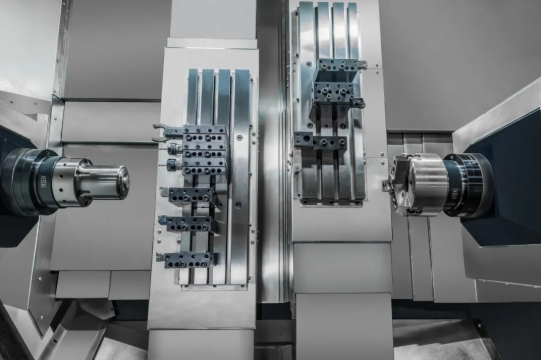
Metal bracket fabrication is the manufacturing process of creating structural support components from sheet metal or metal stock through cutting, bending, forming, and finishing operations.
This definition captures the essence of bracket fabrication, but the reality involves much more nuance. Whether you're dealing with a simple L-shaped corner brace or a complex custom metal bracket for aerospace applications, the fundamental processes remain consistent. Raw material transforms into functional hardware through precise manufacturing steps that determine the final product's strength, durability, and performance.
What Metal Bracket Fabrication Actually Means
At its core, metal brackets serve four essential functions: providing support, fixing positions, connecting components, and withstanding loads, vibrations, or stresses. The fabrication process typically begins with flat sheet metal stock, usually less than 6mm thick, which undergoes transformation through a series of operations.
Think of it this way: you start with a flat piece of steel or aluminum, and through cutting, bending, and sometimes welding, you end up with metal support brackets ready for installation. The geometry of these brackets metal components, whether L-shaped, U-shaped, or Z-shaped, is carefully engineered to distribute loads and provide structural integrity.
Why Fabrication Knowledge Matters for Your Projects
Understanding fabrication methods isn't just academic, it's practical knowledge that directly impacts your projects. For engineers, knowing how brackets are made helps optimize designs for manufacturability. Procurement specialists benefit by evaluating suppliers more effectively and understanding cost drivers. Manufacturers gain insights into quality control and material selection.
Consider these key reasons to understand the process:
- Better communication with fabrication partners about design requirements
- More accurate cost estimation based on manufacturing complexity
- Improved design decisions that reduce production time and waste
- Smarter material selection for specific environmental conditions
When you need a metal mount solution for industrial equipment or custom metal brackets for architectural applications, this foundational knowledge helps you ask the right questions and make informed decisions. The following sections will walk you through everything from bracket types and fabrication methods to material selection and finishing options.
Types of Metal Brackets and Their Applications
Now that you understand what metal bracket fabrication involves, let's explore the different types of metal brackets you'll encounter. Each configuration serves specific purposes, and choosing the right one can mean the difference between a rock-solid installation and a structural failure. The geometry of a bracket isn't just about aesthetics; it directly determines how forces distribute through the component and into connected structures.
Common Bracket Configurations and Their Geometry
Think of bracket types like tools in a toolbox. You wouldn't use a hammer when you need a screwdriver, right? The same principle applies here. Each bracket shape handles loads differently and excels in particular situations.
L-Brackets are perhaps the most recognizable configuration. These right-angle components connect two perpendicular surfaces, making them ideal for corner reinforcement. You'll find them everywhere, from kitchen cabinet installations to heavy-duty metal frame brackets in construction. The 90-degree angle distributes load evenly between both connected surfaces, providing excellent stability for shelf supports and structural joints.
Z-Brackets feature an offset design that creates a stepped connection between surfaces. Imagine you need to mount a panel slightly away from a wall to accommodate wiring or insulation. That's where Z-brackets shine. They're commonly used in metal wall bracket applications where offset mounting is essential, particularly in electrical enclosures and HVAC systems.
U-Brackets (sometimes called channel brackets or metal C brackets) wrap around components to provide support on multiple sides. Picture how they cradle pipes or secure cylindrical objects. Their channel-like shape distributes load across a wider surface area, making them excellent for supporting heavy linear elements.
Angle Brackets connect two structural elements at various angles, not just 90 degrees. While similar to L-brackets, they offer more flexibility in the connection angle. Engineers rely on these for perpendicular connections in beam-to-column joints and truss assemblies where precise angular alignment matters.
Flat Brackets (metal brackets flat) provide straightforward surface-to-surface connections. They're essentially reinforced plates with mounting holes, used when you need to join two parallel components or add strength to a joint without changing the geometry of the connection.
Mounting Brackets are purpose-built for equipment attachment. These metal mounting brackets often feature specialized hole patterns, slots, or integrated hardware designed for specific devices. From TV mounts to industrial machinery supports, they're engineered to handle both static loads and dynamic forces.
Matching Bracket Types to Application Requirements
Selecting the right bracket type depends on several factors: the load direction, connection geometry, environmental conditions, and aesthetic requirements. Metal bracing brackets used in construction face different demands than decorative brackets in furniture applications.
Here's a quick reference to help you match bracket types with common applications:
| Type | Shape Description | Primary Applications | Load Characteristics |
|---|---|---|---|
| L-Bracket | Two perpendicular flanges forming a 90-degree angle | Corner reinforcement, shelf supports, cabinet installation, structural joints | Handles shear and tensile loads; distributes force equally between surfaces |
| Z-Bracket | Stepped offset design with parallel end flanges | Offset panel mounting, electrical enclosures, facade systems, HVAC installation | Manages offset loads; provides standoff distance while maintaining rigidity |
| U-Bracket | Channel shape wrapping three sides | Pipe supports, cable management, beam connections, automotive chassis | Cradles cylindrical objects; distributes load across wider contact area |
| Angle Bracket | Variable-angle connection between two planes | Beam-to-column joints, truss assemblies, furniture framing | Transfers loads between angular connections; resists rotational forces |
| Flat Bracket | Planar reinforcement plate with mounting holes | Surface splicing, joint reinforcement, panel connections | Provides tensile strength; reinforces existing joints without geometry change |
| Mounting Bracket | Application-specific design with custom features | Equipment attachment, TV/monitor mounts, machinery supports, sensor housings | Engineered for specific static and dynamic load requirements |
In construction, you'll frequently see L-brackets and angle brackets reinforcing wooden framing, while U-brackets support mechanical systems like ductwork and plumbing. The automotive industry relies heavily on custom mounting brackets for chassis components, suspension systems, and body panels. Furniture manufacturers prefer different types of metal brackets that balance strength with visual appeal.
Industrial applications often demand the most rigorous bracket specifications. A metal mounting bracket supporting a 500-pound motor faces constant vibration, thermal cycling, and potentially corrosive environments. In these cases, bracket geometry works hand-in-hand with material selection and finishing to ensure long-term performance.
Understanding these configurations prepares you for the next critical decision: choosing the right fabrication method for your specific bracket design.
Fabrication Methods Compared for Bracket Manufacturing
So you've identified the bracket type you need. Now comes an equally important question: how should it be made? The fabrication method you choose directly impacts cost, quality, lead time, and even design possibilities. Surprisingly, many buyers overlook this decision, yet it often determines whether a project stays on budget or spirals into costly redesigns.
Four primary methods dominate bracket production: stamping, CNC machining, laser cutting, and press brake bending. Each brings distinct advantages depending on your volume requirements, tolerance specifications, and budget constraints. Let's break down when each method delivers optimal results.
Stamping vs CNC Machining for Bracket Production
Imagine you need 50,000 identical sheet metal brackets for an automotive assembly line. Would you machine each one individually? That would be financially devastating. This is precisely where stamping becomes your best friend.
Stamping uses hardened dies to cut and form metal at remarkable speeds. Progressive stamping systems can achieve up to 1,000 strokes per minute, producing fabricated brackets with exceptional consistency. The catch? Tooling investment ranges from $5,000 to $50,000 depending on part complexity. However, once that investment is made, per-part costs can drop below $0.50 for simple geometries.
Here's what makes stamping ideal for high-volume bracket production:
- Speed: Cycle times as low as 0.06 seconds per part
- Consistency: Reject rates typically under 2% with automated systems
- Material efficiency: Up to 85-95% yield with optimized nesting
- Labor savings: One operator can oversee multiple press lines
However, stamping has limitations:
- High upfront tooling costs make it impractical for low volumes
- Design changes require new or modified dies
- Complex internal geometries may not be achievable
- Lead time for die production can extend project timelines
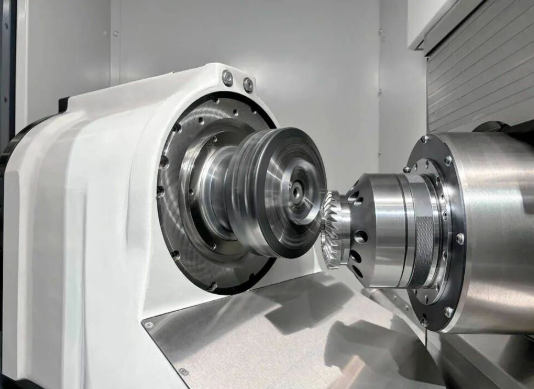
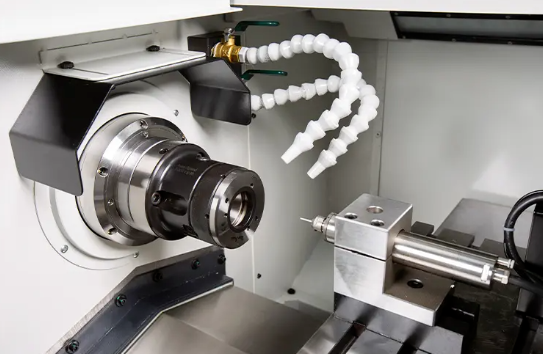
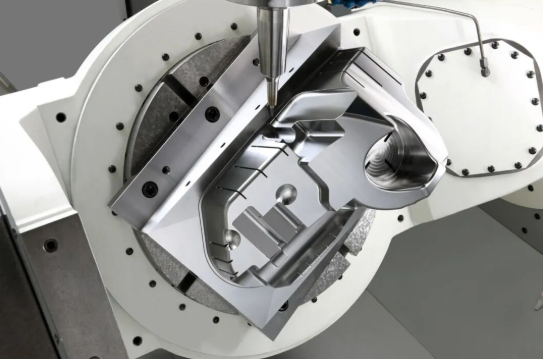
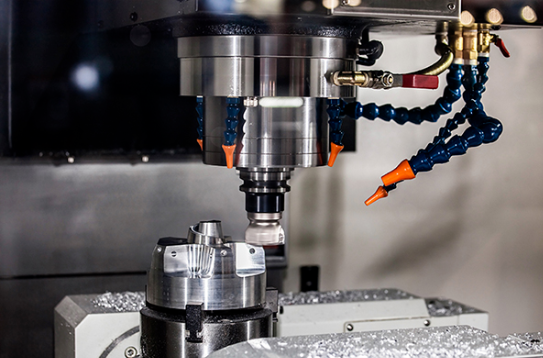
CNC Machining takes the opposite approach. A bracket machine using CNC technology removes material from solid stock or plate to create precise geometries. There's no tooling investment comparable to stamping dies, making it economical for prototypes and low-to-medium volume production.
CNC machining excels when you need:
- Tight tolerances (±0.01mm achievable)
- Complex three-dimensional features
- Quick design iterations without tooling delays
- Small quantities (typically under 1,000 pieces)
The tradeoff? Per-unit costs range from $5 to $50 or higher, making CNC machining roughly 10-100 times more expensive per part than stamping at high volumes. For a roll steel bracket or metal mounting bracket requiring extreme precision and low quantities, however, machining often makes perfect economic sense.
Laser Cutting and Forming Techniques Explained
Between the extremes of high-volume stamping and precision machining sits laser cutting, a versatile method that bridges prototyping and production.
Laser Cutting uses focused light energy to slice through sheet metal with exceptional accuracy. Modern fiber lasers cut intricate profiles in seconds, making them ideal for brackets with complex cutouts, curves, or tight tolerances on flat features. When you need a curved metal bracket or intricate mounting pattern, laser cutting delivers without expensive tooling.
Advantages of laser cutting for bracket fabrication:
- No tooling required: Design changes are simply software updates
- Excellent edge quality: Minimal burrs reduce secondary finishing
- Flexibility: Switch between designs instantly
- Speed: Faster than CNC machining for flat profile work
- Cost-effective: Per-unit costs typically $2-$10 for low-to-medium volumes
Limitations include:
- Only handles flat cutting (no 3D forming)
- Material thickness limits (typically under 25mm for steel)
- Heat-affected zones may require consideration for critical applications
Press Brake Bending transforms flat laser-cut or sheared blanks into three-dimensional brackets. A press brake applies controlled force using a punch and die set to create precise bends along defined lines.
According to industry standards, press brake forming accommodates everything from light-gauge steel to heavy plate over an inch thick. Three primary techniques shape brackets:
- Air bending: The most common method, offering flexibility in angle variation using three contact points
- Bottoming: Higher force pressing steel into the die for more accurate angles
- Coining: Maximum pressure creates permanent bends with the tightest tolerances
CNC press brakes have revolutionized forming operations. Computer-controlled programming enables precise, repeatable bends and complex multi-step sequences while reducing setup times. For structural steel brackets, support angles, and custom framing components, press brake forming remains indispensable.
Press brake advantages:
- Handles wide range of material thicknesses
- Excellent for both prototyping and production runs
- CNC control ensures repeatability across large batches
- Lower tooling costs than stamping for varied bend requirements
Limitations to consider:
- Skilled operators essential for complex geometries
- Cycle time slower than progressive stamping
- Springback compensation requires expertise
Many bracket projects combine multiple methods. A typical workflow might involve laser cutting the flat profile, press brake forming the bends, and bracket welding for multi-piece assemblies. This hybrid approach balances cost, precision, and flexibility.
Understanding these fabrication options prepares you for smarter conversations with manufacturers. But method selection is only half the equation. The material you choose, whether steel, stainless steel, or aluminum, fundamentally shapes both the fabrication approach and final bracket performance.
Material Selection Guide for Metal Brackets
You've chosen your bracket type and identified the best fabrication method. Now comes a decision that will determine how your brackets perform for years to come: material selection. Pick the wrong metal, and you'll face premature corrosion, structural failure, or budget overruns. Choose wisely, and your steel brackets will deliver reliable service through demanding conditions.
The three dominant materials in bracket fabrication, carbon steel, stainless steel, and aluminum, each bring distinct properties to the table. Understanding these differences helps you balance performance requirements against cost constraints.
Steel vs Stainless Steel vs Aluminum Selection Criteria
Let's start with the most common choice: carbon steel. When you see steel metal brackets in construction, machinery, or furniture, you're typically looking at cold-rolled carbon steel. Why is it so popular? Simple: it offers the best strength-to-cost ratio available.
Carbon steel delivers high tensile strength, making it ideal for heavy-duty structural applications. A flat steel bracket supporting industrial equipment can handle significant loads without material deformation. The tradeoff? Poor corrosion resistance. Without protective coatings like galvanizing or powder coating, carbon steel rusts quickly in humid or outdoor environments. For indoor applications or properly finished components, however, it remains the economical workhorse of bracket fabrication.
Stainless steel steps in when corrosion becomes a concern. Grades like 304 and 316 stainless offer excellent resistance to moisture, chemicals, and temperature extremes. A stainless steel bracket exposed to rain, saltwater, or cleaning chemicals will maintain its integrity far longer than uncoated carbon steel.
The premium you pay for stainless, typically 3-5 times the cost of carbon steel, buys you durability and reduced maintenance. Stainless steel mounting brackets are standard in food processing, medical equipment, marine applications, and outdoor architectural installations. The material retains strength at elevated temperatures and resists bacterial growth, making it essential for sanitary environments.
Aluminum takes a different approach entirely. When weight matters more than maximum strength, aluminum brackets deliver. Weighing roughly one-third as much as steel, aluminum excels in aerospace, transportation, and portable equipment applications. It also offers natural corrosion resistance without additional coatings.
According to industry fabrication experts, aluminum is easier to machine and form than steel, potentially reducing manufacturing costs. However, its lower strength means thicker sections may be required to achieve equivalent load capacity, partially offsetting weight savings in some designs.
| Material Type | Strength Rating | Corrosion Resistance | Weight Factor | Cost Level | Best Applications |
|---|---|---|---|---|---|
| Carbon Steel | High | Poor (requires coating) | Heavy | Low | Indoor structures, machinery frames, furniture, coated outdoor brackets |
| Stainless Steel (304) | Very High | Excellent | Heavy | High | Food equipment, medical devices, outdoor installations, marine environments |
| Stainless Steel (316) | Very High | Superior (chloride resistant) | Heavy | Very High | Chemical processing, coastal applications, pharmaceutical equipment |
| Aluminum (6061) | Moderate | Excellent | Light | Medium | Aerospace, transportation, electronics enclosures, weight-sensitive assemblies |
| Galvanized Steel | High | Very Good | Heavy | Low-Medium | Construction, pipeline supports, outdoor structural brackets |
Material Requirements for Specialized Environments
Certain applications demand more than just picking a material from a catalog. Food-grade equipment, for instance, requires brackets steel components that meet strict sanitary standards. The FDA and USDA mandate specific material and finish requirements to prevent bacterial contamination and ensure cleanability.
For food processing environments, stainless steel (typically 304 or 316 grades) is virtually mandatory. But material selection alone isn't enough. Surface finish matters tremendously. Rough surfaces trap bacteria and food particles, so food-grade brackets require smooth, polished finishes, often electropolished to a mirror-like surface that resists microbial adhesion.
Key considerations for specialized environments include:
- Food and beverage: 304 or 316 stainless steel with electropolished or #4 brushed finish; no crevices or weld spatter
- Marine and coastal: 316 stainless steel for chloride resistance; aluminum with anodized coating as alternative
- Chemical processing: 316L stainless or specialty alloys; verify compatibility with specific chemicals
- High-temperature: Stainless steel retains strength above 500°F; aluminum loses significant strength above 300°F
- Outdoor/weathering: Galvanized steel, powder-coated carbon steel, or naturally corrosion-resistant materials
Don't overlook galvanized steel as a practical middle ground. Hot-dip galvanizing provides excellent rust protection at a fraction of stainless steel's cost. For construction brackets, pipeline supports, and outdoor structural applications, galvanized steel offers decades of service life with minimal maintenance.
Your material choice also influences fabrication method selection. Aluminum's workability makes it ideal for complex formed shapes, while high-strength steel may require more powerful equipment and specialized tooling. Stainless steel work-hardens during forming, demanding careful attention to bend sequences and radii.
With material selected, the next step is understanding how these choices flow through the complete fabrication process, from initial design through final quality inspection.
The Complete Bracket Fabrication Process Explained
You've selected your bracket type, chosen the right fabrication method, and identified the ideal material. But how does a flat piece of sheet metal actually transform into a finished metal bracket ready for installation? Understanding this journey helps you communicate more effectively with fabricators, anticipate potential issues, and optimize your designs for cost and quality.
The bracket construction process follows a logical sequence, with each stage building on the previous one. Skip a step or get the order wrong, and you'll end up with scrap metal instead of precision components. Let's walk through the complete workflow that turns raw stock into custom sheet metal brackets.
From Design File to Finished Bracket
Every successful fabrication project starts long before metal touches machinery. The design phase establishes everything that follows, making it arguably the most critical stage in the entire process.
-
Design and DFM Analysis
Your CAD file contains the ideal geometry, but is it actually manufacturable? Design for Manufacturability (DFM) analysis answers this question. Engineers review your design for potential issues: Can the specified bends be formed without cracking? Are hole locations compatible with tooling? Will the material thickness support the intended loads? According to sheet metal fabrication experts, one of the most common questions involves where to place bracket holes in relation to bends. Adding holes a safe distance from bends simplifies punching operations and helps optimize costs and lead times. This upfront analysis prevents expensive surprises during production. -
Material Preparation
Raw sheet metal arrives in standard sizes that rarely match your final bracket dimensions. Material preparation involves verifying incoming stock meets specifications (thickness, alloy grade, surface condition), then cutting or shearing sheets into appropriately sized blanks for efficient processing. For high-volume production, nesting software optimizes blank layouts to minimize waste, sometimes achieving 85-95% material utilization. -
Cutting Operations
Blanks transform into precise flat patterns through laser cutting, punching, or shearing. This stage creates the bracket's outline profile, including any internal cutouts, mounting holes, or slots. Laser cutting excels for complex geometries and prototyping, while punch presses offer speed advantages for simpler shapes at higher volumes. The flat pattern dimensions account for material that will stretch or compress during subsequent bending. -
Bending and Forming
Here's where sheet metal brackets gain their three-dimensional shape. Press brakes apply controlled force to create precise angles, transforming flat blanks into L-brackets, Z-brackets, U-channels, or custom configurations. The sequence of bends matters tremendously. Operators must plan the order to prevent previously formed flanges from interfering with tooling. CNC press brakes automate this process, ensuring consistent results across thousands of parts. -
Welding or Assembly
Not every metal support bracket requires welding, but complex assemblies often do. When multiple pieces join together, techniques like MIG, TIG, or spot welding create permanent connections. According to industry sources, brackets designed to fortify or stiffen metal parts are typically welded into place rather than fastened with hardware. This stage may also include hardware insertion, such as PEM nuts or studs pressed into pre-formed holes. -
Surface Finishing
Raw fabricated brackets rarely go directly to customers. Surface finishing provides corrosion protection, aesthetic enhancement, or functional properties. Options range from powder coating and plating to anodizing and painting. The chosen finish must be compatible with the base material and suitable for the intended operating environment. -
Quality Inspection
Before shipping, finished brackets undergo dimensional verification, visual inspection, and sometimes functional testing. Inspectors confirm critical dimensions meet tolerances, surfaces are free from defects, and finishes adhere properly. For demanding applications, this may include coordinate measuring machine (CMM) verification, salt spray testing for corrosion resistance, or load testing for structural brackets.
Critical Checkpoints in the Fabrication Process
Sounds straightforward? The devil, as always, lives in the details. Several technical considerations at each stage can make or break your metal mount bracket project.
Bend Radius Calculations: Every material has a minimum bend radius, the tightest curve it can form without cracking. As a general rule, the inside bend radius should be at least equal to the material thickness for ductile metals like aluminum and mild steel. Harder materials or thicker gauges require larger radii. The K-factor, which represents the neutral axis location during bending, plays a crucial role in calculating accurate flat patterns. This value typically ranges between 0.25 and 0.50, depending on material properties and bend geometry.
Hole Placement Relative to Bends: Position mounting holes too close to a bend line, and you'll see distortion. The material stretching during forming pulls hole edges out of round, potentially causing assembly problems. Industry best practice recommends maintaining a minimum distance of at least 2.5 times the material thickness, plus the bend radius, between hole edges and bend lines. For a 2mm thick bracket with a 2mm bend radius, that means keeping hole edges at least 7mm from the bend.
Material Thickness Selection: Thicker isn't always better. While heavier gauge material increases load capacity, it also raises costs, adds weight, and may require larger bend radii. Conversely, selecting material too thin risks deformation under load or during handling. Engineers balance these factors against specific load requirements, calculating required thickness based on expected forces, span lengths, and safety factors.
Flange Proportions: For U-channel and hat-channel brackets, proper flange proportions prevent manufacturing headaches. Fabrication specialists recommend designing forming flanges shorter than the base flange to ensure proper press brake operation. Reversed proportions may require custom tooling, significantly increasing project costs.
These technical details might seem overwhelming, but they're precisely why working with experienced fabricators matters. Skilled manufacturers catch potential issues during DFM review, suggest design modifications that reduce cost without compromising function, and apply proven solutions to common challenges.
With the fabrication process complete, your brackets still need one more critical decision: selecting the right surface finish to protect against corrosion and deliver the appearance your application demands.
Design Considerations for Custom Bracket Projects
You've learned how brackets are made and what materials work best. But here's a reality check: even the best fabrication method and premium materials can't save a poorly designed bracket. Design decisions made at the CAD stage ripple through the entire manufacturing process, affecting everything from production costs to final performance. Get these details right, and your custom bracket projects flow smoothly from concept to installation.
The good news? Following a handful of engineering principles dramatically reduces the risk of costly redesigns. Whether you're developing a simple metal flat bracket or a complex c shaped metal bracket for specialized equipment, these guidelines apply across virtually every project.
Bend Radius and Forming Limitations
Ever seen a bracket with cracks running along the bend? That's what happens when designers specify bend radii that exceed the material's capabilities. The physics are straightforward: when sheet metal bends, the outer surface stretches while the inner surface compresses. Push beyond the metal's tensile limits, and cracks form.
According to DFM best practices, the inside bend radius should be at least equal to the sheet thickness as a baseline rule. But material matters significantly:
- Aluminum and mild steel: Bend radius equal to material thickness typically works well
- Stainless steel: Requires 1.5 to 2 times the sheet thickness due to lower ductility
- High-strength alloys: May need even larger radii; consult material specifications
For a custom metal bracket using 2mm stainless steel, you'd want at least a 3-4mm inside bend radius to prevent cracking. Go tighter, and you're gambling with part quality.
Beyond material properties, consider how bend radius affects your tooling options. Industry standards indicate that common tooling radii include 0.030", 0.060", 0.090", and 0.120" (0.76mm to 3.05mm). Specifying non-standard radii may extend lead times or increase costs. When possible, keep bend radii consistent throughout your design to simplify tooling and reduce visible variation between bends.
What about curved metal bracket designs with complex profiles? These require careful consideration of springback, where the material tries to return to its original shape after forming. Designers typically compensate by over-bending slightly, but the exact compensation depends on material grade, thickness, and bend angle.
Dimensional Tolerances and Precision Standards
How precise does your custom bracket really need to be? This question directly impacts manufacturing cost. Tighter tolerances require slower processing, more inspection steps, and specialized equipment. Before specifying tight tolerances across every dimension, consider where precision actually matters for function.
Standard sheet metal fabrication typically achieves:
- Bend angles: ±1 degree is common; tighter tolerances require coining operations
- Hole positions: ±0.005" to ±0.010" (0.13mm to 0.25mm) for punched features
- Overall dimensions: ±0.010" to ±0.020" (0.25mm to 0.51mm) for typical parts
- Offset heights: ±0.012" (0.30mm) for Z-bracket step dimensions
Critical mating surfaces deserve tight tolerances. Decorative edges or non-functional features? Relax the specifications and save money. According to manufacturing experts, hole placement across a bend line is particularly susceptible to variation, so avoid over-constraining dimensions that span formed features.
Here are key design rules for custom brackets that reduce manufacturing headaches:
- Hole-to-edge distance: Maintain at least 0.062" (1.57mm) for materials 0.036" or thinner; use 0.125" (3.18mm) minimum for thicker materials
- Hole-to-bend distance: Keep holes at least 2 times the material thickness plus the bend radius away from bend lines
- Minimum flange length: Design flanges at least 4 times the material thickness to prevent slippage during forming
- Minimum hole diameter: Match or exceed material thickness; for thin materials, 0.062" minimum applies
- Notch dimensions: Width must be at least material thickness or 0.040", whichever is greater
Common mistakes that drive up costs or cause quality issues:
- Placing holes too close to bend lines, causing distortion during forming
- Specifying tight tolerances on non-critical dimensions
- Designing flanges shorter than the base on U-channel brackets, requiring custom tooling
- Ignoring grain direction when surface finish matters
- Creating bend sequences that cause equipment interference
- Failing to account for springback in critical angle specifications
Material thickness selection ties directly to load requirements but also affects formability. Design guidelines suggest lightweight covers and enclosures typically use 0.5 to 1.5mm thickness, structural brackets require 2 to 3mm, and heavy-duty applications may need 4mm or more. Remember that thicker materials demand larger bend radii and may exceed standard press brake capacity.
The takeaway? Smart design decisions at the engineering stage translate directly into lower manufacturing costs, faster lead times, and brackets that perform exactly as intended. Investing time in DFM analysis before releasing drawings to fabrication pays dividends throughout production.
With your design optimized for manufacturability, the next consideration is protecting that carefully engineered bracket from corrosion and environmental degradation through appropriate surface finishing.
Surface Finishing Options for Metal Brackets
Your bracket is fabricated, formed, and dimensionally perfect. But send it out unfinished, and you're essentially handing customers a ticking clock. Raw steel rusts. Bare aluminum oxidizes. Even stainless steel can show wear without proper treatment. Surface finishing transforms vulnerable metal into durable, attractive components ready for years of service, whether mounted indoors or exposed to harsh outdoor conditions.
Choosing the right finish involves balancing protection level, appearance, cost, and environmental demands. Let's explore the options that keep your brackets performing long after installation.
Protective Coatings for Corrosion Resistance
When longevity matters more than aesthetics, protective coatings take center stage. These finishes create barriers between base metal and corrosive elements like moisture, salt, and chemicals.
Powder Coating has become the go-to finish for outdoor metal brackets and exterior metal brackets facing weather exposure. The process applies electrostatically charged dry powder to grounded metal parts, then cures the coating in an oven where particles melt and chemically bond into a uniform layer. According to industrial coating specialists, powder-coated products resist scratches, chipping, fading, and corrosion better than liquid paints while producing virtually no volatile organic compounds during application.
What makes powder coating particularly attractive for brackets?
- Excellent UV resistance for outdoor installations
- Thickness typically 2-6 mils provides robust protection
- Wide color range including black steel brackets in matte or gloss
- Environmentally friendly with minimal waste
- Cost-effective for medium to high volumes
Zinc Plating offers proven corrosion protection through an electrochemical process that deposits a thin zinc layer onto steel surfaces. As rigging industry experts explain, zinc plating provides decent corrosion protection with a nice, even finish at lower cost than hot-dip galvanizing. However, zinc-plated products will exhibit rust signs sooner than galvanized alternatives when exposed to outdoor elements.
Black zinc plating deserves special mention for applications requiring both protection and dark aesthetics. The process applies a zinc layer followed by black chromate, creating an electrically conductive finish ideal for hanger brackets steel components where grounding matters. Keep in mind that color can shift from deep black toward greenish-brown as the finish weathers, making it less suitable for highly visible steel hanging brackets with strict cosmetic requirements.
Hot-Dip Galvanizing provides the heaviest-duty zinc protection by immersing formed steel into molten zinc baths. This creates a thick, chemically bonded coating that outlasts plating in demanding outdoor environments. Construction brackets, pipeline supports, and infrastructure components frequently specify hot-dip galvanizing for decades of maintenance-free service.
Anodizing works exclusively with aluminum, converting the surface into a durable oxide layer through an electrochemical process. According to surface treatment specialists, anodizing increases surface hardness, provides excellent corrosion resistance, and accepts integral color dyes that won't peel or flake. Aerospace, automotive, and consumer electronics industries rely heavily on anodized aluminum brackets for their combination of light weight and durability.
Decorative Finishes and Color Options
Sometimes appearance matters as much as protection. Architectural installations, consumer products, and visible equipment demand finishes that look as good as they perform.
Painting remains the most flexible option for color matching and decorative effects. Modern industrial paints, including enamel and powder formulations, deliver reasonable protection while offering unlimited color choices. The catch? Painted steel is only as corrosion resistant as the coating remains intact. Scratches or wear expose bare metal underneath, allowing rust to form and spread.
E-Coating (Electrocoating) bridges the gap between primers and topcoats. This immersion process deposits uniform thin layers even in recessed areas that spray methods miss. Many manufacturers use e-coating as a primer beneath powder coating, combining the complete coverage of electrodeposition with the durability of powder finishes.
Black Oxide provides a distinctive lustrous black finish for ferrous metals through a chemical conversion process. Unlike coatings that add thickness, black oxide adds only 5 to 10 millionths of an inch to part dimensions, making it ideal for precision brackets with tight tolerances. However, black oxide alone offers only mild corrosion resistance and typically requires supplementary oil or wax treatment for protection.
| Finish Type | Protection Level | Appearance Options | Cost | Recommended Applications |
|---|---|---|---|---|
| Powder Coating | Excellent | Wide color range, matte to high gloss, textures | Medium | Outdoor brackets, architectural components, equipment housings |
| Zinc Plating | Good | Bright silver, yellow chromate, black chromate | Low-Medium | Indoor brackets, electrical enclosures, light-duty outdoor use |
| Hot-Dip Galvanizing | Excellent | Matte gray metallic | Medium | Construction, infrastructure, marine-adjacent applications |
| Anodizing | Excellent | Clear, black, bronze, custom dye colors | Medium-High | Aluminum brackets, aerospace, consumer electronics |
| Painting | Moderate | Unlimited colors, gloss levels, special effects | Low-Medium | Decorative applications, color-matched components |
| Black Oxide | Low (without sealant) | Lustrous black, matte to semi-gloss | Low | Precision parts, electrical components, military hardware |
| E-Coating | Good | Limited colors, typically used as primer | Medium | Complex geometries, primer for topcoats, automotive parts |
Selecting the right finish ultimately depends on where your brackets will live. Exterior metal brackets facing rain, snow, and UV exposure demand powder coating or hot-dip galvanizing. Indoor structural components may need only zinc plating. Food processing equipment requires specific finishes meeting sanitary standards. Marine environments call for the most robust protection available.
With surface finishing complete, your brackets are ready to perform. But different industries impose unique requirements beyond basic fabrication and finishing, from certification standards to specialized testing protocols.
Industry Applications for Fabricated Brackets
Every industry puts unique demands on metal brackets. A bracket supporting kitchen cabinets faces completely different stresses than one holding suspension components in a vehicle traveling at highway speeds. Understanding these industry-specific requirements helps you specify the right materials, certifications, and quality standards for your particular application. Let's explore how automotive, construction, and industrial equipment sectors approach bracket fabrication differently.
Automotive Bracket Requirements and Standards
Walk through any automotive assembly plant, and you'll find hundreds of bracket types holding everything together. Automotive brackets attach body panels, secure wiring harnesses, mount sensors, and support critical chassis components. But here's what separates automotive manufacturing from other industries: the consequences of failure.
A bracket failure in a vehicle can mean more than inconvenience. It can mean safety recalls, liability exposure, and millions of dollars in warranty costs. That's why the automotive industry developed one of the most rigorous quality management systems in manufacturing.
According to the Automotive Industry Action Group (AIAG), IATF 16949:2016 defines quality management system requirements for organizations across the global automotive industry. This standard, developed by the International Automotive Task Force with unprecedented industry engagement, replaced the earlier ISO/TS 16949 and establishes requirements specifically for automotive production and service parts.
What does IATF 16949 certification mean for bracket fabrication? It ensures manufacturers maintain:
- Process control: Documented procedures for every fabrication step, from incoming material inspection to final packaging
- Traceability: Complete records linking each bracket to its raw material lot, production date, and quality inspection results
- Continuous improvement: Systematic approaches to identifying and eliminating defects before they reach customers
- Customer-specific requirements: Compliance with individual OEM specifications beyond the base standard
For chassis, suspension, and structural components, the stakes are highest. These automotive brackets must withstand constant vibration, temperature cycling, road salt exposure, and impact loads over vehicle lifespans exceeding 150,000 miles. Material certifications, dimensional verification, and sometimes destructive testing ensure each bracket meets design intent.
Manufacturers like Shaoyi (Ningbo) Metal Technology demonstrate what IATF 16949-certified production looks like in practice. Their capabilities span 5-day rapid prototyping through automated mass production, with comprehensive DFM support helping engineers optimize designs before committing to production tooling. A 12-hour quote turnaround accelerates the development cycle, critical in an industry where time-to-market directly impacts competitiveness.
Beyond IATF 16949, automotive brackets often require:
- PPAP (Production Part Approval Process): Formal submission demonstrating production capability
- FMEA documentation: Failure Mode and Effects Analysis identifying potential risks
- SPC data: Statistical Process Control charts proving consistent quality
- Material certifications: Mill test reports verifying steel chemistry and mechanical properties
Construction and Architectural Bracket Applications
Construction demands a different kind of durability. While automotive brackets face dynamic loads and vibration, steel building brackets primarily handle static loads over decades of service. A structural bracket supporting a beam in a commercial building might carry the same weight for 50 years or more.
Architectural metal brackets serve both structural and aesthetic purposes. From exposed steel frame brackets in industrial-chic interiors to concealed connections in curtain wall systems, these components must satisfy engineers and architects alike.
According to ANSI standards guidance, industrial steel structures must be designed using provisions for Allowable Strength Design (ASD) or Load and Resistance Factor Design (LRFD). These calculation methods ensure steel building brackets and connections can safely handle expected loads with appropriate safety margins.
Key requirements for construction brackets include:
- Load ratings: Clear documentation of safe working loads and ultimate strength
- Corrosion protection: Hot-dip galvanizing or equivalent for exterior and high-humidity applications
- Code compliance: Adherence to International Building Code (IBC) and local requirements
- Fire resistance: Appropriate ratings for structural connections in fire-rated assemblies
- Seismic considerations: Enhanced connection details in earthquake-prone regions
Flat bar brackets find extensive use in wood-frame construction, connecting joists, rafters, and posts with standardized hardware. Simpson Strong-Tie and similar manufacturers publish load tables allowing engineers to quickly specify appropriate connectors. Custom fabricated brackets step in when standard catalog items won't work, whether due to unusual geometries, higher load requirements, or architectural constraints.
Metal building brackets in commercial construction often require engineering stamps, shop drawings reviewed by structural engineers, and inspection documentation. Quality assurance programs vary by jurisdiction but typically include material certification review, weld inspection, and dimensional verification.
Industrial equipment brackets bridge the gap between automotive precision and construction durability. Manufacturing machinery, conveyor systems, and processing equipment rely on brackets designed for specific operational demands:
- Vibration resistance: Equipment brackets must handle continuous machine vibration without fatigue failure
- Adjustability: Slotted holes and adjustable mounting positions accommodate installation tolerances
- Maintenance access: Designs facilitate component removal and replacement
- Environmental resistance: Food processing, pharmaceutical, and chemical industries require specific material and finish specifications
Appliance bracket fabrication represents high-volume manufacturing at its most refined. Refrigerators, washing machines, and HVAC units contain dozens of brackets, each stamped by the millions from precisely engineered progressive dies. Cost pressure drives continuous optimization, with engineers shaving fractions of cents per bracket through material reduction, process simplification, and intelligent design.
Consumer appliance brackets typically require:
- Cosmetic finish: Visible brackets need consistent appearance matching appliance aesthetics
- Noise reduction: Vibration isolation and damping features prevent annoying operational sounds
- Assembly efficiency: Designs optimize for automated or semi-automated assembly lines
- UL compliance: Electrical equipment brackets may require UL recognition or listing
Regardless of industry, successful bracket applications share common elements: clear specification of requirements, appropriate material selection, robust manufacturing processes, and quality systems ensuring consistent performance. The next question becomes practical: when does custom fabrication make sense versus selecting standard catalog brackets?
Choosing the Right Fabrication Partner for Your Brackets
You've mastered the fundamentals: bracket types, fabrication methods, materials, and finishing options. Now comes the decision that ties everything together. Should you order standard catalog brackets or invest in custom steel brackets tailored to your exact specifications? And once you've made that choice, how do you identify the right steel bracket manufacturer to partner with?
These decisions directly impact your project's cost, timeline, and ultimate success. Get them right, and you'll have brackets that fit perfectly, perform reliably, and arrive when you need them. Get them wrong, and you're looking at delays, redesigns, or components that don't quite work as intended.
When Custom Fabrication Makes Economic Sense
Here's a common misconception: custom always costs more. In reality, the economics depend heavily on your specific situation. Standard brackets win on simplicity and availability, but custom fabrication brackets often deliver better value when you factor in total project costs.
Consider volume thresholds first. According to industry fabrication experts, standard fabrication excels in high-volume production runs where existing tools, dies, and processes allow manufacturers to scale rapidly while keeping costs under control. But flip the equation for specialized applications: if standard parts require modification, adapters, or workarounds, those hidden costs can exceed custom fabrication pricing.
When does custom fabrication make financial sense?
- Unique design requirements: Your application demands specific dimensions, hole patterns, or geometries that standard parts simply don't offer
- Integration efficiency: A custom bracket replaces multiple standard components, reducing assembly time and part count
- Performance optimization: Load requirements, environmental conditions, or weight constraints exceed standard bracket capabilities
- Medium to high volumes: Once tooling is amortized, per-unit costs drop significantly below the price of modifying standard parts
- Quality-critical applications: Industries like automotive, aerospace, and medical devices require certified manufacturing processes that standard bracket suppliers may not provide
Standard brackets remain the smart choice when time, cost-efficiency, and simplicity are paramount. As fabrication specialists note, if your part is straightforward with flat shapes, round holes, or simple bends, there's no need for custom work. Standard components are built with these common design principles in mind, making them more accessible and affordable.
Lead time considerations often tip the decision. Standard parts ship quickly, sometimes within days. Custom fabrication requires design review, possibly prototyping, tooling development for high-volume runs, and production scheduling. For urgent repairs or tight project timelines, standard catalog brackets provide immediate solutions.
But here's where rapid prototyping changes the calculation. Modern metal building brackets and fabrication brackets no longer require months of development. Companies with advanced prototyping capabilities can deliver functional samples in days rather than weeks, allowing you to validate designs before committing to production tooling. This speed dramatically reduces the risk of custom fabrication by catching problems early when corrections cost little.
According to sheet metal prototyping specialists, one real-world example involved skipping prototyping and moving directly from CAD designs to full production, which resulted in a batch of 10,000 sheet metal brackets that didn't fit properly. The mistake caused weeks of delays and thousands of dollars in rework. Rapid prototyping prevents exactly these scenarios.
DFM (Design for Manufacturability) support represents another critical factor in the custom versus standard decision. Working with a manufacturer that provides comprehensive DFM analysis helps optimize your bracket designs before production begins. Engineers review bend radii, hole placements, material thickness, and forming sequences to identify potential issues and cost reduction opportunities. This upfront investment in design refinement typically pays for itself many times over through reduced manufacturing costs and improved part quality.
Evaluating Manufacturer Capabilities for Your Project
Once you've decided custom fabrication fits your needs, selecting the right partner becomes crucial. Not all bracket industries operate at the same level, and choosing poorly leads to quality issues, missed deadlines, and frustrating communication breakdowns.
According to manufacturing consultants, too often businesses treat job shops as interchangeable. They send out blanket RFQs, choose the lowest price or fastest turnaround, and then move on. But projects frequently derail with partners that weren't thoroughly evaluated. What sounded good in the quote often turns out to be overpromising, leading to delays and reworks due to poor quality.
What capabilities should you look for in a fabrication partner? Consider this evaluation checklist:
- Technical capabilities: Does the manufacturer have the equipment and expertise for your specific bracket requirements? Verify they can handle your material types, thicknesses, and complexity levels.
- Quality certifications: For demanding applications, look for relevant certifications. IATF 16949 for automotive, ISO 9001 for general quality management, or industry-specific standards that match your requirements.
- Prototyping speed: How quickly can they produce sample parts? Manufacturers offering rapid prototyping, such as Shaoyi's 5-day turnaround, enable faster design validation and reduce overall project timelines.
- DFM support: Does the manufacturer proactively identify design improvements? Comprehensive DFM analysis catches manufacturability issues before they become expensive production problems.
- Quote responsiveness: How long does it take to receive pricing? A 12-hour quote turnaround indicates efficient processes and serious customer focus.
- Volume flexibility: Can they scale from prototypes to mass production seamlessly? Partners capable of both small runs and automated high-volume manufacturing provide continuity as your needs evolve.
- Communication quality: Are they responsive and clear in their communications? Good partners explain technical issues in understandable terms and provide regular project updates.
- Track record: Do they have experience in your industry? A manufacturer familiar with automotive chassis components brings different expertise than one focused on architectural brackets.
The evaluation experts emphasize not overlooking "soft" factors like management involvement and employee engagement. Engaged leadership consistently correlates with manufacturer performance. Understanding a job shop holistically gives you the best insight into its underlying reliability.
Consider combining approaches for complex projects. As fabrication specialists suggest, you might use standard parts as a base and customize only where necessary. Or custom-fabricate critical components while using standard structural elements. This hybrid strategy balances cost, performance, and flexibility.
For companies serious about accelerating development cycles, the right fabrication partner provides more than just manufacturing capacity. They become a strategic resource offering design expertise, quality assurance, and production flexibility that translates directly into competitive advantage. Whether you're developing breakthrough automotive components or architectural installations, choosing a capable partner makes the difference between smooth project execution and costly complications.
Frequently Asked Questions About Metal Bracket Fabrication
1. What is the best way to make metal brackets?
The ideal method depends on your volume and precision needs. For high-volume production (50,000+ pieces), stamping offers the lowest per-part cost with consistent quality. For prototypes and low volumes, laser cutting combined with press brake bending provides flexibility without tooling investment. CNC machining works best for complex 3D geometries requiring tight tolerances under ±0.01mm. Many projects combine methods—laser cutting flat profiles, then forming bends on press brakes.
2. What materials are used for custom metal brackets?
The three primary materials are carbon steel, stainless steel, and aluminum. Carbon steel offers the best strength-to-cost ratio for indoor or coated applications. Stainless steel (304 or 316 grades) provides excellent corrosion resistance for food processing, marine, and outdoor environments—costing 3-5 times more than carbon steel. Aluminum weighs one-third as much as steel and naturally resists corrosion, making it ideal for aerospace and portable equipment. Galvanized steel offers a cost-effective middle ground for outdoor structural applications.
3. How much does custom metal bracket fabrication cost?
Costs vary significantly based on method and volume. Stamped brackets can cost under $0.50 per part at high volumes, though tooling investment ranges $5,000-$50,000. CNC machined brackets typically cost $5-$50+ per unit, making them suitable only for low quantities. Laser cutting with press brake forming runs $2-$10 per part for low-to-medium volumes without tooling costs. Material choice, finishing requirements, and tolerance specifications also impact final pricing. Request quotes from IATF 16949-certified manufacturers like Shaoyi for accurate project estimates.
4. What are the different types of metal brackets?
Six common configurations serve different structural needs: L-brackets connect perpendicular surfaces for corner reinforcement and shelf supports. Z-brackets provide offset mounting for panels requiring standoff distance. U-brackets (channel brackets) cradle pipes and cylindrical components. Angle brackets join elements at various angles for beam-to-column connections. Flat brackets reinforce joints without changing geometry. Mounting brackets feature application-specific designs for equipment attachment. Each shape distributes loads differently based on its geometry.
5. What surface finishes are available for metal brackets?
Common protective finishes include powder coating for excellent UV and scratch resistance with wide color options, zinc plating for cost-effective indoor corrosion protection, and hot-dip galvanizing for heavy-duty outdoor durability. Anodizing works exclusively for aluminum, creating a hard, corrosion-resistant oxide layer that accepts dye colors. Black oxide provides a lustrous finish for precision parts with minimal dimensional change. For outdoor or harsh environments, powder coating or galvanizing typically performs best.