 Small batches, high standards. Our rapid prototyping service makes validation faster and easier —
  EN
EN


Metal CNC Machine Price Breakdown: What You'll Actually Pay
Understanding Metal CNC Machine Pricing Fundamentals
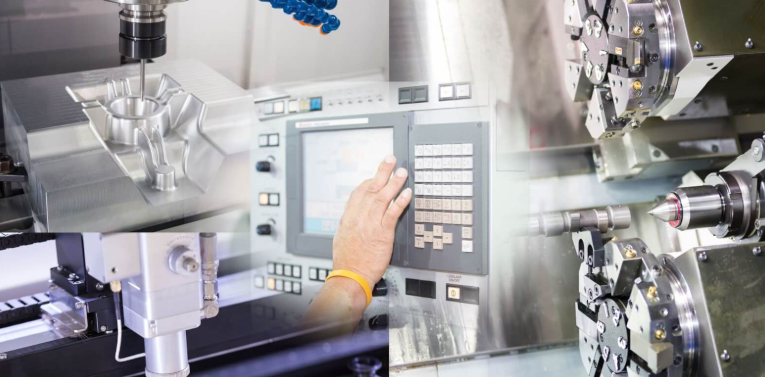
So you're researching how much a CNC machine costs for metalworking applications. You've probably noticed that prices seem to be all over the map—and you're not imagining things. The metal CNC machine price landscape spans an enormous range, from budget-friendly desktop units to massive industrial systems worth more than a house. Understanding what drives these differences is essential before you spend a single dollar.
What Defines a Metal CNC Machine
When asking "what is CNC equipment" designed for metal, the answer goes beyond simple computer-controlled cutting. A metal CNC machine is built from the ground up to handle materials that fight back. Unlike their wood or plastic counterparts, these machines require exceptional rigidity to prevent deflection during cuts, high-torque spindles capable of powering through hardened steel, and precision tolerances measured in thousandths of an inch.
The structural demands alone set these machines apart. Cutting aluminum requires a sturdy frame, but machining titanium or tool steel demands cast iron or welded steel construction that can weigh thousands of pounds. The spindle must deliver consistent power across varying speeds while maintaining thermal stability. Every component—from the linear guides to the ball screws—must be engineered to withstand the forces generated when removing metal at production speeds.
Why Pricing Varies So Dramatically Across the Market
Here's the reality that every buyer needs to understand: metal CNC machine prices range from under $5,000 for desktop hobby units to over $500,000 for industrial 5-axis systems. That's a 100x difference in price, which naturally raises the question—how much does a CNC machine cost for your specific needs?
The price of CNC equipment correlates directly with capability, precision, and durability. A $3,000 desktop mill can cut soft aluminum for hobbyist projects. A $300,000 vertical machining center can run three shifts per day, year after year, producing aerospace components to exacting specifications. Both are technically "metal CNC machines," but they serve entirely different purposes.
Understanding your specific metal machining needs—the materials you'll cut, the tolerances you require, and your production volume—is the essential first step to finding the right price point for your investment.
The CNC machine price you'll ultimately pay depends on factors including spindle power, axis configuration, work envelope size, control system sophistication, and build quality. Throughout this guide, we'll break down exactly what you get at each price tier, reveal the hidden costs many buyers overlook, and help you determine how much is a CNC machine that actually meets your requirements without overspending on capabilities you'll never use.
Price Ranges by Machine Category and Capability Level
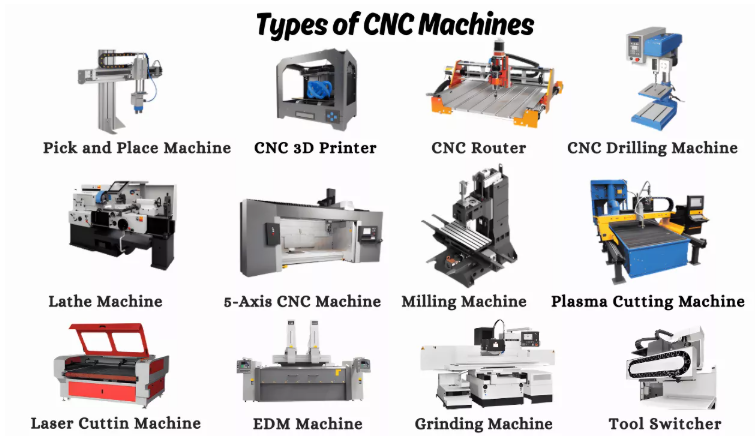
Now that you understand what separates metal-capable CNC machines from their lighter-duty counterparts, let's explore what you'll actually pay at each capability level. The market divides into distinct categories, each serving different users with different budgets and machining requirements.
Desktop and Hobby Metal CNC Machines
The small CNC machine for metal category has exploded in recent years. What once required a dedicated workshop and substantial investment is now accessible to garage machinists, makers, and small prototyping shops. A desktop CNC mill in the $2,000 to $15,000 range can produce impressive results on softer metals like aluminum, brass, and mild steel.
These compact units typically feature work envelopes under 12 inches in any direction, spindles ranging from 500W to 2.2kW, and rigid-enough frames to handle light-duty metal removal. A mini CNC machine at this level won't replace production equipment, but it serves perfectly for prototyping, one-off parts, and learning the fundamentals of CNC machining. Serious hobbyists often start here before scaling up.
The trade-offs at this tier include slower material removal rates, limited rigidity for harder materials, and controllers that may lack advanced features. However, the small CNC machine category delivers remarkable value for users who understand these limitations and work within them.
Professional Entry-Level and Mid-Range Systems
Stepping into the $15,000 to $150,000 range brings dramatic improvements in capability. Entry-level professional machines ($15,000-$50,000) bridge the gap between hobby equipment and true industrial CNC machines. You'll find enclosed designs, more powerful spindles, automatic tool changers, and controllers capable of running complex programs.
Mid-range industrial CNC machines ($50,000-$150,000) represent the workhorses of small to medium manufacturing operations. These systems handle production runs on demanding materials including stainless steel, hardened alloys, and even titanium. Spindle power typically ranges from 7.5kW to 22kW, work envelopes expand significantly, and precision improves to tolerances suitable for aerospace and medical applications.
Industrial-Grade Metal Machining Centers
High-end production machines ($150,000-$300,000) and advanced 5 axis CNC systems ($300,000-$500,000+) serve manufacturers with demanding throughput requirements. A 5 axis machine at this level can produce complex geometries in a single setup that would require multiple operations on simpler equipment—reducing handling time, improving accuracy, and enabling parts that simply couldn't be made otherwise.
The desktop CNC to industrial machine comparison reveals why price differences exist. An industrial CNC machine runs 24/7 with minimal downtime, maintains micron-level precision over years of hard use, and integrates seamlessly into automated production cells.
| Machine Category | Price Range | Typical Work Envelope | Spindle Power | Suitable Metals | Target User |
|---|---|---|---|---|---|
| Desktop/Hobby | $2,000 - $15,000 | Up to 12" x 8" x 4" | 500W - 2.2kW | Aluminum, brass, mild steel | Hobbyists, makers, educators |
| Entry-Level Professional | $15,000 - $50,000 | Up to 20" x 16" x 16" | 2.2kW - 7.5kW | Aluminum, steel, stainless | Small shops, prototyping labs |
| Mid-Range Industrial | $50,000 - $150,000 | Up to 40" x 20" x 20" | 7.5kW - 22kW | All common metals, some exotics | Job shops, production facilities |
| High-End Production | $150,000 - $300,000 | Up to 60" x 30" x 30" | 15kW - 30kW | Full range including titanium | High-volume manufacturers |
| Advanced 5-Axis Systems | $300,000 - $500,000+ | Varies by configuration | 20kW - 40kW+ | All metals, complex geometries | Aerospace, medical, mold making |
Where do you fit in this spectrum? The answer depends less on your budget ceiling and more on what you actually need to accomplish. A well-chosen small CNC machine for metal at $8,000 serves a prototyping shop better than an underutilized $100,000 machining center. Conversely, trying to run production on underpowered equipment costs more in the long run through lost time and compromised quality.
Understanding these categories helps you identify your starting point—but the sticker price only tells part of the story. The factors driving costs within each category reveal why two seemingly similar machines can carry vastly different price tags.
Key Factors That Determine Metal CNC Machine Prices
You've seen the price ranges—now let's explore what actually drives those numbers. When two CNC milling machines sit side by side with a $50,000 price difference, what justifies that gap? The answer lies in the engineering decisions that determine whether a machine can handle demanding metal cutting applications or struggles with anything beyond soft aluminum.
Mechanical Components That Impact Cost
The spindle is often called the heart of any CNC device, and its specifications directly influence both capability and price. A spindle designed for metal cutting must deliver adequate power (measured in kilowatts), appropriate speed ranges (RPM), and the torque curves necessary to maintain cutting force under load. High-quality spindles rated for continuous heavy-duty operation can cost $10,000 to $30,000 alone—explaining why budget machines often compromise here first.
Imagine trying to drill through hardened steel with a spindle designed for wood. The motor lacks sufficient torque at lower speeds, the bearings generate excessive heat, and the entire assembly deflects under cutting pressure. This is why machines rated for steel and titanium require substantially more rigid construction than aluminum-only machines. The cost of CNC equipment increases proportionally with the materials it's designed to cut reliably.
Linear motion systems represent another major cost driver. Your machine needs to position the cutting tool precisely and repeatedly, which requires either ball screw or roller guide systems. According to Zenda Linear Motion, ball linear guides offer higher motion precision and exceptional smoothness, making them ideal for applications demanding fine positioning. Roller linear guides, however, provide superior load capacity and high rigidity—essential for heavy-duty CNC machining centers handling significant cutting forces.
A 3 axis CNC machine offers the most affordable entry point, but adding a fourth or fifth axis dramatically increases both capability and CNC machine cost. Each additional axis requires precision rotary components, additional servo motors, and substantially more sophisticated control systems. A 5 axis milling machine can produce complex geometries impossible on simpler equipment, but this capability commands premium pricing.
Control Systems and Software Considerations
The controller is your machine's brain, interpreting G-code and coordinating all motion systems. CNC equipment at different price points features dramatically different control systems. Entry-level machines may use basic controllers with limited memory and processing power, while industrial systems run sophisticated platforms from manufacturers like Fanuc or Siemens.
The choice between control system brands involves trade-offs between features, ease of use, and long-term support availability. Industrial controllers add $15,000 to $50,000 or more to machine pricing—but they deliver capabilities that cheaper alternatives simply cannot match, including advanced toolpath optimization, thermal compensation, and seamless integration with CAM software.
Top Cost Drivers at a Glance
Understanding what influences CNC machining cost helps you evaluate whether premium pricing reflects genuine value or unnecessary features for your application:
- Spindle power and quality: Higher wattage, better bearings, and thermal management systems increase both capability and price
- Axis configuration: Each axis beyond three adds significant complexity and cost
- Build rigidity and materials: Cast iron construction, boxway designs, and oversized components resist deflection but add weight and expense
- Control system brand: Industrial controllers from recognized manufacturers ensure reliability and support availability
- Precision rating: Tighter tolerances require more precise components throughout the entire machine
Here's what many buyers discover too late: cheaper machines may cost more in the long run through limitations. A CNC milling machine that can't hold tolerance on hardened materials forces you to outsource critical parts. A controller lacking advanced features slows programming and limits what you can produce. Inadequate rigidity causes premature tool wear and scrapped parts.
The true CNC machine cost includes not just the purchase price but the productivity you'll achieve—or lose—over years of operation. With these core factors in mind, how do prices compare across different machine types designed for various metalworking applications?
Comparing Prices Across Metal CNC Machine Types
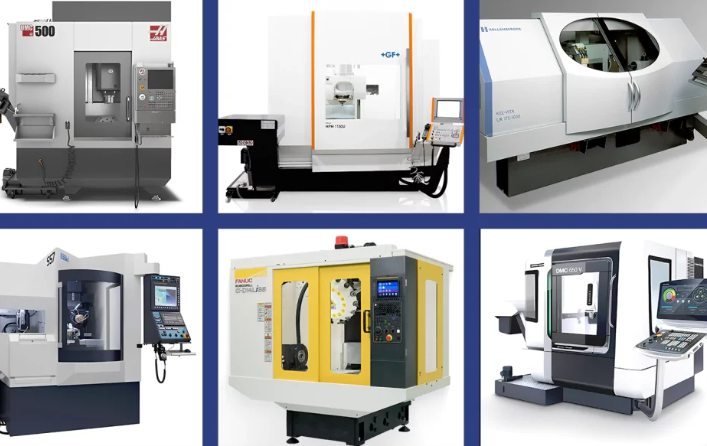
Different metalworking applications demand different machine types—and each comes with its own pricing structure. A CNC metal cutting machine built for sheet metal fabrication operates on entirely different principles than one designed for solid billet machining. Understanding these distinctions helps you invest in equipment that actually matches your production needs.
Milling Machines vs Turning Centers
The choice between a CNC mill and a CNC lathe machine depends primarily on your part geometry. As manufacturing experts explain, parts with rotational symmetry around a central axis—shafts, rods, cylinders, and discs—are ideal candidates for turning. Meanwhile, components with complex curves, sharp corners, flat surfaces, or non-cylindrical features require the multi-axis capabilities of milling.
From a pricing perspective, CNC turning centers often cost less than comparable milling machines due to simpler tooling requirements and more straightforward motion systems. A production-capable CNC lathe machine starts around $30,000 for entry-level models, while mid-range turning centers run $60,000 to $150,000. High-end multi-spindle lathes with live tooling can exceed $250,000.
The CNC metal milling machine category commands premium pricing because of its versatility. A vertical machining center capable of handling complex 3D metal components typically starts at $50,000 for basic models and scales to $200,000+ for high-speed production units. This flexibility makes milling the most versatile option for shops producing varied part geometries—but that versatility comes at a cost.
When does a combination mill-turn machine justify its premium pricing? These hybrid systems excel when your parts require both rotational and prismatic features. Rather than transferring workpieces between machines—introducing handling time and potential tolerance stack-up—mill-turn centers complete complex parts in a single setup. Expect to pay $150,000 to $400,000 for capable mill-turn systems, with the investment paying off through reduced cycle times and improved accuracy on complex components.
Specialized Metal Cutting Technologies
Beyond traditional chip-making processes, specialized CNC cutting machine technologies serve specific metal fabrication needs. Plasma and laser cutters dominate sheet metal applications, while waterjet systems handle materials that can't tolerate heat.
A CNC cutter using plasma technology offers the most affordable entry into automated metal cutting. These machines ionize gas to slice through steel, aluminum, and other conductive metals with impressive speed. Entry-level CNC plasma systems start around $15,000, while industrial units with precise motion control and high-amperage power sources range from $50,000 to $150,000.
Laser cutting machines deliver superior edge quality and can handle thinner materials with minimal heat distortion. According to industry sources, CNC laser cutters range from 4kW to 12kW, with the price difference being significant based on power output. A 4kW fiber laser system typically starts around $80,000, while 12kW production units exceed $300,000. The investment delivers faster cutting speeds, cleaner edges, and the ability to process reflective metals that challenge older CO2 laser technology.
| Machine Type | Entry-Level Price | Mid-Range Price | Production-Grade Price | Best Applications |
|---|---|---|---|---|
| CNC Milling Machine | $15,000 - $50,000 | $50,000 - $150,000 | $150,000 - $300,000+ | Complex 3D parts, prototypes, molds |
| CNC Lathe/Turning Center | $30,000 - $60,000 | $60,000 - $150,000 | $150,000 - $300,000+ | Cylindrical parts, shafts, fittings |
| CNC Plasma Cutter | $15,000 - $30,000 | $30,000 - $75,000 | $75,000 - $150,000 | Steel plate, structural components |
| CNC Laser Cutter | $80,000 - $150,000 | $150,000 - $250,000 | $250,000 - $500,000+ | Precision sheet metal, fine details |
| Mill-Turn Center | $150,000 - $200,000 | $200,000 - $300,000 | $300,000 - $500,000+ | Complex parts requiring both operations |
Your metal cutting machine selection ultimately depends on three factors: part geometry, production volume, and material requirements. Sheet metal fabrication shops gravitate toward plasma and laser systems. Job shops producing diverse 3D components invest in milling. High-volume manufacturers of cylindrical parts prioritize turning centers. Many successful operations combine multiple machine types to cover their full range of customer requirements.
The sticker prices shown here represent just the beginning of your investment. What about the costs that don't appear in the sales quote? Installation, tooling, training, and ongoing operational expenses can add substantially to your total outlay—sometimes rivaling the machine cost itself over the ownership period.
Hidden Costs and Total Ownership Expenses
You've compared machine categories, evaluated capabilities, and identified your ideal price range. But here's what catches many buyers off guard: the cost of CNC machine ownership extends far beyond the invoice price. According to industry analysis, you should budget an additional 15-25% of your machine's purchase price for the first year's operating costs alone. Over 3-5 years, your total investment can easily exceed the initial purchase price—sometimes by a significant margin.
Understanding these hidden expenses before you buy transforms your budgeting from hopeful guesswork into strategic planning. Let's break down exactly what you'll pay beyond that sticker price.
Installation and Setup Expenses
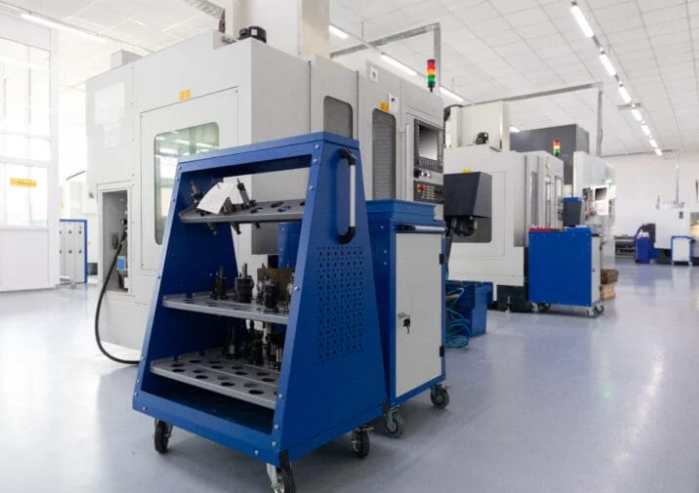
Getting a metal CNC machine into your facility and running productively involves more complexity than many buyers anticipate. Industrial CNC machining equipment doesn't simply arrive ready to cut metal—it requires careful preparation, professional installation, and supporting infrastructure.
Consider this scenario: your new machining center arrives, but your electrical panel can't handle its power requirements. Your floor needs reinforcement to support the weight. Your shop lacks adequate compressed air supply. Suddenly, you're facing weeks of delays and thousands in unexpected costs before cutting a single chip.
One-Time Setup Costs to Budget For:
- Shipping and rigging: Moving heavy CNC equipment requires specialized transport and professional rigging services—costs can range from $5,000 to $15,000 depending on machine size and distance
- Electrical infrastructure upgrades: Industrial machines often require dedicated circuits, high-gauge wiring, and sometimes single-phase to three-phase power conversion—budget $2,000 to $10,000 or more
- Compressed air systems: Machines with automatic tool changers and pneumatic functions may need air compressors (approximately $1,500 for an 80-gallon model) plus dryers, filters, and piping ($500-$2,000 additional)
- Coolant management: Proper coolant systems, mist collectors, and fluid disposal arrangements add $1,000 to $5,000 depending on complexity
- Facility modifications: Reinforced flooring, enclosures for noise and debris control, HVAC adjustments, and workspace reconfiguration can range from $500 to several thousand dollars
The milling machine cost that appeared manageable on the quote suddenly grows when you factor in these prerequisites. Smart buyers request detailed installation requirements from vendors before committing—and build these expenses into their total budget from day one.
Ongoing Operational Cost Breakdown
Installation costs hit once. Operational costs hit continuously throughout your ownership period. These recurring expenses determine whether your CNC investment generates profit or drains resources year after year.
The machining cost per hour you can charge customers must cover not just materials and labor, but also the cumulative operational expenses that keep your machine running. Underestimate these, and you'll wonder why profitable-looking jobs somehow lose money.
Recurring Expenses to Include in Your Budget:
- Tooling replacement: Cutting tools, tool holders, collets, and fixtures wear out and require regular replacement—expect $100 to $400+ monthly for active shops, with specialized tooling for harder materials costing significantly more
- Maintenance contracts: Preventive maintenance schedules, regular servicing, and lubrication keep machines running accurately—annual maintenance budgets typically run 1-3% of the machine's purchase price
- Software licensing: CAD/CAM software subscriptions range from $100-$500 monthly, while perpetual licenses cost $2,000-$30,000 depending on capabilities
- Electricity consumption: A typical CNC milling machine consumes 12kW to 20kW per hour—running multiple shifts adds thousands annually to your power bills
- Training: Operator training prevents costly crashes and maximizes productivity—studies show 20-25% of downtime stems from operator error, making training investments worthwhile
- Consumables: Coolant, lubricants, spoil boards (requiring replacement every 6-12 months), and other consumables add ongoing expenses often overlooked in initial budgets
According to Mikon Machinery's buyer's guide, hidden costs can increase your total investment by 15-20% over the first two years. Power setup, tooling, and dust collection systems represent the most significant ongoing expenses for most operations.
One often-overlooked CNC cost involves replacement parts for wear items. A spindle replacement alone can run $15,000 to $25,000—and if you're waiting weeks for overseas parts, the downtime costs may exceed the repair bill itself. This reality makes warranty terms and local service availability critical factors in your purchasing decision.
Geographic and Import Considerations
Your location significantly impacts total ownership costs. Buyers outside major manufacturing hubs face additional expenses including extended shipping distances, import duties on foreign-made equipment, and potentially limited local service support.
Importing CNC machining equipment may trigger tariffs, customs fees, and compliance documentation requirements. These can add 5-15% to the base machine cost before it ever reaches your facility. Additionally, service response times extend when technicians must travel long distances—turning a one-day repair into a multi-day production loss.
The complete financial picture extends beyond what any sales quote reveals. Whether you're considering a $20,000 desktop system or a $200,000 production machining center, factoring these hidden and ongoing costs into your calculations ensures you budget realistically for true ownership expenses. With this comprehensive cost understanding, you're better positioned to evaluate whether financing, leasing, or alternative acquisition strategies might better serve your cash flow needs.
Financing Options and Alternatives to Buying
Now that you understand the true scope of metal CNC machine ownership costs, a critical question emerges: is outright purchase even the right strategy for your situation? For many buyers, the answer involves exploring financing pathways that preserve working capital—or reconsidering whether equipment ownership makes sense at all.
Financing and Leasing Pathways
Paying full price upfront for CNC equipment depletes cash reserves that might serve your business better elsewhere. Fortunately, specialized equipment financing makes acquiring capable machinery accessible even for growing operations. According to equipment financing specialists, the machine itself typically serves as collateral, enabling financing of 80-100% of the equipment cost depending on your credit profile and business financials.
When searching for a CNC machine for sale, you'll encounter two primary acquisition pathways beyond cash purchase: equipment loans and equipment leasing. Each serves different business situations and financial strategies.
Equipment loans allow you to purchase and own the machine outright once payments conclude. With typical terms of 3-7 years and interest rates ranging from 5.99% to 20% based on creditworthiness, loans build equity in a tangible business asset. You'll generally need a 10-30% down payment, but you gain full ownership, Section 179 tax deductions, and eventual resale value.
Equipment leasing delivers lower monthly payments—typically 20-30% less than loan payments—with minimal upfront investment. Lease terms usually run 2-5 years, after which you can purchase the equipment, upgrade to newer technology, or return it. This flexibility suits businesses in rapidly evolving industries or those wanting to preserve credit lines for operational needs.
Manufacturer financing programs often provide competitive terms, especially during promotional periods. Banks and specialized equipment lenders offer additional options worth comparing. Shopping multiple quotes matters significantly—rates can vary 2-5% between lenders for identical borrower profiles, dramatically affecting your total cost over the financing term.
The Buy vs Outsource Decision Framework
Before committing to any acquisition path, consider whether equipment ownership aligns with your actual production needs. Sometimes the smartest CNC investment is choosing not to buy at all.
Looking at CNC machines used in the secondary market offers another compelling option. Pre-owned equipment can deliver 40-60% savings compared to new machines while providing production-ready capability. When evaluating CNC machines for sale in the used market, focus on documented maintenance history, spindle hours, overall condition, and availability of replacement parts. Machines from reputable brands with strong service networks hold value better and present lower risk.
However, for lower production volumes or specialized capabilities you'd rarely use, outsourcing to precision CNC machining services often makes superior financial sense. Why invest $100,000+ in equipment that sits idle 80% of the time when professional services can handle your orders with industrial-grade quality and no capital outlay?
| Acquisition Method | Upfront Cost | Monthly Expense | Flexibility | Long-Term Value |
|---|---|---|---|---|
| Buy New | High ($15K-$500K+) | None after purchase | Low—committed to technology | High—full ownership and resale potential |
| Buy Used | Moderate (40-60% savings) | None after purchase | Low—older technology | Moderate—depreciation already occurred |
| Lease | Low ($0-10% down) | Moderate payments | High—upgrade options at term end | Low—no ownership unless purchased |
| Outsource | None | Per-project costs | Highest—scale up or down freely | None—but no depreciation risk either |
An affordable CNC machine purchase makes sense when you have consistent, predictable machining volume that justifies utilization rates above 40-50%. A cheap CNC machine that runs one shift weekly wastes capital that could generate returns elsewhere. Conversely, if you're currently outsourcing $5,000+ monthly in machining work, equipment ownership may deliver rapid payback.
The budget CNC machine market has expanded options for buyers seeking entry points, but remember that financing a capable machine often proves wiser than purchasing an inadequate one outright. Whether you choose a CNC mill for sale, explore leasing programs, or partner with machining specialists, matching your acquisition strategy to your actual production requirements ensures your investment generates returns rather than regrets.
With acquisition options clarified, the final step involves calculating whether your specific situation favors equipment ownership—and how to measure the return on your CNC investment decision.
ROI Analysis and Making the Right Investment Decision
You've explored CNC machine prices, evaluated hidden costs, and considered financing options. Now comes the critical question: will this investment actually pay off for your specific situation? Understanding how much does CNC machine cost matters far less than understanding whether that cost generates positive returns over time.
Calculating return on investment for CNC equipment isn't guesswork—it's a straightforward comparison between your current spending and projected ownership expenses. Let's break down exactly how to determine whether equipment ownership makes financial sense for your operation.
Calculating Your Break-Even Point
Your break-even point is when cumulative savings from in-house production equal your total investment. Reaching this milestone faster means higher lifetime returns on your equipment purchase.
Start by examining how much does CNC machining cost when you outsource. Gather invoices from the past 12 months and calculate your average monthly spend on precision machined parts. Include shipping costs, expedite fees, and any quality-related expenses from rework or rejected parts. This total represents your current baseline—the number you're trying to beat through equipment ownership.
Next, calculate your projected monthly ownership cost. Include your financing payment (if applicable), estimated tooling consumption, electricity, maintenance reserves, and operator labor allocated to CNC work. Don't forget consumables like coolant, cutting fluid, and fixture materials. The difference between your outsourcing baseline and ownership costs determines your monthly savings rate.
Here's a practical example: Imagine you currently spend $4,500 monthly on outsourced CNC work. Your projected ownership costs total $2,200 monthly (including a $1,400 equipment payment, $400 tooling, $200 utilities, and $200 maintenance reserve). Your monthly savings equals $2,300. If your total investment including installation and setup runs $85,000, your break-even point arrives at approximately 37 months—just over three years.
This calculation reveals whether CNC machine pricing makes sense for your volume. Lower outsourcing spending extends your break-even timeline, potentially beyond the equipment's practical lifespan. Higher outsourcing costs accelerate payback, sometimes delivering returns within 18-24 months.
Matching Machine Investment to Business Goals
Raw machining prices and ROI calculations tell only part of the story. Strategic value often exceeds measurable cost savings—but only if you account for it in your decision framework.
Consider lead time reduction. When you outsource, you're subject to your vendor's schedule, shipping delays, and competing customer priorities. Rush fees add 25-50% to custom CNC milling cost on time-sensitive orders. Bringing work in-house eliminates these variables. Need a revised prototype by Friday? You control the schedule.
Design iteration speed transforms product development timelines. Instead of waiting days or weeks for quoted parts, you can machine test components the same day you finalize CAD models. This capability accelerates innovation cycles and enables rapid response to customer feedback—competitive advantages difficult to quantify but invaluable in fast-moving markets.
Capacity utilization remains the critical variable for profitability at any CNC machine pricing tier. A $150,000 machining center running one shift weekly generates far lower returns than a $50,000 machine running two shifts daily. Before investing, honestly assess your projected utilization. Equipment sitting idle depreciates just as fast as equipment producing parts—but generates zero return.
Your Decision Framework
Making the right investment decision requires systematic evaluation rather than impulse. Follow this process to match equipment investment with actual business needs:
- Define part requirements and materials: Document the specific parts you'll produce, their tolerances, and the metals you'll cut. This determines minimum machine capabilities and eliminates options that can't meet your specifications.
- Estimate production volumes: Project realistic monthly and annual quantities. Include growth assumptions if your business is scaling. Volume directly impacts utilization rates and payback timelines.
- Calculate current outsourcing costs: Compile 12 months of machining invoices. Include all related expenses: shipping, expedites, quality issues, and administrative overhead from managing vendor relationships.
- Compare against ownership costs: Build a comprehensive monthly ownership budget including financing, tooling, labor, utilities, maintenance, and consumables. Compare this total against your outsourcing baseline.
- Factor in capability expansion value: Identify opportunities that equipment ownership enables: new product lines, faster customer response, reduced minimum order constraints, and enhanced design flexibility. Assign reasonable value to these strategic benefits.
The fifth step often tips borderline decisions toward investment. When CNC machining price comparisons show marginal savings, strategic benefits frequently justify the commitment. Conversely, if ownership barely breaks even and offers no capability advantages, outsourcing remains the smarter path.
Your analysis should also consider opportunity cost. Capital invested in CNC equipment can't simultaneously fund marketing, inventory, or other growth initiatives. Ensure equipment investment represents the highest-return use of your available capital—not just a positive return in isolation.
With your ROI analysis complete and decision framework applied, you're positioned to move forward confidently—whether that means purchasing equipment, exploring financing options, or partnering with professional machining services that deliver industrial capability without capital commitment.
Taking Action on Your Metal CNC Investment
You've navigated the complete landscape of metal CNC machine pricing—from desktop units under $5,000 to industrial 5-axis systems exceeding $500,000. You understand what drives costs, recognize the hidden expenses that inflate total ownership, and know how to calculate whether equipment investment generates positive returns. Now it's time to translate that knowledge into action.
Whether you're ready to purchase a CNC machine for metal or exploring alternatives, the path forward requires systematic evaluation rather than hasty decisions. Let's consolidate the key insights and outline your next practical steps.
Evaluating Your Options Systematically
Your metal CNC investment decision ultimately hinges on three interconnected factors: your production requirements, your financial capacity, and your strategic objectives. Rushing any of these considerations leads to equipment that underperforms, overspending on capabilities you'll never utilize, or missed opportunities that competitors seize first.
Start by revisiting the fundamentals covered throughout this guide. CNC machines for metal span enormous capability and price ranges because metalworking applications vary just as dramatically. A prototype shop machining aluminum brackets operates in an entirely different world than an aerospace supplier cutting titanium airframe components. Your machine must match your actual work—not your aspirations or your fears.
Consider these key pricing insights as you finalize your decision:
- Entry costs vary by 100x: Desktop CNC metal cutting systems start around $2,000, while production 5-axis machining centers exceed $500,000. Your position in this spectrum depends on materials, tolerances, and volume requirements.
- Sticker price tells half the story: Installation, infrastructure upgrades, tooling, and ongoing operational costs add 15-25% to first-year expenses. Budget realistically by including these hidden costs from the start.
- Capability drives long-term value: Cheaper machines may cost more over time through limitations, slower cycle times, and outsourced work they can't handle. Match investment to genuine production needs.
- Financing preserves capital: Equipment loans and leasing programs make capable CNC milling machines accessible without depleting cash reserves needed for operations and growth.
- Break-even calculations reveal truth: Compare current outsourcing costs against projected ownership expenses. If payback extends beyond 4-5 years, reconsider whether ownership makes financial sense.
How much is a CNC machine for metal that actually fits your requirements? The answer emerges only after honestly assessing your part specifications, production volumes, and growth trajectory. Overbuying wastes capital on idle capacity. Underbuying forces continued outsourcing of work your equipment can't handle.
When Professional CNC Services Make Sense
Here's what many buyers discover through their analysis: equipment ownership isn't always the optimal path. For operations with variable demand, specialized requirements, or capital constraints, partnering with professional metal CNC machining services delivers industrial-grade capability without the commitment and risk of equipment ownership.
Outsourcing makes particular sense when your situation includes any of these characteristics:
- Monthly machining volumes below $3,000-4,000 (extending break-even beyond practical timelines)
- Highly variable demand that would leave equipment idle during slow periods
- Specialized materials or tolerances requiring equipment beyond your budget
- Rapid scaling needs where flexibility outweighs ownership benefits
- Limited floor space, electrical capacity, or technical expertise for equipment operation
Professional CNC for metal services have evolved dramatically. Today's leading providers operate advanced multi-axis equipment, maintain rigorous quality certifications, and deliver turnaround times that rival or exceed in-house capabilities. The question isn't whether outsourced quality matches your requirements—it's whether ownership advantages justify the investment for your specific situation.
When evaluating potential machining partners, prioritize providers with demonstrated expertise in your target materials and industries. For automotive and precision applications, certifications matter significantly. Shaoyi Metal Technology, for example, maintains IATF 16949 certification—the automotive industry's demanding quality management standard—and delivers lead times as fast as one working day for qualified projects. Their capabilities span complex chassis assemblies to custom metal bushings, offering the production flexibility that equipment ownership often can't match.
This type of partnership bridges the gap for buyers not ready for capital equipment investment. You gain access to industrial CNC milling machines and turning centers, experienced operators, and established quality systems—without installation costs, maintenance responsibilities, or utilization pressure. As your volumes grow and ownership economics improve, you can transition to equipment investment with real production data guiding your specifications.
Understanding true metal CNC machine costs—purchase price, hidden expenses, and total ownership—empowers better decisions whether you're buying equipment or partnering with specialists who already own it.
Your next step depends on where your analysis landed. If ownership makes financial sense and aligns with your strategic goals, request detailed quotes from equipment vendors, explore financing options, and plan your installation timeline. If outsourcing better serves your current situation, identify qualified CNC machining partners, request sample parts to verify quality, and establish the relationships that will support your production needs.
Either path forward beats the paralysis of endless research. You now understand metal CNC machine pricing at a level that enables confident decision-making. Whether you invest in equipment or leverage professional services, you're positioned to access the precision metalworking capabilities your projects demand—at a cost structure that makes business sense.
Frequently Asked Questions About Metal CNC Machine Prices
1. What is the average cost of a CNC machine?
Metal CNC machine prices vary dramatically based on capability. Desktop hobby units start at $2,000-$15,000, entry-level professional machines range from $15,000-$50,000, mid-range industrial systems cost $50,000-$150,000, and high-end production or 5-axis machines can exceed $300,000-$500,000. The price you pay depends on spindle power, axis configuration, work envelope size, and the materials you need to cut.
2. Do you need a license to own a CNC machine?
Operating CNC machines does not require a federal license in most regions. However, some states or municipalities may require operator training or safety certifications. Many employers prefer certified machinists, especially for high-precision aerospace or medical work. Investing in proper training reduces costly crashes and maximizes productivity regardless of licensing requirements.
3. Is it cheaper to build your own CNC?
Building a CNC machine typically costs less in raw materials than buying one, but factor in design time, assembly, calibration, and troubleshooting. DIY builds suit hobbyists with mechanical expertise but lack the precision, rigidity, and reliability of commercial machines for serious metal cutting. For production work, purchasing a proven system usually delivers better long-term value.
4. What are the hidden costs of CNC machine ownership?
Beyond the purchase price, budget 15-25% extra for first-year costs including shipping and rigging ($5,000-$15,000), electrical upgrades ($2,000-$10,000), compressed air systems, and facility modifications. Ongoing expenses include tooling replacement, maintenance contracts, software licensing, electricity consumption, and operator training. Total ownership over 3-5 years can exceed the initial machine cost.
5. When should I outsource CNC machining instead of buying equipment?
Outsourcing makes financial sense when monthly machining volumes fall below $3,000-$4,000, demand is highly variable, or you need specialized capabilities beyond your budget. Professional services like Shaoyi Metal Technology offer IATF 16949-certified precision machining with lead times as fast as one working day, providing industrial-grade results without capital investment or utilization pressure.