 Small batches, high standards. Our rapid prototyping service makes validation faster and easier —
  EN
EN


CNC Machine Metal Secrets: What Fabricators Wish They Knew First
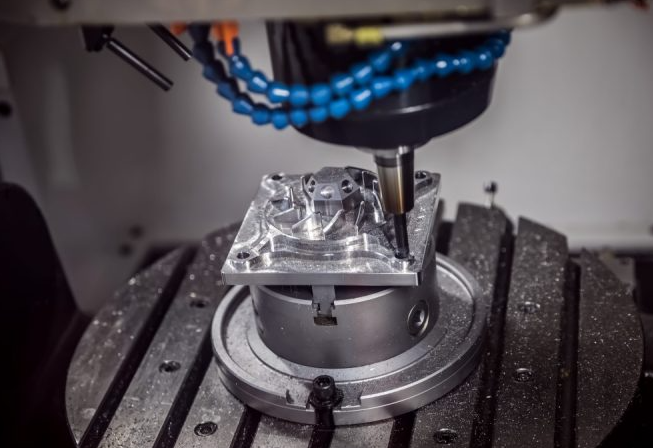
What CNC Metal Machining Actually Means
Imagine telling a machine exactly how to cut metal with the precision of a master craftsman—but doing it through code instead of hands-on skill. That's essentially what CNC metal machining delivers. A CNC machine transforms raw metal stock into finished parts by following precise digital instructions, removing the guesswork and human error that once defined metalworking.
CNC stands for Computer Numerical Control, and this technology represents one of the most significant leaps in manufacturing history. Instead of manually guiding cutting tools across a workpiece, operators program a cnc device to execute movements with repeatability that human hands simply cannot match.
From Manual Lathes to Digital Precision
Before CNC technology emerged, machinists spent years developing the muscle memory and intuition needed to operate manual lathes and mills. Every cut depended on the operator's skill, and producing identical parts meant relying on jigs, fixtures, and considerable expertise. The computer numerical control lathe changed everything by storing movement instructions digitally, allowing machines to reproduce complex operations endlessly.
This shift didn't just improve accuracy—it democratized precision metalworking. Today, a well-programmed cnc machine can produce parts that would have required master-level craftsmanship just decades ago.
The Computer-Controlled Revolution in Metalworking
At its core, every cnc metal system consists of four essential components working together:
- Computer Control System: The brain that interprets programmed instructions and coordinates all machine movements
- Cutting Tools: End mills, drills, and specialized cutters that physically remove material from the workpiece
- Workholding Devices: Vises, clamps, and fixtures that secure the metal stock during machining operations
- Metal Workpiece: The raw material being transformed into your finished part
These components communicate through G-code—a programming language that sounds intimidating but works on simple principles. Think of G-code as GPS directions for your cutting tool. Commands like "G01 X2.0 Y1.5 F10" simply tell the machine to move in a straight line to specific coordinates at a set speed. Modern CAM software generates this code automatically from your 3D designs, so you rarely need to write it manually.
Breaking Down CNC Technology for Metal Fabrication
What makes a c and c machine different from other automated equipment is its ability to interpret numerical data and translate it into precise physical movements. When someone references a cmc machine in casual conversation, they're typically describing this same technology—the terminology varies, but the underlying principle remains consistent.
Modern CNC machines can achieve positioning accuracy within 0.0001 inches—that's roughly 1/700th the thickness of a human hair, enabling precision that was previously impossible outside specialized laboratories.
This capability explains why cnc metal machining has become indispensable across industries demanding tight tolerances. Whether you're crafting aerospace components or custom automotive parts, understanding these fundamentals prepares you for making informed decisions about equipment, materials, and processes.
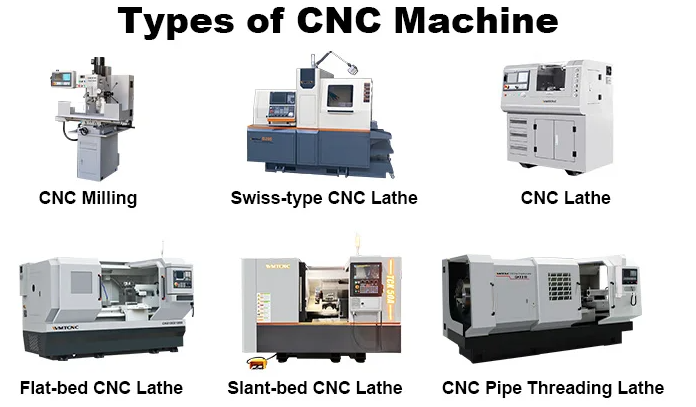
CNC Machine Types for Metal Fabrication Compared
Not all CNC equipment handles metal the same way. Choosing the wrong machine type for your project leads to wasted time, subpar results, and frustration. So how do you match the right tool to your metalworking needs? Understanding the core differences between cnc milling machines, lathes, routers, and cutting systems gives you the foundation to make smarter decisions from day one.
Each machine category excels in specific applications. A cnc mill that produces flawless 3D contours might be completely wrong for high-volume sheet cutting. Meanwhile, a plasma cutter that blazes through thick steel plates cannot achieve the tight tolerances required for precision components. Let's break down what each type actually delivers.
Mills vs Routers for Metal Projects
When fabricators discuss cnc mills, they're typically referring to machines designed for removing material through rotating cutting tools that plunge into and traverse across metal workpieces. These machines excel at creating complex three-dimensional geometries with exceptional accuracy. A quality cnc milling machine can hold tolerances that sheet-cutting methods simply cannot match.
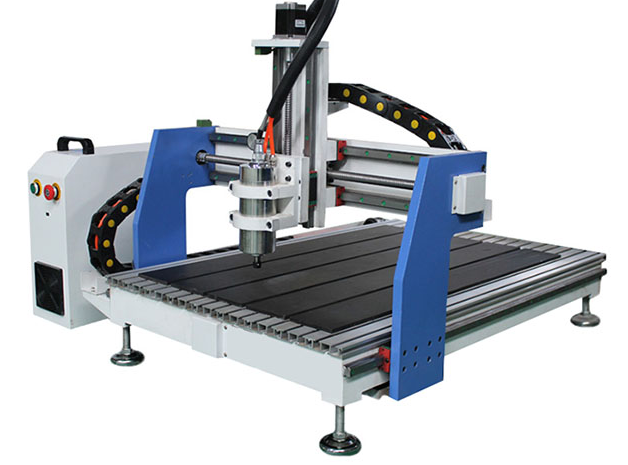
CNC routers, by contrast, prioritize work envelope size over raw rigidity. You'll find them handling larger flat stock—think sign panels, enclosure components, or architectural metalwork. While routers can cut aluminum and softer metals effectively, they generally lack the structural stiffness needed for aggressive cuts in steel or harder alloys.
Here's a practical way to think about it: if your parts require intricate pockets, precision bores, or multi-sided machining, cnc mills are your go-to solution. If you're cutting flat profiles from sheet material across larger areas, a router setup might serve you better.
When Subtractive Meets Thermal Cutting
Beyond traditional chip-making processes, cnc cutting machine technology includes thermal and abrasive methods that dramatically expand your options for sheet and plate work. Plasma cutters, laser cutters, and waterjet machines each bring unique advantages to metal fabrication.
Plasma cutting uses an electrically ionized gas stream to melt through conductive metals at remarkable speeds. It's cost-effective for thicker steel plates but produces a heat-affected zone that may require secondary processing. Laser cutting offers superior edge quality and can handle intricate detail work, though material thickness limitations exist depending on laser power.
Waterjet machines take a completely different approach—using high-pressure water mixed with abrasive garnet to erode through virtually any material. Because there's no heat involved, waterjet cutting eliminates thermal distortion concerns entirely. This makes it ideal for heat-sensitive alloys or applications where material properties must remain unchanged.
Matching Machine Types to Metal Applications
The cnc lathe machine occupies its own category entirely, designed specifically for cylindrical and rotational parts. While mills and routers move the cutting tool around a stationary workpiece, lathes spin the workpiece itself against fixed or moving tooling. Shafts, bushings, threaded components, and any part with rotational symmetry typically belong on a lathe.
For complex geometries requiring machining from multiple angles, 5 axis machining capabilities transform what's possible. These advanced setups allow the cutting tool to approach the workpiece from virtually any direction, enabling undercuts, compound angles, and organic shapes that would require multiple setups on simpler machines.
| Machine Type | Typical Metals | Precision Level | Speed | Thickness Capacity | Best Applications |
|---|---|---|---|---|---|
| CNC Mill | All machinable metals | ±0.0005" to ±0.005" | Moderate | Limited by work envelope | 3D contours, precision parts, molds |
| CNC Router | Aluminum, brass, soft metals | ±0.005" to ±0.015" | Fast for 2D profiles | Up to 1" typical | Large flat work, signage, panels |
| CNC Lathe | All machinable metals | ±0.0005" to ±0.002" | High for cylindrical parts | Limited by chuck/bar capacity | Shafts, bushings, threaded parts |
| Plasma Cutter | Conductive metals, steel | ±0.015" to ±0.030" | Very fast | Up to 2"+ steel | Thick plate cutting, structural work |
| Laser Cutter | Steel, stainless, aluminum | ±0.005" to ±0.010" | Fast for thin materials | Up to 1" steel typical | Detailed profiles, thin sheet work |
| Waterjet | Any metal including hardened | ±0.003" to ±0.010" | Slower than thermal | Up to 8"+ possible | Heat-sensitive metals, thick materials |
Understanding these distinctions helps you avoid the common mistake of forcing a milling machine machine into tasks better suited for alternative technologies. Each platform represents decades of engineering optimization for specific material removal strategies—matching your application to the right category sets your projects up for success before you ever load a workpiece.
Metal Materials and CNC Compatibility Explained
You've selected the right machine type—but have you considered what happens when that cutting tool meets your chosen metal? Material compatibility is where many fabricators hit unexpected roadblocks. Different metals behave in dramatically different ways under machining conditions, and understanding these behaviors before you start cutting saves both time and tooling costs.
The truth is, not every metal cnc machine handles all materials equally well. Some metals for cnc machining require specific machine rigidity, specialized tooling, or particular cutting strategies to produce acceptable results. Let's explore what makes each common metal unique and how to approach them successfully.
Aluminum and Its Machining-Friendly Properties
When you're looking for the most forgiving material to cut, aluminum tops the list. A cnc aluminium machine can run at aggressive speeds because aluminum's softness allows for rapid material removal without excessive tool wear. According to manufacturing experts at Hubs, aluminum alloys have an excellent strength-to-weight ratio combined with high thermal and electrical conductivity, making them the most economical option for prototypes and production parts alike.
Key considerations when machining aluminum include:
- Chip evacuation: Aluminum's softness creates long, stringy chips that can wrap around tooling and clog flutes—proper chip clearance and air blast or coolant are essential
- Built-up edge: Material can weld to cutting edges at high temperatures, requiring sharp tools and appropriate speeds
- Surface finish sensitivity: Soft material shows tool marks easily, making feed rate and tool geometry critical for cosmetic parts
- Alloy variations: 6061 offers excellent general machinability, while 7075 can be heat treated to strengths comparable to steel
For most cnc machines for metal, aluminum represents the ideal starting point for developing skills and validating programs before moving to more demanding materials.
Steel Grades and Their CNC Challenges
Steel introduces a different set of demands that separate hobby-grade equipment from machines built for serious metalworking. A steel cnc machine needs substantially more rigidity than one designed primarily for aluminum. The increased cutting forces generated when machining steel can deflect lightweight frames, causing chatter, poor surface finish, and dimensional inaccuracy.
When working with mild and alloy steels, keep these factors in mind:
- Machine rigidity requirements: Heavier frames, larger linear guides, and robust spindles become essential for consistent results
- Heat management: Steel's lower thermal conductivity means heat concentrates at the cutting zone—flood coolant or appropriate cutting oil prevents tool degradation
- Feed and speed calculations: Running too slow causes work hardening; running too fast generates excessive heat and rapid tool wear
- Tool selection: Carbide tooling with appropriate coatings handles steel far better than high-speed steel alternatives
Mild steel alloys like 1018 offer good machinability for general applications, while alloy steels such as 4140 require more careful parameter selection but deliver superior mechanical properties in finished parts.
Exotic Metals from Titanium to Brass
Beyond the common steel and aluminum families, several specialty metals present unique machining challenges that reward proper preparation.
Cutting stainless steel frustrates many fabricators because of its tendency toward work hardening. According to machining specialists at Lamina Technologies, stainless steel is much more challenging and gummier compared to carbon steel, hardening quickly during machining and accounting for its poor machinability rating. The solution involves:
- Consistent engagement: Never let the tool dwell or rub—maintain positive cutting action to prevent surface hardening
- Lower speeds: Tools running under 4000 RPM minimize heat buildup that accelerates work hardening
- Sharp tooling: Dull edges generate friction rather than cutting action, worsening the hardening problem
- Proper pressure: Avoid excessive force that causes overheating and damages both the material and cutting tool
Brass and copper represent the opposite end of the machinability spectrum. These materials cut beautifully with minimal tool wear, making them favorites for high-volume production. Brass C36000, in particular, offers excellent machinability combined with natural corrosion resistance and high tensile strength. The primary concern with these softer metals involves controlling burr formation and achieving clean edge breaks.
Titanium demands respect and specialized approaches. While offering exceptional strength-to-weight ratios for aerospace and medical applications, titanium requires:
- Specialized tooling: Sharp geometries with positive rake angles designed specifically for titanium alloys
- Aggressive cooling: High-pressure coolant delivery directly to the cutting zone
- Reduced speeds with maintained feed: Slower spindle speeds but consistent chip load to prevent rubbing
- Rigid setups: Any vibration or chatter quickly destroys expensive tooling
Understanding how your chosen metal behaves under cutting conditions directly influences every decision from cnc machine for metal selection to tooling purchases and programming strategies. Material properties dictate what's possible—and what preparation ensures success.
Precision and Tolerance Capabilities Demystified
You've matched your machine type to your application and selected compatible materials—but can your equipment actually deliver the accuracy your parts require? Precision separates functional components from expensive scrap metal, yet many fabricators underestimate how dramatically tolerance capabilities vary across different CNC configurations.
Understanding what precision levels are realistically achievable with your setup prevents frustration and wasted resources. A bench top mill designed for hobbyist projects simply cannot match what industrial equipment delivers, and expecting otherwise leads to disappointment. Let's examine what drives these differences and where various machine categories actually perform.
Understanding Thousandths and Ten-Thousandths
When machinists discuss tolerances, they speak in thousandths of an inch—written as 0.001" and often called "one thou." More demanding applications require ten-thousandths, written as 0.0001" and referred to as "tenths" in shop terminology. These measurements sound abstract until you realize that a human hair measures roughly 0.003" thick, making precision metalwork an exercise in controlling dimensions smaller than everyday experience prepares us for.
According to precision machining research from CNC Cookbook, achieving these tight tolerances requires understanding two distinct concepts: accuracy (how close the machine positions to the commanded location) and repeatability (how consistently it returns to that same position). A machine might repeatedly hit the same spot but be consistently off-target—or it might average correct but vary unpredictably between cuts.
Different CNC machine categories deliver dramatically different tolerance capabilities:
- Hobby desktop machines: ±0.005" typical—suitable for non-critical parts, fixtures, and learning projects
- Prosumer benchtop milling machine: ±0.002"—adequate for functional prototypes and light-duty production parts
- Industrial equipment: ±0.0005" or better—required for aerospace, medical, and precision engineering applications
These ranges assume proper setup and operation. Neglecting fundamentals like workholding rigidity or thermal management quickly degrades even capable equipment to hobby-level performance.
What Precision Really Costs in CNC
Several mechanical factors determine where a machine falls on the precision spectrum. Understanding these helps you evaluate equipment realistically and identify upgrade paths that deliver meaningful improvements.
Machine rigidity forms the foundation of precision capability. According to machining experts, the best machine tools weigh substantially more than budget alternatives because "there simply is no other way to keep them rigid than to use a lot of structure." Cast iron frames dampen vibration better than aluminum or steel fabrications, explaining why serious metalworking equipment feels massively overbuilt compared to hobbyist machines.
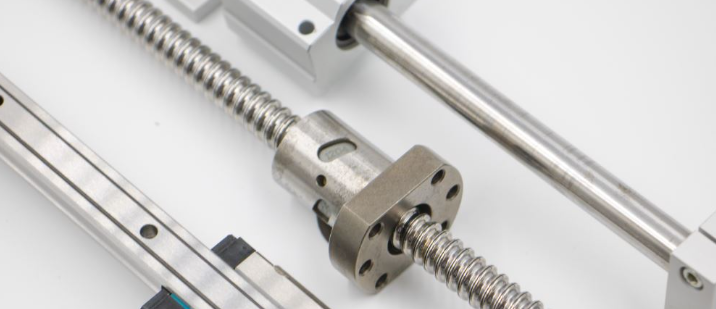
Ball screws versus lead screws represent one of the most significant precision differentiators. Research from Rockford Ball Screw shows that ball screws operate at 90% efficiency with minimal backlash, while ACME lead screws average only 44% efficiency and can exhibit 0.005" to 0.025" of backlash. Ground ball screws offer lead accuracy below 0.0003" with essentially zero backlash—a dramatic improvement over budget alternatives.
Additional precision factors include:
- Linear guides: Quality linear rails maintain consistent motion accuracy across the full travel range, while worn dovetail ways introduce progressive errors
- Spindle quality: Runout in the spindle directly transfers to every cut—precision spindles with preloaded bearings hold tenths, while economy spindles may exhibit several thousandths of wobble
- Thermal stability: As machines warm during operation, components expand at different rates, shifting positions—industrial machines incorporate thermal compensation or stable-temperature designs
- Steel shims: Precision alignment during assembly using quality shim stock ensures geometric relationships remain correct under cutting loads
Each of these factors compounds with others. A benchtop mill with quality ball screws but a mediocre spindle won't achieve its theoretical potential—precision requires attention across the entire system.
Tolerance Stacking and Real-World Accuracy
Beyond individual machine capabilities, understanding how tolerances accumulate across multiple features helps you design parts that are actually manufacturable. Every dimension carries its own tolerance, and these stack up across your design.
A 3 axis cnc machine handles most straightforward work but requires multiple setups when parts need machining from different orientations. According to manufacturing analysis from YCM Alliance, each setup introduces potential accuracy variations—repositioning errors that add to overall tolerance accumulation. Complex parts machined across four or five setups can accumulate significant positional errors between features machined in different orientations.
5-axis machining addresses this limitation by enabling complete part machining in a single setup. With two additional rotational axes, the cutting tool can approach the workpiece from virtually any angle without repositioning. All features reference a single datum, eliminating setup-induced errors entirely. This capability enables:
- Undercuts and compound angles: Geometries physically impossible to reach with 3-axis toolpaths
- Improved surface finishes: Optimal tool orientation relative to the cutting surface reduces scalloping and tool marks
- Extended tool life: Maintaining ideal cutting angles reduces tool stress and wear
- Complex organic shapes: Turbine blades, impellers, and sculpted surfaces that would require extensive hand finishing otherwise
For fabricators producing complex geometries, 5-axis capability often justifies its higher cost through improved accuracy, reduced cycle times, and eliminated secondary operations. However, simpler parts with features accessible from one direction rarely benefit enough to warrant the additional investment.
Knowing your precision requirements before selecting equipment—and honestly assessing whether your budget and skills support those requirements—prevents the common mistake of expecting benchtop performance from hobby equipment or overspending on industrial capability you'll never fully utilize.
Industries That Depend on CNC Metal Machining
You've explored machine types, material compatibility, and precision capabilities—but where does all this knowledge actually get applied? Understanding which industries rely heavily on metal cnc machining reveals why certain specifications matter and helps you identify where your skills or services might find the strongest demand.
From engine blocks powering vehicles on highways to surgical instruments saving lives in operating rooms, cnc machining metal has become inseparable from modern manufacturing. Each industry brings unique requirements that push CNC technology in different directions, creating specialized applications that range from high-volume production to one-off prototypes.
Automotive Components at Scale
The automotive sector has long been one of the most significant beneficiaries of CNC metal cutting technology. According to manufacturing experts at American Business Magazine, automotive manufacturers leverage CNC efficiency in producing components like engine blocks, gearboxes, and cylinder heads with remarkable consistency across millions of units.
What makes CNC indispensable for automotive applications?
- Engine components: Cylinder heads, intake manifolds, and engine blocks require precise bore dimensions and surface finishes that directly affect performance and longevity
- Transmission parts: Gears, shafts, and housings demand tight tolerances for smooth operation and minimal noise
- Chassis and suspension: Control arms, brackets, and steering components need consistent strength and dimensional accuracy across high production volumes
- Custom assemblies: Aftermarket modifications and specialty vehicle components benefit from CNC's ability to produce small batches economically
Beyond standard production, a cnc metal cutting machine proves essential for rapid prototyping in automotive development. Designers can test and tweak parts before committing to mass production tooling, reducing costly errors significantly. This capability has become particularly valuable in the electric vehicle segment, where innovation cycles move faster than traditional automotive development timelines.
For fabricators seeking reliable automotive manufacturing solutions, specialized cnc manufacturing shops with industry certifications like IATF 16949 deliver the quality assurance these demanding applications require. Facilities like Shaoyi Metal Technology combine precision CNC machining with Statistical Process Control to maintain consistency across production runs, offering lead times as fast as one working day for complex chassis assemblies and custom components.
Aerospace Demands and CNC Solutions
Few industries push precision requirements further than aerospace manufacturing. According to specialists at LG Metal Works, aerospace parts such as turbine blades, engine components, and structural brackets demand tolerances as tight as ±0.0005"—levels that leave zero margin for error.
Aerospace applications present unique challenges that separate capable shops from those unprepared for the sector's demands:
- Exotic materials: Titanium alloys, Inconel, and other high-performance metals resist machining and require specialized tooling, optimized toolpaths, and expert operator oversight
- Extreme precision: Flight-critical components must meet stringent dimensional requirements where the smallest deviation could have catastrophic consequences
- Complex geometries: Turbine blades and structural elements often feature compound curves and intricate internal passages
- Traceability requirements: Full documentation of materials, processes, and inspections ensures compliance with aviation safety standards
The ability to machine advanced materials like Inconel 625, titanium Grade 5, and 7075-T6 aluminum separates aerospace-capable shops from general fabrication facilities. Each material presents unique thermal expansion, hardness, and chip-forming behaviors that demand precision calibration and continuous monitoring.
Medical Device Precision Requirements
When components end up inside the human body or in the hands of surgeons performing life-saving procedures, precision takes on profound importance. Medical device manufacturing combines aerospace-level tolerances with biocompatibility requirements that limit material choices and demand exceptional surface finishes.
According to industry analysis from American Business Magazine, CNC machines excel at producing critical medical devices like surgical tools, prosthetics, and implants—applications where the smallest defect could have life-altering consequences.
Medical applications demand specific capabilities:
- Biocompatible materials: Surgical stainless steel, titanium, and specialized medical-grade plastics that won't cause adverse reactions in biological environments
- Patient-specific customization: Custom implants such as titanium bone plates machined to fit individual patient anatomy
- Surface finish requirements: Implants and surgical instruments require polished surfaces that resist bacterial colonization and ensure proper tissue integration
- Sterility considerations: Manufacturing processes must accommodate post-processing sterilization and cleanroom-compatible workflows
The medical sector increasingly relies on cnc prototyping capabilities for developing new surgical tools and implant designs. Rapid iteration allows designers to refine ergonomics, test functionality, and validate fit before committing to production tooling—accelerating the development cycle for life-saving innovations.
From Hobbyist Projects to Industrial Production
Understanding the gap between hobbyist applications and industrial requirements helps fabricators position themselves appropriately and set realistic expectations for their equipment investments.
Hobbyist and small-shop applications typically include:
- Custom parts and repairs: One-off components for restoration projects, machinery repairs, or personal fabrication needs
- Prototype development: Testing concepts before seeking production partners or investing in industrial equipment
- Small-batch production: Limited runs of specialty items where setup time matters less than flexibility
- Skill development: Learning CNC programming and operation before transitioning to commercial work
Industrial requirements, by contrast, demand capabilities that justify significantly higher equipment investments. According to prototyping specialists at Nabell, professional cnc prototyping offers superior accuracy, material versatility, and scalability that makes it the preferred choice for industries aiming to enhance design and production capabilities.
The transition from hobbyist to professional work often reveals gaps in equipment capability, process documentation, and quality systems that industrial customers require. Fabricators targeting aerospace, medical, or automotive work must invest not only in capable machinery but also in measurement equipment, quality management systems, and certifications that demonstrate process control.
This spectrum of applications—from weekend projects to flight-critical components—explains why the CNC market offers such diverse equipment options. Understanding where your work falls on this continuum guides both immediate purchasing decisions and long-term business development strategies.
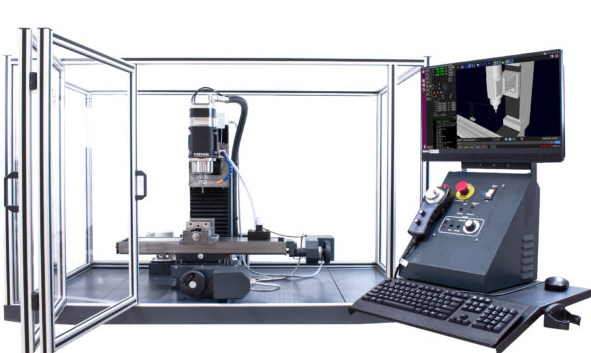
CNC Metal Machine Costs and Investment Analysis
You've identified which industries need precision metalwork and understand the tolerance requirements involved—but can you actually afford the equipment needed to deliver those results? The cnc machine price question trips up more fabricators than almost any other factor. Many buyers focus exclusively on the sticker price, only to discover that the real cost of cnc ownership extends far beyond that initial purchase.
Understanding how much does a cnc machine cost requires looking at the complete financial picture. According to manufacturing specialists at CNC WMT, the price of CNC machine tools depends on several factors including machine type, size, features, brand, automation level, and long-term operating costs. Let's break down what you should actually budget for at different investment levels.
Entry-Level Investment Starting Points
The cnc machine cost varies dramatically based on your intended applications. A cheap cnc machine designed for hobbyist aluminum work occupies an entirely different category than industrial equipment built for continuous steel production. Here's what different budget levels realistically deliver:
| Machine Category | Price Range | Typical Capabilities | Best For |
|---|---|---|---|
| Desktop CNC Mills | $2,000 - $8,000 | Aluminum, brass, light steel cuts; ±0.005" tolerance typical | Hobbyists, prototyping, learning CNC fundamentals |
| Benchtop Machines | $8,000 - $25,000 | Steel-capable; improved rigidity; ±0.002" achievable | Small shops, production prototyping, custom parts |
| Light Industrial | $25,000 - $75,000 | Full steel production; automation options; ±0.001" capable | Job shops, production environments, demanding materials |
| Full Industrial Equipment | $75,000 - $500,000+ | Continuous duty; exotic materials; ±0.0005" or better | Aerospace, medical, high-volume manufacturing |
When asking how much is a cnc machine, remember that premium brands like Haas, Mazak, and DMG Mori command higher prices but deliver decades of engineering refinement plus technical support, documentation, and training. According to industry analysis, while more money is spent upfront with these premium brands, lower downtime and longer machine life often result in better long-term value.
Hidden Costs Beyond the Machine Price
The purchase price represents only the visible portion of your total investment. According to ownership analysis from XProCNC, a widely accepted rule of thumb suggests budgeting an additional 15-25% of your machine's purchase price for first-year operating costs. For a $20,000 machine, that means setting aside $3,000 to $5,000 beyond the sticker price.
Ongoing operational expenses that affect your true cnc machining price include:
- Tooling replacement: End mills, drills, and inserts are consumables—budget $100 to $400 monthly depending on materials and volume
- Coolant and lubricants: Quality cutting fluid extends tool life and improves finishes but requires regular replacement and proper disposal
- Electricity: Industrial spindles draw significant power, especially during heavy cuts in steel
- Maintenance supplies: Lubricants, way oil, filters, and cleaning supplies add up across a year of operation
- Software subscriptions: CAD/CAM software often runs $100 to $500 monthly for professional packages
- Replacement components: Set aside 1-3% of purchase price annually for wear items like bearings, seals, and belts
After the first year, budgeting 5-10% of the machine's value annually for ongoing maintenance and tooling replacement represents a sustainable model that prevents deferred maintenance from becoming expensive repairs.
Calculating True Cost Per Part
Understanding the price of cnc on a per-part basis helps you quote jobs accurately and evaluate equipment investments realistically. Your cost calculation should include:
- Machine time: Divide annual machine costs (depreciation, maintenance, overhead) by productive hours to establish an hourly rate
- Tooling consumption: Track tool life in your specific materials and allocate replacement costs across parts produced
- Setup time: Include fixture preparation, program verification, and first-article inspection in your calculations
- Material waste: Account for chips, cutoffs, and scrapped parts when calculating material costs
- Labor: Operator time for loading, monitoring, and unloading—even on automated equipment
The cost of cnc per operation varies significantly by process type. According to manufacturing analysis, laser and plasma cutting offer speed advantages for 2D work, while milling costs more per hour but handles complex 3D geometries that simpler processes cannot achieve. Matching your equipment to your actual workload prevents overpaying for capabilities you rarely use.
New Versus Used Equipment Decisions
Used CNC equipment can offer substantial savings—sometimes 40-60% off new prices—but requires careful evaluation. Consider these factors when evaluating pre-owned machines:
- Hour meter and maintenance records: Low-hour machines with documented maintenance history present the best used values
- Inspection before purchase: Run test programs and check for backlash, spindle runout, and geometric accuracy
- Control system age: Older controls may lack features, have limited software compatibility, or face parts obsolescence
- Manufacturer support: Some brands maintain parts availability and support for decades; others discontinue support quickly
- Installation costs: Rigging, electrical work, and commissioning add to total acquisition costs
A well-maintained used machine from a reputable brand often delivers better value than a new budget machine with questionable long-term durability. However, buying used without proper inspection or from unreliable sources can result in equipment that costs more to repair than the purchase price saved.
Making informed investment decisions requires balancing initial costs against long-term value—understanding not just what equipment costs, but what it costs to operate productively over years of service.
Tooling and Workholding Essentials for Metal
You've evaluated machine costs and understand what different investment levels deliver—but even the most capable CNC equipment produces disappointing results without proper tooling and workholding. Think of it this way: your machine provides the motion and power, but the cutting tools and fixtures determine whether that capability translates into quality parts or frustrating scrap.
Many fabricators underestimate how much workholding and tooling decisions affect their results. A poorly secured workpiece shifts mid-cut, ruining tolerances. Wrong milling bits for your material cause premature wear or poor surface finish. Understanding these fundamentals before you start cutting prevents expensive lessons learned the hard way.
Vises Clamps and Custom Fixtures
Workholding serves one critical purpose: keeping your metal stock absolutely stationary while cutting forces try to move it. Any movement—even thousandths of an inch—directly transfers to your finished part as dimensional error. The workholding method you choose depends on part geometry, required access for the cnc cutter, and production volume.
Common workholding options include:
- Machine vises: The workhorse of milling operations—quality vises with hardened jaws provide rigid clamping for rectangular stock and can be fitted with soft jaws machined to match specific part profiles
- Toe clamps and step blocks: Versatile clamping for irregularly shaped parts or when vise jaws would interfere with toolpath access
- Vacuum tables: Ideal for thin sheet material where conventional clamping would distort the workpiece—atmospheric pressure holds parts flat without edge interference
- Custom fixtures: Purpose-built workholding designed for specific parts, often incorporating coupling nuts and threaded inserts for quick loading and precise positioning
- Collet blocks and indexing fixtures: Enable machining multiple sides without removing the part from the machine
When designing fixtures, consider how a metal shim can establish precise datum surfaces or compensate for minor variations in raw stock thickness. Experienced machinists keep assorted shim stock on hand to fine-tune setups without remaking fixtures.
End Mills Inserts and Cutting Tool Selection
Your milling machine cutters directly determine cutting speed, surface finish, and tool life. Understanding the differences between tool types helps you make smart purchasing decisions rather than buying whatever looks affordable.
End mills handle the majority of milling work. These rotating cutters come in countless variations:
- Flat end mills: Square-cornered tools for pockets, profiles, and facing operations
- Ball end mills: Rounded tips for 3D contours, fillets, and sculptured surfaces
- Corner radius end mills: Blend strength of flat ends with reduced stress concentrations at corners
- Roughing end mills: Serrated flutes break chips and allow aggressive material removal
Face mills excel at removing large amounts of material quickly when surfacing flat areas. These use replaceable carbide inserts rather than solid construction, making them economical for heavy-duty facing operations.
Drills and taps complete the essential end milling toolkit. Spot drills create precise starting points, twist drills bore holes, and taps cut internal threads. For production work, thread forming screws can sometimes eliminate tapping operations entirely by forming threads during assembly rather than cutting them during machining.
Workholding Strategies for Different Part Geometries
Essential starter tooling for metal machining should cover common operations without breaking your budget:
- 2-flute and 4-flute end mills in 1/4", 3/8", and 1/2" diameters
- Set of jobber-length twist drills covering common hole sizes
- Spot drill or center drill for hole starting
- Carbide chamfer mill for edge breaking
- Face mill with appropriate inserts for your primary materials
- Tap set with corresponding drill sizes for common thread pitches
- Edge finder or probe for locating workpiece positions
Tool coatings dramatically affect performance in different metals. Uncoated carbide works adequately in aluminum but wears quickly in steel. Titanium nitride (TiN) adds hardness and heat resistance for general-purpose steel cutting. Aluminum titanium nitride (AlTiN) handles higher temperatures for harder materials and dry machining. Diamond-like carbon (DLC) coatings excel in aluminum by preventing built-up edge.
Carbide versus HSS represents a fundamental choice affecting both cost and capability. High-speed steel (HSS) milling bits cost less and can be resharpened, making them economical for occasional use or soft materials. Carbide tools cost more initially but run faster, last longer, and handle harder materials—typically paying for themselves quickly in production environments.
Proper chip evacuation and coolant systems extend tool life and improve part quality. Chips left in the cutting zone get re-cut, damaging both the workpiece and the tool. Flood coolant washes chips away while reducing cutting temperatures. For operations where flood coolant isn't practical, air blast or mist systems provide alternatives. Some materials—particularly aluminum—benefit from specific cutting fluids that prevent built-up edge formation.
Investing in quality workholding and appropriate tooling pays dividends across every part you produce. Skimping here undermines the capability of even premium machinery, while thoughtful selections maximize what your equipment can deliver.
Choosing the Right CNC Machine for Metal Work
You've absorbed the fundamentals—machine types, material compatibility, precision capabilities, costs, and tooling essentials. Now comes the decision that ties everything together: selecting the right cnc machine metal setup for your specific situation. This choice shapes every project you'll tackle for years to come, so getting it right matters more than rushing into a purchase that doesn't fit your actual needs.
Whether you're a hobbyist dreaming of a home cnc machine or a professional evaluating equipment for production work, the selection process follows similar logic. Start with your requirements, match them against realistic options, and factor in the complete ecosystem that supports successful machining. Let's walk through a practical framework that prevents buyer's remorse.
Matching Machine Size to Your Workspace
Before falling in love with a machine's capabilities, verify it actually fits where you plan to use it. A desktop cnc mill sounds compact until you account for chip containment, tool storage, and operator access. Physical constraints eliminate options faster than any other factor.
Use this checklist to evaluate key selection criteria before comparing specific machines:
- Work envelope requirements: What are the largest parts you realistically need to machine? Add margin for workholding and clearance
- Material capabilities: Will you primarily cut aluminum, or do you need steel-capable rigidity from day one?
- Precision needs: What tolerances do your applications actually require—not wish for, but genuinely need?
- Budget constraints: Include tooling, software, and first-year operating costs in your total budget—not just the machine price
- Available space: Measure your actual workspace including clearance for chip management, material handling, and maintenance access
- Power requirements: Verify your electrical service can handle the machine—industrial equipment often requires 220V or three-phase power
- Weight capacity: Confirm your floor can support the machine weight, especially for cast-iron industrial equipment
- Noise and ventilation: Consider neighbors, shop ventilation for coolant mist, and chip collection requirements
A small cnc machine designed for desktop use might handle your immediate projects perfectly while fitting a garage corner. But if you're already planning to upgrade within two years, that intermediate step might waste resources better applied toward more capable equipment from the start.
Evaluating Rigidity for Your Target Materials
Your primary material determines minimum rigidity requirements. A small cnc milling machine built for aluminum prototyping will struggle—or fail entirely—when asked to cut steel aggressively. Matching machine construction to your material goals prevents frustration and wasted tooling.
For hobbyists and light-duty work:
- Desktop milling machine options: Adequate for aluminum, brass, plastics, and light cuts in mild steel
- Typical construction: Aluminum frames, smaller linear guides, belt or lead screw drives
- Realistic expectations: Learn CNC fundamentals, prototype designs, create functional parts in softer materials
- Upgrade paths: Consider whether the platform accepts spindle upgrades, ballscrew conversions, or enclosure additions
For professional and production environments:
- Industrial-grade construction: Cast iron or fabricated steel frames with substantial mass
- Precision motion systems: Ballscrews, quality linear guides, servo motors with encoder feedback
- Spindle capability: Higher horsepower with rigid toolholding systems like CAT40 or BT30
- Production features: Automatic tool changers, probing systems, coolant management
A mini cnc machine might seem limiting compared to full-size equipment, but constraints force creativity and deep learning. Many successful machinists developed their skills on modest equipment before scaling up—the fundamentals transfer regardless of machine size.
Software Ecosystem and Learning Curve Considerations
The workflow from idea to finished part flows through software at every stage. Understanding this pipeline helps you evaluate not just the machine, but the complete ecosystem you're buying into.
CAD (Computer-Aided Design) creates your 3D model or 2D drawing. Options range from free tools like Fusion 360 for hobbyists to professional packages like SolidWorks or Inventor. Your CAD choice affects file compatibility and feature availability downstream.
CAM (Computer-Aided Manufacturing) transforms your design into toolpaths—the precise movements your machine will execute. CAM software calculates feeds, speeds, and cutting strategies based on your material, tooling, and machine capabilities. Quality CAM dramatically affects surface finish, cycle time, and tool life.
Post-processing converts generic toolpaths into G-code specific to your machine's controller. Different controls interpret commands differently, making appropriate post-processors essential for reliable operation.
Machine control executes the G-code, coordinating motors, spindle, and coolant to produce your part. Controllers range from simple GRBL-based systems on desktop cnc setups to sophisticated Fanuc or Siemens controls on industrial equipment.
Consider these software ecosystem factors:
- Included software: Some machines bundle CAM software; others require separate purchases
- Learning curve: Complex professional software offers more capability but demands more training investment
- Community support: Popular platforms have extensive tutorials, forums, and shared resources
- Subscription versus perpetual licensing: Ongoing software costs affect long-term operating expenses
- Simulation capabilities: Virtual verification catches programming errors before they damage machines or parts
Manufacturer Support and Community Resources
What happens when something breaks or you encounter a problem you can't solve alone? Manufacturer support and community resources often determine whether a machine becomes a productive tool or an expensive paperweight.
Evaluate manufacturer support by asking:
- How responsive is technical support by phone and email?
- Are replacement parts readily available and reasonably priced?
- Does the manufacturer provide training resources, videos, or documentation?
- How long has the company been in business, and what's their reputation for standing behind products?
- Are firmware updates and improvements provided, or is the machine frozen at purchase configuration?
Community resources matter equally, especially for smaller manufacturers without extensive support departments. Active user forums, Facebook groups, and YouTube channels create knowledge bases that help troubleshoot problems and share optimization tips. Popular platforms like Tormach, Haas, and various desktop cnc brands benefit from engaged user communities that effectively extend manufacturer support.
For professional buyers seeking production-ready solutions with proven support, established manufacturers offer peace of mind that budget alternatives cannot match. Facilities like Shaoyi Metal Technology demonstrate how IATF 16949 certification and Statistical Process Control translate capability specifications into consistent real-world results—the kind of operational maturity that develops over years of production experience.
Recommendations by User Segment
Your situation determines which tradeoffs make sense. Here's practical guidance based on common buyer profiles:
Hobbyists and learners:
- Start with a desktop cnc or mini cnc machine in the $2,000-$5,000 range
- Focus on aluminum-capable machines that can handle occasional brass or mild steel
- Prioritize platforms with active communities and extensive learning resources
- Budget for quality workholding and a basic tooling kit—don't spend everything on the machine
- Accept that upgrading later is normal; your first machine teaches you what you actually need
Small shops and serious enthusiasts:
- Consider benchtop or light industrial equipment in the $10,000-$30,000 range
- Prioritize steel-capable rigidity and precision that supports paying work
- Invest in proper CAM software that maximizes machine capability
- Evaluate manufacturer support carefully—downtime costs money when customers are waiting
- Plan for growth with machines that accept automation upgrades like probing and tool changers
Production and professional environments:
- Specify equipment based on documented requirements, not aspirational capabilities
- Factor total cost of ownership including maintenance contracts and training
- Verify manufacturer stability and parts availability for the expected machine lifespan
- Consider used industrial equipment from reputable brands as an alternative to new budget machines
- Ensure your facility infrastructure supports the equipment—power, rigging, environmental controls
Whatever your starting point, remember that the best cnc machine metal setup is one you actually use to make parts. Analysis paralysis keeps many would-be fabricators on the sidelines while others develop skills through hands-on experience. Start where your budget and space allow, learn the fundamentals, and upgrade when genuine limitations—not imagined ones—hold you back from work you need to accomplish.
Frequently Asked Questions About CNC Metal Machining
1. What is a CNC machine used for metal?
A CNC machine for metal uses computer numerical control to automate cutting, shaping, and fabricating metal parts with exceptional precision. These machines follow programmed G-code instructions to guide cutting tools across workpieces, removing material to create finished components. Common types include CNC mills for 3D contours, lathes for cylindrical parts, and plasma or laser cutters for sheet metal. Modern CNC metal machines achieve positioning accuracy within 0.0001 inches, making them essential for aerospace, automotive, and medical device manufacturing where tight tolerances are critical.
2. What metals can you CNC machine?
CNC machines handle a wide range of metals including aluminum, steel, stainless steel, brass, copper, and titanium. Aluminum offers the most forgiving machinability with fast cutting speeds and minimal tool wear. Steel requires more rigid machines and careful heat management. Stainless steel presents work-hardening challenges requiring consistent cutting engagement and sharp tooling. Brass and copper machine beautifully with excellent surface finishes. Titanium demands specialized tooling, aggressive cooling, and reduced speeds. Material choice directly affects tooling selection, cutting parameters, and machine requirements.
3. Is CNC milling hard to learn?
CNC milling has a learning curve but remains accessible to dedicated beginners. Basic parts can be created within hours using modern CAD/CAM software that automatically generates toolpaths from 3D designs. However, mastering the craft—understanding material behaviors, optimizing cutting parameters, and troubleshooting issues—typically takes three or more years of hands-on experience. Starting with aluminum on a desktop CNC mill provides a forgiving environment to learn fundamentals before progressing to harder materials and more demanding tolerances.
4. Is it cheaper to build or buy a CNC machine?
Building a CNC machine costs less in raw materials but requires significant time investment for designing, assembling, adjusting, and tuning. For hobbyists valuing the learning experience, DIY builds offer educational benefits alongside cost savings. However, purchasing a commercially manufactured machine provides proven performance, manufacturer support, documentation, and warranty coverage. Production environments typically benefit more from buying quality equipment that minimizes downtime. Consider your time value, technical skills, and intended applications when making this decision.
5. How much does a CNC metal machine cost?
CNC metal machine prices range from $2,000 for desktop hobby mills to $500,000+ for industrial production equipment. Desktop CNC mills suitable for aluminum and light steel work cost $2,000-$8,000. Benchtop machines with improved steel-cutting capability range from $8,000-$25,000. Light industrial equipment runs $25,000-$75,000, while full production machines from brands like Haas or Mazak start around $75,000. Beyond purchase price, budget 15-25% additional for first-year operating costs including tooling, coolant, software, and maintenance.