 Small batches, high standards. Our rapid prototyping service makes validation faster and easier —
  EN
EN


Prototype CNC Machining Services: What Shops Won't Tell You About Costs
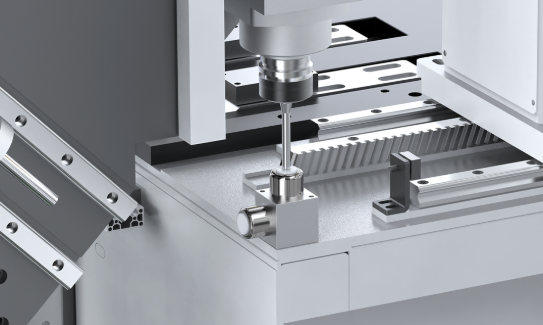
What Prototype CNC Machining Services Actually Deliver
Prototype CNC machining services transform your digital CAD designs into physical, functional parts using computer-controlled cutting tools that remove material from solid blocks of metal or plastic. Unlike production machining focused on high-volume manufacturing, these services prioritize speed, flexibility, and the ability to iterate quickly through design revisions during product development.
Think of it this way: production machining asks "How do we make 10,000 identical parts efficiently?" Meanwhile, prototyping asks "Does this design actually work, and what should we change?" This fundamental difference shapes everything from setup procedures to tolerance priorities. When you're validating a concept or testing fit and function, you need machined parts fast, often within days rather than weeks.
Prototype CNC machining typically involves quantities from 1 to 50 pieces, with lead times ranging from 2 to 7 working days depending on complexity. You'll pay more per part compared to production runs because setup, programming, and fixturing costs spread across fewer units. However, this premium buys you something valuable: the freedom to learn and refine your design before committing to expensive production tooling.
From Digital Design to Physical Reality
Every CNC prototyping project begins with a CAD model, your 3D digital blueprint that defines geometry, dimensions, and tolerances. Common file formats include .STEP, .IGES, and native SolidWorks files. A well-prepared model reduces errors and machining time significantly.
Once submitted, your file enters CAM (Computer-Aided Manufacturing) software, which generates the toolpaths the CNC machine will follow. This process involves selecting appropriate cutting tools, determining optimal speeds and feeds, and planning the sequence of operations. The output is G-code, the machine-readable language that drives the equipment to cut your cnc parts with precision.
From there, raw material is selected, mounted securely, and machined according to programmed instructions. Throughout this process, dimensions are monitored against specifications. The entire workflow, from text milling operations to final inspection, follows a controlled sequence designed to deliver accurate cnc machining parts every time.
Why Engineers Choose CNC for Prototypes
When you need to validate whether a part will actually survive real-world conditions, precision cnc machining offers advantages that 3D printing simply cannot match. CNC machines routinely hold tolerances of ±0.05mm to ±0.1mm, compared to ±0.2mm or looser for typical 3D printing processes.
More importantly, CNC prototyping lets you test with production-grade materials. You can machine the exact aluminum alloy, steel grade, or engineering plastic you plan to use in final production. This means your thermal performance tests, strength evaluations, and sealing checks reflect actual product behavior, not approximations.
The core benefits of choosing CNC for your prototypes include:
- Material versatility: Work with metals, plastics, composites, and specialty materials that match your production specifications
- Tight tolerances: Achieve precision levels essential for mating parts, bearing seats, and critical interfaces
- Functional testing capability: Validate load-bearing performance, heat dissipation, and mechanical properties under realistic conditions
- Production-representative results: Get machined parts that accurately predict how final products will look, feel, and perform
For early-stage form and ergonomic studies, 3D printing remains excellent. But when your questions involve strength, wear resistance, or precise assembly behavior, cnc prototyping delivers answers you can trust before scaling to production volumes.
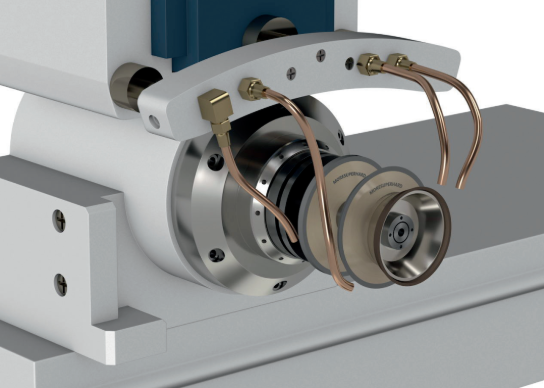
The Complete Prototype Machining Workflow Explained
Ever wondered what actually happens after you submit your design files? Understanding the complete cnc service workflow helps you set realistic expectations, avoid delays, and communicate more effectively with your machining partner. Let's walk through each stage from file upload to finished machining parts arriving at your door.
The typical prototype machining journey follows eight sequential steps:
- CAD file upload: Submit your 3D model and technical drawings
- DFM analysis: Engineers review your design for manufacturability
- Quote generation: Receive pricing based on complexity and requirements
- Material procurement: Raw stock is sourced and prepared
- Machining operations: CNC machines cut your part according to programmed toolpaths
- Inspection: Dimensions verified against specifications
- Finishing: Surface treatments applied if required
- Delivery: Parts cleaned, packaged, and shipped
Design Submission and File Preparation
Your prototype journey begins the moment you upload design files. Most cnc service providers accept common formats including .STEP, .IGES, .STP, and native CAD files from SolidWorks or Fusion 360. A well-prepared CAD model reduces errors and machining time significantly.
Along with your 3D model, you'll typically need to provide technical drawings specifying critical dimensions, tolerances, surface finish requirements, and any special notes. Clear documentation prevents misunderstandings and ensures your cnc machine parts meet expectations. If you're requesting an online machining quotes estimate, complete information upfront speeds the entire process.
DFM Review and Quoting Process
Here's where experienced manufacturers add real value. A Design for Manufacturability (DFM) review evaluates whether your part can be efficiently produced while meeting all functional requirements. According to Modus Advanced, surprisingly often, orders arrive for parts that simply cannot be made according to original specifications.
During DFM analysis, engineers examine:
- Whether requested tolerances are achievable with available equipment
- If internal features are accessible to cutting tools
- Whether wall thicknesses can withstand machining forces without deflection
- Opportunities to simplify geometry without sacrificing function
Good providers collaborate with you during this phase, suggesting modifications that reduce cost and lead time while maintaining part performance. This back-and-forth ultimately results in a cnc quote online that reflects efficient manufacturing methods rather than just raw complexity.
Once both parties agree on the design approach, you receive a formal quote covering cnc machining materials, labor, finishing, and shipping. Expect 24 to 48 hours for standard quotes, though complex assemblies may take longer.
Machining Operations and Quality Checks
With approval received and materials procured, production begins. Raw stock, whether aluminum, steel, or engineering plastic, gets cut to size and securely fixtured in the machine. Depending on part geometry, operations may include milling, turning, drilling, and threading across multiple setups.
Throughout machining, operators monitor dimensions to ensure they remain within specified tolerances. Once cutting completes, parts undergo formal quality inspection using calipers, micrometers, and Coordinate Measuring Machines (CMMs). Measurements are verified against your original drawing to confirm dimensional accuracy, surface finish quality, and feature integrity.
Finishing operations follow if specified, including anodizing, plating, bead blasting, or polishing. Finally, parts are cleaned, carefully packaged to prevent damage during transit, and shipped according to your delivery requirements. Most prototype orders complete within 5 to 10 business days, though expedited options exist when schedules demand faster turnaround.
Understanding this workflow empowers you to ask better questions, provide clearer specifications, and ultimately receive prototype parts that genuinely advance your development timeline. Now that you know how the process works, let's explore how material selection impacts both cost and testing validity.
Choosing the Right Material for Your Prototype
Material selection can make or break your prototype testing results. Pick the wrong material and you'll either waste money on unnecessary specifications or, worse, get misleading data that derails your development timeline. The good news? According to industry experience documented by Okdor, 6061 aluminum and delrin plastic solve roughly 85% of prototype validation needs at the lowest cost.
Before diving into specific materials, ask yourself one critical question: Does this prototype need to replicate production material properties, or simply validate geometry and fit? Your answer determines everything. Geometry validation allows flexibility in material choice, while functional testing under real-world conditions demands materials that match your production specifications.
Metal Prototypes for Structural and Thermal Testing
When your prototype faces mechanical loads, elevated temperatures, or harsh environments, metals deliver the accuracy you need for meaningful test results. Here's when each option makes sense:
6061-T6 Aluminum handles most structural validation requirements. It machines cleanly, holds tight tolerances (±0.025mm on critical features), and costs significantly less than specialty alloys. Aluminum machining works exceptionally well for thin-walled enclosures with 1-3mm walls, threaded assemblies requiring realistic torque testing, and any part where you need to detect structural weaknesses early. If your aluminum prototype cracks under testing, your production part likely will too.
316 Stainless Steel becomes essential when environmental resistance matters. Choose stainless for prototypes exposed to temperatures above 100°C, chemical contact, or corrosive conditions. Standard aluminum softens above 150°C and corrodes in acidic environments, giving you false performance data. Medical device housings requiring aggressive cleaning protocols typically demand stainless steel testing to validate real-world durability.
Titanium (6Al-4V) offers exceptional strength-to-weight ratios for aerospace and medical applications. However, it costs 5-10x more than aluminum and requires specialized machining parameters. Reserve titanium prototypes for final validation when you've already proven geometry and assembly function with less expensive materials.
The key insight here? Metal prototypes should reveal design problems, not hide them. Teams have saved significant development costs by discovering wall thickness issues in $60 aluminum prototypes rather than $500 production tooling.
Engineering Plastics for Form and Fit Validation
Sounds complex? It doesn't have to be. When your testing focuses on assembly sequence, snap-fit engagement, or dimensional verification rather than load-bearing performance, engineering plastics offer faster turnaround and lower costs.
Delrin material (also called POM or acetal) serves as the workhorse for plastic simulation. This delrin plastic machines cleanly without work hardening and behaves similarly to common injection-molded materials like ABS, PC, and nylon in assemblies. You'll find it ideal for:
- Snap-fits and living hinges requiring repeated flexing without breaking
- Gear prototypes where low-friction performance matters
- Housings with complex internal routing that would be difficult in metals
- Assembly validation where you need 50+ test cycles
Unlike aluminum that snaps immediately under flex testing, delrin validates whether your cantilever beam designs actually work before committing to injection mold tooling.
Machining nylon makes sense when your production part will be injection-molded nylon. The material offers good chemical resistance, low friction coefficients (0.15-0.25), and reasonable machinability. Nylon for machining requires slightly different parameters than delrin due to its tendency to absorb moisture, which can affect dimensions. Plan for this if tight tolerances matter.
Polycarbonate PC delivers impact resistance combined with optical clarity for transparent or translucent prototypes. It's tougher than acrylic but requires polishing to achieve optical-quality surfaces. Choose polycarbonate when your design needs both transparency and mechanical strength, such as protective covers or display windows that must survive drop testing.
Start with delrin for 90% of plastic part prototypes. Focus on validating geometry, fits, and assembly sequence rather than optimizing material properties during the prototyping phase.
Prototype Material Comparison Guide
Use this table to quickly match your testing requirements with the right material choice:
| Material Type | Best Applications | Machinability Rating | Cost Level | Prototype Testing Suitability |
|---|---|---|---|---|
| 6061-T6 Aluminum | Structural parts, enclosures, threaded assemblies, heat sinks | Excellent | Low ($50-75/part typical) | Strength testing, thermal validation, tolerance verification |
| 316 Stainless Steel | High-temp applications, chemical exposure, marine environments | Moderate (work hardens) | Medium-High | Environmental durability, corrosion resistance, FDA compliance |
| Delrin (POM) | Snap-fits, gears, bushings, injection mold simulation | Excellent | Low-Medium | Assembly validation, flexible element testing, wear surfaces |
| Nylon | Bearings, sliding components, chemical-resistant housings | Good (absorbs moisture) | Low-Medium | Friction testing, chemical resistance, flexible components |
| Polycarbonate PC | Transparent covers, impact-resistant enclosures, optical windows | Good (requires polishing) | Medium | Impact testing, optical clarity validation, protective covers |
| Brass | Electrical contacts, decorative hardware, machining bronze alternatives | Excellent | Medium | Conductivity testing, cosmetic validation, precision fittings |
Notice that cost levels reference prototype quantities, typically 1-10 pieces. Production volumes shift economics significantly. Also, machinability ratings affect both lead time and pricing since harder-to-machine materials require slower cutting speeds and more tool changes.
When stuck between material options, choose the simpler, cheaper alternative first. Most functional requirements are met by standard materials, and exotic choices often solve problems you don't actually have. Validate geometry with aluminum or delrin, then confirm performance with production-spec materials only when design is proven.
With your material selected, the next critical decision involves understanding what tolerance specifications actually matter for prototype parts, and where tighter requirements just add unnecessary cost.
Understanding Tolerances for Prototype Parts
Here's a truth most machining shops won't volunteer: the default tolerance on your prototype drawing might be costing you 30% more than necessary. Engineers often specify production-grade tolerances out of habit, not because their prototype testing actually requires that precision. Understanding when tight tolerances matter, and when they simply drain your budget, separates cost-effective prototyping from expensive over-engineering.
According to Geomiq, the default tolerance of ±0.127mm (±0.005") is already quite accurate and sufficient for most applications. Tighter specifications demand meticulous attention to detail, slower cutting speeds, specialized fixturing, and extensive quality inspection, all of which drive costs upward significantly.
Standard Versus Precision Tolerances
CNC machining capabilities span a wide range, from standard shop tolerances suitable for general features to ultra-precision work requiring environmental controls. Where your prototype falls on this spectrum directly impacts both cost and lead time.
Standard machining tolerances of ±0.1mm to ±0.127mm handle most prototype validation needs. At this level, machines run at efficient speeds, operators use standard fixturing, and inspection involves straightforward measurements. You'll validate geometry, confirm assembly sequences, and test basic mechanical function without premium pricing.
Precision tolerances from ±0.025mm to ±0.05mm become necessary for mating interfaces, bearing fits, and sealing surfaces. According to Modus Advanced, achieving these tighter ranges requires slower feeds, shallow cuts, and careful temperature control. Expect 15-25% cost increases compared to standard tolerances.
Ultra-precision work at ±0.0025mm to ±0.005mm demands specialized equipment, climate-controlled environments, and extensive inspection protocols. Reserve this level for final validation of optical components, precision instruments, or aerospace interfaces where function genuinely requires micron-level accuracy.
The key question for every dimension: What is the tolerance for thread holes, bearing bores, and critical interfaces versus general surfaces? Your answer determines where precision spending actually pays off.
Tolerance Class Comparison
| Tolerance Class | Typical Range | Application Examples | Cost Impact |
|---|---|---|---|
| Standard | ±0.1mm to ±0.127mm | General surfaces, non-critical features, clearance holes | Baseline pricing |
| Precision | ±0.025mm to ±0.05mm | Mating surfaces, bearing seats, sealing interfaces | +15-25% above baseline |
| High Precision | ±0.01mm to ±0.025mm | Precision fits, optical mounting, instrument components | +40-60% above baseline |
| Ultra-Precision | ±0.0025mm to ±0.005mm | Aerospace interfaces, optical components, metrology equipment | +100%+ above baseline |
When Tight Tolerances Actually Matter
Imagine assembling your prototype and discovering that mating parts don't fit because you specified loose tolerances everywhere. Conversely, imagine paying premium prices for precision on surfaces that simply bolt to a wall. Neither scenario serves your development goals.
Tight tolerances genuinely matter in these situations:
- Functional interfaces: Where cnc turned parts must rotate freely within bores, or shafts must press-fit into housings, precision determines whether your assembly works or binds
- Mating surfaces: Parts that align via locating pins, register features, or precision dowels require controlled tolerances on those specific features
- Sealing applications: O-ring grooves and gasket surfaces need dimensional control to achieve proper compression ratios
- Assembly stacks: When multiple custom machined parts combine, tolerance accumulation through the assembly demands tighter individual specs
For cnc turning operations producing shafts and cylindrical features, bearing journals and press-fit diameters typically need ±0.025mm control while general diameters can remain at standard tolerances.
Here's the practical approach: identify the 3-5 dimensions that truly affect your prototype's test validity. Specify precision tolerances only on those features. Let everything else default to standard shop tolerances. Your precision machining services provider will appreciate the clarity, and your budget will thank you.
Communicating Critical Dimensions Effectively
Your technical drawing communicates which dimensions matter most. Poor documentation leads to either wasted precision everywhere or insufficient accuracy where it counts.
Use a general tolerance block (such as ISO 2768-m or equivalent) covering all dimensions not explicitly called out. This sets your baseline without cluttering the drawing. Then call out specific tolerances only on critical features using standard GD&T notation or explicit dimensional tolerances.
For prototype work specifically, add notes explaining testing intent. A simple statement like "Critical for fit testing with mating component" helps machinists understand why certain tolerances matter, leading to better decisions during manufacturing.
Remember that prototype tolerances should match the functional requirements of your testing phase, not default to production specifications you may never need. Validate fit and function first with appropriate tolerances, then tighten specifications only when test results demand it. This iterative approach optimizes both cost and learning across your development cycle.
With tolerances properly specified, the next consideration involves understanding how your specific industry affects prototype requirements, from documentation needs to certification demands.
Industry-Specific Prototype Machining Requirements
Not all prototypes face the same scrutiny. A dashboard component destined for automotive crash testing operates under entirely different rules than a surgical instrument requiring FDA compliance. Understanding your industry's specific demands prevents costly surprises and ensures your prototype actually validates what matters for your application.
Industry context shapes every decision from material selection to documentation depth. What passes for acceptable in consumer electronics might trigger immediate rejection in aerospace machining environments. Let's explore what each major sector requires and how these requirements affect your prototype CNC machining approach.
Automotive Prototype Requirements
Automotive prototypes must survive brutal real-world conditions: temperature cycling from -40°C to 85°C, vibration exposure, chemical contact from fuels and cleaning agents, and thousands of operational cycles. Your prototype testing program needs materials and specifications that reveal weaknesses before production tooling commits.
Key considerations for automotive prototype machining include:
- Durability validation: Prototypes often undergo accelerated life testing, requiring materials that match production-grade mechanical properties
- Material traceability: OEMs increasingly demand documented material certifications even for prototype quantities
- Tolerance consistency: Assembly fit testing across temperature ranges requires controlled dimensional accuracy
- Surface finish specifications: Sealing surfaces, bearing interfaces, and cosmetic exteriors each carry specific roughness requirements
According to 3ERP, certifications demonstrate commitment to excellence and ensure processes align with stringent quality and safety requirements. For automotive prototypes, suppliers holding IATF 16949 certification offer quality management systems specifically designed for automotive supply chain requirements. This matters when your prototype must meet OEM validation protocols.
Prototype quantities for automotive typically range from 5-50 pieces to support multiple test programs simultaneously. Plan for destructive testing consuming significant portions of your prototype order, particularly for crash simulation and fatigue analysis.
Aerospace and Medical Considerations
Regulated industries add documentation layers that fundamentally change the prototype machining relationship. In cnc machining aerospace applications, every material lot, machining operation, and inspection result requires traceable records. Medical device machining follows similarly rigorous paths but with different regulatory frameworks.
Aerospace cnc machining prototypes demand:
- AS9100 certification: This aerospace-specific standard builds on ISO 9001 with additional requirements for risk management, configuration control, and product traceability
- Material certifications: Mill test reports documenting alloy composition, heat treatment, and mechanical properties
- First Article Inspection (FAI): Comprehensive dimensional verification documented per AS9102 standards
- Process validation: Documented evidence that machining parameters produce consistent, specification-compliant results
Medical machining adds its own regulatory complexity. According to NSF, ISO 13485 emphasizes regulatory compliance and risk management to ensure the safety and effectiveness of medical devices. The standard requires more detailed documented procedures and longer record retention periods compared to general manufacturing certifications.
For medical device machining prototypes, expect these requirements:
- ISO 13485 certification: Quality management system specifically designed for medical device production
- Biocompatibility considerations: Material selection must account for patient contact classification
- Cleaning validation: Documented procedures ensuring prototypes meet cleanliness specifications
- Design history file contributions: Prototype documentation becomes part of regulatory submission packages
One critical insight: prototype machining for regulated industries often costs 20-40% more than equivalent commercial work due to documentation requirements, not machining complexity. Factor this into your development budget from the start.
Consumer Electronics Prototyping
Consumer electronics prototypes face different pressures: cosmetic perfection, tight assembly integration with multiple components, and validation of thermal management solutions. While regulatory documentation requirements are lighter, aesthetic and functional expectations remain demanding.
Electronics prototype machining priorities include:
- Surface finish quality: Visible surfaces require consistent textures that translate accurately to production intent
- Assembly integration: Prototypes must accommodate PCBs, displays, batteries, and cables with precise internal features
- Thermal performance: Heat sink geometries and thermal interface surfaces require dimensional accuracy for valid thermal testing
- EMI/RFI considerations: Enclosure designs affecting electromagnetic performance need production-representative materials
According to Xometry, ensuring devices have electromagnetic compatibility is important, which involves providing electromagnetic shielding through conductive materials like steel or aluminum, or applying conductive coatings. Your prototype material choice directly affects whether EMI testing produces meaningful results.
Consumer electronics also demand rapid iteration cycles. Design changes happen weekly during active development, so your machining partner must handle frequent revisions without bureaucratic delays. Communication speed matters as much as machining capability.
Matching Provider Capabilities to Industry Needs
Different industries require different provider qualifications. Here's how to match your needs:
| Industry | Required Certifications | Key Documentation | Typical Lead Time Impact |
|---|---|---|---|
| Automotive | IATF 16949, ISO 9001 | Material certs, PPAP elements | +1-2 days for documentation |
| Aerospace | AS9100, ITAR (if applicable) | FAI reports, material traceability | +3-5 days for full documentation |
| Medical | ISO 13485, FDA registration | Device history records, validation protocols | +2-4 days for documentation |
| Consumer Electronics | ISO 9001 (minimum) | Dimensional reports, surface finish verification | Standard lead times |
Not every prototype requires certified suppliers. Early-stage geometry validation might work fine with a capable local shop lacking formal certifications. However, as you approach design freeze and regulatory submissions, certified providers become essential for generating compliant documentation.
The key takeaway? Identify your industry's non-negotiable requirements early and communicate them clearly when requesting quotes. A supplier experienced in your sector understands these expectations intuitively, saving explanation time and reducing the risk of documentation gaps that delay your development timeline.
Now that you understand what your industry demands, let's examine the cost factors that most machining shops prefer not to discuss openly.
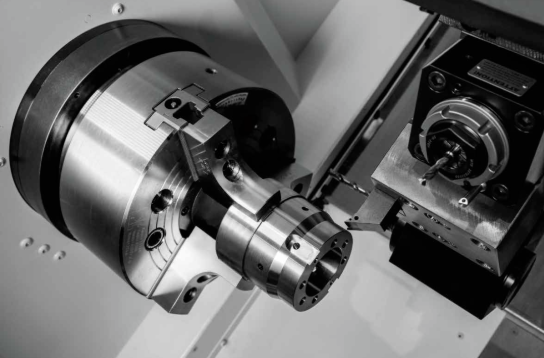
What Drives Prototype CNC Machining Costs
Ever received a cnc machining price quote that seemed surprisingly high for a "simple" part? You're not alone. Most prototype machining shops don't explain what actually drives their pricing, leaving engineers guessing why identical-looking parts can vary by 300% or more. Understanding these cost drivers empowers you to make smarter design decisions and have more productive conversations with your manufacturing partners.
The primary factors influencing prototype costs include:
- Material type and volume: Raw material cost plus machinability characteristics
- Geometric complexity: Number of operations, setups, and tool changes required
- Tolerance requirements: Precision levels affecting machine speeds and inspection time
- Surface finish specifications: Additional operations beyond standard machined finishes
- Quantity: How setup costs spread across your order
- Lead time: Rush fees for expedited delivery
- Secondary operations: Heat treatment, plating, assembly, and other post-machining work
Let's break down each category so you understand exactly where your money goes.
Material and Complexity Cost Drivers
Material selection creates the foundation of your cnc machining price. According to Komacut, materials like stainless steel and titanium, which are harder and tougher, require more time and specialized tooling, thereby increasing costs. Conversely, softer materials such as aluminum are easier to machine, reducing both machining time and tool wear.
The cost difference is substantial. Aluminum typically costs 30-50% less to process than stainless steel for equivalent geometries. Titanium and Inconel push costs even higher due to slow cutting speeds and rapid tool wear. When your prototype doesn't require production-grade material properties, choosing an easier-to-machine alternative can dramatically reduce expenses without compromising test validity.
Beyond raw material pricing, geometry complexity drives machining time directly. According to Uidearp, intricate features, deep pockets, or strict tolerances result in longer machining times and more tool changes. Each extra setup orientation significantly raises the cost because components need to be moved and realigned.
Consider these geometry-related cost factors:
- Undercuts and internal corners: Features inaccessible to standard tools require specialized tooling or EDM operations
- Deep pockets: Long tool reach demands slower feeds and lighter cuts to prevent deflection
- Thin walls: Flexible features require careful machining strategies to avoid distortion
- Multiple setup orientations: Each time a part must be repositioned adds fixturing time and potential for alignment errors
Here's practical advice from the same source: standardizing internal radii and simplifying non-essential features can substantially save expenses without sacrificing prototype functionality. A 2mm internal corner radius machines faster than a 0.5mm radius, sometimes cutting cnc cutting time by 25% or more.
Setup Costs and Quantity Economics
Why does a single prototype cost nearly as much as five identical pieces? The answer lies in setup economics. Every cnc fabrication project requires programming, fixturing, tool selection, and first-piece validation before production begins. These fixed costs don't scale with quantity.
According to Komacut, larger quantities spread fixed setup costs across more units, reducing the cost per part. Even the difference between ordering one item versus five can significantly impact per-unit pricing because setup expenses distribute across multiple pieces.
The machinist metal cost breakdown typically looks something like this for prototype quantities:
- Programming: CAM programming time remains constant regardless of quantity
- Fixturing: Workholding setup happens once per batch, not per part
- Tool preparation: Loading and measuring tools adds time before any cutting begins
- First-piece inspection: Validating the first part ensures all subsequent pieces meet specification
For a custom machine shop, these setup activities might consume 2-4 hours before a single chip flies. When that time spreads across 10 parts instead of 1, your per-part economics improve dramatically. This explains why shops often encourage ordering 3-5 prototypes even when you only need one for immediate testing.
Lead time also carries cost implications. According to Uidearp, rush orders requiring faster production usually come with premium fees of 25-100% above normal prices. Planning ahead allows you to optimize equipment use and accommodate typical lead times, avoiding these premiums entirely.
Hidden Costs to Consider
The quoted machining price rarely tells the complete story. Several additional costs can surprise you at project completion if you haven't planned for them upfront.
Finishing operations add significant expense. According to Uidearp, while basic machined finishes might be sufficient for functional testing, aesthetic prototypes may require extra processes like bead blasting, polishing, or anodizing. Sometimes secondary processes like heat treatment, painting, or specialty coatings can double the original machining cost for small-quantity prototype runs.
Surface finishes beyond standard machined textures carry lead time impacts too. Anodizing requires batch processing and curing time. Plating involves chemical preparation and quality verification. Budget 2-5 additional days for finishing operations beyond raw machining completion.
Inspection requirements scale with tolerance complexity. Standard dimensional verification using calipers and micrometers comes included with most quotes. However, CMM inspection reports, first-article documentation, or specialized measurement techniques add cost. If your industry requires formal inspection documentation, confirm this is included in your quote.
Shipping and handling particularly impacts international orders or rush deliveries. Express freight for urgent prototypes can rival the machining cost itself. Packaging requirements for delicate features add material and labor costs that rarely appear in initial quotes.
Optimizing Costs Without Compromising Function
According to Fathom Manufacturing, many cost factors are easy to correct if you consider them during the design phase of new product development. Small design changes can significantly impact machining time and cost while maintaining full prototype functionality.
Practical cost optimization strategies include:
- Simplify where function allows: Reduce geometric complexity on features that don't affect your testing objectives
- Standardize radii: Use consistent internal corner radii (ideally 3mm or larger) to enable efficient tool paths
- Specify tolerances strategically: Tight tolerances only on critical features, standard elsewhere
- Consider material alternatives: Validate with aluminum before committing to expensive alloys
- Batch similar parts: Ordering related components together shares setup costs
- Plan realistic lead times: Avoid rush premiums by building buffer into your development schedule
The relationship between design decisions and cost is direct. A 5-minute design change removing an unnecessary tight tolerance or adding accessibility for a standard tool can reduce machining time by 30% or more. Engage your machining partner's DFM expertise early, before finalizing designs, to identify these optimization opportunities.
With a clear understanding of cost drivers, you're now equipped to evaluate potential machining providers more effectively. The next section covers what to look for when selecting a partner who can deliver quality prototypes without unexpected budget overruns.
How to Evaluate Prototype Machining Providers
Searching for "cnc machine shops near me" or "machining shops near me" returns dozens of options, but how do you identify which ones actually excel at prototype work? Here's the reality: a shop optimized for high-volume production runs often struggles with the flexibility and communication speed that prototype projects demand. The qualities that make a great production partner can actually work against you during development phases.
Prototype work requires different provider qualities than production manufacturing. Flexibility matters more than raw capacity. Communication speed trumps automation efficiency. Willingness to handle single-piece orders outweighs volume pricing structures. When you're iterating through design revisions weekly, you need a partner who treats your 5-piece order with the same attention as a 5,000-piece contract.
Use this evaluation checklist when assessing potential providers:
- Prototype-specific experience: Ask what percentage of their work involves quantities under 50 pieces
- Quote turnaround time: Precision machining companies focused on prototypes typically deliver quotes within 24-48 hours
- DFM feedback quality: Request examples of design improvement suggestions they've provided to previous clients
- Revision handling process: Understand how they manage design changes mid-project
- Communication channels: Direct engineer access versus sales intermediaries affects response speed
- Minimum order policies: Confirm they genuinely welcome single-piece prototype orders
- Material inventory: Common prototype materials in stock reduces lead time significantly
Technical Capabilities to Verify
Before committing to any provider, verify their equipment and expertise match your project requirements. A machinist near me might offer competitive pricing, but can they actually achieve the tolerances and surface finishes your prototype demands?
Start with machine types. Three-axis mills handle most prototype geometries, but complex parts with undercuts or angled features may require 4-axis or 5-axis capabilities. According to LS Manufacturing, suppliers specializing in rapid response typically have multi-axis CNC machines ready for quick-turn production rather than machines tied up with long production runs.
Material expertise matters equally. Ask these specific questions:
- Which aluminum alloys do you machine most frequently?
- What experience do you have with engineering plastics like PEEK or Ultem?
- Can you provide material certifications for aerospace or medical applications?
- Do you maintain common prototype materials in stock, or does everything require special ordering?
Tolerance capabilities define what precision levels a shop can reliably achieve. Most local machine shops deliver ±0.1mm routinely, but achieving ±0.025mm on critical features requires better equipment, climate control, and inspection capabilities. Request specific examples of tight-tolerance work they've completed successfully.
Don't overlook finishing capabilities either. If your prototype requires anodizing, plating, or specialized coatings, determine whether the shop handles these in-house or outsources them. Outsourced finishing adds lead time and potential communication gaps.
Quality Systems and Certifications
Certifications tell you whether a supplier's processes have been independently verified to meet industry standards. While not every prototype requires certified suppliers, understanding what each certification means helps you match provider capabilities to project requirements.
According to Modo Rapid, certifications like ISO 9001, IATF 16949, and AS9100 signal a CNC milling supplier's commitment to quality, traceability, and process control. These standards ensure your parts meet tight tolerances and industry-specific requirements while reducing risks in production and supply chains.
Here's what each major certification indicates:
| Certification | Industry Focus | What It Verifies | When You Need It |
|---|---|---|---|
| ISO 9001 | General manufacturing | Documented quality processes, continuous improvement | Baseline for any professional work |
| IATF 16949 | Automotive | Defect prevention, statistical process control, supply chain management | OEM validation prototypes, PPAP documentation |
| AS9100 | Aerospace/Defense | Risk management, configuration control, full traceability | Flight-critical components, FAI requirements |
| ISO 13485 | Medical devices | Regulatory compliance, risk management, design controls | FDA submissions, patient-contact devices |
For early-stage geometry validation, ISO 9001 certification provides sufficient quality assurance. However, as prototypes approach design freeze and regulatory submissions, industry-specific certifications become essential. Machinist shops near me without relevant certifications simply cannot generate the documentation regulated industries require.
The same Modo Rapid source emphasizes that ISO 9001 requires an independent audit of the supplier's procedures, meaning better traceability of your parts, smoother communication, and fewer surprises when you inspect the shipment. Even for non-regulated prototypes, certified shops typically deliver more consistent quality.
Communication and Iteration Support
Imagine submitting a design revision on Monday morning and not hearing back until Friday. For production work, that timeline might be acceptable. For prototype development where you're iterating rapidly, it kills momentum and extends timelines unnecessarily.
According to LS Manufacturing, a specialist provider will have an efficient mechanism set up for rapid quotes dished out in hours, not days. They will have rapid response production capacity rather than adding your prototype to an already high volume of production orders. This focus ensures your prototype project receives immediate priority and predictable scheduling.
Evaluate communication quality through these indicators:
- DFM feedback depth: Do they simply flag problems, or do they suggest specific solutions?
- Response time: How quickly do they answer technical questions during quoting?
- Project manager access: Can you reach someone who understands your project directly?
- Revision flexibility: What's their process when you need to modify a design after ordering?
- Progress visibility: Do they provide production status updates proactively?
The same source notes that the goal is understanding how much you can collaborate together. Quality providers offer free DFM analysis and actively work to improve your design's manufacturability. The purpose of excellent service is providing a source of speed boost to your project, not just executing orders without engagement.
Red Flags and Questions to Ask
Watch for these warning signs when evaluating potential prototype machining partners:
- Reluctance to quote small quantities: Minimum order requirements above 10 pieces suggest production focus, not prototype capability
- Vague lead time commitments: "2-4 weeks" without specifics indicates poor scheduling control
- No DFM feedback: Shops that simply quote without reviewing manufacturability often deliver problems
- Sales-only communication: Inability to connect with engineers signals potential technical misunderstandings
- Hidden fee structures: Surprise charges for setup, programming, or inspection suggest transparency issues
Ask these questions during your evaluation:
- "What's your typical lead time for a 5-piece aluminum prototype with standard tolerances?"
- "How do you handle design revisions after an order is placed?"
- "Can you show me an example DFM report from a previous project?"
- "What inspection documentation do you provide with prototype orders?"
- "Who will be my primary contact if I have technical questions during production?"
The answers reveal whether a shop genuinely supports prototype development or simply tolerates small orders while preferring production volumes. Precision machining companies that thrive on prototype work welcome these questions because their processes are built around flexibility and communication.
Finding the right cnc machine shop near me for prototypes requires looking beyond equipment lists and certifications to evaluate how they actually work with development teams. The best technical capabilities mean nothing if communication breakdowns delay your project or design feedback never materializes. Prioritize partners who demonstrate genuine prototype expertise through their responsiveness, DFM engagement, and willingness to support iterative development cycles.
Once you've selected a capable provider, understanding post-machining operations helps you specify exactly what your prototypes need for successful testing and validation.
Post-Machining Operations for Prototype Parts
Your cnc machined parts aren't always ready for testing straight off the machine. Depending on your validation goals, post-machining operations can transform raw machined surfaces into functional or cosmetic-ready prototypes. The key question: what does your testing actually require? Cosmetic prototypes destined for stakeholder reviews need different treatments than metal machining test specimens headed for fatigue analysis.
According to Protolis, finishing operations can add 1-4 days to your project timeline depending on complexity. Surface treatments like anodizing and plating require 2-4 days, while simpler options like bead blasting complete in hours. Planning for these additions prevents schedule surprises.
Surface Finishing Options for Prototypes
Surface finishing serves two distinct purposes for prototype parts: functional performance enhancement and cosmetic appearance improvement. Understanding which category your prototype falls into determines the appropriate treatment level.
According to Fictiv, surface finish characteristics are particularly important if your part contacts other components. Higher roughness values increase friction and cause faster wear, while also creating nucleation sites for corrosion and cracks. For prototypes validating mechanical interfaces, finish selection directly affects test validity.
Anodizing creates a protective oxide layer on cnc aluminum parts through an electrochemical process. Unlike paint or plating, this layer integrates fully with the substrate and won't flake or chip. Type II anodizing adds 0.02-0.025mm thickness per side and enables dyeing for color matching. Type III (hard anodizing) provides superior wear resistance for functional testing but adds 0.05mm or more. Machined aluminum prototypes destined for handling evaluation or environmental exposure benefit significantly from anodizing.
Plating options extend protection to steel and stainless steel machining applications. Electroless nickel plating deposits a uniform coating without electric current, providing excellent corrosion resistance. According to Fictiv, higher phosphorus content improves corrosion resistance but decreases hardness. Zinc plating (galvanization) protects steel from corrosion by sacrificially oxidizing before the base material.
Powder coating applies to steel, stainless steel, and aluminum, creating thick, durable colored finishes. The process requires curing at 325-450°F, which limits application to materials unaffected by these temperatures. Powder coating adds measurable thickness, so toleranced surfaces and threaded holes require masking before application.
Media blasting uses pressurized abrasive particles to create uniform matte textures on cnc milled surfaces. According to Fictiv, it works well finishing corners and fillets while hiding machining marks. Combining media blasting with anodizing produces the premium finish found on consumer electronics like Apple's MacBook laptops.
Common Finishing Options Comparison
| Finish Type | Purpose | Typical Applications | Lead Time Impact |
|---|---|---|---|
| Type II Anodizing | Corrosion protection, color options, electrical insulation | Aluminum enclosures, consumer products, architectural components | +2-4 days |
| Type III Hard Anodizing | Wear resistance, surface hardness, durability | Sliding components, high-wear interfaces, aerospace parts | +3-5 days |
| Electroless Nickel Plating | Uniform corrosion protection, solderability | Steel and aluminum parts, electronic housings | +2-4 days |
| Powder Coating | Thick protective layer, color matching, cosmetic appearance | Enclosures, fixtures, consumer products | +1-3 days |
| Media Blasting | Uniform matte texture, machining mark removal | Pre-treatment for other finishes, cosmetic prototypes | +0.5-1 day |
| Passivation | Corrosion prevention for stainless steel | Medical devices, food processing, marine applications | +1-2 days |
When Heat Treatment Matters
Heat treatment modifies the mechanical properties of your prototype through controlled heating and cooling cycles. According to Hubs, this process can adjust hardness, strength, toughness, and ductility based on your testing requirements.
For functional prototypes, heat treatment timing matters significantly. The same source explains that applying heat treatment after CNC machining is advantageous when the process aims to harden the material. Materials become significantly harder after treatment, which would reduce machinability if applied beforehand. Tool steel parts, for instance, routinely receive heat treatment after machining titanium or steel to enhance durability.
Stress relieving addresses a common prototype issue: residual stresses from machining operations. According to Hubs, this treatment heats metal to high temperature (lower than annealing) and eliminates manufacturing-induced stresses, producing parts with more consistent mechanical properties. If your prototype will undergo fatigue testing or precision measurements, stress relieving prevents distortion that could invalidate results.
Tempering follows quenching operations on mild and alloy steels. The process heats material at temperatures lower than annealing to reduce brittleness while maintaining hardness gains from quenching. Functional prototypes requiring both hardness and impact resistance benefit from properly tempered steel.
Aligning Finishes with Testing Objectives
Your prototype's purpose should drive finishing decisions. Consider these guidelines:
- Functional load testing: Skip cosmetic finishes entirely. Raw machined surfaces work fine for stress analysis and failure mode identification
- Assembly validation: Apply production-representative finishes on mating surfaces to verify fit with realistic dimensional additions
- Stakeholder presentations: Invest in cosmetic finishing that demonstrates design intent and builds confidence
- Environmental testing: Match production finish specifications exactly to ensure valid corrosion and wear results
When specifying finishes in technical documentation, call out surface treatment requirements on your drawing with clear specifications. Note which surfaces require masking to protect toleranced features or threaded holes. According to Fictiv, masking processes are manual and time-consuming, so each masked feature adds cost. Specify only what testing genuinely requires.
The relationship between finishing and cost is direct. According to Protolis, the more advanced the finishing, the more time it requires. Simple tinting adds zero days, while surface treatments like anodizing or chrome plating add 2-4 days. Factor these additions into your development schedule from the start to avoid unexpected delays.
With your prototype properly finished for its intended testing role, the final consideration involves strategic decisions about iterative prototyping and knowing when CNC machining remains the right choice for your development phase.
Strategic Prototyping and Knowing Your Options
You've validated your design, selected materials, and found a capable machining partner. But here's the question most engineers overlook until it's too late: how do you plan for the inevitable revisions ahead? Cnc machining prototyping rarely ends with a single iteration. According to MAKO Design, iterative prototyping allows designers, entrepreneurs, and engineers to swiftly create designs and evaluate how useful or efficacious those designs are, with the critical part being the feedback received about the product design and consumer experience.
Strategic prototype planning means thinking beyond your immediate build to anticipate what comes next. Will this design require three revisions or ten? Should you machine in aluminum now, or does 3D printing make more sense for early geometry validation? When does it make sense to invest in prototype tooling instead of machining individual pieces? These decisions directly impact both your development timeline and total program cost.
Planning Multiple Prototype Revisions
Effective cnc prototype development follows a deliberate progression from rough concept validation through production-ready design. Each revision phase has different requirements, and matching your prototyping method to each phase optimizes both cost and learning.
According to Protoshop, for early development, CNC machining and 3D printing are used most often because they can be iterated quickly and inexpensively. The default choice is 3D printing unless application requirements exceed the mechanical properties of 3D printed materials and CNC machining using actual materials is needed instead.
Here's a practical framework for planning your iteration strategy:
- Phase 1 - Concept validation (1-3 iterations): Focus on overall geometry and basic functionality. 3D printing often suffices unless you need production material properties
- Phase 2 - Functional testing (2-4 iterations): Rapid cnc prototyping validates mechanical performance, assembly integration, and interface fits. Material authenticity becomes critical
- Phase 3 - Design refinement (1-2 iterations): Fine-tune tolerances, surface finishes, and manufacturing details. Cnc prototype machining with production-spec materials prepares for tooling decisions
- Phase 4 - Pre-production validation: Final prototype machining services confirm design readiness before committing to production tooling
Cost optimization across revisions requires strategic thinking. According to Fictiv, one of the hardest things to do on a product is pricing, and if you get that wrong, the entire program goes off the rails. Working with a manufacturing partner from the outset helps identify cost drivers early and prevents expensive surprises during later phases.
Consider these cost-saving strategies for iterative prototype machining:
- Batch similar revisions: If you know changes are coming, wait to order prototypes until you can combine multiple variants in a single setup
- Maintain design file continuity: Keep CAM programming from previous revisions to reduce setup time for subsequent orders
- Standardize non-critical features: Use consistent hole patterns, radii, and wall thicknesses across revisions to minimize reprogramming
- Order spare pieces: An extra 2-3 prototypes costs relatively little but provides backup for destructive testing or unexpected failures
When CNC Machining Is Not the Best Choice
Here's an honest truth most machining shops won't volunteer: CNC isn't always the right answer for prototype fabrication. According to Protoshop, before 3D printing became widely available, CNC machining was the primary means of prototype fabrication early in development. CNC machining has the drawback that it is slow and expensive in comparison to 3D printing.
Understanding when alternatives make more sense saves both time and money:
Choose 3D printing when:
- You're validating geometry and form factor before functional testing
- Part complexity includes internal channels or lattice structures impossible to machine
- Lead time matters more than material authenticity
- Your testing doesn't stress mechanical property limits
- Carbon fiber prototyping or other composite exploration is needed for early weight studies
The same source explains that while 3D printing strives to provide a wide range of materials that replicate mechanical properties of various injection molded plastics, the 3D printed materials are only an approximation. CNC machining has the advantage that it allows the engineer to test the actual material to be used in manufacturing without having to compromise.
Choose prototype molding when:
- You've completed approximately 80% of design development using machined or printed prototypes
- Testing requires actual injection-molded material properties that neither printing nor machining can replicate
- You need quantities exceeding 50-100 pieces for extended testing programs
- Production molding decisions are imminent and you need to validate tooling approaches
According to Protoshop, development continues using 3D printing and CNC machining until approximately 80% of the development is completed, and then prototype molding is used to complete development using actual materials and parts that more closely replicate production. Jumping too early to prototype tooling wastes money on inevitable revisions, while waiting too long extends timelines unnecessarily.
Functional Testing Considerations
What can machined prototypes actually validate? Understanding these boundaries prevents both under-testing and over-investment in prototypes that can't answer your real questions.
Cnc prototype machining excels at validating:
- Mechanical performance: Load-bearing capacity, fatigue behavior, and structural integrity under realistic conditions
- Dimensional accuracy: Fit with mating components, assembly sequences, and tolerance stack-ups
- Thermal behavior: Heat dissipation, expansion characteristics, and temperature cycling response
- Surface interactions: Wear patterns, friction coefficients, and sealing performance
However, machined prototypes cannot fully replicate:
- Injection molding flow characteristics: Weld lines, gate vestige, and flow-induced material orientation
- Production cosmetics: Texture quality, gloss consistency, and color matching from molding processes
- High-volume consistency: Part-to-part variation that emerges only in production quantities
According to Protoshop, the design engineer must consider the quality of data to be obtained during testing using different prototyping methods available. It's only when mechanical requirements reach a level where test results become questionable using approximated materials does it become necessary to use CNC machined prototypes with production-grade materials.
Intellectual Property and Confidentiality
Outsourcing prototype machining means sharing your designs with external parties. For innovative products, this creates legitimate intellectual property concerns that require proactive management.
Protect your designs through these practical measures:
- Non-disclosure agreements: Execute NDAs before sharing detailed CAD files. Reputable prototype machining services expect and welcome these protections
- Component segmentation: When possible, divide complex assemblies across multiple suppliers so no single vendor sees your complete design
- Watermarked drawings: Include visible tracking identifiers on technical documents to trace any leaks
- Supplier vetting: Verify established business history, physical facilities, and references from similar confidential projects
Certified facilities offer additional assurance. Quality management systems like ISO 9001 and IATF 16949 require documented procedures for handling customer intellectual property, providing structured protection beyond informal promises.
Choosing Partners Who Support the Full Journey
The most efficient prototype development happens when your machining partner understands not just today's order, but your entire product development trajectory. According to Fictiv, working with an experienced manufacturing partner from the outset offers a streamlined path for parts procurement through the product development process and helps mitigate risk down the road.
The ideal prototype machining partner can scale with your project from rapid prototyping through low-volume production to mass manufacturing, eliminating painful supplier transitions and preserving hard-won process knowledge at each development phase.
This scalability matters enormously. The same Fictiv source emphasizes that there can be big differences between engineering a product for prototype and engineering the product for manufacturing, and good manufacturing partners should bring design for manufacturability (DFM) and design for supply chain (DfSC) expertise to the table.
For automotive prototype development specifically, IATF 16949-certified facilities like Shaoyi Metal Technology offer the combination of rapid turnaround capabilities and production scalability that supports iterative development. Their ability to deliver high-tolerance components with lead times as fast as one working day, then scale seamlessly to mass production volumes, exemplifies the provider capability that keeps development timelines on track.
When evaluating providers for long-term partnership potential, consider:
- Process continuity: Can they maintain your CAM programming and fixturing designs across production phases?
- Volume flexibility: Do they genuinely support quantities from 1 to 100,000+ without dramatic lead time or pricing penalties?
- Quality system depth: Will their documentation satisfy your industry's production requirements when you transition from prototype to manufacturing?
- Communication consistency: Will the same technical contacts support your project as volumes increase?
According to Fictiv, companies can quickly iterate on production designs, adapt to industry changes, or introduce new features based on immediate feedback when working with flexible manufacturing partners. This agility becomes increasingly valuable as your prototype evolves toward production readiness.
Strategic prototyping isn't just about making parts. It's about making informed decisions at each development phase, choosing the right fabrication method for each validation goal, and building relationships with partners who can support your product's entire journey from concept through mass production.
Frequently Asked Questions About Prototype CNC Machining Services
1. How much does prototype CNC machining cost?
Prototype CNC machining costs vary based on material type, geometric complexity, tolerance requirements, quantity, and lead time. A single aluminum prototype typically costs $50-75, while stainless steel or titanium parts cost significantly more due to slower machining speeds and increased tool wear. Setup costs remain fixed regardless of quantity, so ordering 5 pieces instead of 1 dramatically reduces per-part pricing. Rush orders typically add 25-100% premiums. IATF 16949-certified facilities like Shaoyi Metal Technology offer competitive pricing with lead times as fast as one working day.
2. What is the difference between CNC machining and 3D printing for prototypes?
CNC machining removes material from solid blocks to create parts with production-grade materials and tolerances of ±0.05mm or tighter. This makes it ideal for functional testing requiring actual mechanical properties. 3D printing builds parts layer by layer using approximated materials, offering faster turnaround for geometry validation but with looser tolerances around ±0.2mm. Choose CNC when your prototype needs to replicate production material properties for strength, thermal, or wear testing. Use 3D printing for early-stage form validation before committing to more expensive machined prototypes.
3. What materials are best for CNC prototype machining?
6061-T6 aluminum handles approximately 85% of prototype validation needs at the lowest cost, offering excellent machinability and tight tolerance capability. For plastic simulation, Delrin (POM) machines cleanly and behaves similarly to injection-molded plastics like ABS and nylon. Choose 316 stainless steel for high-temperature or corrosive environments, and reserve titanium for final validation in aerospace or medical applications due to its 5-10x higher cost. Material selection should match your testing objectives rather than defaulting to production specifications.
4. How long does prototype CNC machining take?
Standard prototype CNC machining typically takes 5-10 business days from order confirmation to delivery. This includes CAM programming, material procurement, machining operations, inspection, and shipping. Expedited options can reduce lead times to 1-3 days with rush premiums of 25-100%. Surface finishing operations like anodizing add 2-4 additional days. Providers specializing in rapid prototyping, such as Shaoyi Metal Technology, maintain common materials in stock and offer lead times as fast as one working day for urgent projects.
5. What certifications should a prototype CNC machining provider have?
ISO 9001 provides baseline quality assurance for general prototyping work. For automotive prototypes requiring OEM validation, IATF 16949 certification ensures proper defect prevention and supply chain management. Aerospace applications demand AS9100 certification covering full traceability and risk management. Medical device prototypes require ISO 13485 for regulatory compliance. Certified facilities like Shaoyi Metal Technology with IATF 16949 certification offer documented quality systems that support both prototype development and seamless transition to mass production.