 Small batches, high standards. Our rapid prototyping service makes validation faster and easier —
  EN
EN


Metal CNC Services Decoded: From Material Choice To Final Part
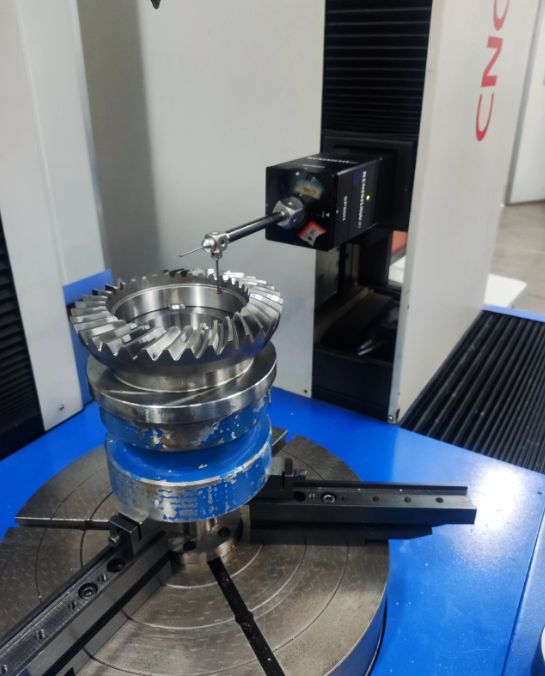
What Metal CNC Services Actually Deliver
Ever wondered how a digital design transforms into a perfectly crafted metal component? That's exactly what metal CNC services make possible. At its core, this technology bridges the gap between computer-generated blueprints and physical parts you can hold in your hand.
Metal CNC services use computer-controlled machinery to precisely cut, shape, and finish metal workpieces according to programmed specifications, delivering consistent, repeatable results across single prototypes or high-volume production runs.
From Digital Design to Physical Metal Parts
The journey begins with a CAD (Computer-Aided Design) file. You'll design your part digitally, then CAM (Computer-Aided Manufacturing) software converts those specifications into G-code—the language CNC machines understand. This code controls everything: cutting speed, tool movement, feed rate, and precise coordinates.
Think of G-code as a detailed recipe. It tells the machine exactly where to move, how fast to spin, and how deep to cut. Once programmed, operators run trial tests to catch any errors before metal machining begins in earnest.
How Computer Control Transforms Raw Metal
Unlike manual machining where human hands guide every movement, CNC and automated systems rely on servo motors and stepper motors to replicate exact movements with remarkable consistency. According to Astro Machine Works, modern CNC systems use closed-loop control to receive real-time feedback, automatically correcting any irregularities in velocity and position during operation.
What does this mean for you? Whether you're ordering one prototype or ten thousand machined parts, each piece comes out virtually identical. The machine doesn't get tired, doesn't lose focus, and doesn't introduce human error.
The Precision Advantage of Automated Machining
Why does cnc metal fabrication outperform traditional methods? Consider these key advantages:
- Repeatability: Precision cnc machining produces identical parts batch after batch, critical for industries demanding tight tolerances
- Accuracy: Computer control eliminates the variability inherent in manual operations
- Scalability: A single skilled operator can oversee multiple CNC machines simultaneously, reducing labor costs
- Safety: Operators work behind protective enclosures, significantly reducing workplace injury risks
As Eagle Stainless notes, CNC machines work continuously without interruptions and handle complex designs faster than manual methods—making them ideal for large-scale production or time-sensitive projects.
The bottom line? When your application demands consistent quality, tight tolerances, and efficient production, automated metal machining delivers what manual processes simply cannot match.
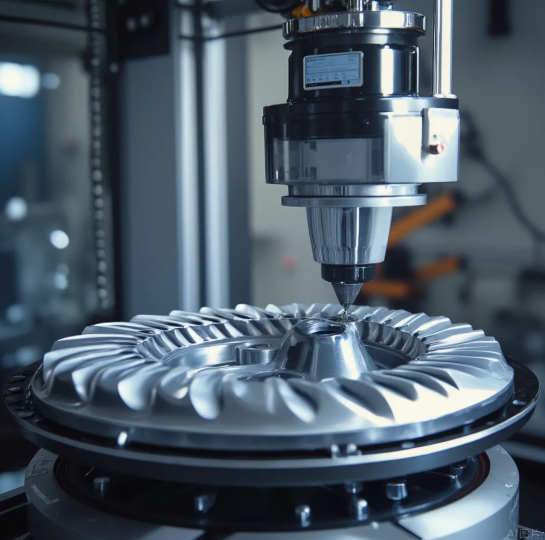
Core CNC Machining Processes for Metal Parts
Now that you understand how computer control transforms raw metal into finished components, the next question becomes: which process should you use? Choosing the right CNC fabrication method depends entirely on your part's geometry, material, and performance requirements. Let's break down the three primary approaches you'll encounter.
CNC Milling for Complex Geometries
Imagine a rotating cutting tool carving through a stationary metal block—that's CNC machining milling in action. The workpiece stays fixed on the machine table while the cutting tool moves along multiple axes, removing material to create your desired shape. This process excels at producing CNC milling parts with intricate features, irregular contours, and detailed surfaces.
According to Komacut, milling's multi-axis capabilities make it ideal for parts that would be extremely difficult to produce with other methods. Text milling operations can handle everything from flat surfaces to complex three-dimensional contours in a single setup.
But not all milling machines offer the same capabilities:
- 3-Axis Milling: The cutting tool moves along X, Y, and Z linear axes. Simple programming, lower costs, and excellent precision for flat surfaces and basic geometric shapes. However, complex angled features require multiple setups.
- 4-Axis Milling: Adds one rotational axis, allowing the workpiece or tool to rotate during machining. This reduces setups for parts with features on multiple sides.
- 5-Axis Milling: Incorporates two rotational axes beyond the standard three linear movements. According to YCM Alliance, this configuration provides unprecedented access to complex geometries, enabling complete part machining in a single setup while maintaining superior dimensional accuracy.
When CNC cuts through hardened steels, exotic alloys, or materials that are challenging to turn, milling often proves the superior choice.
CNC Turning for Rotational Parts
What if your part is cylindrical or symmetrical? That's where CNC turning shines. Unlike milling, turning revolves the workpiece while a stationary cutting tool shapes it. Think bushings, shafts, rings, and flanges—any component with rotational symmetry benefits from this approach.
The process offers exceptional efficiency for high-volume production runs. As Komacut explains, CNC turning delivers cost-effectiveness when producing symmetrical components, though it faces limitations with intricate features or irregular shapes. The stationary cutting tool is constrained to shaping along the workpiece's axis.
Modern CNC cutting centers often combine both capabilities. Mill-turn centers integrate milling and turning operations into a single setup, eliminating the need to transfer parts between machines. This seamless coordination reduces setup times and expands the scope of achievable geometries.
Multi-Axis Machining Explained
Why does axis count matter so much? Each additional axis dramatically expands what's possible. With 5-axis machining, the cutting tool maintains optimal orientation relative to the workpiece surface throughout the entire operation. This results in:
- Improved surface finishes without secondary operations
- Reduced cutting forces extending tool life
- Elimination of multiple setups and repositioning
- Superior dimensional accuracy from single-datum machining
Aerospace turbine blades, medical implants with organic shapes, and automotive components frequently demand 5-axis capabilities. When parts require tight tolerances, complex organic geometries, or exceptional surface quality, multi-axis technology becomes essential.
But what about features that neither milling nor turning can easily achieve? That's when CNC milled parts may need a specialized approach.
Electrical Discharge Machining for Specialized Applications
Sounds complex? EDM (Electrical Discharge Machining) uses electrical sparks rather than cutting tools to remove material. According to 3ERP, this process excels in seven specific situations where conventional machining falls short:
- Sharp internal corners: Wire EDM achieves corner radii as small as 0.005 inches—virtually square
- Deep cavities: Length-to-diameter ratios up to 20:1 (even 100:1 in certain cases) without tool chatter
- Hardened materials: Cuts through hardened steel, tungsten carbide, titanium, and Inconel without difficulty
- Mirror finishes: Achieves surface finishes around 5 RMS without secondary polishing
- Tight tolerances: Reaches +/- 0.0002" with multiple passes
Since EDM involves no physical contact between tool and workpiece, there's no deformation risk—critical for precision components. Many manufacturers combine CNC machining with EDM, using mills for initial shaping and EDM for detail work or the deepest cuts.
| Process Type | Best Applications | Typical Tolerances | Part Complexity Level |
|---|---|---|---|
| 3-Axis Milling | Flat surfaces, basic geometric shapes, simple contours | ±0.001" to ±0.005" | Low to Medium |
| 5-Axis Milling | Turbine blades, impellers, aerospace structures, organic shapes | ±0.0005" to ±0.002" | High to Very High |
| CNC Turning | Shafts, bushings, rings, flanges, cylindrical components | ±0.001" to ±0.005" | Low to Medium |
| Wire EDM | Sharp corners, deep cavities, hardened materials, precision dies | ±0.0002" to ±0.001" | Medium to High |
| Sinker EDM | Complex mold cavities, intricate die shapes, detailed features | ±0.0005" to ±0.002" | High |
Selecting the right process isn't just about capability—it directly impacts cost, lead time, and final part quality. With this foundation in place, understanding which metals work best with each method becomes the next critical decision.
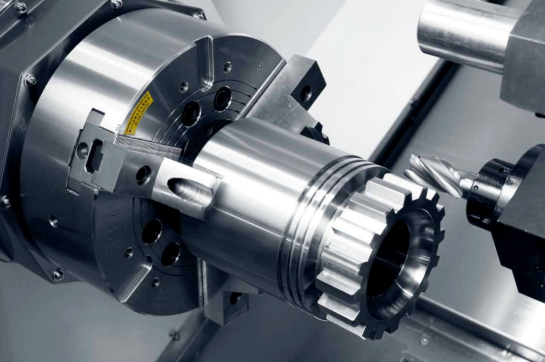
Metal Selection Guide for CNC Machining
You've chosen your machining process—but what about the metal itself? Material selection shapes everything from machining time and tool wear to final part performance and cost. Picking the wrong alloy can mean excessive tool replacement, longer cycle times, or parts that fail under real-world conditions. Let's walk through the metals you'll encounter most often and when each makes sense.
Aluminum Alloys for Lightweight Strength
When aluminum machining tops your priority list, you're likely weighing two popular choices: 6061 and 7075. Both deliver the lightweight strength manufacturers love, but their differences matter more than you might expect.
According to Kormax, the distinction begins with composition. 6061 falls within the 6XXX series with higher silicon content, while 7075 belongs to the 7XXX series featuring elevated zinc concentration. This chemical makeup drives dramatic performance differences:
- 6061 Aluminum: Excellent corrosion resistance and weldability; yield strength of 276 MPa; easier to machine; more cost-effective; ideal for structural components, automotive parts, bicycle frames, marine applications, and general machinery
- 7075 Aluminum: Exceptional strength with yield strength nearly double that of 6061; preferred for aerospace components, military equipment, gears, shafts, and high-performance sporting goods; more challenging to machine and higher cost
Which should you choose? For general engineering where corrosion resistance and fabrication flexibility matter, 6061 wins on practicality and budget. When your application demands maximum strength-to-weight ratio—think aircraft wings or critical load-bearing parts—7075 justifies its premium.
Steel Grades and Their Applications
Steel remains the backbone of industrial manufacturing. But "steel" encompasses hundreds of grades, each engineered for specific demands. Here are the varieties you'll encounter most frequently:
- 1018 Low Carbon Steel: Easy to machine and weld; excellent for case-hardening applications; commonly used for shafts, pins, and components requiring surface hardening with a ductile core
- 4140 Alloy Steel: Contains chromium and molybdenum for enhanced strength and toughness; heat-treatable to high hardness levels; suited for gears, axles, and high-stress mechanical components
- 304 Stainless Steel: The workhorse of stainless grades; excellent corrosion resistance in most environments; ideal for food processing equipment, medical devices, and general-purpose applications
- 316 Stainless Steel: Adds molybdenum for superior resistance to chlorides and marine environments; preferred for chemical processing, pharmaceutical equipment, and saltwater exposure
Stainless steel machining presents unique challenges. According to Komacut, the hardness of metal directly impacts tool wear, cutting speed, and surface finish. Harder stainless grades cause more rapid tool wear and require slower cutting speeds, increasing machining time and cost.
Specialty Metals for Demanding Environments
Sometimes aluminum and steel simply won't cut it. Demanding applications require metals engineered for extreme conditions—and that's where titanium, brass, and bronze enter the picture.
Machining Titanium
Titanium delivers an unmatched combination of strength, lightweight properties, and biocompatibility. Medical implants, aerospace structures, and marine components frequently demand this metal. However, machining titanium presents significant challenges.
As Komacut notes, titanium's low thermal conductivity causes heat to concentrate at the cutting edge rather than dissipating through chips. This accelerates tool wear dramatically, requiring specialized tooling, cooling techniques, and careful parameter control. Expect higher machining costs—but for applications requiring biocompatibility or exceptional strength-to-weight performance, titanium has no substitute.
Brass for Precision Components
Need exceptional machinability? Brass often tops the list. This copper-zinc alloy machines beautifully, producing excellent surface finishes with minimal tool wear. According to Zintilon, brass offers outstanding formability and good corrosion resistance, making it ideal for:
- Precision fittings and valves
- Electrical connectors and terminals
- Decorative hardware and architectural components
- Musical instruments and acoustic applications
Lead-containing brass grades offer even better machinability but must comply with environmental regulations like RoHS restrictions. For high-precision applications demanding tight tolerances and fine surface finishes, brass remains a reliable choice.
CNC Bronze and Machine Bronze Applications
When you need superior wear resistance and durability in harsh environments, bronze cnc machining delivers. Unlike brass, machining bronze focuses on copper-tin alloys known for exceptional strength and corrosion resistance.
Bronze excels in applications where friction and wear matter most. Zintilon explains that bronze alloys are valued for bearings, bushings, marine hardware, and heavy machinery components. Phosphor bronze adds phosphorus for increased fatigue resistance and spring qualities, while aluminum bronze provides exceptional strength for demanding industrial applications.
The trade-off? Bronze typically costs more than brass and can be more challenging to machine. But for seawater exposure, heavy load-bearing applications, or components requiring long service life under friction, bronze outperforms alternatives.
Zinc Alloy Metal Considerations
For high-volume production requiring excellent dimensional stability and good surface finish, zinc alloy metal deserves consideration. These alloys machine well and offer good corrosion resistance, frequently appearing in die-cast components that require secondary CNC operations for precision features.
Matching Material to Industry Requirements
Your industry often dictates material selection before other factors come into play:
- Aerospace: 7075 aluminum for structural components; titanium for critical applications; tight tolerances and traceability requirements
- Automotive: 6061 aluminum for weight reduction; 4140 steel for drivetrain components; cost-effectiveness at production volumes
- Medical: Titanium and 316 stainless for biocompatibility; stringent surface finish and cleanliness standards
- Marine: 316 stainless and bronze for saltwater resistance; durability under harsh environmental conditions
Remember: material choice directly impacts your bottom line. Easier-to-machine metals like aluminum and brass reduce cycle times and extend tool life. Challenging materials like titanium and hardened steels demand specialized approaches that increase cost but deliver performance impossible to achieve otherwise.
With your material selected, the next critical decision involves understanding exactly how precise your parts need to be—and what that precision will cost you.
Understanding Tolerance Requirements and Their Impact
You've selected your metal and machining process—but how precise do your parts actually need to be? This question trips up engineers and buyers alike. Specify tolerances too tight, and you'll watch costs skyrocket without functional benefit. Go too loose, and your parts won't fit or perform as intended.
Here's the reality: according to Fractory, the standard tolerance limit for CNC machining sits around ±0.005" (0.127 mm). For perspective, that's roughly 2.5 times the thickness of a human hair. Most applications work perfectly within this range—yet many engineers reflexively specify tighter tolerances "just to be safe."
Standard vs Precision Tolerance Requirements
What separates standard machining from precision work? The answer involves more than just numbers on a drawing.
Standard tolerances typically fall within ±0.005" to ±0.010" (±0.127 mm to ±0.254 mm). These limits accommodate most mechanical assemblies, structural components, and general-purpose applications. Your precision machining parts operate reliably, parts mate correctly, and costs remain reasonable.
Precision tolerances push into ±0.001" to ±0.002" (±0.025 mm to ±0.051 mm) territory. According to Modus Advanced, moving from standard to precision tolerances fundamentally changes manufacturing requirements. Temperature-controlled environments, thermal stabilization of machine tools, and specialized inspection routines become necessary.
Ultra-precision work—±0.0001" to ±0.0005" (±0.0025 mm to ±0.0127 mm)—enters a different realm entirely. These tolerances demand multi-pass operations, real-time compensation systems, and metrology equipment that itself costs more than standard CNC machines.
When Tight Tolerances Actually Matter
So when should you specify precision machining services with tighter requirements? Consider these legitimate scenarios:
- Mating surfaces: Components that interface with other precision parts need matching accuracy. A bearing bore or shaft seat demands tight control.
- Sealing applications: Surfaces requiring gasket compression or O-ring grooves need flatness and dimensional control to prevent leaks.
- Dynamic assemblies: Rotating components, gear meshes, and sliding fits require consistent clearances to prevent wear and noise.
- Thread specifications: Critical threaded connections—such as those following 3/8 NPT thread dimensions or 1 4 NPT hole size requirements—demand proper engagement and sealing capability.
What about thread tolerances specifically? The question "what is the tolerance for thread holes" depends entirely on application. Standard tapped holes for general fastening accept broader tolerances than pressure-rated fittings. A 3/8 pipe thread size connection in a hydraulic system requires different precision than a mounting bolt hole.
According to Pinnacle Precision, the most expensive tolerance is often the one that provides no functional benefit. Before specifying tight limits, ask yourself: does variation in this dimension actually affect part performance?
Balancing Accuracy with Cost Efficiency
Here's what many buyers don't realize: the relationship between tolerance and cost isn't linear—it's exponential. According to Modus Advanced, moving from rough machining tolerances (±0.030") to precision tolerances (±0.001") increases costs by approximately 4x. Push to ultra-precision (±0.0001"), and you're looking at 24 times the cost of standard machining.
Why such dramatic increases? Tighter tolerances affect every aspect of production:
- Machining time: Slower feeds, lighter cuts, and multiple finishing passes
- Tool wear: Precision work demands sharper tools replaced more frequently
- Scrap rates: More parts fall outside acceptable ranges and must be rejected
- Inspection: Advanced metrology equipment and longer verification cycles
- Environment: Temperature and humidity control to prevent thermal expansion effects
Consider this: a 300 mm aluminum part expands approximately 0.07 mm (0.003") for every 10°C temperature change. Specifying tolerances tighter than expected thermal variation creates an impossible manufacturing situation.
| Tolerance Class | Typical Range | Common Applications | Cost Impact |
|---|---|---|---|
| Standard | ±0.005" to ±0.010" (±0.127 to ±0.254 mm) | General assemblies, structural components, non-critical features | Baseline (1x) |
| Precision | ±0.001" to ±0.002" (±0.025 to ±0.051 mm) | Bearing fits, mating surfaces, precision cnc machining parts | 2-4x baseline |
| High Precision | ±0.0005" to ±0.001" (±0.013 to ±0.025 mm) | Aerospace interfaces, medical devices, optical components | 6-12x baseline |
| Ultra-Precision | ±0.0001" to ±0.0005" (±0.0025 to ±0.013 mm) | Metrology equipment, semiconductor tooling, research instrumentation | 15-24x baseline |
The smart approach? Apply tight tolerances only where function demands them. As Fractory notes, it's not necessary to define tolerance for every dimension—doing so actually has the opposite effect, making parts unnecessarily costly. Focus precision requirements on features that mate with other parts, ensuring components fit well in assemblies while keeping non-critical dimensions at standard limits.
With tolerance requirements defined, the next step involves understanding how quality certifications and inspection standards verify that your CNC machining parts actually meet those specifications.
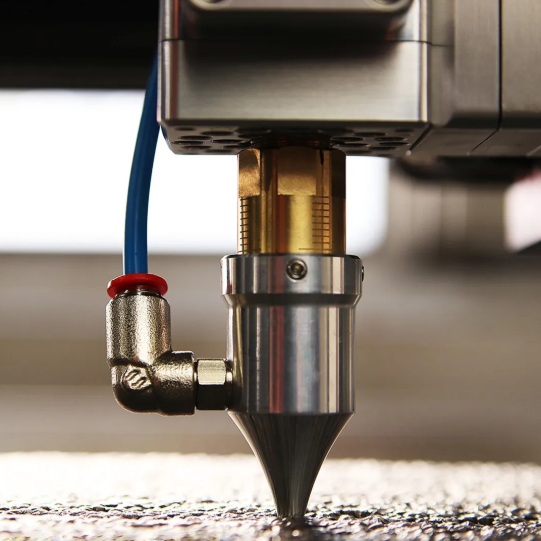
Quality Certifications and Inspection Standards Explained
You've specified tight tolerances on your drawings—but how do you know your parts will actually meet them? This is where quality certifications and inspection standards enter the picture. Many metal CNC services providers list impressive-sounding credentials on their websites, yet few explain what these certifications actually require or why they matter for your specific application.
Here's the truth: not all certifications carry equal weight for every project. Understanding the difference between a general quality management system and industry-specific requirements helps you match supplier capabilities to your actual needs—without paying premiums for certifications irrelevant to your parts.
What Industry Certifications Mean for Your Parts
Think of certifications as verified promises. Each standard establishes specific processes, documentation requirements, and quality controls that manufacturers must demonstrate through third-party audits. But the focus varies dramatically by industry:
- ISO 9001: The foundation for quality management systems worldwide. According to American Micro Industries, ISO 9001 establishes clear procedures for every aspect of production, including customer focus, process approach, continual improvement, and evidence-based decision-making. For general manufacturing applications, this certification provides baseline assurance of consistent quality.
- AS9100D: Builds upon ISO 9001 with aerospace-specific requirements. Aerospace cnc machining demands stringent documentation, enhanced risk management, and product integrity control throughout complex supply chains. If your components fly, this certification matters.
- IATF 16949: The global standard for automotive quality management. This certification combines ISO 9001 principles with sector-specific requirements for continuous improvement, defect prevention, and stringent supplier oversight. Automotive applications demand consistent, defect-free parts at production volumes.
- ISO 13485: The definitive standard for medical device machining. According to NSF, unlike other quality standards that focus on customer satisfaction and continuous improvement, ISO 13485 emphasizes regulatory compliance and risk management to ensure safety and effectiveness of medical devices.
What does this mean practically? A shop certified to ISO 9001 has demonstrated competent quality management—but may lack the specialized controls required for aerospace machining or medical device machining. Matching certification to application prevents costly surprises.
Quality Inspection Methods Explained
Certifications establish systems, but inspection methods verify results. When you need precision cnc machining services, understanding how suppliers validate dimensional accuracy helps you evaluate their capabilities:
Coordinate Measuring Machines (CMM)
CMM inspection uses precision probes to measure part geometry against CAD specifications. The machine contacts multiple points on your part's surface, building a three-dimensional map of actual dimensions. Modern CMMs achieve measurement uncertainties measured in microns—essential for verifying tight tolerances on complex aerospace or medical components.
Surface Finish Verification
Dimensional accuracy alone doesn't guarantee part performance. Surface profilometers measure roughness parameters like Ra (average roughness) and Rz (peak-to-valley height). For applications requiring specific friction characteristics, sealing surfaces, or aesthetic requirements, documented surface finish verification becomes critical.
Statistical Process Control (SPC)
SPC moves beyond inspecting finished parts to monitoring the manufacturing process itself. By tracking key dimensions across production runs, operators identify trends before they produce defective parts. According to American Micro Industries, certified processes mean methods and equipment are held to documented standards, promoting consistency from one batch to the next.
For high-volume automotive applications, IATF 16949 certification specifically requires SPC implementation. This ensures consistent quality across thousands of parts—catching variation before it becomes defects.
Matching Certification Requirements to Your Industry
Which certifications should you require from your supplier? The answer depends entirely on your application:
Aerospace Applications
Cnc machining aerospace components typically requires AS9100D certification as a minimum. Many programs also mandate NADCAP accreditation for special processes like heat treating or non-destructive testing. The emphasis on traceability means every material lot, machining operation, and inspection result must be documented and retrievable.
Medical Device Manufacturing
Medical machining operates under intense regulatory scrutiny. As NSF explains, ISO 13485 provides the framework recognized by regulatory agencies worldwide—from the FDA in the United States to Health Canada, European MDR, and Japan's QMS requirements. The standard requires formal design controls, enhanced traceability for implantable devices, and processes for handling complaints and reporting adverse events.
Automotive Production
High-volume automotive work demands IATF 16949 certification. Beyond quality management fundamentals, this standard requires advanced product quality planning, production part approval processes, and robust corrective action systems. When you need 5 axis cnc machining services for complex automotive components, suppliers with IATF certification demonstrate the process controls necessary for consistent results at scale.
For automotive applications specifically, Shaoyi Metal Technology combines IATF 16949 certification with rigorous Statistical Process Control processes. This combination ensures high-tolerance components meet specifications consistently, with lead times as fast as one working day for urgent prototyping needs. Their precision CNC machining services support everything from complex chassis assemblies to custom metal bushings requiring automotive-grade quality verification.
General Industrial Applications
For non-regulated applications, ISO 9001 certification typically provides sufficient quality assurance. This baseline demonstrates documented processes, trained personnel, and commitment to continuous improvement—without the additional overhead of industry-specific requirements.
The key insight? Certifications cost money to obtain and maintain. Suppliers pass these costs along. Requiring aerospace-grade certification for simple brackets or general-purpose components adds expense without corresponding benefit. Match your certification requirements to actual application demands, and you'll optimize both quality and cost.
With quality systems and inspection methods understood, the next consideration involves designing your parts to manufacture efficiently in the first place.
Design Principles That Optimize CNC Manufacturing
You've selected your material, defined tolerances, and verified your supplier's certifications. But here's what catches many engineers off guard: design decisions made months earlier—often before manufacturing is even considered—can dramatically impact both cost and quality when parts hit the shop floor.
Design for Manufacturability (DFM) bridges this gap. According to Protolabs, designing with machining in mind accelerates production time and reduces production costs. Yet many product developers submit designs without understanding how their choices translate to actual machining operations. Let's fix that.
Design Features That Reduce Machining Costs
Every feature on your part requires specific tooling, cutting strategies, and cycle time. Smart design choices minimize these requirements without compromising function:
- Internal corner radii: CNC milling tools are cylindrical—they can't create perfectly sharp internal corners. According to Hubs, specify a corner radius at least one-third the cavity depth. Larger radii allow bigger tools running at higher speeds. A 12 mm deep cavity should have at least a 5 mm corner radius, enabling an 8 mm diameter tool to work efficiently.
- Wall thickness minimums: Thin walls require multiple light passes to prevent vibration and deformation. For metal parts, design walls thicker than 0.8 mm. Plastic parts need 1.5 mm minimum. The minimum achievable is approximately 0.5 mm for metals and 1.0 mm for plastics—but expect significantly higher costs and potential quality issues.
- Hole depth-to-diameter ratios: Standard drill bits perform best when hole depth stays within four times the diameter. Deeper holes—up to about 10 times diameter—are possible but increase cost due to specialized tooling and slower feeds. When possible, specify through holes instead of blind holes.
- Thread specifications: Thread engagement beyond 1.5 times the hole diameter offers minimal additional strength. Limit thread length to three times the hole diameter maximum. For blind holes, leave an unthreaded relief at the bottom equal to at least half the diameter.
- Cavity depth: Deep pockets consume time and material. Limit cavity depth to four times the largest XY dimension. Deeper cuts require special tooling or multi-axis systems, adding expense.
Remember this rule for internal versus external corners: internal corners need fillets or radii to accommodate tool geometry. External corners benefit from 45° chamfers, which are faster to machine than radii and more cost-effective.
Common Design Mistakes to Avoid
Certain design choices consistently inflate costs without adding functional value. Watch for these pitfalls:
Requiring square internal corners: Any part demanding perfectly square internal corners requires either electrical discharge machining (EDM) or extremely slow cutting with tiny tools. Both approaches multiply costs. When a rectangular part must fit into a cavity, add corner reliefs or undercut features instead of forcing impossible geometry.
Specifying non-standard hole sizes: Standard drill bits cut quickly and accurately. Non-standard diameters require additional machining steps. Specify hole diameters in 0.1 mm increments up to 10 mm, and 0.5 mm increments above that. For imperial designs, use standard fractional sizes.
Designing parts requiring multiple setups: Each time a part must be repositioned or flipped, you add manual handling time and potential alignment errors. According to Hubs, design parts with simple 2.5D geometry that can be machined in a single setup. If that's not feasible, consider splitting the design into multiple components for post-machining assembly.
Adding unnecessary text: Engraving text requires additional toolpaths and machining time. Surface finishing methods like silk screening or painting are more cost-effective alternatives. If text is essential, use engraving rather than embossing, with sans-serif fonts at least size 20.
Ignoring blank size optimization: Select stock at least 3 mm larger than the finished part in all dimensions. A part with a 30 x 30 x 30 mm envelope requires cutting from a 35 mm sheet. Reduce your envelope to 27 x 27 x 27 mm, and a 30 mm sheet works—saving material and reducing cost.
For cnc prototype machining and prototype machining projects, these principles become even more critical. Prototypes often undergo multiple design iterations, and each cycle benefits from DFM-optimized geometry. Early-stage cnc prototyping shouldn't mean ignoring manufacturability—it means building good habits before production volumes amplify every inefficiency.
Preparing Your CAD Files for Production
Your design exists digitally—but how you deliver that design affects everything from quoting accuracy to production speed. According to Star Rapid, manufacturers need both 3D and 2D drawing files for complete project understanding.
3D CAD Files
The 3D model contains all dimensional data for your part, even if it's not displayed on screen at any moment. In manufacturing, this file serves multiple purposes:
- Helps estimate physical volume and raw material requirements
- Generates the cutting program (G-code) for CNC operations
- Enables automated design analysis that flags manufacturability issues
Common acceptable formats include STEP, IGES, and native CAD files from major software packages. STEP files offer the broadest compatibility across manufacturing systems.
2D Technical Drawings
Unlike 3D models, 2D drawings don't automatically contain data—it's your responsibility to specify everything critical. Every technical drawing should include:
- Physical dimensions and tolerances for all features
- Hole sizes, locations, and thread specifications
- Surface flatness requirements where applicable
- Surface finish callouts and color specifications
- Material type and grade designation
- Corner radii and critical dimensions highlighted
When CNC machining is involved, the 3D file generates the cutting program while the 2D drawing guides inspection and verification. Submitting both provides the complete picture manufacturers need for accurate quoting and efficient production.
For carbon fiber prototyping or cnc prototype projects combining multiple materials, include material specifications for each component clearly labeled in your documentation. Custom machined parts often require additional notes about surface treatments, assembly relationships, or functional requirements that pure geometry cannot communicate.
The time invested in proper file preparation pays dividends throughout production. Complete documentation means faster quotes, fewer clarification cycles, and cnc machine parts that meet your specifications on the first run. With design optimized and files prepared, the next consideration involves understanding how different surface treatments can enhance your finished parts.
Surface Finishing Options and Their Applications
Your CNC machined part looks great coming off the machine—but is it ready for service? In most cases, raw machined surfaces need additional treatment to meet functional requirements, enhance durability, or achieve specific aesthetic goals. The right surface finish can mean the difference between a component that corrodes within months and one that performs flawlessly for decades.
Understanding your options helps you make informed decisions. Some surface finishes prioritize protection against harsh environments. Others focus on visual appeal. Many deliver both. Let's break down the most common treatments and when each makes sense for your application.
Protective Finishes for Corrosion Resistance
When your parts face moisture, chemicals, or saltwater exposure, protective finishes become essential rather than optional. These treatments create barriers between your metal substrate and corrosive elements.
Anodizing for Aluminum
Anodizing transforms the aluminum surface through an electrochemical process, creating a durable oxide layer that becomes part of the metal itself. According to Light Metals Coloring, this process offers two primary variants with distinct characteristics:
- Type II Anodizing: Creates a coating between 0.0001" and 0.0005" thick using a sulfuric acid bath at approximately 70°F. This versatile, economical option provides enhanced corrosion protection while allowing the part to be dyed in various colors. Industries including aerospace, automotive, and medical frequently choose Type II for its balance of protection and design flexibility.
- Type III Anodizing (Hardcoat): Produces a thicker coating—typically 0.001" to 0.002"—at lower temperatures. This treatment delivers superior abrasion resistance, wear resistance, and thermal shock tolerance. Firearms, military equipment, and aerospace components exposed to extreme conditions benefit from Type III's enhanced durability.
Which should you specify? For decorative applications or parts requiring corrosion protection without heavy wear exposure, Type II provides excellent performance at lower cost. When your components face abrasive conditions, repeated impacts, or extreme temperatures, Type III justifies its premium through extended service life.
Passivation for Stainless Steel
Stainless steel naturally resists corrosion—but manufacturing operations can compromise this protection. According to Xometry, passivation restores and enhances the metal's protective oxide layer using an acid treatment that removes surface contaminants like iron particles and shop debris.
The process involves cleaning the part, immersing it in a citric or nitric acid solution, rinsing, and drying. Unlike coatings that add material, passivation works with the metal's inherent chemistry to rebuild its natural protection.
Where does passivation matter most? Medical devices that contact bodily fluids require passivation to ensure the protective layer remains intact after manufacturing. Aerospace components, food processing equipment, and pharmaceutical machinery also benefit from this treatment. Any stainless steel part where surface contamination during machining might compromise corrosion resistance deserves consideration for passivation.
Powder Coating for Maximum Durability
When you need robust protection combined with color options, powder coating delivers. According to ADDMAN Group, this electrostatic process applies dry powder to the metal surface, then cures it under heat at 250-400°F to form a hard, durable finish.
Powder coating excels in outdoor applications where UV exposure, moisture, and physical wear combine to challenge surface integrity. The finish resists chipping, scratching, and fading far better than conventional paint. Available in virtually unlimited colors and textures, powder coating suits everything from industrial equipment housings to architectural components.
The trade-off? Powder coating adds measurable thickness to your parts. For precision fits or tight-tolerance assemblies, account for coating buildup in your design. Parts requiring subsequent metal punching or sheet metal punch operations should typically complete those processes before powder coating to avoid damaging the finish.
Aesthetic Finishing Options
Sometimes appearance drives finish selection as much as function. These treatments enhance visual appeal while often providing secondary protective benefits.
Electroplating Options
Electroplating deposits a thin layer of metal onto your part's surface through an electrolytic process. Common plating metals include:
- Nickel: Provides corrosion resistance and an attractive bright finish. Often used as an underlayer for chrome plating.
- Chrome: Delivers a hard, bright surface with excellent wear resistance. Popular for automotive trim and industrial components.
- Zinc: Offers sacrificial corrosion protection at economical cost. The zinc layer corrodes preferentially, protecting the base metal.
According to ADDMAN Group, plating is relatively inexpensive and works on any metal. It's particularly popular for aluminum parts where it can reduce weight while enhancing strength and improving electrical conductivity.
Bead Blasting for Uniform Texture
Want a consistent matte appearance without the shine of polished surfaces? Bead blasting propels fine glass beads or other media against your part at controlled pressure, creating a uniform satin texture that hides machining marks and fingerprints.
This treatment works well as a standalone finish for internal components where aesthetics matter but heavy protection isn't required. It also serves as excellent preparation before anodizing or other surface treatments, ensuring consistent coating adhesion across the entire surface.
Brushed and Polished Finishes
For parts requiring visual appeal, mechanical finishing creates distinctive looks. According to ADDMAN Group, brushed finishes use abrasive techniques to create uniform directional patterns with matte sheen, while polished finishes achieve smooth, glossy surfaces through progressive grinding and buffing.
Both approaches work across multiple metals including aluminum, stainless steel, brass, and nickel. Brushed finishes offer practical benefits—they hide minor scratches and fingerprints better than polished surfaces. Polished finishes maximize reflectivity and visual impact for decorative applications.
Note that these mechanical finishes don't inherently add corrosion protection. For parts exposed to moisture or chemicals, consider combining brushed or polished surfaces with clear anodizing, passivation, or protective clear coats. Similarly, cnc polycarbonate or polycarbonate pc components may require different surface preparation approaches than metal parts due to their distinct material properties.
Matching Surface Treatment to Application Requirements
Selecting the right finish requires balancing multiple factors: environmental exposure, wear conditions, aesthetic requirements, and budget constraints. This comparison helps clarify when each option fits best:
| Finish Type | Compatible Materials | Key Benefits | Typical Applications |
|---|---|---|---|
| Type II Anodizing | Aluminum alloys | Corrosion protection, color options, economical | Consumer electronics, automotive trim, general hardware |
| Type III Anodizing (Hardcoat) | Aluminum alloys | Superior wear resistance, thermal shock tolerance | Firearms, military equipment, aerospace components |
| Passivation | Stainless steel | Restores natural corrosion resistance, non-additive | Medical devices, food processing, pharmaceutical equipment |
| Powder Coating | Steel, aluminum, most metals | Excellent durability, unlimited colors, UV resistant | Outdoor equipment, architectural components, industrial machinery |
| Electroplating (Nickel/Chrome) | Most metals | Bright finish, wear resistance, conductivity | Automotive trim, electrical contacts, decorative hardware |
| Bead Blasting | Aluminum, steel, titanium | Uniform matte texture, hides tool marks | Internal components, pre-treatment for coating, enclosures |
| Brushed/Polished | Aluminum, stainless, brass | Aesthetic appeal, fingerprint resistance (brushed) | Consumer products, architectural elements, display items |
Consider your part's full lifecycle when selecting surface finishes. A component that looks perfect in the factory may fail prematurely if its finish doesn't match real-world conditions. Conversely, specifying aerospace-grade treatments for simple brackets wastes money without functional benefit.
For parts combining CNC machined metals with materials like acetal plastic or acrylic (where cnc acrylic service capabilities apply), coordinate surface treatment compatibility across all materials. Some finishing processes and chemicals can damage non-metallic components in assemblies.
With surface finishing options understood, the next critical consideration involves understanding how all these choices—material, tolerance, certification, design, and finish—combine to affect your project's bottom line.
Cost Factors in Metal CNC Machining Projects
You've made your design decisions, selected materials, and specified tolerances—but what will it actually cost? This question frustrates buyers more than almost any other. Many suppliers offer instant cnc quote online tools, yet the numbers can vary dramatically between providers for seemingly identical parts. Understanding what drives these differences helps you optimize your project before requesting online machining quotes.
Here's the reality: according to U-Need, CNC machining costs comprise several interconnected elements—machine time, material cost, setup cost, and labor cost. These factors don't operate independently. Your material choice affects machining time. Part complexity influences setup requirements. Tolerance specifications impact both. Let's break down how each factor shapes your final cnc machining price.
What Drives CNC Machining Costs
Every CNC project involves fundamental cost drivers that combine in different proportions depending on your specific requirements:
- Material selection: Raw material prices vary dramatically between grades. According to U-Need, materials like stainless steel, aluminum, titanium, and various plastics each come with unique costing factors. Titanium and high-grade steels require specialized tooling and slower machining speeds, significantly increasing machinist metal cost compared to free-machining aluminum or brass.
- Part complexity: Features like deep cavities, thin walls, and intricate geometries demand longer cycle times and potentially multi-axis equipment. According to Stecker Machine, the more complex a part is—requiring more process operations, machines, and operators—the more it costs to make.
- Machine type: A standard 3-axis milling machine costs less to operate than a 5-axis system. According to U-Need, advanced machinery like 5-axis machines provides higher accuracy but carries significantly higher hourly rates.
- Tolerance requirements: Tighter tolerances mean slower feeds, lighter cuts, and more inspection time. Moving from standard machining tolerances to precision specifications can multiply costs substantially.
- Setup costs: Every production run requires machine setup—loading fixtures, installing tools, and verifying programs. According to Stecker Machine, setup is charged for each production run and spread across order volume, making per-part setup costs decrease as quantities increase.
- Surface finishing: Post-machining treatments like anodizing, plating, or powder coating add processing steps and cost. Some materials require more intensive finishing than others.
What about custom machine requirements? When standard shop tools won't do the job, custom tooling carries upfront costs. According to Stecker Machine, combination tools that cut multiple features at once reduce cycle times but add initial investment. These trade-offs require balancing immediate tooling expense against long-term per-part savings.
Quantity and Lead Time Trade-offs
Here's where many buyers misunderstand CNC economics: prototype and production costs operate on fundamentally different models.
According to Zintilon, the key difference is that prototyping incurs higher per-unit costs due to unique setups and low volume, while production runs distribute those costs across larger volumes, significantly reducing per-unit expenses. A prototype requiring the same setup as a 1,000-piece run absorbs that entire cost in one part rather than spreading it across many.
Consider these volume-dependent factors:
- Setup cost distribution: A $500 setup cost adds $500 per part for a single prototype but only $0.50 per part for a 1,000-piece run
- Material purchasing: Small cnc machining quantities often face minimum order charges from material suppliers, while bulk purchases unlock volume discounts
- Process optimization: According to Zintilon, production runs feature meticulously optimized tool paths and specialized fixturing that reduce cycle times—investments that don't make sense for single parts
- Operator efficiency: Repetitive production allows operators to develop efficiency, while prototypes require more engineering oversight and troubleshooting time
Lead time introduces another trade-off dimension. Expedited delivery often requires shops to interrupt scheduled work, run overtime, or prioritize your job over others. These accommodations carry premium pricing. When schedules allow flexibility, standard lead times typically offer better value.
Optimizing Your Project for Cost Efficiency
Armed with understanding of cost drivers, you can make strategic decisions that optimize value without sacrificing quality:
- Right-size your tolerances: Apply tight tolerances only where function demands them. Standard tolerances on non-critical features reduce machining time and inspection requirements.
- Design for manufacturability: Features like adequate corner radii, reasonable wall thicknesses, and standard hole sizes reduce cycle times. Simple 2.5D geometry that machines in a single setup costs less than complex parts requiring multiple operations.
- Choose materials strategically: When multiple materials meet functional requirements, consider machinability differences. Free-machining aluminum costs less to process than titanium even when raw material prices are similar.
- Consolidate orders: If you need prototypes now and production later, discuss combined planning with your supplier. Some shops offer better pricing when they can schedule work efficiently.
- Communicate early: Engaging with manufacturers during the design phase—rather than after drawings are finalized—often reveals optimization opportunities that save money without compromising performance.
According to U-Need, after extensive scrutiny of these factors, firms are able to forecast machining costs better and locate areas where costs should be optimized. The cuts can be in materials, simplification of design, and strategic planning.
Remember: the cheapest quote isn't always the best value. A supplier offering rock-bottom pricing may cut corners on quality, miss delivery commitments, or lack the certifications your application requires. Evaluating total value—including quality, reliability, and capability—leads to better outcomes than chasing the lowest number alone.
With cost factors understood, the final consideration involves selecting the right manufacturing partner to bring your project to life efficiently and reliably.
Selecting the Right Metal CNC Service Partner
You've absorbed the fundamentals—machining processes, material properties, tolerance implications, quality certifications, design optimization, surface treatments, and cost factors. Now comes the practical question: how do you translate all this knowledge into choosing the right manufacturing partner?
Searching for "cnc machine shops near me" or "machining shops near me" returns dozens of options. But proximity alone doesn't guarantee capability, quality, or value. The right partner depends on matching your specific requirements to a supplier's proven strengths. Let's build a systematic framework for making this decision.
Evaluating CNC Service Provider Capabilities
Before requesting quotes, you need clarity on your own requirements. According to MY Prototyping, choosing a CNC machining service involves more than just comparing prices—it requires thorough evaluation of capabilities, certifications, and operational factors.
Start with these priority-ordered evaluation steps:
- Define your technical requirements first: What materials do you need machined? What tolerances are genuinely necessary? Which surface finishes meet your functional needs? Answer these questions before contacting suppliers—otherwise, you're asking them to guess.
- Verify equipment capabilities: Does the shop have the right machines for your geometry? A provider with advanced 3, 4, and 5-axis CNC machining centers can handle complex parts that simpler setups cannot. According to MY Prototyping, a shop with diverse, high-tech machinery is likely able to handle a range of projects.
- Confirm material sourcing: Not all providers stock every alloy. Ask whether they can easily source your specified material. Delays in obtaining materials result in longer lead times and increased production costs.
- Match certifications to your industry: General manufacturing may only require ISO 9001. Aerospace demands AS9100D. Automotive applications need IATF 16949 compliance. Medical components require ISO 13485. Requiring unnecessary certifications adds cost; lacking required ones creates compliance problems.
- Evaluate communication processes: How responsive are they during the quoting phase? According to MY Prototyping, an effective communication process means the provider can promptly respond to inquiries, keep you informed of progress, and quickly resolve issues. This transparency matters throughout your project.
- Assess quality control systems: Beyond certifications, understand their inspection methods. Do they use CMM measurement? What are their SPC practices? How do they handle non-conforming parts?
When searching for a "machinist near me" or "machinist shops near me," remember that the closest option isn't automatically the best fit. According to MY Prototyping, choosing a local CNC machining service may offer faster turnaround times and lower shipping costs—but if an overseas provider offers better expertise and pricing, the additional logistics may be worth it.
From Prototype to Production Scaling
Here's where many buyers encounter unexpected challenges: the shop that delivered excellent prototypes struggles with production volumes—or vice versa. Understanding this transition helps you select partners capable of supporting your full product lifecycle.
According to Fictiv, the journey from initial prototype to mass production is a complex transformation. Working with an experienced manufacturing partner from the outset offers a streamlined path and helps mitigate risk down the road.
What separates prototype-capable shops from production-ready facilities?
- Rapid prototyping capabilities: Some facilities offer lead times as fast as one working day for urgent prototype needs. This speed supports accelerated product development when you're iterating designs quickly.
- Scalability infrastructure: According to MY Prototyping, a scalable provider will adapt to increased demand, ensuring your future growth won't be hindered by their capacity limitations.
- Design for Manufacturability expertise: According to Fictiv, there can be big differences between engineering a product for prototype and engineering for manufacturing. Good partners bring DFM expertise early, preventing costly redesigns later.
- Consistent quality at volume: Producing ten identical parts is vastly different from producing ten thousand. Production-ready shops have process controls, tooling strategies, and inspection protocols designed for sustained quality across large runs.
For automotive applications specifically, facilities with IATF 16949 certification and rigorous Statistical Process Control demonstrate the process discipline necessary for high-volume consistency. Shaoyi Metal Technology's precision CNC machining services exemplify this approach—combining certified quality systems with lead times as fast as one working day, supporting everything from complex chassis assemblies to custom metal bushings requiring automotive-grade verification.
CNC turning services and multi-axis milling capabilities should scale together. A shop handling your prototypes should ideally support your production needs too—maintaining design intent and quality standards as volumes increase.
Making the Right Manufacturing Choice
Sometimes the question isn't which CNC shop to choose—it's whether CNC machining is the right process at all. Understanding when alternatives make more sense prevents costly mismatches between your requirements and manufacturing method.
According to Hubs, CNC machining and 3D printing often overlap in use cases, particularly for prototypes and functional end-use parts. But each technology has distinct advantages:
Choose CNC machining when:
- You're producing medium to high volumes (typically 250-500 parts or more)
- Your designs have simple to moderately complex geometries
- Tight tolerances and excellent mechanical properties are essential
- You're working with metal components where dimensional accuracy is critical
- Surface finish requirements demand the quality only machining delivers
Consider 3D printing when:
- You're producing low volumes, one-off parts, or rapid prototypes
- Your part requires highly complex, organic, or topology-optimized geometries
- You need fast turnaround times with lower upfront costs
- You're working with materials difficult to machine, like TPU or metal superalloys
According to Hubs, as a general rule, CNC machining is often the better choice if a part can be easily produced using subtractive methods. It delivers superior dimensional accuracy and consistent mechanical properties across all three axes.
For very high volumes—hundreds of thousands of parts—neither CNC machining nor 3D printing may be optimal. Casting or injection molding often provides better economies of scale at those quantities.
When you find a "cnc shop near me" or "cnc machine shop near me" that matches your technical requirements, don't stop at capability verification. Ask about their experience with similar projects. Request references from customers in your industry. Understand their capacity and how your project fits into their schedule. According to MY Prototyping, the CNC machining supplier you choose should be not just a supplier, but a trusted partner that adds value to your business.
The right metal CNC services partner combines technical capability with operational reliability and genuine partnership mentality. They understand your industry's requirements, communicate proactively, and deliver consistent quality whether you need one prototype or ten thousand production parts. Finding that partner transforms manufacturing from a procurement headache into a competitive advantage.
Frequently Asked Questions About Metal CNC Services
1. How much does CNC service cost?
CNC machining costs depend on multiple interconnected factors including material selection, part complexity, tolerance requirements, quantity, and lead time. Standard 3-axis machining typically ranges from $50-100 per hour, while 5-axis CNC machining can reach $200 per hour due to advanced equipment requirements. Setup costs are distributed across order volume—a $500 setup adds $500 per prototype but only $0.50 per part for 1,000 pieces. Material choice significantly impacts pricing, with titanium and hardened steels requiring specialized tooling and slower speeds compared to free-machining aluminum. Tighter tolerances exponentially increase costs, potentially reaching 24x baseline pricing for ultra-precision work. For automotive applications requiring IATF 16949 compliance, certified providers like Shaoyi Metal Technology offer competitive pricing with lead times as fast as one working day.
2. What is the hourly rate for a CNC machine?
CNC machine hourly rates vary significantly based on equipment type and complexity. Basic 3-axis milling machines typically operate at $50-80 per hour, while advanced 5-axis CNC systems command $150-200 per hour due to higher accuracy capabilities and equipment investment. Operator costs add approximately $30-50 per hour depending on skill level and location. These rates don't include setup time, material costs, or finishing operations. For production runs, per-part costs decrease as setup charges distribute across larger quantities. When evaluating quotes, consider the total project cost rather than hourly rates alone—a more expensive machine may complete your part faster, potentially reducing overall expense.
3. What materials work best for CNC machining?
Material selection depends on your application requirements, budget, and machinability considerations. Aluminum alloys like 6061 offer excellent machinability, corrosion resistance, and cost-effectiveness for general engineering applications. For maximum strength-to-weight performance, 7075 aluminum suits aerospace and high-stress components. Steel grades including 1018 (easy to machine, good for case-hardening), 4140 (high strength for gears and axles), and stainless 304/316 (corrosion resistant) cover most industrial needs. Brass machines beautifully with minimal tool wear, ideal for precision fittings and electrical connectors. Titanium delivers exceptional biocompatibility and strength but requires specialized tooling and slower speeds. Bronze excels in bearing and bushing applications requiring wear resistance. Each material affects machining time, tool life, and final part cost differently.
4. What tolerances can CNC machining achieve?
Standard CNC machining tolerances typically fall within ±0.005 inches (0.127mm), suitable for most mechanical assemblies and general-purpose applications. Precision tolerances reach ±0.001 to ±0.002 inches for bearing fits, mating surfaces, and critical dimensions—but at 2-4x the cost. High-precision work achieves ±0.0005 inches for aerospace and medical components, while ultra-precision tolerances down to ±0.0001 inches serve metrology and semiconductor applications at 15-24x baseline costs. The key is specifying tight tolerances only where function demands them. Non-critical features at standard tolerances reduce costs significantly. Thread specifications like NPT connections require proper engagement but rarely need the tightest possible limits. Wire EDM achieves ±0.0002 inches for features requiring extreme precision.
5. How do I choose between CNC machining and 3D printing?
Choose CNC machining for medium to high volumes (250+ parts), simple to moderately complex geometries, tight tolerances, and metal components requiring excellent mechanical properties and surface finish. CNC delivers superior dimensional accuracy and consistent properties across all axes. Select 3D printing for low volumes, one-off prototypes, highly complex organic geometries, or materials difficult to machine like TPU. 3D printing offers faster turnaround with lower upfront costs for small quantities. For very high volumes (hundreds of thousands), consider casting or injection molding for better economies of scale. Many projects benefit from combining both methods—3D printing for initial concept validation, then CNC machining for functional prototypes and production parts.