 Small batches, high standards. Our rapid prototyping service makes validation faster and easier —
  EN
EN


Custom Metal Machining Secrets: From Material Selection To Final Part
Understanding Custom Metal Machining Fundamentals
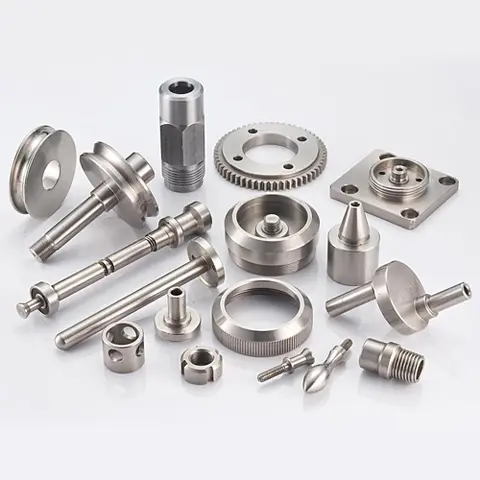
When you need a part that doesn't exist in any catalog, custom metal machining becomes your manufacturing solution. This specialized process transforms raw metal stock into precisely engineered components built to your exact specifications. Unlike off-the-shelf parts, custom machined components are designed from the ground up to meet unique dimensional requirements, complex geometries, and application-specific performance demands.
At its core, custom metal machining involves removing material from metal workpieces using computer-controlled cutting tools. The process relies on precision CNC machining technology to achieve tolerances measured in thousandths of an inch. Whether you're developing a prototype for a new product or producing specialized components for aerospace applications, this manufacturing approach delivers parts that standard production methods simply cannot replicate.
What Sets Custom Machining Apart from Standard Production
Standard machining excels at producing large volumes of identical parts based on predetermined specifications. It's efficient, cost-effective for mass production, and ensures consistency across thousands of units. However, it lacks flexibility when your project demands something different.
Custom machining takes the opposite approach. Instead of forcing your design into existing molds, a custom machine shop works backward from your requirements. This bespoke methodology enables:
- Tailored specifications: Every dimension, tolerance, and surface finish is engineered to your exact needs
- Complex geometries: Intricate designs and unconventional shapes that mass production cannot accommodate
- Material flexibility: Selection from aluminum, steel, titanium, bronze, and specialty alloys based on performance requirements
- Low-volume efficiency: Cost-effective production for prototypes, small batches, or one-off components
The investment in custom machining pays dividends when precision matters. According to industry experts, while custom machining costs more per unit than standard production, the superior quality and exact-fit results justify the investment for specialized applications.
The Role of Precision Engineering in Modern Manufacturing
Modern cnc metal fabrication has revolutionized what's possible in component manufacturing. Today's advanced CNC machines automate the cutting process with computer-aided design and manufacturing software, enabling accuracy levels that manual machining could never achieve.
Custom machining has become essential across industries because today's products demand components that meet exact specifications. From medical devices requiring biocompatibility to automotive parts withstanding extreme temperatures, precision engineering bridges the gap between innovative design and functional reality.
This precision capability extends across virtually every sector. Aerospace manufacturers rely on it for flight-critical components with zero margin for error. Medical device companies use it to create surgical instruments and implants where patient safety depends on micron-level accuracy. Automotive engineers turn to custom machining for prototype development and specialized performance parts.
Throughout this guide, you'll discover the complete journey from understanding core CNC processes to selecting the right materials for your application. We'll explore tolerance specifications, design guidelines that reduce costs, surface finishing options, and industry-specific requirements. By the end, you'll have the foundational knowledge to make informed decisions when partnering with machine shops for your next project.
Core CNC Processes for Metal Part Production
Understanding the fundamental processes behind custom metal machining helps you make smarter decisions about how your parts get manufactured. Each CNC process brings distinct capabilities to the table, and knowing when to use each one can mean the difference between a cost-effective project and an expensive lesson.
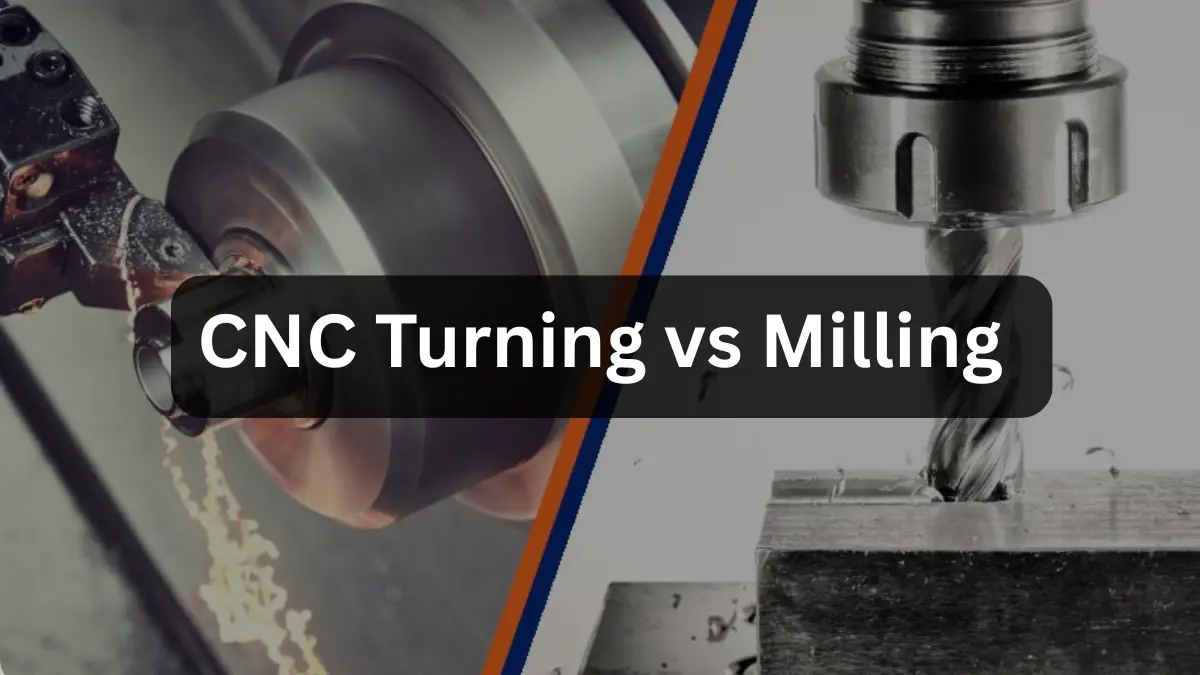
At the heart of modern metal fabrication lie two primary operations: cnc machining milling and cnc turning. While both remove material from workpieces using computer-controlled cutting tools, they approach the task from completely different angles. Add specialized operations like drilling, grinding, and multi-axis machining into the mix, and you've got a comprehensive toolkit for creating virtually any metal component imaginable.
CNC Milling Versus Turning Operations Explained
Imagine you're shaping a block of aluminum. With CNC milling, the cutting tool spins while your workpiece stays stationary on the machine table. The rotating cutter moves across the material in multiple directions, carving away metal to create complex 3D geometries, pockets, slots, and intricate surface features. This process excels at producing cnc milling parts with flat surfaces, angled features, and detailed contours.
CNC turning flips this relationship entirely. Here, your workpiece rotates while the cutting tool remains relatively stationary, moving along the spinning material to shape it. This approach naturally produces cylindrical components like shafts, bushings, and threaded fasteners. Cnc turning services become your go-to solution when your design calls for round or tubular geometries.
The distinction matters for your project planning:
- CNC Milling: Best for prismatic parts, complex 3D shapes, pockets, and features requiring multiple tool approaches. Think housings, brackets, and plates with intricate details.
- CNC Turning: Ideal for cylindrical components, concentric features, and parts with rotational symmetry. Think pins, rollers, and precision sleeves.
- Combination Operations: Many parts benefit from both processes. A shaft with milled flats or a housing with turned bores might require mill-turn capabilities.
Specialized operations complement these primary processes. A cnc cutting machine can perform drilling operations for precise hole placement, while grinding achieves ultra-fine surface finishes and tight tolerances that standard milling cannot reach. Thread milling, tapping, and boring round out the capabilities available for your custom components.
When Multi-Axis Machining Becomes Essential
Not every part requires advanced machinery. Simple components with features accessible from one direction machine perfectly on basic equipment. But what happens when your design demands angled features, complex contours, or details on multiple faces?
That's when multi-axis machining enters the conversation. According to CNC Cookbook, the journey from a solid block of material to a complex part with angled features and precise geometries depends heavily on understanding the limitations and capabilities of different machine configurations.
Here's how each configuration serves different part complexities:
- 3-Axis Machining: The cutting tool moves along X, Y, and Z directions. This configuration handles planar milled profiles, drilling, and threading operations aligned with the primary axes. It's cost-effective and suitable for moderately complex parts, though undercuts and angled features require multiple setups or specialized tooling like T-slot cutters.
- 4-Axis Machining: Adds a rotary A-axis that allows the workpiece or spindle to rotate around the X-axis. This capability enables continuous cutting along arcs, creation of helixes, and machining features on multiple sides without repositioning. Industries like aerospace use 4-axis machines for turbine blades and components requiring intricate profiles.
- 5-Axis CNC Machining Services: Incorporates two rotary axes, providing maximum flexibility for approaching complex geometries from virtually any angle. This configuration handles the most intricate designs in fewer setups, reduces cycle times, and achieves tighter tolerances between features on different faces of the part.
The choice between configurations affects more than just capability. As M2M Machining notes, multi-axis approaches require fewer setups, which saves labor time and reduces costs while minimizing the risk of human error in positioning. For high-tolerance components in medical, aerospace, and automotive applications, the precision of 5 axis cnc machining services often justifies the investment.
However, advanced capabilities come with higher costs. For simpler projects where operations like drilling and basic profiling suffice, 3-axis machines remain the practical choice. The key lies in matching your part's complexity to the appropriate machine configuration, ensuring you pay only for the capabilities your project actually requires.
With these core processes understood, the next critical decision involves selecting the right metal material for your application. Different metals machine differently and perform differently in service, making material selection a foundational choice that affects everything from machining parameters to final part quality.
Metal Material Selection for Machined Components
Choosing the right metal for your project isn't just about picking something that looks strong enough. The material you select directly affects how your part machines, what it costs, how long it lasts, and whether it performs as intended in real-world conditions. Get this decision wrong, and you're looking at failed parts, wasted budgets, or components that simply don't meet specifications.
Think of cnc machining materials as a spectrum. On one end, you have highly machinable metals like aluminum that cut quickly and extend tool life. On the other, you find specialty alloys that demand slower speeds, specialized tooling, and significantly higher costs. Your job is finding the sweet spot where material properties align with application requirements without overspending on capabilities you don't need.
Matching Material Properties to Application Requirements
Every application places specific demands on your components. Before browsing alloy options, ask yourself what your part actually needs to accomplish. Does it require exceptional strength under load? Must it resist corrosion in harsh environments? Will it experience continuous wear from moving contact with other surfaces?
Aluminum alloys dominate when weight matters. According to industry data, aluminum machining supports tolerances as tight as ±0.001 inches while offering excellent corrosion resistance and thermal conductivity. Grades like 6061 provide good all-around performance for general applications, while 7075 delivers higher strength for aerospace and structural components. The softness of aluminum allows for smooth surface finishes with minimal post-processing.
Steel grades step in when strength and durability take priority over weight savings. Low carbon steels like 1018 and 1020 machine easily and work well for parts that may be case hardened. Medium carbon steels such as 1045 balance ductility and strength, making them suitable for gears, crankshafts, and components facing moderate stress. When you need serious hardness, high carbon steels deliver, though they sacrifice ductility and become more challenging to work with.
Stainless steel machining becomes essential when corrosion resistance cannot be compromised. The 300-series austenitic grades like 304 and 316 resist corrosion and high temperatures, finding homes in medical instruments, food processing equipment, and marine applications. As CNCCookbook notes, there's an old machinist's saying: "304 she's a whore, 303 that's for me," referring to the improved machinability of 303 compared to other 300-series grades.
Machining bronze and cnc machining bronze operations serve specialized wear applications. Bronze alloys excel in bearings, bushings, and components requiring low friction against moving parts. When you need to machine bronze for applications like springs or situations where avoiding sparks matters, this copper-tin alloy delivers properties that steel and aluminum cannot match. Bronze cnc work also produces excellent results for decorative applications and musical instrument components.
Specialty alloys handle extreme environments where conventional metals fail. Titanium combines high strength with low weight and biocompatibility, making it ideal for medical implants and aerospace applications. However, titanium machining costs run 2-3 times higher than aluminum due to tool wear and slow processing speeds. High-temperature nickel superalloys like Inconel and Hastelloy survive in turbine engines where temperatures would destroy ordinary metals, but their exceptional properties come with exceptional machining challenges.
Cost Versus Performance Trade-offs in Metal Selection
Here's where material selection gets practical. Every step up in performance typically means a step up in cost, both for raw materials and for machining operations. Understanding these trade-offs helps you avoid two common mistakes: overspending on materials that exceed your requirements, or underspecifying materials that fail in service.
Consider aluminum versus stainless steel. Aluminum raw material costs range from $2-5 per kg with low machining costs due to fast cutting speeds and minimal tool wear. Stainless steel runs $5-10 per kg for raw material, with machining costs 20-30% higher than aluminum because of increased tool wear and slower processing. If your application doesn't require stainless steel's corrosion resistance, you're paying a premium for capability you won't use.
Titanium illustrates the extreme end of this spectrum. Raw material prices of $20-50 per kg combine with poor machinability to make titanium components expensive. But for aerospace applications where the strength-to-weight ratio is critical, or medical implants requiring biocompatibility, no substitute exists.
| Material | Machinability Rating | Typical Applications | Relative Cost | Key Properties |
|---|---|---|---|---|
| Aluminum 6061 | Excellent | Aerospace structures, automotive, general machining | Low ($2-5/kg) | Lightweight, corrosion resistant, good thermal conductivity |
| Aluminum 7075 | Good | Aircraft components, high-stress structural parts | Low-Medium | High strength-to-weight ratio, less corrosion resistant than 6061 |
| Steel 1018/1020 | Excellent | Shafts, pins, case-hardened parts | Low | Good machinability, weldable, can be case hardened |
| Steel 4130 | Good | Aircraft engine mounts, structural tubing | Medium | High strength, good weldability, heat treatable |
| Stainless 303 | Good | Screw machine parts, fittings | Medium ($5-10/kg) | Improved machinability over 304, good corrosion resistance |
| Stainless 316 | Moderate | Marine, medical, food processing | Medium-High | Superior corrosion resistance, especially in chloride environments |
| Bronze (Phosphor) | Good | Bearings, bushings, springs, wear surfaces | Medium | Low friction, excellent wear resistance, non-sparking |
| Titanium Grade 5 | Poor | Aerospace, medical implants, marine | High ($20-50/kg) | Highest strength-to-weight ratio, biocompatible, corrosion resistant |
| Inconel 718 | Very Poor | Turbine engines, extreme temperature environments | Very High | Exceptional heat resistance, maintains strength at high temperatures |
Material choice also affects machining parameters and final part quality. Harder materials require slower cutting speeds and more robust tooling, extending cycle times and increasing costs. Some materials work-harden during machining, demanding specific approaches to prevent tool damage and maintain surface quality. Thermal properties influence how heat dissipates during cutting, affecting both dimensional accuracy and surface finish.
When you specify cnc bronze or request a part in exotic alloys, you're not just choosing a material. You're setting the stage for every machining decision that follows, from tool selection to cutting speeds to quality control methods. Understanding these relationships helps you communicate effectively with machine shops and set realistic expectations for both cost and delivery timelines.
With your material selected, the next challenge involves specifying exactly how precise your parts need to be. Understanding tolerances and how to communicate precision requirements effectively can save significant time and money while ensuring your components meet functional requirements.
Tolerances and Precision Capabilities Explained
Sounds complex? Tolerances are simply the allowable variation in a part's dimensions. Every fabrication method introduces some degree of variability, and tolerances define how much deviation from the "perfect" dimension is acceptable without compromising your part's function, fit, or form.
Here's the reality: no cnc machined parts come out perfectly to their nominal dimensions. A hole specified at 10.00 mm might measure 9.98 mm or 10.02 mm. The tolerance determines whether that variation passes or fails inspection. Understanding how to specify tolerances correctly saves you money on precision machining parts while ensuring your components work exactly as intended.
Tolerance Classes and What They Mean for Your Parts
Think of tolerance classes as precision tiers. At the loosest end, you have general-purpose tolerances suitable for non-critical features like enclosure panels or decorative covers. At the tightest end, ultra-precision tolerances apply to components where micron-level accuracy determines success or failure.
The international standard ISO 2768 provides a framework for general tolerances that apply by default to drawings without individual tolerance callouts. This standard divides into grades:
- Fine (f): High precision for demanding applications
- Medium (m): The most commonly specified grade for general machining
- Coarse (c): Suitable for non-critical dimensions
- Very coarse (v): For rough or structural components
For a cnc machining part with a nominal dimension of 50 mm, the medium grade allows ±0.15 mm deviation, while the fine grade tightens this to ±0.10 mm. That difference might seem small, but it significantly impacts machining time and cost.
When your application involves mating parts like shafts fitting into holes, ISO 286 provides more precise control. This standard uses tolerance codes combining letters and numbers. A hole designated H7 paired with a shaft designated g6 guarantees a specific clearance fit, perfect for components that need to rotate freely like bearings or bushings.
Typical precision machining services achieve these common tolerance ranges:
- Standard tolerances: ±0.1 mm (±0.005") for general dimensions
- Tight tolerances: ±0.025 mm (±0.001") for critical features
- Ultra-precision: ±0.01 mm or tighter for specialized applications
According to industry research, moving from ±0.1 mm to ±0.01 mm can multiply your manufacturing cost by 3 to 5 times, yet the performance benefit might be negligible for your specific application.
Communicating Precision Requirements Effectively
Geometric Dimensioning and Tolerancing (GD&T) goes beyond simple plus/minus specifications. While dimensional tolerances control size, GD&T controls a part's shape, orientation, and location. Imagine you need a hole positioned precisely for assembly. GD&T lets you specify not just the hole's diameter, but exactly where its center must fall relative to reference features called datums.
GD&T uses standardized symbols to communicate complex requirements efficiently. A position tolerance, for example, defines a cylindrical zone where the center of your hole must fall. This approach often provides a larger acceptable manufacturing zone than traditional bilateral tolerancing while maintaining the same functional requirements.
When you specify precision cnc machining services requirements, several factors determine what's actually achievable:
- Machine capability: A standard 3-axis mill achieves different precision than a high-end 5-axis machining center. Machine rigidity, spindle accuracy, and thermal stability set the hardware-based limits of achievable tolerance. Wire EDM and grinding operations can reach tighter tolerances than standard milling.
- Material properties: Aluminum's excellent thermal conductivity allows it to hold ±0.025 mm relatively easily. Plastics with their elastic springback and thermal expansion make ±0.1 mm a challenging target. Harder materials like stainless steel resist deformation but generate more heat, causing thermal drift.
- Part geometry: Thin walls vibrate under cutting forces. Deep cavities reduce rigidity. Complex surfaces requiring multi-axis operations introduce more error sources. A simple prismatic part holds tighter tolerances than an intricate aerospace component with the same machining process.
- Environmental controls: Temperature variations cause materials to expand and contract. Precision machining companies operating in climate-controlled environments achieve more consistent results than shops with fluctuating temperatures.
- Tooling quality: High-quality carbide tools with wear-resistant coatings maintain dimensional accuracy longer. Worn tools produce undersized parts and degraded surface finishes. Tool rigidity affects whether deep features can meet tight tolerance requirements.
Here's practical guidance: apply tight tolerances only to features where function demands it. A clearance hole for a mounting bolt doesn't need ±0.01 mm precision. But the bore that locates a precision bearing absolutely does. As SendCutSend notes, selecting overly strict tolerances increases the chances of parts being scrapped, raising costs and extending lead times.
Tolerance stacking compounds this challenge. When multiple dimensions connect in a chain, their tolerances accumulate. Three parts each with ±0.1 mm tolerance could create a total variation of ±0.3 mm at the final assembly interface. Understanding this effect helps you allocate tight tolerances where they matter most while relaxing requirements elsewhere.
The bottom line? Communicate your functional requirements clearly. Tell your machining partner what the part needs to accomplish, not just what dimensions it should have. This conversation often reveals opportunities to achieve the same functional performance with more manufacturable specifications, saving money without sacrificing quality.
With tolerances understood, the next step involves designing parts that machine efficiently from the start. Good design choices made early in development can dramatically reduce manufacturing costs while improving final part quality.
Design Guidelines for Manufacturable Metal Parts
Ever wonder why your "perfect" CAD design gets quoted at a sky-high price? The answer often lies in Design for Manufacturability, or DFM. This systematic approach optimizes your custom machined parts for efficient, cost-effective production without sacrificing functionality. The choices you make during the design phase ripple through every subsequent manufacturing step, and seemingly minor decisions can transform a straightforward machining operation into a complex, time-intensive process.
According to Modus Advanced, effective DFM implementation can reduce manufacturing costs by 15-40% and cut lead times by 25-60% compared to non-optimized designs. Whether you're creating cnc machining parts for prototypes or production runs, understanding these principles empowers you to make informed decisions that directly impact your bottom line.
Designing Parts That Machine Efficiently
Think about how a cutting tool actually interacts with your part. CNC machines use rotating cylindrical tools that move along defined paths, removing material layer by layer. When your design works with these physical realities rather than against them, machining becomes faster, more reliable, and less expensive.
Here are the fundamental DFM rules that make cnc machine parts easier and cheaper to produce:
- Add internal corner radii: CNC cutting tools are round, meaning they physically cannot create perfectly sharp 90-degree internal corners. Specifying a minimum radius of 0.030" (0.76mm) allows standard tooling to complete the operation efficiently. As Zenith Manufacturing notes, a single corner processed with EDM to achieve sharp edges can cost 3 to 5 times more than a corner machined with a standard end mill.
- Respect minimum wall thickness: Thin walls flex under cutting forces, causing vibration that damages tools and produces poor surface finishes. For metals, maintain a minimum wall thickness of 0.8mm. For cnc plastic machining operations, that threshold increases to 1.5mm due to the material's lower rigidity and tendency to deform from heat buildup.
- Follow the 3:1 pocket depth rule: When pocket depth exceeds three times the tool diameter, the extended cutting length reduces tool rigidity. A 0.5" end mill should only cut pockets up to 1.5" deep. Beyond this limit, you risk vibration, poor surface finish, and tool breakage.
- Limit hole depth ratios: Standard drill bits perform well up to an aspect ratio of about 4:1 (depth to diameter). Beyond 10:1, specialized gun drilling operations become necessary, increasing machining time by 5-10x compared to standard drilling.
- Ensure tool accessibility: Cutting tools must have a direct, unobstructed path to all features. Avoid negative drafts or internal geometries requiring unconventional approach angles. A counterbore inside a deep pocket may be impossible to machine unless the tool can access it directly from above.
- Use standard hole sizes: Deviating from established drill bit increments requires end milling operations that increase machining time by 3-5x. For holes requiring tight tolerances, always specify standard sizes to permit reaming rather than precision milling.
Small cnc machining operations particularly benefit from these guidelines. When working with compact parts, the relationship between feature size and tool capability becomes even more critical, and design mistakes multiply quickly across production quantities.
Common Design Mistakes That Increase Costs
Some design choices look great on screen but create significant problems on the machine shop floor. Understanding these common pitfalls helps you avoid expensive surprises when quotes come back higher than expected.
- Knife edges between surfaces: Where two surfaces meet at an extremely acute angle, you create fragile features that require secondary deburring operations and risk handling damage. Add small outside fillets (0.005-0.015"/0.13-0.38mm radius) to eliminate this problem.
- Unnecessarily tight tolerances: Applying ±0.05mm globally when only two features actually require that precision can multiply your part cost by 3-5x. According to industry analysis, one medical startup reduced housing costs from $300 to $85 per unit simply by relaxing tolerances on non-critical features from ±0.05mm to ±0.2mm.
- Complex curves without functional purpose: Elaborate varying radii and ornate features may look impressive in CAD models but create significant manufacturing bottlenecks. A housing with consistent, simple geometry can be programmed and machined in hours, while a complex version may require days of programming and multiple setups.
- Features requiring 5-axis machining: Angled surfaces, compound curves, and features not aligned with primary axes demand equipment that costs 300-600% more to operate than standard 3-axis machines. Before specifying these features, ask whether minor design adjustments could enable more economical production.
- Cast-optimized designs for machined prototypes: Draft angles common in cast designs require specialized tooling or complex programming. Standard end mills struggle to maintain consistent surface quality on angled surfaces. Create separate design versions for prototype machining and production casting.
- Overly smooth surface finishes: Standard machining produces a functional finish around Ra 3.2 μm. Demanding Ra 0.8 μm requires secondary polishing operations adding 25-100% to lead times. Before specifying smooth finishes, consider whether the application actually requires them.
The relationship between cost and tolerance isn't linear—it's exponential. Each tightly-toleranced dimension requires precise setups, slower machine speeds, more frequent inspections, and higher rejection rates. Manufacturing a part to tight tolerance commits you to a more complex workflow across the entire production process.
Before finalizing your design, run through this quick DFM checklist: Are internal corners radiused? Do walls meet minimum thickness requirements? Can standard tools access all features? Are tight tolerances applied only where functionally necessary? Catching these issues during the design phase costs hours to fix, while discovering them during manufacturing can cost weeks and significantly more money.
With your parts designed for efficient machining, the next consideration involves surface finishing options that enhance both function and appearance. Different finishes serve different purposes, from corrosion protection to aesthetic appeal.
Surface Finishing Options and Selection Criteria
Your machined part comes off the CNC machine with visible tool marks following the cutting path. That's completely normal. But what happens next determines whether your component simply functions or truly excels in its intended application. Surface finishing transforms raw machined aluminum, steel, and other metals into parts ready for real-world performance.
Think of surface finishing as the final chapter in your part's manufacturing story. According to industry experts, surface finishing applies post-processing to improve surface roughness, appearance, and wear resistance of CNC machined metal parts. When the finish matches the application, it enhances both function and aesthetics.
Functional Finishes for Performance Requirements
When your parts must withstand corrosion, resist wear, or perform in demanding environments, functional finishes become essential rather than optional. These treatments alter surface properties to extend part life and improve operational performance.
As-machined finishes represent the baseline. The standard surface roughness (Ra) measures around 3.2 μm (125 μin), with visible tool marks that follow the cutting path. A finishing pass can reduce this to 1.6, 0.8, or even 0.4 μm for smoother surfaces. This option works well when dimensional accuracy matters more than appearance, and it adds no cost beyond standard machining operations.
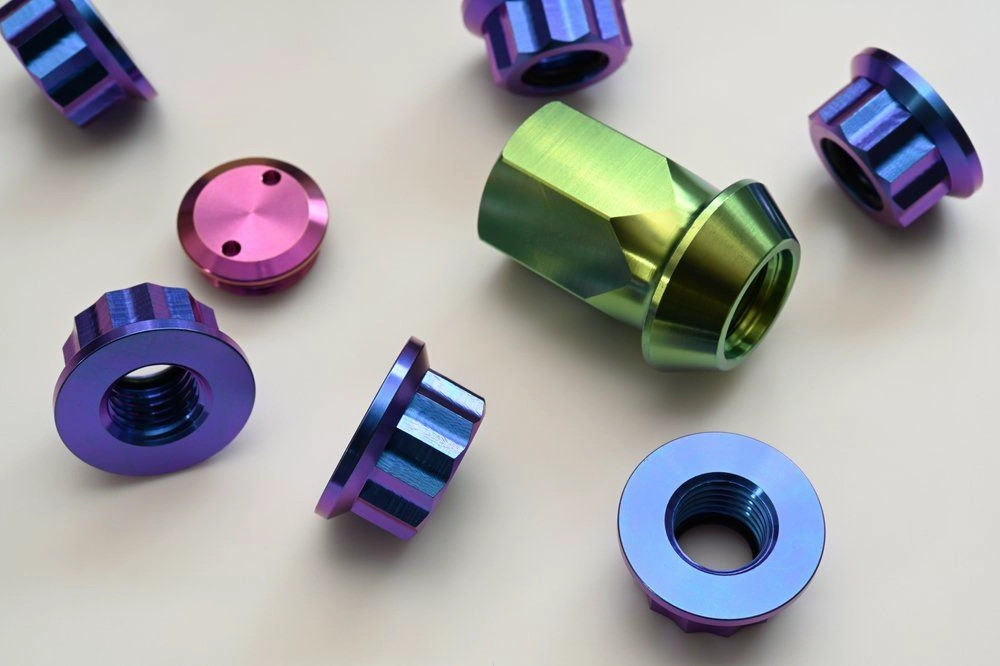
Anodizing creates a hard ceramic oxide layer on cnc aluminum and titanium surfaces. Type II anodizing produces coatings typically 4-12 μm thick, offering good corrosion resistance and accepting dyes for colored finishes. Type III (hardcoat) anodizing builds much thicker layers around 50 μm, delivering superior wear resistance for functional applications. As Hubs notes, the anodic coating grows both outward and inward from the original surface, so dimensional changes must be factored into your design.
Plating options deposit thin metal layers onto your parts for specific functional benefits. Zinc plating provides sacrificial corrosion protection for steel components. Nickel plating increases hardness and wear resistance while improving solderability. Chrome plating delivers both aesthetic appeal and exceptional wear resistance for industrial applications. According to Valence Surface Technologies, the object serves as the cathode during electroplating, with the coating metal depositing onto the surface through an electrochemical reaction.
Chemical treatments like passivation and black oxide serve specialized needs. Passivation enhances stainless steel's natural corrosion resistance by optimizing its passive surface layer. Black oxide provides a sleek finish on ferrous metals with mild corrosion protection, commonly used on tools and fasteners.
Aesthetic Finishing Options for Visible Components
When your parts will be seen by end users, appearance matters as much as function. Aesthetic finishes create professional-looking surfaces that elevate product quality perception.
Bead blasting produces a uniform matte or satin texture by propelling glass beads against the surface with pressurized air. This process removes tool marks and creates consistent appearance across the entire part. It's relatively inexpensive and works with all metals, though it's primarily cosmetic and provides limited protection. Critical features like holes can be masked to prevent dimensional changes.
Powder coating applies a durable polymer layer that resists wear, corrosion, and impact better than many alternatives. The dry powder adheres electrostatically before curing in an oven at around 200°C. Thickness typically ranges from 18-72 μm, with countless color options available. This finish works with any metal and often combines with bead blasting for optimal appearance, though it's difficult to apply to internal surfaces.
Polishing and electropolishing achieve smooth, reflective surfaces. Mechanical polishing progressively uses finer abrasives to reach mirror-like finishes. Electropolishing smooths metal surfaces through electrochemical material removal, improving cleanliness and corrosion resistance. These processes suit machined aluminum components, stainless steel, and other metals requiring premium appearance.
For non-metallic materials like cnc polycarbonate and acrylic cnc machining projects, finishing considerations differ. These plastics may benefit from flame polishing, vapor smoothing, or specialized coatings designed for polymer substrates rather than metal finishing processes.
| Finish Type | Process Description | Suitable Materials | Functional Benefits | Typical Applications |
|---|---|---|---|---|
| As-Machined | Standard surface from CNC operations, Ra 3.2-0.4 μm | All metals | Tightest dimensional control, no added cost | Internal components, non-visible parts, precision fits |
| Bead Blasting | Glass beads propelled by air create uniform matte texture | All metals | Removes tool marks, prepares surface for coating | Consumer electronics housings, visible brackets |
| Type II Anodizing | Electrochemical oxide layer 4-12 μm, accepts dyes | Aluminum, titanium | Corrosion resistance, color options, electrical insulation | Consumer products, enclosures, architectural components |
| Type III Anodizing | Hard ceramic oxide layer ~50 μm | Aluminum, titanium | Superior wear and corrosion resistance | Aerospace components, industrial wear surfaces |
| Powder Coating | Electrostatic dry powder cured at 200°C, 18-72 μm | All metals | Impact resistance, corrosion protection, color variety | Outdoor equipment, industrial housings, furniture |
| Nickel Plating | Electrodeposited nickel layer | Steel, copper, aluminum (with strike) | Hardness, wear resistance, improved solderability | Electronic components, hardware, decorative items |
| Chrome Plating | Electrodeposited chromium over nickel | Steel, brass, copper | Exceptional hardness, wear resistance, bright appearance | Automotive trim, industrial tooling, hydraulic cylinders |
| Black Oxide | Chemical conversion coating on ferrous metals | Steel, iron | Mild corrosion resistance, reduced light reflection | Fasteners, tools, firearms, optical equipment |
Selecting the right finish requires balancing function, appearance, and budget. Parts exposed to repeated contact or harsh environments typically need harder, thicker coatings. Cosmetic surfaces may only need bead blasting unless protection is also required. As Norck observes, critical surfaces and tolerances should be specified so finishing is applied where required without compromising fit or function.
Consider combining finishes for optimal results. Bead blasting before anodizing produces a uniform matte appearance with added corrosion protection. Masking critical features before any coating process preserves dimensional accuracy where tolerances matter most. Your aluminum cnc parts might receive different treatments on different surfaces depending on their functional requirements.
With surface finishing options understood, the next consideration involves industry-specific requirements and certifications that govern manufacturing standards across sectors like automotive, aerospace, and medical devices.
Industry Applications and Certification Requirements
When you're sourcing precision machining companies for critical applications, understanding industry-specific requirements isn't optional. Each sector operates under distinct regulatory frameworks, quality standards, and documentation demands that separate qualified suppliers from those who simply own CNC equipment.
Why does this matter? A component that performs perfectly in general industrial applications might fail catastrophic compliance audits in aerospace or medical contexts. According to industry research, 67% of OEMs require ISO 9001 certification from their suppliers as a baseline, with sector-specific certifications adding additional layers of qualification. Understanding these requirements helps you identify machining parts manufacturers capable of meeting your specific industry demands.
Automotive Industry Machining Standards
Automotive cnc fabrication operates at the intersection of high volume, tight tolerances, and relentless cost pressure. When you're producing thousands of identical components for vehicle assemblies, consistency becomes the primary concern. A single out-of-spec batch can halt production lines, trigger recalls, and damage supplier relationships permanently.
The automotive sector demands more than just accurate parts. It requires documented quality systems, statistical process controls, and seamless supply chain integration. Your machining partner must demonstrate capability across several dimensions:
- IATF 16949 certification: This automotive-specific quality management standard builds on ISO 9001 with additional requirements for defect prevention, variation reduction, and waste elimination. It's the entry ticket for Tier 1 and Tier 2 automotive suppliers worldwide.
- Statistical Process Control (SPC): Real-time monitoring of critical dimensions ensures parts stay within specification throughout production runs. SPC identifies trends before they become defects.
- Production Part Approval Process (PPAP): This documentation package proves your process can consistently produce parts meeting all engineering requirements before mass production begins.
- Traceability systems: Every component must trace back to its material batch, machine, operator, and inspection records for recall management and root cause analysis.
Companies that manufacture custom metal parts for automotive applications invest heavily in these systems. For example, Shaoyi Metal Technology maintains IATF 16949 certification alongside strict SPC quality controls, enabling automotive-grade manufacturing capability with lead times as fast as one working day for precision components like chassis assemblies and custom metal bushings.
The automotive industry also expects suppliers to participate in continuous improvement initiatives, respond rapidly to engineering changes, and maintain buffer inventory for just-in-time delivery schedules. These operational requirements often matter as much as machining capability when selecting a manufacturing partner.
Medical and Aerospace Certification Requirements
Medical machining and aerospace cnc machining share a common thread: zero tolerance for failure. When components go into human bodies or aircraft, the consequences of defects extend far beyond warranty claims. Both industries demand rigorous certification, extensive documentation, and specialized manufacturing expertise.
Aerospace requirements center on AS9100 certification, which adds aerospace-specific controls to the ISO 9001 foundation. According to industry specialists, aerospace components require micrometer-level tolerances, complex 5-axis milling capabilities, and expertise with exotic materials like titanium, Inconel, and other high-temperature alloys.
Key aerospace certifications and requirements include:
- AS9100 certification: The aerospace quality management standard covering design, development, production, and service of aviation, space, and defense products.
- NADCAP accreditation: Special process accreditation for operations like heat treating, welding, and non-destructive testing that affect part integrity.
- First Article Inspection (FAI): Comprehensive verification that the first production part meets all drawing and specification requirements before full production proceeds.
- Material traceability: Complete documentation chain from raw material mill certification through finished part, including heat lot numbers and material test reports.
Medical device manufacturing adds biocompatibility and cleanliness requirements to the precision equation. Components destined for implantation or patient contact must meet FDA regulations and often require ISO 13485 certification specifically for medical device quality management.
Medical machining considerations include:
- ISO 13485 certification: The medical device quality management standard emphasizing risk management, design controls, and regulatory compliance.
- Biocompatible materials: Surgical instruments and implants require specific grades of stainless steel, titanium, and specialty alloys proven safe for human contact.
- Cleanroom manufacturing: Some medical components require controlled environments to prevent contamination during production.
- Validation documentation: Installation Qualification (IQ), Operational Qualification (OQ), and Performance Qualification (PQ) protocols demonstrate process capability.
Industrial equipment applications generally follow less stringent regulatory frameworks but still demand durability, reliability, and consistent quality. ISO 9001 certification provides the quality management foundation, while specific industries may add requirements for pressure vessel components (ASME), electrical enclosures (UL/CE), or hazardous environment equipment (ATEX).
As one shop owner noted in industry documentation: "Certifications show our clients we're serious about quality. They're not just paperwork—they're a commitment to excellence in every part we make."
When evaluating precision machining companies for your industry, verify their certifications match your requirements. Request copies of current certificates, ask about audit results, and understand how they maintain compliance. The investment in certified suppliers pays dividends through reduced quality issues, smoother regulatory submissions, and confidence that your components meet the standards your industry demands.
With industry requirements understood, the next critical consideration involves quality assurance processes and inspection methods that verify your parts meet specifications before they ship.
Quality Assurance and Inspection Processes
How do you know the parts you receive actually meet your specifications? You can't simply trust that a cnc machine shop near me produced accurate components. Verification requires systematic quality assurance processes, calibrated inspection equipment, and documented evidence that every critical dimension falls within tolerance.
Quality assurance in custom metal machining isn't just about checking finished parts. It encompasses everything from incoming material verification through final inspection, with multiple checkpoints along the way. Understanding these processes helps you evaluate potential machine shop services and set appropriate expectations for the documentation you'll receive with your cnc machined parts.
Quality Inspection Methods for Machined Components
Modern inspection capabilities extend far beyond basic calipers and micrometers. When precision matters, machine shops deploy sophisticated measurement systems that verify dimensions, geometric relationships, and surface characteristics with micron-level accuracy.
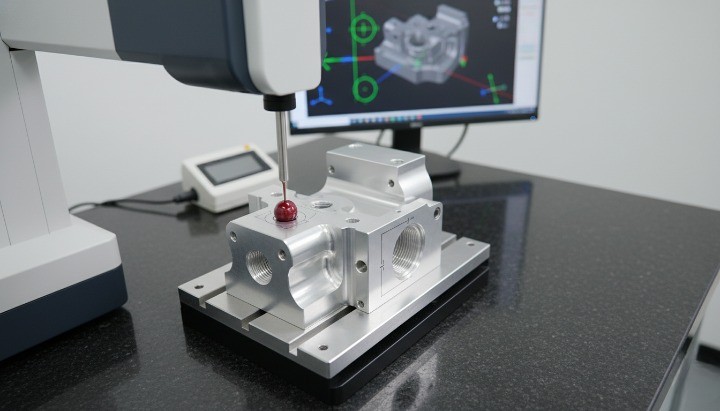
Coordinate Measuring Machines (CMMs) represent the gold standard for dimensional verification. These computer-controlled systems use precision probes to map part geometry in three dimensions, comparing measured values against CAD models or drawing specifications. According to industry experts, the accuracy of inspection depends on the quality of measurement tools, and CMMs provide the highest reliability for complex geometries requiring verification of multiple features and their relationships.
First Article Inspection (FAI) provides comprehensive verification before production proceeds. As TiRapid notes, first-article inspection examines the first batch of parts produced to ensure they strictly meet customer specifications and engineering drawing requirements. This process confirms that tooling, fixtures, and machining programs produce conforming parts before committing to full production runs. Statistics show that implementing compliant first-article inspections can reduce batch return rates by more than 60%.
Statistical Process Control (SPC) monitors production in real-time rather than waiting until parts are complete. By tracking critical dimensions throughout machining operations, SPC identifies trends and variations before they result in out-of-spec parts. According to Baker Industries, early identification of deviations allows immediate correction, minimizing defects, waste, and rework while saving time and money.
Additional inspection methods include surface profilometers for roughness measurement, hardness testers for material verification, and optical comparators for profile checking. Shops serving demanding industries maintain calibration programs ensuring all measurement equipment provides reliable, traceable results.
Evaluating Machine Shop Quality Systems
When searching for machining shops near me or evaluating potential partners, quality capability should rank alongside machining capability in your assessment. Not every shop maintains the systems, equipment, and expertise your project requires.
Effective machine shops perform in-process inspections throughout the machining cycle, not just final checks. This approach catches potential issues early, reducing scrap rates and avoiding costly rework. Local machine shops with robust quality systems also maintain thorough documentation, providing inspection reports, certificates of conformity, and SPC data when needed.
Here are the key questions to ask when evaluating a potential machining partner:
- What certifications does the shop hold? ISO 9001 indicates structured quality management systems. Industry-specific certifications like AS9100 (aerospace), IATF 16949 (automotive), or ISO 13485 (medical) demonstrate sector expertise and compliance capability.
- What inspection equipment is available? Ask specifically about CMMs, surface measurement tools, and specialized instruments relevant to your parts. Equally important: are these tools regularly calibrated and maintained?
- How are incoming materials verified? Quality begins with raw materials. Capable shops verify material certifications, test properties when required, and maintain traceability from supplier through finished part.
- What in-process controls are used? Understanding how the shop monitors production helps predict consistency. Statistical controls, documented inspection points, and operator verification all contribute to reliable outcomes.
- How are non-conformances handled? Ask about their process for addressing out-of-spec parts. Do they investigate root causes, document corrective actions, and implement preventive measures? A proactive approach indicates strong quality culture.
- What documentation will you receive? Clarify expectations upfront. Will you get dimensional inspection reports, material certifications, certificates of conformity, or first article inspection packages?
- Can they provide references from similar projects? A proven track record delivering defect-free, high-precision parts for applications similar to yours provides confidence in their capabilities.
Quality processes differ significantly between prototype and production runs. Prototype machining often involves 100% inspection of all dimensions since quantities are small and establishing process capability isn't practical. Production runs shift toward statistical sampling once the process demonstrates stability, with SPC monitoring critical characteristics and periodic audits confirming ongoing conformance.
Documentation expectations also vary by project phase and industry. For prototypes, you might receive basic dimensional reports confirming critical features meet specification. Production orders typically include more comprehensive packages: first article inspection reports establishing baseline conformance, ongoing inspection data demonstrating process stability, material certifications proving alloy compliance, and certificates of conformity summarizing overall acceptance.
When you find machinist shops near me that maintain strong quality systems, you're not just getting accurate parts. You're gaining a partner invested in your project's success, equipped to catch problems before they become costly failures, and capable of providing the documentation your industry demands.
With quality systems understood, the final consideration involves working effectively with machine shops from initial inquiry through production scaling, ensuring your project moves smoothly from concept to delivered components.
Working with Machine Shops Successfully
You've designed your part, selected your material, and specified your tolerances. Now comes the moment of truth: engaging with machine shops to turn your concept into reality. How you approach this relationship directly impacts everything from quote accuracy to final part quality and delivery timelines.
Working with cnc prototyping partners isn't like ordering commodity products. Every project brings unique requirements, and effective collaboration requires clear communication, proper documentation, and realistic expectations. Whether you're developing a single prototype or planning production runs of thousands, understanding the machining partnership process helps you avoid costly delays and frustrating misunderstandings.
Preparing Your Project for Accurate Quoting
Ever submitted a request for quote and received wildly different prices from different shops? That variance often stems from incomplete or ambiguous information. Machine shops make assumptions when details are missing, and those assumptions rarely align with your actual needs.
According to Stecker Machine, turning around an RFQ in a week for simple machining jobs is no walk in the park, but the best CNC machine shops do it regularly. For complex parts involving multiple vendors like foundries or coating services, gathering all necessary information may take 2-3 weeks. The more complete your initial submission, the faster and more accurate your quotes become.
Here's what machine shops need to provide accurate quotes for your prototype machining or production projects:
- Complete 3D CAD files: STEP or IGES formats work universally across CAM systems. Native files from SolidWorks, Fusion 360, or Inventor are also acceptable. Avoid sending only 2D drawings for complex geometries.
- Detailed 2D drawings: Include all critical dimensions, tolerances, surface finish requirements, and GD&T callouts. Even with perfect 3D models, drawings communicate intent that models cannot capture.
- Material specifications: Specify exact alloy grades, not just "aluminum" or "steel." 6061-T6 machines very differently than 7075-T6, and pricing varies accordingly.
- Quantity requirements: Indicate both immediate needs and anticipated annual volumes. Shops price differently for 5 prototypes versus 5,000 production parts.
- Surface finish specifications: Note required Ra values, coating requirements, or aesthetic expectations. Unspecified finishes default to as-machined, which may not meet your needs.
- Certification requirements: If you need material certifications, first article inspection reports, or industry-specific documentation, state these upfront.
- Target timeline: Share your ideal delivery date and whether it's flexible. Rush orders cost more, and shops need to assess capacity before committing.
- Application context: Briefly explain what the part does and where it operates. This context helps shops identify potential issues and suggest improvements.
What red flags should you watch for in quotes you receive? According to industry experts, vague or incomplete quotes, missing details about processes or materials, and prices significantly lower than competitors often signal potential problems. A shop that asks clarifying questions before quoting demonstrates attention to detail that translates into better parts.
From Prototype to Production Scaling Strategies
Cnc prototype machining and production machining operate under fundamentally different economics. A process that makes perfect sense for five prototype parts becomes inefficient at five hundred, and vice versa. Understanding these differences helps you plan transitions effectively.
During cnc machining prototyping, flexibility matters most. You're validating designs, testing fits, and iterating based on real-world feedback. As Protowrk notes, CNC prototyping can often be delivered very quickly since no hard tooling is needed. Prototype machining services typically use general-purpose fixturing, standard tooling, and programming approaches optimized for quick changeovers rather than cycle time efficiency.
Production scaling introduces different priorities. When quantities justify it, shops invest in dedicated fixtures, optimized tooling, and refined programs that reduce per-part cycle times. Setup costs spread across larger volumes, fundamentally changing the cost equation. Statistical process controls replace 100% inspection, and documented processes ensure consistency across extended production runs.
The transition requires deliberate planning. Consider these scaling factors:
- Design freeze timing: Production tooling investments only make sense after designs stabilize. Rushing to production fixtures before finalizing prototypes wastes money on tooling that becomes obsolete.
- Process optimization: Prototype programs prioritize reliability over speed. Production programs benefit from optimization work that reduces cycle times and tool changes.
- Quality system alignment: Rapid cnc prototyping typically involves basic dimensional verification. Production requires documented inspection plans, SPC implementation, and ongoing process monitoring.
- Supply chain integration: Production volumes may require material stocking agreements, scheduled deliveries, and buffer inventory management that prototypes don't justify.
Manufacturers capable of supporting both phases streamline your path from concept to volume. Shaoyi Metal Technology exemplifies this scalable approach, offering rapid prototyping capabilities with lead times as fast as one working day while maintaining the IATF 16949 certification and SPC quality controls necessary for automotive production volumes. This continuity eliminates the disruption of transferring projects between prototype specialists and production suppliers.
Lead Time Expectations and Communication Best Practices
How long should your parts take? The honest answer: it depends on far more factors than most buyers realize. According to JLC CNC, lead times depend on design complexity, material selection and supply, equipment capability, production scheduling, and post-processing requirements.
For straightforward parts in common materials with standard tolerances, expect 1-2 weeks for prototype quantities. Complex geometries requiring 5-axis machining, exotic materials with long procurement times, or tight tolerances demanding careful setup extend timelines to 3-4 weeks or longer. Production runs add time for first article inspection and process validation before full volume proceeds.
Factors that commonly extend lead times include:
- Material availability: Specialty alloys may require weeks to source. Standard aluminum and steel typically ship within days.
- Design complexity: Multi-axis operations, numerous features, and tight tolerances all increase machining time and programming effort.
- Surface finishing: External processes like anodizing, plating, or heat treatment add days to your schedule.
- Inspection requirements: Comprehensive first article inspection packages require time to compile and may reveal issues requiring resolution.
- Current shop loading: Even capable shops face capacity constraints. Timing your order matters.
Communication throughout your project prevents surprises. Establish primary contacts at both organizations. Request cnc quote online systems if available for simple projects, but engage directly with estimators for complex work. Ask about progress updates and preferred communication channels. When changes arise on your end, notify your machining partner immediately since late changes cascade through scheduling and may impact delivery.
The strongest machining partnerships develop over time. Initial projects establish baseline expectations. Subsequent orders benefit from accumulated knowledge: your preferences, your tolerances that matter most, your inspection requirements. Shops that understand your business anticipate needs and catch potential issues before they become problems. This relationship investment pays dividends in smoother projects, faster turnarounds, and better outcomes.
When seeking online machining quotes, remember that price alone tells an incomplete story. Evaluate responsiveness, question quality, and communication clarity alongside cost. A slightly higher quote from a partner who understands your requirements and delivers reliably often proves more economical than chasing the lowest number from an unknown shop.
Your custom metal machining journey—from understanding fundamentals through material selection, tolerance specification, design optimization, finishing selection, and quality verification—ultimately succeeds or fails based on how effectively you partner with your chosen machine shop. Invest in that relationship, communicate clearly, and provide complete information. The parts you receive will reflect the effort you put into the collaboration.
Frequently Asked Questions About Custom Metal Machining
1. What is custom CNC machining and how does it differ from standard machining?
Custom CNC machining creates precision components built to your exact specifications using computer-controlled cutting tools. Unlike standard machining that produces large volumes of identical catalog parts, custom machining works backward from your unique requirements. This enables tailored specifications, complex geometries impossible for mass production, material flexibility across aluminum, steel, titanium, and bronze, plus cost-effective production for prototypes and small batches. The investment pays dividends when precision matters for specialized applications.
2. What materials are commonly used in CNC machining parts?
Common CNC machining materials include aluminum alloys (6061 for general use, 7075 for high strength), steel grades (1018/1020 for machinability, 4130 for aircraft), stainless steel (303 for machinability, 316 for corrosion resistance), bronze for bearings and wear applications, and specialty alloys like titanium for aerospace and medical implants. Each material affects machining parameters, costs, and final part performance. Aluminum costs $2-5/kg with excellent machinability, while titanium runs $20-50/kg with challenging processing requirements.
3. How do I choose the best online machine shop for my project?
Evaluate machine shops based on certifications (ISO 9001 baseline, plus AS9100 for aerospace, IATF 16949 for automotive, ISO 13485 for medical), inspection equipment availability including CMMs, and quality systems with documented in-process controls. Ask about material verification processes, non-conformance handling, and what documentation you'll receive. Request references from similar projects. Manufacturers like Shaoyi Metal Technology offer IATF 16949 certification with SPC quality controls and lead times as fast as one working day for precision components.
4. What tolerances can CNC machining achieve?
Standard CNC machining achieves ±0.1 mm (±0.005 inches) for general dimensions. Tight tolerances reach ±0.025 mm (±0.001 inches) for critical features, while ultra-precision operations achieve ±0.01 mm or tighter. Achievable precision depends on machine capability, material properties (aluminum holds tolerances easier than plastics), part geometry, environmental controls, and tooling quality. Moving from ±0.1 mm to ±0.01 mm can multiply costs by 3-5 times, so apply tight tolerances only where function demands it.
5. How long does custom CNC machining take from quote to delivery?
Lead times vary based on complexity, materials, and quantities. Straightforward parts in common materials with standard tolerances typically take 1-2 weeks for prototypes. Complex 5-axis geometries, exotic materials, or tight tolerances extend timelines to 3-4 weeks or longer. Production runs add time for first article inspection and process validation. Material availability, surface finishing requirements, and current shop loading also impact schedules. Some manufacturers offer expedited services with lead times as fast as one working day for qualifying projects.