 Small batches, high standards. Our rapid prototyping service makes validation faster and easier —
  EN
EN


Online Machining Service Decoded: From CAD Upload To Doorstep Delivery
What Is an Online Machining Service and How Does It Work
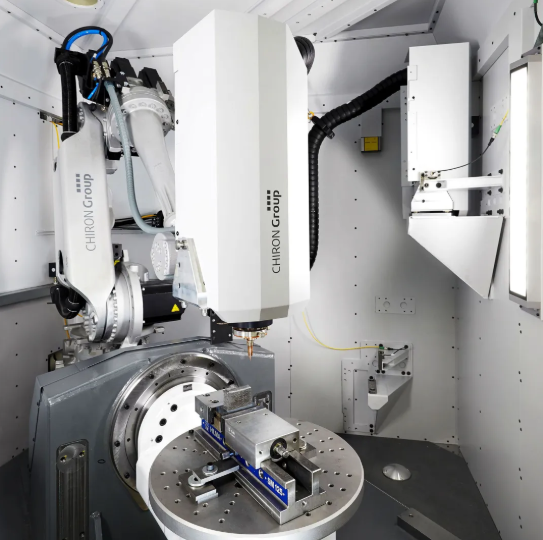
An online machining service is a digital platform that connects engineers, designers, and businesses directly with precision manufacturing providers. Instead of spending days calling machine shops, requesting quotes, and waiting for responses, you simply upload your CAD file and receive instant pricing. It's manufacturing on demand, streamlined for the digital age.
Think about it this way: traditional machining meant geographic limitations, lengthy phone negotiations, and weeks of back-and-forth before production even began. Now? You can get a cnc quote online in minutes, compare options, and place an order—all without leaving your desk. This fundamental shift has democratized access to precision cnc machining, making it accessible to startups, solo inventors, and enterprise teams alike.
How Digital Platforms Transform Parts Manufacturing
Digital platforms have eliminated the traditional barriers that once made custom machining feel exclusive. Gone are the days when you needed industry connections or a cnc machining near me search followed by dozens of phone calls to find a capable shop.
Here's how the modern process works:
- Design Upload: Submit your CAD files through the platform in formats like STEP, IGES, or native CAD formats.
- Material and Finish Selection: Choose from metals, plastics, and surface treatments tailored to your application.
- Instant Quoting: Automated systems analyze your design complexity, material choice, and tolerances to generate pricing immediately.
- Order Confirmation: Review the quote, place your order, and track production status online.
- Quality Control and Delivery: Parts undergo inspection before shipping directly to your location.
This transparency fundamentally changes how you approach manufacturing. You can iterate on designs, compare material costs instantly, and make informed decisions without waiting for a sales representative to return your call.
From CAD File to Finished Component
What exactly can an online cnc service produce? These platforms leverage sophisticated equipment capable of handling everything from simple brackets to complex aerospace components. Core machining capabilities typically include:
- CNC Milling: Removes material using rotating cutting tools to create flat surfaces, slots, pockets, and complex 3D geometries.
- CNC Turning: Produces cylindrical parts by rotating the workpiece against stationary cutting tools—ideal for shafts, bushings, and threaded components.
- EDM (Electrical Discharge Machining): Uses electrical sparks to machine hard metals and create intricate features that conventional cnc cutting cannot achieve.
- Multi-Axis Machining: Enables complex geometries by moving the cutting tool or workpiece along multiple axes simultaneously.
What distinguishes reputable online providers from traditional shops? Certifications. Quality-focused platforms maintain industry-recognized standards like ISO 9001:2015 for quality management systems and IATF 16949 for automotive applications. These certifications ensure documented workflows, performance monitoring, and corrective action protocols—giving you confidence that your parts meet specifications consistently.
Traditional machine shops certainly offer valuable expertise and personal relationships. However, online platforms provide something different: instant access to a network of certified manufacturers, transparent pricing, and streamlined communication. For engineers who need rapid prototyping, small-batch production, or simply want to compare options quickly, this digital approach to machining represents a practical evolution in how precision parts get made.
When to Choose Online CNC Machining Over 3D Printing or Injection Molding
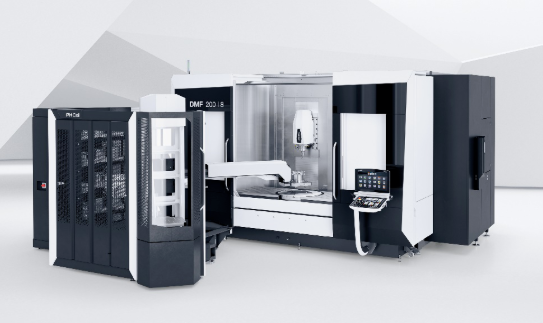
You've got a design ready to manufacture. But which process should you use? This decision can significantly impact your project's cost, timeline, and final part quality. Understanding when to choose cnc machining parts over 3D printing or injection molding helps you avoid expensive mistakes and optimize your production strategy.
The short answer? CNC machining excels when you need tight tolerances, superior mechanical properties, and metal components in low-to-medium quantities. But the full picture requires examining how each method performs across different scenarios.
Precision Requirements That Favor CNC Machining
When dimensional accuracy matters, CNC turning and milling consistently outperform additive manufacturing. Machined parts deliver tolerances as tight as ±0.025mm, while most 3D printing technologies struggle to achieve better than ±0.1mm without post-processing.
Why does this matter? Consider a shaft that must fit precisely into a bearing, or a bracket with mounting holes that need exact positioning. These applications demand the repeatability that CNC provides. According to industry comparisons, CNC machining offers high precision, excellent repeatability, and tight tolerances across a wide range of part sizes.
Here's when precision requirements point toward cnc prototyping and production:
- Critical mating surfaces: Parts that interface with other components require consistent dimensions across every unit.
- Functional prototypes: Testing fit and function before production tooling demands parts that match final specifications.
- Metal components under stress: Cnc machined parts exhibit fully isotropic mechanical properties—meaning equal strength in all directions—unlike 3D printed parts that can be weaker along layer lines.
- Surface finish requirements: As-machined finishes often meet specifications directly, while 3D prints typically show visible layer lines requiring additional finishing.
Rapid cnc prototyping bridges the gap between concept and production-ready components. You get parts that perform like the final product, not approximations that require mental adjustments when evaluating design success.
Volume Thresholds for Manufacturing Method Selection
Production quantity dramatically influences which manufacturing method makes economic sense. Each process has a different relationship between setup costs and per-unit pricing.
3D printing requires virtually no tooling investment—you pay primarily for material and print time. CNC machining involves modest setup fees for programming and fixturing. Injection molding demands significant upfront tooling costs, often starting at £3,000 or more, before producing a single part.
This cost structure creates clear crossover points:
| Factor | 3D Printing | CNC Machining | Injection Molding |
|---|---|---|---|
| Optimal Volume | 1–500 units | 1–5,000 units | 10,000+ units |
| Tolerance Capability | ±0.1mm to ±0.3mm | ±0.025mm to ±0.125mm | ±0.05mm to ±0.1mm |
| Material Options | 5–20 plastics, limited metals | 20+ plastics, full metal range | 100+ plastics, rubbers |
| Startup Cost | None (£30–60 minimum order) | Low setup fee (£100+) | High tooling (£3,000–£100,000+) |
| Lead Time | 2–7 days | 7–14 days | 15–60 days |
| Design Flexibility | High—easy design changes | Moderate—changes require reprogramming | Low—tool modifications expensive |
Notice how the sweet spot for CNC falls between additive and formative processes. If you need 50 aluminum brackets, 3D printing becomes expensive per unit while injection molding tooling can't be justified. CNC machining hits the economic target precisely.
What about geometry complexity? 3D printing handles intricate lattice structures and internal channels that would be impossible to machine. However, for straightforward geometries requiring strength and precision, machined parts consistently deliver better value.
A practical approach many teams adopt: start with 3D printing for initial concept validation, move to CNC for functional testing and low-volume production, then transition to injection molding only when demand justifies the tooling investment. This hybrid strategy balances speed, cost, and quality across your product development cycle.
Understanding these tradeoffs helps you select the right manufacturing method from the start—saving time, budget, and frustration as your project moves from design to delivery.
Material Options and Selection Criteria for CNC Machined Parts
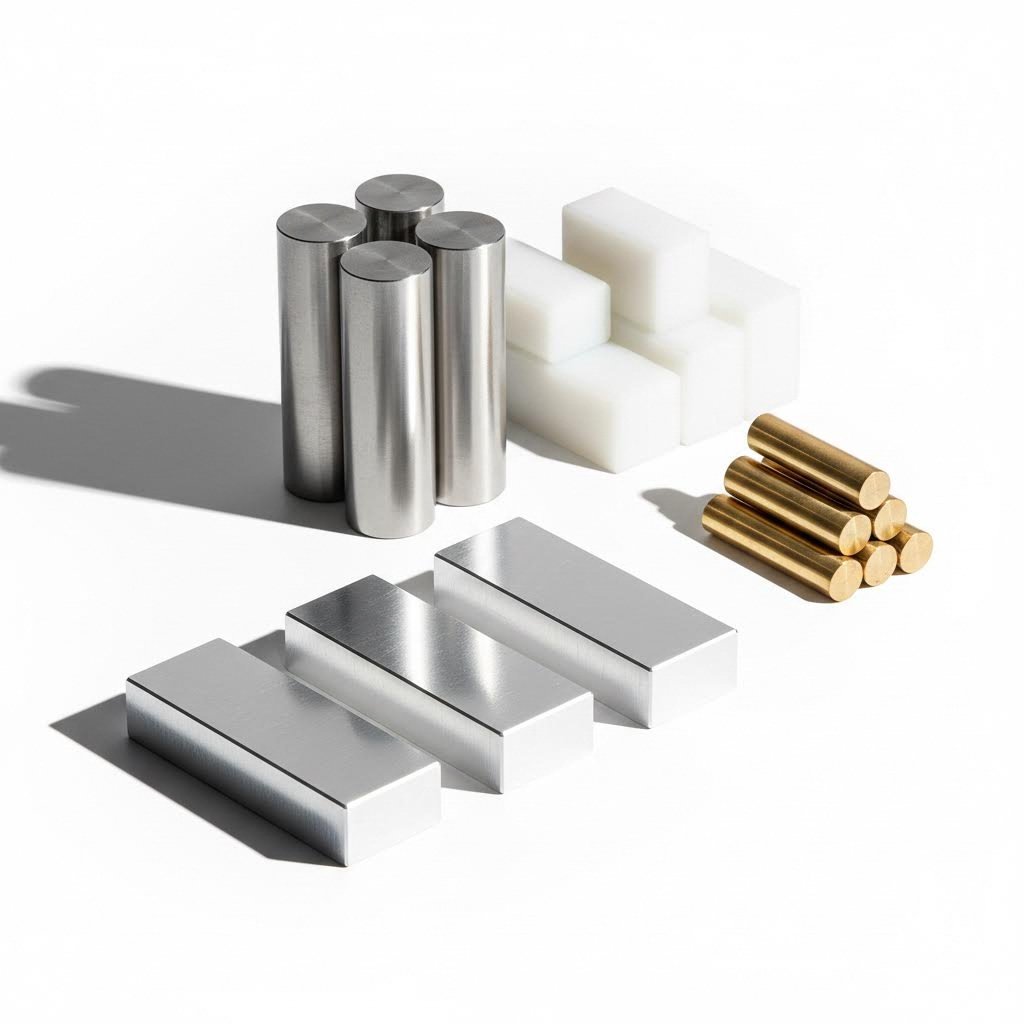
Choosing the right material can make or break your project. You might have a perfectly designed component, but select the wrong alloy or plastic, and you'll face premature failure, unnecessary costs, or machining complications. The good news? Understanding a few key properties helps you narrow down options quickly.
When evaluating materials for your next machined part, consider these fundamental questions: What mechanical loads will the part experience? Does it need to resist corrosion or chemicals? Is weight a critical factor? And finally, what's your budget? Let's break down the most common options to help you decide.
Metal Selection for Structural and Thermal Requirements
Metals remain the go-to choice when strength, hardness, and thermal performance matter. Each alloy family offers distinct advantages depending on your application context.
Aluminum Alloys
Aluminum delivers an excellent strength-to-weight ratio at an economical price point. According to Hubs, aluminum alloys are often the most cost-effective option for prototypes and production parts alike.
- 6061: The workhorse of aluminum machining—good strength, excellent machinability, and natural corrosion resistance. Ideal for general-purpose brackets, housings, and structural components.
- 7075: When you need aerospace-grade performance, this alloy delivers. Heat-treatable to strength levels comparable to steel while remaining significantly lighter.
- 5083: Superior seawater resistance makes this the standard for marine applications and welded structures.
Stainless Steel
Need durability in harsh environments? Stainless steel combines high strength with exceptional corrosion resistance.
- 304: The most common grade, offering excellent resistance to most environmental conditions. Perfect for food processing, medical devices, and general industrial use.
- 316: Enhanced chemical resistance, especially against saline solutions. Choose this for marine environments or chemical processing equipment.
- 303: Optimized for machinability with slightly reduced corrosion resistance—ideal for high-volume production of fasteners and fittings.
Brass and Bronze
These copper alloys excel in applications requiring low friction, electrical conductivity, or decorative appearance. Bronze cnc machining produces components with natural lubricity—perfect for bushings, bearings, and sliding surfaces. Machining bronze requires attention to chip control, but the material's excellent machinability makes it cost-effective for complex geometries.
Brass C36000, often called free-cutting brass, machines beautifully and provides natural antimicrobial properties. You'll find cnc bronze and brass components in plumbing fittings, electrical connectors, and musical instruments.
Titanium
When weight savings and corrosion resistance are paramount—and budget allows—titanium delivers unmatched performance. Common in aerospace, medical implants, and high-performance sporting equipment, titanium parts cost more to machine due to slower cutting speeds and specialized tooling requirements.
Engineering Plastics for Weight and Chemical Resistance
Plastics offer advantages metals simply can't match: lower weight, natural electrical insulation, and resistance to many chemicals that would attack metal surfaces. However, selecting the right plastic requires understanding their distinct characteristics.
Delrin (POM/Acetal)
So, what is delrin exactly? Delrin is a brand name for polyoxymethylene (POM), also known as acetal. This delrin material offers the highest machinability among plastics, making it a favorite for precision components.
Delrin plastic combines high stiffness, low friction, and excellent dimensional stability—even at elevated temperatures. According to Jaco Products, delrin is ideal for gears, bearings, and wear-resistant mechanical parts where durability and cost-effectiveness matter.
Nylon (Polyamide)
Nylon for machining provides excellent impact strength and abrasion resistance. It's commonly used for bushings, rollers, and structural components that experience repeated stress. However, nylon absorbs moisture, which can affect dimensional stability in humid environments—something to consider for precision applications.
PEEK (Polyether Ether Ketone)
PEEK represents the premium tier of engineering plastics. It withstands temperatures up to 260°C while maintaining mechanical properties, resists nearly all chemicals, and offers biocompatibility for medical implants. The tradeoff? PEEK costs significantly more—typically $90 to $400 per kilogram compared to $5 to $15 for delrin.
Polycarbonate
Need optical clarity combined with impact resistance? Polycarbonate delivers exceptional toughness—better than ABS—while remaining transparent. Cnc polycarbonate parts appear in protective covers, fluidic devices, and automotive glazing applications.
Material Properties Comparison
This table summarizes key properties to help you identify candidates that meet your requirements:
| Material | Tensile Strength (MPa) | Thermal Conductivity (W/m·K) | Corrosion Resistance | Relative Cost |
|---|---|---|---|---|
| Aluminum 6061 | 270–310 | 167 | Good (anodizable) | Low |
| Aluminum 7075 | 500–570 | 130 | Moderate | Medium |
| Stainless Steel 304 | 505–750 | 16 | Excellent | Medium |
| Stainless Steel 316 | 515–690 | 16 | Excellent (marine) | Medium-High |
| Brass C36000 | 340–470 | 115 | Good | Medium |
| Titanium Grade 5 | 900–1100 | 6.7 | Excellent | High |
| Delrin (POM) | 69–80 | 0.31 | Good | Low |
| Nylon 6 | 70–85 | 0.25 | Moderate | Low |
| PEEK | 100–115 | 0.25 | Excellent | Very High |
| Polycarbonate | 55–75 | 0.20 | Good | Low-Medium |
Balancing Performance and Machinability
Here's a practical reality: materials with superior mechanical properties often present greater machining challenges. Aluminum machining runs fast with minimal tool wear. Stainless steel requires slower speeds and more rigid setups. Titanium demands specialized tooling and careful chip evacuation.
These factors directly impact your quote. A part that takes 10 minutes to machine in aluminum might require 30 minutes in stainless steel—affecting both cost and lead time.
The smart approach? Start by identifying materials that meet your minimum performance requirements, then select the most machinable option from that shortlist. You'll get parts that work without paying a premium for properties you don't actually need.
With material selection understood, the next critical decision involves specifying the right tolerances—where you'll balance precision requirements against manufacturing costs.
Understanding Tolerances and Precision Specifications
Ever uploaded a CAD file and wondered what tolerance to specify? You're not alone. Tolerances represent the allowable dimensional variation between your design intent and the finished part—and getting them right affects everything from assembly fit to project cost.
Here's the core concept: no manufacturing process achieves absolute perfection. Every cnc milled surface, turned diameter, and drilled hole will deviate slightly from nominal dimensions. Tolerances define how much deviation remains acceptable. Specify too loose, and parts won't fit together. Specify too tight, and you'll pay significantly more for precision machining services you may not actually need.
Standard vs Precision Tolerance Requirements
Most online platforms default to standard tolerances following ISO 2768-1 Medium, typically around ±0.13mm (±0.005"). This baseline accommodates normal variations in machine accuracy, thermal effects, tool wear, and setup repeatability—while maintaining economical production rates.
When do you need tighter specifications? According to industry guidelines, precision CNC techniques can achieve significantly tighter results, but they require specialized approaches:
| Tolerance Level | Typical Range | Requirements | Cost Impact |
|---|---|---|---|
| Standard CNC | ±0.25mm (±0.010") | Normal shop environment | Baseline |
| Temperature Controlled | ±0.125mm (±0.005") | ±3°C temperature control | 25-50% increase |
| Precision Spindles | ±0.05mm (±0.002") | High-precision machine tools | 50-100% increase |
| Full Environmental Control | ±0.0125mm (±0.0005") | ±0.5°C, vibration isolation | 100-200% increase |
Notice the cost relationship? Tight tolerances demand specialized cutting tools, longer machining times, and enhanced quality control measures. In fact, only about 1% of machining parts require tolerances in the ±0.005mm to ±0.0127mm range. Often, it's just certain critical features that need ±0.025mm or tighter—not the entire part.
Critical Dimensions That Require Tight Tolerances
So which features actually warrant precision specifications? Focus your tolerance budget on dimensions that directly affect function:
- Mating surfaces: Where cnc turned parts interface with bearings, seals, or other components, specify tighter tolerances (±0.025mm to ±0.05mm) to ensure proper fit.
- Turned diameters: Shaft-to-bore relationships typically need ±0.025mm for sliding fits or ±0.013mm for press fits.
- Hole positions: Mounting holes that must align with other parts require positional tolerances of ±0.1mm to ±0.25mm depending on fastener clearance.
- Thread specifications: What is the tolerance for thread holes? Standard tapped holes follow thread class specifications—Class 2B for inch threads or 6H for metric—which inherently define acceptable pitch diameter and major diameter ranges. Most cnc cuts for threaded features achieve these specifications without additional tolerance callouts.
- Surface flatness: Critical sealing or mounting surfaces may need flatness specifications of 0.05mm to 0.1mm across the surface.
Use tighter tolerances only on critical features that affect assembly, fit, or function. Keep non-critical features at standard tolerances to save cost and time.
Material selection also influences achievable precision. Aluminum and steel machine predictably to tight tolerances, while plastics present greater challenges due to flexibility and thermal expansion. For standard plastic parts, ISO 2768-1 Medium works well, whereas metals can achieve ISO 2768-1 Fine specifications.
The practical takeaway? Before specifying precision machining services, ask yourself: will this tolerance actually improve part function, or am I over-engineering? Accepting standard capabilities where possible keeps your project cost-effective while ensuring critical dimensions meet requirements. With tolerances defined, your next step involves preparing CAD files that communicate these specifications clearly to the manufacturing platform.
How to Prepare CAD Files for Online Machining Submission
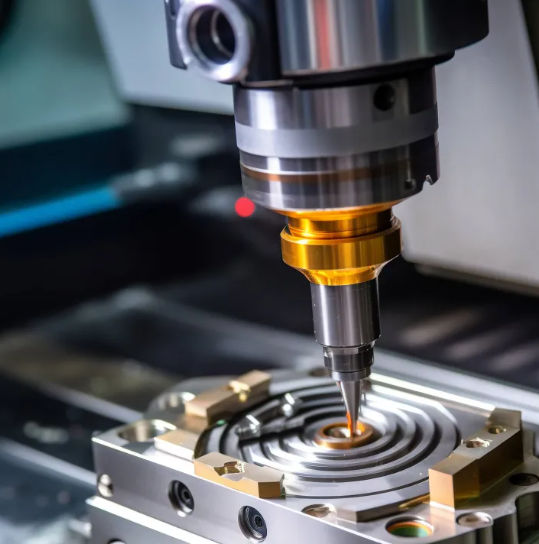
You've finalized your design, selected the perfect material, and specified your tolerances. Now comes a step that trips up even experienced engineers: preparing your CAD file for submission. Upload a poorly prepared file, and you'll face delayed quotes, manufacturing issues, or parts that don't match your intent.
The reality? Your CNC machine follows instructions down to fractions of a millimeter. If your file contains broken geometry, incorrect units, or overly complex features, you're setting yourself up for costly revisions. Let's walk through exactly how to prepare files that generate accurate quotes and produce custom machined parts on the first attempt.
File Formats That Ensure Accurate Quoting
Before your design can become cnc machine parts, you need to export it in a format that manufacturing platforms understand. Not all file types work equally well—some preserve critical geometry data while others lose essential information during translation.
Recommended Formats for CNC Machining:
- STEP (.stp, .step): The gold standard for cnc fabrication. This neutral format transfers 3D solid geometry between different CAD and CAM systems while maintaining dimensional accuracy. According to RapidDirect, STP files represent features, surfaces, and dimensions in 3D CAD modeling, making them ideal when your model requires precise solid geometry and high interoperability.
- IGES (.igs, .iges): An older but widely supported format, particularly useful for surface models and free-form geometries. However, IGES files may develop surface gaps when handling complex 3D shapes, so verify your model after export.
- Parasolid (.x_t, .x_b): Excellent for maintaining precise geometry within Parasolid-based systems like SolidWorks and Siemens NX. These lightweight files load quickly and preserve modeling tolerances.
- Native CAD Files (.sldprt, .prt): SolidWorks, Creo, and other native formats retain full parametric data and design history. Many online platforms accept these directly, though conversion to STEP may be required for some workflows.
Formats to Avoid:
Mesh-based formats like STL or OBJ work for 3D printing but create problems for cnc machining milling operations. Why? They break smooth curves into tiny triangles, losing the precise surface data CNC toolpaths require. As noted by JLCCNC, you should avoid mesh-based formats for machining because they sacrifice the geometric accuracy essential for precision manufacturing.
Design Features That Increase Manufacturing Complexity
Imagine designing a part with features that look perfect on screen—only to discover they're impossible or prohibitively expensive to machine. Understanding what makes features challenging helps you design for manufacturability from the start.
Deep Pockets and Narrow Slots
Deep-narrow pockets require longer cutting tools that are prone to breakage and vibration. According to Fast Radius DFM guidelines, pocket depth shouldn't exceed 3x the diameter of the smallest tool needed for the final feature. For example, if you're using a 12.7mm cutter, keep pockets under 38.1mm deep.
Internal Corner Radii
Since all cutting tools are circular, achieving sharp internal corners is physically impossible—the tool leaves behind unmachined material. The solution? Design corner radii slightly larger than the cutter diameter to reduce chatter and tool wear. Even increasing radii by 0.127mm beyond the tool size allows smoother toolpaths.
Wall Thickness
Thin walls cause chatter in metals and warping in plastics. The recommended minimums: 0.762mm for metal parts and 1.524mm for plastics. Thinner sections may be achievable but require case-by-case assessment and typically increase costs.
Inaccessible Features
Features hidden inside other pockets or beneath overhangs present serious challenges. If a cutting tool can't physically reach a feature, it can't machine it. Always ensure clear tool access to every surface requiring machining.
Step-by-Step File Preparation Checklist
Before uploading your cnc prototype file, work through this checklist to catch issues that commonly delay production:
- Verify watertight geometry: Your solid model should have no gaps, open surfaces, or non-manifold edges. Most CAD software includes repair tools to identify and fix these issues automatically.
- Remove suppressed or hidden features: Construction geometry, reference planes, and suppressed features can confuse automated quoting systems. Export only the final machined geometry.
- Check unit consistency: Mismatched units between millimeters and inches cause parts to be manufactured at the wrong scale. Confirm your export settings match your design intent—and consider adding units to your filename for clarity.
- Include critical dimensions and annotations: While 3D models define geometry, 2D drawings communicate critical tolerances, thread specifications, and surface finish requirements. For precision cnc machining materials and complex parts, include a drawing with GD&T callouts.
- Validate export quality: After exporting, re-import your file into a neutral viewer to verify nothing was lost during translation. Check that curves remain smooth and surfaces stayed connected.
Annotation Requirements for Manufacturing Clarity
Your CAD file defines geometry—but annotations communicate manufacturing intent. Here's what to include:
- Thread callouts: Specify thread type (metric or imperial), size, pitch, and class of fit. Example: M8x1.25-6H for a metric internal thread.
- Surface finish requirements: Indicate Ra values or finish symbols on surfaces requiring specific roughness. As-machined finishes typically achieve Ra 1.6–3.2μm without additional callouts.
- Critical tolerances: Highlight dimensions requiring tighter-than-standard precision using GD&T symbols or explicit tolerance values.
- Material specifications: If your design requires a specific alloy or grade, include this in your documentation rather than assuming the platform will select correctly.
Proper file preparation prevents the most common manufacturing delays. Invest ten minutes reviewing your export, and you'll save days waiting for clarification requests.
With your CAD file properly prepared and annotated, you're ready to experience the streamlined ordering process that makes online platforms so efficient—from instant quote generation through quality-controlled delivery.
The Complete Online Ordering Process Explained Step by Step
So you've prepared your CAD file and selected your material. What happens next? Understanding the complete workflow—from clicking "upload" to receiving cnc parts at your door—eliminates uncertainty and helps you plan project timelines with confidence.
Unlike traditional machine shops where you might wait days for a callback, online platforms compress weeks of back-and-forth into a streamlined digital experience. Whether you're searching for machining shops near me or exploring global options, the process follows a consistent pattern designed for speed and transparency.
From Upload to Instant Quote Generation
The moment you upload your file, sophisticated algorithms spring into action. Within seconds—not days—you receive online machining quotes that break down costs by material, machining time, and finishing operations.
Here's what happens behind the scenes:
- CAD File Upload: You submit your 3D model through the platform's interface. The system accepts formats like STEP, IGES, or native CAD files and immediately begins parsing your geometry.
- Automated DFM Analysis: Design for Manufacturability software scans your part for potential issues—thin walls, deep pockets, tight internal radii, or inaccessible features. According to Fast Radius, this automated insight helps optimize your project for quality and cost before production begins.
- Instant Quote Generation: The system cross-references material databases, calculates machining time based on geometry complexity, and factors in setup requirements. Within minutes, you receive detailed pricing reflecting your exact specifications.
- Quote Review and Configuration: At this stage, you can adjust quantities, select different materials, modify surface finishes, or choose between standard and expedited delivery. Each change updates your quote in real time.
What about complex parts that automated systems can't fully evaluate? Most platforms offer manual review options. When your design includes unusual features, exotic materials, or tolerances beyond standard capabilities, engineers review your submission and provide customized online machining quotes—typically within 24 to 48 hours.
This dual approach—instant automation for straightforward parts, expert review for complexity—means you get speed when possible and precision when necessary. As noted by LS Manufacturing, the fastest processing time for common components can be 24 to 48 hours, with remaining time visible through real-time order tracking.
Quality Checkpoints Throughout Production
Once you confirm your order, the real manufacturing begins. But between order confirmation and shipping, your parts pass through multiple quality gates that ensure dimensional accuracy and surface quality.
- Order Confirmation: Your quote locks in, payment processes, and your project enters the production queue. You receive confirmation with estimated delivery dates.
- Production Scheduling: The system assigns your order to appropriate equipment based on material requirements, tolerance specifications, and current machine availability. Cnc turning services and milling operations get routed to optimized workstations.
- In-Process Inspection: During machining, operators verify critical dimensions at key stages. For cnc turning service operations producing precision shafts or complex profiles, measurements confirm the process stays within specification before proceeding.
- Statistical Process Control (SPC): Quality-focused providers monitor machining parameters continuously. SPC systems track tool wear, dimensional drift, and surface finish variations—catching issues before they affect your parts. This data-driven approach ensures consistency across production runs, whether you order ten pieces or ten thousand.
- Final Quality Control: Completed parts undergo comprehensive inspection. Depending on your requirements, this includes dimensional verification, surface roughness measurement, and visual inspection. Critical features get measured against your specifications using calibrated instruments.
- Documentation and Shipping: Inspection reports, material certifications, and quality documentation accompany your shipment. Parts are packaged to prevent damage during transit and shipped via your selected carrier.
Communication and Revision Handling
What if something changes mid-project? Effective platforms provide clear communication touchpoints throughout the process.
Before production starts, you can typically modify specifications, update quantities, or even swap materials—your quote adjusts accordingly. Once machining begins, changes become more restricted, but urgent modifications may still be possible depending on production stage.
Most platforms offer order tracking dashboards where you can monitor status in real time. You'll see when your order moves from queue to production, through inspection, and into shipping. Some providers even share photographic evidence at critical stages—raw material verification, parts on the machine, and finished components ready for shipment.
The transparency of online ordering eliminates the uncertainty of traditional manufacturing. You know exactly where your parts are and when they'll arrive.
If issues arise—a tolerance question, a material clarification, or a potential manufacturability concern—engineers reach out proactively. This collaborative approach prevents surprises at delivery and ensures your finished parts match your intent.
With the ordering process demystified, the next consideration becomes surface finishing—where functional and aesthetic requirements determine whether your parts need additional treatments beyond as-machined condition.
Surface Finishing Options and When to Apply Each Type
Your machined part is dimensionally perfect—but is it ready for its application? Surface finishes transform raw cnc metal components into durable, attractive, and functional products. Whether you need corrosion protection for aerospace machining applications or a sleek appearance for consumer electronics, understanding your finishing options helps you specify exactly what your project requires.
Here's the practical reality: surface finish and surface finishing are distinct concepts. Surface finish describes the microscopic texture of a machined surface—measured in Ra values. Surface finishing refers to the secondary processes applied after machining to enhance protection, appearance, or performance. Let's explore when each finishing option makes sense.
Functional Finishes for Wear and Corrosion Protection
When parts face harsh environments, chemical exposure, or mechanical wear, functional finishes become essential rather than optional.
As-Machined Finish
Sometimes the best finish is no additional finish at all. As-machined surfaces typically achieve Ra 1.6–3.2μm and work perfectly for internal components, prototypes, or parts that will receive additional processing later. This option offers the fastest lead time and lowest cost.
Anodizing (Types I, II, and III)
For aluminum parts requiring durability, anodizing creates an integrated oxide layer that won't chip or flake like paint. According to Fictiv, anodizing improves durability and corrosion resistance while allowing parts to be dyed various colors. Type II anodizing suits general applications, while Type III (hard anodizing) provides superior wear resistance for medical machining components and high-stress applications.
Passivation and Black Oxide
Stainless steel benefits from passivation—a chemical treatment that removes free iron and enhances natural corrosion resistance without adding thickness. For steel parts, black oxide creates a magnetite layer providing mild protection with an attractive matte appearance. These treatments work together when both corrosion resistance and aesthetics matter.
Electroless Nickel Plating
This process deposits a uniform nickel-alloy coating without electrical current, providing excellent corrosion resistance across complex geometries. Higher phosphorus content improves chemical resistance but reduces hardness—choose based on your specific requirements.
Aesthetic Finishes for Consumer-Facing Components
When appearance matters as much as function, finishing options expand to include decorative treatments.
Media Blasting
Bead blasting removes machining marks and creates a uniform matte texture. According to industry sources, media blasting is often combined with other finishes like anodizing for aesthetic benefits—this combination produces the signature finish found on Apple's MacBook laptops.
Powder Coating
When you need color options and durability, powder coating delivers. The electrostatically applied powder cures into a thick, smooth finish resistant to scratches and corrosion. Aluminum machining projects frequently specify powder coating for outdoor applications. However, the 50–150μm coating thickness requires masking holes and mating surfaces with tight tolerances.
Polishing and Electropolishing
Mirror finishes on stainless steel come from electropolishing—an electrical process that dissolves surface material to achieve super-fine results. Cnc polycarbonate parts requiring optical clarity benefit from mechanical polishing to remove machining marks while maintaining transparency.
Finish Comparison for Decision Making
| Finish Type | Corrosion Protection | Aesthetic Quality | Dimensional Impact | Relative Cost |
|---|---|---|---|---|
| As-Machined | None (base material) | Industrial | None | Lowest |
| Bead Blasting | None | Uniform matte | Minimal | Low |
| Type II Anodizing | Good | Good (dyeable) | +5–25μm | Moderate |
| Type III Anodizing | Excellent | Limited colors | +25–75μm | Moderate-High |
| Powder Coating | Excellent | Excellent (many colors) | +50–150μm | Moderate |
| Electroless Nickel | Excellent | Metallic | +5–25μm | High |
| Black Oxide | Mild | Matte black | Negligible | Low |
Industry Applications and Lead Time Considerations
Finish selection varies significantly by industry. Aerospace machining typically requires chemical conversion coatings like Alodine that maintain electrical conductivity while preventing corrosion. Medical machining demands biocompatible finishes—passivated stainless steel or anodized titanium—that meet regulatory requirements.
Masking adds both time and cost. Each hole requiring protection from powder coating or anodizing requires manual plugging, adding hours to the finishing process. As Fictiv notes, surface masking invariably requires longer lead times because it's a manual process requiring curing time.
Planning your finish selection early prevents surprises. Some finishes require minimum batch quantities to be economical, while others add days to your delivery timeline. Understanding these tradeoffs helps you balance aesthetics, protection, and schedule constraints—setting the stage for informed decisions about pricing and cost optimization strategies.
Pricing Factors and Cost Optimization Strategies
Why does a seemingly simple bracket cost twice as much as a more complex-looking housing? If you've ever been puzzled by cnc machining price variations between quotes, you're experiencing the transparency gap that frustrates engineers and procurement teams alike. Understanding what actually drives costs—and how to control them—puts you in command of your manufacturing budget.
Here's the truth: machining time typically accounts for 50–70% of your total cost. According to industry cost analysis, features such as deep pockets, tight radii, small tool sizes, or heavy material removal make an immediate impact on both cycle time and overall cost. Every design decision you make either adds minutes to the machine or shaves them off.
Design Decisions That Drive Machining Costs
Think of your part as a collection of features, each carrying its own price tag. Some features machine quickly with standard tools. Others demand specialized tooling, multiple setups, or painstakingly slow feed rates. Knowing which is which helps you make informed tradeoffs.
Geometry Complexity
Complex geometry doesn't just look impressive—it costs more to produce. As Geomiq explains, complex parts with intricate geometries typically require continual repositioning of the workpiece, thereby increasing machining time. Five-axis machines position workpieces automatically, but the higher hourly rates and specialized tooling make 5-axis machining more expensive than 3-axis alternatives.
Specific geometry challenges that inflate costs include:
- Deep pockets: When depth exceeds 4x the width, tools require multiple slow passes to prevent breakage
- Sharp internal corners: Smaller end mills run slower and wear faster than larger alternatives
- Thin walls: Sections under 0.8mm risk vibration and deformation, requiring careful handling
- Undercuts and T-slots: These features demand specialty tools or additional setups
Material Selection
Your material choice affects more than just raw material cost—it determines how fast tools can cut and how quickly they wear out. Metal machining in aluminum runs significantly faster than stainless steel, which requires slower feeds to manage heat buildup and tool wear.
According to Impro Industries, harder materials may take longer to machine, directly impacting your machinist metal cost. Titanium and Inconel, for instance, demand specialized tooling and reduced cutting speeds that can multiply machining time compared to free-cutting alloys like aluminum 6061 or brass C36000.
Tolerance Requirements
Every tolerance specification carries a cost consequence. Standard tolerances of ±0.1mm allow machines to run at optimal speeds. Tighter specifications—±0.025mm or below—require slower feeds, additional finishing passes, and more frequent inspection. As noted in HMaking's cost guide, a part using standard tolerances can often be completed 2–4 times faster than one requiring precision tolerances.
Quantity Effects
Setup costs remain relatively fixed whether you order 5 parts or 500. Programming, fixturing, tool loading, and first-article verification must happen regardless of batch size. This reality means prototypes carry a disproportionate setup burden, while larger batches spread these fixed costs across more units—dramatically reducing your per-piece price.
Strategies for Cost-Effective Part Production
Now for the actionable part: how do you reduce costs without compromising function? These proven techniques help custom machine projects stay within budget while meeting performance requirements.
- Simplify geometry where possible: Replace sharp internal corners with larger radii that accommodate faster, more robust cutting tools. Reduce pocket depths to less than 4x their width. Eliminate purely cosmetic features that add machining time without functional benefit.
- Relax non-critical tolerances: Apply tight specifications only to mating surfaces, bearing fits, and functional interfaces. Accept standard tolerances—typically ±0.1mm—everywhere else. According to industry experts, the default tolerance of ±0.127mm is already quite accurate and sufficient for most applications.
- Select readily available materials: Cnc plastic machining in common grades like Delrin or nylon costs less than exotic alternatives. Standard aluminum alloys (6061, 6082) machine faster and cost less than specialized aerospace grades unless you specifically need their properties.
- Standardize hole sizes and features: Using common drill diameters and standard thread sizes reduces tool changes. Every tool swap adds setup time—keeping features consistent minimizes these interruptions.
- Consolidate orders: Combining multiple small orders into larger batches reduces per-unit setup costs significantly. If your design is stable, ordering 100 pieces instead of 10 can cut unit price by 70% or more.
- Prototype before scaling: Testing small quantities validates your design before committing to production volumes. Catching issues early prevents expensive rework on larger batches.
Lead Time and Pricing Relationships
Urgency comes at a premium. Rush orders require shops to reorganize schedules, potentially run overtime, and prioritize your job over others in queue. Standard delivery timelines—typically 7 to 14 days—allow manufacturers to optimize machine utilization and batch similar operations together.
When time matters more than cost, expedited options exist. Some local machine shops and online platforms offer 24-48 hour turnaround for simple geometries. However, expect to pay significantly more for this flexibility. Planning ahead and building buffer time into your project schedule remains the most effective cost-control strategy.
The most cost-effective parts aren't designed in isolation—they're designed with manufacturing in mind from the start.
Understanding these cost drivers empowers you to have informed conversations with suppliers and make strategic design decisions. With pricing factors clarified, your next consideration becomes selecting the right manufacturing partner—one whose capabilities, certifications, and quality systems align with your project requirements.
Selecting the Right Online Machining Partner for Your Project
You've designed your part, selected materials, and specified tolerances. But here's where many projects go sideways: choosing the wrong manufacturing partner. A provider with impressive equipment but inadequate quality systems can deliver parts that look right but fail in the field. Conversely, a certified shop with the right credentials gives you confidence that every component meets your specifications—and your industry's regulatory requirements.
What separates adequate suppliers from exceptional ones? According to American Micro Industries, certifications serve as pillars that uphold and validate every stage of the production process within a quality management system. The presence of certified processes reassures customers that a manufacturer can deliver parts meeting stringent specification requirements—essential for winning contracts in demanding sectors.
Certifications That Matter for Your Industry
Certifications aren't just plaques on a wall—they represent documented commitments to process control, traceability, and continuous improvement. Different industries demand different credentials, and understanding what each certification means helps you shortlist providers who can actually meet your requirements.
ISO 9001:2015 – The Foundation
This internationally recognized standard establishes baseline quality management principles: customer focus, process approach, continual improvement, and evidence-based decision-making. Any reputable cnc machining shop should maintain this certification as a minimum threshold. It ensures documented workflows, performance monitoring, and corrective action protocols for nonconformities.
AS9100 – Aerospace Excellence
For aerospace cnc machining applications, AS9100 builds upon ISO 9001 with additional requirements specific to the sector. This certification emphasizes risk management, stringent documentation, and product integrity control throughout complex supply chains. According to Modus Advanced, AS9100 certification provides enhanced aerospace quality standards that are essential when mission-critical systems depend on component precision.
Facilities serving cnc machining aerospace projects must demonstrate auditable process documentation, meticulous part verification, and material traceability. If your parts will fly, this certification is non-negotiable.
IATF 16949 – Automotive Grade Quality
The automotive industry demands consistent, defect-free parts across thousands or millions of units. IATF 16949 combines ISO 9001 principles with sector-specific requirements for continuous improvement, defect prevention, and stringent supplier oversight.
Manufacturers seeking to serve automotive applications must demonstrate robust product traceability and process control. For example, Shaoyi Metal Technology maintains IATF 16949 certification backed by Statistical Process Control (SPC) systems that monitor machining parameters continuously—ensuring consistency whether producing prototypes or scaling to mass production volumes. Their capability for one-day lead times on urgent projects demonstrates how certified quality systems can coexist with manufacturing agility.
ISO 13485 – Medical Device Manufacturing
Medical machining requires the definitive quality management standard for this regulated field. ISO 13485 outlines strict controls over design, manufacturing, traceability, and risk mitigation. Facilities must implement detailed documentation practices, thorough quality checks, and effective complaint handling to satisfy regulatory bodies.
NADCAP – Special Process Accreditation
For aerospace and defense applications requiring heat treating, chemical processing, or nondestructive testing, NADCAP accreditation validates process-specific controls beyond general quality certifications. This additional layer of assurance confirms a manufacturer can consistently perform specialized processes at the highest standard.
Evaluating Provider Capabilities for Your Requirements
Certifications establish baseline competence, but selecting the right partner requires deeper evaluation. According to LS Manufacturing, the best suppliers demonstrate capabilities across multiple dimensions—not just price.
When evaluating potential precision cnc machining services providers, assess these critical factors:
- Certification portfolio: Verify current certifications match your industry requirements. Request copies of certificates and confirm they cover the specific processes you need.
- Material capabilities: Ensure the provider regularly machines your specified materials. A shop experienced in aluminum may struggle with titanium or exotic alloys.
- Tolerance capabilities: Confirm the facility can consistently achieve your required specifications. Ask about 5 axis cnc machining services if your geometries demand simultaneous multi-axis positioning.
- Lead time reliability: Past performance predicts future delivery. Request references or case studies demonstrating on-time delivery rates.
- Communication responsiveness: How quickly do they respond to technical questions? Effective partners provide direct access to engineering resources—not just sales representatives.
- Prototype machining services to production scaling: The ideal partner supports your entire product lifecycle, from initial prototype machining through high-volume production, without requiring you to requalify new suppliers at each stage.
Additionally, evaluate these operational indicators:
- Equipment capabilities: Advanced CNC machining centers—including 4-axis and 5-axis machines—enable complex geometries and tighter tolerances.
- Inspection and metrology: Quality-focused facilities maintain calibrated measurement equipment and documented inspection procedures.
- Vertical integration: Providers handling multiple processes in-house—machining, finishing, inspection—offer streamlined communication and reduced lead times.
- Digital systems: Modern platforms providing real-time order tracking, automated DFM feedback, and transparent communication reduce friction throughout the manufacturing process.
The right partner doesn't just manufacture parts—they become an extension of your engineering team, catching issues before they become problems.
Custom cnc machining services relationships work best when both parties share aligned quality expectations. Before committing to large orders, consider starting with prototype machining to validate both part quality and communication effectiveness. This investment in qualification pays dividends when production scales and stakes increase.
Ultimately, selecting your manufacturing partner is an engineering decision with long-term consequences. A provider with the right certifications, proven capabilities, and responsive communication transforms your CAD files into reliable components—delivered on time and built to specification. That's the promise of modern online machining done right.
Frequently Asked Questions About Online Machining Services
1. What is an online CNC machining service and how does it work?
An online CNC machining service is a digital platform connecting engineers directly with precision manufacturers. You upload your CAD file in formats like STEP or IGES, select materials and finishes, and receive instant quotes within minutes. The platform's automated DFM analysis checks manufacturability before production begins. Quality-focused providers maintain ISO 9001:2015 and IATF 16949 certifications, ensuring documented workflows and consistent part quality from prototyping through mass production.
2. How do I get an instant CNC machining quote online?
Getting an instant CNC quote online involves three simple steps: upload your 3D CAD file through the platform interface, select your preferred material and surface finish options, and the system automatically analyzes geometry complexity to generate pricing. Most platforms provide real-time quote adjustments as you modify quantities or specifications. For complex parts requiring manual review, expect customized quotes within 24-48 hours from engineering teams.
3. When should I choose CNC machining over 3D printing?
Choose CNC machining when your project requires tight tolerances (±0.025mm or better), superior mechanical properties, or metal components in low-to-medium volumes of 1 to 5,000 units. CNC delivers fully isotropic material properties with equal strength in all directions, unlike 3D printed parts that may be weaker along layer lines. For functional prototypes, mating surfaces, and parts under mechanical stress, machining consistently outperforms additive manufacturing.
4. What materials are available for online CNC machining?
Online CNC platforms offer extensive material options including aluminum alloys (6061, 7075), stainless steel (304, 316), brass, bronze, and titanium for metal applications. Engineering plastics include Delrin (POM) for precision gears, nylon for impact resistance, PEEK for high-temperature applications, and polycarbonate for optical clarity. Material selection impacts both machining time and cost—aluminum machines fastest while titanium requires specialized tooling and slower feeds.
5. What certifications should I look for in a CNC machining provider?
Essential certifications depend on your industry: ISO 9001:2015 establishes baseline quality management for all applications, AS9100 is mandatory for aerospace components, IATF 16949 ensures automotive-grade consistency with Statistical Process Control, and ISO 13485 covers medical device manufacturing. Providers like Shaoyi Metal Technology combine IATF 16949 certification with SPC-backed systems and one-day lead time capabilities, offering reliable solutions from rapid prototyping to volume production.