 Small batches, high standards. Our rapid prototyping service makes validation faster and easier —
  EN
EN


Online Machining Decoded: From Design File To Delivered Part In Days
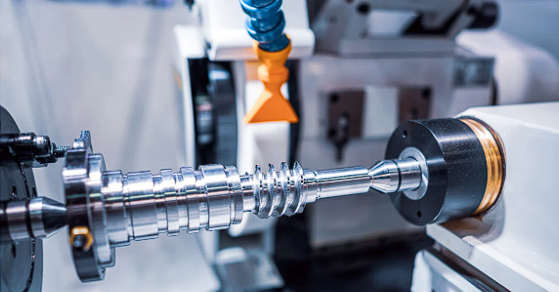
What Online Machining Actually Means for Modern Manufacturing
Imagine uploading a CAD file at 9 AM and receiving a detailed quote with pricing, lead times, and manufacturability feedback before your morning coffee gets cold. That's online machining in action—the digital transformation of how engineers and product developers procure CNC manufactured parts.
At its core, online machining refers to web-based platforms that connect you directly to precision manufacturing capabilities without the traditional gatekeepers. Instead of building relationships with local machine shops over years, you access global manufacturing networks through your browser. This model fundamentally changes how CNC and traditional procurement intersect, bringing transparency and speed to what was once a slow, relationship-dependent process.
From Blueprint to Browser: The Digital Manufacturing Shift
Not long ago, sourcing custom machined parts meant something entirely different. You'd email drawings to multiple suppliers, wait days for responses, schedule facility visits, and negotiate terms through countless phone calls. The process required established relationships and significant time investment before a single chip was cut.
Today's digital CNC machining platforms flip this model completely. According to industry analysis from Lauenscnc, users now connect to vast manufacturing networks, adjust parameters in real time, and secure production slots instantly. The shift mirrors broader digital transformations—think of how online banking replaced branch visits or how e-commerce transformed retail.
What makes this shift significant? Traditional setups excel in long-term, high-volume contracts with established relationships. However, an online CNC machine platform dominates in dynamic, innovation-driven environments where speed and flexibility matter most.
How Online Platforms Connect You to CNC Capabilities
So what exactly happens when you use these digital platforms? The ecosystem combines several interconnected components that work together seamlessly:
- File upload systems — Accept standard formats like STEP, IGES, and native CAD files for immediate processing
- Instant quoting engines — AI-based algorithms analyze geometry, calculate toolpaths, and generate pricing within seconds
- Automated DFM feedback — Built-in validation flags potential issues like thin walls or undercut features before you commit
- Global manufacturing networks — Connections to hundreds or thousands of vetted CNC service providers worldwide
- Material selection interfaces — Options ranging from aluminum and stainless steel to engineering plastics and exotic alloys
- Post-processing configuration — Surface finishes, heat treatments, and quality inspection options added with simple clicks
This cnc service model brings unprecedented transparency to manufacturing procurement. You toggle options for quantity or material and see price changes immediately—no more waiting days for revised quotes.
Does this approach suit your needs? If you're developing prototypes, testing design iterations, or need custom parts without committing to massive volumes, online machining quotes provide the flexibility traditional shops often can't match. Startups scale operations without massive upfront investments, while established firms optimize supply chains for agility.
However, this isn't about replacing every manufacturing relationship you have. It's about understanding when digital platforms offer genuine advantages—and when traditional partnerships still make sense. The goal here isn't to sell you on one approach, but to help you make informed decisions about how to get a cnc quote online efficiently while understanding exactly what you're getting.
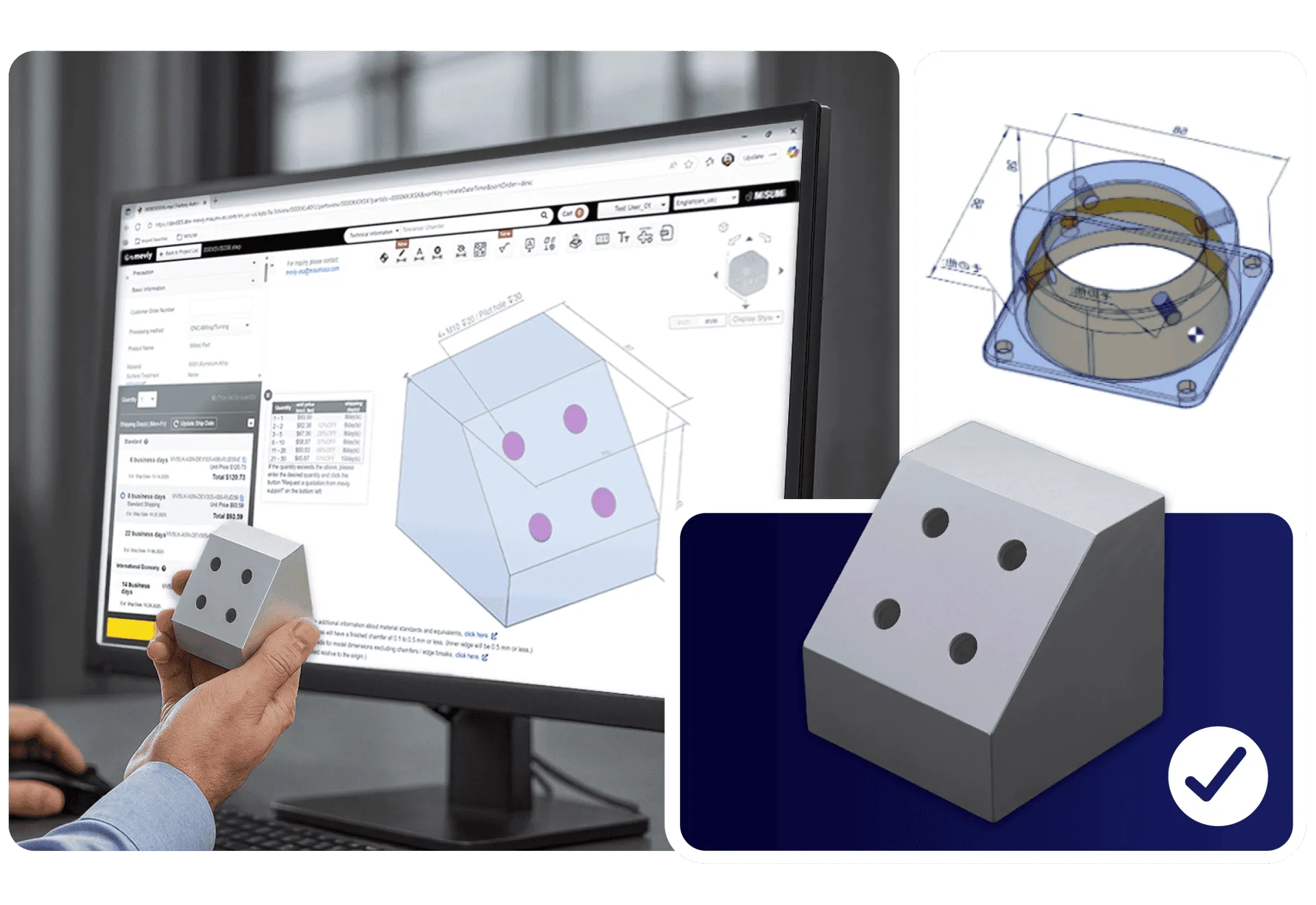
The Complete Journey from Design File to Delivered Part
Ever wondered what actually happens between clicking "upload" and holding your finished cnc machined parts? The process is more sophisticated than it appears—yet surprisingly accessible once you understand each stage. Let's walk through the complete workflow so you know exactly what to expect.
Preparing Your CAD Files for Upload
Your journey begins with file preparation, and getting this right saves headaches down the road. Most platforms accept several standard formats, but not all files are created equal for manufacturing purposes.
STEP files (.stp, .step) remain the gold standard for online machining. They preserve solid geometry, maintain dimensional accuracy, and translate seamlessly across different CAD systems. If you're only going to export one format, make it STEP.
IGES files (.igs, .iges) work as a reliable backup option. They've been around longer and enjoy broad compatibility, though they occasionally introduce surface interpretation issues with complex curves.
STL files—commonly associated with 3D printing—present limitations for CNC machining parts. They approximate surfaces with triangular facets rather than true geometry, which can compromise precision on curved features. Use STL only when other options aren't available.
Before uploading, verify your model is watertight with no open surfaces or self-intersecting geometry. Many platforms flag these issues automatically, but catching them early speeds up your quote process significantly.
Understanding the Instant Quote Process
Here's where the magic happens. According to Xometry's platform documentation, AI-powered quoting engines analyze your uploaded geometry instantly, calculating toolpaths and generating pricing based on actual manufacturing requirements.
The system evaluates multiple factors simultaneously:
- Overall part dimensions and material volume needed
- Feature complexity including holes, pockets, and surface contours
- Number of setups required to machine all features
- Selected material properties and machinability ratings
- Tolerance specifications and their impact on machining time
What makes this powerful is the immediate Design for Manufacturability (DFM) feedback. The system flags potential issues—thin walls that might deflect under cutting forces, deep pockets requiring specialized tooling, or features that would demand expensive 5-axis operations. As noted by CNC24's technical team, this automated feasibility check combines with expert production technician review to minimize risks before production begins.
From Order Placement to Doorstep Delivery
Once you've configured your part and approved the quote, what happens next? Here's the complete sequence:
- Final engineering review — Specialists verify your specifications, confirm material availability, and validate that the quoted manufacturing approach will achieve your requirements.
- Supplier matching — Your project gets assigned to an optimal manufacturer from the platform's vetted network. Selection criteria include machine capabilities, current capacity, geographic location, and any certification requirements you've specified.
- Production scheduling — Your order enters the manufacturing queue. Priority depends on your selected lead time—expedited orders jump ahead, while economy options wait for optimal batch scheduling.
- CNC machining execution — Skilled machinists set up raw material, load programs, and run your parts. Complex prototype machining may require multiple setups and careful in-process verification.
- Quality inspection — Finished parts undergo dimensional verification against your specifications. Depending on requirements, this ranges from standard sampling to comprehensive CMM measurement with detailed reports.
- Post-processing — Any specified finishing operations occur: deburring, surface treatments, heat treating, or coating applications.
- Packaging and shipping — Parts are carefully packaged to prevent transit damage and dispatched via your selected shipping method.
What Lead Times Should You Actually Expect?
Lead times vary dramatically based on project complexity and urgency. For rapid cnc prototyping with simple geometries and standard materials like aluminum, some platforms deliver in as few as six days according to MakerVerse's prototyping guide.
Here's a realistic breakdown:
| Project Type | Typical Lead Time | Key Factors |
|---|---|---|
| Simple cnc prototype (aluminum, basic geometry) | 5-10 business days | Standard tolerances, minimal setups |
| Complex prototype (tight tolerances, multiple features) | 10-15 business days | Multi-axis machining, inspection requirements |
| Low-volume production (10-100 pieces) | 2-4 weeks | Setup amortization, batch optimization |
| Production runs (100+ pieces) | 3-6 weeks | Material procurement, consistent quality control |
Expedited options can compress these timelines significantly—sometimes cutting delivery time in half—but expect premium pricing. Meanwhile, economy shipping extends lead times while reducing costs for non-urgent cnc prototyping projects.
Understanding this complete workflow helps you plan projects realistically and communicate effectively with platform support when questions arise. With your process knowledge established, the next critical decision involves selecting the right material for your specific application.
Choosing the Right Material for Your CNC Project
You've uploaded your CAD file, reviewed the instant quote, and now you're staring at a dropdown menu with dozens of material options. Which one should you choose? This decision impacts everything—part performance, manufacturing cost, lead time, and ultimately whether your design succeeds in its intended application.
The good news? Online machining platforms offer extensive material libraries that traditional shops often can't match. The challenge is navigating those options intelligently. Let's break down the selection process so you can make confident, informed decisions.
Metals for Strength and Precision Applications
When mechanical performance matters most, metals remain the go-to choice for CNC machining. But "metal" covers an enormous range of properties and price points. Understanding the key categories helps you narrow options quickly.
Aluminum Alloys: The Workhorse Materials
If you're unsure where to start, aluminum machining often provides the best balance of performance, cost, and manufacturability. According to Hubs' material selection guide, aluminum alloys have an excellent strength-to-weight ratio, high thermal and electrical conductivity, and natural corrosion protection—making them the most economical option for many prototype and production applications.
Aluminum 6061 serves as the default choice for general-purpose work. It machines beautifully, costs relatively little, and accepts anodizing for enhanced surface hardness and aesthetics.
Aluminum 7075 steps up when you need aerospace-grade strength. It can be heat treated to hardness levels comparable to some steels while maintaining aluminum's weight advantage—critical for weight-sensitive applications.
Aluminum 5083 excels in marine environments where saltwater exposure would corrode other alloys. If your parts face harsh environmental conditions, this grade deserves consideration.
Steels: When Durability Trumps Weight
Steel alloys deliver strength, hardness, and wear resistance that aluminum simply cannot match. The tradeoff? Higher material costs, longer machining times, and significantly more weight.
Stainless steel 304 handles most corrosion-resistant applications effectively. It machines reasonably well and resists most environmental conditions—making it the standard choice for food processing, medical, and outdoor applications.
Stainless steel 316 takes corrosion resistance further, particularly against saline solutions. Marine applications and chemical processing environments often require this upgraded protection.
Tool steels like D2 and A2 achieve exceptional hardness after heat treatment—up to 65 HRC. They're essential for manufacturing tooling, dies, and components subject to extreme wear, though they require specialized machining expertise.
Brass and Bronze: Specialized Performance
These copper alloys serve niche but critical applications. Brass C36000 machines exceptionally well and offers natural corrosion resistance, making it popular for high-volume components like fittings and connectors.
CNC machining bronze presents unique challenges that require attention. As noted by Othala Tech's bronze machining specialists, different bronze grades behave very differently under cutting tools. C932 (leaded bronze) cuts smoothly with excellent chip control, while C954 (aluminum bronze) builds heat rapidly and demands careful speed management.
When you machine bronze for bearings, gears, or marine hardware, the material's natural wear resistance and self-lubricating properties justify the additional machining complexity. Bronze cnc operations require shops experienced with these alloys—something to verify when selecting your manufacturing partner for bronze cnc projects.
When Plastics Outperform Metal Alternatives
Don't assume metal is always the answer. Engineering plastics offer compelling advantages for many applications: lighter weight, lower material costs, excellent chemical resistance, and natural electrical insulation.
High-Performance Engineering Plastics
Delrin plastic (POM/acetal) stands out as the champion of machinable plastics. It offers the highest machinability among plastics, exceptional dimensional stability, very low friction, and minimal water absorption. When you need precise plastic parts with tight tolerances, delrin plastic should be your first consideration.
Nylon for machining applications delivers excellent impact strength, good chemical resistance, and natural abrasion resistance. Nylon 6 and Nylon 66 are the most commonly specified grades. However, nylon for machining projects requires awareness of one limitation: the material absorbs moisture, which can affect dimensional stability in humid environments.
Polycarbonate combines high toughness with optical clarity—it can be machined into transparent components. Its impact strength exceeds ABS, making it suitable for protective covers, lenses, and fluidic devices.
PEEK represents the premium tier of engineering thermoplastics. It handles temperatures up to 250°C, resists most chemicals, and offers strength-to-weight ratios that rival metals. Medical-grade PEEK variants enable biomedical implant applications. The tradeoff? Significantly higher material costs.
Material Selection at a Glance
The following comparison helps you quickly identify candidate materials based on your primary requirements:
| Material Category | Typical Applications | Relative Cost | Machinability | Key Properties |
|---|---|---|---|---|
| Aluminum 6061 | General prototypes, enclosures, brackets | $ | Excellent | Lightweight, corrosion resistant, anodizable |
| Aluminum 7075 | Aerospace components, high-stress parts | $$ | Good | High strength, heat treatable, fatigue resistant |
| Stainless Steel 304 | Food equipment, medical devices, outdoor hardware | $$ | Moderate | Corrosion resistant, weldable, hygienic |
| Stainless Steel 316 | Marine hardware, chemical processing | $$$ | Moderate | Superior corrosion resistance, saltwater compatible |
| Brass C36000 | Fittings, connectors, decorative hardware | $$ | Excellent | Low friction, electrical conductivity, aesthetic appeal |
| Bronze (C932/C954) | Bearings, gears, marine propellers | $$-$$$ | Good (varies by grade) | Wear resistant, self-lubricating, corrosion resistant |
| Delrin (POM) | Precision gears, bushings, insulators | $ | Excellent | Low friction, dimensionally stable, moisture resistant |
| Nylon 6/66 | Wear components, structural parts, insulators | $ | Good | Impact resistant, chemical resistant, abrasion resistant |
| Polycarbonate | Optical components, protective covers, displays | $ | Good | Transparent, high impact strength, temperature stable |
| PEEK | Medical implants, aerospace, high-temp applications | $$$$ | Moderate | Extreme temperature resistance, chemical inert, biocompatible options |
Decision Criteria: Matching Materials to Requirements
How do you narrow down from this extensive list? Consider these four factors in order of priority:
- Mechanical requirements — What loads, stresses, and wear conditions will your part experience? This eliminates options that can't meet performance thresholds.
- Environmental exposure — Will parts face moisture, chemicals, UV radiation, or temperature extremes? Material compatibility with operating conditions is non-negotiable.
- Weight constraints — Aerospace and portable device applications often demand minimum weight. Plastics and aluminum alloys provide significant advantages here.
- Budget considerations — Once you've identified materials meeting performance requirements, cost differences can guide final selection. Sometimes standard aluminum handles a job that doesn't require expensive specialty alloys.
When Material Certification Documentation Matters
For certain industries, material selection extends beyond properties to documentation requirements. Aerospace applications may require material traceability certificates proving exact alloy composition and processing history. Medical devices often need biocompatibility testing documentation. Automotive components may require certificates of conformance aligned with specific OEM specifications.
If you're manufacturing for regulated industries, confirm your online machining provider can supply appropriate certifications before placing orders. Not all platforms offer this level of documentation, and discovering the gap after production creates costly delays.
With material selection understood, the next critical specification directly impacts both part function and manufacturing cost: tolerance requirements. Understanding how precision levels affect your budget helps you specify exactly what you need—and nothing more.
Tolerance Selection That Balances Precision and Cost
Here's a scenario you've probably encountered: you're finalizing a design, and the tolerance field stares back at you. Should you specify ±0.005" to be safe? Or will ±0.010" work just fine? This decision—often made in seconds—can double your manufacturing costs or cause assembly failures down the road.
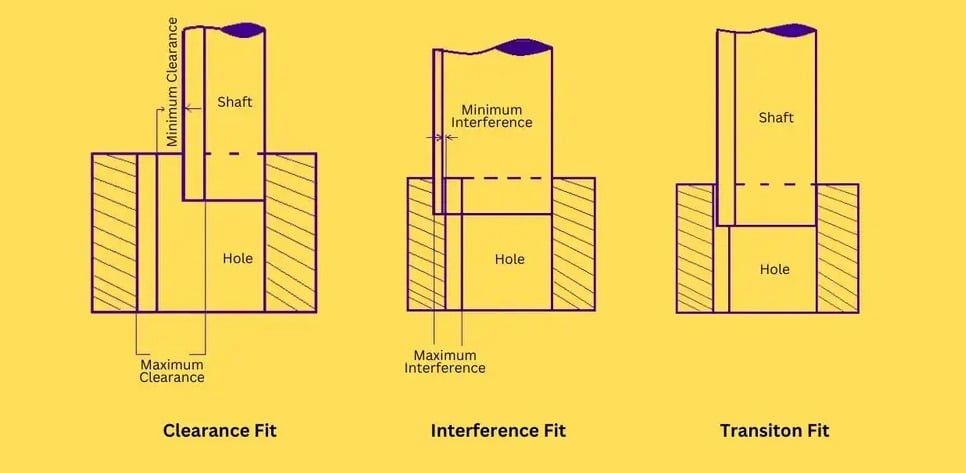
Tolerances represent the permissible variation from your intended dimensions. In practical terms, they determine whether machining parts will fit together properly, function as designed, and meet quality expectations. Yet according to observations from RPWORLD's manufacturing engineers, a concerning trend has emerged: parts across different applications now frequently carry unnecessarily strict tolerances, even for non-critical surfaces. This reflects industrial capability improvements—but often wastes significant money.
Standard vs Precision Tolerance Expectations
What can you realistically expect from online machining services? Understanding baseline capabilities helps you specify appropriately without over-engineering.
For most CNC milling and turning operations, standard tolerance measures ±0.010" (±0.25 mm) across common materials and geometries. According to Modus Advanced's tolerance analysis, this precision level supports the vast majority of engineering applications while maintaining reasonable costs and lead times.
When does standard precision suffice? Consider these applications:
- Enclosures and housings where exact dimensions aren't critical
- Mounting brackets with clearance holes for fasteners
- Prototype iterations focused on form and function testing
- Components with generous assembly clearances designed in
Precision machining parts require tighter specifications—typically ±0.003" to ±0.005" (±0.08 to ±0.13 mm). These tolerances demand additional machining passes, specialized tooling, climate-controlled environments, and comprehensive inspection protocols. The result? Significantly higher per-part costs.
Tolerance Ranges and Their Real-World Impact
The following table illustrates how tolerance specifications translate to cost implications and typical applications for cnc milled components:
| Tolerance Class | Typical Range | Cost Impact | Common Applications |
|---|---|---|---|
| Standard | ±0.010" (±0.25 mm) | Baseline pricing | General prototypes, non-critical features, enclosures |
| Precision | ±0.005" (±0.13 mm) | 1.5-2× standard | Mating surfaces, bearing fits, sliding interfaces |
| High Precision | ±0.002-0.003" (±0.05-0.08 mm) | 2-3× standard | Aerospace interfaces, medical device components, optical mounts |
| Ultra-Precision | ±0.001" (±0.025 mm) or tighter | 4×+ standard | Turbine components, precision instruments, semiconductor equipment |
Notice how costs escalate exponentially—not linearly—as tolerances tighten. As RPWORLD notes, overly stringent tolerances might force parts into secondary grinding or EDM operations, unnecessarily increasing both costs and lead times.
How Tolerance Choices Impact Your Budget
Why do tight tolerances cost so much more? Several factors compound:
- Additional machining passes — Removing material in smaller increments to maintain dimensional control
- Slower feed rates — Reduced cutting speeds minimize tool deflection and thermal effects
- Specialized tooling — Higher-quality cutters with tighter runout specifications
- Extended setup time — More careful workpiece fixturing and alignment
- Enhanced inspection — CMM measurements rather than standard gauging
- Environmental controls — Temperature-stabilized machining for the tightest tolerances
The Tolerance Stacking Problem
Here's where many designs run into trouble. When multiple components assemble together, individual tolerances accumulate. According to CNCYangsen's technical analysis, each part in an assembly may have ±0.1 mm tolerance individually, but the combined stack-up could reach ±0.3 mm or more at the final interface.
Consider a simple three-part assembly. If each component has ±0.010" tolerance on its critical dimension, worst-case accumulation means your final assembly dimension could vary by ±0.030". That's three times what any individual drawing specifies.
Smart designers address stack-up through several strategies:
- Identify critical dimensions — Tighten tolerances only on features that directly affect assembly function
- Design positioning features — Locating pins, alignment shoulders, or self-centering geometry reduce positional accumulation
- Simplify assembly relationships — Fewer parts in the tolerance chain means less cumulative variation
- Design reasonable gaps — Where possible, intentional clearances accommodate variation without compromising function
Surface Finish and Tolerance Relationships
Surface finish specifications often correlate with—but don't replace—dimensional tolerances. A rough surface (higher Ra value) cannot achieve the same effective precision as a smooth one, simply because measurement uncertainty increases with surface irregularity.
For precision cnc machining applications requiring tight tolerances, expect to specify corresponding surface finishes:
- Standard tolerances typically pair with 125 Ra μin (3.2 Ra μm) or rougher
- Precision tolerances work well with 63-32 Ra μin (1.6-0.8 Ra μm)
- High-precision work often requires 16 Ra μin (0.4 Ra μm) or finer
Specifying mismatched combinations—tight tolerances with coarse finishes, or vice versa—signals unclear requirements and may prompt questions from your precision machining services provider.
Communicating Critical vs General Tolerances
Your technical drawings should clearly distinguish between features requiring tight control and those where standard precision suffices. Most experienced engineers use a tiered approach:
- General title block tolerance — Applies to all dimensions without specific callouts (typically ±0.010" or per ISO 2768)
- Specific dimension callouts — Tighter tolerances noted directly on critical features
- GD&T symbols — Geometric tolerancing for features where form, orientation, or position matter beyond simple size
This approach communicates manufacturing intent clearly. Machinists immediately understand which features demand extra attention versus where standard precision machining suffices.
When Tight Tolerances Genuinely Matter
So when should you actually specify precision tolerances? Legitimate applications include:
- Press-fit or interference-fit joints — Dimensional precision directly determines assembly force and retention
- Bearing bores and shaft diameters — Proper fit ensures correct running clearance and bearing life
- Sealing surfaces — O-ring grooves and mating flanges require controlled dimensions for reliable sealing
- Kinematic mechanisms — Linkages, cams, and precision slides need tight control for smooth operation
- Safety-critical assemblies — Aerospace, medical, and automotive applications where failure consequences are severe
For everything else? Standard tolerances from competent CNC machining materials and processes deliver excellent results at fraction of the cost. The key insight from industry experts: the decision to specify tight tolerances should always connect to specific functional requirements rather than general quality preferences.
With tolerance fundamentals understood, you're ready to tackle another question every project faces: what will this actually cost? The next section breaks down the five primary factors driving CNC machining pricing—and reveals design choices that reduce expense without compromising function.
Understanding What Drives CNC Machining Costs
You've selected your material and specified tolerances. Now comes the question everyone asks: what's this actually going to cost? Unlike many industries where pricing feels arbitrary, CNC machining price follows logical patterns. Understanding these patterns helps you develop realistic budget expectations—and reveals opportunities to reduce costs without sacrificing quality.
The challenge? Most online machining platforms show you a final number without explaining how they arrived there. This section breaks down the five primary cost drivers so you can interpret quotes intelligently and make informed tradeoffs before committing.
The Five Factors That Determine Your Machining Cost
According to Scan2CAD's comprehensive cost analysis, machining economics depend on several interconnected variables. Let's examine each factor and its relative impact on your final quote.
1. Material Selection and Volume
Material costs fluctuate based on type, quantity, and current market conditions. As a baseline, plastics cost significantly less than metals—but even within metal categories, price differences are substantial. Aluminum 6061 might cost $3-8 per pound, while stainless steel ranges $5-15 per pound, and specialty alloys like titanium can exceed $30 per pound.
Beyond raw material pricing, consider how much stock your design consumes. A part requiring 80% material removal generates more waste, extended machining time, and increased tool wear compared to designs that preserve more of the original stock. The machinist metal cost equation includes both what you buy and how efficiently your design uses it.
2. Geometric Complexity
Part complexity directly correlates with machining time—the single largest cost driver according to industry analysis. Complex geometries require:
- Multiple tool changes to machine different features
- Additional setups to access features from different orientations
- Longer programming time for intricate toolpaths
- Slower cutting speeds to maintain accuracy on detailed features
According to Hotean's prototyping cost breakdown, design complexity alone can increase machining time by 30-50%. A simple rectangular aluminum block with basic holes might cost $150, while the same base part with complex contours and variable-depth pockets could reach $450 or more.
3. Tolerance Requirements
As discussed previously, tolerance specifications dramatically affect manufacturing expense. Standard tolerances (±0.010") represent baseline pricing. Tighten to ±0.005" and expect 1.5-2× cost increases. Push toward ±0.001" and costs can quadruple according to industry benchmarks.
The cost escalation reflects real manufacturing requirements: additional passes, slower feeds, specialized tooling, and enhanced inspection protocols all consume time and resources.
4. Quantity Economics
Here's where understanding setup costs becomes critical. Every CNC job requires programming, fixture preparation, tool selection, and machine configuration—regardless of whether you're making one part or one hundred. These fixed costs get distributed across your order quantity.
The economics are striking: cost analysis data shows that a single prototype might cost $500, while ordering 10 units drops per-piece pricing to approximately $300 each. At 50+ units, costs can decrease by up to 60%, bringing per-unit prices down to around $120.
| Order Quantity | Approximate Per-Unit Cost | Cost Reduction |
|---|---|---|
| 1 unit | $500 | Baseline |
| 10 units | $300 | 40% reduction |
| 50+ units | $120 | 60% reduction |
This explains why small cnc machining orders carry higher per-part pricing—you're absorbing setup costs across fewer pieces.
5. Finishing Operations
Post-machining treatments add incremental costs that many overlook during initial budgeting. According to finishing cost data:
- As-machined finish: No additional cost—fastest turnaround
- Bead blasting: Adds $10-20 per part for uniform matte texture
- Anodizing: Adds $25-50 per unit for corrosion resistance and color
- Powder coating: Adds $30-70 depending on part size and complexity
Each finish serves functional or aesthetic purposes, but costs accumulate quickly on multi-part orders.
Smart Design Choices That Reduce Manufacturing Expense
Now that you understand cost drivers, how do you minimize expense without compromising function? Fictiv's DFM analysis identifies the "least effort" design principles that translate directly to lower costs:
- Design around stock material geometry — Parts that start from standard bar, sheet, or rod dimensions minimize initial waste and setup complexity
- Limit setups to two or fewer — Every additional fixture orientation adds significant time; design parts machinable from minimal orientations
- Use standard tool geometries — Features machinable with common end mills, drills, and chamfer tools cost less than those requiring specialty tooling
- Specify only necessary tolerances — Apply tight tolerances exclusively to functional surfaces; use general tolerances everywhere else
- Avoid deep pockets and thin walls — Features requiring specialized long-reach tooling or careful deflection management extend machining time
- Round internal corners — Sharp internal corners require smaller tools and multiple passes; generous radii machine faster
- Choose standard surface finishes — As-machined or bead-blasted finishes cost less than anodizing or powder coating when appearance isn't critical
These modifications don't compromise engineering intent—they align design decisions with manufacturing realities.
Prototyping vs Production: Different Economic Considerations
Your project phase significantly affects optimal sourcing strategy. For prototypes, speed and flexibility typically outweigh per-part cost optimization. You're testing concepts, iterating designs, and validating fit—paying premium per-unit pricing for small quantities makes sense when time-to-learning matters most.
Production quantities shift the calculus. Setup costs amortize across hundreds or thousands of parts, material bulk discounts emerge, and process optimization becomes worthwhile. At this stage, per-unit economics dominate decision-making.
When Online Machining Offers Cost Advantages
Digital platforms excel in specific scenarios:
- Prototype quantities (1-50 pieces) — Instant quoting, fast turnaround, and no relationship-building overhead
- Design iteration cycles — Quick quotes on multiple variants help optimize designs before production commitment
- Overflow capacity needs — When your regular suppliers are at capacity, online networks provide immediate alternatives
- Specialty materials or processes — Access to broader capability networks than local options might offer
When Traditional Shops Might Compete Better
Honest assessment reveals scenarios where established relationships deliver advantages:
- High-volume production runs — Long-term contracts with local suppliers often yield better pricing through relationship discounts and process optimization
- Complex assemblies requiring collaboration — Designs benefiting from machinist input during development often work better with partners who know your products
- Regulated industries with established approvals — If a supplier already holds approvals for your quality system, switching carries qualification costs
- Geographic proximity advantages — When searching for "cnc machining near me" or "cnc near me," local shops eliminate shipping costs and enable same-day pickup for urgent needs
Developing Realistic Budget Expectations
Before requesting your first quote, frame expectations based on your project parameters:
- Simple aluminum prototypes with standard tolerances: $100-300 per part
- Complex multi-feature parts or tight tolerances: $300-800 per part
- Specialty materials or extensive finishing: $500-1,500+ per part
- Production quantities (50+): 40-60% reduction from prototype pricing
These ranges provide starting points—your actual quotes depend on specific geometry, material, and requirements. But walking into the quoting process with ballpark expectations helps you evaluate whether quotes align with market norms or warrant further discussion.
Cost considerations naturally lead to another important question: what industry-specific requirements might apply to your application? Automotive, aerospace, and medical sectors each impose certification and documentation standards that affect both supplier selection and project costs.
Industry Requirements from Automotive to Aerospace
You've nailed down your material, specified appropriate tolerances, and understand the cost factors. But here's a question that trips up many first-time users of online machining: does your industry impose additional requirements beyond basic part specifications? For automotive, aerospace, and medical applications, the answer is almost certainly yes.
Different sectors demand different levels of documentation, traceability, and process control. Selecting a manufacturing partner without the right certifications can result in parts you literally cannot use—regardless of how dimensionally accurate they are. Let's break down what each major industry requires so you can verify supplier qualifications before placing orders.
Automotive Component Requirements and Certifications
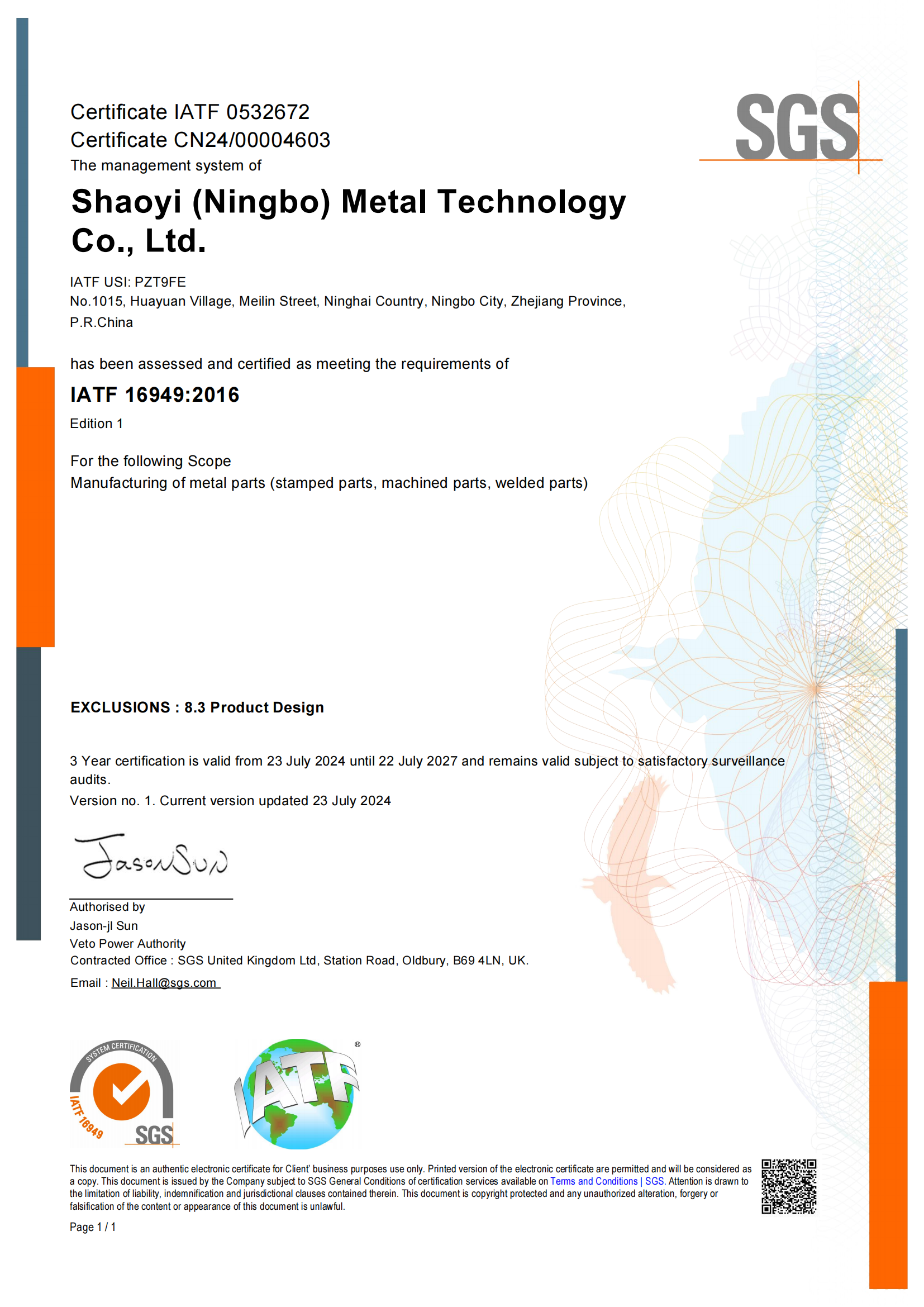
The automotive industry operates under some of manufacturing's most demanding quality frameworks. When you're sourcing parts for vehicle applications, one certification stands above all others: IATF 16949.
What does IATF 16949 actually mean for you as a customer? According to American Micro Industries' certification guide, this global standard for automotive quality management combines ISO 9001 principles with sector-specific requirements for continuous improvement, defect prevention, and stringent supplier oversight. It's the qualification ticket for working with major OEMs and Tier 1 suppliers.
Key elements that IATF 16949 certification guarantees include:
- Defect prevention focus — Systems designed to catch problems before they occur, not just after
- Product traceability — Complete documentation linking each part to specific material batches, machines, and operators
- Continuous improvement protocols — Documented corrective action processes that prevent recurring issues
- Supplier quality management — Rigorous oversight extending throughout the supply chain
Beyond IATF 16949, automotive manufacturing demands Statistical Process Control (SPC) capabilities. Why does SPC matter? When you're producing thousands of identical components, variation is inevitable. SPC monitoring tracks dimensional trends in real-time, catching drift before parts go out of specification. This consistency proves critical for high-volume production where even small defect rates generate significant quality costs.
For engineers sourcing automotive components through online platforms, verifying these qualifications upfront prevents painful surprises. Shaoyi Metal Technology, for example, maintains IATF 16949 certification alongside robust SPC capabilities—demonstrating the kind of automotive-qualified precision cnc machining services that OEM supply chains require. Their approach to chassis assemblies and custom metal bushings reflects the documentation rigor that automotive applications demand.
Medical and Aerospace Compliance Considerations
If automotive standards seem demanding, medical and aerospace requirements add additional layers of complexity. These regulated industries impose documentation and traceability standards where shortcuts simply aren't an option.
Aerospace: Where Material Traceability Is Non-Negotiable
Aerospace cnc machining operates under frameworks designed to ensure absolute reliability. When components fail at 35,000 feet, the consequences are catastrophic—which explains why aerospace certification requirements are among manufacturing's most rigorous.
AS9100 serves as the foundational aerospace quality standard. As noted by industry certification experts, AS9100 builds upon ISO 9001 and introduces additional requirements specific to the aerospace sector, emphasizing risk management, stringent documentation, and product integrity control throughout complex supply chains.
For defense-related aerospace work, ITAR (International Traffic in Arms Regulations) adds another critical layer. According to Advantage Metal Products' ITAR analysis, this framework strictly controls the handling of sensitive technical data and components. Compliance requires registered status with the U.S. Department of State and rigorous information security protocols.
What ITAR means practically for manufacturing:
- Facility security requirements — Controlled access to production areas handling defense components
- Data handling protocols — Secure CAD/CAM file transfers and protected machining operations
- Personnel restrictions — U.S. persons only for access to controlled technical data
- Vendor qualification — All subcontractors must also maintain ITAR compliance
Additionally, NADCAP accreditation validates special processes critical to aerospace manufacturing—heat treating, chemical processing, and nondestructive testing. Unlike general quality certifications, NADCAP examines process-specific controls with exceptional thoroughness. For 5 axis cnc machining services producing complex aerospace geometries, these specialized validations often prove essential.
Medical Machining: Patient Safety Drives Everything
Medical machining standards exist for one fundamental reason: patient safety. When a surgical implant or diagnostic device component fails, human lives are at stake. This reality shapes every aspect of medical device manufacturing requirements.
ISO 13485 stands as the definitive quality management standard for medical devices. According to precision engineering specialists, this standard outlines strict controls over design, manufacturing, traceability, and risk mitigation. Every year, faulty medical devices cause over 83,000 injuries and deaths in the U.S. alone—explaining why these requirements remain non-negotiable.
Key ISO 13485 requirements for CNC machining operations include:
- Documented work instructions — Every CNC programming decision must follow established protocols
- Design controls — FEA testing and validation for implants and critical components
- Traceability systems — Unique Device Identification (UDI) and complete Device History Records (DHR)
- Process validation — IQ/OQ/PQ protocols proving consistent machining outcomes
In the United States, manufacturers must also comply with FDA 21 CFR Part 820—the Quality System Regulation governing medical device production. This framework addresses product design, manufacturing procedures, and tracking systems that enable rapid response if issues emerge post-market.
For cnc turning services producing medical components, the combination of ISO 13485 certification and FDA compliance creates comprehensive quality assurance. Without these credentials, parts cannot legally enter the medical supply chain—regardless of their dimensional accuracy.
Certification Summary: What to Look For
The following table summarizes key certifications by industry application:
| Industry | Primary Certifications | Additional Requirements | Key Focus Areas |
|---|---|---|---|
| Automotive | IATF 16949, ISO 9001 | SPC capability, PPAP documentation | Defect prevention, supplier oversight, traceability |
| Aerospace | AS9100, NADCAP | ITAR registration (defense), material certifications | Risk management, special process control, data security |
| Medical Devices | ISO 13485, FDA 21 CFR Part 820 | Biocompatibility testing, UDI compliance | Patient safety, traceability, process validation |
| Defense | AS9100, ISO 9001 | ITAR registration, facility security clearances | Information security, domestic sourcing, personnel controls |
Why These Certifications Matter for Your Projects
Sounds complex? Here's the practical takeaway: certifications aren't bureaucratic overhead—they're your assurance that manufacturing partners have the systems, training, and oversight to deliver consistent quality for demanding applications.
When evaluating online machining providers for regulated industries, verify certifications before uploading your first file. Most platforms display credentials prominently, but don't hesitate to request copies of actual certificates. Look for current registration dates—certifications require ongoing audits to maintain validity.
For projects outside regulated industries, these certifications still signal manufacturing maturity. A shop maintaining IATF 16949 or AS9100 compliance has invested significantly in quality systems, trained personnel, and process controls. That investment benefits every customer—even those without formal certification requirements.
Understanding industry requirements helps you select appropriate manufacturing partners. But how do you evaluate quality beyond checking certification boxes? The next section provides a practical framework for assessing online machining services—including the red flags that should prompt caution.
How to Evaluate Online Machining Service Quality
You've identified your material, specified tolerances, and understand industry certification requirements. Now comes a practical question: how do you actually evaluate whether a specific online machining provider will deliver quality parts on time? Certifications provide a starting point—but they don't tell the whole story.
Whether you're searching for "machinist shops near me" or exploring global manufacturing networks, the evaluation process follows similar principles. This section provides a vendor-neutral framework for assessing service quality—plus the warning signs that should make you think twice before placing an order.
Certification and Quality Indicators Worth Checking
ISO certifications get mentioned frequently, but what do they actually guarantee for you as a customer? According to Focused on Machining's certification analysis, ISO certification is the difference between working with a shop that flies by the seat of its pants and one that has a clear set of documented procedures to satisfy the highest possible industry standards.
ISO 9001:2015 remains the foundational quality management certification. Shops holding this credential have developed and documented all processes, provide traceability for materials and processes, and submit to regular internal and external audits. This systematic approach creates repeatable procedures for quoting, material handling, production, quality assurance, and shipping.
But here's what many buyers miss: certification implementation varies dramatically between shops. As industry experts note, although ISO requirements are strict, reality is that implementation is often messy and time-consuming. Paper folders and handwritten information will satisfy documentation requirements, but they aren't exactly a model of efficiency.
The best providers have digitized their ISO processes—embedding checklists into software, automating documentation, and maintaining readily accessible inspection records. This digital approach enables faster responses, lower costs, and better traceability when issues arise.
Questions to Ask About Inspection Capabilities
Quality claims mean little without inspection capabilities to back them up. According to Kesu Group's provider evaluation guide, reliable providers use advanced inspection tools such as coordinate measuring machines (CMM) with accuracy up to ±0.001 mm, two-dimensional measuring tools, or XRF analyzers for material verification.
Before committing to a provider, ask these specific questions:
- What inspection equipment do you use? — CMMs, optical comparators, and calibrated hand tools indicate serious quality commitment
- Do you perform in-process or only final inspections? — In-process checks catch errors early, reducing delays from defective parts
- Can you provide dimensional inspection reports? — First Article Inspection (FAI) reports verify critical dimensions before full production
- What's your defect or return rate? — Providers with annual return rates below 0.2% demonstrate strong quality control
- Do you offer Design for Manufacturability (DFM) feedback? — Proactive design review prevents delays caused by manufacturing issues
Your Evaluation Checklist
When comparing cnc services near me or evaluating global platforms, use this comprehensive checklist to assess potential partners:
- Certifications held — Verify current ISO 9001 at minimum; industry-specific certifications (IATF 16949, AS9100, ISO 13485) for regulated applications
- Material sourcing transparency — Can they document material origins and provide mill certifications when required?
- Communication responsiveness — Do they respond to technical inquiries within 24 hours? Quick quoting-stage communication previews production-stage behavior
- Revision policies — How do they handle design changes after order placement? Clear change order processes prevent confusion
- Inspection documentation — What quality records accompany delivered parts? Can they retrieve historical documentation if issues emerge later?
- Machine capabilities — Do they have appropriate equipment (3-axis, 5-axis, CNC turning) for your part geometry?
- Production capacity — Can they handle your volume requirements without overloading their schedule?
Red Flags When Evaluating Online Machine Shops
Not every online machining provider delivers equal quality. Watch for these warning signs that suggest potential problems:
- No technical questions about your design — Providers who quote complex parts without any clarifying questions may not understand manufacturing challenges. According to Xmake's reliability guide, if a provider only quotes what's given without any technical feedback, that's often a red flag, especially for more complex parts.
- Unrealistically short lead times — Promises that seem too good to be true usually are. Industry analysis warns that overpromising can lead to rushed production, compromising quality and causing delays.
- Vague pricing structures — Legitimate providers offer itemized quotes breaking down material, machining, finishing, and shipping costs. Hidden fees indicate poor transparency.
- Radio silence after order placement — If a shop goes silent after receiving your order, that's a significant risk. Production updates should be proactive, not extracted through repeated follow-up.
- No inspection capability documentation — Shops unable to describe their measurement equipment or inspection processes likely lack robust quality systems.
- Expired or missing certifications — Certifications require ongoing audits. Expired credentials suggest lapsed quality system maintenance.
Understanding Minimum Order Quantities
Minimum order quantities (MOQs) vary significantly between online machining services—and understanding these differences helps you select appropriate providers for your project scale.
Instant quote platforms typically accept single-piece orders. Their automated systems handle quoting efficiently regardless of quantity, making them ideal for prototyping and small-batch production. Setup costs get absorbed into per-part pricing, which explains higher unit costs for small orders.
Traditional online machine shops may impose MOQs of 5, 10, or even 50 pieces—particularly for standard materials or simpler geometries. These minimums reflect the economics of manual quoting processes and setup time allocation.
Neither approach is inherently better. Match your project needs to the right service model: instant platforms for flexibility and speed; traditional shops potentially for better per-unit economics on larger orders.
Lead Time Reliability: What to Actually Expect
Quoted lead times mean nothing if providers consistently miss them. According to manufacturing procurement specialists, you should ask for data on a provider's on-time delivery rate—ideally above 95%.
Realistic lead time expectations by project type:
| Project Type | Typical Lead Time | Reliability Factors |
|---|---|---|
| Simple prototypes (1-5 parts) | 5-10 business days | Standard materials in stock, minimal setups |
| Complex prototypes | 10-15 business days | Multi-axis machining, specialty materials, tight tolerances |
| Low-volume production | 2-4 weeks | Batch optimization, consistent quality verification |
| Expedited orders | 3-5 business days | Premium pricing, priority scheduling |
Several factors affect whether providers meet these targets: current workload, material availability, and your design's complexity. Providers with real-time order tracking systems demonstrate operational maturity—you can monitor progress rather than wondering about status.
Instant Quote Platforms vs Traditional Online Machine Shops
Understanding the distinction between these service models helps you select the right approach for your project:
Instant quote platforms use AI-powered systems to analyze geometry and generate pricing within seconds. They typically connect to networks of vetted manufacturing partners, routing orders to optimal suppliers based on capability, capacity, and location. Benefits include speed, transparency, and consistent user experience. Tradeoffs may include less flexibility for unusual requirements or complex consultations.
Traditional online machine shops offer web-based quoting but involve more human interaction. Quotes may take 24-48 hours as engineers review specifications. This approach often works better for complex projects requiring technical collaboration, custom fixturing, or unusual materials. The relationship aspect can add value when projects evolve or require ongoing production.
Many buyers use both models strategically: instant platforms for straightforward prototypes and quick iterations; traditional relationships for production volumes or technically demanding applications.
Armed with this evaluation framework, you can assess online machining providers objectively—whether they're local shops or global platforms. But CNC machining isn't always the optimal manufacturing method. The next section compares online machining against alternative approaches like 3D printing and injection molding, helping you choose the right technology for each application.
Online Machining vs Alternative Manufacturing Methods
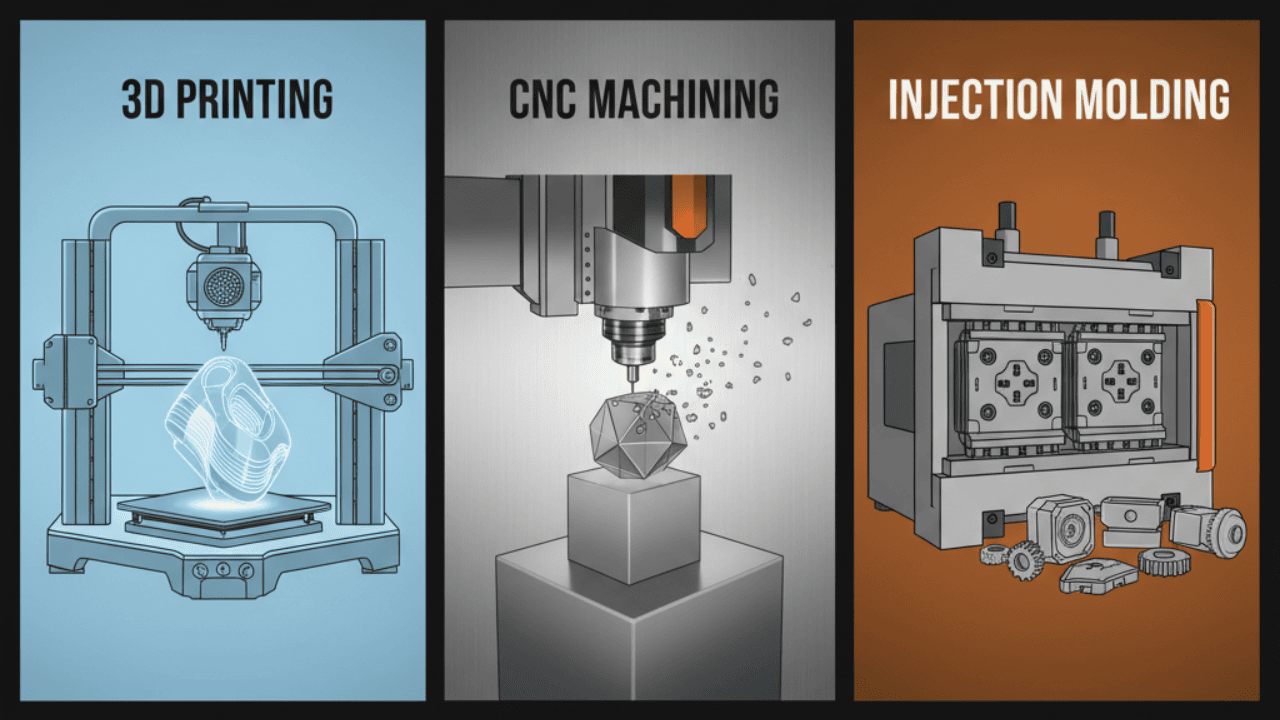
Here's a reality check that honest manufacturing partners will tell you: CNC machining isn't always the best answer. Sometimes 3D printing delivers parts faster and cheaper. Other times, injection molding makes financial sense that machining simply can't match. And for certain geometries, sheet metal machining produces superior results with less material waste.
Understanding when to use each manufacturing method—and when to combine them—separates successful product development from expensive trial-and-error. Let's build a practical decision framework so you can choose the right technology for each application.
When 3D Printing Beats CNC Machining
Additive manufacturing has transformed prototyping economics. According to 3D People's comprehensive manufacturing comparison, 3D printing has no start-up cost—there's no tooling and no need for programming tool paths. This zero-barrier entry makes it compelling for early-stage development.
When does 3D printing outperform a cnc machine for metal or plastic parts? Consider these scenarios:
- Complex internal geometries — Lattice structures, internal channels, and organic shapes that would require multiple setups or prove impossible with subtractive methods
- Rapid design iteration — When you're testing multiple concepts simultaneously and changes happen daily
- Low quantities of complex parts — Single prototypes where CNC setup costs dominate per-part pricing
- Topology-optimized designs — Weight-reduced structures that leverage additive's geometric freedom
However, 3D printing carries limitations that metal cnc machines overcome easily. Surface finish typically shows layer lines requiring post-processing. Material options remain narrower—especially for high-performance applications. And dimensional accuracy, while improving, still trails precision CNC capabilities for tight tolerances.
The cost dynamics shift dramatically with part size. According to industry analysis, 3D printing becomes expensive for large parts where print time—the main cost driver—extends significantly. A cnc cutting machine often produces large, simple geometries more economically than additive processes.
Injection Molding vs Machining for Production Volumes
If you're planning production quantities exceeding 10,000 units, injection molding deserves serious consideration. The economics are straightforward: high upfront tooling costs spread across massive quantities yield exceptionally low per-part pricing.
According to manufacturing cost data, injection molding tooling typically starts at £3,000 and rises sharply with part complexity. However, once the tool exists, the process delivers an exceptionally low unit cost, with raw material being the main expense.
Consider this real-world comparison for an electronic enclosure:
| Process | 1 Unit | 500 Units | 5,000 Units |
|---|---|---|---|
| SLS 3D Printing | £15.59 | £2.64/unit (£1,320 total) | £2.35/unit (£11,750 total) |
| CNC Machining | £125.20 | £8.06/unit (£4,030 total) | Request quote |
| Injection Molding | N/A (tooling £5,429) | £0.92/unit (£5,889 total) | £0.38/unit (£7,329 total) |
Notice how injection molding only becomes cost-competitive around 500 units—and dominates at 5,000+. The break-even point depends on part complexity, material selection, and tooling requirements. Cnc fabrication maintains advantages for quantities below these thresholds.
Technology Selection at a Glance
The following comparison helps you quickly identify the optimal manufacturing method based on your project requirements:
| Criteria | CNC Machining | 3D Printing | Injection Molding |
|---|---|---|---|
| Ideal Quantities | 1–5,000 units | 1–10,000 units | 10,000+ units |
| Material Options | 20+ plastics, metals, woods | 5+ plastics (PBF processes) | 100+ plastics |
| Geometric Freedom | Moderate (limited by tool access) | High (complex internals possible) | Moderate (draft angles, parting lines) |
| Lead Time | 7–14 days | 2–7 days | 15–60 days |
| Start-up Cost | Small NRE fee (£100+) | None (min order £30–60) | High tooling (£3,000+) |
| Surface Finish | Excellent (as-machined or polished) | Shows layer lines (post-processing available) | Excellent (glossy, textured, matte) |
| Design Flexibility | Yes—changes require reprogramming | Yes—changes are consequence-free | No—tool modifications expensive |
Sheet Metal Fabrication: The Often-Overlooked Alternative
When your design features primarily flat surfaces, bends, and cutouts, sheet metal machining often provides the most economical solution. A cnc cutting machine working with sheet stock removes minimal material—unlike block machining where 80% might become chips.
Sheet metal fabrication excels for:
- Enclosures, brackets, and chassis components
- Panels with mounting features and ventilation cutouts
- Structural elements requiring high stiffness-to-weight ratios
- Parts where bend operations replace complex machined features
The cnc metal cutting process combined with press brake forming creates parts that would cost significantly more if machined from solid stock. If your geometry suits sheet forming, explore this option before defaulting to traditional machining.
When Hybrid Approaches Make Sense
Sometimes the smartest manufacturing strategy combines multiple methods. According to manufacturing experts, the smartest approach is often hybrid: start with 3D printing to prove the concept, use CNC for critical functional prototypes, and move into injection molding when demand is ready.
Consider these hybrid strategies:
- 3D print first, then machine critical features — Additive creates complex overall geometry while cnc cutting achieves tight tolerances on mating surfaces
- Prototype with machining, produce with molding — CNC parts validate function before committing to expensive tooling
- Combine sheet metal bodies with machined details — Sheet fabrication creates enclosures while machined inserts provide precision interfaces
Transitioning from Prototyping to Production
As projects mature from initial concepts to market-ready products, manufacturing requirements evolve. According to Fictiv's production transition guide, the journey from prototype to mass production is a complex transformation requiring careful planning.
Key considerations when scaling production:
- Material consistency — Prototype materials should match production specifications to avoid late-stage surprises
- Design for assembly — What works for manual prototype assembly may fail with automated production lines
- Process validation — Each manufacturing method requires qualification before high-volume commitment
- Demand forecasting — Working with a manufacturing partner capable of scaling production up or down—from 1,000 to 100,000 units—using the same processes proves paramount to success
Online machining platforms increasingly support this transition, offering prototype quantities through the same networks that handle production volumes. This continuity eliminates requalification delays when scaling up.
Making the Right Technology Choice
No single manufacturing method optimizes every project. CNC machining through online platforms excels for precision parts in moderate quantities—but acknowledging its limitations helps you make better decisions overall.
Ask yourself these questions when selecting your approach:
- What quantity do I need now—and what might I need in 12 months?
- Does my geometry favor additive freedom or subtractive precision?
- Am I still iterating on design, or is this production-ready?
- What tolerances and surface finishes does my application actually require?
- Could sheet metal fabrication or casting reduce per-part costs?
The answers guide you toward appropriate technology—or toward hybrid approaches that leverage multiple methods strategically. With manufacturing method selection understood, you're ready to take concrete next steps with your online machining project.
Taking Your Next Step with Online Machining
You've covered significant ground—from understanding what online machining actually means to evaluating materials, tolerances, costs, industry requirements, and alternative manufacturing methods. Now comes the practical question: how do you translate this knowledge into action? Whether you're ordering your first cnc machine parts or scaling from prototype to production, this final section brings everything together into an actionable framework.
Matching Your Project Requirements to the Right Service
Before uploading your first file, take a moment to align your project characteristics with the appropriate service model. The decisions you've made throughout this article—material selection, tolerance specifications, quantity requirements—directly influence which online cnc machining services will deliver optimal results.
Consider these matching criteria:
- Prototype quantities (1-10 parts) — Instant quote platforms excel here, offering speed and flexibility without relationship overhead
- Low-volume production (10-500 parts) — Either instant platforms or traditional online shops work well; compare quotes from both
- Regulated industry applications — Verify certifications upfront; automotive applications require IATF 16949-certified partners
- Complex geometries requiring consultation — Traditional shops offering engineering support may add value beyond pure pricing
- Production scaling potential — Select partners capable of growing with your volumes to maintain consistency
For automotive applications involving chassis assemblies or custom metal bushings, providers like Shaoyi Metal Technology demonstrate how custom cnc machining services can scale from rapid prototyping to mass production with lead times as fast as one working day—critical when development timelines compress.
Getting Started with Your First Online Machining Order
Ready to proceed? Use this comprehensive checklist to ensure your project is prepared for successful execution:
Project Readiness Checklist
-
Design file preparation
- Export your model in STEP format (.stp, .step) for best compatibility
- Verify watertight geometry with no open surfaces or self-intersections
- Include technical drawings for critical dimensions and GD&T callouts
- Confirm all features are machinable from accessible orientations
-
Material selection
- Match material properties to mechanical, environmental, and weight requirements
- Consider machinability ratings and their impact on cost
- Specify material certifications if required for your industry
-
Tolerance specification
- Apply tight tolerances only to functionally critical features
- Use general title block tolerances (±0.010") for non-critical dimensions
- Consider tolerance stacking in multi-part assemblies
-
Quantity planning
- Start with prototype quantities to validate design before production commitment
- Factor setup cost amortization when comparing small versus larger batches
- Communicate anticipated future volumes to explore partnership pricing
-
Finishing requirements
- Specify surface finish requirements (as-machined, bead blasted, anodized)
- Identify any post-processing operations needed (heat treatment, coating)
Addressing File Security and Intellectual Property Concerns
First-time users often hesitate about uploading proprietary designs to online platforms. This concern is legitimate—your designs represent significant investment in research, development, and innovation.
According to Factorem's IP protection analysis, the act of sharing innovative designs with external manufacturers introduces vulnerability to intellectual property theft or unauthorized disclosure. However, reputable platforms implement multiple protective layers.
When evaluating a provider's IP protection, look for:
- Non-disclosure agreements (NDAs) — Standard practice for professional manufacturing relationships
- Secure file transfer protocols — Encrypted uploads protecting data in transit
- Access controls — Limited personnel access to your design files
- Manufacturing agreements — Clear terms regarding design ownership and usage restrictions
- Vetted partner networks — Platforms that qualify their manufacturing partners for security compliance
For highly sensitive designs, consider requesting formal NDAs before file upload. Most established online machining services accommodate these requests as standard business practice.
Starting with Prototypes Before Production Commitment
Here's advice that experienced engineers follow consistently: validate before you scale. According to precision manufacturing specialists, using different vendors for prototyping and production can result in discrepancies in quality and mismatched equipment—a lack of continuity that spells disaster for projects.
The smart approach for cnc prototype machining involves:
- Order prototype quantities first — Typically 1-5 pieces to validate fit, function, and finish
- Test assembly and performance — Confirm parts meet design intent before committing to volume
- Iterate if needed — Address any issues discovered during prototype evaluation
- Scale with the same partner — Maintain manufacturing continuity from cnc machining prototyping through production
This staged approach minimizes risk. If prototype parts reveal design issues, you've invested in a handful of pieces rather than hundreds. When prototypes succeed, scaling up leverages established processes and proven toolpaths.
Providers offering seamless scaling—like Shaoyi Metal Technology with their rapid prototyping to mass production capabilities—eliminate requalification delays when transitioning between project phases. Their IATF 16949 certification and SPC capabilities ensure the same quality systems govern both prototype and production runs.
Leveraging Instant Quoting for Informed Decisions
One of online machining's greatest advantages? You can explore options without commitment. Before finalizing any order, take advantage of instant quoting tools to:
- Compare pricing across materials — See how aluminum versus stainless steel affects your budget
- Evaluate tolerance cost impacts — Toggle between standard and precision specifications
- Assess quantity economics — Understand how per-part pricing decreases with volume
- Review lead time options — Balance speed requirements against budget constraints
- Identify DFM issues early — Automated feedback flags manufacturability concerns before production
This comparison shopping takes minutes—not days of phone calls and relationship building. Use it strategically to develop realistic expectations and identify the optimal balance of cost, quality, and delivery for your specific custom machined parts requirements.
Your Online Machining Journey Starts Now
You've gained the knowledge to navigate online machining confidently—from file preparation through delivery, from material selection through quality evaluation. The digital manufacturing ecosystem stands ready to transform your designs into precision cnc turning and milling operations that deliver finished parts in days rather than weeks.
The path forward is clear: prepare your files according to best practices, specify only the tolerances you genuinely need, select materials matching your application requirements, and choose manufacturing partners whose capabilities align with your project demands. Start with prototype quantities to validate your approach, then scale confidently when designs prove successful.
Online machining has democratized access to precision manufacturing. Whether you're a startup developing your first product or an established company optimizing supply chains, the tools and knowledge covered here empower you to leverage these capabilities effectively. Your next custom machined part is just a file upload away.
Frequently Asked Questions About Online Machining
1. What is online CNC machining service?
Online CNC machining service connects engineers and product developers directly to precision manufacturing capabilities through web-based platforms. Instead of building relationships with local machine shops over years, you upload CAD files, receive instant quotes with DFM feedback, select materials and tolerances, and have finished parts delivered in days. These platforms leverage AI-powered quoting engines and global manufacturing networks to provide transparency, speed, and competitive pricing for prototype through production quantities.
2. How do I get an instant quote for CNC machining online?
Getting an instant quote involves uploading your CAD file (preferably STEP format) to an online machining platform. The AI-powered system analyzes your geometry, calculates toolpaths, and generates pricing within seconds. You can then adjust parameters like material selection, quantity, tolerances, and finishing options to see real-time price changes. The system also provides automated DFM feedback flagging potential manufacturability issues before you commit to production.
3. What file formats are accepted for online CNC machining?
Most online machining platforms accept STEP files (.stp, .step) as the gold standard—they preserve solid geometry and maintain dimensional accuracy across CAD systems. IGES files (.igs, .iges) serve as reliable alternatives with broad compatibility. STL files work but present limitations for CNC due to triangulated surface approximations that can compromise precision on curved features. Always verify your model is watertight with no open surfaces before uploading.
4. How much does CNC machining cost online?
CNC machining costs depend on five primary factors: material selection and volume, geometric complexity, tolerance requirements, quantity economics, and finishing operations. Simple aluminum prototypes with standard tolerances typically range $100-300 per part, while complex multi-feature parts with tight tolerances can reach $300-800. Production quantities of 50+ units often reduce per-unit costs by 40-60% as setup costs amortize across more pieces. IATF 16949-certified providers like Shaoyi Metal Technology offer competitive pricing with rapid prototyping to mass production capabilities.
5. What certifications should I look for in an online machine shop?
The certifications you need depend on your industry application. ISO 9001:2015 serves as the foundational quality management standard for general manufacturing. Automotive applications require IATF 16949 certification with SPC capabilities. Aerospace projects need AS9100 and potentially NADCAP accreditation, plus ITAR registration for defense work. Medical device components require ISO 13485 and FDA 21 CFR Part 820 compliance. Always verify certifications are current before placing orders for regulated industry applications.