 Small batches, high standards. Our rapid prototyping service makes validation faster and easier —
  EN
EN


Custom CNC Machine Costs Decoded: What Shops Won't Tell You
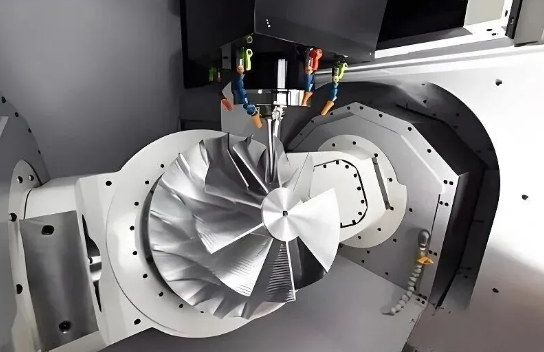
What Defines a Custom CNC Machine
When you hear the term "custom CNC machine," what comes to mind? For many, it sparks confusion between two very different concepts: owning specialized equipment versus outsourcing to machining services. Understanding this distinction is your first step toward making smarter manufacturing decisions.
Standard vs Custom CNC Equipment Explained
A standard CNC machine—whether it's a cnc router machine, milling center, or lathe—comes with fixed specifications designed for general-purpose applications. Think of it like buying a car off the dealer lot: you choose from available configurations, but you can't change the wheelbase or engine placement.
Standard machines typically offer work surfaces sized at 4×8, 5×10, or 5×14 feet. Their Z-axis height usually maxes out around 200mm, and gantry clearance follows similar limitations. For many shops, these dimensions work perfectly well.
But what happens when your project demands something different? That's where customization enters the picture. A custom CNC machine is purpose-built or significantly modified to handle specifications that off-the-shelf equipment simply cannot accommodate.
Here's a critical distinction many overlook: purchasing or building a custom CNC machine differs fundamentally from using custom CNC machining services. The first involves owning specialized equipment tailored to your production needs. The second means outsourcing your parts to a shop that machines components according to your specifications. Both have their place, but confusing them leads to costly misunderstandings.
What Makes a CNC Machine Truly Custom
So what is a cnc router or milling machine considered "custom"? Customization occurs when manufacturers modify core specifications beyond standard configurations. Imagine needing a 6-meter working size on the Y-axis—no standard machine offers that. Or perhaps your molds stand 500mm tall, far exceeding the typical 200mm Z-axis clearance.
These are the key customizable components that define truly tailored equipment:
- Axes Configuration: Moving beyond 3-axis to 4-axis or 5-axis setups, or adding rotary attachments for cylindrical workpieces up to 30cm in diameter
- Work Envelope: Expanding table dimensions, gantry height, and overall machining area to accommodate oversized materials or unusual workpiece geometries
- Spindle Specifications: Upgrading power output, speed ranges, or adding multiple spindles for simultaneous cutting operations
- Controller and Software Integration: Implementing specialized CAM/CAD interfaces, automation protocols, or industry-specific programming requirements
- Tooling Systems: Incorporating automatic tool changers, laser heads alongside router spindles, or specialized drilling units for multi-process operations
Modern customization can even combine multiple technologies—like integrating both laser cutting and routing capabilities into a single computer numerical control router. This eliminates the need for separate machines and reduces production bottlenecks.
The Customization Spectrum From Hobby to Industrial
Customization isn't binary—it exists on a spectrum. A hobby cnc machine might feature modest modifications like an upgraded spindle or expanded work area. These entry-level adaptations typically cost less and suit small-batch production or prototype development.
At the opposite end sits the industrial cnc machine. These large cnc machine configurations represent substantial engineering investments. They might feature dual gantries operating simultaneously, automatic loading and unloading systems, or nested-based machining capabilities that maximize material utilization.
Consider this practical example: a cabinet manufacturer might customize their equipment with a heavy-duty routing system featuring feed-through machining. The table length allows installing 3m×5m boards, and the operator can load the second board while the machine cuts the first—eliminating downtime entirely.
Understanding where your needs fall on this spectrum helps you budget appropriately and communicate effectively with machine builders. Whether you're exploring what is cnc router machine technology for the first time or scaling up existing operations, recognizing these customization tiers prevents both over-spending and capability shortfalls.
Deciding Between Standard and Custom CNC Solutions
Here's the question that keeps manufacturing managers up at night: when does investing in a custom CNC machine actually make financial sense? The answer isn't straightforward, and that's precisely why so many buyers either overspend on unnecessary customization or struggle with inadequate standard equipment.
Understanding when to choose each path requires examining your specific production reality—not following generic advice. Let's break down the decision framework that experienced buyers use.
When Standard CNC Falls Short
Standard cnc machine routers and milling centers handle the majority of machining applications exceptionally well. They're proven, cost-effective, and readily available. But certain scenarios push them beyond their design limits.
Imagine you're machining aerospace brackets that measure 2 meters long. Most standard machines max out at 1.5 meters on the X-axis. You could process the part in multiple setups, but each repositioning introduces tolerance stack-up errors and doubles your cycle time. Suddenly, that affordable standard machine becomes a production bottleneck.
The same logic applies to unusual workpiece geometries. Deep cavities, complex undercuts, or parts requiring simultaneous 5-axis movements often demand specialized configurations. When you're asking "how much is a cnc machine" that can handle these requirements, the answer shifts dramatically based on capability needs.
Material requirements also drive customization decisions. Working with titanium, Inconel, or hardened steels pushes standard spindles and drive systems to their limits. Precision cnc machining of these materials requires enhanced rigidity, specialized coolant systems, and often upgraded spindle power that standard configurations simply don't offer.
Production Volume and Customization Decisions
Your production volume dramatically influences the custom versus standard decision. Here's how the math typically works:
For fewer than 1,000 parts, standard equipment—or outsourcing to cnc machine shops near me—usually makes more economic sense. Setup costs spread across limited quantities make customization hard to justify.
Between 1,000 and 10,000 parts, the calculation becomes nuanced. If cycle time improvements from custom tooling or configurations shave even seconds per part, those savings compound into significant returns. A strategic analysis shows that even small gains in cycle time translate into massive cost savings over long production runs.
Beyond 10,000 parts, custom solutions often become essential for competitive manufacturing. The higher upfront investment distributes across enough units to lower per-part costs substantially.
But volume isn't the only factor. Consider your production mix. If you're running diverse jobs with frequent changeovers, flexibility might matter more than optimization for any single part. Conversely, dedicated production lines benefit from highly customized configurations.
Industry-Specific Requirements That Demand Custom Solutions
Certain industries impose requirements that standard machines rarely satisfy. Medical device manufacturing demands tolerances as tight as ±0.0001 inches—precision that requires exceptional machine rigidity, thermal stability, and specialized control systems.
Aerospace applications combine tight tolerances with exotic materials. Machining titanium brackets for aircraft landing gear isn't something you'd tackle on a general-purpose cnc near me shop's standard equipment. The combination of material difficulty and compliance requirements typically necessitates purpose-built solutions.
Defense manufacturing adds another layer: security protocols, material traceability, and specific machining certifications that influence equipment selection. When asking "how much does a cnc machine cost" for defense applications, factor in these specialized requirements.
| Decision Factor | Standard CNC Suitability | Custom CNC Necessity |
|---|---|---|
| Workpiece Size | Within standard travel limits (typically under 1.5m) | Oversized parts exceeding standard work envelopes |
| Material Type | Common metals, plastics, wood | Superalloys, composites, exotic materials requiring enhanced rigidity |
| Tolerance Requirements | Standard tolerances (±0.005" or looser) | Tight tolerances (±0.001" or tighter) demanding thermal stability |
| Production Scale | Low volume, prototyping, varied job shop work | High-volume dedicated production lines |
| Part Complexity | 3-axis accessible geometries, simple features | Complex multi-axis features, deep cavities, simultaneous movements |
| Industry Compliance | General commercial applications | Aerospace, medical, defense with specific certification requirements |
| Cycle Time Sensitivity | Flexible timing, non-bottleneck operations | Time-critical operations where seconds per part matter |
When evaluating cnc machine price against your requirements, use this framework as your starting point. The real question isn't "how much does a cnc machine cost" in absolute terms—it's whether the investment aligns with your production reality. Standard equipment that can't meet your specifications wastes money regardless of its lower price tag. Conversely, over-customizing for capabilities you'll never use drains capital from more productive investments.
Understanding your tolerance requirements takes this decision framework to the next level. Let's examine how precision specifications influence both machine selection and material choices.
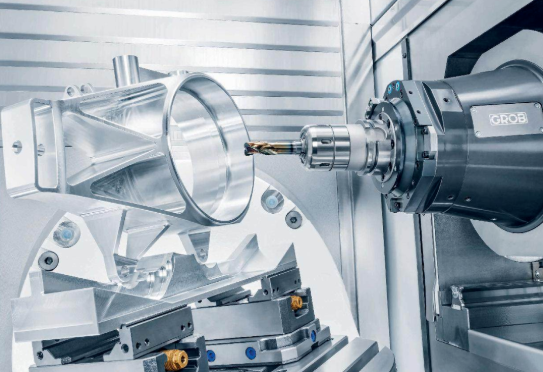
Material Selection for Custom CNC Projects
Ever wonder why two seemingly identical parts cost dramatically different amounts to machine? The answer often comes down to material selection. Choosing the right material isn't just about picking something strong enough—it's about balancing machinability, cost, performance requirements, and how your choice affects machine configuration and tooling.
Most guides gloss over these details. Let's change that.
Metals and Their Machining Characteristics
When your application demands strength, thermal resistance, or hardness, metals become your go-to choice. But not all metals behave the same way under a cutting tool.
Aluminum alloys dominate custom CNC work for good reason. According to machining experts at Hubs, aluminum offers an excellent strength-to-weight ratio, high thermal and electrical conductivity, and natural corrosion protection. It machines beautifully, making it the most economical metal option for prototypes and production parts alike.
Here's what you need to know about common aluminum grades:
- Aluminum 6061: The workhorse alloy—good strength-to-weight ratio, excellent machinability, and versatile enough for most applications
- Aluminum 7075: Aerospace-grade strength with excellent fatigue properties; can be heat treated to rival steel hardness
- Aluminum 5083: Superior corrosion resistance in seawater, ideal for marine and construction applications
Stainless steel alloys step in when corrosion resistance and higher strength become priorities. They machine well, weld easily, and polish to attractive finishes. However, expect longer cycle times and increased tooling costs compared to aluminum.
- Stainless 304: Most common grade with excellent mechanical properties and resistance to environmental conditions
- Stainless 316: Enhanced chemical resistance, especially to saline environments—perfect for marine or chemical processing
- Stainless 17-4: Can be precipitation hardened to extreme levels, comparable to tool steels
For applications requiring exceptional wear resistance and thermal conductivity, bronze cnc machining offers distinct advantages. Machining bronze produces components with excellent bearing properties and natural corrosion resistance. Whether you need to machine bronze for bushings, valve components, or electrical contacts, this alloy family delivers reliable performance in high-friction environments.
CNC bronze components find widespread use in marine hardware, musical instruments, and industrial bearings where the material's self-lubricating properties reduce maintenance requirements.
Engineering Plastics for CNC Applications
When weight reduction, chemical resistance, or electrical insulation matter more than raw strength, engineering plastics become compelling alternatives to metals.
Delrin plastic (technically called POM or polyoxymethylene) stands as the most machinable plastic available. This semi-crystalline thermoplastic offers high stiffness, low friction, and exceptional dimensional stability—even when temperatures fluctuate. It's FDA and NSF compliant in natural grades, making it suitable for food processing and medical applications.
What makes delrin plastic particularly valuable? Its low moisture absorption rate means parts maintain precise dimensions in wet environments. Pump components, valve bodies, and precision gears frequently utilize this material for exactly that reason.
Nylon for machining applications brings different strengths to the table. According to Severna's engineering analysis, nylon offers higher abrasion resistance than Delrin and handles complex geometries more readily. It also withstands higher operating temperatures.
However, nylon absorbs moisture more readily, which can affect dimensional stability in humid environments. When choosing between these two popular thermoplastics:
- Select Delrin for precision parts in wet environments, low-friction applications, and components requiring tight dimensional control
- Choose Nylon for higher temperature applications, parts with complex geometries, and situations demanding superior abrasion resistance
Polycarbonate delivers exceptional impact strength—better than ABS—while maintaining optical clarity. It machines well and can be dyed to various colors, making it ideal for protective covers, fluidic devices, and automotive glazing applications.
Acrylic CNC machining produces components with excellent optical properties and weatherability. Though more brittle than polycarbonate, acrylic machines to beautiful finishes and costs less, making it popular for signage, displays, and architectural elements.
PEEK represents the premium tier of engineering plastics. This high-performance thermoplastic maintains mechanical integrity across extreme temperature ranges while resisting nearly all chemicals. Medical-grade PEEK even serves in biomedical implant applications. Expect to pay significantly more—but gain capabilities that justify the investment for demanding applications.
Matching Materials to Your Project Requirements
Selecting the right material involves balancing multiple factors simultaneously. Here's the framework experienced engineers use:
Define your requirements first. Consider mechanical loads, operating environment, temperature exposure, and chemical contact. A part sitting in an office behaves differently than one submerged in saltwater or exposed to industrial solvents.
Identify candidate materials. Using the characteristics above, narrow your options to two or three materials that satisfy your core requirements.
Factor in machinability and cost. Materials with excellent machinability—like aluminum and Delrin—reduce cycle times and tooling wear, lowering per-part costs. Challenging materials like titanium or stainless steel require specialized tooling and slower cutting speeds, increasing both machine time and overhead.
Consider machine configuration impacts. Your material choice influences spindle requirements, coolant systems, and fixturing needs. Machining titanium demands enhanced machine rigidity and specialized coolant delivery that standard configurations may lack. Plastics require sharp tooling and careful chip evacuation to prevent melting.
The most common mistake? Specifying materials based solely on strength requirements while ignoring machinability. That titanium alloy might offer perfect mechanical properties, but if machining costs triple your budget, aluminum or high-strength stainless steel might deliver acceptable performance at sustainable costs.
Your material selection directly influences what tolerances become achievable. Let's examine how precision specifications connect to both material choices and machine capabilities.
Tolerance and Precision Capabilities Explained
What does it actually mean when a machine shop promises "tight tolerances"? For most buyers, tolerance specifications read like cryptic codes—±0.005", ±0.001", IT6, IT7. These numbers determine whether your parts assemble smoothly or become expensive scrap. Understanding what different accuracy levels mean for your specific application saves both money and frustration.
Let's decode these specifications in practical terms you can actually use.
Understanding Tolerance Grades and Their Applications
Tolerances define how much a machined part can deviate from its ideal dimensions while still functioning correctly. According to precision machining experts at Frigate, even a 0.0005-inch variation in a turbine blade can disrupt aerodynamics—while inadequate surface finishes on medical implants accelerate wear and compromise biocompatibility.
International standards like ISO 2768 categorize tolerances into grades that help match precision levels to application requirements. Here's how these break down in practice:
Standard tolerances (±0.005" or looser) handle general commercial applications where parts don't require precise fits. Think brackets, enclosures, and structural components where some dimensional variation remains acceptable. Most standard CNC equipment achieves these tolerances reliably.
Tight tolerances (±0.001" to ±0.005") suit applications requiring accurate fits and consistent performance. Automotive transmission components, industrial machinery parts, and precision assemblies typically fall into this range. Achieving these specifications demands quality equipment, skilled operators, and proper process control.
Ultra-precision tolerances (±0.0005" or tighter) serve industries where microscopic deviations create catastrophic failures. Aerospace cnc machining for turbine components, medical implant manufacturing, and semiconductor equipment all require this level of accuracy. Precision machining services capable of hitting these specifications invest heavily in specialized equipment and environmental controls.
CNC turning operations demonstrate these differences clearly. According to CNC WMT's analysis, standard turning achieves surface roughness between Ra 1.6-0.8μm, while precision turning can reach as low as Ra 0.04μm—approaching a mirror finish. Swiss machining takes this even further, enabling ultra-precise turned components for medical and aerospace applications.
Factors That Influence Machining Precision
Achieving tight tolerances isn't simply about buying expensive equipment. Multiple interconnected factors determine what precision levels become realistically achievable.
Machine rigidity forms the foundation of precision metal machining. Any flex or deflection in the machine structure translates directly into dimensional errors on your parts. High-precision work demands machines with heavy castings, robust gantries, and minimal backlash in drive systems. This is why 5 axis cnc machining services for aerospace components use machines costing hundreds of thousands of dollars.
Thermal stability presents surprisingly significant challenges. Steel expands at approximately 11.7 µm/m/°C—meaning a 100mm part can elongate by 0.0012mm with just a 10°C temperature change. High-speed machining generates substantial heat, and this thermal expansion causes dimensional drift throughout production runs. Premium precision machining parts manufacturers implement AI-driven thermal compensation and cryogenic cooling to counteract these effects.
Tooling quality directly impacts achievable precision and surface finish. Even minor tool wear—as little as 5 µm—can increase surface roughness by 20%. Sharp cutting tools made from advanced carbide or coated materials maintain clean cuts and consistent dimensions across longer production runs. Conversely, worn tools create burrs, micro-tears, and rough surfaces that push parts out of specification.
Environmental conditions often get overlooked. According to industry research, keeping temperature fluctuations within ±1°C helps reduce thermal errors significantly. Shops pursuing ultra-precision work often climate-control their entire facilities.
Material properties also influence achievable precision. Cnc machining materials respond differently to cutting forces and heat. Aluminum machines easily with excellent dimensional stability, while stainless steel requires more careful parameter selection. Exotic alloys like titanium demand specialized approaches to prevent workpiece distortion.
When Tight Tolerances Actually Matter
Here's what experienced buyers understand: specifying tighter tolerances than necessary wastes money. Every step up in precision requirements increases machining time, tooling costs, and inspection overhead. The key is matching tolerance specifications to actual functional requirements.
| Tolerance Range | IT Grade | Typical Applications | Industry Examples |
|---|---|---|---|
| ±0.010" (±0.25mm) | IT12-IT14 | Non-critical structural parts, enclosures, brackets | General fabrication, furniture hardware |
| ±0.005" (±0.125mm) | IT10-IT11 | Standard commercial parts, general assemblies | Industrial equipment, consumer products |
| ±0.002" (±0.05mm) | IT8-IT9 | Precision fits, gear components, shaft assemblies | Automotive (IT7-IT8), machinery components |
| ±0.001" (±0.025mm) | IT6-IT7 | High-precision assemblies, critical interfaces | Aerospace structural components, medical instruments |
| ±0.0005" (±0.0125mm) | IT5-IT6 | Flight-critical components, surgical implants | Aerospace engines, orthopedic devices |
| ±0.0001" (±0.0025mm) | IT4-IT5 | Ultra-precision components, optical systems | Semiconductor equipment, precision bearings |
Medical device manufacturing demands tolerances as tight as ±0.001 inches with impeccable surface finishes. Precision machining parts for surgical instruments and implants leave zero margin for error—patient safety depends on perfect symmetry and precise fits.
Aerospace applications combine tight tolerances with challenging cnc machining materials. Engine components must adhere to IT5 level specifications (±0.0005 inches) while machined from heat-resistant superalloys. The combination drives costs upward but ensures flight safety.
Automotive parts typically adhere to IT7-IT8 tolerance levels, balancing precision with cost effectiveness. Transmission shafts, engine components, and chassis parts need accurate fits—but not the ultra-precision that aerospace demands.
When evaluating quotes, remember that precision machining services price based on achievable tolerances. Specifying ±0.0005" when ±0.002" would function perfectly means paying premium rates unnecessarily. Conversely, under-specifying tolerances on genuinely critical dimensions creates assembly problems and field failures that cost far more than doing it right initially.
Understanding these tolerance grades helps you communicate effectively with machine shops and evaluate whether their capabilities match your requirements. But capabilities alone don't guarantee quality—industry certifications provide additional assurance that shops maintain the systems needed for consistent precision.
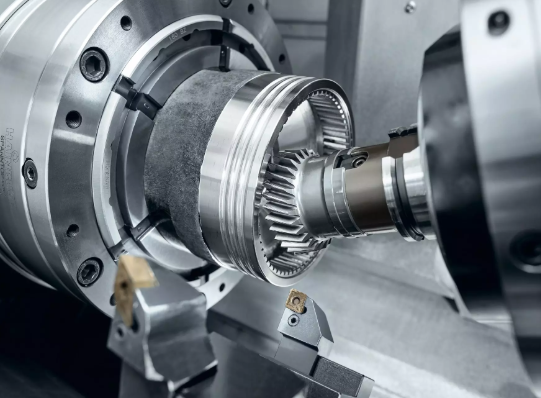
Industry Certifications and Quality Standards
Ever notice how machine shops proudly display certification logos on their websites without explaining what they actually mean? Those ISO badges and industry acronyms represent far more than marketing credentials—they're your assurance that a cnc machining shop maintains the systems necessary to deliver consistent, quality cnc machine parts.
Understanding these certifications helps you evaluate potential partners effectively and avoid costly mistakes. Let's decode what each certification actually guarantees.
Quality Management Certifications Decoded
ISO 9001:2015 serves as the foundation certification for manufacturing quality. According to industry research, 67% of OEMs require ISO 9001 certification from their suppliers—making it essentially mandatory for serious precision machining companies.
What does this certification actually guarantee? ISO 9001 establishes that a company has implemented a formal quality management system covering:
- Documented processes: Every operation follows defined procedures, reducing variability between operators and shifts
- Customer focus: Systems exist to capture requirements accurately and verify they're met
- Continuous improvement: The shop actively measures performance and implements corrective actions
- Management accountability: Leadership demonstrates commitment to quality through regular reviews and resource allocation
Think of ISO 9001 as the baseline—it confirms a precision cnc machining services provider operates professionally rather than improvising solutions. Shops without this fundamental certification should raise immediate red flags.
One machine shop owner summarized it well: "Certifications show our clients we're serious about quality. They're not just paperwork—they're a commitment to excellence in every part we make."
Industry-Specific Standards and What They Guarantee
While ISO 9001 applies universally, certain industries demand additional certifications addressing their unique requirements. Here's what each specialized standard means for your projects:
ISO 13485 for Medical Machining
Medical device manufacturing operates under scrutiny that general manufacturing never faces. According to Greenlight Guru's comprehensive analysis, ISO 13485:2016 explicitly describes current QMS expectations specifically for medical device companies—filling gaps that previous standards left ambiguous.
This certification ensures precision machining companies serving healthcare maintain:
- Risk-based quality management throughout product realization
- Complete traceability from raw materials to finished medical devices
- Validated manufacturing processes that demonstrate consistent results
- Design controls ensuring devices meet customer needs and regulatory requirements
For medical machining applications, ISO 13485 certification isn't optional—it's essential for patient safety. The standard ensures that every cnc machining milling operation contributing to surgical instruments or implants follows documented, validated procedures.
IATF 16949 for Automotive Manufacturing
Developed by the International Automotive Task Force, IATF 16949 builds upon ISO 9001 with additional requirements specific to automotive production. This global standard ensures compliance with stringent industry regulations while driving continuous improvement.
What makes automotive certification different? IATF 16949 addresses:
- Advanced product quality planning (APQP) for new component launches
- Production part approval processes (PPAP) documenting capability
- Customer-specific requirements from major automakers
- Statistical process control ensuring consistent output across production runs
When sourcing transmission components, brake system parts, or chassis assemblies, IATF 16949 certification confirms your supplier understands automotive quality expectations.
AS9100D for Aerospace Applications
Aerospace manufacturing demands the highest precision levels with zero tolerance for failure. AS9100D certification confirms that a precision machining shop meets the safety, quality, and exacting standards required for aircraft components.
This certification addresses requirements unique to aerospace:
- Configuration management tracking every revision of flight-critical parts
- Prevention of counterfeit materials through rigorous supply chain controls
- Special processes validated for consistent metallurgical properties
- First article inspection demonstrating production capability
Industry data shows AS9100 audits can cost between $10,000 to $25,000—reflecting the thoroughness required. Shops maintaining this certification have invested significantly in quality infrastructure.
Choosing a Certified CNC Partner
Which certifications should you look for? Match your requirements to the appropriate standards:
- General commercial parts: ISO 9001:2015 provides sufficient quality assurance for most applications
- Medical devices and instruments: Require ISO 13485 certification—non-negotiable for patient safety
- Automotive components: IATF 16949 ensures understanding of automotive quality systems and customer requirements
- Aerospace and defense: AS9100D certification is typically mandatory for flight-critical applications
Beyond checking for certifications, understand what they mean operationally. Certified shops conduct regular internal audits, maintain calibrated measuring equipment, and document corrective actions when issues arise. According to industry statistics, shops with industry-specific certifications win 15% more contracts on average—not because of the logos, but because certification requirements force operational excellence.
Don't hesitate to ask potential partners about their certification scope, recent audit results, and how they handle non-conformances. These questions reveal whether certifications represent genuine quality commitment or merely paperwork compliance.
Understanding certifications helps you evaluate partners, but translating your designs into manufacturable parts requires additional knowledge. Let's explore the design principles that optimize your projects for CNC production while controlling costs.
Design Principles for Manufacturable Parts
Here's a frustrating reality: your perfectly designed part might be impossible—or prohibitively expensive—to machine. The gap between what looks good in CAD and what a cutting tool can actually produce catches even experienced engineers off guard. Understanding design-for-manufacturability (DFM) principles transforms your concepts into cost-effective cnc machining parts that production teams actually want to build.
Let's explore the specific guidelines that separate smooth production runs from expensive headaches.
Essential DFM Principles for CNC Success
Every cnc cut starts with a rotating tool approaching your material from above. This fundamental constraint shapes everything about part design. When you understand how tools interact with workpieces, optimizing your geometry becomes intuitive rather than guesswork.
Follow these core DFM guidelines to maximize manufacturability:
- Wall thickness minimums: For metal parts, maintain at least 0.8mm (0.03") wall thickness. Plastics need 1.5mm (0.06") minimum to prevent warping during machining or cooling. Thinner walls reduce rigidity, increase vibration, and compromise dimensional accuracy.
- Internal corner radii: Standard end mills cannot cut perfectly sharp internal corners. Specify radii at least one-third of cavity depth—so a 12mm deep pocket needs 4mm or larger corner radii. According to machining experts, using the same radius on all internal edges eliminates tool changes, reducing cycle time significantly.
- Cavity depth limits: Keep blind pockets no deeper than 3-4 times the tool diameter. Beyond this, extended-length tools lose rigidity, causing poor tolerances and rough surfaces. A 12mm end mill machines cavities up to about 25mm deep efficiently.
- Hole depth ratios: Limit hole depth to four times nominal diameter for standard drilling. Deeper holes—up to 10x diameter—remain possible but increase cost due to specialized tooling and slower speeds.
- Thread engagement: Effective thread length beyond 1.5x hole diameter offers negligible additional strength. Limit threads to 2-3x diameter and leave unthreaded relief at blind hole bottoms for tap clearance.
For cnc aluminum parts and other common materials, these guidelines ensure tools operate within their optimal parameters. Pushing beyond these limits requires specialty tooling, slower feeds, and multiple passes—all adding cost.
Common Design Mistakes That Increase Costs
Some design decisions seem reasonable in CAD but create manufacturing nightmares. Recognizing these pitfalls saves both money and production delays.
Over-specifying tolerances ranks among the costliest errors. According to CNC design guidelines, defaulting to ±0.005" (≈ ±0.13mm) unless tighter values are functionally essential prevents unnecessary machining time and inspection effort. Apply tight tolerances only to critical-to-quality features.
Creating slender, unsupported features invites vibration and breakage. Keep rib height-to-thickness ratios below 8:1. Tall, thin walls deflect under cutting forces, producing chatter marks and dimensional errors. If slender features prove unavoidable, add temporary support ribs machined away in finishing passes.
Designing parts requiring multiple setups multiplies costs quickly. Each time a workpiece rotates or reclamps, you introduce positional uncertainty plus manual labor time. Design geometry accessible from as few orientations as possible—ideally a single setup.
Ignoring standard tooling sizes forces shops to order custom cutters or use time-consuming interpolation paths. Match hole diameters to standard drill sizes (0.1mm increments up to 10mm, 0.5mm increments above). Align thread specifications with common tap sizes like M3, M4, M5, M6, and M8.
Optimizing Your CAD Files for Production
Smart design choices made early prevent expensive revisions later. Before submitting custom machined parts for quotes, run through this optimization checklist:
- Unify datums: Reference critical dimensions from common surfaces so related features machine in single setups with maximum relative accuracy
- Add generous fillets: Larger internal radii allow stiffer, faster-cutting tools—a 5mm radius instead of 3mm can halve machining time on deep pockets
- Specify floor radii: Use 0.5mm or 1mm floor radii (or none) at cavity bottoms, matching standard flat-end or ball-end mill profiles
- Consider part splitting: Complex geometries sometimes manufacture more economically as multiple cnc milling parts bolted or welded together
- Avoid text when possible: Engraving adds toolpaths and time; use post-machining methods like silk screening for markings when feasible
When cnc cuts must reach complex internal geometries, explore whether 5-axis machining justifies the premium over multiple 3-axis setups. Sometimes the higher hourly rate produces lower total cost through reduced handling and improved accuracy.
Good DFM doesn't constrain creativity—it channels it productively. Machined parts designed with manufacturing realities in mind reach production faster, cost less, and perform better than designs optimized purely for function. Understanding these principles positions you to communicate effectively with machine shops and recognize which quotes reflect genuine manufacturing requirements versus which simply haven't optimized their processes.
With design principles established, the next logical question becomes: what should these optimized parts actually cost? Let's decode the pricing factors that determine custom CNC budgets.
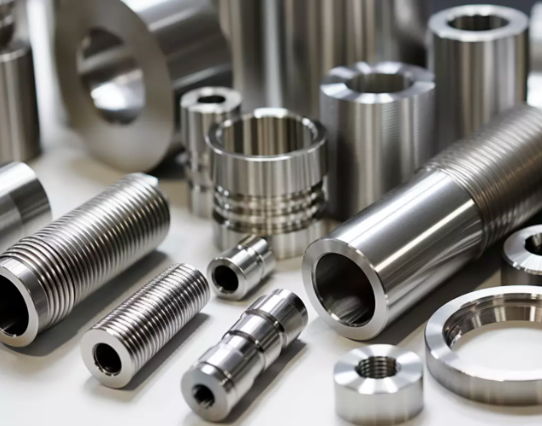
Understanding Custom CNC Costs and Budgeting
How much does a cnc machine cost? It's the question everyone asks but few receive straight answers about. The reality? CNC machine cost varies so dramatically based on individual requirements that generic price ranges become nearly meaningless. What actually helps is understanding the cost structure—knowing which variables drive expenses up and which levers you can pull to optimize your budget.
Whether you're evaluating the price of cnc equipment purchases or comparing cnc machining price quotes from service providers, the same fundamental cost drivers apply. Let's break down what shops often don't explain upfront.
Key Factors Driving CNC Costs
Every custom CNC project accumulates costs across multiple categories. Understanding these components helps you predict expenses accurately and identify optimization opportunities.
Machine time typically represents the largest cost component. According to industry pricing data, hourly rates vary significantly based on machine capability:
- 3-axis CNC: Approximately $40/hour
- 4-axis CNC: $45-50/hour
- 5-axis CNC: $75-120/hour
Complex geometries requiring advanced multi-axis movements multiply this base rate quickly. A part taking two hours on a 5-axis machine at $100/hour costs $200 in machine time alone—before materials, setup, or finishing.
Material costs fluctuate based on type, grade, and market conditions. Aluminum sits at the economical end while titanium and PEEK plastics command premium prices. Beyond raw material expense, remember that CNC machining is subtractive—you're paying for material that becomes chips on the floor. Complex parts with significant material removal waste more stock, increasing effective material costs.
Setup charges often surprise first-time buyers. Before any cutting begins, machinists must install fixtures, calibrate the machine, input programs, and verify first articles. According to machining experts, setup complexity directly affects time required and cost—complex parts needing multiple fine-tuning iterations consume significantly more setup labor than simple geometries.
Tolerance requirements impact costs disproportionately. Tighter specifications demand slower cutting speeds, more precise tooling, additional inspection, and often climate-controlled environments. Jumping from ±0.005" to ±0.001" tolerance can double or triple machining time for critical features.
Surface finishing adds post-machining expenses. Based on current industry estimates, finishing operations range from $2-15 for polishing to $10-30 for electroplating per part—costs that compound across production quantities.
Understanding Quotes and Pricing Structures
When you request a cnc quote online or receive online machining quotes, the numbers typically bundle multiple cost components. Understanding this structure helps you evaluate whether prices are reasonable.
| Cost Factor | Relative Impact | What Influences It |
|---|---|---|
| Machine Time | High (40-60% of total) | Part complexity, tolerance requirements, number of operations, machine type required |
| Material | Medium-High (15-35%) | Material type, stock dimensions needed, waste factor from geometry |
| Setup/Programming | Medium (10-20%) | Fixture complexity, number of setups, program development for new parts |
| Tooling | Low-Medium (5-15%) | Special cutters required, tool wear rate based on material, number of tools needed |
| Finishing | Variable (0-25%) | Surface requirements, treatment type (anodizing, plating, polishing) |
| Inspection/QC | Low-Medium (5-10%) | Tolerance stringency, certification requirements, documentation needs |
Here's a critical distinction many overlook: how much does cnc machine cost differs fundamentally depending on whether you're purchasing equipment or buying machining services.
Equipment purchase costs involve substantial capital investment—desktop hobby machines start around $2,000-5,000, while production-grade equipment ranges from $50,000 to over $500,000 for advanced 5-axis systems. You'll also budget for installation, training, tooling inventory, and ongoing maintenance.
Per-part service costs through cnc machining providers spread these capital expenses across their customer base. You pay only for your parts without equipment ownership overhead. For most buyers—especially those with variable production needs—service costs prove more economical than equipment investment.
When evaluating quotes, ask these revealing questions:
- What's the breakdown between setup charges and per-unit costs?
- How do prices change at different quantity breakpoints?
- Are material costs quoted separately or bundled?
- What finishing and inspection are included versus additional?
- How does lead time selection affect pricing?
Strategies to Optimize Your CNC Budget
Understanding cost of cnc operations empowers you to make smarter decisions. Here's how experienced buyers reduce expenses without sacrificing quality:
Leverage quantity economics. Setup costs remain relatively fixed whether you're making one part or one hundred. According to machining economics analysis, per-part costs decrease significantly as quantities increase because fixed overhead distributes across more units. Even modest quantity increases—say, 25 instead of 10—can meaningfully reduce unit costs.
Simplify geometry where possible. Every complex feature—deep pockets, thin walls, tight internal corners—extends machining time. Eliminating unnecessary complexity through DFM review often saves 20-40% on machining costs without affecting part function.
Specify tolerances strategically. Apply tight tolerances only to features that genuinely require them. Dimensioning non-critical surfaces to standard tolerances (±0.005") instead of blanket tight specs (±0.001") prevents unnecessary precision machining on features where it adds no functional value.
Choose materials wisely. If your application allows, selecting aluminum over stainless steel or Delrin over PEEK dramatically reduces both material costs and machining time. Only specify premium materials when their properties genuinely matter.
Consider production location. As comparative pricing data demonstrates, overseas manufacturing often delivers significant cost advantages for standard production runs—sometimes 50-70% lower unit costs—while domestic production offers faster turnaround and easier communication for complex or time-sensitive projects.
Optimize batch timing. Urgent turnaround commands premium pricing. Planning ahead to allow standard lead times can reduce per-part costs by 30% or more compared to rush orders.
The cost of cnc machining ultimately reflects the complexity of transforming raw material into precision components. By understanding what drives these costs—and which factors remain within your control—you position yourself to make informed decisions rather than simply accepting quoted prices. Smart budgeting starts with asking the right questions and recognizing where optimization opportunities exist.
Cost considerations naturally connect to timeline expectations. Understanding what influences production speed helps you balance budget against delivery requirements—the topic we'll explore next.
Production Timelines and Turnaround Expectations
When will your parts actually arrive? This question matters as much as cost—sometimes more. Whether you're racing to meet a product launch deadline or planning a long-term production schedule, understanding what drives cnc prototyping timelines helps you set realistic expectations and avoid costly surprises.
The reality? Lead times in custom CNC work span an enormous range—from same-day rapid cnc prototyping to multi-week production runs. What determines where your project falls on that spectrum comes down to several interconnected factors that shops rarely explain upfront.
From Rapid Prototyping to Mass Production
The timeline spectrum for CNC machining covers vastly different scenarios, each with distinct expectations.
Rapid prototyping (1-5 days) serves product development teams needing functional parts fast. According to industry analysis, simpler parts with readily available materials typically achieve the shortest lead times—sometimes just a few days. Prototype machining services prioritize speed over quantity optimization, often running single parts on machines configured for quick changeovers.
CNC prototype machining works well for:
- Design verification before committing to production tooling
- Fit and function testing with actual materials
- Small quantities needed for customer samples or trade shows
- Engineering iterations requiring rapid feedback cycles
Standard production (1-4 weeks) balances efficiency with reasonable delivery expectations. This timeline accommodates proper production planning, material procurement, quality verification, and any required post-processing. Most commercial prototype machining services quote within this range for typical orders.
High-volume production runs (4+ weeks) extend timelines but optimize per-part economics. Longer lead times allow shops to batch similar operations, procure materials at better prices, and schedule machine time efficiently. Complex parts requiring multiple operations or tight tolerances naturally push toward extended timelines.
For automotive applications where both speed and quality prove essential, IATF 16949-certified facilities like Shaoyi Metal Technology demonstrate that rapid turnaround doesn't require sacrificing precision. Their capability to deliver high-tolerance automotive components with lead times as fast as one working day—while scaling seamlessly from prototyping to mass production—shows what's achievable when facilities invest in proper infrastructure.
Factors That Affect Your Project Timeline
Understanding which variables influence delivery helps you plan realistically and identify opportunities to accelerate schedules.
Design complexity represents the most significant timeline driver. According to machining experts, parts with thin walls, intricate features, or tight geometries require more precise machining paths and potentially slower cutting speeds. Each additional feature—holes, pockets, slots—demands tool changes and extended programming time. Cnc machining prototyping for complex geometries simply takes longer than simpler shapes.
Consider these complexity factors:
- Multi-axis operations requiring 4-axis or 5-axis machining extend setup and cycle times
- Smoother surface finish requirements add machining passes with finer tools
- Oversized workpieces may require specialized handling and slower speeds for stability
- Features accessible only from multiple orientations multiply setup time
Material availability can make or break your timeline. Common materials like aluminum, standard steel grades, and popular plastics typically ship from distributors within days. However, specialized alloys and exotic materials may require custom orders or importation—adding weeks before machining even begins.
Tolerance requirements directly impact machining time. Tighter specifications demand slower cutting speeds, more frequent tool inspections, and additional verification steps. As industry sources note, achieving tight tolerances requires multiple machining passes with constant adjustments—translating directly to longer lead times compared to parts with looser specifications.
Order volume creates interesting timeline dynamics. Single cnc prototype parts often complete faster than production batches because they avoid queue delays and batch scheduling. However, moderate quantities may actually process quickly when shops combine them with similar jobs already in progress.
Post-processing requirements extend timelines beyond machining itself. Heat treatment, anodizing, plating, and other finishing operations often involve external suppliers. According to precision machining analysis, these processes depend on trusted partners to keep projects on schedule—and any supplier delays ripple through to your delivery date.
Planning for Realistic Delivery Expectations
Smart project planning starts with honest conversations about timeline requirements and constraints. Here's how to optimize your delivery expectations:
| Timeline Factor | Impact on Lead Time | Optimization Strategy |
|---|---|---|
| Part Complexity | High—intricate features extend machining significantly | Simplify geometry where function permits; reduce feature count |
| Material Selection | Medium to High—exotic materials add procurement time | Specify readily available materials; confirm stock before ordering |
| Tolerance Specifications | Medium—tight tolerances slow machining and inspection | Apply tight tolerances only to critical features |
| Order Quantity | Variable—affects scheduling and batch efficiency | Discuss optimal batch sizes with your machining partner |
| Post-Processing | Medium—adds days to weeks depending on treatment | Plan finishing requirements upfront; confirm supplier capacity |
| Shop Workload | Variable—busy periods extend queues | Communicate early; book capacity in advance for critical deadlines |
Communicate early and clearly. Shops with advance notice can reserve capacity, pre-order materials, and schedule your job optimally. Last-minute rush orders compete for whatever capacity remains—often at premium pricing.
Confirm material availability upfront. Before finalizing designs, verify that specified materials are in stock or have acceptable procurement lead times. Discovering your exotic alloy requires eight weeks to source after submitting production orders creates painful delays.
Consider expedited services strategically. Most prototype machining services offer rush options—but expedited processing typically costs 20-50% more. Reserve these premiums for genuinely time-critical situations rather than defaulting to rush quotes for every project.
Build buffer time into critical paths. Quality inspections, dimensional verification, and material certifications add time but ensure parts meet specifications. Rushing these steps risks receiving non-conforming parts that require rework—ultimately taking longer than doing it right initially.
The most effective approach? Partner with facilities demonstrating proven rapid-response capabilities backed by robust quality systems. When your cnc prototype needs evolve into production volumes, that same partner should scale seamlessly without sacrificing the precision or responsiveness you've come to expect.
Timeline expectations naturally connect to partner selection. The right CNC provider balances speed, quality, and cost in ways that align with your specific requirements—a topic that deserves careful exploration.
Choosing the Right Custom CNC Partner
You've defined your requirements, selected materials, and established tolerance specifications. Now comes the decision that determines whether your project succeeds or stumbles: selecting the right manufacturing partner. Whether you're evaluating custom cnc machining services or considering equipment investment, the criteria that separate exceptional providers from adequate ones often remain invisible until problems emerge.
Finding machinist shops near me returns dozens of options. But which ones actually deliver the precision, consistency, and communication your projects demand? Let's build the evaluation framework that experienced buyers use.
Evaluating CNC Service Providers
When sourcing cnc machining services near me, resist the temptation to choose based solely on price or proximity. According to industry experts, the CNC supplier you select plays a vital role in your value chain—influencing speed to market, product reliability, and overall profitability far beyond the initial quote.
Start your evaluation with these essential criteria:
- Technical capabilities: Does the shop operate advanced CNC lathes, milling machines, and multi-axis machining centers? Can they handle your material requirements and tolerance specifications? Verify they support your CAD/CAM file formats for smooth data transfer.
- Industry experience: Look for providers with proven track records in your specific sector. A shop experienced in aerospace applications understands flight-critical requirements differently than one focused on general commercial work.
- Certifications relevant to your industry: ISO 9001 represents the baseline. Medical applications require ISO 13485. Automotive components demand IATF 16949. Aerospace work needs AS9100D. Match certifications to your compliance needs.
- Capacity and scalability: Can the provider handle your current volumes while growing with future demands? Ask about machine availability, shift operations, and expansion capabilities.
- Communication responsiveness: How quickly do they respond to inquiries? Do they provide Design for Manufacturability (DFM) feedback? Clear, proactive communication prevents costly misunderstandings.
- Geographic considerations: Local machine shops offer easier site visits and faster shipping for urgent needs. Overseas providers may deliver cost advantages for standard production runs.
When evaluating cnc turning services or custom cnc parts providers, request references from similar projects. Speaking with existing customers reveals insights about reliability, problem-solving, and long-term partnership quality that quotes never capture.
A responsible cnc machining vendor will provide detailed cost breakdowns so you can compare true value—not just the lowest price. Hidden fees for setup, inspection, or finishing often transform attractive quotes into expensive surprises.
Quality Control Indicators to Look For
Certifications confirm systems exist, but quality control execution determines whether those systems actually protect your parts. According to precision machining specialists, CNC machines depend on essential factors like precise computer instructions and high-quality raw materials to achieve accuracy—but consistent results require rigorous process monitoring.
Statistical Process Control (SPC) represents the gold standard for manufacturing consistency. Rather than inspecting parts after machining completes, SPC monitors processes in real-time to identify trends before problems occur. This proactive approach ensures every cnc machining part meets specifications—not just the ones randomly selected for inspection.
Effective SPC implementation includes:
- Continuous monitoring: Tracking cutting speed, feed rate, and tool wear throughout production runs
- Real-time adjustments: Modifying parameters when measurements approach tolerance boundaries
- Trend analysis: Identifying patterns that predict quality issues before they create scrap
- Documentation: Maintaining records demonstrating process capability and consistency
Ask potential partners about their inspection equipment. Quality shops invest in Coordinate Measuring Machines (CMMs), pin gauges, micrometers, and other precision metrology tools. Request sample inspection reports to verify thoroughness.
For automotive applications, facilities with strict SPC protocols and IATF 16949 certification—such as Shaoyi Metal Technology—demonstrate the quality infrastructure needed for precision components like chassis assemblies and custom metal bushings. Their combination of statistical process control, certified quality systems, and rapid turnaround capability illustrates what serious automotive suppliers require from their machining partners.
Beyond equipment, evaluate the human element. According to manufacturing partnership experts, experienced suppliers anticipate problems before they arise. Their ability to understand technical drawings, provide DFM feedback, and suggest machining alternatives reveals competence that no certification guarantees.
Building a Long-Term Manufacturing Partnership
The best custom CNC relationships extend beyond transactional orders into genuine partnerships. When evaluating providers, consider factors that influence long-term success:
After-sales support matters more than most buyers realize. Does the supplier offer warranties, replacements, or post-delivery technical support? According to industry guidance, responsive support, spare parts availability, and troubleshooting capabilities dramatically influence lifecycle costs and project success.
Financial stability ensures continuity. A well-established company with consistent performance and sustained growth demonstrates reliability your projects can depend upon. Check their history, client base, and facility ownership before committing to critical production relationships.
Transparency builds trust. Look for partners who maintain open dialogue throughout projects, providing updates, progress reports, and proactive solutions. According to turnkey manufacturing experts, clear communication often becomes the deciding factor in project success—no surprises, no last-minute issues.
Use this evaluation checklist when comparing cnc turning service providers or local machine shops:
- ✓ Verified certifications matching your industry requirements
- ✓ Documented SPC protocols with sample reports available
- ✓ Equipment capabilities aligned with your tolerance and material needs
- ✓ References from similar projects with positive feedback
- ✓ Clear pricing structure with itemized cost breakdowns
- ✓ Responsive communication during the quoting process
- ✓ Scalability to support growing production volumes
- ✓ Post-delivery support policies clearly defined
- ✓ Engineering collaboration and DFM feedback offered
- ✓ Financial stability indicators (years in business, facility ownership)
Consider the equipment investment path carefully. If you're deciding between outsourcing custom cnc parts versus purchasing equipment, weigh several factors. Capital equipment requires substantial upfront investment, ongoing maintenance, skilled operators, and continuous utilization to justify costs. For most buyers—especially those with variable production needs—partnering with established cnc machining services near me proves more economical than equipment ownership.
However, high-volume dedicated production or proprietary processes may justify equipment investment. In these cases, apply the same evaluation criteria to machine vendors: technical support, training programs, spare parts availability, and upgrade paths all influence long-term ownership costs.
When in doubt, start with a prototype project. According to manufacturing experts, it's the fastest way to verify a supplier's true ability, process discipline, and quality mindset—before scaling into full production. This low-risk approach reveals operational reality that capability presentations and facility tours cannot.
The right custom CNC partner becomes an extension of your team—capable of supporting rapid innovation while maintaining the precision and consistency your applications demand. Invest the time to evaluate thoroughly, communicate clearly, and build relationships that deliver value for years to come.
Frequently Asked Questions About Custom CNC Machines
1. How much does custom CNC machining cost?
Custom CNC machining costs range from $50 to $150 per hour depending on equipment complexity and precision requirements. 3-axis machines typically run around $40/hour, while 5-axis systems cost $75-120/hour. Total project costs factor in machine time, material expenses, setup charges, tolerance specifications, and finishing requirements. For automotive components requiring IATF 16949-certified precision, facilities like Shaoyi Metal Technology offer competitive pricing with lead times as fast as one working day.
2. Is it cheaper to build your own CNC machine?
Building your own CNC machine costs less in materials than purchasing ready-made equipment, but requires significant time investment for design, assembly, and tuning. Entry-level CNC router kits start around $2,000-5,000, while production-grade machines range from $50,000 to over $500,000. For most applications, partnering with established CNC machining services proves more economical than equipment ownership, especially for variable production needs.
3. How much does a personal CNC machine cost?
Personal CNC machine prices vary significantly by capability level. Entry-level hobby machines range from $5,000 to $20,000, suitable for small businesses and hobbyists. Mid-range equipment costs $20,000 to $75,000 with enhanced features for larger projects. Industrial-grade custom CNC machines can exceed $500,000 depending on axis configurations, work envelope size, spindle specifications, and automation features.
4. Do you need a license to own a CNC machine?
Operating CNC machines does not require a federal license, though some states or cities mandate operator training or safety certifications. Employers typically prefer certified machinists for high-precision or aerospace work. Industry certifications like ISO 9001, IATF 16949 for automotive, or AS9100D for aerospace demonstrate competency and quality management systems rather than individual operator licensing.
5. When should I choose custom CNC over standard equipment?
Choose custom CNC solutions when your projects involve oversized workpieces exceeding standard travel limits, exotic materials requiring enhanced machine rigidity, tolerances tighter than ±0.001 inches, or high-volume dedicated production runs exceeding 10,000 parts. Industry-specific compliance requirements in aerospace, medical, or defense manufacturing also typically necessitate customized configurations that standard off-the-shelf equipment cannot accommodate.