 We’re Exhibiting at Automechanika Frankfurt 2026 — September 8 | Hall 4.2, Stand M31 —
  EN
EN


Custom Machining Costs Exposed: What Shops Won't Tell You Upfront
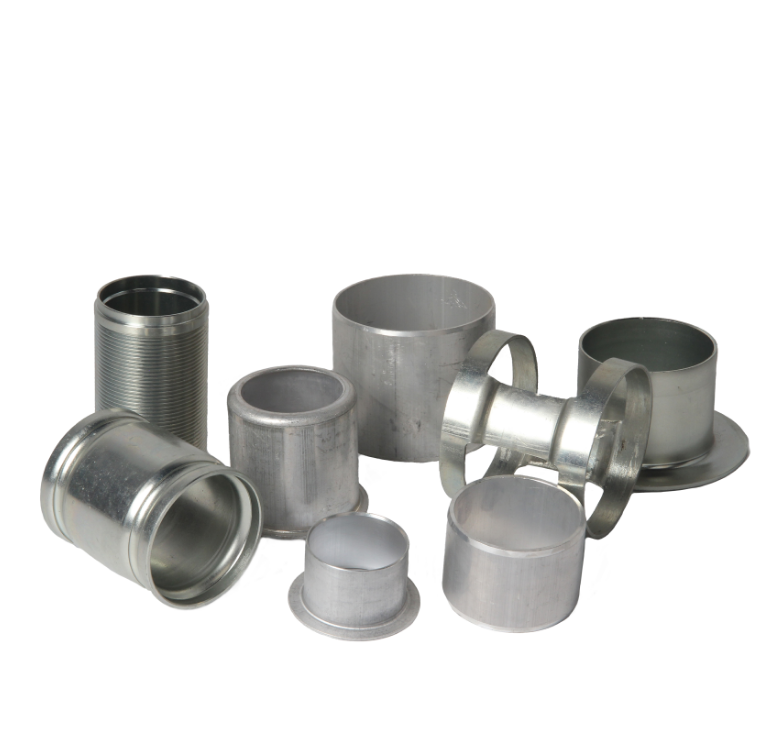
What Custom Machining Really Means for Modern Manufacturing
Ever wondered how engineers create precision components that simply don't exist on any supplier's shelf? That's where custom machining comes into play. At its core, this manufacturing approach uses CNC technology to produce parts tailored to exact specifications—unique geometries, tight tolerances, and client-specific requirements that standard production methods cannot deliver.
Unlike mass production, which prioritizes high-volume output of identical components, custom machine services focus on flexibility and precision. You're not limited to what's already available. Instead, your design team creates a detailed CAD model outlining exact dimensions, shapes, and material requirements. The CNC and programming then translate that digital blueprint into a physical component with remarkable accuracy.
From Blueprint to Precision Reality
The journey from concept to finished part follows a structured path. First, your engineering team develops a comprehensive design specifying every critical dimension. Next comes prototyping, where machined parts undergo rigorous testing to verify functionality. Only after this validation does full-scale production begin.
Think of it this way: mass production asks, "How many identical widgets can we make per hour?" Custom machining asks, "What exact specifications does this unique component require?" The difference fundamentally shapes how manufacturers approach your project.
Custom machining serves as the essential bridge between design intent and physical reality—transforming complex engineering concepts into precision components that perform exactly as envisioned.
Why Standard Parts Fall Short
Standard off-the-shelf components work fine for generic applications. But what happens when your project demands tolerances as tight as 0.003-0.005 inches? Or when your design requires a geometry that no catalog item can match? This is precisely where precision machining services prove invaluable.
Industries like aerospace, medical devices, and defense rely heavily on this approach. Their components must meet exacting standards where even microscopic deviations could compromise safety or performance. A surgical instrument, for instance, cannot tolerate the dimensional variations acceptable in consumer products.
The advantages extend beyond mere precision:
- Tailored specifications that improve compatibility with existing systems
- Superior material selection including exotic alloys and engineering plastics
- Innovative designs that give companies competitive advantages
- Reduced errors through tighter quality control processes
Throughout this article, you'll discover the core CNC processes that power custom manufacturing, learn how to select appropriate materials, understand tolerance requirements, compare alternative methods, and ultimately identify the right manufacturing partner for your specific needs. Whether you're developing a prototype or planning a limited production run, understanding these fundamentals will help you make informed decisions that align with your project goals and budget.
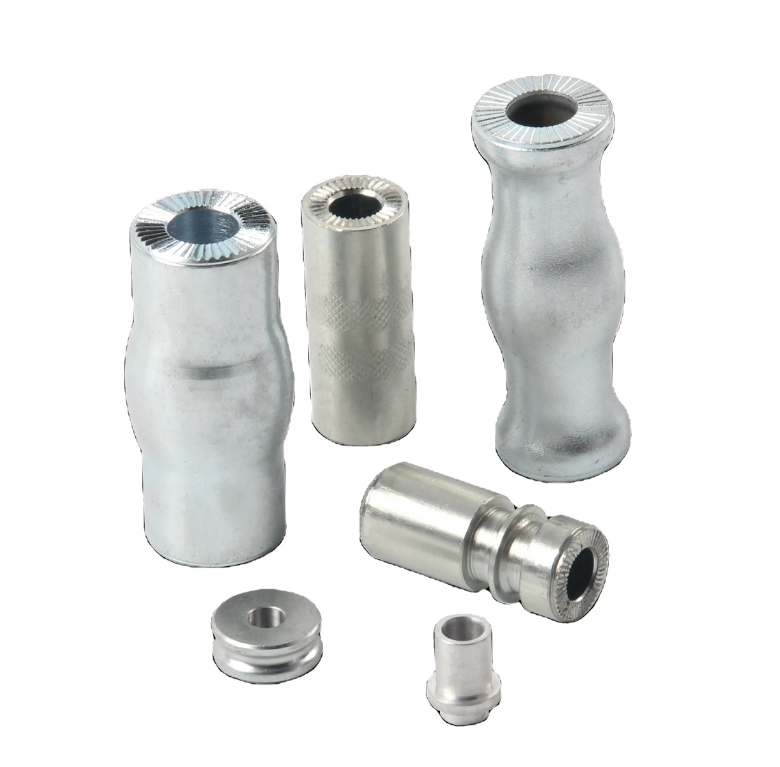
Core CNC Processes That Power Custom Manufacturing
Now that you understand what custom machining delivers, let's explore the machinery behind the magic. Four primary CNC processes form the backbone of precision manufacturing, each offering distinct capabilities for specific applications. Knowing when to use which process—and how they work together—can significantly impact your project's success and budget.
CNC Milling and Turning Fundamentals
Imagine sculpting a complex 3D shape from a solid block of aluminum. That's essentially what CNC milling accomplishes. A rotating cutting tool moves across your workpiece in multiple directions, removing material to create intricate geometries, pockets, slots, and surface features. Modern 5-axis milling machines can approach the workpiece from virtually any angle without repositioning—minimizing tolerance stack-ups and achieving dimensional accuracy within ±0.0005 inches.
What makes milling so versatile? The cnc cutting machine can execute complex contours, produce detailed surface textures, and create features that would be impossible with manual methods. Whether you need a prototype housing with internal cavities or a production component with precise mounting surfaces, milling handles the geometric complexity.
CNC turning takes a fundamentally different approach. Here, your workpiece rotates while stationary cutting tools shape it into cylindrical forms. Think shafts, bushings, pins, and any component with rotational symmetry. A quality cnc turning service can achieve tolerances of ±0.0005 inches on diameter dimensions, making this process essential for parts requiring precise fits.
Modern CNC lathes equipped with live tooling blur the line between turning and milling. These machines can perform drilling, tapping, and even milling operations while the workpiece remains clamped—reducing setup time and eliminating errors from multiple handling. Swiss-type machines excel at producing long, slender components where traditional lathes might struggle with deflection issues.
When should you choose one over the other? Consider your part's dominant geometry:
- Primarily cylindrical with rotational features → CNC turning
- Complex 3D shapes with pockets and contours → CNC milling
- Combination of both → Multi-axis mill-turn centers
Precision Drilling Operations
Sounds simple, right? Just making holes? Not quite. Precision drilling in custom manufacturing involves far more than pushing a bit through metal. The process encompasses reaming for exact diameters, counterboring for fastener heads, and deep-hole drilling for components requiring length-to-diameter ratios exceeding 10:1.
Hole tolerances matter tremendously in assembly applications. A shaft bearing requires a precisely sized bore to function properly—too loose and you get vibration; too tight and friction causes premature wear. Modern CNC drilling operations routinely achieve positional accuracy within 0.001 inches and diameter tolerances of ±0.0005 inches on critical features.
When EDM Becomes Essential
What happens when conventional cnc cutting tools simply cannot access the geometry you need? Or when your material is so hard that traditional methods would destroy tooling instantly? This is where Electrical Discharge Machining becomes your solution.
EDM works through controlled electrical sparks that erode material without physical contact. Wire EDM produces intricate 2D profiles with tolerances reaching ±0.0001 inches—ten times tighter than standard machining. Sinker EDM creates complex 3D cavities by using shaped electrodes to form internal features. According to precision machining specialists, EDM achieves surface finishes down to 0.1 μm Ra, often eliminating secondary polishing operations entirely.
EDM particularly excels with hardened materials exceeding 60 HRC—tool steels, tungsten carbide, and exotic alloys that would rapidly wear conventional cutting tools. Medical device manufacturers frequently specify EDM for surgical instruments requiring both extreme hardness and intricate geometries.
Process Comparison at a Glance
Selecting the right process depends on your specific requirements. This comparison helps you understand what each method delivers:
| Process Type | Best Applications | Typical Tolerances | Material Compatibility |
|---|---|---|---|
| CNC Milling | Complex 3D geometries, surface features, pockets, slots | ±0.0005" to ±0.002" | Aluminum, steel, titanium, plastics, composites |
| CNC Turning | Cylindrical parts, shafts, bushings, threaded components | ±0.0005" to ±0.001" | All machinable metals and engineering plastics |
| Drilling/Reaming | Precision holes, counterbores, deep-hole applications | ±0.0005" diameter, ±0.001" position | Most metals and plastics |
| Wire/Sinker EDM | Hardened materials, intricate profiles, internal cavities | ±0.0001" to ±0.0005" | Any conductive material, especially hardened steels |
Combining Processes for Complex Parts
Here's what many suppliers won't explain upfront: most precision components require multiple operations. A cnc milled housing might need turned bosses, drilled mounting holes, and EDM-cut slots—all on the same part. Understanding this helps you anticipate realistic lead times and costs.
Reliable cnc turning services often partner with EDM specialists or maintain in-house capabilities across multiple processes. When evaluating quotes, ask how your part will flow through production. Fewer setups generally mean better tolerance control and lower costs. A shop offering integrated capabilities can maintain tighter specifications than one farming operations to multiple subcontractors.
The real question becomes: what material should your precision component be made from? That choice affects not only which processes work best but also your final part's performance characteristics.
Material Selection Guide for Custom Machined Components
Choosing the right material might be the most consequential decision you'll make for your custom machining project. Why? Because material selection directly impacts machining parameters, surface finish quality, and how your final part performs under real-world conditions. Yet many shops skip this conversation entirely, leaving you to figure it out yourself.
Let's break down your options across three categories: metals and alloys, engineering plastics, and specialty materials. Each brings distinct advantages depending on your application requirements.
Metals and Alloys for Demanding Applications
When strength, durability, and thermal performance matter most, metals remain the go-to choice. But which metal? That depends entirely on your specific application.
Aluminum alloys dominate aerospace and automotive applications for good reason. According to Xometry's material guide, these lightweight materials offer excellent thermal conductivity and can be heat-treated to increase strength. Aluminum 7075, for instance, delivers tensile strength of 540 MPa while remaining highly machinable—perfect for structural airframe components where weight savings translate directly to fuel efficiency.
- Aluminum 6061 – Excellent weldability, widely extruded, ideal for general-purpose applications
- Aluminum 7075 – High strength (540 MPa), superior fatigue resistance, preferred for aerospace
- Aluminum 5083 – Best corrosion resistance among non-heat-treatable alloys, suited for marine environments
Stainless steel becomes essential when corrosion resistance takes priority. Austenitic grades like 304 and 316 offer excellent machinability for turning, threading, drilling, and milling operations. The 316 grade includes molybdenum, which improves stability against chloric acids—making it ideal for medical devices and chemical processing equipment.
What about wear-resistant applications? This is where machining bronze proves invaluable. CNC bronze components excel in bearings, bushings, and sliding surfaces where self-lubricating properties reduce maintenance requirements. Brass alloys—copper-zinc combinations—offer superior freedom of cutting and excellent hot formability for marine and automotive applications.
Zinc alloy metal deserves special attention for automotive and electronics applications. These alloys combine excellent castability with good machinability for secondary operations, making them cost-effective for complex housings, brackets, and structural components requiring moderate strength.
Engineering Plastics and Specialty Materials
When you need chemical resistance, electrical insulation, or simply a lighter alternative to metal, engineering plastics deliver remarkable performance. The key is matching material properties to your functional requirements.
Delrin material (DuPont's trade name for homopolymer acetal) stands out for high-precision mechanical parts. According to Xometry's acetal machining specifications, polyacetal delrin offers exceptional dimensional stability with standard tolerances of ±0.010" and achievable tolerances of ±0.001". This delrin plastic maintains properties across temperatures ranging from -40°C to 120°C—far exceeding most plastics.
- Delrin 150 – High impact resistance, low friction, ideal for gears and bushings
- Delrin 100 AF – PTFE-infused for enhanced wear resistance in bearing applications
When impact resistance matters most, consider nylon for machining applications. This thermoplastic offers exceptional tensile strength combined with scratch resistance, making it suitable for structural components experiencing repeated loading cycles.
PEEK (polyether ether ketone) represents the premium tier of engineering plastics. It retains chemical resistance at elevated temperatures while offering exceptional fatigue resistance and a low friction coefficient. Medical implants and aerospace components frequently specify PEEK where biocompatibility or extreme conditions demand top-tier performance.
- Polycarbonate – Shatter-resistant, high rigidity, excellent for transparent structural parts
- PTFE (Teflon) – Extreme chemical resistance, but challenging for tight tolerances due to thermal expansion
- UHMW Polyethylene – Superior wear resistance, self-lubricating, excellent at subzero temperatures
How Material Choice Affects Your Project
Here's what many suppliers won't tell you upfront: material selection cascades through every aspect of your project. Harder materials require slower feed rates and more frequent tool changes—directly impacting cost. Softer plastics may achieve better surface finishes with standard tooling but might creep under constant load.
Consider these practical trade-offs:
- Machinability vs. performance – Free-machining alloys cut faster but may sacrifice strength
- Surface finish potential – Some materials polish beautifully; others require secondary operations
- Thermal behavior – Plastics with high expansion coefficients make tight tolerances challenging
- Cost implications – Exotic alloys and specialty plastics carry premium pricing
The best approach? Define your performance requirements first, then work backward to identify materials that meet those specifications while remaining machinable and cost-effective. Speaking of specifications, understanding tolerance requirements becomes the next critical step in ensuring your custom components perform as designed.
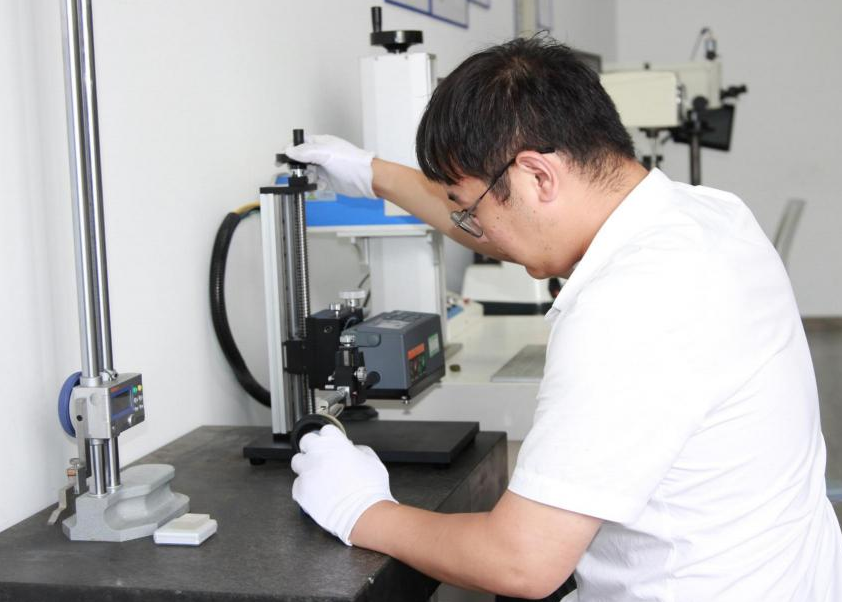
Precision Tolerances and Quality Control Standards Explained
You've selected your material and chosen the right CNC process. Now comes a question that dramatically affects both your budget and your part's functionality: how tight do your tolerances actually need to be? This is where many custom machining projects either succeed brilliantly or become expensive lessons in over-specification.
According to ASME standards, tolerances refer to the total allowable deviation from a dimension's basic value—ensuring a part fits and functions correctly. But here's what shops often don't explain: not every dimension requires the same precision level. Understanding tolerance classifications helps you specify what matters while avoiding unnecessary costs on features that don't.
Understanding Tolerance Classes and Their Impact
Tolerance requirements fall into distinct classes, each suited to different applications. Standard commercial tolerances work perfectly for most general-purpose cnc machining parts where assembly fit isn't critical. But when you're producing precision cnc machining services for aerospace or medical applications, you'll need tighter specifications—and the manufacturing complexity increases accordingly.
Consider this comparison of tolerance classes and their practical implications:
| Tolerance Class | Typical Range | Common Applications | Cost Impact |
|---|---|---|---|
| Standard Commercial | ±0.005" to ±0.010" | Brackets, housings, non-critical structural parts | Baseline pricing |
| Precision | ±0.001" to ±0.005" | Assembly interfaces, bearing fits, gear components | 15-30% premium |
| High Precision | ±0.0005" to ±0.001" | Hydraulic components, medical devices, optical mounts | 40-75% premium |
| Ultra-Precision (Swiss Machining) | ±0.0001" to ±0.0005" | Aerospace instruments, surgical implants, microelectronics | 100%+ premium |
Notice how costs escalate as tolerances tighten? That's because achieving ultra-precision requires slower machining speeds, more frequent inspections, climate-controlled environments, and often specialized equipment like swiss machining centers designed specifically for micron-level accuracy.
According to precision manufacturing specialists, machine tool accuracy directly affects achievable tolerances. Spindle runout, way wear, and thermal growth create systematic errors that accumulate during production. This explains why not every shop can deliver the same precision—their equipment capabilities differ significantly.
When Tighter Tolerances Matter
So when should you specify tighter tolerances on your machining parts? Focus on functional dimensions—features that directly affect how your component performs its intended purpose:
- Assembly interfaces where parts must fit together with specific clearances or interference
- Bearing bores and shaft diameters requiring precise running fits
- Sealing surfaces where leakage would compromise function
- Mounting features that establish alignment with other components
Here's a practical tip: apply the tightest tolerances only where functionality demands them. A housing might need ±0.0005" on its bearing bore while standard ±0.005" works fine for mounting holes. This selective approach—what engineers call functional tolerance analysis—optimizes your budget without compromising performance.
Metal cnc machining tolerances also interact with material properties. Aluminum with its high thermal expansion coefficient requires temperature-controlled measurement. Hardened steels hold dimensions better but demand more careful machining. Even cnc metal surface finish affects measurement accuracy—rough surfaces create uncertainty in where the actual dimension lies.
Quality Control Methods That Ensure Consistency
Specifying tolerances means nothing without robust verification methods. This is where Statistical Process Control (SPC) becomes essential. According to IATF 16949 guidelines, SPC monitors manufacturing processes to ensure continuous improvement in product quality while catching deviations before they produce defective parts.
Control charts track dimensional variation throughout production runs. When plotted data points fall between established control limits, the process remains stable. Trends approaching limits trigger corrective action before parts exceed specifications—shifting the focus from detection after production to prevention during production.
Certifications like IATF 16949 (automotive) and AS9100D (aerospace) mandate systematic quality approaches. These aren't just paperwork exercises. They require:
- Documented measurement procedures ensuring consistent inspection methods
- Calibrated equipment with traceable accuracy standards
- Process capability studies quantifying whether equipment can consistently meet specifications
- Corrective action systems that address root causes rather than symptoms
Measurement system capability itself affects tolerance verification. According to industry standards, measurement uncertainty should be less than 10% of the tolerance being verified—meaning a ±0.001" tolerance requires measurement accuracy of ±0.0001" or better. Coordinate measuring machines (CMMs) provide this capability for complex parts with multiple critical features.
Understanding how tolerances affect costs and quality helps you make informed specifications. But how does custom machining compare when other manufacturing methods might achieve similar results at different price points?
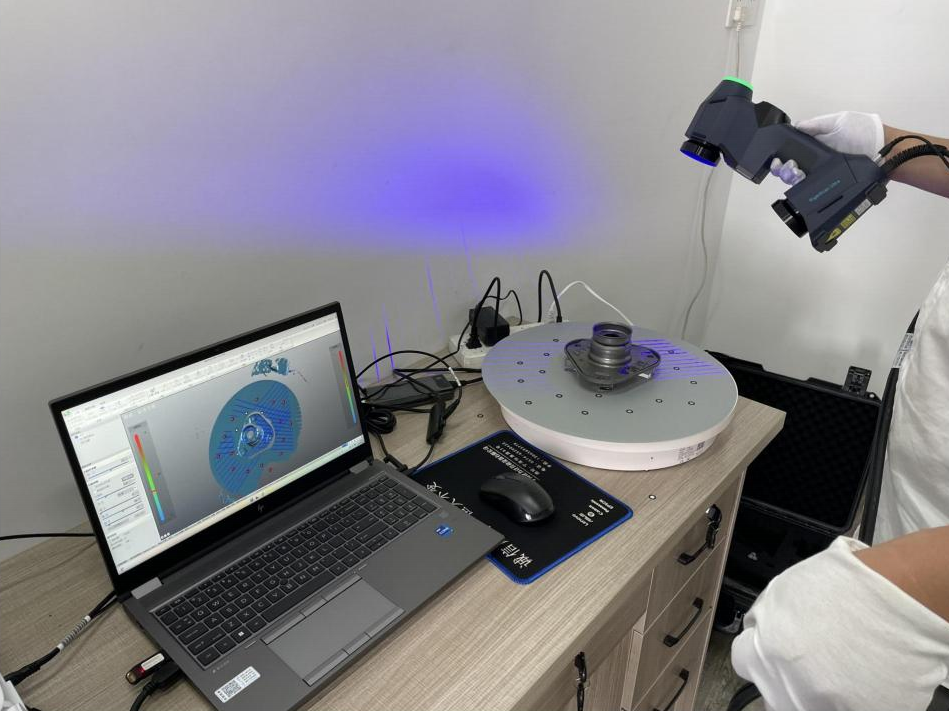
Custom Machining vs Alternative Manufacturing Methods
Now that you understand tolerances and quality control, a bigger question emerges: is custom machining even the right approach for your project? Many shops won't have this conversation because they want your business regardless of fit. But choosing the wrong manufacturing method can cost you thousands in wasted tooling, delayed timelines, or parts that don't perform as expected.
Let's objectively compare cnc fabrication against the alternatives—3D printing, injection molding, and casting—so you can make an informed decision based on your specific requirements rather than a supplier's sales pitch.
Custom Machining vs Additive Manufacturing
3D printing has transformed prototyping, but it's not a universal solution. According to Xometry's manufacturing comparison, CNC-machined parts deliver the native properties of the billet material, largely undisturbed by processing characteristics. That's a significant advantage when mechanical performance matters.
Here's the reality: additive manufacturing builds parts layer by layer, which creates inherent limitations. FDM-printed ABS parts may achieve only 10% of the material's original tensile strength, while SLS nylon can approach 100%. This variability makes 3D printing risky for load-bearing applications where consistent strength is non-negotiable.
Custom machined parts excel when you need:
- Full material strength without anisotropic weaknesses from layer bonding
- Superior surface finishes that additive methods struggle to achieve
- Tight dimensional tolerances beyond what most printers can reliably hold
- Material options including hardened steels and exotic alloys that 3D printing cannot process
That said, 3D printing wins on setup speed. A cnc service requires programming and fixturing that can consume significant time before the first cut. Printing? Upload your file and start building. For geometry validation and fit checks where mechanical properties don't matter, additive manufacturing delivers faster turnaround at lower cost—often 5 to 10 times cheaper than equivalent cnc parts.
The decision comes down to function. Ask yourself: does this part need to perform under load, or am I just checking if the design fits?
When Casting or Molding Makes More Sense
Volume changes everything. When production quantities climb into the thousands, injection molding and die casting become increasingly attractive despite their high upfront tooling costs.
According to Hubs' production guide, injection molding is perhaps the most common form of manufacturing for high-volume production. Once you've designed and created a mold, the process itself is very fast—ideal for industries with high demand and tight production schedules. The catch? Mold fabrication can cost anywhere from $3,000 for simple geometries to $100,000+ for complex multi-cavity tools.
Die casting offers similar economics for metal machining applications. According to manufacturing process comparisons, at 10,000 units, die casting can yield annual savings exceeding $300,000 compared to CNC machining. The per-part cost drops dramatically because that expensive tooling investment spreads across thousands of units.
But here's what those comparisons often miss: CNC prototyping shines during development phases. When your design isn't finalized, spending $50,000 on injection molds that might need modification after testing makes no financial sense. Metal machining allows you to iterate quickly, refining your design before committing to production tooling.
Consider casting when:
- Production volumes exceed 1,000-5,000 units annually
- Part geometry includes internal cavities difficult to machine
- Your design is finalized and unlikely to change
- Lead time permits the 8-16 weeks typical for mold fabrication
Manufacturing Method Comparison
This comprehensive comparison helps you evaluate which approach aligns with your project requirements:
| Method | Ideal Volume Range | Geometric Capability | Material Options | Lead Time | Per-Part Cost Trend |
|---|---|---|---|---|---|
| CNC Machining | 1-5,000 units | Complex external features, tight tolerances | All engineering metals and plastics | 1-15 days typical | Stable regardless of volume |
| 3D Printing (FDM/SLS) | 1-500 units | Internal lattices, organic shapes | Thermoplastics, some metals via DMLS | 1-5 days typical | Constant per part |
| Injection Molding | 5,000+ units | Complex shapes, undercuts with side actions | Thermoplastics, thermosets | 8-16 weeks (tooling) + days (production) | Decreases significantly with volume |
| Die Casting | 2,000+ units | Complex metal parts, thin walls | Aluminum, zinc, magnesium alloys | 10-20 weeks (tooling) + days (production) | Decreases significantly with volume |
| Sand Casting | 1-2,000 units | Large parts, internal cavities | Ferrous and non-ferrous metals | 2-6 weeks | Moderate, decreases with volume |
Making the Right Choice for Your Project
The decision-making journey most suppliers skip looks something like this:
Step 1: Define your volume requirements. Are you making 5 prototypes, 500 production units, or 50,000? This single factor often determines which process makes economic sense.
Step 2: Assess geometric complexity. Internal channels and lattice structures favor additive methods. External features with tight tolerances favor machining. Complex internal cavities at high volumes favor casting.
Step 3: Evaluate material requirements. Need hardened tool steel or aerospace-grade titanium? CNC machining handles virtually any engineering material. Casting and molding limit your options significantly.
Step 4: Consider your timeline. Urgent prototype needed next week? CNC or 3D printing delivers. Planning a product launch in 6 months with steady production thereafter? Invest in molding or casting tooling.
Step 5: Calculate total project cost. A $50 per-part CNC quote might seem expensive compared to $2 injection-molded parts—until you factor in the $40,000 mold cost that only makes sense at 10,000+ units.
Custom machining occupies a sweet spot that no other method quite matches: rapid turnaround, material flexibility, dimensional precision, and economic viability from single prototypes through medium-volume production runs. Understanding these trade-offs positions you to have more informed conversations with potential manufacturing partners—and to recognize when they're steering you toward solutions that benefit their capabilities rather than your requirements.
Speaking of costs, what factors actually drive custom machining pricing? That's exactly what most shops prefer you didn't ask about upfront.
Cost Factors and Pricing Strategies for Custom Projects
You've compared manufacturing methods and determined custom machining fits your project. Now comes the question every procurement manager dreads: why does that quote seem so high? Here's the truth most shops won't volunteer—machinist metal cost represents only a fraction of your final price. Understanding the complete cost structure empowers you to optimize your budget without sacrificing quality.
What Drives Custom Machining Costs
When you request a cnc quote online, several interconnected factors determine your pricing. According to industry cost analysis, machining time is often the primary cost driver—especially in higher-volume production where minor design inefficiencies multiply across thousands of parts.
Here's what actually influences your quote:
- Material costs and machinability – Harder materials like stainless steel and titanium require slower cutting speeds and specialized tooling, increasing both time and expense. Softer materials like aluminum machine faster but may cost more per kilogram depending on the alloy.
- Complexity and setup time – Parts requiring multiple setups, custom fixtures, or 5-axis machining significantly increase labor costs. According to design optimization research, setup costs are particularly significant at low volumes but remain fixed regardless of quantity.
- Tolerance requirements – Tighter tolerances demand slower feed rates, more frequent inspection, and sometimes climate-controlled environments. Each step from standard commercial to ultra-precision tolerance adds 15-100% to your baseline cost.
- Surface finish specifications – Moving beyond "as-machined" finishes to polished, anodized, or plated surfaces requires secondary operations that add both time and cost.
- Order quantity – This is where economics get interesting. Non-Recurring Engineering (NRE) costs—programming, fixture design, and initial setup—get distributed across your order quantity.
According to prototype economics analysis, that $800 single-part quote isn't gouging you. Those NRE costs are fully loaded onto your first parts. Increase your order to five units, and per-part pricing can drop by roughly half.
Strategies to Optimize Your Budget
Searching for "cnc near me" or "machinist near me" might find you a local shop, but proximity alone doesn't guarantee the best value. Smart cost optimization starts during the design phase—not during quoting.
Consider these proven cost-reduction strategies:
- Design for manufacturability (DFM) – Specify corner radii at least one-third of cavity depth to allow larger, faster cutting tools. Eliminate features requiring special tooling or multiple setups whenever possible.
- Material substitution – Free-machining alloys like 303 stainless steel cut significantly faster than 304, offsetting higher material costs at production volumes. Aluminum 6061 offers excellent machinability at lower raw material cost than most alternatives.
- Tolerance optimization – Apply tight tolerances only where function demands them. Standard ±0.005" tolerances cost nothing extra; ±0.0005" tolerances can double your machining time.
- Consolidate surface finish requirements – Specifying multiple finishes on the same part requires masking and additional handling. Choose a single finish where possible.
- Strategic quantity ordering – Online machining quotes often reveal dramatic price breaks. Request tiered pricing at 1, 10, 50, and 100 units to understand your cost curve.
Lead Time Economics
Need parts fast? Expedited services typically carry 25-100% premiums depending on how aggressively you're compressing the timeline. But when does that premium make sense?
Consider expediting when:
- Production line downtime costs exceed the rush fee
- Missing a product launch deadline has revenue implications
- Design validation delays are blocking multiple downstream activities
Conversely, standard lead times—typically 10-15 business days—often allow shops to batch your parts with similar jobs, improving their efficiency and your pricing.
Prototyping vs. Production Economics
The transition from prototype to production represents a strategic decision point. According to manufacturing economics research, a method perfect for 10 units can become financially ruinous at 10,000.
For prototyping, custom machining's minimal tooling investment makes it ideal. You pay for programming and setup once, validate your design, then decide whether to continue with cnc cuts for production volumes or transition to casting or molding for higher quantities.
Modern online quoting systems have transformed pricing transparency. Upload your CAD file, specify material and tolerances, and receive instant or same-day quotes from multiple suppliers. This democratizes access to competitive pricing—but remember that the lowest quote isn't always the best value. Quality systems, communication responsiveness, and on-time delivery track records matter as much as per-part pricing.
Understanding cost drivers positions you for productive conversations with potential suppliers. But different industries have vastly different requirements—what works for automotive applications may not satisfy aerospace or medical specifications.
Industry Applications from Automotive to Aerospace
Understanding cost factors helps you budget effectively, but here's what many suppliers don't emphasize: the industry you're serving fundamentally shapes every aspect of your custom machining project. Regulatory compliance, material certifications, and documentation requirements vary dramatically between sectors—and getting them wrong can mean rejected parts, costly rework, or worse.
Let's examine how automotive, aerospace, and medical applications each demand distinct approaches to precision manufacturing.
Automotive Precision Components
The automotive industry operates on razor-thin margins with zero tolerance for production delays. When a single supplier issue can halt an entire assembly line at $50,000+ per minute, quality consistency becomes non-negotiable. This explains why IATF 16949 certification has become the baseline expectation for automotive suppliers.
According to American Micro Industries' certification guide, IATF 16949 is the global standard for automotive quality management, combining ISO 9001 principles with sector-specific requirements for continuous improvement, defect prevention, and stringent supplier oversight. Manufacturers must demonstrate robust product traceability and process control to meet qualification requirements.
Typical automotive components requiring custom machining include:
- Chassis assemblies – Structural components demanding precise dimensional control for proper vehicle alignment and safety performance
- Transmission components – Gears, shafts, and housings requiring tight tolerances for smooth power transfer and durability
- Custom bushings – Wear-resistant bronze cnc machined components for suspension systems and steering assemblies
- Brake system parts – Safety-critical components where dimensional accuracy directly affects stopping performance
- Engine mounting brackets – Precision interfaces that manage vibration and ensure proper powertrain alignment
What sets automotive manufacturing apart? Volume expectations combined with quality demands. You might need 50,000 identical bushings annually, each meeting identical specifications. Sheet metal punch operations and metal punching processes often complement machining for bracket fabrication, while aluminium spinning creates lightweight housings for electrical systems.
Aerospace and Medical-Grade Requirements
When components fly at 35,000 feet or get implanted inside human bodies, the stakes escalate dramatically. Both aerospace cnc machining and medical machining share one critical characteristic: failure isn't an option.
Aerospace Manufacturing
AS9100D certification serves as the aerospace industry's quality standard, building upon ISO 9001 with aviation-specific requirements. According to Snowline Engineering's AS9100D analysis, this certification emphasizes risk management, stringent documentation, and product integrity control throughout complex supply chains.
The AS9100D framework addresses ten distinct sections covering everything from leadership requirements to continuous improvement protocols. Achieving and sustaining this certification demonstrates that a facility has the discipline and capability to meet demanding expectations—not just during audits, but throughout every production run.
Typical aerospace components include:
- Structural airframe components – Aluminum and titanium parts requiring full material traceability
- Landing gear assemblies – High-strength steel components with documented heat treatment certifications
- Turbine engine parts – Exotic alloy components machined to ultra-tight tolerances
- Flight control mechanisms – Precision linkages where dimensional accuracy affects aircraft handling
NADCAP accreditation adds another layer for special processes. According to certification experts, this program focuses on the accreditation of critical processes including heat treating, chemical processing, and nondestructive testing—validating that manufacturers can consistently perform specialized operations at the highest standard.
Medical Device Manufacturing
Medical machining introduces biocompatibility requirements that don't exist in other industries. When a component will contact human tissue—or remain permanently implanted—material selection and surface finish become life-or-death considerations.
ISO 13485 establishes the quality framework for medical device manufacturing. According to industry certification specialists, facilities seeking this certification must implement detailed documentation practices, thorough quality checks, and effective complaint and recall handling. Every medical device part must be safe, reliable, and fully traceable.
The FDA's 21 CFR Part 820 Quality System Regulation adds U.S.-specific requirements. According to medical device development research, design control processes require identification of potential design flaws, creation of multiple design concepts, and verification and validation of design efficacy via repeated design review.
Common medical machining applications include:
- Surgical instruments – Stainless steel and titanium tools requiring exceptional surface finishes and edge retention
- Implantable devices – Components machined from biocompatible materials like titanium, PEEK, and cobalt-chrome alloys
- Diagnostic equipment housings – Precision enclosures for sensitive electronic systems
- Orthopedic implants – Patient-specific components requiring custom geometries and documented material certifications
Machine bronze components also find applications in medical equipment where wear resistance and antimicrobial properties provide functional advantages.
Why Certifications Matter Beyond Paperwork
Imagine receiving a quote from two shops—one certified, one not—with the uncertified shop 20% cheaper. Tempting? Consider what certifications actually represent: systematic approaches to preventing defects rather than just detecting them after production.
Certified processes mean documented procedures, calibrated equipment, trained personnel, and corrective action systems that address root causes. When your aerospace structural component requires full material traceability from mill certification through final inspection, or when your medical device needs complete production history for FDA submission, that 20% savings evaporates against the cost of non-compliant parts.
Understanding these industry-specific requirements helps you evaluate whether potential suppliers can actually meet your needs—not just promise to. But how does the actual production process flow from your initial design through finished components?
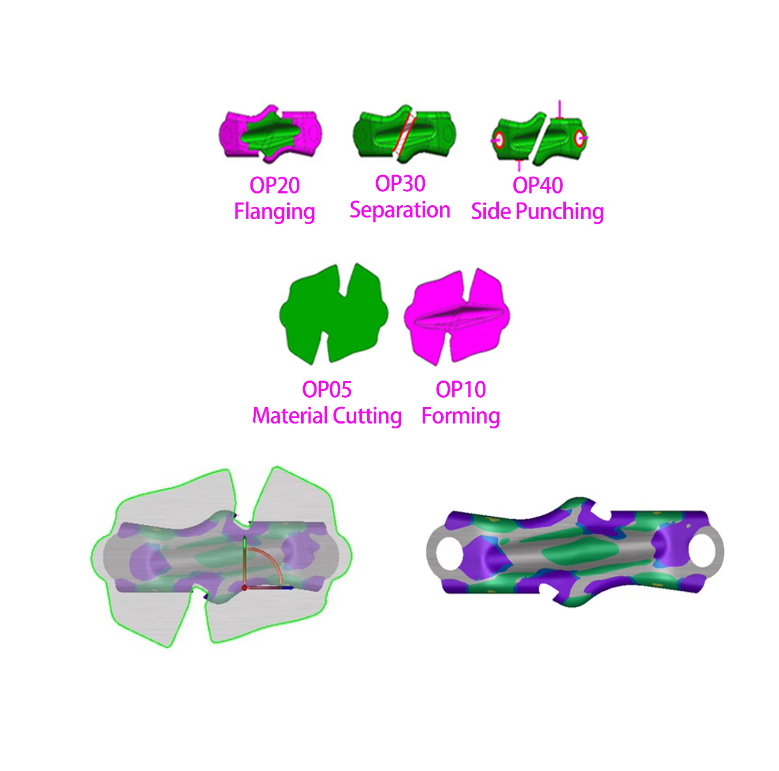
The Complete Custom Machining Process Flow
You've learned about materials, tolerances, and industry requirements. But what actually happens after you submit your design files? This is where many shops keep things vague—and where understanding the complete journey from CAD file to finished component helps you set realistic expectations and avoid costly surprises.
The production process for cnc machined parts follows a structured sequence of interdependent stages. Each step builds upon the previous one, and skipping or rushing any phase risks quality problems downstream. Let's walk through exactly what happens behind the scenes.
From CAD File to Finished Component
According to machining process experts, creating a flawless part with accurate measurements requires thoughtful planning, skilled engineering, and dedicated craftsmanship. Here's the complete workflow your project follows:
- Design Submission and Initial Review – Your journey begins when you upload CAD files (typically STEP, IGES, or native formats) along with technical drawings specifying critical dimensions, tolerances, and surface finish requirements. Engineers review your files for completeness, checking that all necessary specifications are documented.
- Design for Manufacturability (DFM) Analysis – This is where experienced shops add real value. Engineers evaluate your design against manufacturing constraints, identifying features that might be impossible to machine, unnecessarily expensive, or prone to quality issues. You'll receive feedback on potential improvements—perhaps suggesting a larger corner radius to reduce machining time or recommending a material substitution that machines faster without sacrificing performance.
- Quotation and Order Confirmation – Based on the DFM review, you receive detailed pricing covering materials, primary machining operations, secondary processes, and any special requirements. Once approved, your order enters the production queue.
- Material Procurement and Preparation – Raw material is sourced with appropriate certifications for your application. According to manufacturing specialists, large sheets, bars, or billets are reduced to manageable dimensions suitable for machining. This preparation phase ensures your parts start with properly sized blanks—critical because improperly prepared material causes errors throughout production.
- CAM Programming – CAM software translates your CAD model into precise machine instructions. Programmers determine the exact movements that cutting tools will follow, optimizing toolpaths for efficiency while maintaining accuracy. Think of this as choreographing a complex dance where every movement must be carefully planned.
- Primary Machining Operations – This is where your component takes physical shape. Depending on your part geometry, operations might include CNC milling for complex 3D features, turning for cylindrical elements, or drilling for precision holes. Modern multi-axis machines can complete complex parts in single setups, minimizing handling and maintaining tighter tolerances.
- Secondary Operations and Finishing – After primary machining, parts often require additional processing. Deburring removes sharp edges produced by cutting tools. Surface treatments like anodizing, plating, or painting provide corrosion resistance and aesthetic improvements. Heat treatment may be applied to achieve specific hardness requirements.
- Final Inspection and Documentation – Before shipment, dimensional verification confirms all specifications are met. Calipers, micrometers, or coordinate measuring machines (CMMs) verify that parts fall within specified tolerances. Quality control ensures each component fulfills the promise of precision.
- Packaging and Delivery – Approved parts are carefully packaged to prevent damage during transit and shipped according to your specified timeline.
Quality Checkpoints Throughout Production
Here's what separates professional operations from shops that simply make parts: quality isn't just a final inspection—it's embedded throughout every stage. Statistical Process Control (SPC) plays a central role in monitoring production consistency, catching deviations before they produce defective parts.
During machining, operators continuously monitor tool wear, coolant flow, and dimensional accuracy. According to manufacturing process research, automation is important, but human expertise remains essential for adapting to unforeseen challenges. A skilled machinist recognizes when a tool is approaching wear limits before it affects part quality.
Control charts track critical dimensions in real-time. When measurements trend toward control limits—even while still within specification—operators take corrective action. This proactive approach prevents defects rather than simply detecting them after production.
For acrylic cnc machining and other specialty materials, additional considerations apply. Thermoplastics require careful attention to cutting speeds and coolant application to prevent melting or surface damage. A reliable cnc acrylic service maintains specific protocols for these temperature-sensitive materials.
Material traceability runs throughout the entire process. From mill certifications through final inspection reports, documentation creates an unbroken chain connecting your finished parts to their raw material origins—essential for aerospace, medical, and automotive applications where full traceability is mandatory.
Rapid Prototyping and Production Scaling
How do modern facilities deliver prototypes with lead times as fast as one working day while maintaining quality standards? The answer lies in streamlined workflows and dedicated rapid response capabilities.
According to rapid prototyping specialists, traditional prototyping methods often require weeks or even months of lead time. With rapid prototyping techniques, parts can be produced in a matter of hours or days—a significant improvement that accelerates product development cycles.
For machining nylon, delrin, and other engineering plastics, rapid turnaround is particularly achievable because these materials machine quickly with standard tooling. Metal prototypes may require slightly longer timelines depending on complexity, but experienced facilities can still deliver remarkably fast results when your schedule demands it.
The real magic happens in scaling from prototype to production. Facilities like Shaoyi Metal Technology demonstrate how this transition works seamlessly. With IATF 16949 certification and strict Statistical Process Control protocols, they maintain consistent quality whether producing five prototype units or five thousand production components. Their capability for rapid lead times—as fast as one working day for urgent prototypes—doesn't compromise the precision required for complex chassis assemblies or custom metal bushings.
What enables this scalability? Several factors combine:
- Standardized processes that work identically at any volume
- Flexible equipment capacity allowing quick response to changing demands
- Documented procedures ensuring consistency regardless of which operator or machine produces your parts
- Quality systems that scale proportionally with production volume
Understanding this complete process flow—from your initial file submission through packaged delivery—positions you to ask the right questions when evaluating potential manufacturing partners. Which brings us to the critical decision: how do you choose the right shop for your specific requirements?
How to Choose the Right Custom Machining Partner
You've navigated the complete journey—from understanding CNC processes and materials to grasping tolerance requirements and industry-specific standards. Now comes the decision that determines whether your project succeeds or becomes an expensive lesson: selecting the right manufacturing partner. Searching for "cnc machining near me" or "cnc shop near me" returns dozens of options, but how do you separate genuinely capable facilities from those that simply promise what you want to hear?
According to 3ERP's supplier selection guide, choosing a CNC machining service involves more than just comparing prices. It requires thorough evaluation of experience, equipment, material availability, certifications, lead times, and communication effectiveness. Let's break down exactly what to look for—and what should send you running in the opposite direction.
Essential Capabilities to Evaluate
When vetting potential partners, whether you're browsing "cnc services near me" or evaluating overseas suppliers, use this comprehensive checklist to assess their true capabilities:
- Relevant Industry Certifications – ISO 9001 serves as the baseline for quality management systems. For automotive applications, IATF 16949 certification is non-negotiable—it demonstrates systematic approaches to defect prevention and continuous improvement. Aerospace projects require AS9100D certification. According to certification specialists, these aren't just fancy badges—they're your assurance that the company has undergone rigorous audits to prove their competence.
- Equipment Capabilities and Range – A service with diverse, high-tech machinery can handle an array of projects. Ask specifically about 3-axis, 4-axis, and 5-axis CNC machining centers. Can they perform both milling and turning operations? Do they have EDM capabilities for hardened materials? The variety and quality of machinery can make or break your project.
- Quality Control Systems – Look beyond certifications to understand their actual inspection processes. Do they employ Statistical Process Control (SPC) to monitor production consistency? What measurement equipment do they use—calipers, CMMs, or optical comparators? Robust quality control means regular checks during production, not just final inspection before shipping.
- Material Sourcing and Expertise – Not all machining shops near me will have the exact material you require. Ask whether they can source your specified alloys or engineering plastics readily. Delays in material procurement can extend lead times and increase costs significantly.
- Lead Time Reliability – Understanding typical turnaround times is crucial. According to industry research, extended lead times can stall projects and cause financial losses. Ask about expedited options for urgent requirements—and request references to verify their on-time delivery track record.
- Communication Responsiveness – An effective communication process means the provider can promptly address your queries, update you on progress, and quickly rectify any issues. Look for services offering transparent communication channels and regular progress updates.
- Scalability – Can they handle your current prototype needs and scale to production volumes later? A partner that adapts to increased demand ensures your future growth isn't hampered by capacity limitations.
- Technical Expertise – According to supplier vetting specialists, technical capabilities extend beyond operating machines. Evaluate their ability to understand complex designs, use CAD/CAM software, and provide meaningful DFM feedback.
For example, facilities like Shaoyi Metal Technology demonstrate what comprehensive capabilities look like in practice. Their IATF 16949 certification, strict SPC quality control, and ability to deliver lead times as fast as one working day make them a strong contender for automotive machining projects—from complex chassis assemblies to precision metal bushings. This combination of certification, quality systems, and responsive delivery represents the standard you should expect from serious manufacturing partners.
Red Flags When Vetting Suppliers
Knowing what to look for is only half the battle. Recognizing warning signs during your evaluation can save you from costly mistakes down the road. Watch for these red flags when searching local machine shops or machinist shops near me:
- Vague or Missing Certifications – If a shop claims "quality-focused" but cannot produce current certification documentation, proceed with extreme caution. Legitimate certifications require annual audits and ongoing compliance—asking to see certificates is entirely reasonable.
- Reluctance to Provide References – Established CNC machine shops near me should readily offer customer references or case studies. Hesitation suggests either limited experience or dissatisfied past clients.
- Unusually Low Quotes – According to industry experts, the cheapest option is not always the best—quality should never be compromised for cost. Quotes significantly below competitors often indicate corners being cut on materials, inspection, or documentation.
- Poor Communication During Quoting – If a supplier struggles to respond promptly during the sales process—when they're motivated to impress you—imagine how communication will deteriorate once they have your order.
- No DFM Feedback – A shop that simply quotes your design without offering any manufacturability suggestions either lacks technical depth or doesn't care about your project's success.
- Unwillingness to Discuss Quality Processes – Professional facilities take pride in their quality systems. Evasive answers about inspection methods, calibration schedules, or corrective action procedures suggest inadequate controls.
- Unclear Pricing Structures – Hidden fees for setup, programming, or expediting should be disclosed upfront. Suppliers who bury costs in fine print create budget surprises that damage long-term relationships.
- No Evidence of Continuous Improvement – According to manufacturing experts, services following continuous improvement practices regularly analyze and optimize their processes. Ask what improvements they've implemented recently—ongoing investment signals a committed partner.
Making Your Final Decision
After evaluating multiple options—whether custom machining services inc or smaller specialized shops—synthesize your findings using a structured approach:
| Evaluation Criteria | Weight | What to Verify |
|---|---|---|
| Relevant Certifications | High | Request copies of current certificates; verify audit dates |
| Equipment Capabilities | High | Match their machinery to your part requirements |
| Quality Control Systems | High | Ask for process capability data on similar parts |
| Lead Time Track Record | Medium-High | Request on-time delivery statistics; check references |
| Communication Responsiveness | Medium | Evaluate response times during quoting process |
| Pricing Transparency | Medium | Compare itemized quotes; ask about potential additional fees |
| Scalability Potential | Medium | Discuss future volume scenarios; assess capacity flexibility |
Remember that a good partnership extends beyond meeting current needs. According to supplier selection experts, the partner you choose should also demonstrate the ability to meet your company's future demands, scale with your growth, and continually improve their service. The right custom machining partner becomes a strategic asset—not just a vendor filling purchase orders.
Start with a small test order when possible. This validates their capabilities, communication, and delivery performance before committing larger volumes. Even the most impressive facility tour or capability presentation cannot substitute for actual production experience with your specific requirements.
Your investment in thorough supplier vetting pays dividends throughout your product lifecycle. The right partner delivers consistent quality, meets deadlines reliably, and communicates proactively when challenges arise. That's the difference between a transactional supplier and a manufacturing partner who genuinely contributes to your success.
Frequently Asked Questions About Custom Machining
1. What is the hourly rate for a CNC machine?
CNC machining hourly rates typically range from $25 to $120 depending on machine type and complexity. 3-axis machines generally cost $25-$50 per hour, while 5-axis machines and specialized equipment like EDM command premium rates of $75-$120 per hour. Factors influencing rates include material hardness, tolerance requirements, and geographic location. For certified facilities offering IATF 16949 or AS9100D compliance, rates may be higher but include robust quality control and documentation.
2. What is the difference between CNC and conventional machining?
Conventional machining requires manual technician control of cutting tools, while CNC machining relies on computer automation to drive the process. CNC offers superior repeatability with tolerances as tight as ±0.0001 inches, faster production speeds, and the ability to produce complex 3D geometries impossible with manual methods. CNC also enables unattended operation and Statistical Process Control monitoring, making it ideal for precision components in automotive, aerospace, and medical applications.
3. When should I choose custom machining over 3D printing or injection molding?
Choose custom machining when you need full material strength without layer bonding weaknesses, tight tolerances beyond what 3D printers achieve, or material options like hardened steels and exotic alloys. CNC excels for prototypes through medium-volume production (1-5,000 units) where injection molding tooling costs aren't justified. For volumes exceeding 5,000 units with finalized designs, injection molding or die casting typically offers lower per-part costs despite higher upfront tooling investment.
4. What certifications should a custom machining supplier have?
Essential certifications depend on your industry. ISO 9001 serves as the baseline quality management standard. Automotive applications require IATF 16949, which mandates defect prevention and supplier oversight. Aerospace projects need AS9100D certification with risk management protocols. Medical device manufacturing requires ISO 13485 and FDA 21 CFR Part 820 compliance. Facilities like Shaoyi Metal Technology with IATF 16949 certification and SPC quality control demonstrate the systematic approach needed for demanding applications.
5. How can I reduce custom machining costs without sacrificing quality?
Optimize costs through Design for Manufacturability by specifying corner radii at least one-third of cavity depth for faster cutting. Apply tight tolerances only where function demands—standard ±0.005 inch tolerances cost nothing extra versus ±0.0005 inch adding 40-75% premium. Consider free-machining alloys like 303 stainless steel or aluminum 6061. Consolidate surface finish requirements to minimize masking. Request tiered pricing at multiple quantities to understand cost curves and identify optimal order sizes.