 Small batches, high standards. Our rapid prototyping service makes validation faster and easier —
  EN
EN


Machining Parts Decoded: From Raw Metal To Precision Components
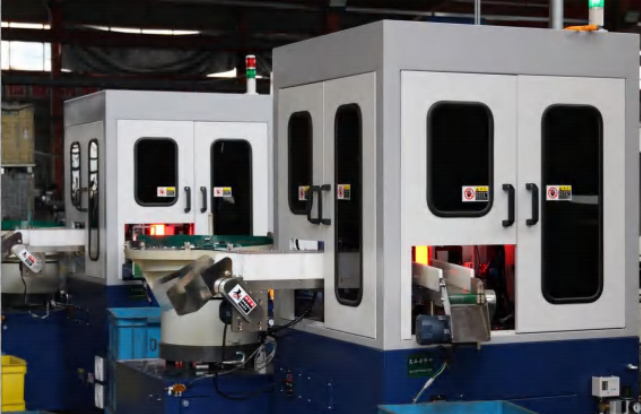
What Are Machining Parts and Why They Matter
Ever wondered how the engine in your car or the surgical tool in a hospital gets its precise shape? The answer lies in machining parts, the precision components that keep modern industry running smoothly.
Machining is a subtractive manufacturing process where material is systematically removed from a solid workpiece to create a finished component with precise dimensions and specifications.
Unlike 3D printing, which builds objects layer by layer, primary machining works in reverse. You start with more material than you need and carefully cut away everything that does not belong. Think of it like a sculptor chipping away at marble to reveal the statue within.
From Raw Material to Precision Component
The journey of machined parts begins with raw stock, whether that is a solid block of aluminum, a steel rod, or an engineering plastic. Computer-controlled cutting tools then systematically remove material according to precise digital instructions. The result? Components with tolerances measured in thousandths of an inch.
What makes this process remarkable is its versatility. According to 3ERP, machining processes work on an extensive range of materials including metals, plastics, wood, glass, and composites. This flexibility explains why machined components appear in virtually every industry you can imagine.
The Subtractive Manufacturing Principle
Here is a practical guideline many manufacturers use: if your design requires removing approximately 40% or more of the starting material, machining is likely your best manufacturing choice. Below that threshold, alternative methods like casting or forging might prove more economical.
The subtractive approach offers distinct advantages over additive manufacturing. Parts produced this way typically exhibit superior mechanical properties and require less post-processing. As noted by Xometry, subtractive manufacturing excels at large-scale production of relatively simple to moderately complex parts from a wide range of materials.
Why Material Removal Matters
Machining parts serve as the backbone of modern manufacturing across multiple sectors:
- Automotive: Engine components, gearbox cases, and suspension parts
- Aerospace: Airframe structures, landing gear, and engine components
- Medical: Surgical tools, orthopedic implants, and imaging equipment parts
- Consumer electronics: Smartphone cases, laptop housings, and heat sinks
The precision achievable through machining, often reaching tolerances of 0.001 inches or tighter, simply cannot be matched by most other manufacturing methods. This level of accuracy ensures that critical components fit together perfectly and function reliably under demanding conditions.
Understanding what machining is and how these processes work gives you the foundation to make smarter decisions about component manufacturing, whether you are designing a prototype or planning full-scale production.
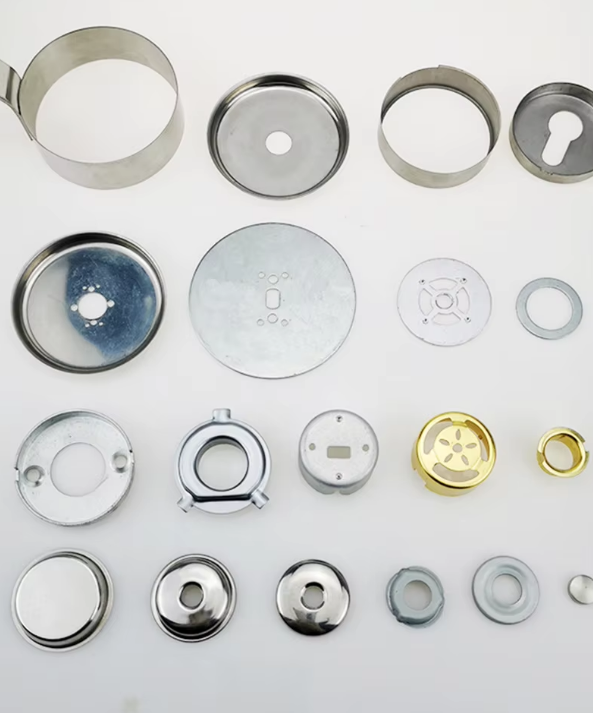
Essential Machining Processes Explained
Now that you understand what machining parts are, the next question becomes: which process should you use? The answer depends entirely on your part geometry, material, and precision requirements. Let us break down the primary machining processes so you can make informed decisions.
CNC Milling Versus Turning Operations
Imagine the difference between a potter shaping clay on a spinning wheel versus a sculptor carving a block of stone. That fundamental distinction captures the essence of CNC turning versus CNC milling.
In CNC turning, the workpiece rotates while a stationary cutting tool removes material. According to Unionfab, this process excels at producing axially symmetric parts like shafts, bolts, and pulleys with excellent surface finishes. When you need cylindrical or conical shapes, a cnc turning service delivers speed and precision that other methods simply cannot match.
CNC milling works differently. Here, the cutting tool rotates while the workpiece remains stationary or moves along multiple axes. This arrangement allows for incredible versatility in creating complex 3D geometries, slots, pockets, and intricate contours. A cnc cutting machine programmed for milling operations can tackle everything from flat surfaces to detailed engravings.
Which should you choose? Consider these guidelines:
- Choose turning when your part exhibits rotational symmetry or requires external cuts on cylindrical shapes
- Choose milling when your design features non-rotationally symmetric shapes, complex contours, or requires slots and pockets
- Consider both when your part needs elements of each, many modern machining centers combine turning and milling capabilities
When Swiss Machining Becomes Essential
What happens when you need parts that are both tiny and incredibly precise? Standard lathes struggle with small-diameter components because the material tends to flex and vibrate during cutting. This is where swiss machining enters the picture.
A Swiss lathe operates on a fundamentally different principle. As explained by Xometry, the workpiece is supported by a guide bushing positioned extremely close to the cutting area. This design reduces vibrations dramatically and enables the machining of components with higher aspect ratios and tighter tolerances.
Swiss machining shines in specific applications:
- Medical devices: Surgical instruments, dental implants, and orthopedic components
- Aerospace: Aircraft fasteners, hydraulic fittings, and sensor housings
- Electronics: Connector pins, sockets, and contact probes
The precision achievable through this process is remarkable. Swiss machines can maintain diametral tolerances of +/- 0.0004 mm on small, flex-vulnerable parts. Additionally, multiple tools work simultaneously, making precision machining services using Swiss technology both faster and more cost-effective for high-volume production of small components.
Specialized Processes for Challenging Materials
Not every machining challenge can be solved with milling or turning alone. Several specialized processes address specific manufacturing needs:
Drilling creates precise holes through the workpiece. While it sounds simple, achieving accurate hole placement, proper depth-to-diameter ratios, and clean finishes requires careful tool selection and process parameters.
Grinding uses abrasive wheels to achieve exceptional surface finishes and tight tolerances. When your cnc milled parts need that extra level of precision or a mirror-like finish, grinding becomes the finishing operation of choice.
Electrical Discharge Machining (EDM) removes material using electrical sparks rather than mechanical cutting. This process excels when working with extremely hard materials or creating intricate internal features that conventional tools cannot reach. EDM is particularly valuable for tool and die making, where hardened steel components are the norm.
| Process Name | Best Applications | Typical Tolerances | Material Compatibility | Ideal Part Geometry |
|---|---|---|---|---|
| CNC Milling | Complex 3D shapes, slots, pockets, contours | ±0.001" to ±0.005" | Metals, plastics, composites | Prismatic, non-symmetric |
| CNC Turning | Shafts, pins, bushings, threaded parts | ±0.001" to ±0.005" | Metals, some plastics | Cylindrical, rotationally symmetric |
| Swiss Machining | Small precision parts, medical devices, connectors | ±0.0002" to ±0.001" | Stainless steel, brass, titanium, plastics | Small diameter, high aspect ratio |
| Drilling | Hole creation, tapping, reaming | ±0.002" to ±0.005" | Most machinable materials | Cylindrical holes |
| Grinding | Surface finishing, tight tolerance features | ±0.0001" to ±0.001" | Hardened metals, ceramics | Flat or cylindrical surfaces |
| EDM | Hard materials, complex internal features | ±0.0002" to ±0.001" | Electrically conductive materials | Intricate cavities, sharp corners |
Understanding these distinctions helps you select the right process from the start. Many cnc turning services and machining shops offer multiple capabilities under one roof, allowing them to recommend the optimal approach for your specific part requirements. The key is matching your design needs with the strengths of each process, balancing precision, speed, and cost for your production volumes.
Material Selection for Machined Components
Choosing the right material is half the battle in machining. You can have the perfect design and the most advanced equipment, but select the wrong material and you will face excessive tool wear, poor surface finishes, or costs that blow your budget. Let us explore the materials that machine shops work with daily and what makes each one unique.
Metals That Machine Like Butter
When machinists talk about materials that "machine like butter," they are referring to machinability ratings. According to Machining Doctor, machinability is rated as a percentage relative to SAE 1112 steel (the baseline at 100%). Higher percentages mean easier cutting, longer tool life, and lower production costs.
Here is how common metals stack up:
- Aluminum alloys (200-400% machinability): The undisputed champion of easy machining. Excellent thermal conductivity dissipates heat quickly, reducing tool wear. Ideal for aerospace components, heat sinks, and consumer electronics housings.
- Brass (100-200% machinability): Cuts cleanly with minimal burring. The copper-zinc alloy produces short chips that clear easily. Perfect for electrical connectors, decorative hardware, and plumbing fittings.
- Free-cutting steel SAE 12L14 (170% machinability): Lead content improves chip breaking dramatically. Commonly used for high-volume fasteners and fittings where surface finish matters.
- Carbon steel (50-70% machinability): The workhorse of industrial machining. Balance of strength, cost, and workability makes it suitable for structural components and machinery parts.
- Stainless steel 303 (60% machinability): Sulfur additions improve cutting characteristics compared to other stainless grades. Used extensively in food processing equipment and marine applications.
- Stainless steel 316 (36% machinability): More challenging to machine but offers superior corrosion resistance. Essential for medical devices and chemical processing equipment.
- Titanium Ti-6Al-4V (20-25% machinability): Notoriously difficult but irreplaceable when strength-to-weight ratio matters. Aerospace and medical implant applications justify the added machining costs.
What about zinc alloy metal and machining bronze? Zinc alloys typically machine well, falling in the 80-120% range, making them popular for die-cast parts requiring secondary machining operations. Bronze presents an interesting case. While phosphor bronze machines reasonably well at around 65% machinability, it generates significant tool wear due to its abrasive nature. Proper coolant selection and carbide tooling help manage these challenges when machining bronze components for bearings and bushings.
Engineering Plastics for Precision Applications
Plastics offer advantages metals simply cannot match. According to Hubs, CNC machining plastics provides lighter weight, lower cost, faster machining times, and reduced tool wear compared to metals.
However, plastics bring their own challenges. Heat sensitivity can cause melting or deformation. Some materials absorb moisture, causing dimensional changes over time. Understanding these characteristics helps you select the right plastic for your application.
Delrin plastic (also known as polyacetal delrin or POM) stands out as the go-to choice for precision mechanical components. This delrin material offers:
- Exceptional dimensional stability
- Low friction coefficient ideal for gears and bearings
- Excellent moisture resistance
- Outstanding machinability with clean chip formation
When machining nylon, you will encounter a material beloved for its toughness and wear resistance. Nylon for machining applications includes everything from bushings to structural components. The catch? Nylon absorbs moisture from the atmosphere, which can affect tight tolerance work. Many shops machine nylon slightly undersized to compensate for post-machining swelling.
Polycarbonate delivers impact resistance that few plastics can match. CNC polycarbonate machining produces transparent or translucent components for optical applications, safety shields, and electronic housings. The material machines cleanly but requires attention to heat buildup to prevent surface crazing.
Acrylic (PMMA) provides optical clarity approaching glass at a fraction of the weight. Display covers, light diffusers, and signage often rely on machined acrylic components. The material cuts beautifully but is more brittle than polycarbonate.
PEEK represents the high-performance end of engineering plastics. With strength approaching some metals and excellent chemical resistance, PEEK commands premium pricing but proves irreplaceable in demanding aerospace and medical applications.
Specialty Alloys and Their Unique Challenges
Some applications demand materials that push machining capabilities to their limits. Specialty alloys offer exceptional properties but require specialized knowledge and tooling.
Kovar is an iron-nickel-cobalt alloy specifically designed for glass-to-metal seals. Its thermal expansion closely matches borosilicate glass, making it essential for hermetic electronic packages and vacuum tube components. Machinability falls in the 40-50% range, requiring careful attention to cutting speeds and tool selection.
Nitronic 60 presents a fascinating machining challenge. According to High Performance Alloys, this nitrogen-strengthened stainless steel rates at just 24% machinability in annealed condition. The material work hardens rapidly during machining and produces stringy, tough chips. However, its exceptional galling resistance and strength make it invaluable for valve components, fasteners, and wear-resistant parts.
Machining data for Nitronic 60 recommends:
- Roughing: 175 SFM with 0.15" depth and 0.015"/rev feed
- Finishing: 200 SFM with 0.025" depth and 0.007"/rev feed
- Carbide tooling (C-2 for roughing, C-3 for finishing)
- Rigid machine setup to minimize chatter
Inconel and other nickel-based superalloys represent the extreme end of machining difficulty. Inconel 718 rates at just 10-12% machinability when aged, yet remains essential for jet engine components and high-temperature applications where nothing else survives.
The relationship between material properties and production costs is straightforward: as machinability decreases, tool wear increases, cutting speeds drop, and cycle times grow. A part machined from free-cutting aluminum might cost a fraction of an identical design in titanium, not because of material cost alone, but because of the dramatic difference in machining time and tooling consumption.
Understanding these material characteristics positions you to make smarter decisions about balancing performance requirements against manufacturing economics. The right material choice considers not just what the part needs to do, but how efficiently it can be produced.
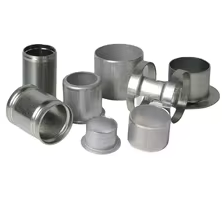
Tolerances and Surface Finish Specifications
You have selected the right process and material for your precision machined parts. Now comes a decision that can make or break your budget: how tight do your tolerances really need to be? Many engineers default to specifying the tightest tolerances possible, thinking tighter equals better. But here is the manufacturing reality that might surprise you.
Understanding Tolerance Grades in Practice
Tolerances define the acceptable variation in a dimension. When you specify a hole diameter of 0.500 inches with a ±0.005 inch tolerance, you are telling the machinist that anything between 0.495 and 0.505 inches is acceptable.
According to Modus Advanced, the relationship between tolerance and manufacturing complexity is not linear. It is exponential. That 0.001 inch tolerance you just specified might have doubled your part cost and tripled your lead time.
Precision machined components fall into distinct tolerance categories, each with different manufacturing implications:
- Standard tolerances (±0.005 inch): Achievable with conventional machining processes under normal conditions. No special equipment or environmental controls required.
- Precision tolerances (±0.001 inch): Requires precision machining equipment, careful process control, and experienced operators. Temperature variations become a concern.
- Ultra-precision tolerances (±0.0001 inch): Demands temperature-controlled environments, thermal stabilization of machines, and specialized inspection protocols. Reserved for optical components, aerospace critical parts, and high-performance instrumentation.
What happens when you specify tighter tolerances? The manufacturing process becomes iterative. Cut, measure, adjust, repeat. A precision machining part that could be completed in one setup at standard tolerances might require multiple passes and intermediate inspections at tighter specifications.
Surface Finish and Functional Performance
Surface finish describes the texture of a machined surface, typically measured in Ra (roughness average) values expressed in microinches or micrometers. But surface finish is more than aesthetics. It directly affects how your precision cnc machined components perform in service.
Consider these practical implications:
- Sealing surfaces: Too rough and gaskets cannot seal properly. Too smooth and adhesives may not bond effectively.
- Bearing surfaces: Appropriate roughness holds lubricant in microscopic valleys while smooth peaks minimize friction.
- Fatigue life: Rougher surfaces create stress concentrations that can initiate cracks under cyclic loading.
- Assembly interfaces: Mating surfaces need compatible finishes for proper fit and function.
Common Ra values and their typical applications include:
- 125-250 Ra: Rough machining, non-critical surfaces, material removal operations
- 63-125 Ra: Standard machined surfaces, general mechanical components
- 32-63 Ra: Good finish for precision mechanical parts, bearing surfaces
- 16-32 Ra: Fine finish for hydraulic components, sealing surfaces
- 8-16 Ra: Very fine finish requiring grinding or polishing operations
- Below 8 Ra: Mirror finishes for optical applications, specialized grinding and lapping
The Cost-Tolerance Relationship
Here is where the economics become eye-opening. Manufacturing costs increase exponentially as tolerances tighten. The following table illustrates what this means for your high-quality precision machined parts:
| Tolerance Level | Typical Range | Cost Multiplier | Required Methods | Common Applications |
|---|---|---|---|---|
| Rough | ±0.030 inch | 1x (baseline) | Standard milling/turning | Non-critical features, material removal |
| Standard | ±0.005 inch | 1.5-2x | Conventional CNC machining | General mechanical components |
| Precision | ±0.001 inch | 3-4x | Precision equipment, climate control | Bearing fits, critical interfaces |
| Ultra-Precision | ±0.0001 inch | 20-24x | Specialized grinding, temperature-controlled facility | Optical components, aerospace critical |
These multipliers reflect more than just machining time. Tighter tolerances affect every aspect of production:
- Machine selection: Precision work requires equipment with better repeatability and thermal stability
- Environmental controls: A 300 mm aluminum part expands approximately 0.003 inch for every 10°C temperature change
- Inspection requirements: Complex measurements take significantly longer than simple dimensional checks
- Scrap rates: Process capability that easily meets ±0.005 inch struggles at ±0.001 inch specifications
- Lead times: Iterative machining and inspection cycles extend production schedules
The smartest approach? Develop a tolerance hierarchy based on functional importance. Critical dimensions affecting assembly fit, sealing performance, or safety deserve tight control. Non-critical dimensions for material removal, aesthetic features, or clearance areas can accept looser tolerances without functional impact.
Ask yourself these questions before specifying tight tolerances:
- What does this dimension actually control functionally?
- How does variation affect part performance?
- Can material compliance or assembly adjustment accommodate variation?
- Is this tolerance tighter than expected thermal variation during use?
The most expensive tolerance is often the one that provides no functional benefit. Understanding this relationship transforms your approach to design for manufacturability and positions you to get the precision you need without paying for precision you do not.
Machining Compared to Alternative Manufacturing Methods
Here is a question most machining guides avoid: when should you NOT use machining? The truth is, CNC machining is not always the best answer. Sometimes injection molding, 3D printing, casting, or forging delivers better results at lower costs. Understanding when to choose each method separates smart manufacturing decisions from expensive mistakes.
Machining Versus Injection Molding Economics
Imagine you need 10,000 identical plastic housings. Would you machine each one individually, or create a mold and produce them all in minutes? The answer depends on where you are in the product lifecycle and how many parts you need.
According to RP World, injection molding makes economic sense when part quantities start from around 1,000 pieces. The catch? You are looking at 3-5 weeks of lead time compared to 1-2 weeks for machining. That mold also represents a significant upfront investment, often exceeding several thousand dollars depending on complexity.
Custom machined parts shine in different scenarios:
- Prototyping and design iteration: Change your design tomorrow without scrapping expensive tooling
- Low to medium volumes: When quantities stay below 500-1,000 pieces, machining often wins economically
- Material flexibility: Switch from aluminum to steel to titanium without retooling
- Precision requirements: CNC fabrication achieves tighter tolerances than most molding processes
The crossover point varies by part complexity and material. Simple geometries in common plastics favor molding at lower quantities. Complex custom metal parts with tight tolerances push that threshold much higher.
When 3D Printing Beats Traditional Machining
3D printing and CNC prototyping seem like natural competitors, but they actually complement each other remarkably well. The key is understanding where each excels.
According to The Steel Printers, metal 3D printing becomes the more cost-effective option for small production batches, especially when design variation is involved. The technology requires no tooling and minimal setup time compared to traditional methods.
Choose 3D printing when:
- Complexity is extreme: Internal channels, lattice structures, and geometries impossible to machine
- Quantities are in the single digits: One-off prototypes or highly customized parts
- Weight reduction matters: Topology-optimized designs that machining cannot produce
- Material waste concerns you: Additive processes use only the material needed, while machining removes and discards excess
However, CNC machining maintains clear advantages in other areas:
- Surface finish quality: Machined parts typically require less post-processing
- Dimensional accuracy: CNC achieves tolerances of +/-0.001mm, significantly better than most 3D printing processes
- Material selection: Virtually any metal or plastic can be machined; 3D printing material options remain more limited
- Speed at moderate volumes: Once setup is complete, machining produces parts faster for quantities above a few dozen
Casting and Forging as Viable Alternatives
Parts manufacturing extends well beyond chip-making processes. Casting and forging represent time-tested alternatives that dominate specific applications.
Casting pours liquid metal into molds to create complex shapes in a single operation. According to QC Forge, the process produces a wide variety of complex shapes and sizes economically, with quantities ranging from as few as one to millions of units.
Choose casting when:
- Part geometry is highly complex with internal features
- Production volumes justify mold investment
- Material properties of cast alloys meet your requirements
- Some porosity and dimensional variation are acceptable
Forging takes a fundamentally different approach. The process hammers or presses solid metal into shape, creating parts with superior mechanical properties. The physical deformation crushes voids, disperses impurities, and drives dynamic recrystallization that improves fatigue resistance and impact toughness.
Forging makes sense when:
- Structural integrity is paramount (safety-critical components)
- Fatigue life and impact resistance matter
- Part geometry is relatively simple
- Premium mechanical properties justify higher costs
Many machine parts manufacturing operations combine these methods. A forged blank might receive precision machining to achieve final dimensions. A casting might need machined surfaces for bearing fits or sealing interfaces. Custom parts manufacturing rarely relies on a single process from start to finish.
| Method | Ideal Volume Range | Geometric Complexity | Material Options | Typical Lead Time | Cost Per Part (Low Volume) | Cost Per Part (High Volume) |
|---|---|---|---|---|---|---|
| CNC Machining | 1-1,000 | Moderate to high | Extensive (metals, plastics, composites) | 1-2 weeks | $$$ | $$$ |
| Injection Molding | 1,000-1,000,000+ | High (with draft angles) | Thermoplastics primarily | 3-5 weeks | $$$$$ (tooling) | $ |
| 3D Printing (Metal) | 1-100 | Very high (internal features) | Limited but growing | Days to 2 weeks | $$ | $$$$ |
| Casting | 100-100,000+ | Very high | Most metals | 4-8 weeks | $$$$ | $ |
| Forging | 100-100,000+ | Low to moderate | Common alloys only | 4-10 weeks | $$$$ | $$ |
The honest truth about process selection? There is no universal winner. A design engineer building custom machined parts for prototype validation faces completely different economics than a production manager ordering 50,000 units annually. The smartest approach considers your specific volume, complexity, material requirements, and timeline rather than defaulting to any single method.
Understanding these tradeoffs positions you to have productive conversations with manufacturing partners. Rather than asking "can you machine this?" you can ask "what is the most cost-effective way to produce this part at my volumes?" That shift in perspective often reveals solutions you might never have considered.

Design Guidelines for Machined Parts
You have selected your process, chosen your material, and specified appropriate tolerances. Now comes the step that separates smooth production runs from costly delays: designing your machined part so it can actually be manufactured efficiently. The decisions you make at the CAD stage directly determine how long your part takes to machine, how quickly tools wear out, and ultimately what you pay per piece.
Critical Design Rules for Cost-Effective Parts
Think of design for manufacturability as speaking the same language as your machine shop. When your cnc machined components follow established guidelines, machinists can use standard tooling, minimize setups, and keep your parts moving through production without interruption.
According to Summit CNC, following these core principles keeps your machined components cost-effective:
- Wall thickness minimums: Keep all walls greater than 0.02 inches for metals and 1.5 mm for plastics. Thin walls become brittle, vibrate during cutting, and frequently break.
- Internal corner radii: Design radii of at least 0.0625 inches (1/3 times the cavity depth) into all internal vertical corners. Sharp 90-degree corners are virtually impossible to machine since cutting tools are cylindrical.
- Pocket depth limits: Limit cavity depths to no more than 4 times the cavity width. Deeper pockets require long-reach tools that increase vibration, reduce accuracy, and drive up costs.
- Hole depth-to-diameter ratios: Standard drilling works reliably up to 4 times the hole diameter. Deeper holes up to 10 times diameter are typical with specialized drill bits, while anything beyond requires expert techniques.
- Chamfers over fillets: Use chamfers instead of fillets on external edges whenever possible. Machining fillets requires complex 3D tool paths, while chamfers cut quickly with standard chamfer mills.
- Thread specifications: Design threads M6 or larger when possible, as CNC threading tools work efficiently at these sizes. Thread engagement of 3 times the nominal diameter provides full strength without unnecessary depth.
Avoiding Common Design Mistakes
Sounds straightforward? Here is where many designers stumble. According to Hubs, certain design choices create manufacturing headaches that inflate costs and extend lead times:
Deep pockets with tiny corner radii represent one of the most expensive mistakes. When your pocket depth exceeds 6 times the smallest corner radius, machinists must use long-reach cutting tools susceptible to breakage. The result? Slower cutting speeds, more tool changes, and higher costs.
Complex aesthetic features that serve no functional purpose add machining time without adding value. That decorative pattern might look impressive in your CAD model, but it could double your production costs. Design for functionality first, then add aesthetic elements only where truly necessary.
Non-standard tolerances everywhere forces excessive inspection and adjustment cycles. As noted by American Micro Industries, specifying non-critical tolerances tighter than +/- 0.005 inches requires new tools and extra setup time. Reserve tight tolerances for features that genuinely need them.
Poor tool access creates impossible machining situations. Every feature on your machined part must be reachable by a cutting tool approaching from above. Features hidden behind walls or tucked into inaccessible corners simply cannot be machined without creative workarounds that add cost.
Undercuts without proper clearance cause tool interference problems. If your design requires undercuts on internal walls, add clearance equal to at least 4 times the undercut depth between the machined wall and any other internal surface.
Optimizing Geometry for Production Efficiency
Beyond avoiding mistakes, proactive optimization can dramatically reduce your production costs and lead times. Consider these strategies when finalizing your machine components:
Minimize machine setups. Every time the workpiece gets repositioned, production time increases and positional accuracy can shift. According to American Micro Industries, parts requiring more than three or four setups may need redesigns. Align your main features with the six principal directions (top, bottom, and four sides) so most operations complete in minimal setups.
Use standard tool sizes. Designing features that align with standard drill sizes, thread pitches, and cutter diameters eliminates custom tooling requirements. This single practice can shave days off your lead time and significant dollars off your quote.
Design for the largest practical tool diameter. A feature that can be machined with a 0.5-inch end mill cuts faster and more accurately than one requiring a 0.125-inch tool. Larger tools are stiffer, vibrate less, and remove material more efficiently.
When communicating with machine shops about your custom mechanical components, provide more than just a CAD file. Include:
- Technical drawings specifying threads, critical tolerances, and surface finish requirements
- Material specifications including grade and condition
- Quantity requirements and expected annual volumes
- Functional notes explaining which features are critical versus cosmetic
The payoff for thoughtful design extends beyond unit cost. Well-designed cnc machine components quote faster, produce with fewer quality issues, and ship sooner. That prototype you need next week? Design it for manufacturability and you might actually get it on time.
Quality Control and Industry Certifications
You have designed your part for manufacturability and specified appropriate tolerances. But how do you know the finished components actually meet those specifications? This is where quality control transforms from paperwork into the critical safeguard that separates precision machined metal parts from expensive scrap.
Inspection Methods That Ensure Precision
Imagine receiving a shipment of precision machine parts only to discover during assembly that critical dimensions are off. That nightmare scenario is exactly what robust inspection protocols prevent. Modern machining facilities employ multiple verification methods, each suited to different measurement challenges.
Coordinate Measuring Machines (CMM) represent the gold standard for dimensional verification. These computer-controlled systems use a touch probe to measure precise points on a part surface, building a complete 3D map of the component geometry. CMM inspection can verify complex features, hole positions, and geometric relationships that would be impossible to check with handheld tools.
Surface profilometry measures the microscopic texture of machined surfaces. Remember those Ra values we discussed earlier? Profilometers drag a stylus across the surface, recording peaks and valleys to calculate actual roughness values. This verification ensures your sealing surfaces, bearing interfaces, and aesthetic finishes meet specification.
Hardness testing confirms that heat treatment processes achieved the required material properties. Whether using Rockwell, Brinell, or Vickers methods, hardness verification catches material issues before parts enter service where inadequate hardness could lead to premature wear or failure.
Dimensional verification using calibrated gauges, micrometers, and calipers provides rapid checks for critical dimensions. While less comprehensive than CMM inspection, these tools enable efficient in-process verification that catches problems before entire batches go out of spec.
Precision machined parts manufacturers typically combine these methods strategically. First-article inspection using CMM validates the production setup. In-process checks with handheld gauges monitor ongoing quality. Final inspection confirms shipment-ready parts meet all specifications.
Quality Certifications Decoded
When evaluating precision cnc machining services, you will encounter various certifications. But what do these acronyms actually guarantee? Understanding their scope helps you select suppliers appropriate for your industry requirements.
- ISO 9001 - General Manufacturing: The internationally recognized baseline for quality management systems. According to American Micro Industries, ISO 9001 establishes core principles including customer focus, process approach, continual improvement, and evidence-based decision-making. This certification demonstrates that a facility documents workflows, monitors performance metrics, and addresses nonconformities with corrective action.
- AS9100 - Aerospace CNC Machining: Builds upon ISO 9001 with aerospace-specific requirements. This standard emphasizes risk management, stringent documentation, and product integrity control throughout complex supply chains. Medical machining facilities serving aerospace customers must maintain full traceability and meet demanding expectations that go well beyond general manufacturing.
- ISO 13485 - Medical Devices: The definitive quality management standard for medical device manufacturing. This certification outlines strict controls over design, manufacturing, traceability, and risk mitigation. Facilities holding ISO 13485 implement detailed documentation practices, thorough quality checks, and effective complaint and recall handling procedures.
- IATF 16949 - Automotive Applications: The global standard for automotive quality management, combining ISO 9001 principles with sector-specific requirements for continuous improvement, defect prevention, and stringent supplier oversight. Automotive manufacturers mandate this certification to ensure consistent, defect-free parts and reliable supply chain performance.
- NADCAP - Special Processes: The National Aerospace and Defense Contractors Accreditation Program focuses specifically on special processes like heat treating, chemical processing, and nondestructive testing. Unlike general quality certifications, NADCAP accreditation examines process-specific controls to validate that manufacturers can consistently perform specialized operations at the highest standard.
Certifications matter because they provide independent validation. According to American Micro Industries, certified processes mean the methods and equipment themselves are held to documented standards, promoting consistency from one batch to the next. The result is significant reduction in defects, rework, and material waste.
Statistical Process Control in Modern Machining
Here is something that separates good machine shops from great ones: rather than just detecting defects after they occur, leading facilities prevent them from happening in the first place. This is where Statistical Process Control (SPC) transforms quality from reactive to proactive.
According to Machining Custom, SPC enables manufacturers to track real-time production data, identify anomalies, and take corresponding measures to enhance the stability of machined parts quality. The approach works through continuous monitoring rather than periodic inspection.
How does SPC work in practice?
- Data collection: Essential process parameters including tool wear, cutting speed, feed rate, and dimensional accuracy are captured during production
- Control chart development: Visual tools display variation of key variables over time, showing whether processes remain stable or drift toward out-of-spec conditions
- Anomaly detection: When data points surpass predetermined control limits, operators receive immediate alerts signaling potential instability
- Root cause analysis: Investigation identifies whether issues stem from equipment, materials, process parameters, or environmental factors
- Corrective action: Adjustments to process parameters, equipment settings, or tooling address problems before they produce defective parts
The power of SPC lies in its predictive capability. By monitoring trends rather than just individual measurements, operators can see problems developing before they produce scrap. A cutting tool showing progressive wear generates data patterns that trigger replacement before dimensional drift causes rejected parts.
For buyers evaluating potential suppliers, ask about their SPC implementation. Facilities using statistical process control demonstrate commitment to preventing defects rather than merely catching them. This proactive approach translates directly into more consistent parts, fewer quality issues, and more reliable delivery schedules.
Quality systems and certifications represent more than paperwork requirements. They codify the practices that ensure every precision machine part leaving a facility meets its specifications. Understanding these systems helps you evaluate potential manufacturing partners and set appropriate expectations for your machining projects.
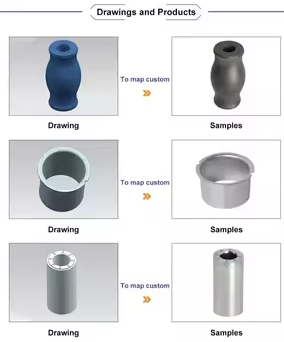
Industry Applications and Specialized Requirements
Now that you understand quality systems and certifications, here is the reality that makes supplier selection genuinely complex: a machine shop excelling at automotive cnc machining parts might struggle with aerospace components, even using identical equipment. Why? Because each industry brings unique requirements that shape everything from material handling to documentation practices. Understanding these differences helps you find partners whose expertise aligns with your specific needs.
Aerospace Machining Requirements
When a single component failure can bring down an aircraft, manufacturing tolerances become a matter of life and death. According to Digital Journal, aerospace CNC machining operates within tolerances of ±0.0005 inches, roughly one-tenth the width of a human hair. These specifications are not arbitrary perfectionism. They reflect operational realities where turbine blade tip clearances run as tight as 0.010-0.020 inches from engine casings at temperatures exceeding 2,000°F.
What makes aerospace metal machining uniquely demanding?
- Exotic material expertise: High-temperature alloys like Inconel 718 machine at rates 5-10 times slower than aluminum, causing rapid tool wear and work hardening issues. Titanium alloys present low thermal conductivity that traps heat at cutting edges, accelerating tool degradation.
- Complete traceability: Every raw material requires documentation including material certifications, heat lot numbers, and chemical composition verification. This chain of custody follows parts from raw stock through final inspection.
- Zero-defect mandate: Aerospace operates under zero-defect requirements backed by AS9100 certification, which extends ISO 9001 with configuration management, risk assessment, and counterfeit parts prevention protocols.
- Inspection ratios: Measurement equipment must exceed part accuracy by a 10:1 ratio, meaning parts held to ±0.0005 inches require inspection equipment accurate to ±0.00005 inches.
- Process monitoring: Real-time cutting force sensors, thermal imaging, and vibration monitoring prevent defects before they occur rather than detecting them afterward.
The economic stakes reinforce these stringent requirements. Unscheduled maintenance costs airlines $4,000-$8,000 per hour in lost revenue. In space applications, launching one pound of payload costs approximately $10,000, making component reliability absolutely critical.
Medical Device Component Standards
Medical machined metal parts face a different challenge: they must function flawlessly while interacting safely with human tissue. According to Advantage Metal, precision and reliability in medical manufacturing are not just about performance. They are integral to ensuring patient safety and care.
Medical device manufacturing requirements include:
- Biocompatibility validation: Materials contacting human tissues cannot cause adverse reactions like inflammation or infection. Common choices include surgical-grade stainless steel and titanium, both proven safe for direct and indirect tissue contact.
- Sterilization compatibility: Components must withstand harsh sterilization methods including autoclaving and chemical sterilization without degrading. Design considerations minimize crevices and surface defects that could trap bacteria.
- Surface finish precision: Smooth, polished surfaces facilitate efficient sterilization and reduce bacterial adhesion. Features like seams and intricate geometries receive extra attention to ensure cleanability.
- ISO 13485 compliance: This certification outlines strict controls over design, manufacturing, traceability, and risk mitigation specific to medical device production.
- Validation documentation: Every manufacturing process requires documented validation proving consistent results. This paperwork supports regulatory submissions and provides evidence during audits.
- Cleanroom considerations: Some medical components require controlled manufacturing environments limiting particulate contamination.
Early collaboration between design teams and manufacturers proves especially valuable in medical applications. According to Advantage Metal, this partnership ensures designs align with regulatory standards and manufacturing capabilities, avoiding costly delays or rework during production.
Automotive Production Demands
Automotive metal machined parts operate under fundamentally different pressures than aerospace or medical components. While tolerances remain important, the defining challenges center on volume, cost, and unwavering consistency across millions of parts.
Key automotive machining requirements include:
- High-volume capability: Production runs measured in thousands or millions of units demand efficient processes, minimal changeover times, and equipment built for continuous operation.
- Cost optimization: Competitive automotive pricing requires constant attention to cycle time reduction, material utilization, and process efficiency. Every second saved per part multiplies across massive production volumes.
- Consistent quality: IATF 16949 certification ensures continuous improvement, defect prevention, and stringent supplier oversight. Automotive OEMs mandate this standard to guarantee reliable supply chain performance.
- Statistical process control: SPC implementation monitors production in real-time, identifying trends before they produce out-of-spec parts. This proactive approach maintains quality across extended production runs.
- Scalability: Suppliers must handle demand fluctuations, ramping production up or down as vehicle programs evolve through their lifecycles.
- Aluminum machining expertise: Lightweight vehicle initiatives increasingly demand aluminum components for chassis assemblies, engine parts, and structural elements.
The automotive industry demands partners who can balance precision with production economics. A cnc metal component costing $50 each in prototype quantities must reach single-digit pricing at production volumes without sacrificing quality.
Consumer Product Applications
Consumer products present yet another set of priorities. Here, aesthetic quality often matters as much as dimensional accuracy, and development speed can determine market success.
Consumer product machining typically emphasizes:
- Aesthetic finishes: Visible surfaces require consistent appearance, whether brushed, polished, anodized, or painted. Surface defects unacceptable on a smartphone housing might pass inspection on an industrial component.
- Rapid iteration: Product development cycles compress timelines dramatically. Suppliers supporting consumer products must turn prototypes quickly, often within days rather than weeks.
- Design flexibility: Consumer products evolve rapidly through multiple design iterations. Manufacturing partners need agility to accommodate frequent changes without extensive retooling.
- Material variety: Consumer applications span aluminum housings, stainless steel trim, brass accents, and engineering plastics, requiring broad material expertise.
- Cost sensitivity: Competitive retail pricing demands efficient manufacturing even at moderate volumes.
The common thread across all these industries? Choosing a supplier with relevant experience and certifications dramatically reduces risk. A machine shop certified to AS9100 understands aerospace documentation requirements instinctively. An IATF 16949 certified facility has already implemented the quality systems automotive OEMs demand. Rather than teaching your supplier your industry's requirements, you benefit from their accumulated expertise and established compliance systems.
When evaluating potential manufacturing partners, look beyond general machining capabilities. Ask about their experience in your specific industry, review their certification portfolio, and request references from similar applications. This targeted approach to supplier selection positions your project for success from the first quote through final delivery.
Choosing the Right Machining Partner
You understand the processes, materials, tolerances, and industry requirements. Now comes the decision that ties everything together: selecting a manufacturing partner who can actually deliver. Whether you are searching for cnc machine shops near me or evaluating suppliers across the country, the evaluation criteria remain the same. The right partner transforms your designs into reality. The wrong one creates delays, quality issues, and budget overruns that can derail entire projects.
Evaluating Machining Partner Capabilities
Start your evaluation with a clear-eyed assessment of technical capabilities. According to WMTCNC, you should evaluate whether the supplier uses advanced CNC lathes, milling machines, grinders, and coordinate measuring machines. Their technical team should demonstrate proficiency with CAD/CAM tools and multi-axis machining capabilities.
When visiting machining shops near me or reviewing remote suppliers, use this evaluation checklist:
- Equipment portfolio: Do they operate modern 3-axis mills, advanced 5-axis machining centers, or both? Equipment under 10 years old indicates commitment to capability and quality.
- Material expertise: Have they machined your specific material grade? Experience with 6061 aluminum does not automatically translate to titanium or exotic alloys.
- Tolerance capabilities: What tolerance ranges can they consistently achieve? Verify whether they can hit ±0.001 inch versus ±0.005 inch specifications reliably.
- In-house inspection: Do they have CMM capabilities for quality verification? In-house inspection eliminates coordination headaches and potential quality issues.
- Secondary processes: Can they handle EDM, surface treatments, heat treating, or assembly? Having these capabilities under one roof streamlines production.
- Engineering support: Do they offer DFM feedback during quoting? Experienced manufacturers identify cost-saving opportunities early in the design phase.
According to Rivcut, the best manufacturing partners can provide insightful design feedback, suggest alternative approaches that improve manufacturability, and anticipate potential challenges before they become problems. This collaborative partnership approach delivers better results than suppliers who simply build what you specify without question.
From Prototype to Production Volume
Here is where many buyer-supplier relationships stumble: the shop that excels at prototyping may struggle with production runs, while high-volume specialists might not be cost-effective for small orders. Finding custom machining solutions that scale with your needs prevents painful supplier transitions mid-project.
According to UPTIVE Manufacturing, when comparing potential partners, consider their service offerings, reliability, scalability, and expertise in handling your product type. Selecting the right partner with relevant experience can potentially save you thousands of dollars because they understand common pitfalls and the most effective ways to avoid them.
Questions to ask about scalability:
- What is your typical order size range? Ensure alignment between their sweet spot and your project needs.
- Can you handle both prototype quantities and production volumes without quality variation?
- What lead time differences exist between prototype runs and production batches?
- How do you manage the transition from low-volume development to high-volume production?
- Do you offer rush services for time-critical prototype iterations?
Certification verification becomes critical at this stage. Look for ISO 9001 as a baseline quality standard, then verify industry-specific certifications relevant to your application. AS9100 matters for aerospace, ISO 13485 for medical devices, and IATF 16949 for automotive components. According to Rivcut, shops without relevant certifications for your industry represent a significant red flag since they may lack the systems and discipline necessary to deliver consistent quality.
For automotive applications specifically, finding a machinist near me with IATF 16949 certification ensures the supplier already has quality systems automotive OEMs demand. Consider Shaoyi Metal Technology as an example of what to look for in an automotive machining partner. Their IATF 16949 certification and Statistical Process Control implementation demonstrate the quality infrastructure needed for demanding automotive applications. With capabilities spanning rapid prototyping to mass production and lead times as fast as one working day, they exemplify the scalability that automotive supply chains require. Their precision CNC machining services for chassis assemblies and custom metal bushings illustrate the specialized expertise that reduces risk in automotive component sourcing.
Building Long-Term Manufacturing Relationships
Communication quality often predicts the entire working relationship. According to Rivcut, responsive shops typically provide quote responses within 24-48 hours, demonstrating both efficiency and customer service priorities. Initial responsiveness sets the tone for ongoing collaboration.
Watch for these communication indicators:
- Quote turnaround: Response within 24-48 hours suggests organized operations and customer focus.
- Technical collaboration: Willingness to discuss design alternatives and suggest improvements signals partnership mentality.
- Transparency: Clear answers about capabilities, limitations, and realistic timelines build trust.
- Documentation quality: Complete inspection reports, certificates of conformance, and material certifications should arrive without prompting.
- Proactive updates: You should not need to constantly chase down status updates or wonder about order progress.
Local machine shops offer distinct advantages for complex projects requiring close collaboration. Face-to-face meetings facilitate better understanding of requirements, while proximity enables quick design iterations and rapid problem resolution. When searching for a cnc shop near me, consider that domestic suppliers typically deliver within 2-3 days compared to 2-3 weeks for international shipping.
Before committing to large production volumes, consider starting with a trial project. According to WMTCNC, starting with a prototype project is the fastest way to verify a supplier's true ability, process discipline, and quality mindset before scaling into full production. This test order validates quality execution, communication effectiveness, and lead time accuracy before establishing a long-term partnership.
Watch for these warning signs during evaluation:
- Unwillingness to provide references or share certification documentation
- Vague or inconsistent communication about capabilities or timelines
- Prices significantly below market rates without clear explanation
- No documented quality system or formal inspection procedures
- Lack of engineering support or DFM feedback during quoting
- Missing insurance or expired certifications
The goal extends beyond finding a vendor who can make your parts. You are building a manufacturing partnership that supports your product development journey from first prototype through production scaling. The best relationships develop with machinist shops near me or distant suppliers who understand your products, anticipate your needs, and invest in your success. That collaborative approach delivers more value over time than purely transactional vendor relationships ever could.
Frequently Asked Questions About Machining Parts
1. What are machining parts?
Machining parts are precision components created through subtractive manufacturing, where material is systematically removed from a solid workpiece using specialized cutting tools. Unlike additive methods like 3D printing, machining starts with more material than needed and cuts away excess to achieve precise dimensions. These components serve critical functions across automotive, aerospace, medical, and consumer electronics industries, often achieving tolerances as tight as 0.001 inches or better.
2. How much does it cost to have parts machined?
CNC machining costs typically range from $50 to $150 per hour depending on equipment complexity and precision requirements. Final part costs vary significantly based on material choice, tolerance specifications, geometric complexity, and production volume. Tighter tolerances exponentially increase costs—ultra-precision work at ±0.0001 inch can cost 20-24 times more than standard tolerances. For automotive applications, partners like Shaoyi Metal Technology offer competitive pricing with lead times as fast as one working day.
3. What are the main types of machining processes?
The primary machining processes include CNC milling for complex 3D shapes and pockets, CNC turning for cylindrical components like shafts and bushings, Swiss machining for small high-precision parts, drilling for hole creation, grinding for fine surface finishes, and EDM for hard materials and intricate internal features. Each process excels in specific applications—turning works best for rotationally symmetric parts while milling handles prismatic geometries with slots and contours.
4. What materials work best for CNC machining?
Aluminum alloys lead in machinability at 200-400% rating, offering excellent thermal conductivity and fast cutting speeds. Brass machines cleanly with minimal burring, while free-cutting steels balance strength with workability. Engineering plastics like Delrin provide dimensional stability for mechanical components, and nylon offers toughness for wear-resistant applications. Specialty alloys including titanium and Inconel are machined when extreme performance justifies higher costs and longer cycle times.
5. How do I choose the right machining partner?
Evaluate potential partners based on equipment capabilities, material expertise, tolerance achievements, and relevant industry certifications. Look for ISO 9001 as baseline quality, plus industry-specific certifications like IATF 16949 for automotive or AS9100 for aerospace applications. Assess their scalability from prototyping to production volumes, communication responsiveness, and engineering support capabilities. Starting with a trial project validates quality execution before committing to larger production runs.