 Small batches, high standards. Our rapid prototyping service makes validation faster and easier —
  EN
EN


Your Online CNC Quote Is Wrong: 9 Pricing Variables You Missed
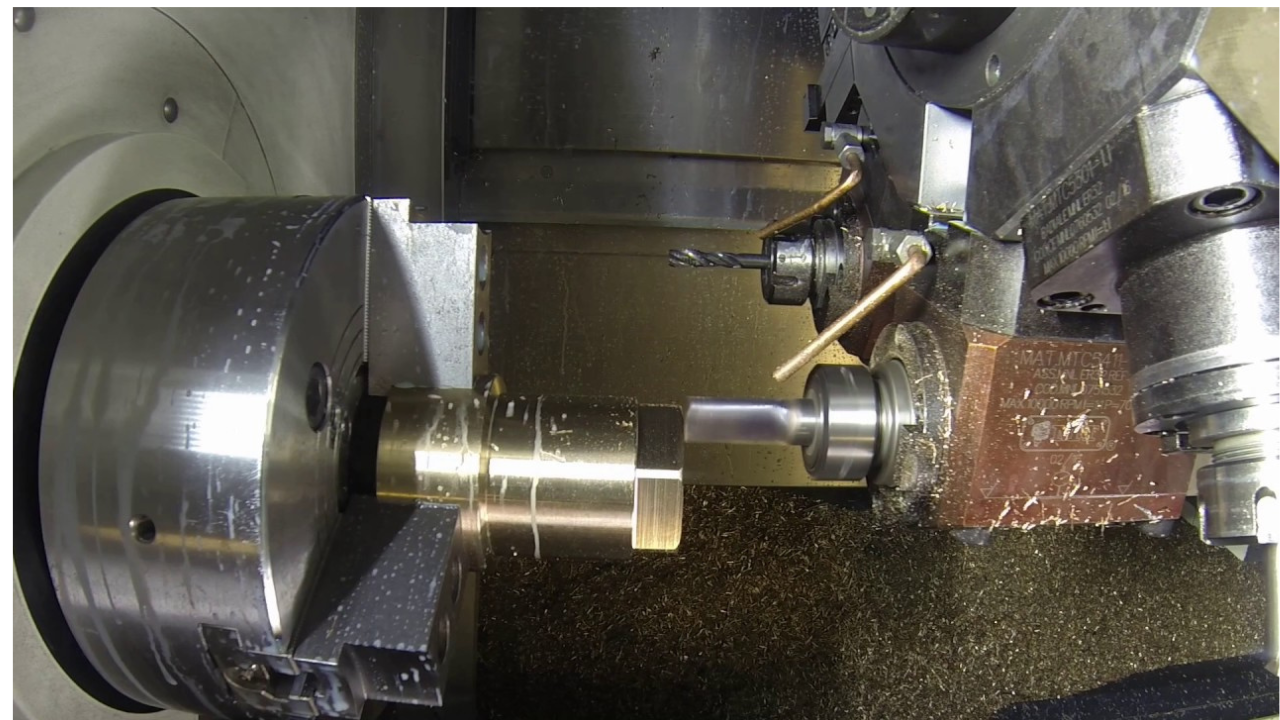
What an Online CNC Quote Actually Delivers
Imagine needing a batch of custom machined parts for your next project. You have the CAD files ready, the specifications locked in, and a deadline looming. Now picture two scenarios: sending emails to multiple local machine shops, waiting days for responses, and juggling back-and-forth negotiations—or simply uploading your file and receiving an accurate price estimate within minutes. That's the fundamental difference an online CNC quote brings to modern manufacturing procurement.
An online CNC quote is a digital pricing estimate generated when you upload CAD files to a specialized platform. These systems analyze your part geometry, material requirements, and complexity to calculate costs for producing cnc machined parts automatically. Rather than relying on human estimators to manually review drawings and crunch numbers, advanced algorithms do the heavy lifting instantly.
From RFQ Emails to Instant Pricing Engines
The traditional request-for-quotation (RFQ) process has long been the industry standard. You'd prepare detailed drawings, specify materials and tolerances, then distribute your requirements to several machine shops. Each shop would manually calculate machining time, material costs, and overhead before returning a quote—often taking anywhere from one to five days. Multiply that by multiple suppliers, and you're looking at a week or more just to gather pricing information.
Modern instant quote platforms flip this process entirely. When you submit your CAD file, sophisticated algorithms parse the geometry, identify manufacturing challenges, and generate accurate online machining quotes in seconds or minutes. According to industry data, these systems can reduce quoting time by up to 90%, transforming what once took days into a near-instantaneous experience.
The Digital Transformation of CNC Procurement
This shift represents more than just convenience—it's reshaping who can access precision manufacturing. Previously, navigating the cnc quote online process required established relationships with local machine shops and deep industry knowledge. Small engineering teams or startups often struggled to get competitive pricing without the purchasing power of larger firms.
Instant quoting democratizes access to precision manufacturing, giving engineers and procurement teams of any size the same rapid pricing transparency that was once reserved for high-volume buyers with established supplier networks.
Whether you're prototyping a single component or planning a production run, an online quotation system puts real-time cost data at your fingertips. You can experiment with different materials, adjust quantities, and see how design changes affect pricing—all before committing to a single order. For engineers seeking an instant quote without the traditional gatekeeping, these platforms have become indispensable tools in the modern manufacturing toolkit.
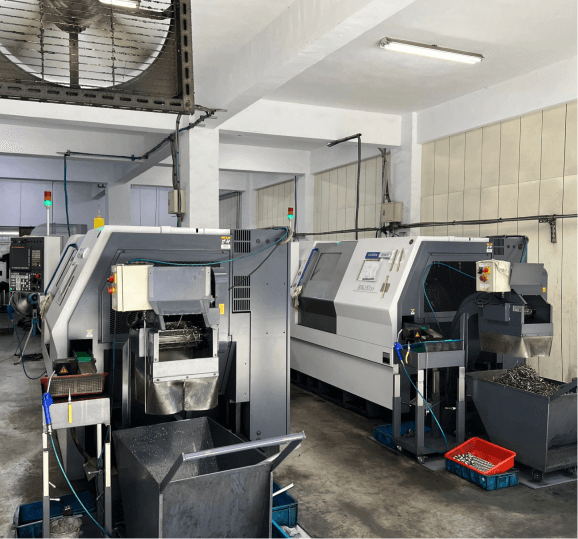
How Online Quoting Engines Process Your CAD Files
So you've uploaded your cnc file to an online quoting platform. What happens next? Behind that simple drag-and-drop interface lies a sophisticated sequence of algorithms working to transform your 3D geometry into an accurate price. Understanding this process helps you prepare better files and interpret the quotes you receive more effectively.
The journey from CAD upload to final pricing involves multiple analysis stages, each building on the previous one. Whether you're submitting files for cnc cutting or cnc turning operations, the fundamental workflow remains consistent across most modern platforms.
The File Upload and Analysis Phase
The moment your file hits the server, the system springs into action. Advanced software parses your 3D model, extracting every geometric detail that affects manufacturing. This isn't a simple file preview—it's a comprehensive digital interrogation of your design.
Most platforms accept standard formats like STEP, IGES, and Parasolid (X_T), along with native CAD files from systems like SolidWorks (SLDPRT), Inventor (IPT), and CATIA (CATPART). The parsing system identifies critical features, dimensions, and tolerance values from your cnc files, flagging anything that could impact cost or manufacturability.
Here's exactly what happens when you submit your design to an online cnc machine quoting system:
- File upload and format validation: The system verifies your file format is supported and checks for corruption, missing geometry, or scale errors. Non-watertight models or files with ambiguous surfaces get flagged immediately.
- Geometry analysis and feature recognition: Algorithms identify specific features—holes, pockets, threads, thin walls, and complex surfaces. Each feature type carries different machining implications that affect final pricing.
- Manufacturability assessment: The system evaluates whether your design can actually be produced. It checks for impossible tolerances, wall thicknesses below minimum, and aspect ratios exceeding standard tool reach.
- Material and process selection: Based on your specifications, the platform cross-references material databases and determines optimal machining strategies, including tool selection and setup requirements.
- Price calculation and lead time estimation: All variables feed into a pricing algorithm that calculates material costs, machine time, setup fees, and any secondary operations—delivering your complete quote.
How Algorithms Calculate Your Price
The real magic happens in the pricing engine. According to industry research on AI-powered quoting systems, platforms like Xometry utilize computational geometry algorithms that replicate the expertise of skilled machinists. These systems distill decades of manufacturing knowledge into mathematical models capable of analyzing complex geometries in seconds.
For each cnc machining part you submit, the algorithm considers multiple cost drivers simultaneously. Machine learning models trained on millions of previously quoted parts predict accurate machining times. Material databases provide real-time pricing for everything from aluminum to titanium. The system even factors in current capacity and demand to optimize pricing dynamically.
The entire analysis—from upload to detailed quote—typically completes in under three minutes. You receive a breakdown showing material costs, machining labor, setup fees, and any surface treatments. This level of transparency was practically impossible with traditional manual quoting methods.
Not every part receives an instant quote, however. Designs featuring exotic materials, ultra-tight tolerances, or unusual geometries often require manual engineering review. When automated systems encounter features they can't confidently price—like complex undercuts requiring specialized tooling or critical aerospace specifications—they route the quote to human experts. This hybrid approach balances speed with accuracy, ensuring you get reliable pricing regardless of your part's complexity.
Understanding this behind-the-scenes process reveals why certain design choices dramatically affect your quote. The next section breaks down exactly which variables have the biggest impact on pricing—and how small adjustments can lead to significant cost savings.
Pricing Variables That Shape Your CNC Quote
Ever wonder why two seemingly similar parts can have wildly different price tags? The answer lies in the complex interplay of variables that every online CNC quote algorithm weighs behind the scenes. Understanding these factors gives you the power to optimize designs before uploading—and avoid sticker shock when quotes arrive.
According to industry research, material costs alone can account for 30-50% of total CNC machining cost. But that's just the beginning. Let's break down every variable that influences your cnc machining price—and how small adjustments can lead to significant savings.
Material Selection and Cost Implications
Your material choice creates a ripple effect across the entire quote. It's not simply about raw material prices—machinability, tool wear, and processing time all factor in. When you're considering aluminum machining versus working with stainless steel or titanium, you're comparing fundamentally different cost structures.
Here's how common materials stack up in terms of base cost and machining difficulty:
| Material | Base Cost (6"x6"x1" block) | Machinability | Typical Applications |
|---|---|---|---|
| Aluminum 6061 | $25 | Excellent | Prototypes, enclosures, brackets |
| Aluminum 7075 | $80 | Good | Aerospace, high-stress components |
| Stainless Steel 304 | $90 | Moderate | Corrosion-resistant parts, food equipment |
| Titanium | $200+ | Difficult | Aerospace, medical implants |
| ABS Plastic | $17 | Excellent | Housings, non-structural components |
| POM (Delrin) | $27 | Excellent | Gears, bearings, precision parts |
| PEEK | $150+ | Moderate | High-temp, chemical-resistant applications |
Notice the dramatic jump between cnc aluminum options. Aluminum 7075 costs over three times more than 6061—and that's before machining begins. For cnc steel parts, you'll pay significantly more due to slower cutting speeds and increased tool wear. Titanium requires specialized carbide cutting tools that can cost double what standard steel tools run, and machining speeds drop substantially to prevent heat buildup.
The key insight? Always ask: does your application truly require the premium material? If corrosion resistance isn't critical, switching from stainless to aluminum can slash your cnc machine cost dramatically while maintaining structural integrity.
Why Tolerances Drive Price Exponentially
Here's where many engineers unknowingly inflate their quotes. Tolerances don't scale linearly with cost—they scale exponentially. Each incremental tightening of precision requirements triggers a cascade of additional machining steps, slower feed rates, and more rigorous inspection protocols.
According to manufacturing cost studies, each increment of tighter tolerance can increase costs by 5-10% due to additional machining time, tool wear, and quality control requirements. Standard tolerances of ±0.127mm (±0.005") are already quite precise and sufficient for most applications.
| Tolerance Level | Typical Range | Cost Impact | Requirements |
|---|---|---|---|
| Standard | ±0.127mm (±0.005") | Baseline | Normal machining passes |
| Precision | ±0.05mm (±0.002") | +15-25% | Slower feeds, additional passes |
| High Precision | ±0.025mm (±0.001") | +30-50% | Finishing passes, controlled environment |
| Ultra-Precision | ±0.01mm (±0.0004") | +75-150% | Specialized equipment, 100% inspection |
Why such dramatic increases? Tighter tolerances demand slower cutting speeds to minimize vibration and tool deflection. Machinists must take shallower passes, increasing cycle time. Temperature control becomes critical—even slight thermal expansion can push parts out of spec. And every ultra-precision part requires individual inspection, often using coordinate measuring machines (CMMs) that add time and cost.
The smart approach? Apply tight tolerances only where parts interface with other components. Leave non-critical surfaces at standard tolerances. This selective precision can reduce your overall price of cnc machining by 20-30% without affecting functionality.
Geometric Complexity and Machine Time
Complex geometry is where metal machining costs really start climbing. Features that look elegant in CAD can become manufacturing nightmares—and quoting algorithms know this intimately.
Certain design elements consistently trigger higher quotes:
- Deep pockets: When pocket depth exceeds four times the tool diameter, machinists need longer tools that deflect more easily. This requires slower speeds and shallower cuts to maintain accuracy.
- Thin walls: Walls below 0.8mm for metals or 1.5mm for plastics risk vibration during cutting. Achieving them requires specialized fixturing and careful machining strategies.
- Sharp internal corners: CNC tools are round, so internal corners inherit the tool's radius. Sharp corners require multiple setups or EDM operations—both expensive additions.
- Undercuts: Features that standard tools can't reach straight-on require specialized tooling or workpiece repositioning.
- High aspect ratio features: Tall, thin features or deep, narrow slots push tooling limits and slow production dramatically.
According to manufacturing experts, highly complex designs can add up to 30% to overall project costs due to additional machine time, programming, and tool wear. The relationship is straightforward: more complex geometry means more repositioning, more tool changes, and more time—all of which inflate your cnc machining cost.
Quantity Breakpoints and Volume Economics
Perhaps no factor affects per-unit pricing more dramatically than order quantity. The economics here are compelling: setup costs remain fixed whether you're making one part or one thousand.
Consider this real-world example: a part costing $134 for a single unit drops to $38.50 per unit at ten pieces and just $13 per unit at one hundred pieces. That's a 90% reduction in per-unit cost simply by increasing volume.
| Quantity | Setup Cost Impact | Per-Unit Cost Reduction | Best For |
|---|---|---|---|
| 1-5 units | Full setup per part | Baseline | Prototyping, design validation |
| 10-25 units | Setup spread across batch | 50-70% reduction | Small production runs, testing |
| 50-100 units | Minimal setup impact | 75-85% reduction | Low-volume production |
| 100+ units | Negligible setup cost | 85-90% reduction | Production runs |
Why do costs drop so dramatically? CAD programming, tool path generation, fixturing, and machine setup happen once regardless of quantity. For a single prototype, that part bears 100% of setup costs—which can account for 20% or more of the total. Spread those same fixed costs across a hundred parts, and each unit absorbs just 1%.
Surface Finish and Secondary Operations
The final layer of pricing complexity comes from surface requirements and post-machining operations. Standard as-machined finishes come included in base quotes, but anything beyond that adds cost.
Surface roughness specifications follow a clear cost hierarchy. The default 3.2 µm Ra finish shows visible tool marks but works for most functional applications at no extra charge. Moving to 1.6 µm Ra adds approximately 2.5% to costs, while 0.8 µm Ra increases pricing by 5%. Achieving mirror-like 0.4 µm Ra finishes—requiring post-machining polishing—can add 15% or more to your quote.
Secondary operations compound these costs further. Anodizing, heat treatment, plating, and specialized coatings each add both processing time and material expenses. According to industry data, post-processing can add 5-15% to overall costs depending on the complexity of finishes required.
Armed with this understanding of pricing variables, you're ready to prepare CAD files that quote accurately the first time. The next section covers exactly how to optimize your files for the best possible quoting outcomes.
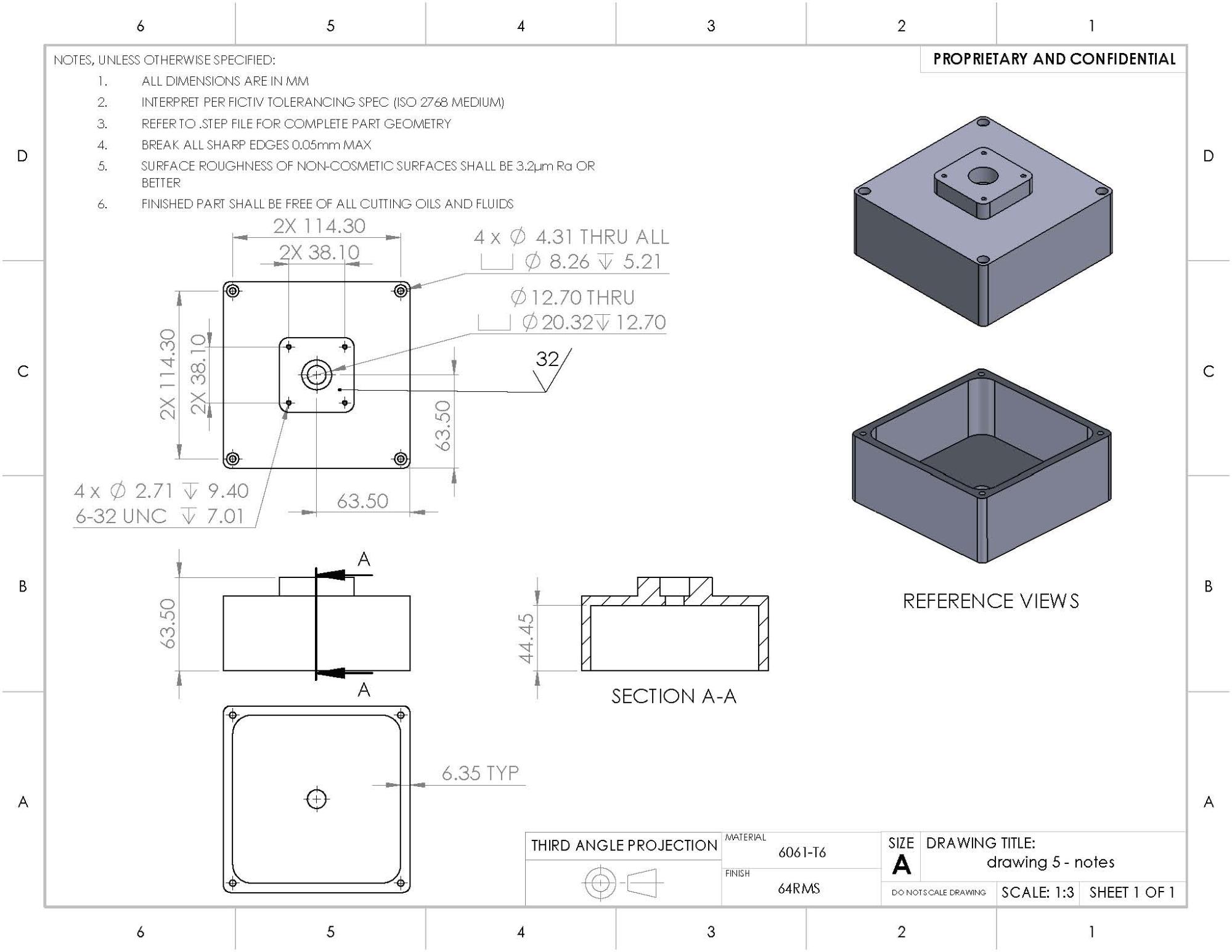
Preparing CAD Files for Accurate Quote Results
You've designed a brilliant part. Your geometry is optimized, your tolerances are reasonable, and you're ready to get pricing. But here's the catch: that stunning CAD model on your screen might be completely unreadable to a quoting platform—or worse, it might generate a wildly inaccurate estimate that derails your project budget.
According to manufacturing experts at Zenith, the way you prepare and submit your design files can make all the difference between receiving an accurate quote instantly and entering a frustrating back-and-forth correction loop. The good news? Most file preparation mistakes are entirely preventable with the right approach.
File Format Selection for Optimal Results
Not all CAD formats are created equal—at least not when it comes to cnc cuts and machining operations. The format you choose directly impacts whether quoting algorithms can accurately parse your geometry and generate reliable pricing.
For cnc milled parts and turning operations, these formats deliver the best results:
- STEP (.step, .stp): The industry gold standard. STEP files preserve precise mathematical definitions of curves and surfaces, making them universally compatible with CAM software and quoting engines.
- IGES (.iges, .igs): An older but still widely supported format, particularly useful for complex surface geometry.
- Parasolid (.x_t, .x_b): Native to many CAD systems, Parasolid files maintain excellent geometric accuracy and translate cleanly across platforms.
- Native CAD files: Many platforms accept SolidWorks (.sldprt), Inventor (.ipt), and CATIA (.catpart) files directly, preserving all design intent.
What should you avoid? STL files are the primary culprit. While perfect for 3D printing, STL approximates smooth curves using triangular facets—destroying the mathematical precision that CNC machining requires. As Dipec's engineering team notes, STL files can result in lost detail or inaccuracies during toolpath generation, making them fundamentally unsuitable for machined parts.
Design Features That Trigger Manual Review
Even with the right file format, certain design characteristics will kick your submission out of the instant quoting queue and into manual review—or trigger outright rejection. Understanding these triggers helps you modify designs proactively for faster, more accurate quotes.
Here are the most common file preparation mistakes that cause quoting failures:
- Missing or ambiguous tolerances: Without specified tolerances, quoting systems either apply conservative defaults (expensive) or flag for human review. Always define critical dimensions explicitly.
- Non-watertight geometry: Tiny surface breaks, overlapping faces, or unstitched gaps—known as non-manifold geometry—cause CAM software to fail. Your model looks perfect on screen but is mathematically broken.
- Incorrect scale or units: Designing in inches but exporting in millimeters creates parts that appear fingernail-sized instead of two feet wide. Always verify units before export.
- Missing critical features: Threads, countersinks, and chamfers that exist only in 2D drawings but not in the 3D model create dangerous mismatches between quoted and actual parts.
- Impossible internal radii: CAD allows perfect 90-degree internal corners, but every cnc cut leaves a radius matching the tool diameter. Design with realistic radii from the start.
- Wall thickness below minimum: Walls thinner than 0.8mm for metals risk vibration and failure during machining—platforms reject these automatically.
According to Zenith's analysis of common CAD errors, 70-80% of a product's life-cycle costs are locked in during the design stage. Your file preparation decisions directly determine whether you receive an accurate quote or enter the costly rework cycle.
Specifying Critical Details Correctly
Here's a dangerous assumption many engineers make: the 3D model is everything. In reality, a STEP file defines geometry but fails to define intent. When a machinist opens your file, they see perfect shapes—but they don't know which surfaces are critical, which holes need tight fits, or where your part interfaces with other components.
For custom machined parts requiring specific threads, surface finishes, or critical dimensions, always accompany your 3D model with a 2D technical drawing in PDF format. This drawing serves as your "contract" with the manufacturer, explicitly calling out:
- GD&T (Geometric Dimensioning and Tolerancing) specifications for critical features
- Thread specifications including pitch, depth, and class of fit
- Surface finish requirements in Ra values
- Material certifications if required
- Any secondary operations like heat treatment or plating
Before uploading, simplify your files by removing unnecessary features, suppressing assembly components that won't be machined, and eliminating cosmetic details that don't affect manufacturing. Cleaner files quote faster and more accurately—giving you reliable pricing for your cnc milled components without delays or surprises.
Instant Quotes Versus Traditional RFQ Processes
So you've got your CAD files ready and understand the pricing variables at play. Now comes the critical decision: do you submit to an instant quoting platform or go the traditional RFQ route? The answer isn't always obvious—and choosing wrong can cost you time, money, or both.
According to industry analysis from 3ERP, online manufacturing platforms excel at speed but can struggle with nuanced manufacturing decisions. Their testing revealed that AI quoting systems sometimes penalize thoughtful design changes—like adding radii to internal corners to simplify machining—with higher prices, demonstrating that automated systems don't always understand fundamental cnc prototyping principles.
Speed Versus Customization Tradeoffs
The core tension between instant quotes and traditional RFQs boils down to this: speed versus depth. Instant platforms deliver pricing in minutes, but they operate within predetermined parameters. Traditional processes take longer, but they accommodate virtually any manufacturing scenario.
Here's how the two approaches compare across critical factors:
| Factor | Instant Quote Platforms | Traditional RFQ Process |
|---|---|---|
| Response Time | Seconds to minutes | 1-5 business days |
| Customization Options | Limited to preset materials and finishes | Virtually unlimited |
| Complex Geometry Handling | May flag for manual review or reject | Evaluated by experienced engineers |
| Secondary Operations | Standard options only (anodizing, plating) | Full range including specialized treatments |
| Engineering Consultation | Typically unavailable or limited | Direct access to manufacturing engineers |
| Quote Accuracy | High for standard parts; variable for complex | Consistently high across all part types |
| DFM Feedback | Automated suggestions only | Detailed, personalized recommendations |
| Best For | Prototype quantities, standard materials | Production runs, exotic materials, tight tolerances |
For cnc machining rapid prototyping with straightforward geometries, instant platforms are hard to beat. You can iterate through multiple design versions in an afternoon, comparing costs and lead times with each upload. But that speed comes with limitations—if your part requires unusual materials, specialized certifications, or tolerances at the edge of what's manufacturable, the algorithm may not capture the true cost.
When Traditional RFQ Still Wins
Despite the convenience of instant pricing, traditional RFQ processes remain superior for specific scenarios. Consider going old-school when your project involves:
- Exotic or specialty materials: Titanium alloys, Inconel, or certified aerospace-grade metals often require manual sourcing and pricing
- Ultra-tight tolerances: Anything below ±0.001" typically needs engineering review to assess feasibility and true cost
- Large production runs: Volume discounts, dedicated tooling, and optimized processes benefit from human negotiation
- Specialized certifications: AS9100D, IATF 16949, or ITAR requirements need verification that automated systems can't provide
- Complex assemblies: Multi-component parts requiring welding, bonding, or integrated assembly benefit from comprehensive review
- Design optimization needs: When you want feedback on how to reduce costs or improve manufacturability
As 3ERP's testing demonstrated, AI systems may miss basic manufacturing principles. In their experiment, reducing a part's height from 100mm to 50mm—which should have cut machining time by roughly two-thirds—resulted in a quote that barely reflected the savings. Human engineers catch these opportunities; algorithms often don't.
The Hybrid Approach: Best of Both Worlds
Here's what savvy procurement teams have figured out: you don't have to choose exclusively. Most modern manufacturers offer tiered quoting systems that match complexity to process:
- Instant quotes: Simple geometries, standard materials, rapid cnc prototyping needs
- Rapid manual quotes (12-24 hours): Moderate complexity requiring brief engineering review
- Full engineering review (2-5 days): Challenging projects needing detailed analysis and DFM feedback
According to meviy's manual quote priority system, when parts don't qualify for automatic pricing, users can specify their top priority—whether that's lowest price, fastest lead time, or quickest response—allowing engineers to optimize quotes around specific goals. This flexibility bridges the gap between instant convenience and customized accuracy.
Evaluating Quote Accuracy Before You Commit
Whether you receive an instant quote or a traditional estimate, verification is essential. Even the best cnc prototype machining platforms can miss details that affect final pricing. Before accepting any quote, ask yourself:
- Does the quoted tolerance match what I actually specified?
- Are all secondary operations (threads, finishes, heat treatment) accounted for?
- Is the material grade correct—not just the material family?
- Are inspection and documentation requirements included?
- Does the lead time align with my project schedule?
When should you request manual review even if an instant quote is available? Any time the stakes are high. If this part is going into production, feeding into a customer delivery, or represents a significant financial commitment, invest the extra day or two to have experienced engineers verify the quote. Prototype machining services often offer this option precisely because they understand that accuracy matters more than speed for critical applications.
The reality is that instant quotes are remarkably accurate for their intended use case—standard parts in common materials at prototype quantities. But as 3ERP notes, "if the AI can't understand these basic CNC machining principles, it will certainly misinterpret other things as well." For anything beyond the ordinary, human expertise still provides irreplaceable value in the quoting process.
Understanding when to trust instant pricing versus when to seek expert review is only part of the equation. Many projects also require specific quality certifications—and knowing how these requirements affect your quote can prevent costly surprises down the line.
Understanding Certifications in CNC Quoting
Here's a pricing variable that rarely appears on instant quote platforms but can dramatically affect your final costs: certifications. When you're sourcing precision cnc machined parts for aerospace, automotive, or medical applications, the manufacturer's quality credentials aren't just nice-to-have—they're often contractually mandatory.
According to the International Aerospace Quality Group, over 80% of global aerospace companies require AS9100 certification from CNC suppliers. Yet most online quoting platforms don't prominently surface this information, leaving you to discover certification gaps after you've already committed to a supplier—or worse, after parts have shipped.
Decoding ISO, AS9100D, and IATF Certifications
Manufacturing certifications can feel like alphabet soup, but each standard serves a specific purpose. Understanding what they actually require helps you determine which ones your project truly needs—and which ones you can skip to avoid unnecessary price premiums.
- ISO 9001 (General Quality Management): The foundational certification for any precision machining services operation. ISO 9001 establishes systematic quality control processes, documentation requirements, and continuous improvement frameworks. It's the baseline that demonstrates a manufacturer takes quality seriously—but it doesn't include industry-specific controls.
- AS9100D (Aerospace): Builds on ISO 9001 with stringent additions for aerospace cnc machining. This standard demands complete traceability from raw material to finished part, embedded risk management processes, and First Article Inspection (FAI) requirements per AS9102. If your parts fly, you need AS9100D.
- IATF 16949 (Automotive): The automotive industry's quality standard, emphasizing defect prevention, reduction of variation, and supply chain management. Statistical Process Control (SPC) documentation is mandatory—every critical dimension gets tracked and analyzed across production runs.
- ISO 13485 (Medical Devices): Governs medical machining operations with strict controls over design, manufacturing, traceability, and risk mitigation. Compliant manufacturers maintain detailed documentation for FDA 21 CFR Part 820 requirements and EU MDR regulations.
- ITAR (Defense): The International Traffic in Arms Regulations isn't a quality certification per se—it's a compliance requirement for handling controlled technical data and defense-related components. ITAR registration with the U.S. Department of State is mandatory for any defense machining work.
When Certification Requirements Affect Your Quote
Here's the practical question: when do certifications actually matter for your project? The answer depends entirely on your end application and customer requirements.
Certifications typically become mandatory when:
- Your parts feed into aerospace assemblies subject to FAA, DoD, or NASA oversight
- Components are destined for automotive OEMs who mandate IATF 16949-compliant supply chains
- You're manufacturing medical device components requiring FDA-compliant traceability
- Defense contracts specify ITAR-registered suppliers
- Your customer's own certifications require certified suppliers throughout their supply chain
For general industrial applications, prototyping, or commercial products without regulatory oversight, ISO 9001 typically provides sufficient quality assurance. Requiring AS9100D certification for a non-aerospace bracket simply inflates costs without adding value.
According to industry research on hidden machining costs, certification-related inspection charges can inflate quotes by 8% or more. These fees cover the additional documentation, statistical process control, and verification protocols that certified processes demand. Batch certification typically costs 60% less than per-part inspection—a useful negotiation point when ordering precision cnc machining services in volume.
The Certification Gap: Having It Versus Applying It
Here's a critical distinction that catches many buyers: there's a significant difference between a manufacturer holding a certification and actually applying certified processes to your specific order.
A machine shop can display an AS9100D certificate on their wall while running your aerospace parts through their standard, non-certified workflow. Unless you explicitly specify that your order requires certified processing—complete with full traceability, SPC documentation, and formal inspection protocols—you may receive parts made outside the certified quality system.
For high precision machining services where documentation matters, always verify:
- Whether the certification scope covers your specific manufacturing processes (milling, turning, grinding)
- That your purchase order explicitly invokes the applicable quality standard
- What documentation you'll receive—material certs, inspection reports, SPC data
- Whether First Article Inspection is included or quoted separately
Statistical Process Control documentation adds genuine value for critical applications. SPC data proves not just that your parts meet spec, but that the manufacturing process is stable and capable of repeating that performance. For production runs of precision cnc machined parts, this documentation provides confidence that part number 1,000 will match part number 1.
The bottom line? Certifications filter which manufacturers can quote your project and directly impact pricing. Knowing which certifications your application actually requires—versus which ones sound impressive but add unnecessary cost—helps you get accurate quotes from qualified suppliers without paying premiums for credentials you don't need.
Even with the right certifications in place, your quote can still fail before it ever reaches pricing. The next section reveals why quoting platforms reject submissions—and how to fix designs that automated systems refuse to price.
Avoiding Common Quote Rejection Pitfalls
You've uploaded your CAD file, selected your material, and clicked submit—only to receive an error message instead of a price. Quote rejections are frustrating, but they're rarely arbitrary. Every rejection tells a story about what the quoting algorithm found problematic in your design. Understanding these failure points transforms rejections from roadblocks into opportunities for design optimization.
According to Wagner Machine's analysis of quote failures, shops typically refuse to quote when capability gaps exist—whether that's equipment limitations, tolerance challenges, or material-geometry mismatches. The same principles apply to automated quoting platforms, which encode decades of manufacturing knowledge into their rejection logic.
Why Your Quote Request Failed Manufacturability Checks
When a platform rejects your cnc machining parts submission, it's flagging features that either cannot be manufactured or would require specialized processes beyond standard capabilities. Here are the most common rejection triggers and what they mean for your design:
- Impossible tolerances: Specifying ±0.001mm on a feature that physically cannot be measured or maintained given material properties and thermal expansion. Tight tolerances on large parts or across temperature-sensitive materials often trigger this rejection.
- Wall thickness below minimum: Walls thinner than 0.8mm for metals or 1.5mm for plastics risk vibration, deflection, and potential breakage during cnc metal cutting operations. Platforms reject these automatically rather than quote parts likely to fail.
- Aspect ratios exceeding tool reach: Deep pockets or holes where depth exceeds 4-6 times the width require extended tooling that deflects, vibrates, and produces poor surface quality. According to Dadesin's design guidelines, when pocket depth exceeds three times the tool diameter, you risk tool breakage and dimensional inaccuracy.
- Undercuts requiring special tooling: Features like T-slots, dovetails, or internal recesses that standard end mills cannot access straight-on. These require specialized lollipop cutters or multiple setups that automated systems often cannot price.
- Material-geometry mismatches: Designing thin-walled titanium parts or deep pockets in hardened steel creates combinations where material properties conflict with geometric requirements. What works in aluminum may be physically impossible in harder alloys.
- Sharp internal corners: Every cnc machine metal cutting tool has a diameter—meaning internal corners inherit that radius. Requesting zero-radius internal corners is geometrically impossible without secondary EDM operations.
As Protolabs notes in their design toolkit, any part requiring square internal corners will cost significantly more since the only way to produce them is through electro-discharge machining or extremely slow cutting with specialty tools.
Interpreting Error Messages Correctly
Not all rejections are created equal. Quoting platforms typically generate two distinct types of responses, and understanding the difference saves significant time:
"Cannot quote" messages indicate truly impossible features—tolerances beyond physical limits, geometry that violates fundamental machining constraints, or material specifications that don't exist. These require design changes before any manufacturer can help.
"Requires manual review" flags mean something different entirely. Your part is manufacturable, but its complexity exceeds what the algorithm can confidently price. Complex undercuts, unusual material grades, or cnc plastic machining with specialized polymers often fall into this category. The platform is essentially saying: "A human needs to look at this."
When you receive a manual review flag, consider whether waiting for human evaluation makes sense for your timeline. For prototype quantities of machining parts with moderate complexity, manual review often returns accurate quotes within 24-48 hours—and sometimes reveals cost-saving opportunities the algorithm missed.
Fixing Designs That Platforms Cannot Quote
Once you understand why a rejection occurred, modifications become straightforward. Here's how to address the most common issues:
- For thin walls: Increase thickness to at least 0.8mm for metals. If thinner walls are functionally required, consider designing ribs or gussets that maintain stiffness while allowing manufacturable thicknesses.
- For deep pockets: Either increase pocket width to accommodate larger, more rigid tools, or design stepped pockets that reduce the depth-to-width ratio at each level. According to manufacturing guidelines, a 0.5" end mill should only cut pockets up to 1.5" deep—beyond this, redesign is necessary.
- For sharp internal corners: Add radii of at least one-third the cavity depth. If sharp corners are truly necessary for function, consider T-bone (dogbone) relief cuts that allow tool clearance while maintaining the appearance of sharp intersections.
- For undercuts: Evaluate whether the undercut is functionally necessary. If so, keep widths at standard increments and provide at least 4x the undercut depth as clearance around the feature for proper tool movement.
- For tolerance conflicts: Apply tight tolerances only to critical mating surfaces. Leave non-functional surfaces at standard tolerances—this alone often resolves rejection flags while maintaining part functionality.
When to Redesign Versus Seek Specialized Manufacturers
Here's the decision framework experienced engineers use: if modifications would compromise part function, don't force a redesign just to satisfy an automated quoting system. Instead, seek manufacturers with specialized capabilities.
According to Wagner Machine, shops with 5-axis mills, high-RPM spindles, or wire EDM capabilities can handle cnc machine parts that conventional 3-axis equipment cannot. Features that are "impossible" for one shop are routine for another with different equipment.
Seek specialized manufacturers when:
- Your design requires exotic materials like Inconel, titanium alloys, or high-temperature plastics
- Tolerances below ±0.001" are functionally necessary
- Complex multi-axis features cannot be simplified without losing function
- The part requires specialized inspection equipment (CMM, optical comparators) to verify
How Secondary Operations Affect Quotability
Beyond geometry, secondary operations frequently push submissions out of instant-quote territory. Heat treatment, plating, anodizing, and assembly operations introduce variables that automated systems struggle to price accurately.
Heat treatment changes material properties after machining—and sometimes requires machining in multiple stages (rough, treat, finish). Plating adds thickness that must be accounted for in tolerances. Assembly operations introduce labor time that varies based on complexity. Each of these factors requires human judgment to quote accurately.
When your cnc machining parts require secondary operations, expect one of two outcomes: either the platform offers standardized options (Type II anodizing, black oxide coating) at fixed prices, or it routes your submission to manual review. For specialized treatments like passivation, chromate conversion, or custom heat treatment specifications, traditional RFQ processes typically provide more accurate pricing than automated systems.
The key insight? Rejection messages aren't failures—they're feedback. Every flag points toward a specific design element that needs attention. Armed with this understanding, you can modify designs strategically or seek the right manufacturing partners for complex requirements. Either path leads to successful quotes; you simply need to choose which route fits your project constraints.
Evaluating and Comparing CNC Quotes Effectively
You've collected quotes from three different platforms. The prices range from $45 to $127 per part—a nearly 3x difference. Which one should you trust? Here's the uncomfortable truth: the lowest quote might cost you the most in the end, while the highest might actually deliver the best value. Knowing how to read between the lines separates successful procurement from expensive mistakes.
According to industry analysis on comparing CNC quotes, simply placing quotes side-by-side and choosing the lowest number is a common mistake. A true apples-to-apples comparison requires a structured approach that considers all aspects of the offer—including quality, reliability, and delivery, not just the initial price tag.
Reading Between the Lines of CNC Quotes
Every quote tells a story, but not every story is complete. What's included—and what's conspicuously absent—reveals whether you're comparing equivalent offerings or fundamentally different service levels.
Start by examining these critical elements beyond the base price:
- Included tolerances: Does the quote specify what tolerances are covered at the stated price? A quote assuming ±0.005" costs less to produce than one promising ±0.001". If tolerances aren't stated, you may receive standard machining when you needed precision machining service quality.
- Surface finish standards: The default as-machined finish (3.2 µm Ra) comes included, but smoother finishes add cost. Verify what surface quality the quote includes—and what upgrade charges apply.
- Material certifications: Standard quotes rarely include mill test reports or material certification documents. If your application requires traceable materials, confirm whether certs are included or quoted separately.
- Inspection documentation: Will you receive an inspection report, or just parts in a box? First Article Inspection (FAI), dimensional reports, and SPC documentation add significant value but often carry additional fees.
- Shipping terms: FOB origin means you pay freight and assume risk once parts leave the dock. FOB destination shifts that burden to the supplier. A lower part price with expensive shipping might exceed a higher quote with freight included.
As LongSheng Manufacturing notes, evaluating a quote is a systematic process that requires comprehensive consideration of multiple factors—not just a simple comparison of prices, but an in-depth consideration of service quality, technical strength, and overall cost-effectiveness.
Comparing Apples to Apples Across Platforms
Creating a standardized comparison framework eliminates guesswork and reveals which quotes truly offer the best value. Use this structure when evaluating cnc turning services or any machine shop services:
| Comparison Factor | Quote A | Quote B | Quote C | Notes |
|---|---|---|---|---|
| Price Per Unit | $___ | $___ | $___ | Verify what's included at this price |
| Lead Time (business days) | ___ | ___ | ___ | Confirm if production or ship date |
| Included Tolerances | ±___" | ±___" | ±___" | Match to your actual requirements |
| Surface Finish Included | ___ µm Ra | ___ µm Ra | ___ µm Ra | Check if upgrades cost extra |
| Minimum Order Quantity | ___ | ___ | ___ | May affect per-unit economics |
| Setup Fee | $___ | $___ | $___ | Often hidden; ask explicitly |
| Revision Policy | ___ | ___ | ___ | Free requotes? Change order fees? |
| Inspection Report Included | Y/N | Y/N | Y/N | Critical for quality-sensitive applications |
| Material Certs Included | Y/N | Y/N | Y/N | Required for aerospace/medical/auto |
| Shipping Terms | ___ | ___ | ___ | FOB origin vs. destination |
| Certifications Held | ___ | ___ | ___ | ISO 9001, AS9100D, IATF 16949, etc. |
Filling out this framework for each quote immediately exposes gaps. A seemingly cheap quote might exclude setup fees, charge extra for inspection reports, and offer only standard tolerances—suddenly making it more expensive than a higher-priced competitor that includes everything.
Hidden Costs That Inflate Final Invoices
According to Karkhana's analysis of CNC pricing, unexpected high costs often arise from elements not prominently displayed in initial quotes. Watch for these common additions that can dramatically inflate your final invoice:
- Setup fees: Programming, fixturing, and first-piece inspection costs that apply per order regardless of quantity. These can range from $50 to $500+ depending on complexity.
- Expedite charges: Rush processing typically adds 25-50% to base pricing. Some platforms quote standard lead times with expedite fees only disclosed at checkout.
- Inspection reports: Dimensional inspection reports, CMM data, and FAI documentation often carry $75-250 charges per order. For custom cnc machining services requiring verification, these costs add up quickly.
- Material certifications: Mill test reports proving material composition and properties may cost $25-100 per material lot. Stainless steel cnc machining services for food or medical applications often require these.
- Secondary operation markups: Threading, deburring, and edge-breaking are sometimes quoted separately from base machining.
- Packaging requirements: Specialized packaging for delicate parts or cleanroom applications adds cost rarely shown upfront.
As one industry analysis warns, some suppliers may exclude necessary processes to make their initial bid more appealing, only to add charges later. Requesting a fully-loaded quote that includes all anticipated costs protects against invoice surprises.
Verifying Quote Accuracy Before Committing
Even the most detailed quote is only as good as its accuracy. Before placing an order, take these verification steps:
- Confirm specifications match: Cross-reference the quoted material grade, tolerances, and finish against your original requirements. Mismatches here lead to parts that don't fit or function.
- Verify lead time definitions: Does "5-day lead time" mean parts ship in five days, or arrive in five days? Clarify whether quoted lead times include shipping.
- Request DFM feedback: Ask if any design modifications would reduce cost or improve manufacturability. Reputable cnc service providers offer this insight freely.
- Check revision handling: Understand what happens if you need to modify the design after ordering. Some platforms charge change order fees; others require complete requotes.
- Validate certifications: If quality certifications matter for your application, verify the supplier actually holds current credentials—not expired or pending certifications.
The most attractive quote isn't always the best one. An unusually low price can be a red flag for cut corners, hidden fees, or subpar quality that will cost more in the long run through delays, rework, or part failure.
When Quality Documentation Justifies Premium Pricing
For certain applications, paying more for documented quality assurance isn't optional—it's essential. Automotive components requiring Statistical Process Control (SPC) documentation, aerospace parts demanding full traceability, and medical devices needing validated processes all justify premium pricing from certified suppliers.
IATF 16949-certified suppliers like Shaoyi Metal Technology provide documented quality assurance that adds value beyond base pricing. For automotive applications requiring SPC documentation and high-tolerance components, this certification ensures every critical dimension is tracked and analyzed across production runs—providing confidence that part number 1,000 will match part number 1. Their capability to scale from rapid prototyping to mass production with certified quality systems makes them particularly valuable for cnc turning service needs in the automotive sector.
The key indicators of reliable, quality-focused suppliers include:
- Transparent pricing with all costs disclosed upfront
- Clear communication and responsiveness during the quoting process
- Documented quality systems with current certifications
- Willingness to provide references or sample parts
- Engineering support for design optimization
According to industry experts, these factors often justify a slightly higher price and provide peace of mind that your parts will meet specifications consistently.
The bottom line? Quote evaluation is about total value, not just initial price. A $50 part with hidden fees, quality issues, and delivery delays costs far more than a $75 part that arrives on time, meets spec, and includes full documentation. By systematically comparing quotes across all relevant factors, you identify the suppliers who truly deliver the best combination of price, quality, and reliability for your specific requirements.
With quote evaluation skills in hand, you're ready to put them into practice. The final section provides a concrete action plan for getting accurate quotes that match your project needs—whether you're prototyping a single part or planning production volumes.
Taking Action on Your CNC Quote Strategy
You've made it through the maze of pricing variables, file formats, certification requirements, and quote comparison frameworks. Now comes the moment of truth: putting this knowledge into action. Whether you're requesting your first online cnc machining services quote or refining an established procurement process, having a systematic approach transforms scattered knowledge into reliable results.
According to RivCut's analysis of quote requests, engineers who provide complete information upfront receive accurate quotes within 4-24 hours, while incomplete requests trigger 3-5 day email chains that delay projects unnecessarily. The difference isn't luck—it's preparation.
Your Pre-Quote Checklist
Before uploading that CAD file, run through this comprehensive checklist. Each item directly impacts quote accuracy, turnaround time, and ultimately whether your parts arrive meeting specifications:
- Verify CAD file integrity: Export as STEP format (not STL), check for non-watertight geometry, confirm correct scale and units. Run a quick visual inspection—does the model look right at the expected dimensions?
- Define tolerance requirements: Apply tight tolerances only to critical mating surfaces (±0.002" or tighter). Leave non-functional features at standard ±0.005" to avoid inflating costs by 30-50% unnecessarily.
- Specify exact material grade: "Aluminum" isn't enough. Specify "6061-T651" or "7075-T6" including temper designation. Material ambiguity forces manual review and delays your quote.
- Determine quantity needs: Include both immediate requirements and future volume potential. A supplier knowing you'll need 500 units in Q3 may optimize tooling for your 10-piece prototype today.
- Identify certification requirements: Do you actually need AS9100D, IATF 16949, or ISO 13485 compliance? Requiring certifications you don't need limits supplier options and increases costs.
- Establish timeline expectations: Specify actual deadlines, not "ASAP." A concrete date like "need by April 15 for assembly" enables accurate scheduling and appropriate rush pricing if needed.
- Document secondary operations: List all finishing requirements upfront—anodizing color and type, plating specifications, heat treatment parameters. Discovering these needs after quoting forces requotes.
- Include 2D drawings for critical features: Threads, surface finish callouts, and GD&T specifications don't survive STEP file translation. Attach PDF drawings for anything the 3D model can't convey.
As industry experts note, 80% of quote delays come from missing 20% of the information—specifically material grade, tolerance requirements, and quantity. Include these three elements upfront, and you'll skip most of the friction that bogs down typical quote requests.
Matching Project Requirements to Platform Capabilities
Not every project belongs on the same quoting path. Matching your specific needs to the right approach saves time and delivers better outcomes:
Use instant quote platforms when:
- Your parts use standard materials (6061 aluminum, 304 stainless, ABS, Delrin)
- Tolerances fall within standard ranges (±0.005" or looser)
- Quantities are prototype to low volume cnc machining levels (1-100 pieces)
- Geometry is straightforward without complex undercuts or extreme aspect ratios
- You need rapid machining turnaround for design iteration
Choose traditional RFQ processes when:
- Exotic materials like titanium alloys, Inconel, or specialty polymers are required
- Ultra-tight tolerances below ±0.001" are functionally necessary
- Large production runs justify negotiated pricing and dedicated tooling
- Specialized certifications must be verified and documented
- You want DFM feedback to optimize designs before committing
For cnc prototyping service needs with moderate complexity, consider the hybrid approach: obtain instant quotes for baseline pricing, then request manual review if the automated price seems off or if you want engineering input on cost reduction opportunities.
Building Supplier Relationships That Scale
Here's what experienced procurement teams understand: the best online quote is just the beginning. For ongoing projects, building relationships with reliable suppliers pays dividends that single transactions never capture.
According to KAL Manufacturing's sourcing guide, good communication is the foundation of a successful partnership with a CNC parts supplier. Look for companies that are proactive in offering feedback on your designs, including suggestions for improving manufacturability.
When evaluating suppliers for long-term relationships, prioritize:
- Responsiveness: How quickly do they answer questions? Do they proactively flag potential issues?
- Technical depth: Can they offer genuine DFM suggestions, or just process orders?
- Scalability: Can they handle small batch cnc machining today and production volumes tomorrow?
- Quality systems: Are their certifications current and actively applied to your orders?
- Documentation: Do they provide the inspection reports and material certs your applications require?
For automotive and precision cnc parts applications specifically, Shaoyi Metal Technology exemplifies the supplier profile that supports scaling from rapid prototyping to mass production. Their IATF 16949 certification ensures documented SPC quality control, while one-day lead time capability for prototypes means you're not waiting weeks to validate designs. Their expertise in complex chassis assemblies and custom machine components—including custom metal bushings—demonstrates the specialized capabilities that distinguish production-ready suppliers from prototype-only shops.
Final Decision Framework
Before accepting any quote, run through these final verification steps:
- Does the quoted material grade exactly match your specification?
- Are all tolerances explicitly stated and aligned with your requirements?
- Is the lead time defined as ship date or arrival date?
- Are setup fees, inspection reports, and material certs included or additional?
- What's the revision policy if you need design changes after ordering?
- Does the supplier hold current certifications your application requires?
According to JLCCNC's guidance for startups, rapid sampling capabilities—delivering first samples within 72 hours—dramatically shorten development cycles. For precision cnc parts requiring fast iteration, this responsiveness often matters more than marginal price differences.
The goal isn't finding the cheapest quote—it's finding the right quote from a supplier capable of delivering parts that meet your specifications, on schedule, with documentation that satisfies your quality requirements.
You now have the complete framework for navigating online CNC quoting successfully. From understanding what drives pricing to preparing files that quote accurately, from evaluating certifications to comparing quotes systematically—each element builds toward a procurement process that delivers reliable results. The nine pricing variables that trip up most buyers? You know exactly what they are and how to address them.
Your next step is simple: take your current project, run it through the pre-quote checklist, and submit to a platform that matches your requirements. Whether you're prototyping a single component or planning production volumes, the preparation you've done here transforms quoting from guesswork into a predictable, optimized process that gets you the precision cnc parts you need—at prices that make sense.
Frequently Asked Questions About Online CNC Quotes
1. How do I get an instant CNC machining quote online?
To get an instant CNC machining quote, upload your CAD file (preferably STEP format) to an online quoting platform. The system automatically analyzes your geometry, material requirements, and complexity to generate pricing within seconds to minutes. Ensure your file includes correct tolerances, material specifications, and quantity requirements for the most accurate results. Platforms like Shaoyi Metal Technology offer rapid quoting with IATF 16949 certification for automotive applications.
2. What file formats work best for CNC quoting platforms?
STEP files (.step, .stp) are the industry gold standard for CNC quoting because they preserve precise mathematical definitions of curves and surfaces. IGES, Parasolid (.x_t), and native CAD files from SolidWorks or Inventor also work well. Avoid STL files for machining quotes as they approximate curves with triangular facets, destroying the precision needed for accurate pricing and manufacturing.
3. Why do CNC machining costs vary so much between materials?
Material costs vary dramatically due to raw material prices, machinability differences, and tool wear rates. Aluminum 6061 machines quickly with minimal tool wear, while titanium requires specialized carbide tools, slower cutting speeds, and generates more heat. A 6x6x1 inch block of aluminum costs around $25, while titanium exceeds $200. Additionally, harder materials increase cycle times and accelerate tool replacement, compounding cost differences.
4. How do tolerances affect CNC machining quotes?
Tolerances scale exponentially with cost, not linearly. Standard tolerances of ±0.127mm (±0.005 inches) are baseline pricing. Moving to ±0.05mm adds 15-25% to costs, while ultra-precision at ±0.01mm can increase prices by 75-150%. Tighter tolerances require slower cutting speeds, additional machining passes, controlled environments, and 100% individual inspection using CMM equipment. Apply tight tolerances only to critical mating surfaces to minimize costs.
5. When should I use traditional RFQ instead of instant online quotes?
Choose traditional RFQ processes when your project involves exotic materials like Inconel or titanium alloys, ultra-tight tolerances below ±0.001 inches, large production runs requiring negotiated pricing, specialized certifications like AS9100D or IATF 16949, or complex assemblies needing engineering consultation. For certified automotive components requiring SPC documentation, suppliers like Shaoyi Metal Technology offer comprehensive quality assurance that instant platforms cannot match.