 Small batches, high standards. Our rapid prototyping service makes validation faster and easier —
  EN
EN


Rapid CNC Machining Secrets: Cut Lead Times Without Cutting Corners
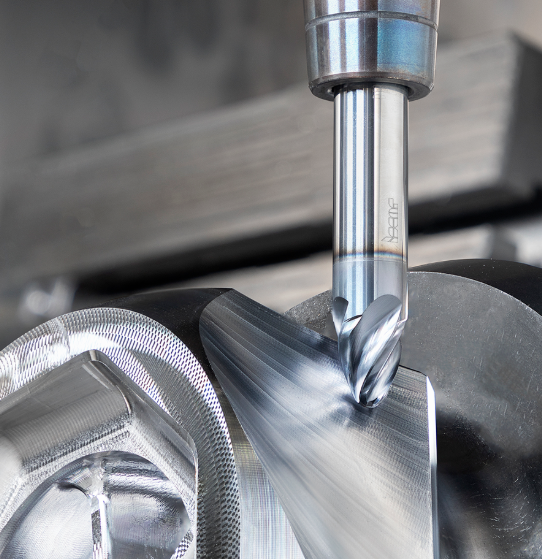
What Rapid CNC Machining Really Means
When you hear "rapid CNC machining," what comes to mind? If you're a CNC programmer, you might think of G00—the G-code command for rapid traverse that moves the cutting tool at maximum speed between positions. However, in today's manufacturing landscape, the term means something entirely different. It refers to a fast-turnaround manufacturing service designed to deliver precision cnc machining services with dramatically shortened lead times—often within just a few business days.
Defining Rapid CNC Machining in Modern Manufacturing
Rapid CNC machining, sometimes called quick-turn CNC or fast CNC machining, is the process of producing machined components with an expedited timeline. Unlike traditional machine shops that may require weeks to deliver finished parts, rapid machining providers leverage advanced technologies to compress every stage of production. This includes artificial intelligence for automated quoting, sophisticated CAM software for streamlined programming, and highly skilled operators who understand how to maximize efficiency without cutting corners.
The goal isn't simply speed for its own sake. According to Fictiv's analysis, rapid CNC machining maintains a strong focus on accuracy, precision, repeatability, and quality—all while delivering parts faster than conventional approaches allow.
Speed Meets Precision in Subtractive Manufacturing
Here's where things get interesting. You might assume that faster production means compromises in quality. After all, precision cnc machining services have traditionally required careful, time-intensive processes. Yet modern rapid CNC providers have found ways to deliver efficient precision machining & custom solutions without sacrificing the tight tolerances that critical applications demand.
How do they achieve this balance? The answer lies in technology integration and process optimization. Automated design-for-manufacturability (DFM) feedback helps engineers identify potential issues before production begins. Advanced CNC machines with sophisticated programming reduce setup times dramatically. And rigorous quality control systems ensure every part meets specifications—regardless of how quickly it was produced.
The key differentiator between rapid CNC and traditional approaches isn't just timeline compression—it's the systematic elimination of delays throughout the entire workflow, from initial quote to final delivery, while maintaining production-grade quality standards.
Why Turnaround Time Matters in Competitive Markets
Imagine you're facing a tight design deadline, an upcoming customer meeting requires functional prototypes, or a critical production line is down waiting for replacement parts. In these scenarios, waiting weeks for machined components simply isn't an option. Rapid CNC bridges the gap between cnc prototyping urgency and the production-grade quality your applications require.
Consider these common applications where rapid machining proves invaluable:
- CNC prototyping under deadline pressure — When design iterations can't wait for traditional lead times
- Custom parts on demand — Producing specialized components without causing excess delays
- MRO (maintenance repair and operations) — Getting replacement parts fast enough to meet production quotas
- Quality issue resolution — Quickly replacing defective components to keep operations running
- Medical device production — Where expedited delivery can directly impact patient outcomes
For performance-critical industries like aerospace, defense, medical, and electronics, reliable partners who deliver high-quality parts quickly aren't just convenient—they're essential to maintaining competitive advantage and operational continuity.
Rapid CNC Machining vs Traditional CNC Machining
So how does rapid CNC machining actually stack up against traditional approaches? Understanding the core differences helps you make smarter decisions about which method fits your project requirements. While both processes use the same fundamental subtractive manufacturing principles, the workflows, timelines, and cost structures differ dramatically.
Lead Time Differences That Impact Project Schedules
The most obvious distinction lies in turnaround speed. Traditional CNC machining shops typically operate on planned schedules, meaning your order enters a queue behind existing work. According to Fictiv's comparison, customers working with traditional machine shops often experience multi-day email trails just for quoting and order status updates—before machining even begins. Add in waiting for machining capacity to become available, and you're looking at 10 days or more for parts that rapid providers can deliver in 4 days or less.
With rapid CNC machining, the entire process compresses. You upload your CAD file, receive an instant or same-day quote, get immediate DFM feedback, and your order moves into production without the typical scheduling delays. For cnc machining parts needed urgently, this difference can mean the success or failure of product launches and production timelines.
Setup and Programming Approaches Compared
What enables such dramatic time savings? The answer lies in how each approach handles setup and programming.
Traditional shops often rely on manual CAM programming, where experienced machinists build toolpaths from scratch for each new part. While this approach works well for complex, high-volume production runs, it creates bottlenecks for prototype machining and small batches. Programmers spend hours selecting features, choosing strategies, and optimizing toolpaths—time that adds up quickly.
Rapid CNC providers take a different approach. They leverage:
- Automated feature recognition — Software identifies pockets, holes, and contours without manual selection
- Standardized tool libraries — Pre-defined tooling parameters eliminate setup decisions
- AI-powered CAM programming — Tools like CloudNC's CAM Assist generate working machining strategies in seconds rather than hours
- Template-based workflows — Consistent baselines reduce errors and speed up processing
As noted in Machine Tool News, these automation tools don't replace skilled programmers—they eliminate repetitive setup tasks so machinists can focus on high-value decisions that require human expertise.
When Traditional CNC Still Makes Sense
Here's what many competitors won't tell you: rapid CNC machining isn't always the right choice. Traditional methods deliver better value in specific scenarios that you should recognize before placing your order.
Consider a custom machine shop with traditional capabilities when:
- You need extremely high volumes — Once setup costs are amortized across thousands of parts, traditional manufacturing becomes significantly more cost-effective per unit
- Your design is finalized and stable — When you're not iterating, the speed advantage of rapid CNC diminishes
- You require specialized post-processing — Complex finishing operations often add time regardless of machining speed
- Your timeline allows for optimization — Traditional shops may achieve better surface finishes or tighter tolerances when given adequate time
| Factor | Rapid CNC Machining | Traditional CNC Machining |
|---|---|---|
| Typical Lead Time | 2-5 business days | 2-4 weeks or more |
| Batch Size Suitability | 1-500 parts (prototypes to small runs) | 500+ parts (medium to high volume) |
| Tolerance Capabilities | Standard to tight (varies by provider) | Tight to ultra-precise (with time) |
| Cost Structure | No tooling costs; higher per-part price | Tooling investment; lower per-part at volume |
| Ideal Use Cases | Prototyping, custom parts, MRO, urgent orders | Production runs, complex finishing, cost-optimized manufacturing |
| Design Flexibility | Easy iteration via CAD file updates | Changes require new programming and setup |
Many companies today use a hybrid approach. They produce cnc machined parts through rapid services for prototypes and initial validation batches, then transition to traditional methods once designs stabilize and demand justifies higher-volume production. This strategy minimizes risk during development while optimizing costs at scale.
The cnc machining shop you choose should align with where your project sits in its lifecycle. Early-stage development benefits enormously from rapid turnaround. Mature products with proven designs often justify the setup investments of traditional manufacturing. Understanding this distinction helps you avoid overpaying for speed you don't need—or waiting weeks when days would serve you better.
With these fundamental differences clear, the next question becomes practical: what does the actual workflow look like when you submit a part for rapid CNC machining?
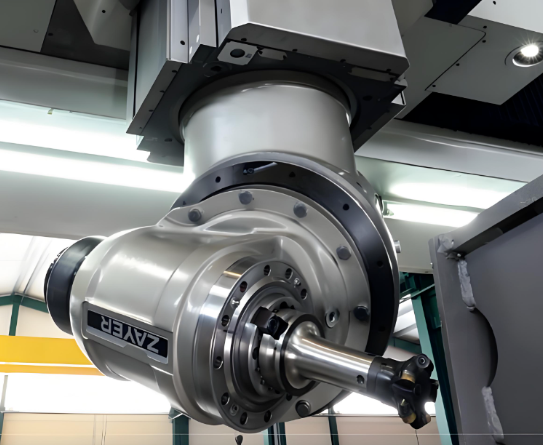
The Complete Rapid CNC Process Workflow
Ever wondered what actually happens after you click "submit" on your CAD file? Understanding the complete workflow from file upload to finished part delivery helps you set realistic expectations and identify opportunities to accelerate your project. Let's walk through each stage with the timeframes you can actually expect from online cnc machining services.
From CAD Upload to Instant Quote
The journey begins the moment you upload your 3D model. Modern rapid CNC providers accept standard file formats—typically STEP (.stp) and IGES (.igs) files work best, though many platforms also support SolidWorks, Fusion 360, and other native formats.
Here's where traditional and rapid approaches diverge dramatically. With conventional machine shops, you might wait days for a quote while an estimator manually reviews your design. Rapid providers leverage automated quoting engines that analyze your geometry in minutes. These systems evaluate:
- Part complexity and feature count
- Material selection and stock availability
- Required machining operations (milling, turning, or both)
- Surface finish and tolerance requirements
- Quantity and delivery timeline
When you request a cnc quote online, sophisticated algorithms calculate toolpaths, estimate cycle times, and factor in setup requirements—all within seconds to minutes rather than days. This instant feedback loop lets you iterate on designs quickly, adjusting features or materials to optimize cost before committing to production.
Realistic timeframe: 2 minutes to 2 hours for automated quotes; same-day for complex parts requiring manual review.
Design Analysis and Manufacturability Review
Once you've received your quote and are ready to proceed, your design undergoes a Design for Manufacturability (DFM) review. This critical stage catches potential issues before they become expensive problems on the shop floor.
According to research from NIST cited by Frigate, more than 70% of a part's lifecycle cost gets locked in during the design phase. The DFM review identifies risk factors such as:
- Undercuts requiring special tooling or multi-axis machining
- Thin wall sections prone to vibration or deflection
- Deep pockets with unfavorable depth-to-diameter ratios
- Tolerances tighter than necessary for functional requirements
- Sharp internal corners that standard tools cannot achieve
For cnc machining prototyping projects, this feedback proves invaluable. Experienced engineers review geometric complexity, tolerance specifications, and technical feasibility—then recommend adjustments that minimize machining time, reduce cost, and prevent potential failures. You'll receive specific suggestions like adding corner radii, adjusting wall thicknesses, or relaxing non-critical tolerances.
Realistic timeframe: 2-8 hours for standard parts; up to 24 hours for highly complex geometries.
Machining Execution and Quality Verification
With design approved, your part moves into production. Here's the complete sequence from programming through delivery:
-
CAM Programming (Hours to 1 Day)
CAM engineers generate optimized toolpaths based on your approved design. This includes selecting cutting strategies, minimizing idle time, and planning efficient tool changes. For an online cnc machine workflow, automated CAM software significantly accelerates this stage—what might take a traditional programmer 4-8 hours can often complete in under an hour with AI-assisted programming. Multi-axis machining strategies get applied where needed to improve precision and surface finish on complex 3D surfaces. -
Material Preparation (Hours)
Certified raw materials are sourced from inventory and inspected to verify they meet mechanical specifications. Stock gets cut to rough dimensions and labeled with job tracking codes for traceability throughout production. Material availability directly impacts your timeline—common materials like 6061 aluminum typically ship same-day from stock, while exotic alloys may require procurement time. -
Machining Operations (Hours to Days)
Your part is processed using the appropriate equipment—CNC milling, turning, or a combination of operations. Each step follows a detailed setup sheet and in-process inspection checklist. Simple cnc machined prototypes might complete in a few hours; complex multi-setup parts with tight tolerances could require one to three days of machine time. -
Quality Inspection (Hours)
After machining, dimensional verification confirms your part meets specifications. This typically involves micrometers, calipers, or CMM (Coordinate Measuring Machine) measurements depending on tolerance requirements. Industries like aerospace, medical, and automotive often require first-article inspection (FAI) reports with full traceability documentation. -
Surface Finishing (Hours to Days)
If your order specifies surface treatments—anodizing, plating, powder coating, or polishing—parts move to finishing operations. Each treatment must meet your aesthetic or functional requirements. Note that finishing often represents the largest variable in lead time for cnc prototype machining projects. -
Final Inspection and Packaging (Hours)
Completed parts undergo final dimensional and cosmetic verification. They're then cleaned, packaged with anti-corrosion protection, and labeled per your shipping instructions. -
Shipping and Delivery (1-3 Days)
Orders dispatch via domestic freight or international logistics with real-time tracking. Express shipping options can get parts to you overnight when timelines are critical.
How Programming Automation Affects Your Lead Time
Here's something many buyers don't realize: the CAM programming stage often determines whether you receive parts in days or weeks. Traditional cnc machining prototyping relies heavily on manual programming, where skilled machinists build toolpaths feature by feature. This approach works well but creates bottlenecks—especially for complex parts or shops running at capacity.
Rapid CNC providers compress this timeline through automation. According to Neway Machining's workflow analysis, automated vs. manual programming can mean the difference between hours and days of delay before your part even touches a machine.
The impact multiplies across your project:
| Programming Approach | Typical Time | Best For |
|---|---|---|
| Manual CAM Programming | 4-16 hours per part | Complex parts, unusual geometries, maximum optimization |
| Template-Based Programming | 1-4 hours per part | Similar parts, repeat orders, standard features |
| AI-Assisted Automation | 15 minutes to 2 hours | Prototypes, standard geometries, rapid turnaround |
For cnc machining prototyping where you need functional parts fast, automated programming delivers dramatic time savings. When you're optimizing for absolute precision or machining challenging materials, the expertise of manual programming may justify the additional time investment.
Understanding this workflow empowers you to make informed decisions—and to prepare files that move through each stage efficiently. But what about materials? Your choice of raw stock significantly impacts both lead time and final part quality.
Material Selection for Rapid Turnaround Projects
Your material choice can make or break a rapid CNC project. Select the wrong alloy, and you might wait weeks for specialty stock while your deadline passes. Choose wisely, and machined metal parts arrive at your door within days. Let's explore which materials work best when speed matters—and which ones require more patience.
Metals That Machine Fast Without Compromising Quality
Not all metals cooperate equally with cutting tools. Some shear cleanly and dissipate heat effectively, allowing faster feed rates and shorter cycle times. Others fight back with every pass, demanding specialized tooling, slower speeds, and careful temperature management.
For metal cnc machining with rapid turnaround, these materials consistently deliver excellent results:
- Aluminum 6061 — The workhorse of rapid prototyping. This alloy machines beautifully, accepts anodizing for corrosion protection, and remains readily available from stock. Milled aluminum parts often ship in 3-5 days.
- Aluminum 7075 — When you need higher strength without sacrificing machinability. Common in aerospace applications where weight savings matter.
- Brass (C360) — Exceptionally free-machining with excellent chip formation. Ideal for fittings, decorative parts, and electrical components.
- Copper alloys — High thermal and electrical conductivity with good machinability. Perfect for heat sinks and conductive components.
- Mild steel (1018/1215) — Cost-effective for structural parts. Free-machining grades like 1215 cut cleanly and quickly.
According to Xometry's material selection guide, materials like aluminum dissipate heat effectively, allowing faster machining speeds. Stainless steel and titanium, by contrast, require lower feed rates to manage heat buildup—increasing both machining time and costs.
What slows things down? Titanium, hardened tool steels, Inconel, and other superalloys present significant challenges. These materials cause rapid tool wear, require specialized cutting parameters, and often need multiple finishing passes to achieve acceptable surface quality. Unless your application specifically demands these properties, consider whether a more machinable alternative might serve your functional requirements.
Engineering Plastics for Rapid Prototyping
Plastics offer their own advantages for quick-turn projects. Many engineering polymers machine faster than metals, require no coolant, and produce parts ready for immediate testing. For cnc acrylic service or other plastic machining needs, here's what works best:
- Delrin (Acetal/POM) — Outstanding machinability with excellent dimensional stability. Low friction makes it ideal for gears, bearings, and sliding components.
- ABS — ABS cnc machining delivers strong, impact-resistant parts at reasonable cost. Common for housings, enclosures, and consumer product prototypes.
- HDPE — Machines easily with good chemical resistance. Excellent for outdoor applications and watertight components.
- Nylon 6/6 — Good mechanical strength and wear resistance. Slightly more challenging than acetal but still highly machinable.
- Acrylic (PMMA) — When optical clarity matters. Requires careful speed control to prevent heat-induced crazing but produces excellent transparent parts.
High-performance plastics like PEEK and ULTEM machine well but cost significantly more—and stock availability can extend lead times. As noted in Xometry's materials overview, PEEK offers excellent tensile strength and serves as a lightweight metal substitute in high-temperature applications, but budget accordingly for both material cost and potential sourcing delays.
Ceramic cnc machining presents unique challenges. While technical ceramics offer exceptional hardness and temperature resistance, they require diamond tooling and specialized equipment. Most rapid CNC providers cannot accommodate ceramic parts within standard quick-turn timelines.
Material Availability and Lead Time Impacts
Here's a reality check that catches many engineers off guard: your timeline often depends more on stock availability than machining complexity. A simple aluminum part ships in days because 6061 plate sits in every distributor's warehouse. That same design in aerospace-grade titanium? You might wait two weeks just for material procurement.
Smart material selection considers three availability factors:
- Standard stock sizes — Parts designed around common bar, plate, or rod dimensions minimize material waste and procurement delays
- Regional availability — Local material sourcing eliminates shipping time from distant suppliers
- Grade specificity — Specifying "304 stainless" ships faster than calling out an unusual chemistry or temper condition
Balance material performance with availability: if multiple materials meet your requirements, choose the one that's readily stocked. You can always test a premium material later if initial results indicate the need.
The following table organizes common materials by their suitability for rapid turnaround projects. Use it as a starting point when speed matters:
| Material | Machinability Rating | Rapid Availability | Surface Finish Achievability | Common Applications |
|---|---|---|---|---|
| Aluminum 6061 | Excellent | Same-day stock | Excellent (Ra 0.8-1.6 µm) | Prototypes, brackets, housings, fixtures |
| Aluminum 7075 | Very Good | 1-3 days typical | Excellent | Aerospace, high-strength structural parts |
| Brass C360 | Excellent | Same-day stock | Excellent (polishes well) | Fittings, electrical, decorative components |
| Stainless 303 | Good | 1-3 days typical | Good (Ra 1.6-3.2 µm) | Shafts, fasteners, food-grade parts |
| Stainless 316 | Moderate | 1-5 days | Good | Marine, medical, chemical processing |
| Mild Steel 1018 | Good | Same-day stock | Moderate (requires finishing) | Structural parts, fixtures, low-cost prototypes |
| Delrin (Acetal) | Excellent | Same-day stock | Excellent | Gears, bearings, bushings, insulators |
| ABS | Excellent | Same-day stock | Good | Enclosures, consumer products, prototypes |
| PEEK | Good | 3-7 days | Excellent | Medical, aerospace, high-temp applications |
| Titanium Grade 5 | Poor | 5-14 days | Moderate (requires expertise) | Aerospace, medical implants, motorsports |
| Inconel 718 | Very Poor | 7-21 days | Challenging | High-temp aerospace, turbine components |
For aluminum cnc service requests, you'll find the fastest turnaround and most competitive pricing. The material's combination of excellent machinability, universal availability, and forgiving cutting characteristics makes it the default choice for rapid prototyping. When your application allows, designing around 6061-T6 aluminum eliminates material-related delays almost entirely.
Remember that surface finishing requirements also affect material selection. According to Xometry's guidelines, brass and aluminum work best for cosmetic parts requiring fine finishes, while rougher materials may need additional processing time. The standard CNC surface roughness of 3.2 µm Ra comes easily on aluminum but requires more effort—and time—on work-hardening stainless grades.
With material selected, your next consideration is design optimization. The features you include in your CAD model directly impact how quickly those materials transform into finished parts.
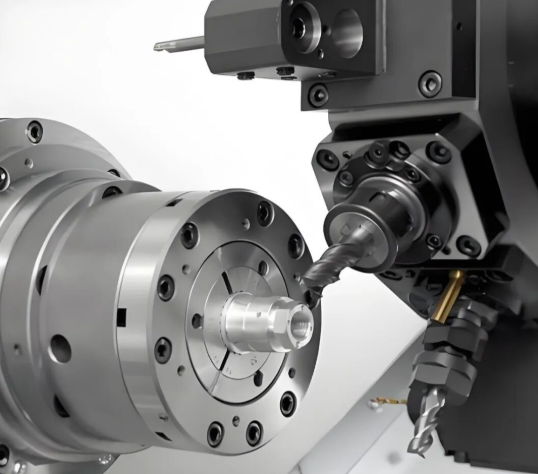
Design for Manufacturability in Rapid CNC
Here's a truth that surprises many engineers: your design decisions impact lead time as much as your material choice or machining partner selection. Every feature you add, every tolerance you specify, and every geometric complexity you include either accelerates or delays your cnc milling parts. The good news? A few strategic adjustments during the design phase can shave days off your timeline without compromising functionality.
Design for machining principles apply to all CNC work, but they become especially critical when speed matters. According to Fictiv's research, designers who understand manufacturability can make simple changes that accelerate production and get parts in hand faster. Let's explore exactly what those changes look like.
Design Choices That Accelerate Production
Want your cnc machine parts delivered in days rather than weeks? These design practices consistently enable faster turnaround while maintaining quality:
- Use standard hole sizes — Design holes that match common drill bit diameters (imperial or metric standards). Non-standard holes require end mills instead of drill bits, adding significant cycle time to every feature.
- Add adequate corner radii — CNC tools are cylindrical, meaning sharp internal corners are physically impossible. Specify internal corner radii at least equal to the tool radius (typically 3mm or larger for pockets). This allows standard tools to complete features in a single pass.
- Limit pocket depths — Keep pocket depth no more than 2-3 times the tool diameter. Deeper pockets require specialized long-reach tooling, slower feed rates, and multiple finishing passes. As FacFox notes, while depths up to 4x diameter are possible, they significantly increase both cost and lead time.
- Design for single-setup machining — Parts requiring only one clamping orientation complete much faster than those needing multiple setups. Each additional setup adds programming time, fixturing adjustments, and potential alignment errors.
- Specify standard thread sizes — Custom threads rarely add functional value but always add machining time. Stick with UNC, UNF, or metric standards that use readily available taps.
- Group similar features on common faces — When cnc milling components require features on multiple sides, concentrating similar operations reduces tool changes and setup complexity.
- Avoid unnecessary thin walls — Wall thicknesses below 0.8mm for metals (and 1.5mm for plastics) create vibration problems, require slower feeds, and risk deflection during cutting. According to manufacturing guidelines, thin walls are weak, expensive to machine, and prone to deformation.
- Design around standard stock sizes — Parts that fit efficiently into common bar, plate, or rod dimensions minimize material waste and eliminate custom stock procurement delays.
Think of these principles as removing friction from your manufacturing process. Each optimization might save only minutes or hours individually, but the cumulative effect across all features dramatically compresses your timeline.
Tolerance Specifications and Speed Trade-offs
Tolerances represent the single largest hidden factor affecting rapid CNC lead times. Specify tighter than necessary, and your parts require additional finishing passes, slower feed rates, and extended quality inspection. Specify appropriately, and precision cnc machining parts still meet functional requirements while moving through production efficiently.
Here's the reality about tolerance capabilities under rapid timelines:
- ±0.1mm (±0.004") — Achievable on virtually any competent CNC equipment with standard processes. This tolerance level allows maximum machining speeds and minimal inspection overhead.
- ±0.05mm (±0.002") — Still straightforward for most rapid providers. Slight adjustments to cutting parameters may apply, but lead times remain largely unaffected.
- ±0.025mm (±0.001") — Requires more careful process control, slower finishing passes, and enhanced inspection. Expect moderate lead time impact.
- ±0.01mm (±0.0004") — Considered ultra-high precision. According to ECOREPRAP's tolerance analysis, this level substantially increases manufacturing cost and often requires specialized equipment, controlled environments, and extended processing time.
The golden rule: apply tight tolerances only where function demands them. Non-critical dimensions should use standard tolerances (ISO 2768-m or equivalent), reserving precision callouts for mating surfaces, locating features, and performance-critical dimensions.
Consider a practical example. A mounting bracket with eight bolt holes doesn't need ±0.01mm on every dimension. The overall envelope might need ±0.25mm to fit the assembly. The bolt hole positions relative to each other might need ±0.1mm for proper alignment. Only the interface surfaces contacting precision components might justify ±0.05mm or tighter. This selective approach to tolerance specification—what engineers call "tolerance budgeting"—delivers functional parts faster and at lower cost.
Material selection also influences achievable tolerances under rapid timelines. As noted in tolerance research, aluminum alloys maintain dimensional stability well and can achieve ±0.025mm without extraordinary measures. Plastics, however, present challenges—thermal expansion, elastic springback, and internal stresses make ±0.1mm a more realistic target for most polymers under rapid turnaround conditions.
Features That Slow Down Rapid Machining
Some design elements inevitably extend lead times regardless of your machining partner's capabilities. Recognizing these features helps you make informed trade-offs between design intent and delivery speed:
- Deep, narrow pockets — High depth-to-width ratios force specialized tooling, slower speeds, and peck drilling strategies that multiply cycle time.
- Sharp internal corners — Physically impossible with rotating tools. Designs requiring near-sharp corners need EDM operations or manual finishing—both adding days to your timeline.
- Extremely tight tolerances on non-functional features — Every dimension marked ±0.01mm requires verification. Apply tight specs only where they matter.
- Undercuts and internal features — Parts of a cnc mill cannot reach enclosed cavities or severe undercuts. These features require specialized angle heads, multiple setups, or secondary operations.
- Machined text and logos — Engraving adds dedicated machining operations. Consider laser marking, silk screening, or labeling as post-process alternatives when speed matters.
- Exotic materials requiring special tooling — Titanium, Inconel, and hardened steels demand specialized inserts, slower parameters, and more frequent tool changes. Standard materials machine faster.
- Mirror finishes and ultra-smooth surfaces — Surface roughness below Ra 0.8µm typically requires additional polishing operations outside standard cnc machining milling cycles.
- Complex multi-axis geometries — Five-axis simultaneous machining offers tremendous capability but requires specialized programming and equipment. Simple 3-axis designs complete faster.
- Conflicting tolerance callouts — Geometric specifications that mathematically conflict (like overly tight position tolerances combined with loose datum surface tolerances) trigger manual engineering review, adding hours or days before machining begins.
None of these features are inherently wrong—sometimes your application genuinely requires deep pockets, tight tolerances, or complex surfaces. The key is understanding the lead time implications so you can make conscious decisions rather than discovering delays after submitting your order.
When rapid turnaround is essential, consider a two-phase approach: produce initial prototypes with simplified geometry for fast validation, then add complexity in subsequent iterations once the basic design proves functional. This strategy lets you maintain momentum through development cycles while still achieving your final design intent.
With design optimized for manufacturability, you're ready to consider how different industries apply these principles to their specific rapid CNC requirements.
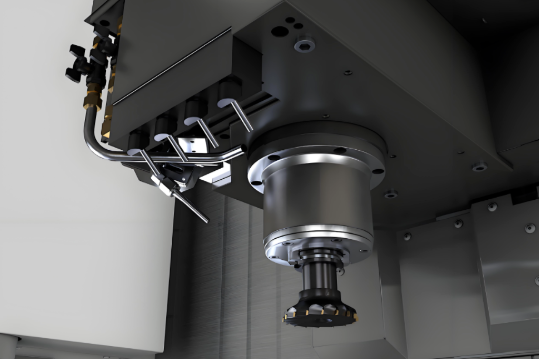
Industry Applications for Rapid CNC Machining
Different industries bring unique demands to the machining floor. A medical device prototype carries different requirements than an automotive validation part, and aerospace components operate under stricter regulations than consumer electronics housings. Understanding these distinctions helps you select the right approach—and recognize when rapid CNC delivers maximum value for your specific application.
Let's examine how leading industries leverage custom cnc machining services to accelerate development while meeting their exacting standards.
Automotive Development and Validation Parts
Automotive product development cycles demand speed without compromising quality. When engineers design new powertrain components, chassis assemblies, or interior fittings, they need physical parts for validation testing—often within days, not weeks. This is where rapid CNC proves indispensable.
According to LS Manufacturing's industry analysis, the automotive segment requires ultra-tight tolerances and sophisticated quality management systems. Custom machined parts for automotive applications typically include:
- Functional prototypes for fit testing — Brackets, housings, and mounting components that verify assembly compatibility before committing to production tooling
- Validation samples for durability testing — Parts that must withstand thermal cycling, vibration, and stress testing under realistic conditions
- Bridge production components — Small batch cnc machining fills gaps when injection molds or die cast tools aren't ready but vehicle builds must proceed
- Custom fixtures and jigs — Assembly aids that support manufacturing line development in parallel with product design
Tolerance expectations in automotive typically range from ±0.05mm to ±0.1mm for most functional components, with critical mating surfaces occasionally requiring ±0.025mm. These specifications remain achievable within rapid timelines when designs follow manufacturability principles.
The key advantage? Automotive development teams iterate faster. Instead of waiting three weeks for traditional machining, engineers receive cnc prototypes in under a week—enabling additional design revision cycles before production tooling commits.
Medical Device Prototyping Requirements
Medical applications introduce additional complexity: regulatory compliance, biocompatibility requirements, and documentation standards that other industries rarely encounter. Yet speed remains critical—especially when patient outcomes depend on getting devices to market faster.
Custom parts manufacturing for medical devices typically involves:
- Surgical instrument prototypes — Functional samples for ergonomic evaluation and design validation before regulatory submission
- Implant development samples — Parts for biocompatibility testing, often machined from titanium or medical-grade stainless steel
- Diagnostic equipment housings — Enclosures and structural components requiring precise fits and clean aesthetics
- Disposable component validation — Machined versions of parts destined for high-volume molding, enabling early functional testing
As noted in industry research, medical device manufacturing must comply with ISO 13485 quality system certification, and specific devices require FDA, CE, or equivalent regulatory approvals. Rapid CNC providers serving this sector maintain documented material traceability, validated processes, and comprehensive inspection records.
Stainless steel cnc machining services become particularly important here. Grades like 316L and 17-4 PH offer the corrosion resistance and strength medical applications demand. Tolerance requirements vary widely—some components need only ±0.1mm, while precision assemblies may require ±0.01mm on critical features.
Aerospace Component Considerations
Aerospace represents the most demanding environment for rapid CNC applications. Components must perform flawlessly under extreme conditions—temperature swings, vibration loads, and fatigue cycles that leave no margin for error. Yet development timelines remain aggressive, creating constant tension between speed and certification requirements.
According to LS Manufacturing's aerospace experience, successful aerospace CNC machining requires AS9100 certification and rigorous material traceability. Typical aerospace applications include:
- Structural brackets and fittings — Lightweight aluminum or titanium components optimized through topology analysis
- Engine and propulsion system parts — High-temperature alloys requiring specialized machining expertise
- Satellite structural components — Parts where weight savings directly impact mission cost and capability
- Development test articles — Components for qualification testing before flight hardware production
The real-world impact can be substantial. LS Manufacturing documented a case where advanced 5-axis machining techniques enabled a titanium satellite bracket to achieve 40% weight reduction while meeting all structural requirements—demonstrating that rapid turnaround need not compromise aerospace performance standards.
Tolerance expectations in aerospace typically run tighter than automotive applications, with ±0.025mm common for precision features and geometric tolerances (GD&T) applied rigorously. Material certifications must trace back to original mill sources, adding procurement complexity that affects lead times for exotic alloys.
Consumer Electronics Iteration Cycles
Consumer electronics development operates at breakneck speed. Product lifecycles measured in months—not years—create intense pressure to iterate designs rapidly. When a smartphone manufacturer refines antenna housing geometry or a wearable company optimizes button feel, waiting weeks for machined samples simply isn't viable.
The electronics sector leverages cnc prototype capabilities for:
- Enclosure and housing development — Machined versions of eventual injection molded or die cast parts
- Thermal management components — Heat sinks, spreaders, and cooling structures requiring precise geometries
- RF and antenna testing samples — Components for electromagnetic performance validation
- User interface elements — Buttons, bezels, and touch surfaces for tactile and aesthetic evaluation
According to industry analysis, electronics manufacturing increasingly demands miniaturization and high-precision cavity machining for signal integrity. This creates specific requirements for rapid CNC: tight positional tolerances on connector features, clean surface finishes for cosmetic review, and quick iteration capability as designs evolve through multiple development phases.
Tolerance requirements vary by component type—structural housings might need only ±0.1mm, while precision connector interfaces could require ±0.025mm. The key differentiator is iteration speed: consumer electronics teams often need three or four cnc prototype revisions within the timeframe that traditional methods would deliver one.
Understanding Batch Size Economics
Regardless of industry, a critical question emerges: how does cost-per-part change as your order quantity increases? Understanding this relationship helps you budget effectively and decide when rapid CNC remains economical versus when transitioning to production methods makes sense.
The economics follow a predictable pattern:
| Quantity Range | Cost Behavior | Best Application |
|---|---|---|
| 1-5 parts | Highest per-part cost; programming and setup dominate | Initial prototypes, design validation, proof of concept |
| 6-25 parts | Significant per-part reduction as setup costs amortize | Functional testing, small pilot runs, multiple configurations |
| 26-100 parts | Continued improvement; approaching efficient production | Pre-production validation, early customer samples, bridge production |
| 100-500 parts | Competitive with low-volume production methods | Market testing, limited releases, specialized products |
| 500+ parts | Consider production tooling for further cost reduction | Evaluate transition to molding, casting, or dedicated production |
For small batch cnc machining in the 10-100 unit range, rapid CNC often represents the most economical approach. No tooling investment means you're not gambling on design stability. Quick turnaround lets you validate before committing. And the per-part premium over high-volume methods typically pales against the cost of tooling changes when designs evolve.
Industry-specific factors influence these breakpoints. Aerospace parts with extensive documentation requirements may justify small-batch machining even at higher volumes. Medical components requiring individual traceability find CNC economics favorable for longer production runs. Consumer electronics with rapidly evolving designs benefit from machining flexibility even when quantities might otherwise warrant tooling investment.
The practical takeaway? Don't assume rapid CNC is only for single prototypes. Many companies successfully use custom cnc machining services for ongoing production of specialized components—particularly when design flexibility, quality documentation, or supply chain simplicity outweigh pure per-part cost optimization.
With industry applications understood, you're equipped to match your specific requirements to rapid CNC capabilities. But what happens when projects don't go smoothly? Common pitfalls can delay even well-planned orders—and knowing how to avoid them saves both time and frustration.
Avoiding Common Rapid CNC Project Delays
You've selected the right material, optimized your design for manufacturability, and found a capable machining partner. So why does your project still get stuck in limbo? The answer often lies in preventable issues that surface during file review—problems that trigger manual intervention, communication loops, and frustrating delays.
According to Frigate's industry analysis, over 60% of manufacturers face delays due to machining inefficiencies and workflow bottlenecks. Many of these delays trace back to submission issues that could have been resolved before clicking "upload." Let's examine the most common culprits—and how to eliminate them from your cnc machining part orders.
File Format and Model Quality Issues
Your CAD file might look perfect on screen, but that doesn't mean it's ready for production. Corrupted geometry, improper exports, and format incompatibilities rank among the most frequent causes of machining parts delays.
As Zenith Manufacturing explains, CAM software requires mathematically "watertight" solid models to calculate toolpaths. When it encounters non-manifold geometry—tiny surface breaks, overlapping faces, or unstitched gaps—the software either fails completely or generates unpredictable results.
Common file-related problems include:
- Non-manifold geometry from mesh-based software — Programs like Rhino, Blender, or SketchUp can create models that look correct but contain mathematical errors invisible in your CAD environment
- Corrupted STEP exports — Complex surfacing operations sometimes produce files with open contours or degenerate surfaces
- Missing 2D drawings — Sending only a 3D model without an engineering drawing leaves critical intent undefined (tolerances, surface finishes, thread specifications)
- Unit confusion — Imperial versus metric mismatches transform your 25-inch part into a 25-millimeter miniature
Prevention strategies:
- Run geometry checks in your CAD software before export—most programs include "solid body validation" or "repair" functions
- Export as STEP AP214 or AP242 format for maximum compatibility with cnc machining products workflows
- Always include a 2D PDF drawing with tolerance callouts, surface finish requirements, and critical dimensions clearly marked
- Add unit specification directly in your file name (e.g., "bracket_assembly_MM.step") and verify export settings match
Tolerance Conflicts That Trigger Manual Review
Nothing stalls a rapid project faster than tolerance specifications that don't add up. When your drawing contains contradictory callouts—or demands precision that exceeds practical limits—your file lands in an engineering review queue instead of moving directly to programming.
According to manufacturing research, tolerance errors represent the most expensive mistakes in CNC machining. One manufacturer reported a quote dropping from $800 to $220 simply by changing a global default tolerance from ±0.05mm to the appropriate ±0.5mm for non-critical dimensions.
Watch for these tolerance-related delay triggers:
- Default template tolerances applied globally — Using ±0.05mm across every dimension when only a few features actually require that precision
- Geometric conflicts — Position tolerances tighter than the datum surface tolerances they reference, creating mathematically impossible requirements
- Unrealistic surface finish expectations — Calling out Ra 0.4µm (mirror finish) on milled parts when standard Ra 1.6-3.2µm meets functional needs
- Missing critical dimensions — Assuming the machinist will derive important measurements from the model rather than explicit callouts
Prevention strategies:
- Apply tight tolerances only to mating surfaces, locating features, and performance-critical dimensions
- Use ISO 2768-m (medium) as your general tolerance standard, calling out exceptions explicitly
- Review your tolerance stack-up to ensure specifications are mathematically consistent
- Include a "critical dimensions" note highlighting the features that truly require verification
Material Specification Ambiguities
"Aluminum" isn't a specification—it's a category containing dozens of alloys with vastly different properties, availability, and machining characteristics. Vague material callouts force suppliers to guess, request clarification, or make assumptions that might not match your requirements.
As noted in Reata Engineering's DFM guidance, catching specification issues at the quoting stage prevents expensive mid-production surprises. Unclear materials represent a significant source of these preventable delays for milled parts and machining part orders alike.
Material ambiguities that cause delays:
- Generic material names — "Stainless steel" without specifying 303, 304, or 316 grade
- Missing temper conditions — "6061 aluminum" without specifying T6, T651, or annealed state
- Conflicting specifications — Calling out properties (hardness, tensile strength) incompatible with the named material
- Unavailable or obsolete grades — Specifying materials no longer commercially available or only sourced from specialty suppliers
Prevention strategies:
- Specify complete material designations including grade, temper, and relevant standards (e.g., "6061-T6 per AMS-QQ-A-250/11")
- Confirm material availability with your supplier before finalizing specifications
- Provide acceptable alternatives when your primary choice may face procurement delays
- Include material certifications requirements upfront if your application demands traceability
The fastest path to finished parts isn't rushing through file submission—it's eliminating the issues that trigger delays before they occur.
These preventable problems share a common solution: preparation. Spending an extra 15 minutes validating your files, reviewing tolerance logic, and confirming material specifications saves days of back-and-forth communication. Your cnc milled parts reach you faster when your submission package answers questions before they're asked.
With submission pitfalls addressed, the final piece of the puzzle becomes clear: selecting the right manufacturing partner who can deliver on rapid timelines while maintaining the quality your applications demand.
Selecting a Rapid CNC Machining Partner
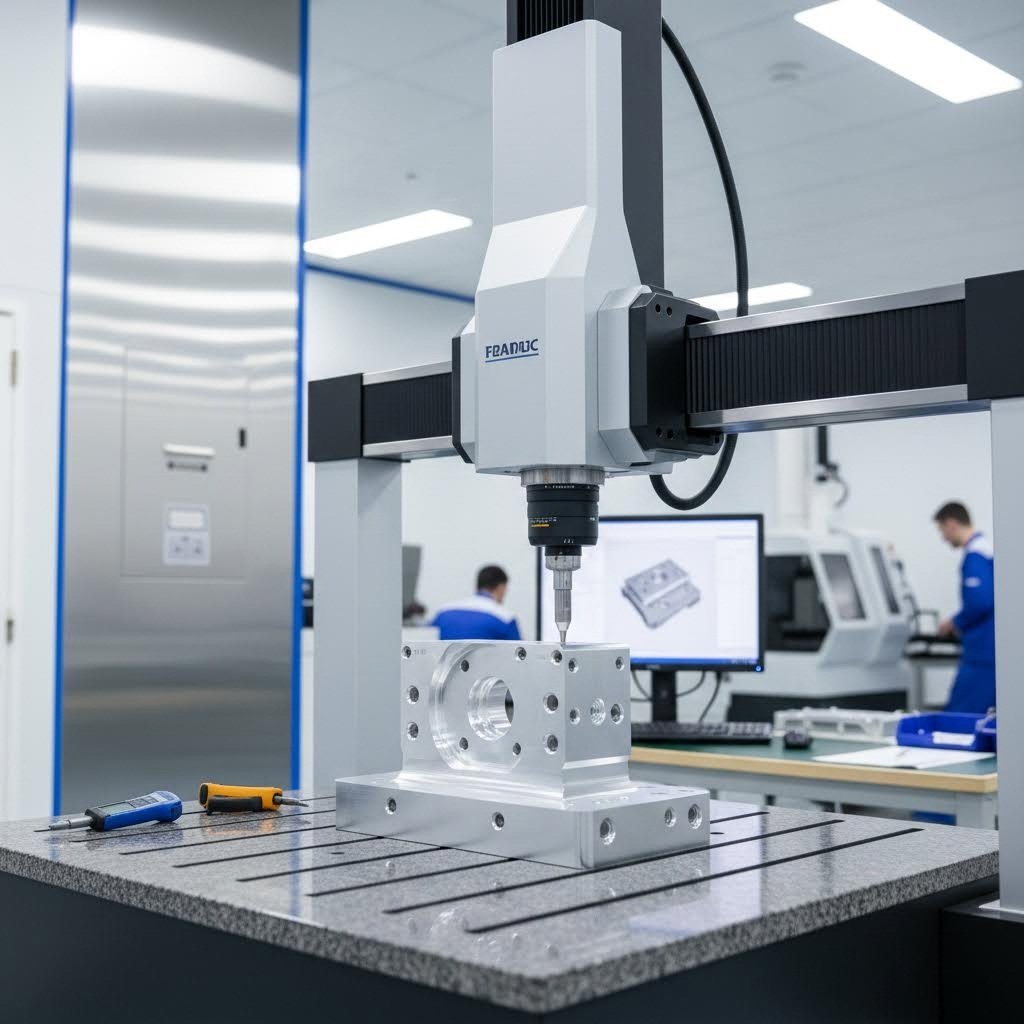
Finding the right cnc service provider can feel overwhelming when dozens of shops claim rapid turnaround capabilities. How do you separate genuine manufacturing excellence from marketing promises? The answer lies in evaluating specific criteria that predict reliable performance—certifications, quality systems, equipment capabilities, and proven track records that demonstrate a shop can actually deliver what they advertise.
According to Norck's manufacturing analysis, choosing a CNC machining partner isn't just about owning fancy machines—it's about the knowledge, experience, and systematic processes that ensure consistent quality. Let's examine the evaluation criteria that matter most when speed and precision must coexist.
Certifications That Signal Manufacturing Excellence
Industry certifications serve as your first filter when evaluating machine shop services. These aren't just badges on a website—they represent third-party verification that a supplier maintains documented quality processes, undergoes regular audits, and meets rigorous industry-specific standards.
As Modo Rapid's certification guide explains, certifications like ISO 9001, IATF 16949, and AS9100 signal a supplier's commitment to quality, traceability, and process control. Here's what each certification indicates about a potential partner:
- ISO 9001 — The baseline certification verifying standardized quality control processes, documentation, and continuous improvement practices. Think of it as the driver's license for manufacturing—essential but not sufficient for specialized applications.
- IATF 16949 — Tailored specifically for automotive supply chains, this certification adds requirements for defect prevention, statistical process control, and lean production systems. For automotive applications, this certification is non-negotiable.
- AS9100 — The aerospace and defense standard that layers additional safety, reliability, and traceability protocols onto ISO 9001 requirements. Essential for any flight-critical or defense-related components.
- ISO 13485 — Medical device manufacturing certification ensuring compliance with biocompatibility requirements and healthcare-specific traceability standards.
- ITAR Registration — Required for defense projects, confirming the supplier can handle controlled technical data and comply with export regulations.
The right certification depends on your industry. A prototype machine shop serving consumer electronics may only need ISO 9001, while automotive validation parts demand IATF 16949 compliance. Match certification requirements to your application—and verify certifications are current, not expired.
Evaluating Turnaround Capabilities and Capacity
Certifications establish quality credentials, but they don't guarantee speed. Evaluating actual turnaround capabilities requires examining equipment, processes, and capacity indicators that determine whether a provider can meet aggressive timelines.
When assessing prototype cnc machining partners, investigate these capability factors:
- Equipment fleet and technology level — Modern, well-maintained machines with advanced controls enable faster cycle times and tighter tolerances. Look for 5 axis cnc machining services when your parts include complex geometries requiring simultaneous multi-axis cutting.
- Automation and programming efficiency — Providers using AI-assisted CAM programming and automated quoting systems eliminate the manual bottlenecks that delay traditional shops.
- Material inventory and sourcing relationships — Shops maintaining stock of common materials (aluminum, stainless, engineering plastics) avoid procurement delays that extend lead times.
- Capacity and scheduling flexibility — Ask about current workload and how rush orders are accommodated. The ideal machining partner maintains buffer capacity for urgent projects.
- Geographic considerations — Local suppliers eliminate shipping transit time and enable easier communication for complex projects. However, don't sacrifice quality for proximity.
According to manufacturing research, responsiveness indicates professionalism and efficiency. How quickly does a provider respond to quote requests? Can you easily communicate with technical staff when questions arise? These indicators predict performance under deadline pressure.
Quality Control Systems and Process Consistency
Speed means nothing if parts arrive out of specification. Robust quality control systems—and the discipline to apply them consistently—separate reliable partners from shops that cut corners under time pressure.
As CNC manufacturing research demonstrates, Statistical Process Control (SPC) stands out as a crucial tool for quality management, offering the means to monitor and improve product quality during production. SPC implementation signals a systematic approach to maintaining precision across every order—not just the parts that happen to get extra attention.
Key quality indicators to evaluate:
- Inspection equipment capabilities — Look for Coordinate Measuring Machines (CMMs), optical comparators, micrometers, and surface roughness testers. Advanced, regularly calibrated inspection tools demonstrate commitment to accuracy.
- In-process versus final inspection — Proactive shops implement in-process checks to catch errors early, minimizing waste and ensuring consistent quality throughout production runs.
- Documentation and traceability — Can the supplier provide material certifications, inspection reports, and process records? This traceability proves essential for regulated industries and helps diagnose issues if problems arise.
- First Article Inspection (FAI) capabilities — For production orders, FAI reports verify that initial parts meet all specifications before full runs proceed.
Statistical Process Control deserves special attention. According to SPC research, manufacturers using control charts can track real-time production data, identify anomalies, and take corresponding measures to enhance stability. This proactive approach prevents quality drift that might otherwise go undetected until parts fail inspection.
Partner Evaluation Checklist
Bringing these criteria together, here's a practical framework for evaluating cnc precision machining services providers:
- Certification alignment — Does the supplier hold certifications required for your industry (IATF 16949 for automotive, AS9100 for aerospace, ISO 13485 for medical)?
- Proven rapid capability — Can they demonstrate actual lead times of one to five business days for parts similar to yours?
- Equipment adequacy — Do they operate modern CNC equipment capable of your required tolerances and geometries?
- Quality system maturity — Is SPC implemented? Are inspection capabilities adequate for your specifications?
- Material competency — Do they stock common materials and have established sourcing for specialty alloys?
- Communication responsiveness — How quickly do they respond to inquiries? Can you reach technical staff when needed?
- Scalability — Can they grow with your needs from prototype cnc machining through production volumes?
For automotive manufacturers seeking to accelerate their supply chains, Shaoyi Metal Technology exemplifies these evaluation criteria in practice. Their IATF 16949 certification confirms automotive-grade quality systems, while SPC implementation ensures process consistency across production runs. With lead times as fast as one working day and capabilities spanning complex chassis assemblies to custom metal bushings, they demonstrate how ideal machining partners combine certification credentials with genuine rapid turnaround capability.
The value of thorough partner evaluation compounds over time. A reliable cnc precision machining services provider becomes an extension of your engineering team—understanding your requirements, anticipating issues, and consistently delivering parts that meet specifications. This relationship value far exceeds the per-part cost savings of shopping for the cheapest quote on every order.
With your machining partner selected and evaluation criteria understood, the final step is putting these insights into action—matching your specific project requirements to rapid CNC capabilities and preparing for successful outcomes.
Making Rapid CNC Machining Work for Your Projects
You've now explored the complete landscape of rapid CNC machining—from fundamental definitions through material selection, design optimization, industry applications, and partner evaluation. But knowledge without action delivers no value. Let's synthesize these insights into a practical decision framework and concrete next steps that transform your understanding into faster, higher-quality parts.
Matching Project Requirements to Rapid CNC Capabilities
Not every project benefits equally from rapid CNC prototyping. Understanding when this approach delivers maximum value—and when alternatives make more sense—saves both time and budget. Ask yourself these questions before committing:
- Is your design still evolving? — Rapid CNC shines during active development when iteration speed matters more than per-part cost optimization
- Do you need functional validation? — When parts must withstand real-world testing conditions, cnc rapid prototyping delivers production-grade materials that 3D printing cannot match
- Are quantities under 500 units? — At these volumes, the absence of tooling investment makes rapid prototyping cnc machining economically competitive
- Is your timeline measured in days, not weeks? — When deadlines compress, the streamlined workflows of rapid providers justify any per-part premium
Conversely, consider traditional methods when designs are frozen, quantities exceed several hundred units, timeline pressure is minimal, or specialized finishing operations dominate your requirements. The decision isn't binary—many successful programs use rapid CNC for development phases before transitioning to optimized production methods.
Preparing Your First Rapid CNC Order
Ready to submit your first order? This preparation checklist ensures smooth processing and minimizes delay risks:
- Validate your CAD files — Run geometry checks, export as STEP AP214 or AP242, and confirm units match your intent
- Include complete documentation — Provide 2D drawings with tolerances, surface finish callouts, and thread specifications clearly marked
- Specify materials precisely — Use complete designations including grade, temper, and applicable standards (e.g., "6061-T6 per AMS-QQ-A-250/11")
- Apply tolerances strategically — Use general tolerances (ISO 2768-m) for non-critical dimensions; call out tight specifications only where function demands
- Identify critical features — Highlight dimensions requiring verification so inspection focuses where it matters most
- Confirm material availability — For specialty alloys, verify stock status before finalizing to avoid procurement delays
According to LS Manufacturing's cnc prototyping service guidance, a complete and clean set of information is necessary for a right and competitive quote. The investment of 15-20 minutes in thorough file preparation typically saves days in back-and-forth communication.
Scaling from Prototype to Production
The most successful rapid CNC programs plan for growth from day one. Your cnc prototyping service partner should seamlessly support the journey from single validation samples through pilot runs and into sustained production.
Consider these scaling factors:
- Design stability checkpoints — Establish clear gates where you evaluate whether designs are ready for higher-volume commitment
- Supplier qualification — Verify your rapid partner maintains certifications and quality systems appropriate for production quantities in your industry
- Cost curve understanding — Know how your per-part costs will decrease as quantities increase, helping you time production transitions optimally
- Documentation continuity — Ensure inspection records, material certifications, and process parameters transfer seamlessly as programs scale
As noted in UPTIVE's prototype-to-production analysis, working with the right partner can significantly mitigate scaling risks because they bring design optimization expertise that helps refine prototypes for cost-effective and scalable production. The transition from custom cnc parts in single digits to production runs of hundreds should feel like a natural progression, not a disruptive handoff.
The winning formula for rapid CNC success isn't choosing speed over quality or cost—it's selecting the right partner who delivers all three through systematic process excellence.
For automotive manufacturers seeking to accelerate their supply chains while maintaining uncompromising quality standards, Shaoyi Metal Technology demonstrates how rapid prototyping cnc capabilities translate into production-ready solutions. Their IATF 16949 certification, Statistical Process Control implementation, and lead times as fast as one working day position them as a practical example of rapid CNC excellence. Whether you need complex chassis assemblies or precision metal bushings, their seamless scaling from rapid prototyping to mass production eliminates the friction that typically accompanies program growth.
The cnc parts you need shouldn't take weeks when days will do. Armed with the frameworks, best practices, and evaluation criteria covered throughout this guide, you're now equipped to leverage rapid CNC machining for competitive advantage—cutting lead times without cutting corners on the quality your applications demand.
Frequently Asked Questions About Rapid CNC Machining
1. What does rapid mean in CNC machining?
Rapid CNC machining refers to fast-turnaround manufacturing services that deliver precision-machined parts within days rather than weeks. Unlike the G-code term G00 (rapid traverse), rapid CNC describes an entire workflow optimized for speed—from automated quoting and AI-assisted CAM programming to streamlined production processes. This approach maintains production-grade quality while dramatically compressing lead times, making it ideal for prototyping, custom parts, and urgent orders.
2. How much does CNC machining cost per hour?
CNC machining typically costs between $50 and $150 per hour, depending on equipment complexity and precision requirements. Setup fees range from $50 to over $1,000 based on job complexity. For rapid CNC projects, per-part costs are higher for single prototypes but decrease significantly with quantities of 6-100 units as setup costs amortize. Material choice, tolerances, and finishing requirements also heavily influence final pricing.
3. What is the difference between rapid CNC machining and traditional CNC machining?
Rapid CNC machining delivers parts in 2-5 business days versus 2-4 weeks for traditional methods. The speed advantage comes from automated quoting systems, AI-powered CAM programming, and streamlined workflows that eliminate scheduling queues. Traditional CNC excels for high-volume production (500+ parts) where setup costs amortize across larger runs. Rapid CNC is optimal for prototypes, small batches, and urgent orders where speed outweighs per-part cost optimization.
4. What materials work best for rapid CNC turnaround?
Aluminum 6061 offers the fastest turnaround due to excellent machinability and universal stock availability. Other rapid-friendly materials include brass C360, Delrin, ABS, and mild steel 1018. These materials machine quickly without specialized tooling. Titanium, Inconel, and hardened steels significantly extend lead times due to slower cutting speeds, specialized tooling requirements, and potential material procurement delays.
5. How can I avoid delays in my rapid CNC project?
Prevent delays by validating CAD files for geometry errors, exporting as STEP format, and including complete 2D drawings with tolerances. Specify materials precisely with grade and temper designations. Apply tight tolerances only to critical features—using ±0.1mm for non-critical dimensions speeds processing. Confirm material availability before ordering, especially for specialty alloys. IATF 16949-certified partners like Shaoyi Metal Technology combine quality systems with one-day lead times for reliable delivery.