 Small batches, high standards. Our rapid prototyping service makes validation faster and easier —
  EN
EN


CNC Quotes Online Decoded: What Actually Drives Your Price Up Or Down
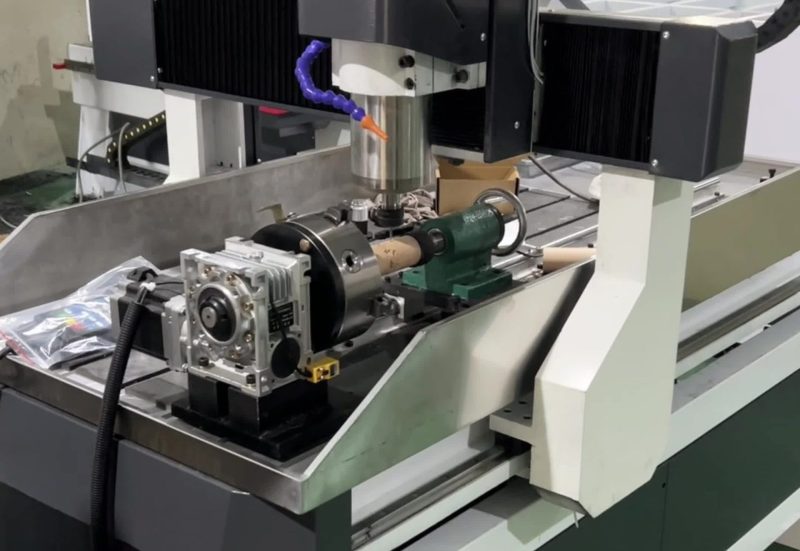
Understanding Online CNC Quotes and Their Growing Importance
Ever wondered how much to get a metal part made without spending hours on phone calls or waiting days for email responses? That frustration is exactly what CNC quotes online were designed to eliminate. These digital platforms allow you to upload your CAD files and receive immediate pricing, lead times, and manufacturability feedback for precision machined parts—often in just seconds or minutes.
What Are Online CNC Quotes and Why They Matter
A CNC quote online is essentially a digital tool that analyzes your design files and generates instant cost estimations for machining projects. Unlike traditional quoting processes that could stretch across 1-5 business days, modern platforms deliver results in as little as 5-60 seconds. This represents a fundamental shift in how machining for manufacturing procurement works.
Think about it this way: you upload a STEP file, the system analyzes your part geometry, assesses material requirements and tolerances, then delivers a comprehensive quote—all before you finish your coffee. Major platforms now leverage networks of over 10,000 suppliers and more than 1,000 CNC machines, serving thousands of companies seeking high-quality machined parts every day.
The Digital Shift in Manufacturing Procurement
So what problems does this CNC service model actually solve for buyers like you?
- Time savings: Quotes that once took days now arrive in under a minute, accelerating project timelines by up to 90%
- Price transparency: Real-time pricing lets you compare costs across materials, tolerances, and finishes instantly
- Accessibility: 24/7 availability means global users can request online machining quotes anytime, without scheduling calls or navigating time zones
- Design feedback: Automated manufacturability analysis identifies potential issues before production begins
For first-time buyers and small-to-medium enterprises without in-house manufacturing capabilities, this accessibility is transformative. You no longer need industry connections or technical expertise just to get a ballpark figure on your project.
Online CNC quoting democratizes access to precision manufacturing—giving a startup designer with one prototype the same instant pricing visibility that was once reserved for enterprise buyers with established supplier relationships.
The technology driving these platforms combines advanced software algorithms, CAD integration, and increasingly sophisticated AI and machine learning. These systems don't just calculate costs; they evaluate your design's complexity, identify potential manufacturing challenges, and optimize the quote based on real production data from thousands of previous projects.

How Automated CNC Quoting Technology Actually Works
Sounds complex? The technology behind instant CNC quotes online might seem like magic, but it follows a logical, sophisticated process that analyzes your design in remarkable detail. Understanding what happens after you click that upload button helps you prepare better files and get more accurate pricing. Let's pull back the curtain on how these AI-powered quote engines transform your CNC files into actionable cost estimates.
How Instant Quote Engines Analyze Your Design
When you submit an instant request through a CNC fabrication platform, a series of automated algorithms spring into action. These systems don't simply estimate costs—they perform comprehensive manufacturability assessments based on databases containing hundreds of thousands of previously machined components.
The detection software examines your part geometry to determine whether it requires milling, turning, or a combination of both processes. This initial classification is critical because it determines which machines, tools, and production workflows apply to your specific CNC machining parts.
Here's what happens during the automated analysis:
- Design Input Processing: The system reads your uploaded file (STEP, IGES, or native CAD formats), extracting part geometry, dimensions, and any embedded tolerance specifications
- Process Selection: Algorithms classify your part as a turned, milled, or turn-mill component based on its geometric characteristics
- Geometry Splitting: The software automatically divides your design into negative volumes—essentially mapping all the material that must be removed during machining
- Feature Classification: Each negative volume is categorized: holes, countersinks, counterbores, chamfers, pockets, fillets, grooves, and other machining features
- Orientation Analysis: The system determines optimal part positioning and identifies all necessary machining orientations
- Clamping Calculation: Based on orientation, the platform calculates fixturing requirements and assesses clamping difficulty
- Machine and Tool Selection: The algorithm selects optimal equipment and cutting tools based on detected parameters
- Processing Time Estimation: Using tool-based feed rates and approach strategies, the system calculates actual machining time
- Additional Time Factors: Programming time, setup time, and other non-cutting activities are added to the total
- Final Price Generation: Material costs, labor rates, overhead, and margin combine into your online quotation
From CAD Upload to Price Calculation
The real power of these platforms lies in their ability to consider factors you might not even think about. For example, according to Oroox's documentation, the calculation process applies customer-specific rules and guidelines that influence various parameters, ensuring each quote reflects actual production realities rather than generic estimates.
Material selection interacts with machine time in ways the algorithms account for automatically. Machining aluminum requires different speeds, feeds, and tooling than cutting stainless steel or titanium. The system adjusts processing time calculations accordingly, impacting your final cnc fab pricing.
Quantity also plays a significant role. Platforms bundle similar orders together and route them to specialized manufacturers within their networks. As noted by InstaWerk, this bundling creates higher purchasing power compared to single orders, passing cost efficiencies to customers while ensuring fabricators receive work matching their expertise.
When Automated Quotes Trigger Manual Review
Not every design qualifies for instant pricing. Certain characteristics push your submission into manual review territory, where human engineers evaluate your part before providing an online quotation:
- Complex geometries: Parts requiring 5-axis machining or intricate internal features often need engineering assessment
- Tight tolerances: Specifications beyond standard machining capabilities trigger additional review
- Unusual materials: Exotic alloys, specialty plastics, or materials requiring specific certifications may require manual evaluation
- Large dimensions: Oversized parts exceeding standard machine envelopes need capacity verification
- Secondary operations: Complex post-treatments or finishing requirements sometimes require human input
Understanding this distinction helps set realistic expectations. Simpler CNC machining parts typically receive instant quotes, while challenging designs benefit from the expertise of experienced engineers who can optimize manufacturing approaches and provide accurate pricing for your specific requirements.
Breaking Down What Determines Your CNC Quote Price
Now that you understand how automated quoting systems analyze your design, let's explore what actually moves the needle on your final CNC machining cost. When you receive a quote online, that number reflects a carefully calculated combination of factors—some within your control, others dictated by market conditions and manufacturing realities. Understanding these cost drivers empowers you to make smarter design decisions and negotiate more effectively.
Material Costs and Their Impact on Your Quote
Material selection represents one of the most significant variables in your CNC machining price. According to Unionfab's cost analysis, raw material typically accounts for a substantial portion of total machining expenses—and the price gap between different options can be dramatic.
Consider this: aluminum sits at the low end of the machinist metal cost spectrum, while titanium and specialty ceramics command premium pricing up to five times higher. But raw material expense tells only part of the story. You must also factor in:
- Waste material: CNC machining is subtractive, meaning excess material gets removed and discarded. Complex geometries can waste 50-80% of your starting stock
- Machinability: Softer materials like aluminum cut faster, reducing machine time. Harder alloys require slower speeds and more tool changes
- Availability: Common grades ship quickly at standard pricing. Exotic alloys may require longer lead times and premium sourcing fees
Here's a practical perspective on relative material costs:
| Material Category | Examples | Relative Cost | Machinability Impact |
|---|---|---|---|
| Low-cost metals | Aluminum 6061, Brass | $ | Fast cutting, minimal tool wear |
| Mid-range metals | Steel, Stainless Steel, Copper | $$$ | Moderate speeds, standard tooling |
| Premium metals | Titanium, Magnesium, Inconel | $$$$$ | Slow cutting, specialized tools required |
| Standard plastics | Acrylic, POM, Nylon | $$ | Fast machining, cooling considerations |
| Engineering plastics | PEEK, PTFE | $$$$$ | Specialty tooling, precise temperature control |
The price of CNC work rises significantly when you specify materials that are harder to source or more challenging to machine. Before defaulting to high-performance alloys, ask yourself: does your application truly demand titanium, or would aluminum meet the functional requirements at a fraction of the cost?
How Machine Time Drives Final Pricing
If material is king, machine time is the power behind the throne. According to Scan2CAD's analysis, machining time is considered the most significant cost driver during production—outweighing setup costs, material expenses, and even custom finishing charges.
CNC machines operate on hourly rates that vary by capability:
- 3-axis machines: Approximately $40/hour
- 4-axis machines: $45-50/hour
- 5-axis machines: $75-120/hour
Every minute your part spends on the machine directly impacts your CNC machine cost. Complex geometries requiring multiple tool changes, intricate features demanding slower feed rates, and deep pockets needing dozens of passes—all these factors extend machining time and inflate your quote.
Design complexity affects machining duration in several ways:
- Feature count: More holes, pockets, and contours mean more individual machining operations
- Deep cavities: Reaching into narrow, deep features requires specialized long-reach tooling and slower, careful cuts
- Sharp internal corners: These cannot be achieved with rotating cutters, sometimes requiring secondary EDM operations
- Thin walls: Delicate features need reduced cutting forces and multiple light passes to prevent deflection
The Tolerance-Cost Relationship
Imagine you're specifying tolerances for a new component. Tighter tolerances always seem better, right? Not when you're paying the bill. The relationship between tolerance requirements and CNC machine price follows an exponential curve—each step tighter dramatically increases cost.
Standard machining tolerances of ±0.005" (±0.127mm) represent the sweet spot where most CNC equipment operates efficiently. Push to ±0.001" (±0.025mm), and you're looking at slower cutting speeds, more frequent measurements, and potentially specialized equipment. According to Rapid Enterprises, most clients see 20-35% cost reductions simply by addressing over-tolerance specification.
The key insight? Apply tight tolerances only where functionally necessary. Critical mating surfaces and precision fits warrant the extra expense. Non-critical dimensions can remain at standard tolerances, saving significant machining time and inspection requirements.
Comprehensive Cost Factor Breakdown
To optimize your next quote, consider this complete breakdown of factors and their optimization strategies:
| Cost Factor | Impact Level | How to Optimize |
|---|---|---|
| Raw Material | High | Choose cost-effective materials meeting functional requirements; avoid over-specifying exotic alloys |
| Machine Hourly Rate | High | Design for 3-axis machining where possible; minimize features requiring 5-axis capability |
| Setup Time | Medium-High | Design parts machinable in single setups; reduce the number of orientations required |
| Machining Time | Very High | Simplify geometry; use standard tool-compatible features; avoid deep pockets and thin walls |
| Tolerance Requirements | High | Specify tight tolerances only on critical features; use GD&T effectively |
| Surface Finish | Medium | Accept as-machined finishes where possible; limit polishing to visible surfaces only |
| Quantity | High | Leverage economies of scale; batch similar parts together; plan optimal order quantities |
| Part Complexity | Very High | Round internal corners; reduce feature count; consider splitting complex parts into assemblies |
Quantity Discounts and Batch Economics
Here's where strategic thinking pays dividends. The cost of CNC machining decreases substantially as quantity increases—a principle economists call economies of scale. Setup time, programming, and tooling costs get distributed across more units, dramatically reducing your per-part expense.
For example, a part costing $37 each at 500 units might drop to under $10 at the same quantity with a longer lead time, according to Unionfab's provider comparison data. The fixed costs of machine setup, fixture preparation, and quality documentation spread thin when you're producing hundreds or thousands of identical components.
When requesting CNC quotes online, consider slightly larger batch sizes if your application permits. A modest increase in order quantity can yield significant savings without creating excessive inventory. This planning approach works especially well for parts you'll need repeatedly—ordering slightly ahead reduces future setup costs and ensures consistent pricing.
Understanding these cost drivers transforms you from a passive quote recipient into an informed buyer who can optimize designs before submission and evaluate pricing with confidence.
Preparing Your CAD Files for Accurate Online Quotes
You've designed something brilliant in CAD, and you understand the cost drivers behind CNC quotes online. But here's the catch—none of that knowledge matters if your cnc file isn't properly prepared for the quoting platform. The pre-quote preparation phase is where many buyers stumble, triggering manual reviews, delayed responses, or outright rejections. Let's fix that by walking through exactly how to prepare files for metal machining that generate fast, accurate quotes.
Essential File Formats for CNC Quote Platforms
Not all CAD formats are created equal when it comes to CNC machining. The format you choose directly affects how accurately the quoting system interprets your geometry—and whether you receive an instant quote or wait for manual review.
According to JLCCNC's preparation guide, the best formats for CNC machining include:
- STEP (.stp, .step): The gold standard for CNC quoting platforms. STEP files preserve solid geometry, maintain dimensional accuracy, and work universally across CAM software. When in doubt, export as STEP.
- IGES (.igs file, .iges): Another widely accepted format that handles complex surfaces well. Slightly older than STEP but still reliable for most cnc machine projects.
- Parasolid (.x_t, .x_b): Excellent geometry fidelity, commonly used by SolidWorks and other professional CAD packages.
- Native CAD formats: Some platforms accept files from SolidWorks, Fusion 360, Inventor, and other major software directly. These often preserve the most complete design information.
Here's what you should avoid: mesh-based formats like STL or OBJ. While these work perfectly for 3D printing, they break smooth curves into tiny triangles that cnc cuts cannot accurately follow. The triangulated geometry creates approximations rather than precise curves, leading to inaccurate quotes and potentially unusable toolpaths.
Design Considerations That Speed Up Your Quote
Imagine uploading your design and receiving an instant, accurate quote versus waiting days for an engineer to manually review flagged issues. The difference often comes down to how well your design follows manufacturability guidelines.
According to Protolabs' design toolkit, several geometric considerations significantly impact quoting speed and accuracy:
Wall Thickness and Structural Integrity
Thin walls create machining challenges. When your design includes walls under 0.5mm for metals or 1.0mm for plastics, the quoting system flags potential deflection issues. Cutting tools generate forces that can bend or vibrate thin features, causing dimensional inaccuracies. The fix? Design walls thick enough to withstand machining forces, then consider secondary operations if thinner sections are truly necessary.
Internal Corners and Radii
CNC cutting tools are round—which means they cannot produce perfectly sharp internal corners. Every internal corner requires a fillet or radius matching the tool diameter. According to Protolabs, any part requiring square internal corners will cost significantly more because the only way to achieve them is through electro-discharge machining (EDM) or extremely slow cutting with tiny tools.
The practical rule: design internal corners with radii at least equal to the cutter radius you expect will be used. For external corners, 45-degree chamfers are faster and more cost-effective than rounded edges.
Hole Depths and Pocket Considerations
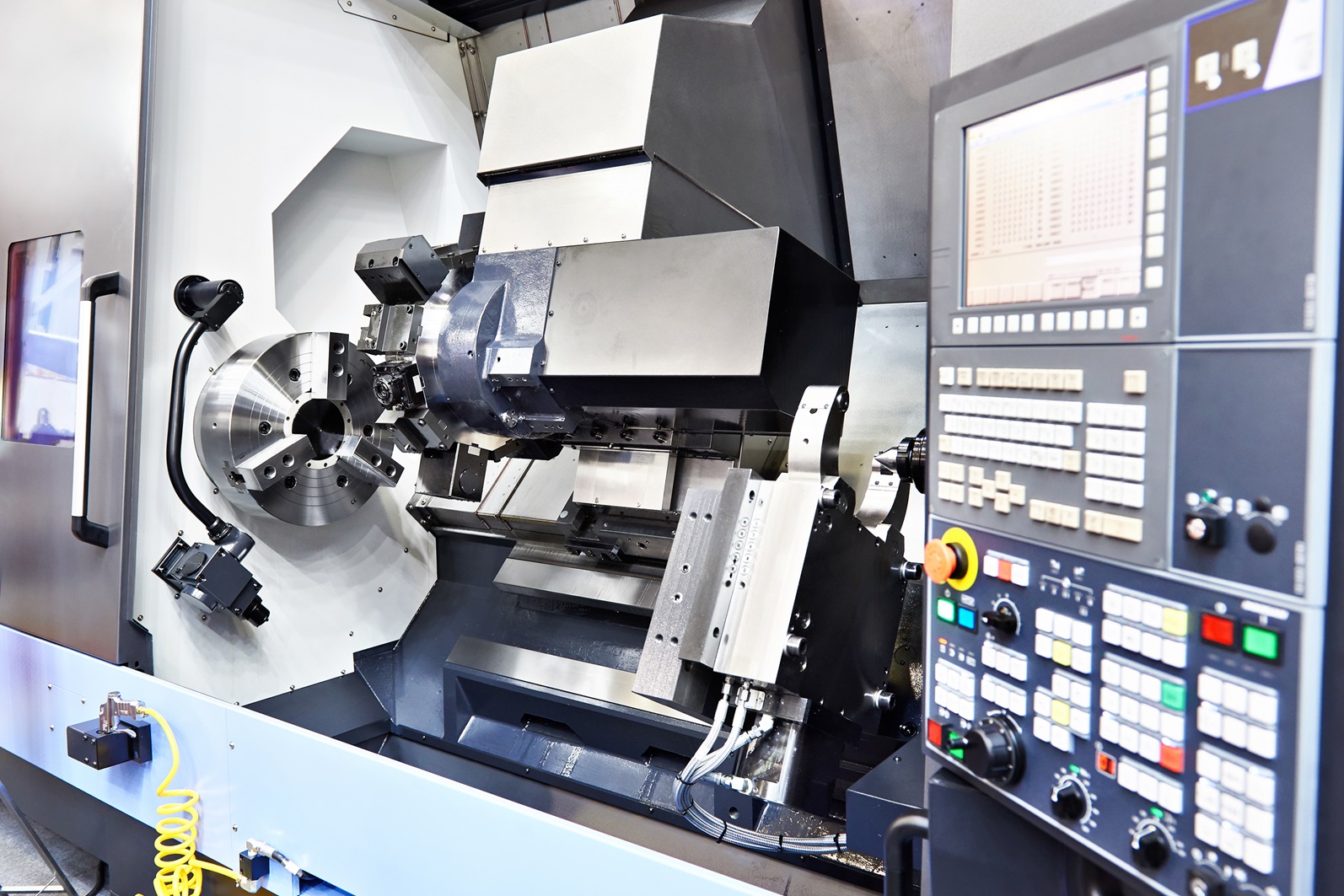
Deep, narrow holes and pockets trigger manual review for good reason. Standard drill bits and endmills have length-to-diameter limitations. Holes deeper than 10x their diameter often require specialized tooling or multiple operations. Deep, narrow pockets cause tool deflection, vibration, and surface finish problems.
When a cnc cut must reach deep into your part, consider:
- Breaking through to the opposite side if possible (through-holes are easier than blind holes)
- Stepping pocket depths to reduce tool engagement
- Using larger corner radii in deep features to accommodate longer, more rigid tools
Tolerance and Surface Finish Specifications
Your quote platform needs clear instructions about critical dimensions. When uploading your cnc file, ensure tolerance callouts are either embedded in the model or provided in accompanying documentation. Ambiguous tolerance requirements force manual review—engineers must guess your intent rather than calculate pricing automatically.
Surface finish requirements follow similar logic. If your application demands polished surfaces or specific Ra values, communicate this clearly. Platforms typically offer finish options ranging from as-machined (fastest and cheapest) through various levels of smoothing, polishing, and coating. Selecting the appropriate option upfront prevents quote surprises later.
Common File Preparation Mistakes to Avoid
After reviewing thousands of uploaded designs, quoting platforms identify the same preparation errors repeatedly. Avoid these pitfalls to receive faster, more accurate quotes:
- Uploading mesh files (STL/OBJ) instead of solid geometry: These formats work for 3D printing but create inaccurate CNC quotes
- Including unnecessary machining: According to Protolabs' design tips, designing parts that require cutting away excess material rather than simply cutting the part from stock nearly doubles machine time
- Specifying overly tight tolerances on non-critical features: This triggers additional processing time and inspection requirements
- Adding small or raised text: Tiny text requires very small endmills operating at slow speeds, significantly increasing run time and cost
- Leaving unresolved geometry errors: Open surfaces, intersecting bodies, or corrupted features prevent accurate analysis
- Forgetting to include all bodies: Multi-body parts may not export completely without proper selection
- Using unsupported file versions: Some platforms struggle with the newest CAD format versions—export to a widely compatible standard
- Omitting critical specifications: Missing material callouts, finish requirements, or quantity information delays quote generation
Your CNC quote is only as good as the file you provide. Taking fifteen minutes to verify file format, check geometry, and confirm manufacturability saves days of back-and-forth communication and prevents costly production mistakes.
Proper file preparation transforms the quoting experience from frustrating guesswork into smooth, predictable pricing. With your CAD files optimized and ready for upload, the next consideration is understanding how different machine types—from basic 3-axis mills to sophisticated 5-axis centers—affect your quote and what capabilities your design actually requires
Machine Types and How They Affect Your Quote
You've optimized your CAD files and understand the cost drivers—but here's a factor that can swing your CNC quotes online by 50% or more: the type of machine your part requires. The distinction between 3-axis and 5-axis machining isn't just technical jargon. It directly determines whether your quote lands in the budget-friendly zone or premium pricing territory. Let's break down exactly how machine capabilities influence your bottom line.
When 3-Axis Machining Meets Your Needs
Think of a 3-axis CNC machine as the workhorse of precision manufacturing. It moves its cutting tool along three directions: left-to-right (X-axis), front-to-back (Y-axis), and up-and-down (Z-axis). According to Xometry's technical comparison, this configuration handles the majority of machining operations efficiently and cost-effectively.
When does a 3-axis machine make sense for your project? Consider these scenarios:
- Prismatic geometries: Parts with features on flat, perpendicular surfaces—top, bottom, front, back, and sides—align perfectly with 3-axis capabilities
- Standard pockets and holes: Vertical drilling, slot cutting, and face milling operations execute quickly and accurately
- Simpler brackets and housings: Electronic enclosures, mounting plates, and basic structural components rarely need more than three axes
- 2D and 2.5D contours: Profiles cut through material or stepped features with consistent depth work excellently on 3-axis equipment
The cost advantage is significant. According to industry data, 3-axis CNC machines range from $25,000 to $50,000—dramatically less than their 5-axis counterparts. This lower capital investment translates directly into reduced hourly rates and per-part pricing for your machined components.
However, 3-axis machines have limitations. Since they cannot automatically rotate the workpiece, complex parts require multiple setups. Each time an operator re-clamps and repositions your part, setup time accumulates—and setup time costs money. For parts needing machining on multiple angled surfaces, those repositioning requirements can actually make 3-axis work more expensive than 5-axis alternatives.
Why 5-Axis Capability Commands Premium Pricing
Now imagine your cutting tool gaining two additional movements: rotation around the A-axis (tilting) and B-axis (swiveling). A 5-axis CNC machine can approach your workpiece from virtually any angle, accessing complex geometries that would be impossible or impractical on simpler equipment.
According to Modus Advanced's engineering guidelines, five-axis machining introduces additional complexity that impacts project costs through several channels:
- Programming complexity: 5-axis tool paths require sophisticated programming, increasing preparation time before machining begins
- Setup requirements: Accommodating multiple tool approach angles during a single setup demands advanced fixturing
- Specialized tooling: Extended-reach cutters and specific geometries may be required, extending procurement lead times
- Quality verification: Complex parts often demand more comprehensive measurement strategies
The equipment itself reflects this capability gap. While 3-axis machines start around $25,000, 5-axis CNC machines range from $80,000 to over $500,000. Those capital costs flow through to your quotes as higher hourly machine rates—typically $75-120/hour compared to roughly $40/hour for 3-axis work.
But here's the counterintuitive truth: for genuinely complex parts, 5-axis machining can actually save money. When your geometry requires access from multiple angles, a 5-axis machine completes the work in a single setup. No re-clamping, no repositioning errors, no accumulated setup time. The premium hourly rate gets offset by dramatically reduced total machine time.
Comparing Machine Capabilities at a Glance
Understanding which machine type fits your part helps you anticipate pricing before you even upload your files. Use this comparison to evaluate your requirements:
| Machine Type | Best For | Typical Tolerance | Cost Impact |
|---|---|---|---|
| 3-Axis CNC | Flat surfaces, standard holes, simple pockets, 2D/2.5D profiles | ±0.005" (±0.127mm) standard | Lower hourly rates ($40/hr); economical for simple geometries |
| 5-Axis CNC | Compound curves, angled features, turbine blades, aerospace components, medical implants | ±0.001" (±0.025mm) achievable | Higher hourly rates ($75-120/hr); cost-effective for complex single-setup parts |
CNC Milling Versus CNC Turning: Choosing the Right Process
Beyond axis count, another fundamental choice affects your CNC quotes online: milling versus turning. These processes work on entirely different principles, and selecting the wrong one inflates costs unnecessarily.
In CNC milling, your part stays stationary while a rotating cutter moves around it, removing material to create features. This process excels at prismatic shapes—think housings, brackets, and components with flat surfaces and angled features.
CNC lathe machining flips this relationship. In lathe machining, your workpiece rotates at high speed while a stationary cutting tool shapes it. This makes a CNC machine lathe ideal for rotationally symmetrical parts: shafts, pins, bushings, and cylindrical components. According to Facturee's process comparison, choosing the wrong process doesn't just affect price—it determines feasibility.
Here's a quick decision framework:
- Choose cnc turning service for: Round parts, shafts, bolts, fittings, nozzles, and anything with dominant rotational symmetry
- Choose milling for: Rectangular parts, housings, brackets, heat sinks, and components with multiple flat surfaces
- Consider turn-mill centers for: Cylindrical parts that also need milled features like flats, keyways, or cross-holes
How Material Selection Interacts With Machine Requirements
Your material choice doesn't exist in isolation—it directly influences which machines and processes work best, further affecting your quote. Different materials behave differently under cutting forces, and machine capabilities must match material demands.
Aluminum machines quickly and generates less tool wear, making it forgiving across both 3-axis and 5-axis equipment. Steel demands more rigid setups and slower cutting speeds. Exotic alloys like titanium and Inconel push machine capabilities to their limits, often requiring 5-axis access simply to manage heat buildup and tool wear effectively.
Consider these material-machine interactions when planning your project:
- Aluminum alloys: Excellent candidates for 3-axis machining; fast cutting speeds keep costs low even with complex geometries
- Carbon and stainless steels: Work well on both machine types; 5-axis may be justified for complex parts to reduce setup time
- Titanium and superalloys: Often benefit from 5-axis capabilities for optimal tool approach angles and heat management
- Engineering plastics: Typically machine efficiently on 3-axis equipment unless complex organic shapes are required
When you combine material selection with machine type selection, you're making decisions that can shift your per-part cost by 30-50% or more. Understanding these interactions before requesting CNC quotes online positions you to make informed choices—and potentially redesign features to take advantage of more economical manufacturing approaches.
With machine types and processes clarified, the next critical factor influencing your quote involves material selection and surface finish options—choices that affect not just pricing but also lead times and final part performance.
Material Selection and Surface Finish Considerations
You've selected your machine type and optimized your geometry—but the material you choose and the finish you specify can swing your CNC quotes online by 40% or more in either direction. These decisions ripple through every aspect of your project: machining time, tool wear, lead times, and final part performance. Let's explore how to make these choices strategically rather than defaulting to familiar options that may not serve your budget or timeline.
Choosing Materials That Balance Performance and Cost
When you're evaluating materials for metal machining or plastic components, the goal isn't finding the "best" material—it's finding the right material for your specific application. According to Xometry Pro's material selection guide, you should ask yourself three critical questions before choosing: Will this part endure mechanical stress or impact? Will it operate in high temperatures? Will it be exposed to chemicals, UV, or moisture?
Leading quoting platforms now offer 45+ certified materials and counting, giving you tremendous flexibility. But with that flexibility comes complexity. Here's how the major material categories stack up:
- Aluminum alloys (6061, 7075, 2024): The workhorses of aluminum machining. Fast cutting speeds, excellent thermal conductivity, and relatively low cost make these ideal for prototypes, housings, and structural components. Machined aluminum parts typically cost 30-50% less than steel equivalents due to faster cycle times. Best for: aerospace brackets, electronic enclosures, heat sinks, general prototyping.
- Carbon steels (1018, 1045, 4140): Stronger than aluminum with better wear resistance. Moderate machining speeds and reasonable tool life. Good balance of strength and economy for mechanical components. Best for: shafts, gears, fixtures, industrial machinery parts.
- Stainless steels (303, 304, 316): Corrosion resistance commands premium pricing. Stainless steel CNC machining requires slower speeds and generates more tool wear, increasing costs 20-40% versus carbon steel. Best for: food processing equipment, medical devices, marine applications, chemical handling.
- Brass and copper alloys: Excellent machinability with attractive appearance. Copper alloys offer superior electrical and thermal conductivity. Best for: electrical components, decorative hardware, plumbing fittings, heat exchangers.
- Engineering plastics (POM, nylon, PEEK): Machining nylon and similar plastics offers lightweight alternatives to metal. Machinable nylon provides good wear resistance at low cost, while PEEK delivers exceptional performance at premium prices. Best for: bushings, insulators, food-safe components, weight-critical applications.
- Specialty materials (titanium, Inconel, magnesium): Exceptional performance characteristics—but expect machining costs 3-5x higher than aluminum due to slow cutting speeds, rapid tool wear, and specialized handling requirements. Best for: aerospace critical components, medical implants, high-performance racing parts.
How Material Availability Affects Lead Times and Pricing
Here's something many buyers overlook: the material sitting in your quote might not be sitting in any warehouse. According to Xometry's sourcing guidance, lead time is a crucial factor in production, mainly determined by material sourcing.
Common grades like Aluminum 6061 or Stainless 304 ship within days from multiple distributors. But specify an uncommon alloy—say, 17-4 PH stainless in an unusual stock size—and your supplier may need weeks to source it. That delay cascades through your entire project timeline.
The practical approach? Balance material performance with availability:
- Standard aluminum alloys and common steels typically add no lead time
- Specialty grades may require 1-3 weeks for procurement
- Exotic alloys or unusual dimensions can extend timelines by 4+ weeks
- Consider design modifications that allow using readily available stock sizes
Aluminum fabrication projects benefit most from material commonality. The combination of fast machining, widespread availability, and excellent performance-to-cost ratio explains why aluminum dominates CNC quoting platforms across industries.
Surface Finish Options and Their Pricing Impact
Once your part comes off the machine, it carries tool marks and a matte surface finish. That as-machined condition works perfectly for internal components and functional parts hidden from view. But visible surfaces, corrosive environments, or wear applications often demand additional finishing—and those operations add both cost and lead time.
According to HMaking's cost analysis, surface finishing can add a notable percentage to what started as purely cutting-focused pricing. Leading platforms now offer 13+ finishing options, spanning the spectrum from functional to cosmetic:
Functional Finishes
- As-machined: Direct from the CNC with standard tool marks (typically 3.2 µm Ra). No additional cost or lead time. Ideal for hidden components and prototypes.
- Bead blasting: Creates uniform matte texture, removes machine marks, and prepares surfaces for other coatings. Low cost addition.
- Hard anodizing (Type III): Builds thick, wear-resistant oxide layer on aluminum. Excellent for sliding surfaces and components requiring abrasion resistance. Moderate cost premium.
- Black oxide: Adds mild corrosion resistance to steel with minimal dimensional change. Cost-effective protection for non-critical applications.
Cosmetic and Protective Finishes
- Decorative anodizing (Type II): Colors aluminum while adding corrosion protection. Available in multiple colors. Popular for consumer products and visible components.
- Powder coating: Durable, thick coating available in virtually any color. Excellent for enclosures, brackets, and outdoor equipment. Moderate cost and lead time addition.
- Electroplating (nickel, chrome, zinc): Adds metallic layer for appearance, corrosion resistance, or conductivity. Chrome plating commands premium pricing; zinc plating offers economical protection.
- Polishing: Labor-intensive process creating mirror or near-mirror surfaces. Significant cost addition—reserve for truly cosmetic applications.
Match your finish requirements to actual function—not aspirational aesthetics. Specifying polished surfaces on parts nobody will ever see wastes money without adding value.
Making Cost-Effective Material and Finish Decisions
The smartest approach combines material selection with finish planning from the start. According to manufacturing best practices, not all materials can be finished equally; some polish well, others don't. Use brass or aluminum for cosmetic parts that need attractive finishes. Accept rougher finishes on functional components unless absolutely necessary.
Consider these optimization strategies:
- Prototype in aluminum, produce in steel: Test form and fit with fast, economical machined aluminum before committing to slower, costlier production materials
- Limit finishing to visible surfaces: Specify anodizing or powder coating only where appearance matters, leaving hidden faces as-machined
- Match material to environment: Don't over-specify stainless steel for indoor applications where powder-coated carbon steel performs equally well
- Design for your finish: Sharp edges may cut through coatings or trap plating—incorporate edge breaks in your design to improve coating adhesion and durability
With material and finish decisions clarified, you're now equipped to evaluate quotes with a complete understanding of what drives pricing. The next consideration involves quality certifications—understanding when industry-specific standards like ISO 13485 or AS9100D become necessary and how certification requirements affect both pricing and supplier selection.

Quality Certifications and What They Mean for Buyers
You've selected your material, optimized your geometry, and understand machine capabilities—but here's a factor that separates reliable suppliers from risky bets: quality certifications. When evaluating CNC quotes online, those certification badges aren't just marketing decorations. They represent audited processes, documented quality systems, and accountability structures that directly affect whether your parts arrive on-spec, on-time, and ready for your application.
Industry Certifications That Signal Quality Manufacturing
Think of certifications as a supplier's driver's license for specific industries. According to Modo Rapid's certification guide, these standards ensure your parts meet tight tolerances and industry-specific requirements while reducing risks in production and supply chains.
But which certifications actually matter for your project? Let's break down the major standards you'll encounter when requesting precision cnc machining services:
ISO 9001: The Quality Management Baseline
ISO 9001 represents the foundation of manufacturing quality management. This certification verifies that a supplier has documented quality control processes, continuous improvement practices, and standardized procedures for everything from order intake to final inspection.
What does this mean practically? ISO 9001-certified machine shop services maintain traceable records of your parts, follow established procedures for handling design changes, and implement corrective actions when issues arise. According to industry experts, this certification reduces the likelihood of defects and late deliveries by ensuring consistent processes across every order.
IATF 16949: Automotive Excellence
If you're sourcing components for automotive applications—engine brackets, suspension parts, or custom bushings—IATF 16949 certification becomes non-negotiable. This standard layers automotive-specific requirements onto ISO 9001, adding:
- Core tools training: FMEA, PPAP, APQP, and other methodologies that prevent defects before they occur
- Statistical Process Control (SPC): Real-time monitoring ensuring every part meets specifications, not just spot-checked samples
- Lean production systems: Waste reduction and efficiency protocols that support high-volume manufacturing
- Enhanced traceability: Complete documentation from raw material through finished component
Suppliers with IATF 16949 certification are already tuned to meet tight deadlines while keeping defect rates microscopic—exactly what automotive supply chains demand.
AS9100D: Aerospace and Defense Standards
When parts go into aircraft or defense systems, the margin for error drops to practically zero. AS9100D certification—often called ISO 9001 on steroids—adds rigorous protocols for safety-critical manufacturing. A cnc machinist aerospace certified under this standard operates under stricter documentation requirements, enhanced process validation, and comprehensive risk management frameworks.
For prototype machining services destined for aerospace applications, AS9100D certification signals capability to handle exotic materials like titanium and Inconel while maintaining the traceability and quality documentation your program requires.
ISO 13485: Medical Device Manufacturing
Medical device components require specialized attention that general manufacturing standards don't address. According to Protomatic's analysis, ISO 13485 adapts the ISO 9001 process-based model specifically for regulated medical device manufacturing environments.
This certification ensures suppliers understand biocompatibility considerations, maintain sterility protocols where applicable, and implement risk management systems compliant with ISO 14971. The documentation requirements are substantially more thorough—every material, every process step, and every inspection becomes part of a traceable quality record that regulatory bodies may audit.
When to Require Specific Quality Standards
Not every project demands aerospace-grade certification. Requiring AS9100D for a prototype bracket destined for a consumer product adds cost without benefit. Understanding when certifications matter—and when they're overkill—helps you balance quality assurance against budget realities.
| Certification | Industry | Key Requirements | When to Require |
|---|---|---|---|
| ISO 9001 | General Manufacturing | Documented quality systems, continuous improvement, process audits | All production parts; minimum baseline for any serious supplier |
| IATF 16949 | Automotive | SPC, defect prevention, PPAP documentation, lean manufacturing | Any parts entering automotive supply chains; racing components; critical vehicle systems |
| AS9100D | Aerospace & Defense | Enhanced traceability, risk management, safety protocols, process validation | Flight-critical components; defense applications; any parts requiring FAA/EASA compliance |
| ISO 13485 | Medical Devices | Risk management, biocompatibility awareness, regulatory compliance, enhanced documentation | Implantable devices; surgical instruments; diagnostic equipment components |
| ITAR Registration | Defense | Export control compliance, controlled technical data handling | Defense projects involving controlled technologies or export-restricted materials |
Quality Control Measures Beyond Certification
Certifications verify that systems exist—but what actually happens on the shop floor matters equally. When evaluating cnc precision machining services, look beyond the certificate to understand actual quality control practices:
- Statistical Process Control (SPC): Real-time monitoring of critical dimensions during production, catching drift before parts go out of tolerance
- First Article Inspection (FAI): Comprehensive measurement of initial production parts against all drawing specifications before full production proceeds
- CMM verification: Coordinate Measuring Machine inspection providing dimensional data accurate to microns
- In-process inspection: Checks at multiple production stages rather than only final inspection
- Material certifications: Documentation verifying raw material composition and properties
According to manufacturing quality experts, certification combined with robust inspection protocols helps manufacturers identify problems before they become expensive field failures.
How Certification Requirements Affect Pricing and Supplier Selection
Here's the practical reality: certified suppliers typically command higher prices than uncertified shops. Maintaining ISO 9001 requires annual audits, documented procedures, and trained personnel. Adding IATF 16949 or AS9100D layers on additional overhead—specialized equipment, more rigorous inspection, and extensive documentation.
That premium buys you risk reduction. Certified machine shop services are less likely to ship defective parts, miss tolerances, or cause production delays that cost far more than the price difference. For critical applications, the certification premium represents insurance against far more expensive failures downstream.
When selecting suppliers from your CNC quotes online, consider:
- Match certification to application: General prototypes rarely need AS9100D; medical implants absolutely require ISO 13485
- Verify certification validity: Request certificate copies and confirm active registration with certifying bodies
- Evaluate beyond certification: Ask about specific inspection equipment, SPC implementation, and rejection rates
- Consider total cost: A slightly higher per-part price from a certified supplier often costs less than quality failures from cheaper alternatives
Certifications aren't just badges—they're your first line of defense against poor quality, late deliveries, and compliance headaches.
With certification requirements clarified, you're now equipped to evaluate suppliers on quality fundamentals—not just quoted prices. The next step involves comparing quotes across platforms and understanding why prices vary significantly between different manufacturing partners.
Comparing Quotes and Choosing the Right Manufacturing Partner
You've uploaded your files to multiple platforms, and now you're staring at a spreadsheet of wildly different numbers. One quote comes in at $150 per part, another at $280, and a third somewhere in between. What's going on? Understanding why CNC quotes online vary so dramatically—and knowing how to evaluate beyond the bottom line—separates buyers who get burned from those who build lasting manufacturing partnerships.
Why Quotes Vary Between Different Platforms
That 40-80% price swing between platforms isn't random. According to Sanshi Aerotech's cost analysis, the geographical location of your machining provider and associated factors like shipping costs, labor rates, and skilled machinist availability vary significantly by region. But location is just the starting point.
Here's what actually drives price differences when you're comparing custom machined parts quotes:
- Manufacturing location and labor costs: Machining in regions with high living costs yields higher quotes. Domestic shops typically charge premium rates compared to overseas alternatives—but often deliver faster with fewer communication barriers.
- Overhead structures: A boutique shop with three machines carries different fixed costs than an automated facility running 50+ CNC centers. Those infrastructure differences flow directly into your per-part pricing.
- Quality standards and certifications: According to CNC WMT's supplier guide, maintaining certifications like ISO 9001, IATF 16949, or AS9100D requires annual audits, documented procedures, and trained personnel—all adding overhead that certified suppliers must recover through pricing.
- Included services: Some quotes include inspection reports, material certifications, and finishing. Others price these as add-ons that surprise you at checkout.
- Volume assumptions: Platforms optimize pricing differently based on batch sizes. A shop specializing in cnc prototyping may quote low quantities competitively, while high-volume specialists shine on larger orders.
- Machine utilization: According to Financial Models Lab's analysis, precision machining shops target 75-85% machine utilization. Suppliers running below 70% have expensive assets sitting idle, increasing their effective cost per part—and your quote.
Evaluating Beyond Just the Bottom Line Price
Imagine selecting the cheapest quote, only to receive parts two weeks late with dimensions outside tolerance. That "savings" evaporates instantly when you're expediting replacement parts or missing your own customer deadlines. Smart buyers evaluate the complete value proposition—not just the number at the bottom of the quote.
Lead Time Reliability
According to industry benchmarks, top-tier suppliers maintain on-time delivery rates of 95% or better. When evaluating cnc turning services or any machining partner, ask directly about their OTD (On-Time Delivery) performance. A slightly higher quote from a supplier with 98% on-time delivery often costs less than a cheaper alternative that ships late 20% of the time.
According to supplier selection guidance, typical lead times for CNC machining range from 1-3 weeks depending on volume and complexity. Good suppliers use scheduling software, maintain capacity buffers, and provide real-time order tracking—reducing uncertainty and boosting your planning accuracy.
Communication Quality
When you're searching for "cnc machining services near me" or "cnc services near me," proximity often correlates with communication ease. But physical location matters less than responsiveness and technical competence. According to manufacturing experts, experienced suppliers anticipate problems before they arise, understand technical drawings, provide DFM (Design for Manufacturability) feedback, and suggest machining alternatives.
Evaluate potential partners on:
- Response time to initial inquiries
- Willingness to discuss design optimizations
- Clarity of communication about potential issues
- Availability of technical support during production
Revision Policies and Flexibility
Projects evolve. Designs change. According to cost factor analysis, revisions and prototypes during the design process can inflate CNC machining costs—each change might involve additional materials, time, and labor. Understanding how your supplier handles mid-project modifications before you commit saves headaches later.
Ask about:
- Fees for design revisions after order placement
- Flexibility to adjust quantities mid-production
- Policies on expediting urgent changes
- How prototype iterations are priced versus production runs
The Quote-to-Part Journey: What to Expect
Understanding the complete journey from quote acceptance to parts in hand helps you evaluate supplier transparency and professionalism. Quality custom metal parts suppliers provide clear visibility at every stage:
- Order confirmation: Immediate acknowledgment with confirmed specifications, pricing, and delivery dates
- Production scheduling: Clear timeline showing when your job enters the queue and expected completion
- Progress updates: Proactive communication about production status, especially if delays occur
- Quality documentation: Inspection reports, material certifications, and dimensional data as applicable
- Shipping transparency: Carrier selection, tracking information, and delivery confirmation
According to best practices, suppliers should offer real-time order tracking and clear communication about any workflow disruptions that might affect your timeline.
Your Quote Comparison Checklist
When you receive multiple CNC quotes online, evaluate each option systematically using these criteria:
- Base price per part: The obvious starting point, but never the complete picture
- Setup and tooling fees: Are these included or itemized separately?
- Material sourcing: Is material cost locked in, or subject to market fluctuations?
- Finishing services: What's included versus charged as extras?
- Inspection and documentation: Standard dimensional reports or comprehensive inspection packages?
- Shipping costs and methods: Domestic versus international, standard versus expedited options
- Lead time commitment: Firm delivery date or estimated window?
- On-time delivery track record: Ask directly—reputable suppliers share this data
- Quality certifications: ISO 9001 minimum; industry-specific certifications as required
- Revision and cancellation policies: What happens if your needs change?
- Payment terms: Upfront payment, milestone-based, or net terms for established customers?
- Warranty and defect handling: What recourse exists if parts arrive out of spec?
The lowest quote rarely delivers the lowest total cost. Factor in quality, reliability, communication, and risk when comparing manufacturing partners.
With a systematic approach to quote comparison, you're positioned to select partners who deliver value—not just low prices. Different industries, however, have unique requirements that affect how you should evaluate quotes. Let's explore how quoting needs differ across automotive, aerospace, medical, and general prototyping applications.
Industry-Specific Quoting Needs From Prototyping to Production
You've mastered the fundamentals of CNC quotes online—but here's where things get interesting. A quote for an automotive chassis bracket looks nothing like a quote for a medical implant component, even if both parts share similar geometries. Each industry carries unique certification requirements, material specifications, and volume expectations that fundamentally reshape how suppliers price your work. Understanding these sector-specific dynamics helps you request smarter quotes and evaluate responses with confidence.
Automotive Component Quoting Requirements
Automotive supply chains operate on razor-thin margins and unforgiving schedules. When you're sourcing cnc parts for vehicles—whether prototype brackets or production-volume bushings—your quotes reflect this demanding environment.
According to TMC Technologies' industry analysis, automotive parts often require tolerances as tight as ±0.001 inches to function correctly. CNC machining ensures these standards are met consistently—but achieving that consistency requires suppliers equipped with the right certifications, equipment, and quality systems.
What makes automotive quoting unique?
- IATF 16949 certification requirement: This automotive-specific quality standard is non-negotiable for Tier 1 and Tier 2 suppliers. Quotes from certified facilities typically run 10-20% higher than uncertified alternatives—but that premium buys you PPAP documentation, SPC monitoring, and defect prevention systems your OEM customers require.
- High-volume pricing structures: Automotive projects often span thousands or tens of thousands of units. According to RapidDirect's cost analysis, setup costs that add $300 to a single prototype dilute to just $3 per part in a 100-piece batch—and become negligible at automotive production volumes.
- Material traceability: Every custom metal component requires documented material certifications tracing alloy composition back to the mill
- Statistical Process Control: Real-time monitoring during cnc machining metal operations ensures every part meets specifications, not just spot-checked samples
- Aggressive lead time expectations: Automotive programs move fast, demanding suppliers who can deliver high-tolerance components quickly without sacrificing quality
For automotive applications requiring this specialized capability, Shaoyi Metal Technology exemplifies what buyers should look for: IATF 16949 certification, SPC-backed quality control, and lead times as fast as one working day for precision components like chassis assemblies and custom metal bushings. Their facility spans the full spectrum from rapid prototyping to mass production—exactly the scalability automotive supply chains demand.
Aerospace Quoting Considerations
When parts fly, failure isn't an option. Aerospace quoting reflects the industry's zero-tolerance approach to quality and documentation.
- AS9100D certification: This aerospace-specific standard layers rigorous safety protocols onto ISO 9001 requirements. Expect suppliers to document every process step, every material lot, and every inspection result
- Exotic material expertise: Titanium, Inconel, and other superalloys dominate aerospace applications. According to industry cost data, these materials require slower cutting speeds and frequent tool changes, increasing machining hours and tool costs significantly
- First Article Inspection (FAI): Comprehensive dimensional verification against every drawing callout before production proceeds
- Traceability requirements: Complete documentation from raw material certificates through final inspection, maintained for years after delivery
- Lower volumes, higher precision: Aerospace runs tend toward smaller quantities with tighter tolerances than automotive—shifting the cost balance toward setup and inspection rather than pure machining time
Medical Device Quoting Specifics
Medical component manufacturing adds regulatory complexity that reshapes quote structures entirely.
- ISO 13485 certification: This medical-specific quality standard ensures suppliers understand biocompatibility, risk management, and regulatory documentation requirements
- Biocompatible material requirements: Surgical-grade stainless steels, titanium alloys, and specialty plastics command premium pricing
- Enhanced documentation: Every manufacturing step becomes part of a Device History Record that regulatory authorities may audit
- Validation requirements: Processes may require formal validation studies before production proceeds
- Cleanroom considerations: Some components require controlled environment handling, adding facility overhead to quotes
Prototyping Versus Production Volume Considerations
Perhaps the most dramatic quote variation occurs when you transition from prototype machining to production quantities. Understanding this shift helps you plan budgets and timelines realistically.
According to RapidDirect's prototyping analysis, setup cost is a fixed expense that includes CAM programming, fixturing, tool setup, and first-article verification. Because this cost does not scale with part size or complexity, it has a major impact on low-volume production pricing.
Consider this real-world example from their data:
| Quantity | Unit Price Impact | Why It Changes |
|---|---|---|
| 1 piece | Highest per-unit cost | Full setup cost absorbed by single part |
| 10 pieces | Significant reduction | Setup spreads across batch |
| 100 pieces | Dramatic drop | Setup becomes negligible; efficiency gains emerge |
| 500+ pieces | Optimal range | Full economies of scale; tooling amortization complete |
This pricing curve explains why custom cnc parts for prototyping feel expensive compared to production quotes. That $150 prototype part might drop to $15 at production volumes—but only if your design is production-ready and your supplier can scale efficiently.
Transitioning From Prototype to Production
The journey from first prototype to metal parts manufacturing at scale requires strategic planning. Here's how to manage that transition effectively:
- Design freeze before scaling: According to manufacturing cost experts, revisions and prototypes during the design process can inflate CNC machining costs—each change might involve additional materials, time, and labor. Lock your design before requesting production quotes.
- Quantity optimization: The ideal price point typically appears at 50-500 pieces, where setup costs distribute efficiently without overwhelming machining workflow. However, extremely high quantities don't always guarantee the lowest price—capacity constraints may limit volume efficiency.
- Lead time planning: Prototype machining services often deliver in days; production runs require weeks. Factor this timeline extension into your project planning.
- Supplier qualification: A shop excellent at rapid prototyping may lack capacity or certifications for production volumes. Consider qualifying production suppliers early—even during prototype phases.
- Tooling investments: Production quantities may justify dedicated fixtures or custom tooling that reduce per-part costs but require upfront investment
Industry-Specific Quoting Checklist
When requesting quotes across different sectors, ensure your RFQ addresses these considerations:
- Automotive: Confirm IATF 16949 certification; request PPAP capability confirmation; clarify SPC requirements; verify capacity for projected volumes
- Aerospace: Require AS9100D certification; confirm exotic material experience; request FAI capability; verify documentation retention policies
- Medical: Confirm ISO 13485 certification; verify material biocompatibility documentation; clarify validation requirements; ensure cleanroom capability if needed
- General prototyping: Prioritize speed and flexibility; confirm design revision policies; verify DFM feedback availability; check minimum order quantities
Whether you're sourcing a single prototype or planning production volumes of custom cnc parts, matching your quoting approach to industry requirements ensures you receive accurate pricing and realistic timelines. Suppliers like Shaoyi Metal Technology demonstrate how certified facilities bridge the prototype-to-production gap—offering the precision CNC machining services that scale from initial development through mass production while maintaining the quality documentation automotive and industrial applications demand.
With industry-specific considerations addressed, you're now ready to take action. Let's wrap up with practical next steps for getting better quotes and building lasting manufacturing relationships.
Taking Action and Getting Better CNC Quotes
You've absorbed a tremendous amount of information about CNC quotes online—from file preparation and cost drivers to machine capabilities and industry certifications. Now comes the critical question: what do you actually do with all this knowledge? The difference between buyers who consistently receive competitive, accurate quotes and those who struggle with pricing surprises comes down to systematic execution. Let's translate everything you've learned into a practical action plan.
Your Action Plan for Better CNC Quotes
Think of this as your pre-flight checklist before uploading any design to an online cnc machining services platform. According to RivCut's quoting guidance, the quality of information you provide directly determines how fast and accurate your quote will be. Complete information equals fast, accurate quotes—incomplete requests trigger days of back-and-forth emails that delay your project.
Before requesting your next quote, verify these essentials:
- File format: Export as STEP (.step or .stp)—never STL. STEP files contain precise geometry that quoting algorithms can accurately analyze
- Material specification: Include exact alloy and temper (e.g., "6061-T651 Aluminum")—not just "aluminum." According to industry data, the cost difference between aluminum grades can reach 3x or more
- Quantity clarity: Specify current needs plus future volume potential. Mentioning "1 prototype now, 50-100 units in Q2" helps suppliers optimize tooling decisions
- Tolerance strategy: Apply tight tolerances only where functionally necessary. Use a tiered approach—tight on critical features, standard elsewhere
- Threading details: STEP files don't show thread callouts. Specify size, standard, class, and depth explicitly
- Surface finish requirements: State Ra values or describe appearance expectations clearly. "Black Type II anodizing" beats "anodized"
- Timeline honesty: Provide specific deadlines rather than "ASAP." Honest timelines help suppliers schedule efficiently and may save you money
One detailed quote request beats five short ones every time. The engineers who get the fastest turnaround aren't those who send the shortest emails—they're the ones who send complete information upfront.
Building Long-Term Manufacturing Relationships
Here's something experienced buyers understand: the best cnc machining equipment and capabilities mean nothing without reliable supplier relationships. According to American Micro Industries' supplier selection guide, retention is crucial—if your manufacturer doesn't meet expectations or cannot grow with your business, you'll end up on the hunt for a new partner, creating another investment of time and money.
Building lasting manufacturing partnerships requires intentional effort:
- Start small to test reliability: Before committing complex, critical projects to a new supplier, test them with simpler parts. Evaluate communication quality, on-time delivery, and dimensional accuracy on lower-stakes work first
- Communicate beyond transactions: Share your roadmap. If you're prototyping today but planning production volumes next quarter, let your supplier know. This context helps them invest appropriately in your relationship
- Provide feedback consistently: When parts arrive—good or problematic—communicate clearly. Suppliers who receive constructive feedback improve their service to you specifically
- Consolidate strategically: Rather than fragmenting orders across dozens of suppliers, concentrate volume with partners who prove reliable. This earns you priority scheduling and potentially better pricing
- Plan for growth together: According to manufacturing partnership experts, consider whether potential suppliers can ramp up production as your demand increases and take on more specialized parts to simplify your supply chain
For automotive and industrial applications requiring certified quality systems, Shaoyi Metal Technology offers an ideal starting point for building such relationships. Their IATF 16949 certification, SPC-backed quality control, and scalable manufacturing capabilities—from rapid prototyping through mass production—provide the foundation serious buyers need. Whether you're developing precision chassis assemblies or custom metal bushings, their combination of certification, capability, and responsiveness exemplifies the partner attributes worth prioritizing.
Common Mistakes to Avoid When Requesting Quotes
Even experienced buyers fall into patterns that waste time and money. According to quote request analysis, these mistakes appear repeatedly—avoid them and you'll immediately outperform most buyers:
- Sending STL instead of STEP: Mesh files lack the precision CNC cutting requires. Always export solid geometry
- Over-tolerancing everything: Specifying ±0.001" on every dimension costs 2-3x more than applying tight tolerances only where needed
- Forgetting threading and secondary operations: Mentioning anodizing or thread requirements after receiving a quote forces re-quoting and delays
- Using "ASAP" as a timeline: Be specific. "Need by March 15" is actionable; "ASAP" is meaningless
- Ignoring DFM feedback: When suppliers suggest design modifications to reduce cost, take them seriously. They're trying to help you
- Choosing purely on price: The lowest quote rarely delivers the lowest total cost when you factor in quality issues, late deliveries, and communication headaches
- Skipping certification verification: For regulated industries, confirming active ISO, IATF, or AS9100D certification before ordering prevents compliance nightmares
Your Next Steps
Ready to put this knowledge into practice? Here's how to begin:
- Audit your current CAD files: Verify they export cleanly as STEP and check for geometry errors before uploading
- Create a quote request template: Build a standard format including material, quantity, tolerances, threading, finish, and timeline fields
- Test with low-risk parts: If you're exploring new online cnc machining services platforms or searching for a cnc machinist near me, start with simpler components to evaluate responsiveness and quality
- Compare systematically: Use the evaluation checklist from this guide to assess quotes on quality factors—not just price
- Build relationships intentionally: Invest time in suppliers who demonstrate reliability, then consolidate volume to strengthen those partnerships
The buyers who consistently get the best results from CNC quotes online aren't lucky—they're prepared. They understand what drives pricing, communicate requirements clearly, and build relationships with suppliers who match their quality and capacity needs.
Whether you're prototyping your first component or scaling to production volumes, the fundamentals remain constant: prepare your files properly, specify requirements completely, verify supplier capabilities, and evaluate beyond price alone. Start with a trusted partner like Shaoyi Metal Technology for automotive and industrial applications, then expand your supplier network strategically as your needs evolve.
Your next quote request is an opportunity to apply everything you've learned. Make it count.
Frequently Asked Questions About CNC Quotes Online
1. How do I get an instant CNC machining quote online?
Upload your CAD file (preferably STEP format) to an online quoting platform, select your material and quantity, and the system analyzes geometry, manufacturability, and machine time to generate pricing in seconds. Platforms like Protolabs Network and Xometry offer instant quotes, while complex geometries requiring 5-axis machining or tight tolerances may trigger manual review for accurate pricing.
2. What factors affect CNC machining quote prices the most?
Machine time is the most significant cost driver, followed by material selection, tolerance requirements, and part complexity. 5-axis machining costs $75-120/hour versus $40/hour for 3-axis. Tight tolerances below ±0.005 inches increase costs by 20-35%. Material choices range from economical aluminum to premium titanium costing 3-5x more. Quantity also matters—setup costs spread across larger batches dramatically reduce per-part pricing.
3. What file format is best for CNC quote platforms?
STEP (.stp or .step) files are the gold standard for CNC quoting platforms. They preserve solid geometry, maintain dimensional accuracy, and work universally across CAM software. Avoid mesh-based formats like STL or OBJ—these break curves into triangles that CNC machines cannot accurately follow, leading to inaccurate quotes and potentially unusable toolpaths.
4. Why do CNC quotes vary so much between different platforms?
Price variations of 40-80% stem from manufacturing location, labor costs, overhead structures, quality certifications, and included services. Domestic shops charge premium rates but deliver faster. Certified facilities (ISO 9001, IATF 16949, AS9100D) carry higher overhead. Some quotes include inspection reports and finishing; others price these separately. Always evaluate lead time reliability, communication quality, and on-time delivery rates alongside price.
5. What certifications should I look for in a CNC machining supplier?
ISO 9001 serves as the baseline quality management standard. For automotive applications, require IATF 16949 certification with SPC monitoring and PPAP documentation. Aerospace projects demand AS9100D certification with enhanced traceability. Medical device components require ISO 13485 for biocompatibility awareness and regulatory compliance. Suppliers like Shaoyi Metal Technology offer IATF 16949-certified precision machining with lead times as fast as one working day.