 Small batches, high standards. Our rapid prototyping service makes validation faster and easier —
  EN
EN


Machine Components Manufacturers: 9 Essential Points Before Your First RFQ
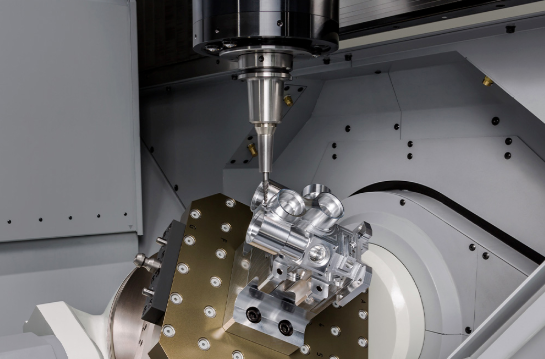
Understanding Machine Components Manufacturers and Their Industrial Role
Ever wondered who creates the precision gears inside your car's transmission or the intricate valve components in aerospace systems? Machine components manufacturers are the specialized producers that transform raw materials into the critical parts powering virtually every industry. Unlike general fabricators who build large structures, these precision-focused companies craft individual components with tolerances often measured in thousandths of an inch.
This guide walks you through everything you need to know before sending your first Request for Quote. Think of it as your comprehensive roadmap—not a product catalog—designed to help you navigate the complex world of machine parts manufacturing with confidence.
What Machine Components Manufacturers Actually Do
At their core, machined components manufacturers specialize in subtractive manufacturing processes. Imagine a sculptor working with a block of marble—these manufacturers start with solid metal stock and systematically remove material until the desired shape emerges. The key difference from general fabrication? Precision is everything.
While a fabrication shop builds structures by cutting, bending, and welding sheet metal together, precision manufacturers focus on creating individual components with exact specifications. They work with CNC machine components and advanced equipment to achieve tolerances that manual processes simply cannot match. The U.S. machine shop services market alone is valued at $48.0 billion in 2025, reflecting how essential these specialized producers have become to modern manufacturing.
The Hidden Backbone of Industrial Production
You'll find machined parts in places you might never expect. From the bearings in wind turbines to the connectors in medical devices, precision machined components form the invisible infrastructure keeping industries running smoothly.
These manufacturers produce a wide range of essential machine components:
- Clutches and brakes – Critical for power transmission and motion control systems
- Couplings – Connect rotating shafts while accommodating misalignment
- Springs and fasteners – Provide tension, compression, and secure connections
- Precision machined parts – Custom components for specific applications
- Gears and transmission components – Enable power transfer at various speeds and torques
- Bearings and support structures – Reduce friction and maintain alignment
From Raw Metal to Precision Parts
What separates a specialized precision manufacturer from a general machine shop? It comes down to capability, consistency, and certification. General fabricators might produce structural frames and enclosures, but when you need a component that must fit within microns of specification, you need a dedicated precision partner.
Specialized manufacturers invest heavily in advanced CNC technology, quality management systems, and skilled machinists who understand the nuances of working with different materials. They maintain strict quality control protocols and often hold industry-specific certifications that general shops simply don't pursue.
Understanding this distinction matters because choosing the wrong type of partner can lead to project delays, budget overruns, and components that fail to meet your specifications. As you prepare to source machine components, recognizing what these manufacturers actually do—and don't do—puts you in a stronger position to find the right match for your project's specific requirements.
Core Manufacturing Processes Behind Precision Components
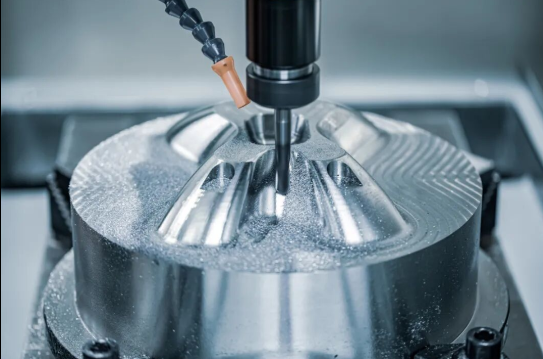
Sounds complex? It doesn't have to be. Understanding how cnc machining parts are actually made gives you a significant advantage when communicating with manufacturers and evaluating their capabilities. Let's break down the core processes that transform raw metal into precision machined components you'll rely on for your projects.
CNC Machining Fundamentals Explained
CNC stands for Computer Numerical Control—essentially, computers directing cutting tools with exceptional accuracy. Unlike manual machining where operators guide tools by hand, CNC technology follows programmed instructions to achieve tolerances that human hands simply cannot replicate consistently.
The two foundational CNC processes you'll encounter are turning and milling. Here's the key difference: in CNC turning, your workpiece spins while a stationary cutting tool shapes it—ideal for cylindrical parts like shafts, rods, and bushings. In CNC milling, the opposite occurs. The cutting tool rotates while your workpiece remains fixed, making it perfect for milled parts with flat surfaces, slots, pockets, and complex three-dimensional shapes.
When manufacturing machine parts, many precision machining part applications combine both operations. A component might start on a lathe for its cylindrical features, then move to a milling machine for holes, flats, or angular cuts. Understanding this workflow helps you recognize which manufacturers can handle your complete project versus those requiring secondary suppliers.
Multi-Axis Machining Capabilities
Imagine trying to machine a turbine blade using only three directions of movement—up-down, left-right, and front-back. You'd need to stop repeatedly, reposition the part, and risk introducing alignment errors each time. This is precisely why multi-axis machining exists.
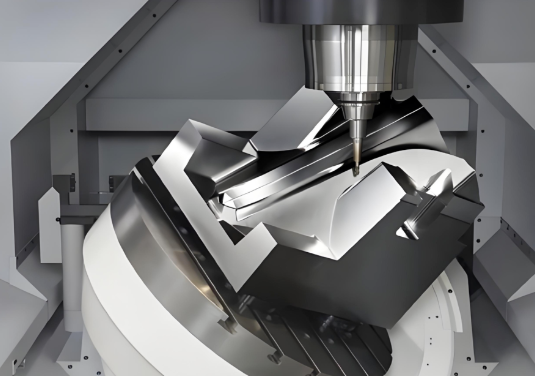
Standard 3-axis machining moves the cutting tool along three linear directions. While effective for simpler geometries, it requires multiple setups for complex parts. According to Fictiv's technical analysis, 5-axis CNC machining adds two rotational movements, allowing the tool to approach workpieces from virtually any angle in a single setup.
There's also an intermediate option called 3+2-axis machining (or positional 5-axis). Here, the rotational axes tilt the workpiece into position, but cutting still happens using only the three linear movements. This approach offers access to multiple sides without the programming complexity of full simultaneous 5-axis work.
The practical benefits? Reduced setup time, fewer opportunities for alignment errors, and the ability to machine intricate features that would otherwise require multiple operations or couldn't be produced at all. For cnc precision machining parts with complex contours—think aerospace components or medical implants—5-axis capability often proves essential.
Swiss Screw Machining for Complex Geometries
When your precision machining part requirements include small, slender components with intricate features, Swiss screw machining delivers capabilities that conventional lathes cannot match. Originally developed for watchmaking, this technology excels at producing long, thin parts without the deflection problems that plague standard turning operations.
What makes Swiss machines different? The workpiece is supported by a guide bushing extremely close to the cutting point, providing exceptional stability. This design allows machining of parts with length-to-diameter ratios that would cause vibration and inaccuracy on conventional equipment. According to Kremin Inc., Swiss lathes are indispensable for medical, aerospace, electronics, and watchmaking industries where precision and small part sizes are crucial.
Many Swiss machines also incorporate live tooling—rotating tools that can perform milling operations while the main spindle holds the workpiece. This means complex cnc milled parts with both turned and milled features can emerge complete in a single operation.
Comparing Manufacturing Processes at a Glance
Selecting the right machining part process depends on your component's geometry, required tolerances, and material. This comparison helps you match your needs to the appropriate manufacturing approach:
| Process Type | Best Applications | Typical Tolerances | Material Compatibility |
|---|---|---|---|
| CNC Turning | Cylindrical parts: shafts, pins, bushings, fittings | ±0.025 mm (±0.001 in) | Metals, engineering plastics, alloys |
| CNC Milling | Prismatic parts: housings, brackets, plates with pockets and slots | ±0.05 mm (±0.002 in) | Steel, aluminum, titanium, plastics, composites |
| Swiss Screw Machining | Small, slender components: medical pins, electronic connectors, watch parts | ±0.005 mm (±0.0002 in) | Brass, stainless steel, titanium, aluminum |
| Multi-Axis Machining (5-Axis) | Complex geometries: turbine blades, impellers, orthopedic implants | ±0.01–0.02 mm (±0.0004–0.0008 in) | All machinable metals, high-performance alloys |
Notice how tolerances tighten as you move toward more specialized equipment. This correlation between capability and precision is why understanding these processes matters—it helps you avoid both under-specifying (and getting inadequate parts) and over-specifying (and paying premium prices for capabilities you don't need).
With a clear picture of how these manufacturing processes work, you're now ready to explore another critical decision point: selecting the right material for your machined components.
Material Selection Guide for Machined Components
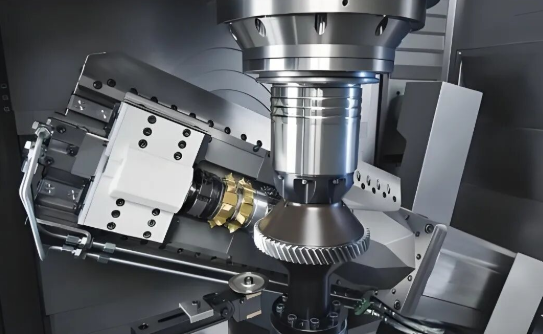
Choosing the wrong material can derail your entire project. Imagine designing a perfect component only to watch it corrode in the field, buckle under load, or blow your budget because you specified an exotic alloy when standard steel would have worked fine. Material selection sits at the intersection of engineering performance and economic reality—and getting it right requires understanding how different metals and plastics behave under real-world conditions.
When sourcing machined metal parts from manufacturers, you'll encounter a wide spectrum of options. Each material brings distinct advantages and trade-offs across mechanical strength, corrosion resistance, weight, and cost. Let's break down the major categories so you can match your requirements to the optimal choice.
Steel Alloys for Strength and Durability
Steel remains the workhorse of industrial manufacturing for good reason. Its combination of strength, hardness, and affordability makes it the default choice for applications demanding structural integrity and wear resistance. However, not all steels are created equal.
Mild steels (like 1018 and 1045) offer excellent machinability and weldability at economical prices. According to Hubs, mild steel 1018 is the most commonly used grade, delivering good toughness, strength, and hardness for general-purpose applications. These steels work well for jigs, fixtures, and structural components where corrosion protection can be added through plating or coating.
Alloy steels (such as 4140 and 4340) step up performance significantly. They can be heat treated to achieve higher hardness and strength while maintaining good toughness. If your custom steel parts need to withstand high loads, repeated impacts, or demanding wear conditions, alloy steels justify their modest cost premium.
Stainless steels bring corrosion resistance into the equation. The chromium content (typically above 10.5%) forms a protective passivation layer that resists rust and chemical attack. Grade 304 handles most general applications, while 316 offers superior resistance to saline environments—essential for marine or chemical processing equipment.
The trade-off? Stainless steel is harder to machine than mild steel, which increases metal parts machining costs. Tool wear accelerates, and work hardening can complicate cutting operations. Despite this, the long-term durability often outweighs the higher upfront expense.
Aluminum Applications in Lightweight Components
When weight reduction matters—whether for fuel efficiency, portability, or reducing inertia in moving assemblies—aluminum alloys deliver exceptional performance. With a density roughly one-third that of steel, aluminum enables designs that would be impractically heavy in ferrous metals.
Beyond weight savings, aluminum offers outstanding machinability. Lower cutting resistance means faster cycle times, reduced tool wear, and excellent surface finishes. This translates directly to lower machining costs, making aluminum particularly attractive for prototyping and high-volume production alike.
Aluminum 6061 stands as the most common general-purpose alloy. Its balanced properties—good strength-to-weight ratio, corrosion resistance, and excellent machinability—make it suitable for everything from automotive frames to electronic enclosures. Industry data confirms 6061 as the most economical and widely available aluminum option for CNC machining.
Aluminum 7075 targets high-performance applications. This aerospace-grade alloy approaches steel-like strength when heat treated, making it ideal for structural aircraft components, climbing equipment, and competitive cycling parts. The premium price reflects its superior mechanical properties.
One important consideration: while aluminum resists atmospheric corrosion naturally, it can react with certain chemicals and dissimilar metals. Anodizing creates a hard, protective layer that enhances durability and allows for colored finishes—a common secondary operation for precision machined metal parts.
Specialty Materials for Extreme Environments
Sometimes standard materials simply won't survive your application's demands. Extreme temperatures, aggressive chemicals, or unusual mechanical requirements call for specialty alloys and advanced plastics.
Titanium combines remarkable strength with approximately 45% less weight than steel. Its corrosion resistance rivals or exceeds stainless steel, and it maintains properties at elevated temperatures. Aerospace, medical implants, and marine applications frequently specify titanium despite its significantly higher cost. The challenge? Titanium's poor thermal conductivity and tendency to work-harden make metal machined operations demanding. Expect longer cycle times, specialized tooling requirements, and correspondingly higher prices.
Brass excels in applications requiring low friction, electrical conductivity, or an attractive finish. Custom brass parts machine exceptionally well—brass is often cited as one of the easiest metals to cut. This makes it cost-effective for high-volume production of valve components, electrical connectors, and decorative hardware. Its natural corrosion resistance (though less than stainless steel) suits many plumbing and marine applications.
Engineering plastics offer unique properties that metals cannot match. Materials like PEEK withstand continuous temperatures up to 250°C while providing chemical resistance and electrical insulation. Nylon delivers excellent wear resistance for gears and bushings, while POM (Delrin) offers low friction and high dimensional stability. These materials weigh a fraction of metals, often simplifying assembly and reducing system loads.
Material Comparison at a Glance
This table summarizes key decision factors across common machined component materials:
| Material | Tensile Strength Range | Corrosion Resistance | Weight Factor | Cost Level | Ideal Applications |
|---|---|---|---|---|---|
| Mild Steel (1018/1045) | 370–585 MPa | Low (requires coating) | High (7.8 g/cm³) | $ | Structural parts, jigs, fixtures, general machinery |
| Stainless Steel (304/316) | 515–620 MPa | Excellent | High (8.0 g/cm³) | $$ | Food processing, medical, marine, chemical equipment |
| Aluminum (6061/7075) | 275–570 MPa | Good (excellent with anodizing) | Low (2.7 g/cm³) | $–$$ | Aerospace structures, automotive, electronics enclosures |
| Brass (C36000) | 310–380 MPa | Good | High (8.5 g/cm³) | $$ | Electrical connectors, valves, decorative fittings |
| Titanium (Grade 5) | 830–1170 MPa | Excellent | Medium (4.4 g/cm³) | $$$$ | Aerospace, medical implants, high-performance racing |
| Engineering Plastics (PEEK/Nylon) | 45–100 MPa | Excellent (chemical) | Very Low (1.1–1.4 g/cm³) | $$–$$$ | Bearings, insulators, medical devices, food-grade parts |
When Specialty Alloys Are Worth the Premium
The decision to upgrade from standard materials shouldn't be taken lightly—but neither should it be avoided when circumstances demand it. Consider specialty alloys when:
- Failure consequences are severe – Aircraft components, medical implants, and safety-critical systems justify premium materials that minimize risk
- Operating environments are extreme – High temperatures, corrosive chemicals, or saltwater exposure can destroy standard materials rapidly
- Weight savings drive system performance – In aerospace and automotive applications, reduced mass improves fuel efficiency and handling
- Total lifecycle cost favors durability – A titanium component lasting 20 years may cost less than replacing steel parts every 5 years
Conversely, specifying exotic materials for benign environments simply wastes budget. A stainless steel component in a dry indoor application often represents unnecessary cost when mild steel with appropriate coating would perform identically.
With a clear understanding of material options and their trade-offs, you're now equipped to specify requirements that balance performance needs against budget realities. The next critical consideration? Understanding tolerance standards—because even the perfect material choice means nothing if your parts don't fit together as designed.
Tolerance Standards and Precision Specifications Explained
You've selected the perfect material. Your design looks flawless on screen. But here's where many projects stumble: specifying tolerances that either cost a fortune to achieve or fail to meet your functional requirements. Understanding precision machined parts specifications isn't just technical knowledge—it's the difference between components that fit perfectly and expensive mistakes that require rework.
Tolerances define the allowable variation in a component's dimensions. Think of them as the acceptable margin of error. A shaft designed at 10mm diameter with a ±0.02mm tolerance can actually measure anywhere between 9.98mm and 10.02mm and still be considered acceptable. This seemingly small detail has massive implications for both cost and function.
Decoding Tolerance Classes and Their Implications
When reviewing quotes from precision machined parts manufacturers, you'll encounter various tolerance specifications. According to industry standards, standard CNC machining tolerances of ±0.25mm (±0.010") represent the baseline capability for most precision manufacturing operations. This level accommodates normal variations in machine accuracy, thermal effects, tool wear, and setup repeatability while maintaining economical production rates.
But what do different tolerance classes actually mean for your project? Here's a practical breakdown:
- Standard tolerances (±0.25mm / ±0.010") – Suitable for non-critical dimensions, general structural components, and parts where fit isn't extremely precise. Most cost-effective option.
- Fine tolerances (±0.125mm / ±0.005") – Required for precision machine parts with moderate fit requirements, moving components, and assemblies needing reliable alignment.
- Precision tolerances (±0.05mm / ±0.002") – Necessary for high precision machined parts in demanding applications like bearing housings, hydraulic components, and precision assemblies.
- Ultra-precision tolerances (±0.0125mm / ±0.0005") – Reserved for high precision machined components in aerospace, medical devices, and optical equipment where micron-level accuracy is non-negotiable.
Each step tighter in tolerance requires more sophisticated equipment, environmental controls, and inspection protocols. As Modus Advanced notes, achieving ultra-precision tolerances demands temperature-controlled environments maintaining ±0.5°C, vibration isolation, and high-precision spindles—adding 100-200% to baseline costs.
When Tight Tolerances Actually Matter
Here's the uncomfortable truth: many buyers over-specify tolerances without understanding the cost implications. Requesting precision cnc machined parts with ±0.01mm tolerances when ±0.1mm would function identically simply burns budget unnecessarily.
So when do tight tolerances genuinely matter? Focus on these scenarios:
- Mating surfaces – Where two components must fit together with specific clearance or interference
- Rotating assemblies – Shafts, bearings, and housings requiring consistent concentricity
- Sealing surfaces – Areas where fluid or gas containment depends on precise fit
- Critical alignment features – Mounting holes, locating pins, and reference surfaces
For non-critical dimensions—overall length of a bracket, width of a non-mating surface, or positions of mounting holes with generous clearance—standard tolerances typically suffice. According to Abra Engineering, overly tight tolerances increase manufacturing costs without adding functional value, making tolerance optimization essential for cost efficiency.
Specifying Requirements Without Over-Engineering
How do you communicate tolerance requirements effectively without driving up costs? Start by distinguishing between critical and non-critical dimensions on your drawings.
Apply the tightest tolerances only where function demands them. A precision machined part might need ±0.025mm on a bearing seat while accepting ±0.25mm on overall height. This selective approach lets manufacturers focus resources where precision actually matters.
Consider Geometric Dimensioning and Tolerancing (GD&T) for complex requirements. Protolabs explains that GD&T controls relationships between features—like perpendicularity, concentricity, and true position—more effectively than simple bilateral tolerances. This provides deeper quality control while avoiding ambiguity about what "in tolerance" actually means for your application.
Don't forget surface finish specifications. Standard finishes of 63 µin for flat surfaces and 125 µin for curved surfaces satisfy most applications. Specifying smoother finishes adds polishing operations and cost—worthwhile for sealing surfaces or cosmetic parts, unnecessary elsewhere.
Finally, discuss tolerance requirements with potential manufacturers before finalizing specifications. Experienced precision machining parts suppliers can often suggest alternative approaches that achieve your functional goals at lower cost. They may identify where your specifications exceed their standard capabilities—requiring premium pricing—when minor adjustments would stay within economical ranges.
With tolerance requirements clearly understood, you're ready to evaluate another crucial factor that separates capable manufacturers from the rest: quality certifications and what they actually guarantee about the parts you'll receive.
Quality Certifications and Inspection Standards That Matter
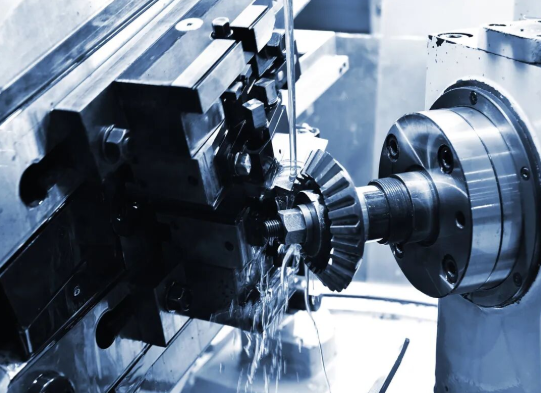
You've found a manufacturer listing impressive certifications on their website—ISO 9001, IATF 16949, AS9100. But what do these acronyms actually guarantee about the precision machined products you'll receive? Many buyers treat certifications as checkboxes rather than meaningful quality indicators. Understanding what each certification requires helps you evaluate whether a manufacturer's quality systems genuinely match your project's demands.
Quality certifications represent third-party verification that a manufacturer follows documented processes, maintains consistent standards, and continuously improves operations. They're not just plaques on the wall—they indicate systematic approaches to precision parts manufacturing that reduce defects, ensure traceability, and protect your supply chain.
ISO 9001 and What It Guarantees
ISO 9001 serves as the foundation for quality management across industries worldwide. With over one million certified organizations globally, this standard establishes the baseline requirements for any robust quality management system.
What does ISO 9001 actually require? The certification demands documented procedures, consistent process execution, and evidence of continual improvement. Manufacturers must demonstrate customer focus, risk-based thinking, and measurable quality objectives. When you source from an ISO 9001-certified precision machined parts supplier, you're working with an organization that has established systems for:
- Process documentation – Written procedures ensure consistent operations regardless of which operator runs the equipment
- Customer requirements tracking – Systems capture and verify your specifications throughout production
- Corrective action protocols – When issues arise, root cause analysis prevents recurrence
- Management review – Leadership regularly evaluates quality performance and drives improvement
For general industrial applications, ISO 9001 certification provides reasonable assurance that a manufacturer operates professionally. However, industry-specific certifications build upon this foundation with additional requirements tailored to particular sectors.
IATF 16949 for Automotive Supply Chains
If you're sourcing precision cnc components for automotive applications, IATF 16949 certification becomes essential. Developed by the International Automotive Task Force in collaboration with ISO, this standard adds automotive-specific requirements on top of ISO 9001 compliance.
According to certification experts, IATF 16949 focuses specifically on defect prevention, supply chain traceability, and reducing variation in production—critical concerns when components end up in vehicles carrying passengers. Major automotive manufacturers require this certification from their Tier 1 and Tier 2 suppliers.
What makes IATF 16949 stricter than ISO 9001? The automotive standard mandates:
- Product safety requirements – Specific protocols ensuring components won't create safety hazards
- Customer-specific requirements – Each major automaker adds unique quality expectations
- Contingency planning – Documented responses to supply chain disruptions
- Warranty management – Systems tracking field failures and enabling recalls when necessary
- Supplier development – Requirements extending quality systems to sub-tier suppliers
For precision component manufacturing destined for automotive applications, IATF 16949 certification signals a manufacturer prepared to meet the industry's demanding quality expectations. Facilities like Shaoyi Metal Technology maintain this certification alongside strict Statistical Process Control (SPC) protocols, enabling them to deliver high-tolerance components with the consistency automotive supply chains demand.
AS9100 Requirements for Aerospace Components
Aerospace applications demand even more rigorous quality systems. AS9100 certification specifically addresses aerospace requirements, verifying that parts meet the safety, quality, and technical standards the aviation industry requires.
Why does aerospace warrant its own certification? Components in aircraft operate under extreme conditions—temperature variations, vibration, pressure changes—where failure consequences can be catastrophic. AS9100 adds requirements for configuration management, first article inspection, and enhanced traceability beyond what general manufacturing certifications demand.
Understanding Statistical Process Control
Beyond certifications, ask potential manufacturers about their inspection methods and quality control processes. Statistical Process Control (SPC) represents a data-driven approach to maintaining consistency throughout production runs.
Rather than inspecting finished parts and rejecting defects, SPC monitors production parameters in real-time. Control charts track critical dimensions, identifying trends before they result in out-of-tolerance parts. This proactive approach reduces scrap, improves yields, and provides documented evidence that your precision machined products remained within specification throughout the manufacturing run.
Manufacturers investing in SPC systems demonstrate commitment to precision component manufacturing beyond minimum certification requirements. When evaluating precision machined parts suppliers, ask about their measurement capabilities, inspection frequency, and how they document quality data for customer review.
Key Certifications Quick Reference
Match your application requirements to appropriate certification levels:
- ISO 9001 – Universal quality management foundation; suitable for general industrial applications
- IATF 16949 – Automotive industry requirement; essential for vehicle component suppliers
- AS9100 – Aerospace and defense standard; mandatory for aircraft parts and assemblies
- ISO 13485 – Medical device manufacturing; ensures patient safety and regulatory compliance
- ISO 14001 – Environmental management; demonstrates sustainable manufacturing practices
Certifications tell you what systems a manufacturer has in place—but they don't tell you whether that manufacturer is the right fit for your specific project. The next step involves evaluating capabilities, communication, and track record to build your shortlist of qualified suppliers.
How to Evaluate and Select the Right Manufacturer
You've reviewed certifications, studied capabilities, and collected a stack of potential suppliers. Now comes the challenging part—separating genuinely qualified machined parts manufacturers from those who simply market well. The difference between a successful partnership and a costly mistake often comes down to how thoroughly you vet potential suppliers before committing.
Selecting the right precision parts manufacturer isn't about finding the lowest quote. It's about identifying a partner whose capabilities, quality systems, and communication style align with your project's demands. Let's walk through a systematic approach that protects your interests and increases your odds of finding a reliable long-term supplier.
Capability Assessment Beyond Marketing Claims
Every machined parts manufacturer's website showcases impressive equipment lists and glowing testimonials. But how do you verify these claims match reality? Start by looking beyond the surface.
According to industry experts, evaluating a cnc parts manufacturer requires examining their technical infrastructure, team expertise, and production scalability. Check whether they use advanced CNC lathes, milling machines, and coordinate measuring machines (CMMs). Their engineering team should demonstrate proficiency with CAD/CAM tools and multi-axis machining—not just own the equipment.
Request specifics about machine models, spindle speeds, working envelopes, and positioning accuracy. A custom parts manufacturer claiming 5-axis capability should readily provide details about their actual equipment, not vague generalizations. Ask about their typical part complexity and whether your project falls within their comfort zone or pushes their limits.
Don't overlook capacity considerations. A precision machined parts manufacturers facility running at 95% utilization may struggle to accommodate your timeline. Understanding their current workload and growth trajectory helps you assess whether they can scale with your needs.
Red Flags When Vetting Potential Suppliers
Experience teaches buyers to recognize warning signs early. Watch for these common red flags that often signal future problems:
- Reluctance to share references – Established manufacturers willingly connect you with satisfied customers
- Vague answers about tolerances – Competent shops speak precisely about their capabilities and limitations
- Unusually low quotes – Prices far below competitors often indicate hidden quality shortcuts or bait-and-switch tactics
- Poor communication responsiveness – If getting answers takes days during quoting, imagine production issues
- Resistance to facility visits – Reputable machining parts manufacturers welcome customer audits
- Missing or outdated certifications – Quality certifications require regular audits; expired credentials suggest neglected systems
Vendor due diligence experts emphasize that a supplier's reputation is often a reliable indicator of their reliability, product quality, and customer service. Check industry forums, LinkedIn recommendations, and any available case studies before making commitments.
Domestic Versus Offshore Manufacturing Considerations
The domestic versus offshore decision involves more than just unit pricing. According to a Thomas survey, 83% of North American manufacturers have evaluated reshoring due to supply chain vulnerabilities exposed in recent years.
Offshore machining may offer lower per-unit costs, but consider the total landed cost including shipping, customs duties, inventory carrying costs, and quality inspection requirements. Communication challenges across time zones, intellectual property concerns, and longer lead times often erode apparent savings.
Domestic manufacturing provides closer collaboration, faster iteration during development, and reduced supply chain risk. When engineering changes arise—and they will—local suppliers implement modifications in days rather than weeks. For time-sensitive projects or applications requiring tight quality control, the domestic premium often proves worthwhile.
Your Step-by-Step Evaluation Checklist
Follow this systematic process to evaluate and compare potential suppliers objectively:
- Define your requirements clearly – Document volumes, tolerances, materials, certifications needed, and timeline expectations before contacting suppliers
- Screen initial capabilities – Review websites, equipment lists, and certifications to create a shortlist of potentially qualified candidates
- Request detailed quotes – Provide identical specifications to each supplier; compare not just pricing but also lead times, payment terms, and included services
- Verify certifications independently – Check certification databases to confirm current validity rather than relying on displayed logos
- Conduct reference checks – Speak with existing customers about quality consistency, communication, and problem resolution
- Evaluate financial stability – Request financial statements or credit reports to assess long-term viability, especially for critical components
- Schedule facility visits or virtual tours – Observe equipment condition, workplace organization, and team expertise firsthand
- Start with a prototype order – Test the relationship with a small project before committing to production volumes
Building Long-Term Manufacturing Partnerships
Finding a qualified supplier is just the beginning. The most successful buyer-manufacturer relationships evolve into genuine partnerships where both parties invest in mutual success.
Look for manufacturers who offer Design for Manufacturability (DFM) feedback—suggestions that improve your parts while reducing production costs. A machined parts manufacturer willing to recommend design modifications demonstrates expertise and partnership mentality beyond simply following instructions.
Evaluate their approach to problem-solving. When issues inevitably arise, do they communicate proactively or hide problems until they become crises? Industry guidance confirms that responsive, clear communication ensures you won't be left in the dark when challenges emerge.
Consider after-sale support as well. Does the supplier offer warranties, replacements, or technical assistance when parts don't perform as expected? A quality manufacturer stands behind their work and views each project as an opportunity to strengthen the relationship.
The effort invested in thorough evaluation pays dividends throughout your manufacturing relationship. With a reliable partner identified, your next step involves preparing an RFQ package that enables accurate quoting and smooth production startup.
Preparing Your RFQ and Understanding Lead Times
You've identified qualified suppliers and evaluated their capabilities. Now comes the moment that determines whether you receive accurate quotes or frustrating back-and-forth clarification requests: preparing your Request for Quote. A well-structured RFQ package doesn't just speed up the quoting process—it establishes your credibility as a professional buyer and sets the foundation for a smooth manufacturing relationship.
Think of your RFQ as a communication tool. The more complete and organized your information, the faster manufacturers can assess your project and provide competitive pricing. Incomplete requests trigger delays as sales teams chase missing details, often adding days or weeks before you see your first quote.
Essential Information for Your Quote Request
What separates an RFQ that gets immediate attention from one that languishes in a queue? Completeness. According to machining service providers, the more detailed your RFQ, the faster you'll receive an accurate quote. Start with the fundamentals before diving into technical specifications.
Your RFQ package should include these core elements:
- Company information – Contact details, billing address, shipping address, and business identification
- Product description – Basic overview of what you need and its intended application
- Material specifications – Preferred materials or acceptable alternatives with any special requirements
- Quantity requirements – Initial order volume plus projected annual usage
- Timeline expectations – Target delivery dates and any schedule constraints
- Industry-specific requirements – Note if parts are for medical, aerospace, automotive, or other regulated applications
- Quality documentation needs – Inspection reports, certifications, or traceability requirements
Don't assume manufacturers will ask about missing information. Some may quote based on assumptions that don't match your actual needs—leading to surprises when custom manufactured parts arrive or invoices come due.
Technical Drawings and Specification Requirements
Your drawings serve as the definitive reference for custom part manufacturing. They communicate geometry, tolerances, surface finishes, and special requirements in a universal engineering language. Without proper drawings, even the most capable manufacturer cannot guarantee results matching your expectations.
Industry best practices recommend providing both 2D PDF drawings and 3D STEP files. The PDF serves as the master document defining critical dimensions and tolerances, while the 3D model enables manufacturers to import geometry directly into CAM software and verify their understanding of complex features.
Your technical package should clearly indicate:
- Critical dimensions with tolerances – Identify which features require tight control
- Surface finish requirements – Specify roughness values for different surfaces
- Geometric tolerances – Include GD&T callouts for position, concentricity, perpendicularity where relevant
- Material and heat treatment specifications – Define alloy grades and any required processing
- Thread specifications – Standard or custom thread callouts with class of fit
- Special markings or identification – Part numbers, lot codes, or other required marks
If you're exploring machined parts online quoting systems, keep in mind that automated platforms work best with complete 3D models and standard tolerances. Complex custom machined parts with unusual features or tight specifications typically benefit from direct engineering review.
Volume Considerations and Pricing Structures
The quantity you order dramatically impacts per-unit pricing—and understanding this relationship helps you make smarter sourcing decisions. Custom cnc parts pricing includes both fixed costs (programming, setup, tooling) and variable costs (material, machining time, inspection). Higher volumes spread fixed costs across more units, reducing the price per piece.
Be transparent about your volume projections. A manufacturer quoting for 100 pieces makes different decisions than one quoting for 10,000. They may select different equipment, invest in custom fixturing, or allocate dedicated machine time. Providing realistic forecasts—even if uncertain—enables more accurate pricing structures.
Consider requesting tiered pricing at multiple quantity breakpoints. This reveals the volume threshold where economies of scale become meaningful for your parts. You might discover that ordering 500 pieces instead of 250 drops your unit cost by 30%, making it worthwhile to adjust inventory strategy.
Prototyping Versus Production Requirements
The approach for ordering five prototype units differs fundamentally from ordering five thousand production pieces. According to manufacturing experts, programs often stumble because teams treat prototype and production as interchangeable—when they require distinctly different operating modes.
Prototype manufacturing prioritizes speed and flexibility. You're validating designs, testing fit and function, and likely making changes based on what you learn. Expect higher per-unit costs because manufacturers cannot amortize setup across large volumes. However, lead times are often shorter since prototypes typically jump ahead of production queues.
Production parts manufacturing emphasizes repeatability, documented processes, and optimized costs. The design should be frozen, specifications finalized, and quality requirements clearly defined. Manufacturers invest in fixturing, establish process parameters, and implement statistical controls that wouldn't make sense for small prototype runs.
Communicate where you are in the development cycle. A manufacturer understanding you need custom parts manufacturing for prototypes with production to follow can structure their quote appropriately—perhaps offering reduced prototype pricing in exchange for production volume commitments.
Lead Time Factors and Production Planning
What determines how long you'll wait for your parts? Lead times depend on multiple factors beyond just machining complexity. Understanding these influences helps you set realistic expectations and plan accordingly.
Key lead time drivers include:
- Current shop capacity – Busy periods extend queues regardless of part complexity
- Material availability – Standard alloys ship quickly; specialty materials may require weeks
- Secondary operations – Heat treatment, plating, and coating add processing time
- Inspection requirements – Extensive documentation increases quality control time
- Drawing completeness – Missing information triggers clarification delays
- First article approval – Production holds until you approve initial samples
For urgent needs, ask about expedite options upfront. Many manufacturers offer accelerated service for premium pricing—sometimes achieving one-day turnarounds for critical components. However, rushing every order strains relationships and budgets. Reserve expedite requests for genuine emergencies.
Parts manufacturing planning works best when you provide visibility into future needs. Sharing forecasts—even rough estimates—allows manufacturers to reserve capacity, pre-order materials, and smooth production scheduling. This collaboration often results in better pricing and more reliable delivery than transactional, order-by-order relationships.
With your RFQ prepared comprehensively, manufacturers can focus on engineering review and accurate pricing rather than chasing missing details. But before parts ship, many applications require additional processing—heat treatment, surface finishing, or assembly services that add value and functionality to your machined components.
Secondary Operations and Finishing Processes
Your precision machining components arrive from the CNC machine—but are they truly finished? In many applications, raw machined products require additional processing to achieve the performance characteristics your application demands. These secondary operations transform good parts into great ones, adding durability, corrosion resistance, and functionality that machining alone cannot provide.
Understanding when and why these processes matter helps you specify requirements accurately and avoid costly surprises. Let's explore the secondary operations that add genuine value to your cnc machined components.
Heat Treatment for Enhanced Performance
Imagine a gear that wears prematurely because the surface wasn't hardened, or a spring that loses tension because residual stresses weren't relieved. Heat treatment addresses these challenges by modifying the internal structure of metals through controlled heating and cooling cycles.
According to Hubs, heat treatment is essential for modifying critical properties like hardness, strength, toughness, and ductility in metal parts. The timing of heat treatment—before or after machining—depends on your specific requirements.
Pre-machining heat treatment works well when using standardized metal alloy grades. Manufacturers can machine parts directly from pre-heated stock, reducing lead times. However, post-machining heat treatment becomes necessary when the process aims to harden material or serve as a finishing step—particularly for tool steels that become significantly harder after treatment.
The three most common heat treatment processes include:
- Annealing – Heating metal to high temperature followed by slow cooling softens the material and improves machinability. Most CNC-machined parts possess annealed-state properties unless additional treatments are specified.
- Stress relieving – Applied after machining to eliminate residual stresses introduced during manufacturing, producing parts with more consistent mechanical properties.
- Tempering – Follows quenching of mild steels and alloy steels to reduce brittleness while enhancing mechanical performance.
For complex machined parts subjected to high loads or wear, heat treatment often represents the difference between acceptable performance and premature failure.
Surface Finishing Options and Applications
Surface finishes do more than make parts look good—they protect against corrosion, reduce friction, improve electrical properties, and enhance wear resistance. Selecting the right finish depends on your operating environment and functional requirements.
According to Alpha Metal, each finishing method offers distinct advantages for different applications:
Anodizing creates a hard, corrosion-resistant oxide layer on aluminum surfaces through an electrochemical process. The part is submerged in an acid electrolyte solution while electrical current oxidizes the surface. This "conversion coating" can be dyed various colors and provides excellent wear resistance—making it popular for aerospace, automotive, electronics, and architectural components.
Plating deposits a thin metal layer onto your component's surface. Nickel plating enhances corrosion resistance, chrome plating adds aesthetic shine and hardness, zinc plating provides sacrificial corrosion protection, and gold plating improves electrical conductivity. The process uses either electroplating (electrical current) or electroless chemical deposition.
Powder coating applies a dry polymer powder electrostatically, then cures it under heat to form a thick, durable coating. This process delivers excellent impact and corrosion resistance with minimal environmental impact—overspray can be recycled, and VOC emissions are low.
Painting remains the most versatile option for color matching and aesthetic requirements, though it typically offers less durability than powder coating or anodizing. Water-based paints provide eco-friendly alternatives to solvent-based formulations.
Comparing Surface Finishing Options
This table helps you match finishing processes to your application requirements:
| Process Type | Key Benefits | Typical Applications | Cost Impact |
|---|---|---|---|
| Anodizing | Hard, wear-resistant surface; corrosion protection; color options; non-conductive | Aerospace components, electronics enclosures, architectural elements | Moderate ($$) |
| Electroplating (Nickel/Chrome) | Enhanced corrosion resistance; aesthetic metallic finish; improved conductivity | Automotive trim, tools, jewelry, electronic connectors | Moderate to High ($$–$$$) |
| Zinc Plating | Sacrificial corrosion protection; cost-effective | Fasteners, brackets, structural hardware | Low ($) |
| Powder Coating | Thick, uniform coating; excellent impact resistance; wide color selection; eco-friendly | Outdoor equipment, appliances, automotive parts | Moderate ($$) |
| Painting | Unlimited color options; easy touch-up; versatile substrate compatibility | Consumer goods, construction materials, enclosures | Low to Moderate ($–$$) |
| Glass Bead Blasting | Smooth satin finish; surface preparation; improved corrosion resistance | Medical devices, precision milled parts, decorative components | Low ($) |
Assembly Services and Value-Added Operations
Why receive individual components when you could receive ready-to-install assemblies? Many manufacturers offer assembly of machined parts as a value-added service that simplifies your supply chain and reduces your internal workload.
According to Marver Med, providing secondary services in-house significantly reduces overall production time by eliminating delays and added costs of outsourcing. These value-added operations include:
- Component assembly – Combining multiple machined parts with fasteners, seals, or other hardware
- Laser marking – Permanent part identification, serial numbers, or logos
- Cleaning and degreasing – Removing machining fluids and contaminants for assembly or sterile packaging
- Cleanroom packaging – Critical for medical devices and sensitive electronics
- Secondary machining – Additional turning, facing, drilling, or threading operations to refine dimensions
Consolidating these operations with your primary machining supplier offers several advantages. Single-source responsibility simplifies quality accountability. Reduced handling between facilities minimizes damage risk. And coordinated scheduling often shortens overall lead times compared to managing multiple vendors.
When evaluating manufacturers, ask which secondary operations they perform in-house versus outsource. In-house capabilities typically mean better quality control and faster turnaround, while outsourced processes add lead time and potential coordination challenges.
With a clear understanding of how secondary operations enhance your precision machining components, you're now equipped to specify complete requirements that include post-machining processing. The final step involves synthesizing everything you've learned to make confident manufacturer selections for your project.
Making Your Final Manufacturer Selection
You've traveled through material science, tolerance specifications, quality certifications, and secondary operations. Now comes the moment of decision—synthesizing everything into actionable choices that protect your supply chain and set your projects up for success. The right precision machined parts manufacturer isn't simply the cheapest option or the one with the flashiest website. It's the partner whose capabilities, quality systems, and communication style align precisely with your project's demands.
Matching Your Requirements to Manufacturer Capabilities
Start by revisiting your core requirements against what you've learned about each potential supplier. Does their equipment handle your part geometries? Can they achieve your tolerance specifications without premium pricing? Do their certifications match your industry's regulatory expectations?
Create a simple decision matrix weighing the factors that matter most to your application:
- Technical capability alignment – Their equipment, tolerances, and material expertise match your cnc machined parts requirements
- Quality system rigor – Certifications appropriate to your industry (ISO 9001 minimum, IATF 16949 for automotive, AS9100 for aerospace)
- Production capacity – Sufficient bandwidth for your volumes without overloading their shop
- Lead time performance – Realistic timelines that support your production schedule
- Communication responsiveness – Quick, clear answers during quoting predict behavior during production
- Geographic considerations – Domestic versus offshore trade-offs appropriate to your risk tolerance
Don't fall into the trap of over-weighting price. A manufacturer offering precision cnc machining parts at 20% below competitors may be cutting corners on inspection, using inferior materials, or operating with inadequate quality systems. The cost of receiving defective machining parts—production delays, rework, customer complaints—far exceeds any savings from a low initial quote.
Building Your Shortlist of Qualified Suppliers
Your evaluation process should narrow dozens of potential suppliers down to a focused shortlist of two to four genuinely qualified candidates. These finalists have passed your capability screening, demonstrated appropriate certifications, and responded professionally to your inquiries.
Before making final commitments, consider these validation steps:
- Request sample parts – Seeing actual precision cnc parts reveals more than any specification sheet
- Verify references – Speak with current customers about quality consistency and problem resolution
- Start small – A prototype order tests the relationship before production volumes commit significant capital
- Evaluate DFM feedback – Manufacturers offering design improvement suggestions demonstrate partnership mentality
Pay attention to how suppliers handle your questions during evaluation. A custom machining solutions provider willing to explain their processes, acknowledge limitations, and suggest alternatives shows the transparency you'll need when production challenges inevitably arise.
The best manufacturer partnerships succeed not because problems never occur, but because both parties communicate openly and resolve issues quickly when they do.
Taking the Next Step in Your Sourcing Journey
With your shortlist established, the path forward becomes clearer. For many buyers, the ideal partner combines technical precision with certified quality systems and responsive service—a combination that accelerates projects from concept to production without the friction of miscommunication or quality escapes.
Manufacturers holding IATF 16949 certification demonstrate the process discipline automotive supply chains demand. When these capabilities extend to rapid prototyping-to-production transitions, you gain flexibility that traditional suppliers cannot match. Imagine validating a design with prototype cnc precision parts, then scaling seamlessly to production volumes—all with a single qualified partner.
For time-critical applications, ask about expedited options. Some precision machined parts manufacturer facilities deliver with lead times as fast as one working day for urgent component needs. This responsiveness proves invaluable when production lines face unexpected shortages or design changes require immediate validation.
If your applications include automotive components—chassis assemblies, custom metal bushings, or other vehicle systems—consider exploring specialized resources. Facilities offering precision CNC machining for automotive applications bring industry-specific expertise alongside strict Statistical Process Control protocols that ensure consistency across production runs.
Remember that selecting a manufacturer isn't a one-time transaction—it's the beginning of an ongoing relationship. The effort you invest in thorough evaluation pays dividends through reliable deliveries, consistent quality, and collaborative problem-solving when challenges arise. Your precision cnc machining parts supplier becomes an extension of your own capabilities, directly impacting your ability to serve your customers effectively.
Armed with the knowledge from this guide—manufacturing processes, material selection, tolerance specifications, quality certifications, evaluation frameworks, RFQ preparation, and secondary operations—you're prepared to approach machine components manufacturers as an informed buyer. That preparation translates into better partnerships, better parts, and better outcomes for your projects.
Frequently Asked Questions About Machine Components Manufacturers
1. How much does a custom CNC part cost?
Custom CNC part costs vary significantly based on complexity, materials, and production volume. Simple parts in small runs typically range from $10 to $50 per piece, while precision-engineered components may cost $160 or more, especially for low-volume orders. Factors affecting price include material selection, tolerance requirements, secondary operations like heat treatment or plating, and setup costs that get distributed across larger quantities. Requesting tiered pricing at multiple quantity breakpoints helps identify volume thresholds where economies of scale reduce per-unit costs.
2. What are the 7 basic machine tools used in manufacturing?
The seven fundamental machine tools are turning machines (lathes and boring mills), shapers and planers, drilling machines, milling machines, grinding machines, power saws, and presses. Modern CNC technology has transformed these traditional tools into computer-controlled equipment capable of achieving tolerances impossible with manual operation. Multi-axis CNC machining centers now combine multiple operations, allowing manufacturers to produce complex geometries in single setups while maintaining exceptional precision.
3. What certifications should machine components manufacturers have?
Essential certifications depend on your industry. ISO 9001 provides the universal quality management foundation suitable for general industrial applications. IATF 16949 is mandatory for automotive supply chain components, focusing on defect prevention and traceability. AS9100 certification is required for aerospace and defense applications with stricter safety and quality requirements. Medical device manufacturers need ISO 13485 certification. IATF 16949-certified facilities like Shaoyi Metal Technology implement strict Statistical Process Control protocols ensuring consistent high-tolerance component production.
4. What is the difference between CNC turning and CNC milling?
In CNC turning, the workpiece rotates while a stationary cutting tool shapes it, making it ideal for cylindrical parts like shafts, rods, and bushings. In CNC milling, the cutting tool rotates while the workpiece remains fixed, perfect for parts with flat surfaces, slots, pockets, and complex three-dimensional shapes. Many precision machining applications combine both operations, with components starting on a lathe for cylindrical features then moving to milling machines for additional features like holes, flats, or angular cuts.
5. How do I prepare an effective RFQ for machined parts?
A complete RFQ package should include company information, detailed product descriptions, material specifications, quantity requirements with projected annual usage, timeline expectations, and quality documentation needs. Provide both 2D PDF drawings and 3D STEP files with clearly marked critical dimensions, tolerances, surface finish requirements, and any GD&T callouts. Be transparent about volume projections and whether you need prototyping or production quantities, as manufacturers make different equipment and process decisions based on this information.