 Small batches, high standards. Our rapid prototyping service makes validation faster and easier —
  EN
EN


Machined Components Manufacturers: 9 Critical Factors Your Supplier Hopes You Never Learn
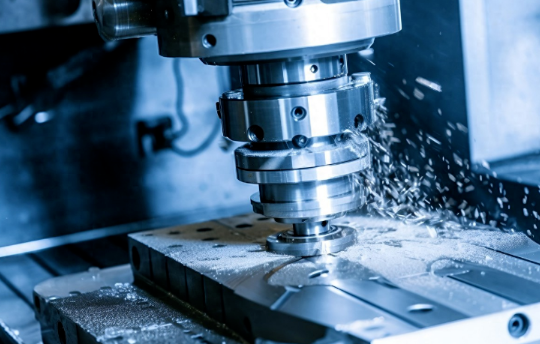
Understanding Machined Components Manufacturers and Their Industrial Role
When you need parts that fit together with microscopic precision, where do they come from? Behind every aerospace system, medical device, and high-performance vehicle lies a network of specialized producers creating the precision machined components that make modern technology possible. Understanding what these manufacturers actually do—and what separates exceptional ones from merely adequate suppliers—can mean the difference between product success and costly failures.
What Defines a Machined Components Manufacturer
Machined components manufacturers transform raw materials into finished parts through controlled material removal processes. Unlike casting or molding, machining components involves cutting, drilling, and shaping metal or plastic stock using computer-controlled equipment to achieve exact specifications.
What makes these parts different from other manufactured goods? Precision. While a stamped bracket might hold acceptable tolerances of several millimeters, a precision-machined component for a surgical instrument demands accuracy measured in microns. This level of exactness requires sophisticated CNC equipment, rigorous quality control, and deep engineering expertise.
The best machined components manufacturers share several defining characteristics:
- Advanced CNC capabilities: State-of-the-art turning, milling, and multi-axis machining centers
- Material expertise: Knowledge of how different metals and alloys behave during machining
- Quality systems: Documented processes ensuring consistent results across production runs
- Build-to-print accuracy: Ability to translate engineering drawings into physical parts that match specifications exactly
- Lean manufacturing practices: Efficient workflows that deliver on time without sacrificing quality
The Industrial Backbone Behind Precision Parts
These specialized producers serve as the backbone for industries where failure is not an option. In aerospace and defense, machine components must withstand extreme conditions while meeting stringent manufacturing and quality demands. Automotive applications require parts that perform reliably across millions of cycles. Medical device manufacturing demands components produced with complex materials and methods that directly impact patient outcomes.
Imagine sourcing a critical hydraulic component from a supplier who cannot maintain tolerances. The result? Assembly line shutdowns, warranty claims, or worse—safety incidents that damage your reputation permanently.
Selecting the right manufacturing partner directly impacts your product quality and time-to-market. A capable supplier becomes an extension of your engineering team, offering prototyping services and anticipating long-term partnership opportunities. They understand that getting it right the first time eliminates costly rework and delays.
Whether you need one prototype or thousands of production pieces, the goal remains constant: the right price, the right material, and the right delivery. As you evaluate potential partners throughout this guide, you will discover the critical factors that separate manufacturers who deliver on these promises from those who simply make them.
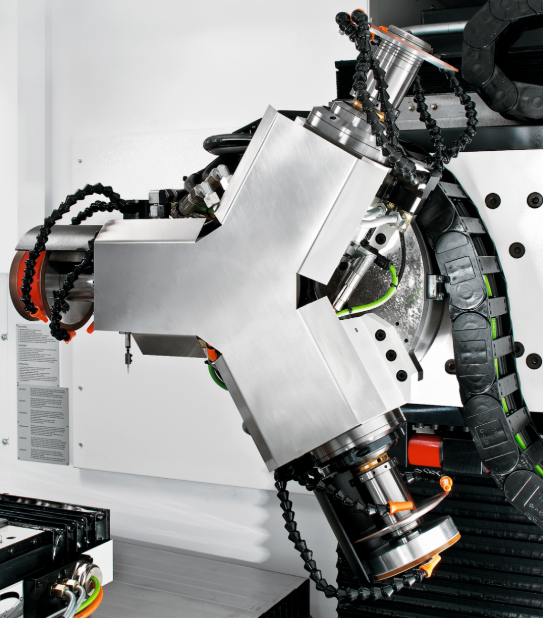
Core CNC Machining Processes Explained
Ever wondered what actually happens when raw metal becomes a precision part? Most suppliers list their machining capabilities without explaining how each process works—or when one method makes more sense than another. Understanding these fundamentals helps you communicate effectively with manufacturers and make smarter sourcing decisions.
CNC Turning and Milling Fundamentals
The two workhorses of CNC machining parts production are turning and milling. While both remove material to create finished components, they operate on fundamentally different principles.
CNC Turning involves rotating the workpiece against a stationary cutting tool. Picture a lathe spinning a metal rod while a precisely positioned cutter shapes its surface. This process excels at creating cylindrical parts like shafts, bushings, pins, and threaded components. Because the workpiece spins continuously, turning delivers exceptional concentricity and roundness—critical for parts that need to rotate or fit precisely into round holes.
Modern CNC turning centers often include live tooling capabilities, allowing them to perform drilling and limited milling operations without moving the part to a second machine. This integration reduces handling and improves accuracy on complex cnc machined components.
CNC Milling reverses the arrangement: the cutting tool rotates while the workpiece remains stationary or moves slowly along multiple axes. Multi-point cutting tools—end mills, face mills, and ball-nose cutters—carve away material to create flat surfaces, pockets, slots, and intricate three-dimensional contours.
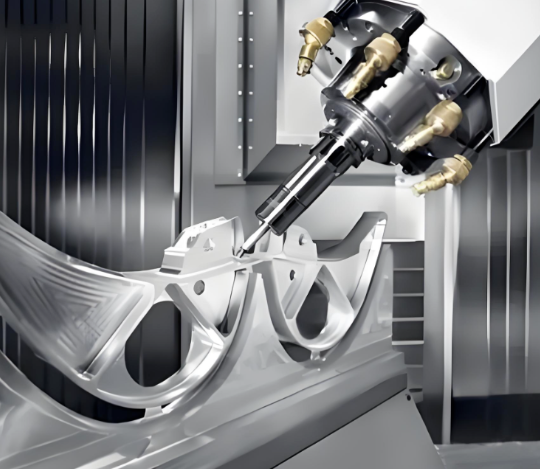
Where turning shines with round parts, milling handles prismatic shapes: housings, brackets, mounting plates, and complex geometries that would be impossible on a lathe. Advanced 5-axis CNC milling machines can approach the workpiece from virtually any angle, producing cnc milled parts with undercuts and compound curves in a single setup.
Sounds complex? Here is a practical way to think about it: if your part looks like something you would find on a pottery wheel—round and symmetric—turning is probably your best bet. If it resembles something carved from a block—with flat faces, pockets, or angular features—milling is the answer.
Specialized Processes for Complex Geometries
Sometimes standard turning and milling cannot achieve the precision or geometry your application demands. That is where specialized processes enter the picture.
Swiss Machining represents the pinnacle of small-diameter precision. Originally developed for watchmaking, Swiss-type lathes use a sliding headstock that supports the workpiece extremely close to the cutting point. This eliminates deflection and vibration, enabling tolerances as tight as ±0.0025 mm on long, slender parts. Medical device components, electronic connectors, and aerospace fasteners frequently require Swiss machining to achieve their demanding specifications.
Wire EDM (Electrical Discharge Machining) takes a completely different approach. Instead of cutting with physical contact, wire EDM uses electrical sparks to erode material from conductive workpieces. A thin wire—sometimes just 0.1 mm in diameter—traces the programmed path while submerged in dielectric fluid, vaporizing material with each discharge.
Why does this matter? Wire EDM can cut hardened tool steels and exotic alloys that would destroy conventional cutting tools. It produces cnc machine components with sharp internal corners, intricate profiles, and mirror-like surface finishes impossible to achieve through traditional machining. Think precision dies, delicate medical instruments, and aerospace cnc mechanical parts requiring extreme accuracy.
Comparing CNC Machining Processes
Choosing the right process depends on your part geometry, material, tolerance requirements, and production volume. The following comparison helps clarify when each method delivers optimal results:
| Process Type | Best Applications | Typical Tolerances | Material Compatibility |
|---|---|---|---|
| CNC Turning | Shafts, pins, bushings, threaded rods, cylindrical housings | ±0.025 mm to ±0.1 mm | Aluminum, steel, stainless steel, brass, plastics, titanium |
| CNC Milling | Housings, brackets, plates, molds, 3D contoured surfaces | ±0.025 mm to ±0.1 mm | All machinable metals, engineering plastics, composites |
| Swiss Machining | Small-diameter precision parts, medical implants, watch components, electronic pins | ±0.0025 mm to ±0.01 mm | Stainless steel, titanium, brass, precious metals, specialty alloys |
| Wire EDM | Hardened tool steel dies, intricate profiles, sharp internal corners, thin-wall sections | ±0.005 mm to ±0.01 mm | Any electrically conductive material including hardened steels and carbides |
Notice how tolerances vary significantly between processes. A standard CNC turning operation might deliver ±0.05 mm comfortably, while achieving ±0.01 mm requires slower speeds, more careful process control, and often higher costs. Swiss machining and wire EDM reach into ultra-precision territory—but at a premium that makes sense only when your application truly demands it.
Many cnc machined parts require multiple processes. A cnc machine part might start on a turning center for its cylindrical features, move to a milling machine for cross-drilled holes and flats, then finish with wire EDM for a precision slot. Understanding how these processes complement each other helps you anticipate lead times and evaluate whether a manufacturer has the complete capabilities your project requires.
With a solid grasp of machining processes, you are ready to explore another factor that dramatically impacts your project outcomes: material selection and how different metals behave under the cutting tool.
Material Selection Guide for Machined Components
You have specified tight tolerances and selected the right machining process. But here is something many buyers overlook: your material choice can make or break the entire project. The wrong metal means excessive tool wear, blown tolerances, and costs that spiral beyond your budget. Yet most manufacturers never explain why certain materials machine beautifully while others fight the cutting tool at every pass.
Material Properties That Impact Machining Success
Why does aluminum cut like butter while titanium destroys tooling? The answer lies in a property called machinability—a measure of how easily a material can be cut, shaped, and finished. Metals with high machinability require less cutting force, generate less heat, and produce better surface finishes, making them more cost-effective for metal parts machining.
Several key properties determine how a material behaves under the cutting tool:
- Hardness: Harder metals cause more rapid tool wear and require slower cutting speeds. Softer metals machine faster but may need additional care to maintain dimensional accuracy.
- Thermal conductivity: Materials that dissipate heat quickly reduce thermal stress on cutting tools. Poor conductors like titanium trap heat at the cutting edge, accelerating wear.
- Ductility: Ductile materials deform plastically before breaking, which can cause chip buildup and poor surface finish. Brittle materials may crack unexpectedly during machining.
- Work hardening: Some metals—particularly stainless steels—harden as they are machined, making subsequent cuts progressively more difficult.
When evaluating custom metal parts for your project, understanding these properties helps you anticipate manufacturing challenges before they become expensive problems.
Matching Materials to Application Requirements
Selecting the right material is not simply about what machines easiest—it is about balancing machinability against your performance requirements. A part that needs to resist corrosion in marine environments demands different material choices than one operating in a temperature-controlled electronics enclosure.
Consider these common machined metal parts materials and when each excels:
Aluminum alloys deliver an unbeatable combination of light weight, excellent machinability, and corrosion resistance. They machine three to four times faster than steel, reducing cycle times and costs. When you need metal machined quickly and cost-effectively—especially for aerospace, automotive, or consumer electronics applications—aluminum is often the first choice.
Carbon and alloy steels provide high strength and durability at moderate cost. Custom steel parts make sense when your application demands load-bearing capability, wear resistance, or the ability to be heat-treated for additional hardness. However, expect longer machining times and higher tool consumption compared to aluminum.
Stainless steel combines excellent corrosion resistance with good mechanical properties. Medical devices, food processing equipment, and marine applications frequently specify stainless grades. The trade-off? Stainless work-hardens during machining, requiring experienced operators and appropriate tooling strategies to achieve tight tolerances.
Brass machines exceptionally well, producing clean chips and excellent surface finishes without extensive polishing. Custom brass parts are ideal for decorative hardware, electrical connectors, and plumbing fittings where appearance and conductivity matter. Its natural antimicrobial properties also make brass attractive for touch surfaces.
Titanium alloys offer extraordinary strength-to-weight ratios and biocompatibility, making them essential for aerospace and medical implant applications. However, machining titanium presents challenges such as high tool wear and low thermal conductivity, requiring specialized tooling and careful parameter control.
Material Comparison for Metal Machining Parts
The following table summarizes key considerations when selecting materials for your machined components:
| Material Type | Machinability Rating | Typical Applications | Cost Considerations |
|---|---|---|---|
| Aluminum (6061, 7075) | Excellent | Aerospace structures, automotive components, electronics housings, fixtures | Low machining cost; moderate material cost; excellent for high-volume production |
| Carbon Steel (1018, 1045) | Good | Shafts, gears, structural components, machinery parts | Low material cost; moderate machining cost; heat treatment adds expense |
| Stainless Steel (303, 304, 316) | Fair to Good | Medical devices, food equipment, marine hardware, chemical processing | Higher material and machining costs; 303 grade machines easier than 304/316 |
| Brass (C360) | Excellent | Electrical connectors, plumbing fittings, decorative hardware, valve components | Moderate material cost; very low machining cost; minimal finishing required |
| Titanium (Grade 5, Ti-6Al-4V) | Poor | Aerospace fasteners, medical implants, high-performance racing components | High material and machining costs; specialized tooling required; justified by performance |
When balancing cost and performance, evaluate the material's total lifecycle value—not just its purchase price. A higher-cost material that machines faster or eliminates secondary operations often delivers better overall economics.
Notice how machinability directly impacts production costs. Free-machining brass can produce parts in half the time required for stainless steel, translating to significant savings on high-volume orders. Conversely, choosing titanium for an application where aluminum would suffice wastes budget without adding value.
Surface treatments further extend your options. Anodizing, plating, and heat treating can significantly enhance the performance of CNC-machined metal parts by improving corrosion resistance, hardness, and wear properties. Sometimes selecting a more machinable base material and adding a protective finish delivers better results than struggling with a difficult-to-machine alloy.
Understanding how material selection affects tolerances, surface finish, and costs positions you to have informed conversations with manufacturers—and to recognize when a supplier's material recommendation truly serves your interests versus their profit margins. Next, you will discover how tolerance specifications translate from engineering drawings to real-world manufacturing capability.
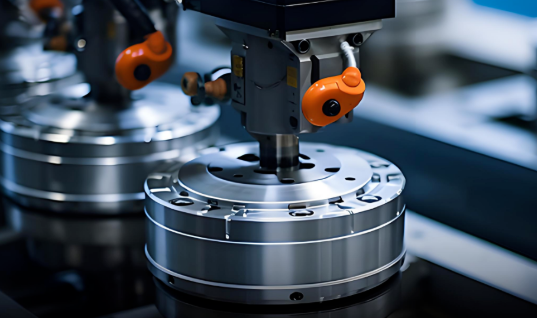
Tolerance Capabilities and Precision Specifications Demystified
You have selected your material and machining process. Now comes the specification that separates adequate parts from exceptional ones: tolerance. Yet most manufacturers speak in vague terms—"tight tolerances" or "high precision"—without defining what these claims actually mean. Understanding concrete tolerance specifications helps you communicate requirements clearly and recognize when a supplier genuinely delivers precision machined parts versus one simply making marketing claims.
Tolerance Specifications Decoded
What exactly is a tolerance? It is the permissible variation from a specified dimension. When a drawing calls for a 10.00 mm diameter with ±0.05 mm tolerance, any finished part measuring between 9.95 mm and 10.05 mm meets specification. Sounds straightforward—but the manufacturing effort required to hit ±0.05 mm versus ±0.01 mm differs dramatically.
Standard CNC machining operations comfortably achieve tolerances of ±0.05 mm without significant cost premiums. This range works for most general industrial applications where parts need to fit together without binding or excessive clearance. Moving tighter—into ±0.025 mm territory—requires slower cutting speeds, more careful process control, and increased inspection time.
When specifications demand ±0.01 mm or tighter, you enter precision machining parts territory. Achieving these tolerances consistently requires temperature-controlled environments, premium cutting tools, and rigorous in-process measurement. As one industry analysis notes, tolerances tighter than ±0.01 mm can increase pricing by 40-80% through slower machining speeds and mandatory inspection requirements.
How are these tolerances actually verified? Modern manufacturers rely on Coordinate Measuring Machines (CMMs) that provide micron-level accuracy when measuring complex three-dimensional features. CMM inspection verifies surface profiles, geometric tolerances, and dimensional accuracy against design specifications—capabilities that manual inspection simply cannot match. For precision cnc machined parts destined for critical applications, this level of verification is non-negotiable.
Industry-Specific Precision Requirements
Different industries demand different precision levels. What passes for acceptable in industrial machinery would cause catastrophic failure in an aircraft engine. Understanding these standards helps you specify appropriate tolerances—tight enough to ensure performance without paying premiums your application does not require.
Here is how tolerance requirements typically break down across major sectors:
- Aerospace: ±0.005 mm to ±0.025 mm for flight-critical components. Structural integrity and aerodynamic performance depend on exact fit between parts, where even microscopic deviations can create stress concentrations that jeopardize entire systems.
- Medical devices: ±0.005 mm to ±0.01 mm for implants and surgical instruments. Tight tolerances ensure accuracy and effectiveness of devices used in life-saving procedures, where slight discrepancies directly affect patient outcomes.
- Automotive: ±0.01 mm to ±0.05 mm for powertrain and safety-critical components. Precision cnc machined components must maintain consistent clearances for proper gear meshing, shaft alignment, and reliable performance across millions of operating cycles.
- Industrial equipment: ±0.025 mm to ±0.1 mm for general machinery. These high precision machined components require accuracy sufficient for reliable assembly and operation without the extreme specifications demanded by life-safety applications.
Why do tolerance capabilities vary so dramatically between manufacturers? Equipment quality, environmental controls, operator expertise, and quality systems all play crucial roles. A shop running older equipment in an uncontrolled environment simply cannot achieve the same precision machine parts as a facility with modern 5-axis centers, climate control, and rigorous process monitoring.
The most expensive tolerance is one tighter than your application actually requires. Apply precision cnc machined components specifications only to features affecting assembly, function, or safety—use standard tolerances everywhere else.
The cost relationship is straightforward: specifying ±0.005 mm where ±0.05 mm would suffice can nearly double your per-part cost. Smart engineers reserve tight tolerances for bearing seats, mating surfaces, and assembly-critical dimensions while applying ISO 2768-m general tolerances to non-critical features. This strategic approach delivers precision cnc components where they matter without inflating costs unnecessarily.
Now that you understand what tolerance specifications really mean and cost, the next critical factor determines whether your design can actually be manufactured efficiently—or whether it will fight the machining process at every step.
Design for Manufacturability Best Practices
You have specified your tolerances and selected the perfect material. But here is a secret most suppliers will not tell you: poor part design can undermine everything. A geometry that looks elegant in CAD might be impossible to machine efficiently—or at all. Understanding design for manufacturability (DFM) principles transforms your engineering intent into parts that machines produce quickly, accurately, and cost-effectively.
Design Principles That Reduce Manufacturing Costs
Every feature you add to a custom machined part affects how it will be manufactured. Sharp internal corners force tiny tools and slow feeds. Deep pockets require extended-reach cutters prone to deflection. Thin walls vibrate under cutting loads. When you design with machining constraints in mind, you eliminate costly rework before it happens.
Start with these fundamental principles for custom cnc parts that machine efficiently:
- Maintain adequate wall thickness: For metals, keep walls at minimum 0.8 mm (0.03 in); for plastics, maintain at least 1.5 mm (0.06 in). Thicker walls improve rigidity, reduce chatter, and help maintain dimensional accuracy during clamping.
- Add generous internal corner radii: End mills cannot cut perfectly sharp internal corners. Specify radii equal to or larger than the tool radius—for example, at least 3 mm radius when using a 6 mm end mill. Larger radii allow faster feed rates and reduce stress concentration.
- Limit pocket and cavity depths: Keep blind pockets no deeper than 3× the tool diameter. Beyond this limit, extended-length tools lose rigidity, causing poor tolerances and surface quality.
- Design accessible features: Ensure cutting tools can reach every surface requiring machining. Features hidden behind walls or accessible only at extreme angles require additional setups or specialized equipment.
- Use standard hole sizes: Match hole diameters to common drill bit sizes. Non-standard diameters require reaming, boring, or interpolation—adding time and cost to your custom parts manufacturing.
Thread design deserves special attention. Effective thread length should stay within 2-3× the hole diameter—deeper threads rarely increase strength but significantly increase tap breakage risk. Through-threaded holes cost less than blind threads because they are easier to machine and clean.
Relaxing internal corner radii is one of the most effective ways to reduce part cost. Very small radii force tiny tools with low feed rates, dramatically increasing cycle time.
Common Design Mistakes to Avoid
Even experienced engineers make design choices that complicate manufacturing. Recognizing these pitfalls before releasing drawings saves weeks of back-and-forth with suppliers and prevents rejected parts or budget overruns.
Over-specifying tolerances everywhere. Applying tight tolerances to all dimensions—rather than just critical features—forces slower cutting parameters and extensive inspection. Precise dimensions are only needed in key areas. Mark CTQ (critical-to-quality) features clearly and apply general tolerances elsewhere.
Ignoring workholding requirements. How will the machinist clamp your part? If your design lacks suitable base surfaces, special fixtures or additional operations become necessary—increasing both time and cost. Include flat reference surfaces and clearance for clamps in your custom mechanical components.
Creating unnecessarily complex geometry. Some designs involve intricate shapes that add no functional value. The more complex the geometry, the more time the machine spends executing the program. Ask yourself: does this feature serve a purpose, or is it engineering over-design?
Designing thin, unsupported features. Slender ribs and narrow grooves deflect under cutting loads, producing chatter marks and dimensional errors. For ribs, maintain a height-to-thickness ratio of 8:1 or less. If tall features are unavoidable, add temporary support tabs that can be removed in finishing operations.
Requiring multiple setups unnecessarily. Each time a part is flipped or re-clamped, you introduce positional uncertainty and add cost. Design complex machined parts so critical features share common datum references accessible in a single clamping whenever possible.
The most expensive part is one that cannot be manufactured as designed. Investing time in DFM review before quoting saves exponentially more time during production.
Custom component fabrication works best when engineering and manufacturing collaborate early. Before finalizing drawings, ask your supplier to review designs for manufacturability. Experienced custom machine parts manufacturers identify potential issues immediately—saving you from discovering problems after tooling is cut and production is underway.
With designs optimized for efficient machining, the next question becomes: how do you verify that your manufacturer actually delivers the quality they promise? Understanding certifications and quality systems reveals which suppliers back their claims with documented processes.
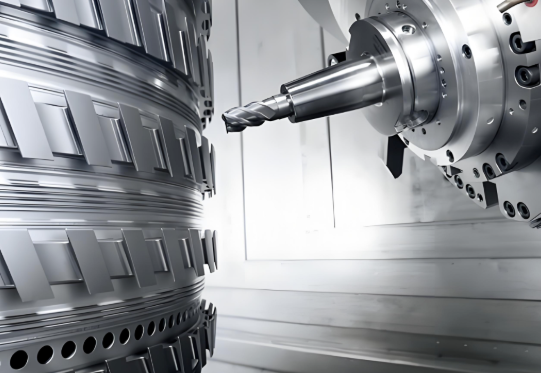
Quality Certifications and What They Mean for Your Project
Your design is optimized, your material selected, and your tolerances specified. But how do you know a manufacturer can actually deliver what they promise? Most suppliers list certifications on their websites without explaining what those acronyms actually guarantee. Understanding quality certifications—and the rigorous systems behind them—separates manufacturers who consistently produce precision machined products from those who simply claim they do.
Certification Standards by Industry
Quality certifications are not just wall decorations. They represent documented systems that govern how manufacturers control processes, verify results, and continuously improve. Each certification addresses specific industry requirements—and choosing a supplier with the wrong credentials can disqualify your entire project.
ISO 9001 serves as the foundation. As the most universal form of manufacturing certification, it establishes requirements for a robust quality management system applicable across industries. Obtaining this certification confirms that products or services comply with customer expectations and regulatory mandates. However, ISO 9001 alone may not satisfy specialized industry requirements.
IATF 16949 builds upon ISO 9001 specifically for automotive manufacturing. Developed by the International Automotive Task Force, this global standard encompasses additional requirements in product design, production processes, and customer-specific standards. It ensures compliance with stringent industry regulations, enhances product quality, facilitates supply chain integration, and drives continuous improvement. Major OEMs require IATF 16949 certification from their precision machined parts suppliers before considering them for production contracts.
AS9100 addresses the unique demands of aerospace and defense applications. This certification states that parts meet the requirements of safety, quality, and high standards posed by the aviation industry. Given how specific and technical aerospace components must be for safety and compliance, AS9100 goes well beyond general quality systems to address configuration management, counterfeit part prevention, and first article inspection requirements.
ISO 13485 ensures medical devices are designed and manufactured with patient safety as the priority. While other quality standards focus on customer satisfaction and continuous improvement, ISO 13485 emphasizes regulatory compliance and risk management to ensure the safety and effectiveness of medical devices. This framework covers processes to meet global medical device regulations, serving as the reference standard for regulatory agencies worldwide including the FDA, Health Canada, and the European Union.
ITAR compliance governs defense-related exports and restricts who can access controlled technical data. For precision component manufacturing involving military applications, ITAR registration is non-negotiable—and violations carry severe penalties.
Comparing Quality Certifications
| Certification | Industry Focus | Key Requirements | Why It Matters |
|---|---|---|---|
| ISO 9001 | All industries | Documented QMS, customer focus, process control, continuous improvement | Establishes baseline quality management; foundation for industry-specific certifications |
| IATF 16949 | Automotive | Advanced product quality planning (APQP), production part approval process (PPAP), SPC, customer-specific requirements | Mandatory for automotive OEM supply chains; demonstrates capability for high-volume precision manufacturing |
| AS9100 | Aerospace & Defense | Configuration management, first article inspection, counterfeit prevention, risk management | Required for flight-critical components; addresses safety and traceability demands unique to aviation |
| ISO 13485 | Medical Devices | Design controls, sterility management, post-market surveillance, regulatory alignment | Essential for market access globally; ensures patient safety through rigorous process validation |
| ITAR | Defense | Registration with State Department, controlled access to technical data, export licensing | Legally required for defense contracts; non-compliance results in severe penalties |
What Quality Certifications Actually Guarantee
A certificate on the wall means nothing without the systems to back it up. What separates a truly certified precision component manufacturer from one going through the motions? The answer lies in how they control and verify their processes.
Statistical Process Control (SPC) represents a cornerstone of advanced quality systems. By implementing modern SPC, which involves the gathering and analysis of data to determine which machining process is most suitable for a workpiece, machinists can ultimately improve quality and reliability, and reduce operating costs. Rather than inspecting defects out of finished parts, SPC prevents them from occurring in the first place.
How does SPC actually work? Manufacturers measure critical characteristics throughout production and plot results against statistical control limits. A statistically capable process is one where the chance of producing a part characteristic out of tolerance is quite remote. Industry standards typically target process capability indices (Cpk) of 1.33 or higher—meaning only about one part in 16,000 would fall outside specification.
For automotive precision components manufacturing, IATF 16949 mandates SPC for critical characteristics. Manufacturers like Shaoyi Metal Technology implement strict SPC protocols throughout production, ensuring high-tolerance machined products maintain consistent quality from the first piece to the millionth. Their IATF 16949 certification demonstrates verified capability for automotive supply chain requirements—from rapid prototyping through mass production of chassis assemblies and custom metal bushings.
Beyond SPC, certified manufacturers employ comprehensive inspection protocols:
- First article inspection (FAI): Complete dimensional verification of initial production parts against all drawing specifications before full production begins
- In-process inspection: Regular sampling during production runs using calibrated instruments to verify conformance
- CMM verification: Coordinate measuring machine inspection for complex geometries requiring micron-level accuracy
- Final inspection: Complete quality checks before shipment, with documented results traceable to specific production lots
Certifications tell you what systems a manufacturer claims to have. SPC data and inspection reports show you whether those systems actually work.
When evaluating precision machined parts suppliers, ask to see actual process capability data—not just certification logos. A manufacturer confident in their quality systems readily shares Cpk values, control charts, and inspection records. Those who hesitate may have certifications that exist only on paper.
Understanding certifications helps you identify capable partners. But even the best quality systems cannot compensate for unrealistic timelines or mismatched production volumes. Next, you will discover how lead times and order quantities affect everything from pricing to delivery reliability.
Production Volume and Lead Time Considerations
You have found a certified manufacturer with the right capabilities. Now comes a question that catches many buyers off guard: how does order volume affect pricing, timelines, and even feasibility? The cost structure for machined parts shifts dramatically between ordering one prototype and commissioning thousands of production units. Understanding these dynamics helps you plan realistically—and avoid sticker shock when quotes arrive.
From Prototype to Production Scaling
Why does a single prototype sometimes cost as much as dozens of production parts? The answer lies in how manufacturers distribute fixed costs across order quantities.
During prototyping, setup costs dominate economics. Setup costs including machine setup, tool changes, and fixture preparation—plus programming costs for CAD/CAM and simulation—are significant and spread across a very small number of units, often just 1-20 pieces. That expensive machine setup costing several hundred dollars? When spread across a single part, it becomes your entire per-unit overhead.
Production runs fundamentally change the equation. The same fixed costs are now distributed over hundreds or thousands of units, dramatically reducing the per-unit fixed cost. That identical setup expense becomes negligible when amortized across 1,000 manufactured parts.
Beyond cost distribution, production scaling introduces optimization opportunities unavailable during prototyping:
- Prototype stage: Tool paths may be less optimized, focusing on functional validation rather than cycle time minimization. General-purpose fixturing leads to longer cycle times.
- Production stage: Meticulously optimized tool paths for speed and efficiency reduce machining time and cost. Specialized, dedicated fixturing ensures consistent part positioning and faster loading.
Material economics also shift with volume. Small purchase quantities lead to higher per-unit costs due to supplier minimum order quantities, while bulk material purchases for production runs result in significant discounts and consistent supply chains.
How do manufacturers actually handle the transition from prototype to production? The process typically follows a structured path:
- Prototype validation: Initial parts confirm design intent and identify manufacturing challenges
- Low-volume production: A critical step bridging prototyping and full-scale production that helps catch issues, validate processes, and assess supplier quality
- Process optimization: Refining tool paths, fixturing, and workflows for efficiency at scale
- Full production: High-volume part manufacturing with documented procedures and statistical process control
Rapid prototyping capabilities have transformed this timeline. CNC machining enables rapid part creation, eliminating costly tooling for initial prototypes and allowing quick testing and design adjustments. This iterative approach minimizes expensive rework later in production.
Lead Time Factors You Can Control
Lead times frustrate buyers more than almost any other manufacturing variable. But here is what most suppliers will not tell you: many lead time factors are within your control. Understanding what drives timelines helps you plan effectively and identify opportunities to accelerate delivery.
Several key factors determine how quickly your machined parts move from order to shipment:
- Design complexity: Parts requiring multiple setups, specialized tooling, or secondary operations take longer than simple geometries
- Material availability: Standard aluminum and steel ship quickly; exotic alloys may require weeks of lead time before machining even begins
- Tolerance requirements: Precision parts demand slower cutting speeds and extensive inspection, extending production time
- Order volume: While larger orders take longer overall, per-unit lead time typically decreases with volume
- Quality documentation: First article inspection reports, material certifications, and CMM data add processing time
- Surface finishing: Secondary operations like anodizing, plating, or heat treatment extend total lead time
What can you actually control? Start with design decisions. Designing parts around readily available material dimensions can reduce costs by 10-30%—and eliminate material procurement delays entirely. Specifying standard tolerances except where critical features demand precision avoids the extended cycles tight-tolerance machine parts manufacturing requires.
Communication timing matters significantly. Providing complete documentation upfront—including 3D models, tolerances, material specifications, and quantity requirements—eliminates back-and-forth that delays quoting and production start. When design changes are necessary, maintaining detailed records of modifications streamlines subsequent orders.
The most controllable lead time factor is decision speed. Manufacturers who receive clear specifications and prompt approvals consistently deliver faster than those managing ambiguous requirements.
For time-critical projects, ask potential suppliers about their prototyping capabilities and typical turnaround times. Some manufacturers offer expedited services for urgent parts manufacturing needs—though premium pricing applies. Understanding the cost-time tradeoff helps you make informed decisions when deadlines compress.
With production volume and timing considerations clarified, you are ready to explore how requirements differ across the industries that depend on precision manufacturing—and what questions to ask suppliers about their specific experience in your sector.
Industry-Specific Applications and Requirements
You understand machining processes, materials, and quality systems. But here is what separates good sourcing decisions from great ones: recognizing that every industry operates under unique constraints. A precision machined component destined for an aircraft engine faces different scrutiny than one heading to an industrial pump. Understanding these distinctions helps you ask the right questions—and identify machining parts manufacturers with genuine expertise in your sector.
Automotive Component Requirements
Automotive applications demand a distinctive combination of precision, repeatability, and cost efficiency at scale. When you are sourcing machining parts for vehicles, manufacturers must demonstrate capability across several critical dimensions.
Volume scalability separates automotive-capable suppliers from general job shops. Can your potential partner transition seamlessly from rapid prototyping through pilot runs to mass production without quality degradation? The assembly of machined parts into complex automotive systems requires consistent tolerances across production runs spanning millions of cycles.
Cleanliness standards represent an often-overlooked requirement. As leading automotive components suppliers understand, the actual test of quality often lies in what cannot be seen: meeting rigorous cleanliness requirements for every machined part and assembly. Even microscopic contaminants can compromise performance, lead to premature wear, or trigger costly failures in precision drivetrain components.
What does this mean practically? Automotive manufacturers employ sophisticated cleaning protocols including automated blow-off systems and solvent wash stations. Acceptable particle count levels are established based on downstream requirements, with automotive applications typically setting thresholds in the 100-200 micrometer range for residual contamination.
Supply chain integration matters equally. Automotive OEMs expect their mechanical parts assembly supplier partners to manage just-in-time delivery, maintain safety stock, and respond rapidly to demand fluctuations. Manufacturers like Shaoyi Metal Technology address these demands through IATF 16949-certified processes, delivering everything from chassis assemblies to custom metal bushings with lead times as fast as one working day for urgent requirements.
Medical Device Manufacturing Standards
Medical machined components operate in an entirely different regulatory universe. When a machined part becomes part of a surgical instrument or implantable device, patient safety drives every manufacturing decision.
ISO 13485:2016 is the international standard for medical device quality management systems, and it represents far more than a certification—it is a comprehensive framework governing how manufacturers control design, production, and post-market surveillance. Unlike other quality standards focused primarily on customer satisfaction, ISO 13485 emphasizes regulatory compliance and risk management to ensure the safety and effectiveness of medical devices.
The regulatory landscape is evolving. ISO 13485:2016 will soon be incorporated by reference into FDA Part 820, creating the Quality Management System Regulation (QMSR) effective February 2026. Medical machined components manufacturers must demonstrate alignment with both current FDA requirements and emerging harmonized standards.
What distinguishes medical-capable suppliers? Look for documented design controls—systematic frameworks capturing key aspects of product development to prove devices meet user needs and are safe and effective. Risk management aligned with ISO 14971:2019 is mandatory, as regulatory bodies worldwide expect processes that systematically analyze, evaluate, control, and monitor product-related risks.
Traceability requirements for medical precision machined component production exceed other industries. Every raw material lot, machining operation, inspection result, and operator involved must be documented and retrievable for the product's entire lifecycle—sometimes spanning decades for implantable devices.
Aerospace and Industrial Applications
Aerospace manufacturing represents the apex of precision requirements. The AS9100 standard was developed as a specialized QMS designed specifically for the aerospace industry, encompassing ISO 9001 requirements plus additional aerospace-specific quality and safety measures.
What makes aerospace unique? The standard mandates focus on critical aspects including configuration management, product safety, and ethical operation. Risk management entails identifying, assessing, and mitigating risks throughout the product lifecycle, ensuring the highest safety levels for components operating at 30,000 feet—or beyond Earth's atmosphere.
Counterfeit prevention has become increasingly important. AS9100 requires documented processes to ensure material authenticity and component traceability throughout complex supply chains. For a machined part destined for flight-critical applications, this documentation is not optional—it is legally mandated.
Industrial and general machinery applications typically operate under less stringent regulatory frameworks but still demand reliable performance. Small component manufacturing for pumps, valves, and automation equipment requires consistent quality without the documentation overhead of regulated industries. ISO 9001 certification provides adequate assurance for most industrial applications.
Industry Requirements Comparison
| Industry | Typical Components | Critical Standards | Key Considerations |
|---|---|---|---|
| Automotive | Drivetrain components, chassis assemblies, bushings, brackets, sensor housings | IATF 16949, PPAP, customer-specific requirements | Volume scalability, cleanliness protocols, JIT delivery, cost optimization at scale |
| Aerospace | Structural fittings, actuator components, fasteners, hydraulic manifolds | AS9100, NADCAP, first article inspection | Configuration management, counterfeit prevention, full material traceability |
| Medical Devices | Surgical instruments, implant components, diagnostic equipment parts | ISO 13485, FDA 21 CFR Part 820, ISO 14971 | Design controls, risk management, biocompatibility, sterilization validation |
| Industrial | Pump housings, valve bodies, gearbox components, automation fixtures | ISO 9001, application-specific standards | Durability, maintainability, cost-effective tolerances, reasonable lead times |
Questions to Ask About Industry Experience
Certifications indicate capability—but actual experience reveals competence. When evaluating machining parts manufacturers for your specific industry, probe beyond the certificate list:
- What percentage of your production serves my industry? A manufacturer where aerospace represents 60% of revenue understands that sector differently than one where it is 5%.
- Which specific customers or programs have you supported? While confidentiality limits details, experienced suppliers can describe project types and challenges encountered.
- How do you handle industry-specific documentation requirements? Ask for sample first article inspection reports, material certifications, or process validation documentation relevant to your sector.
- What specialized equipment or processes do you maintain for this industry? Cleanroom assembly areas, specialized inspection equipment, or industry-specific testing capabilities indicate genuine commitment.
- How has your quality system evolved to address industry requirements? Suppliers who describe specific improvements demonstrate continuous learning rather than checkbox compliance.
The best indicator of future performance is relevant past performance. A manufacturer excelling in industrial applications may struggle with medical device documentation requirements—and vice versa.
Understanding industry-specific requirements helps you identify manufacturers whose experience aligns with your needs. But even perfect capability means nothing without the ability to evaluate potential partners systematically. The final critical factor reveals how to assess suppliers holistically—and spot red flags before they become costly problems.
Selecting the Right Manufacturing Partner for Your Needs
You have explored machining processes, materials, tolerances, and industry requirements. Now comes the decision that ties everything together: choosing the right machined parts manufacturer for your specific project. This choice extends far beyond comparing quotes. A strategic partnership with the right machined components supplier accelerates your product development, protects your quality reputation, and scales with your business growth. Get it wrong, and you face delays, defects, and damage control that consume resources for months.
Essential Questions for Manufacturer Evaluation
How do you separate exceptional manufacturers from those who simply talk a good game? Systematic evaluation based on proven criteria reveals the truth behind marketing claims. Use this prioritized checklist when vetting potential partners:
- Verify technical capabilities match your requirements. Does the manufacturer possess the specific equipment, processes, and expertise your parts demand? Request their machine list, tolerance capabilities, and material experience. A machined parts manufacturer excelling at high-volume aluminum work may struggle with low-volume titanium components requiring ultra-tight tolerances.
- Confirm relevant certifications are current and audited. Ask about their quality management system (QMS) and whether it has been independently certified. Request copies of certificates and verify expiration dates. ISO 9001 provides baseline assurance, but industry-specific certifications like IATF 16949, AS9100, or ISO 13485 demonstrate specialized capability.
- Evaluate quality control processes and documentation. Review the supplier's quality control processes, including inspection methods, testing procedures, and quality assurance protocols. Can they provide first article inspection reports, material certifications, and CMM data? Suppliers committed to quality readily share this documentation.
- Assess communication responsiveness and clarity. Effective communication fosters collaboration, minimizes errors, and ensures that expectations are aligned between all parties involved. How quickly do they respond to inquiries? Do they ask clarifying questions or simply say "no problem" to everything? Engaged partners probe for details rather than glossing over complexities.
- Review capacity and financial stability. Avoid choosing new suppliers who are at less than 60% capacity since a lack of demand could indicate a lack of competitiveness. If a supplier is over 80% capacity, however, you could risk production delays or stock-outs. For privately-held companies, assess openness to financial inquiries as an indicator of stability.
- Examine secondary processes and finishing capabilities. Does your custom parts manufacturer offer heat treatment, surface finishing, assembly, or specialized coatings in-house? Full-service capabilities reduce supply chain complexity and maintain accountability under one roof. When secondary operations require outside vendors, ask how they manage quality across the extended process chain.
- Request references and performance metrics. Ask about the supplier's performance history and request metrics such as their scrap rate. Contact references in your industry to understand real-world performance. On-time delivery percentages, reject rates, and responsiveness to quality issues reveal more than any sales presentation.
The depth of a manufacturer's response to your evaluation questions reveals as much as the answers themselves. Partners confident in their capabilities welcome scrutiny; those who deflect or provide vague responses may have something to hide.
Red Flags When Selecting a Manufacturing Partner
Knowing what to look for is only half the equation. Recognizing warning signs before signing contracts saves you from costly partnerships that fail to deliver. Watch for these red flags during your evaluation:
Lack of documented experience in your industry. An established track record in the industry demonstrates proficiency, reliability, and the capacity to navigate challenges effectively. When a machined parts supplier cannot provide examples of similar work or references from your sector, their learning curve becomes your risk.
Vague or evasive answers about quality processes. Inconsistent quality control measures can lead to a myriad of issues ranging from product defects to regulatory non-compliance. Suppliers who cannot clearly explain their inspection protocols, process controls, or corrective action procedures likely lack the systems to deliver consistent quality.
The universal "no problem" response. Suppliers who consistently respond with "no problem" to every question without providing substantive feedback may be glossing over important details. Experienced custom machining solutions providers ask clarifying questions, identify potential challenges, and propose alternatives—not simply agree to everything.
Signs of financial instability. Partnering with a financially unstable firm can have detrimental consequences, ranging from supply chain disruptions to contract breaches. Watch for delayed responses about financial health, requests for unusual payment terms, or industry rumors about cash flow difficulties.
Poor communication patterns. Delayed responses to emails, difficulty reaching key contacts, or unclear answers about project status indicate organizational issues that will worsen under production pressure. If communication struggles during the sales process, imagine the challenges when problems arise mid-production.
Unwillingness to provide samples or facility access. Request samples to assess supplier quality firsthand. Manufacturers confident in their capabilities welcome facility tours and provide sample parts demonstrating their precision. Reluctance suggests they have something to hide.
The best manufacturing partnerships are built on transparency. Suppliers who proactively share challenges, propose solutions, and admit limitations become trusted extensions of your team. Those who hide problems become liabilities.
Building Long-Term Manufacturing Partnerships
Finding a capable machined components supplier is just the beginning. The real value emerges when transactional relationships evolve into strategic partnerships supporting your product development and scaling needs over years—not just individual orders.
What separates exceptional manufacturers from adequate ones? Manufacturing partnerships are more than contracts—they're relationships where strong alignment is important. Look for partners who demonstrate genuine interest in your long-term success, not just your next purchase order.
Consider these elements when cultivating lasting relationships with custom manufactured parts providers:
- Collaborative engineering support: Does your partner offer design for manufacturability feedback that improves your products? Suppliers invested in your success identify cost-saving opportunities and quality improvements proactively.
- Scalability alignment: Your manufacturing partner should not just meet your current needs but also scale with you. Can they support you from prototyping through production ramp-up without quality degradation or capacity constraints?
- Innovation and adaptability: Even in mature fields, innovation and adaptability matter—especially as materials, processes, and markets evolve. Partners investing in new capabilities position you for future opportunities.
- Transparent problem resolution: Every manufacturing relationship encounters challenges. How partners handle problems—with honesty, urgency, and corrective action—defines the relationship's true strength.
- Mutual commitment to continuous improvement: The best partnerships include regular business reviews, shared performance metrics, and collaborative improvement initiatives that benefit both parties.
Selecting the right machined parts supplier requires diligence upfront but pays dividends throughout your product lifecycle. By systematically evaluating capabilities, recognizing warning signs, and investing in genuine partnerships, you transform a commodity purchasing decision into a strategic advantage that accelerates your success in the market.
Frequently Asked Questions About Machined Components Manufacturers
1. What industries do machined components manufacturers typically serve?
Machined components manufacturers serve diverse industries including automotive, aerospace, medical devices, and industrial equipment. Each sector has unique requirements—automotive demands IATF 16949 certification and high-volume scalability, aerospace requires AS9100 compliance with strict traceability, medical applications need ISO 13485 certification with rigorous risk management, and industrial machinery focuses on durability and cost-effective tolerances. Manufacturers like Shaoyi Metal Technology specialize in automotive applications, offering IATF 16949-certified processes for chassis assemblies and custom metal bushings with rapid prototyping to mass production capabilities.
2. How do I choose the right material for CNC machined parts?
Material selection depends on balancing machinability, performance requirements, and cost. Aluminum offers excellent machinability and light weight, making it ideal for aerospace and electronics. Carbon steel provides high strength at moderate cost for load-bearing applications. Stainless steel delivers corrosion resistance for medical and marine uses but requires experienced machining due to work hardening. Brass machines exceptionally well for decorative and electrical components. Titanium offers superior strength-to-weight ratios for aerospace and medical implants but demands specialized tooling. Consider thermal conductivity, hardness, and your application's environmental conditions when selecting materials.
3. What tolerances can precision machined components manufacturers achieve?
Standard CNC machining achieves tolerances of ±0.025 mm to ±0.1 mm for general applications. Swiss machining and Wire EDM reach ultra-precision levels of ±0.0025 mm to ±0.01 mm for medical and aerospace components. Industry requirements vary significantly—aerospace demands ±0.005 mm to ±0.025 mm for flight-critical parts, medical devices require ±0.005 mm to ±0.01 mm for patient safety, automotive typically specifies ±0.01 mm to ±0.05 mm for powertrain components. Tighter tolerances increase costs substantially, so apply precision specifications only to assembly-critical features while using general tolerances elsewhere.
4. What quality certifications should machined components manufacturers have?
Essential certifications depend on your industry. ISO 9001 provides baseline quality management across all sectors. IATF 16949 is mandatory for automotive supply chains, incorporating APQP, PPAP, and SPC requirements. AS9100 addresses aerospace and defense with configuration management and counterfeit prevention protocols. ISO 13485 governs medical device manufacturing with emphasis on regulatory compliance and risk management. ITAR registration is required for defense-related exports. Beyond certifications, evaluate actual quality systems including Statistical Process Control implementation, CMM inspection capabilities, and documented first article inspection procedures.
5. How do production volumes affect machined parts pricing and lead times?
Production volume dramatically impacts per-unit costs. Prototype quantities absorb full setup, programming, and fixturing costs across just 1-20 pieces, resulting in higher per-unit prices. As volumes increase to hundreds or thousands, these fixed costs distribute across more units, reducing per-piece expense significantly. Production runs also enable optimized tool paths, dedicated fixturing, and bulk material purchasing discounts. Lead times decrease per-unit for larger orders, though total production time increases. Manufacturers offering rapid prototyping capabilities—some with lead times as fast as one working day—can accelerate the prototype-to-production transition while maintaining quality consistency.